
Gnamptogenys mordax
- Sci. Name
- Gnamptogenys mordax
- Tribe
- Ectatommini
- Subfamily
- Ectatomminae
- Author
- Smith, 1858
- Distribution
- Found in 11 countries
Introduction
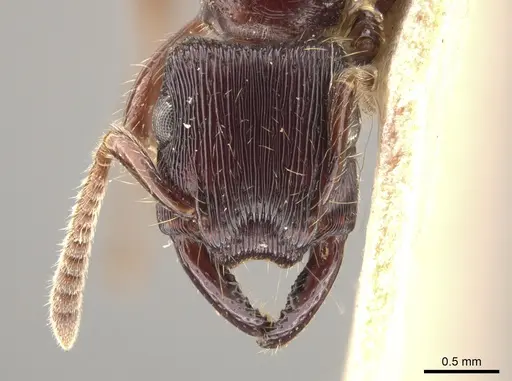
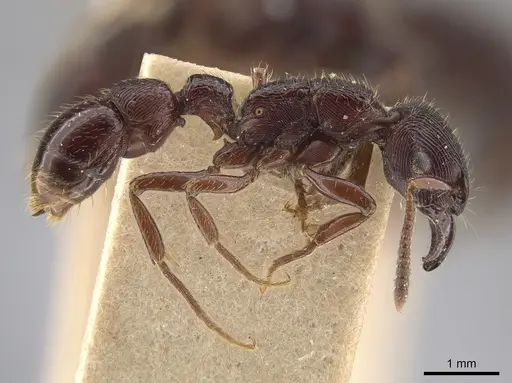
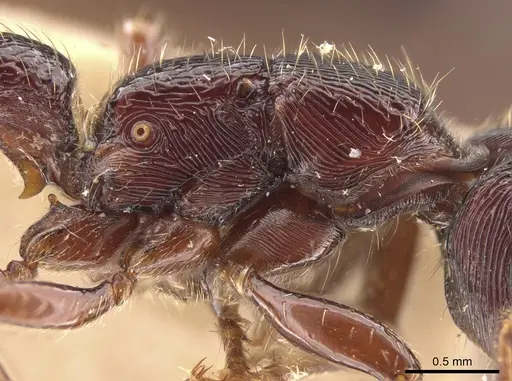
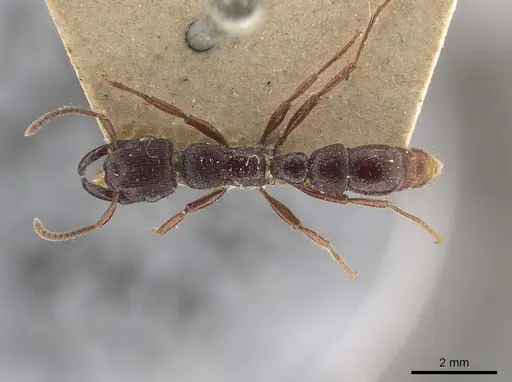
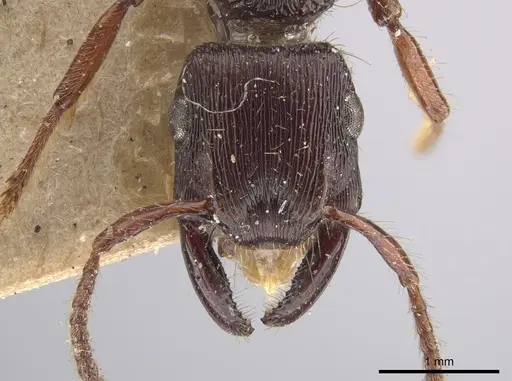
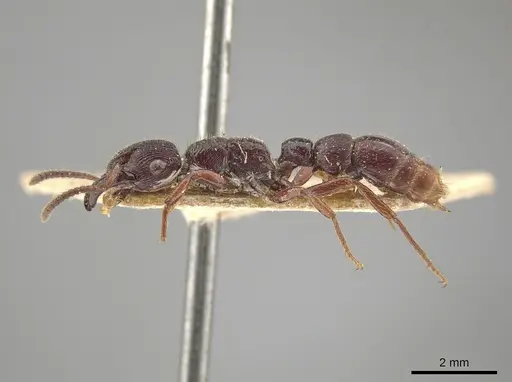
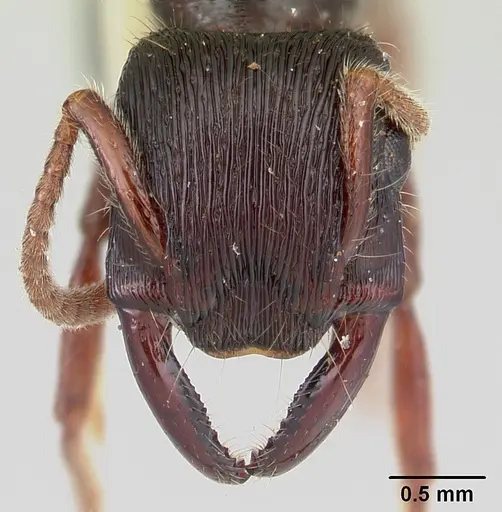
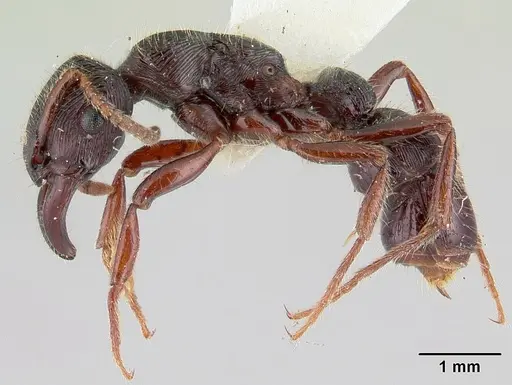
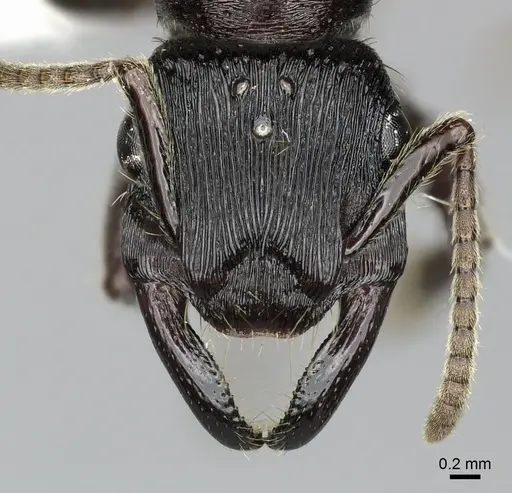
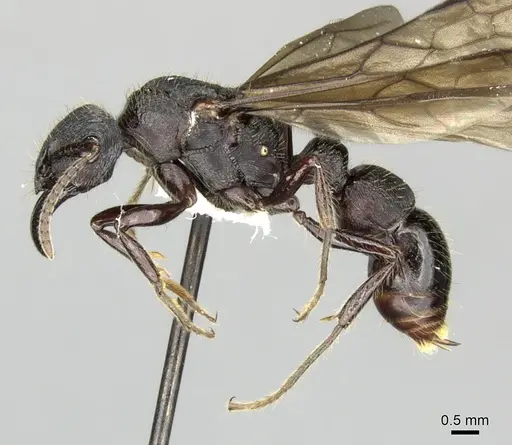
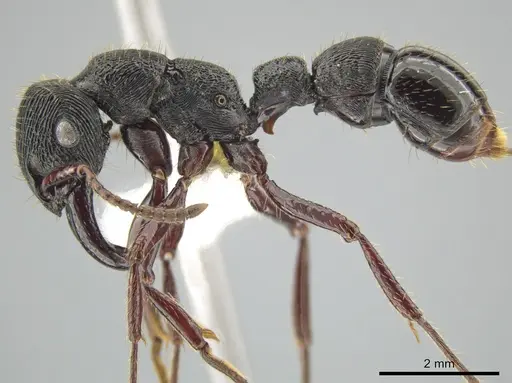
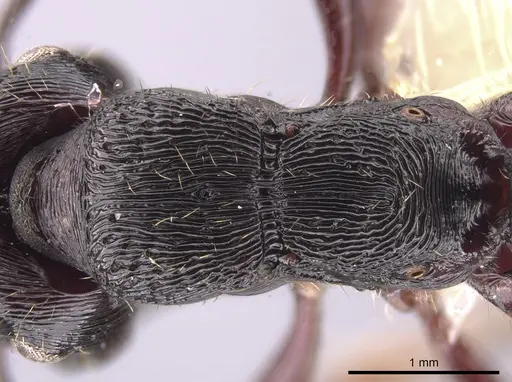
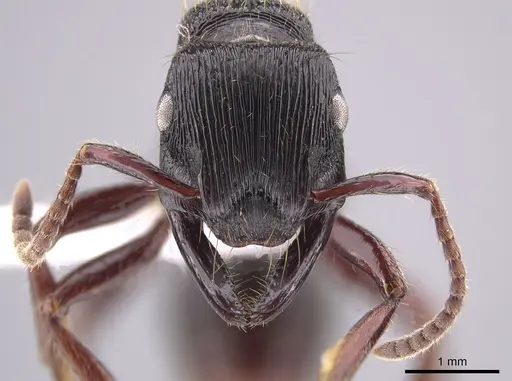
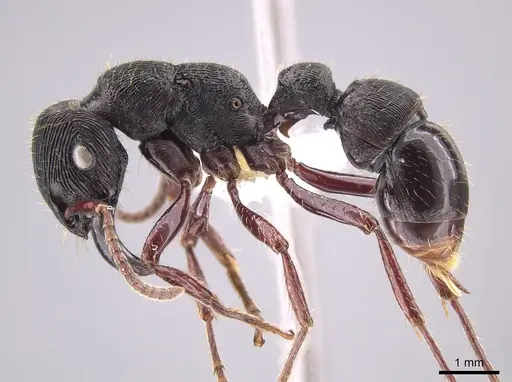
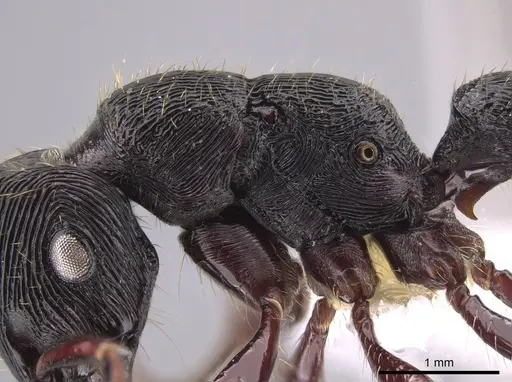
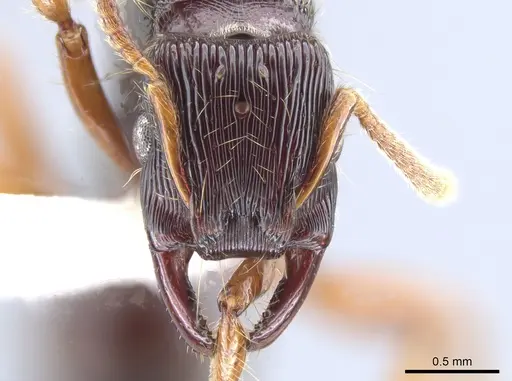
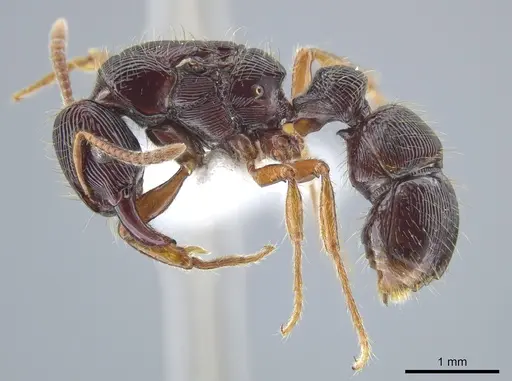
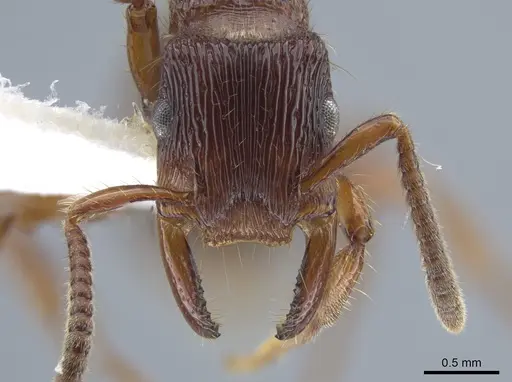
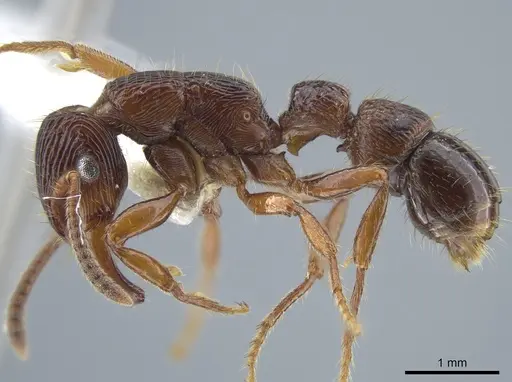
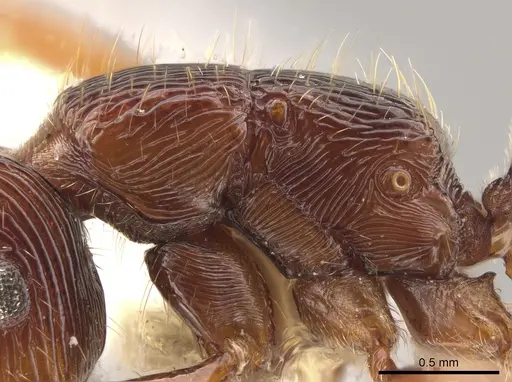
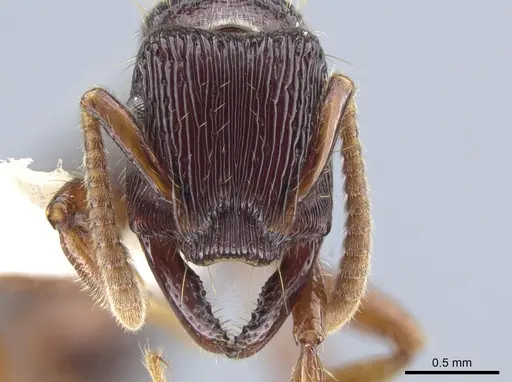
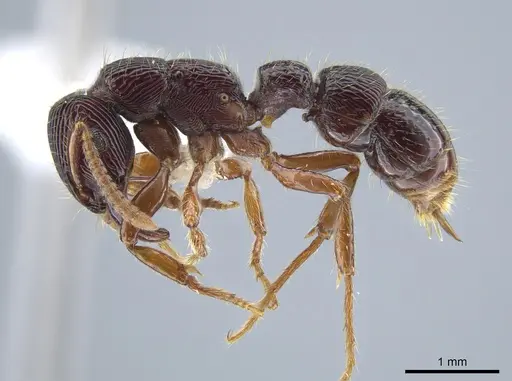
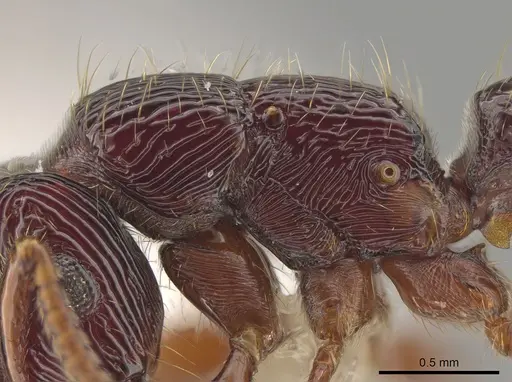
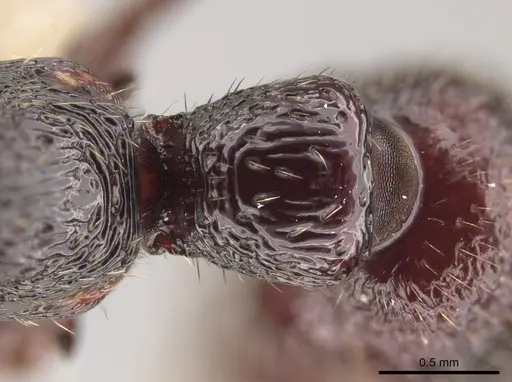
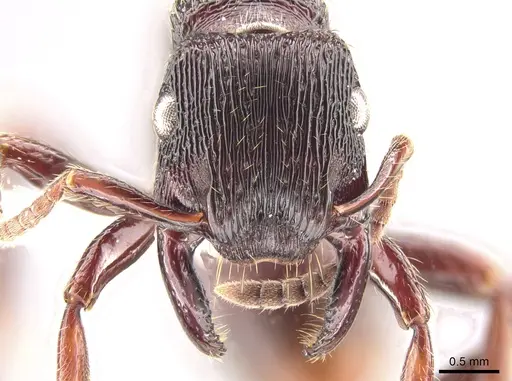
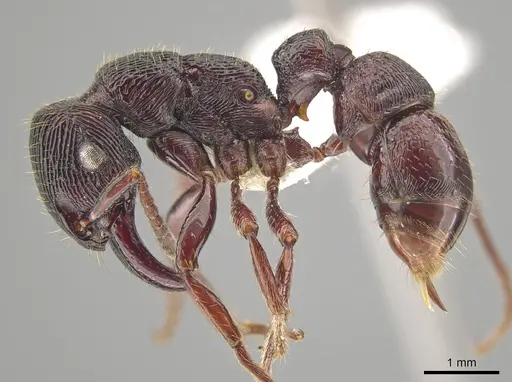
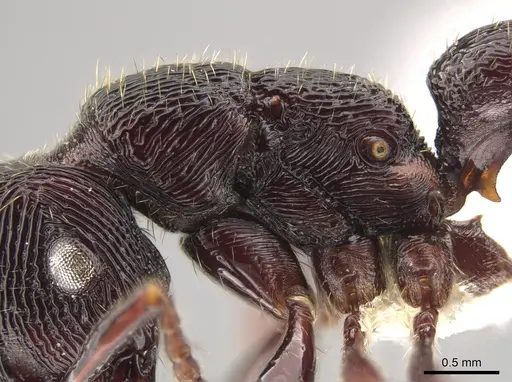
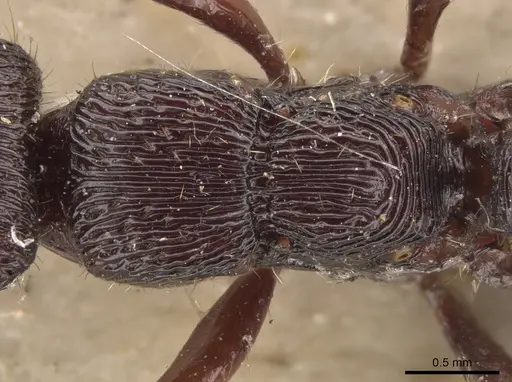
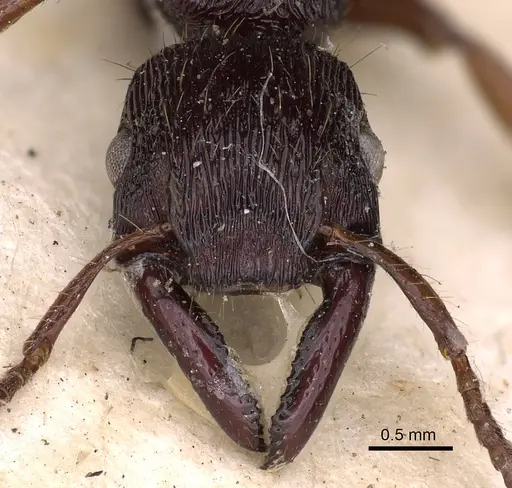
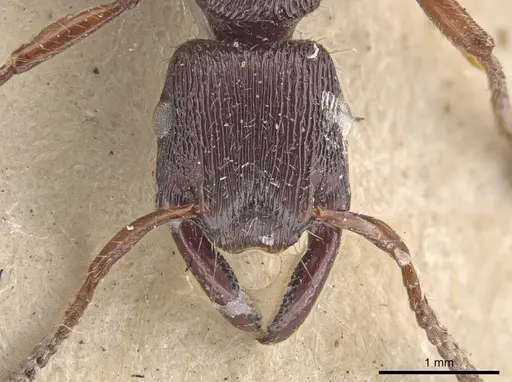
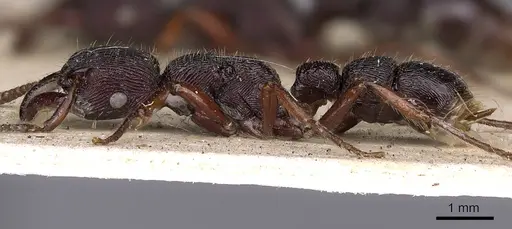
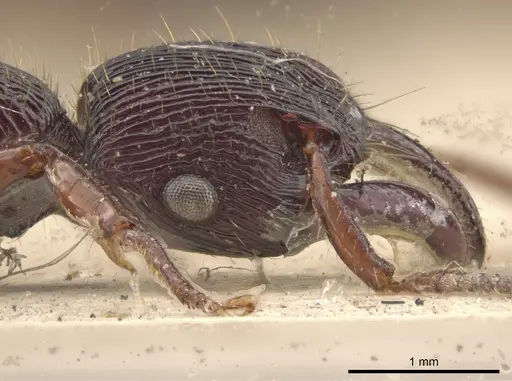
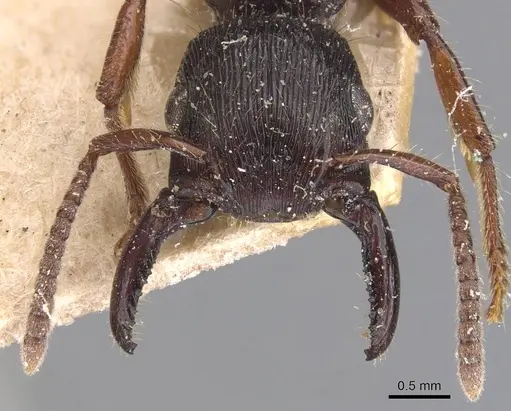
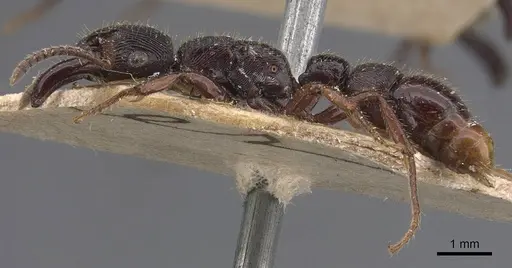
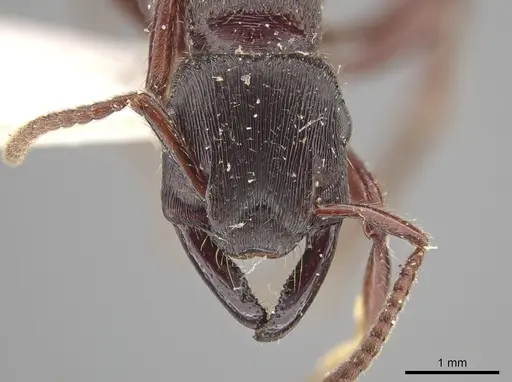
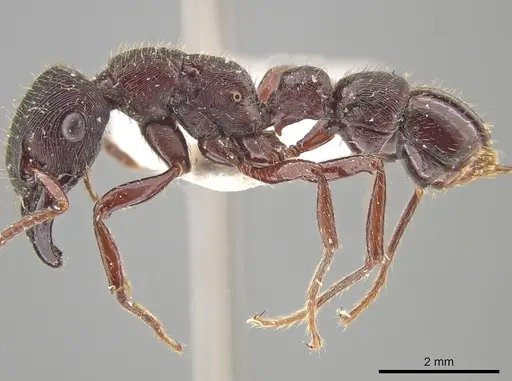
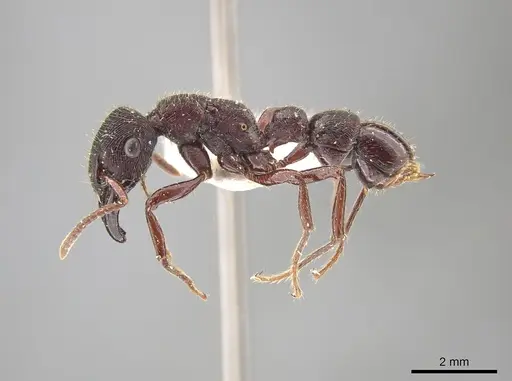
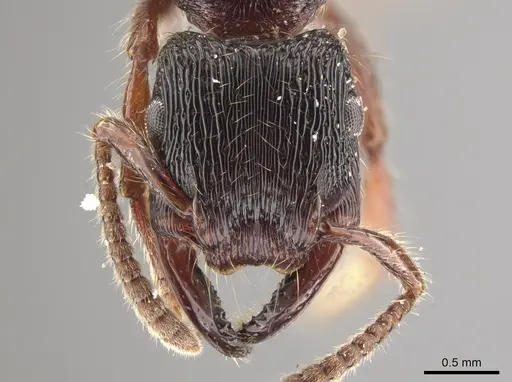
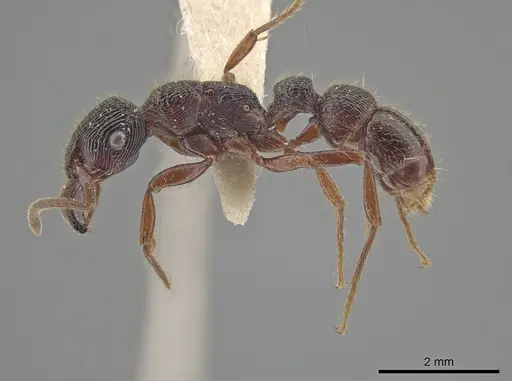
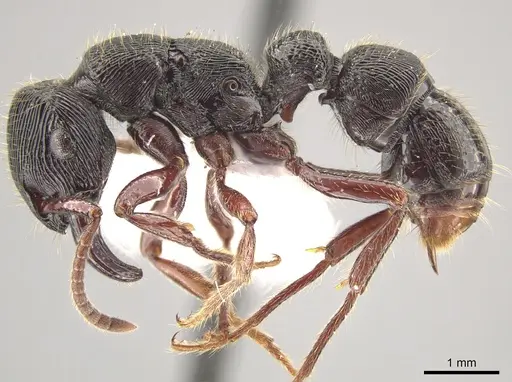
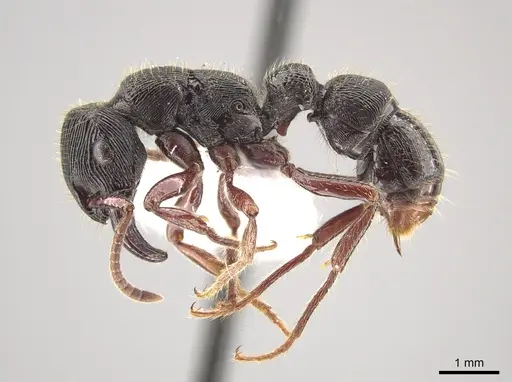
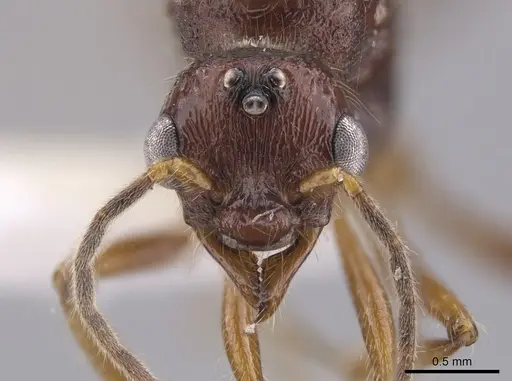
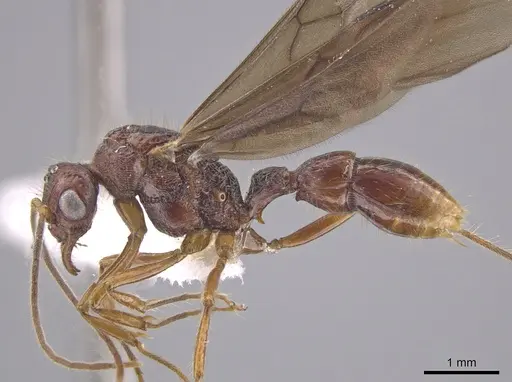
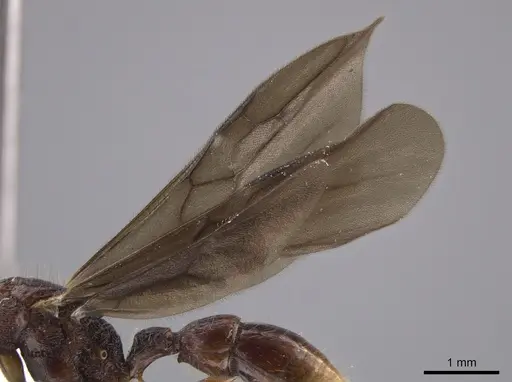
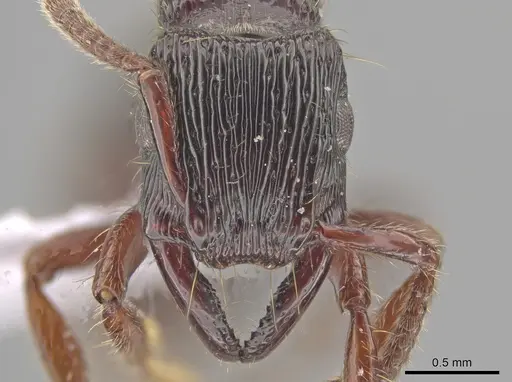
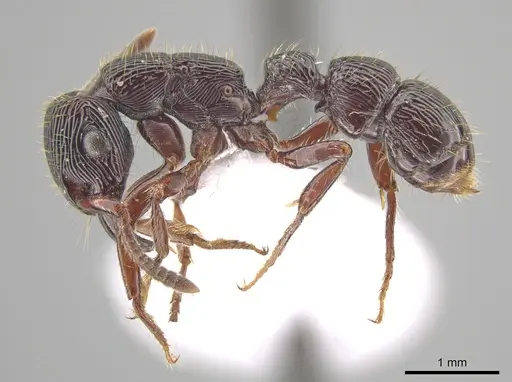
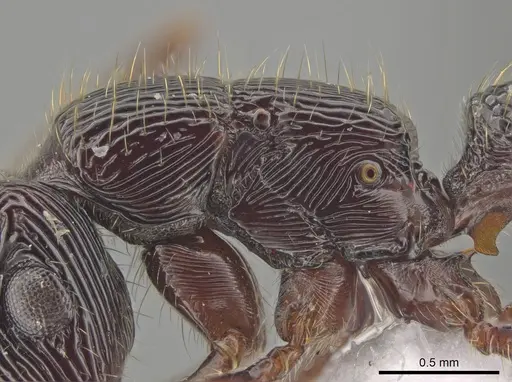
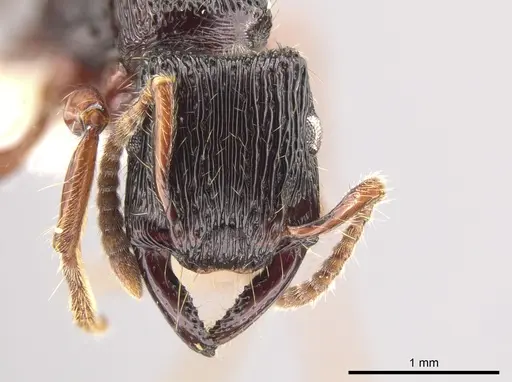
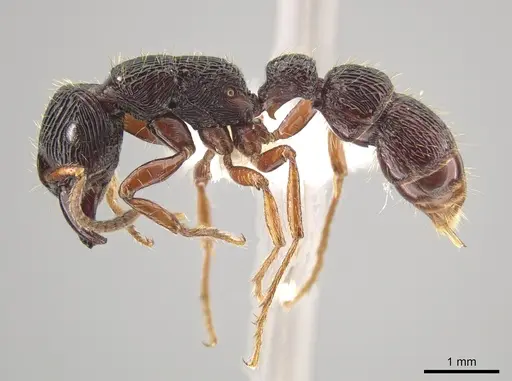
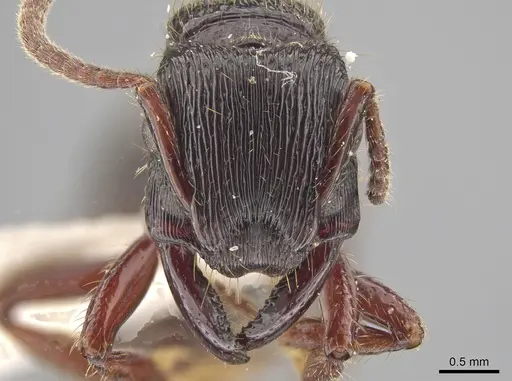
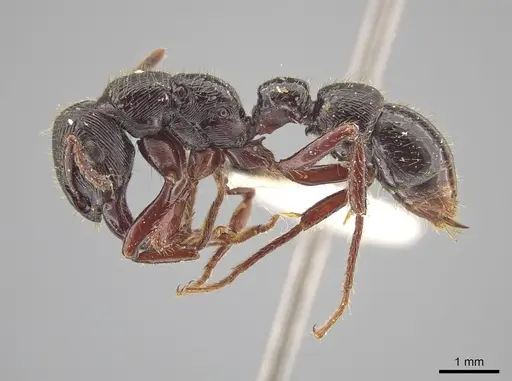
Gnamptogenys mordax is a medium-sized predatory ant from the Neotropics, found from Mexico to Argentina. Queens reach about 9.5 mm , while workers are relatively large for leaf‑litter ants (exact total length not measured in studies) . They have a very dark, almost black‑brown body with dark brown legs, semi‑triangular mandibles, and a distinctive propodeum (rear body segment) with transverse ridges . The second abdominal segment can be smooth or ridged, adding to their variable look. These ants live in humid forests from sea level up to 2,000 m, including primary and secondary rainforests and shaded coffee plantations . Despite their size, they are not aggressive: when the nest is disturbed they freeze completely rather than fight .
Quick Summary
- Difficulty: Medium
- Origin & Habitat: Neotropical region from Mexico to Argentina – Brazil, Colombia, Costa Rica, Ecuador, French Guiana, Guyana, Honduras, Panama, Peru, Suriname. Inhabits humid forests (primary and secondary) up to 2,000 m, including shaded coffee plantations [2][3][4].
- Colony Type: Colony structure is unconfirmed – no specific data on queen number or social organisation in the available literature.
- Size & Growth:
- Queen: Approximately 9.5 mm (4.5 lines) [1]
- Worker: Size data unavailable – specific total length not documented in published studies, workers are described as relatively large [2].
- Colony: Unknown – no colony size recorded in research
- Growth: Unknown – no development timing data available
- Development: Estimated 6–10 weeks based on related Poneromorph ants, but no direct studies exist for this species (Estimate assumes tropical temperatures around 24–28°C, actual timing may differ.)
- Antkeeping:
- Temperature: Keep at 24–28°C, mimicking warm tropical forest conditions. A slight gradient allows workers to self‑regulate.
- Humidity: High humidity – these are forest‑floor ants from humid environments. Keep the nest substrate consistently moist but not waterlogged. A water reservoir helps maintain humidity.
- Diapause: Unknown – given their tropical distribution, they likely do not require a true diapause, but cooler winter temperatures may slow activity.
- Nesting: In the wild they nest in leaf litter and decomposing wood on the ground [5]. In captivity, use a naturalistic setup with moist substrate, pieces of rotten wood, and leaf litter. Y‑tong or plaster nests with good humidity retention also work.
- Behavior: Gnamptogenys mordax is docile and non‑aggressive – they freeze when threatened rather than attacking [2][3]. They have a functional sting (subfamily Ectatomminae), but rarely use it on humans. They are specialized predators: in the wild they eat rove beetles (Staphylinidae), click‑beetle larvae (Elateridae), and millipedes [2][3][6]. Foragers hunt in leaf litter and decaying wood on the forest floor. Escape risk is moderate – standard barrier precautions (e.g., Fluon or oil) are sufficient.
- Common Issues: specialized diet – colonies may struggle if only standard ant foods are offered, they need beetle prey, high humidity requirements – poor ventilation can lead to mold issues, docile nature may lead keepers to handle them roughly – they can still bite or sting if provoked, wild‑caught colonies may harbour parasites that could kill them in captivity, unknown colony growth – avoid overfeeding to prevent mold and colony decline
Appearance and Identification
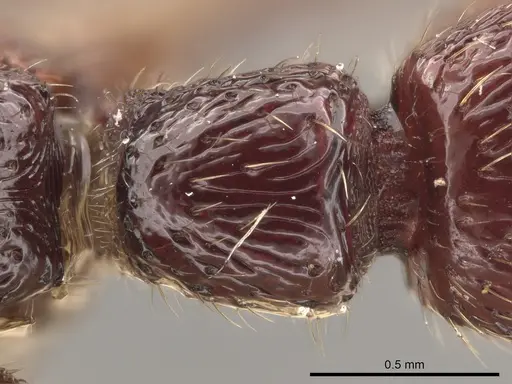
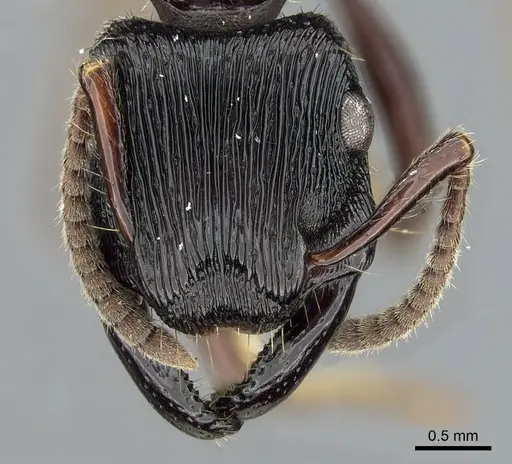
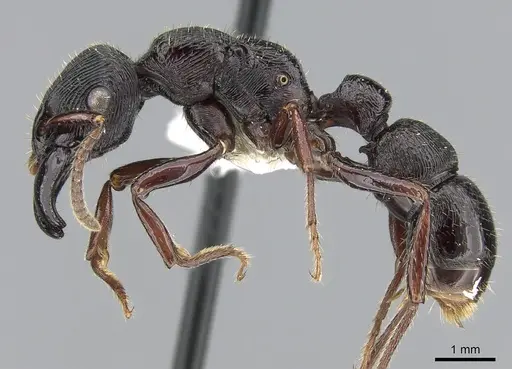
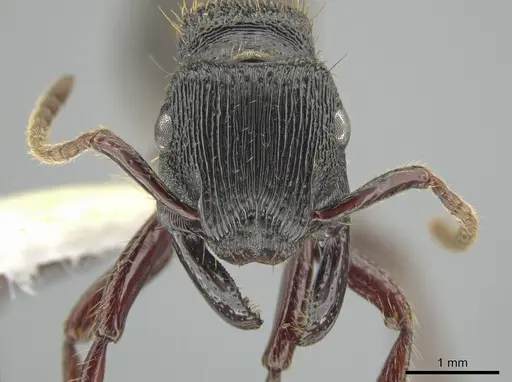
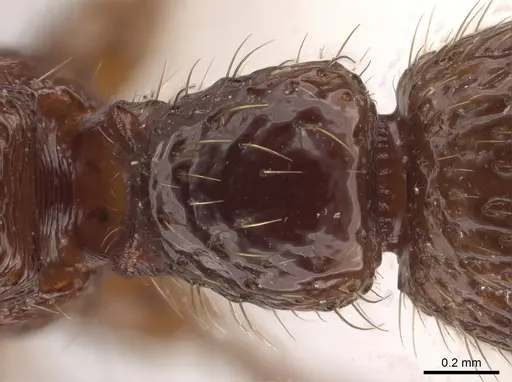
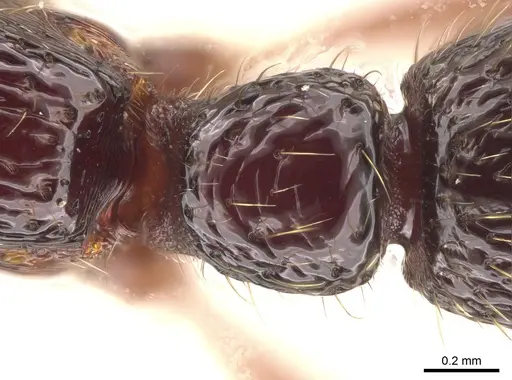
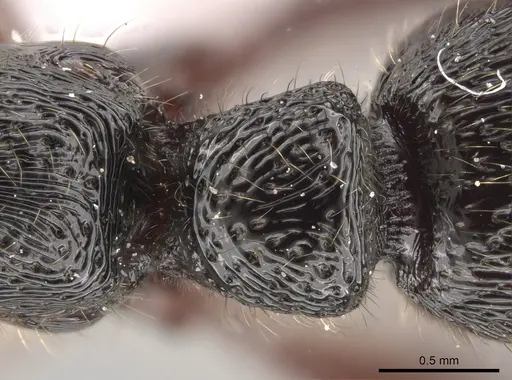
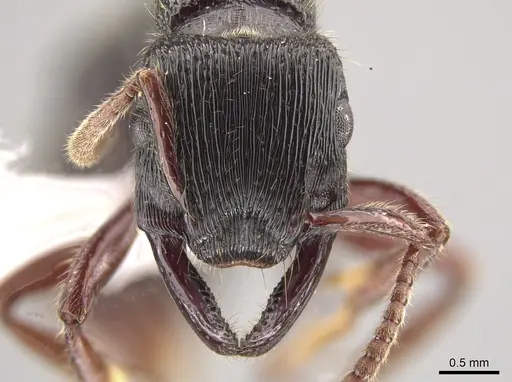
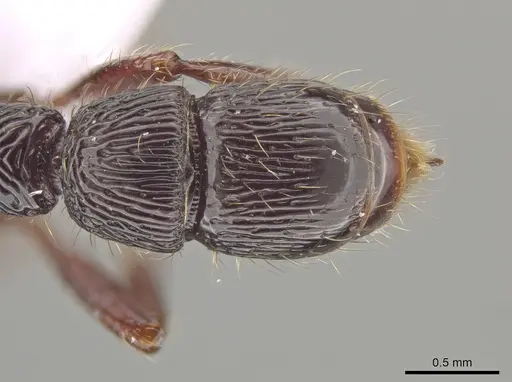
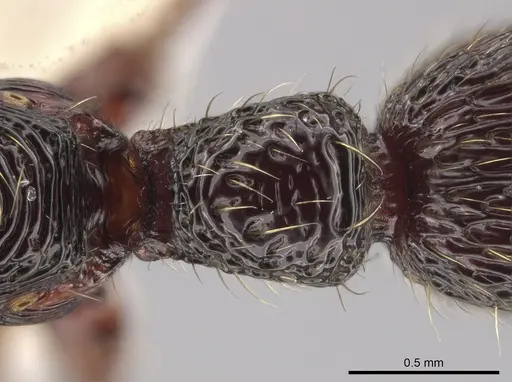
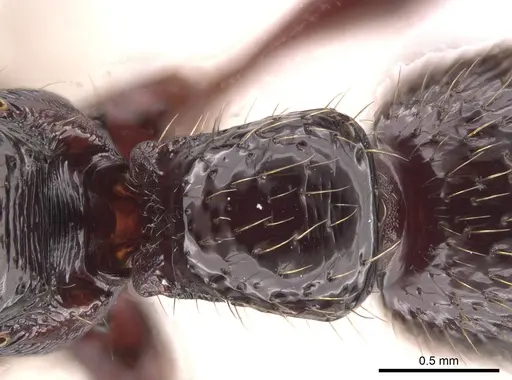
Gnamptogenys mordax has a very dark, almost black‑brown body with dark brown legs [2][3]. Workers are relatively large for leaf‑litter ants (exact total length not documented), with semi‑triangular mandibles and a propodeum (rear part of the mesosoma) marked by distinctive transverse ridges [2][3]. The second abdominal segment (gastral tergum II) varies – it can be completely smooth, have longitudinal ridges, or be ridged‑rugose [2]. Queens are larger, about 9.5 mm [1]. Smaller workers can be confused with the related species Gnamptogenys continua, so check multiple specimens to be sure [2][3].
Natural History and Behavior
These ants are predators with a strong taste for beetles. Nest debris shows they eat rove beetles (Staphylinidae), click‑beetle larvae (Elateridae), and millipedes [2][3][6]. Live Staphylinidae and millipedes have been found inside their nests, confirming they actively hunt these prey [2][3]. Despite their size, Gnamptogenys mordax is not aggressive. When the nest is disturbed, they freeze completely – a passive defence that helps them avoid detection [2][3]. They forage in leaf litter and decaying wood on the forest floor [5]. The species is classified as a Tropical Climate Specialist, meaning it thrives in warm, humid environments [7].
Distribution and Habitat
Gnamptogenys mordax has one of the widest ranges of any Neotropical ant, stretching from central Mexico (Veracruz) to southeastern Brazil and northern Argentina [4][5]. In Colombia it is recorded in Amazonas, Antioquia, Caquetá, Chocó, Cundinamarca, Norte de Santander, Risaralda, Santander, and Valle del Cauca [2][3]. They occupy humid forests from sea level to nearly 2,000 m, in both primary (undisturbed) and secondary (regrown) forests, and even in shaded coffee plantations where enough leaf litter and humidity remain [2][3].
Feeding and Diet in Captivity
In the wild, Gnamptogenys mordax eats mostly rove beetles (Staphylinidae), click‑beetle larvae (Elateridae), and millipedes [2][3][6]. This specialized diet means standard ant foods (honey, sugar water) are not enough. In captivity you should offer small live prey that mimics their natural food – small rove beetles, darkling beetles, mealworms, and other tiny arthropods. Small millipedes may also be accepted. Feed protein prey two to three times a week, adjusting based on colony size and consumption. Remove any leftovers to prevent mold.
Temperature and Humidity Requirements
Because they live in humid tropical forests, Gnamptogenys mordax needs warm, moist conditions. Keep the nest area at 24–28°C – a temperature gradient lets workers move to their preferred spot. Humidity is critical: these ants naturally inhabit leaf litter and rotting wood on the forest floor, where moisture stays high. Keep the nest substrate moist but never waterlogged. A water reservoir in the nest helps maintain humidity through evaporation. Good ventilation is needed to prevent mold, but avoid strong airflow that dries the substrate. [2][3][5]
Nesting Preferences
In the wild, Gnamptogenys mordax nests in leaf litter and decomposing wood on the ground [5]. They do not build elaborate underground nests – instead they use the humid microhabitats of forest‑floor debris. For captive care, a naturalistic setup works best: provide a layer of moist soil or soil‑like mix with pieces of rotting wood, leaves, and other debris. This double as nesting and foraging area. Alternatively, a Y‑tong (AAC) or plaster nest with good humidity retention will work, especially if you add a foraging area with moist leaf litter. Keep the nest dark and consistently humid.
Defence Mechanisms
Gnamptogenys mordax belongs to the subfamily Ectatomminae, whose members have a functional sting. It injects neurotoxins (like ectatomin) to subdue prey and defend against predators. However, these ants are not aggressive toward people – they prefer to freeze when disturbed. They may sting if handled roughly, but it is not a major risk for keepers.
Frequently Asked Questions
How long does it take for Gnamptogenys mordax to produce first workers?
The exact egg‑to‑worker time is unknown – no scientific studies have recorded it. Based on related Poneromorph ants from the tropics, expect roughly 6–10 weeks at 24–28°C. This is an estimate, actual timing may vary.
What do Gnamptogenys mordax ants eat?
They are specialized predators that eat beetles (especially rove beetles and click‑beetle larvae) and millipedes [2][3][6]. In captivity, offer small live prey such as mealworms, small darkling beetles, and other tiny arthropods. They are not significant sugar feeders, so honey or sugar water are not necessary.
Are Gnamptogenys mordax ants aggressive?
No, they are not aggressive. Despite their size, they are docile and freeze when threatened rather than attacking [2][3]. They can bite or sting if roughly handled, but this is rare.
Do Gnamptogenys mordax ants need hibernation?
Given their tropical distribution from Mexico to Brazil, they probably do not need a true hibernation (diapause). Cooler winter temperatures may naturally slow activity, but stable year‑round temperatures should be fine.
What temperature and humidity do Gnamptogenys mordax need?
Keep them at 24–28°C with high humidity. The nest substrate should be moist but not waterlogged. Use a water reservoir to maintain humidity. These requirements are based on their natural habitat in humid forests [2][5].
Can I keep multiple Gnamptogenys mordax queens together?
Colony structure (monogyne vs polygyne) has not been studied for this species. Combining unrelated queens is not recommended, as it could cause aggression.
How big do Gnamptogenys mordax colonies get?
The maximum colony size is unknown – no research has documented it. Given their solitary‑foraging behaviour, colonies are likely moderate in size, not supercolonial.
Are Gnamptogenys mordax good for beginners?
They are rated medium difficulty. The main challenges are their specialized diet (need live beetle prey) and high humidity needs. If you can provide these, they can be kept by intermediate keepers.
What size are Gnamptogenys mordax workers?
Exact total length is not documented in the literature. Workers are described as relatively large for leaf‑litter ants [2]. Queens are about 9.5 mm [1].
Where is Gnamptogenys mordax found?
They range from central Mexico (Veracruz) through Central America and across northern South America to Brazil and Argentina. They live in humid forests up to 2,000 m elevation, including shaded coffee plantations [2][3][4][5].
Report an Issue
The current care sheet is based fully on literature. See inconsistencies, or something that's incorrect? Please , it will be resolved after review from an admin. Contributing to the blogs tab also helps providing information, to make us be able to further improve the caresheets. Thank you for your support!
References

This caresheet is licensed under CC BY-SA 4.0 .
Community Blogs
AMNH
View on AntWeb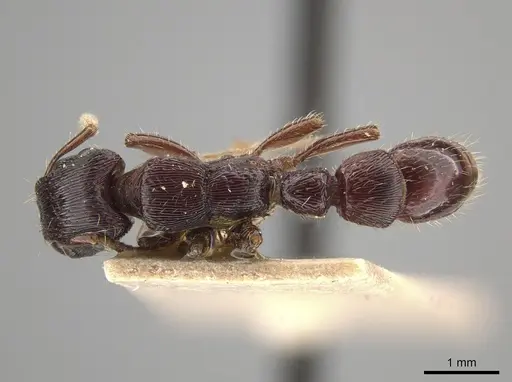
CASENT0178516
View on AntWeb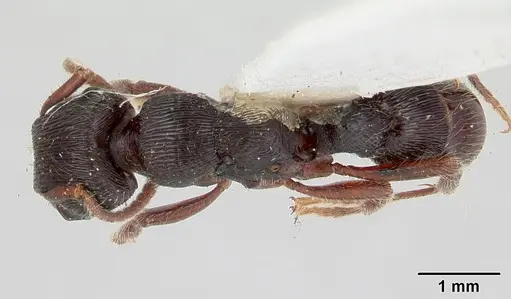
CASENT0249603
View on AntWeb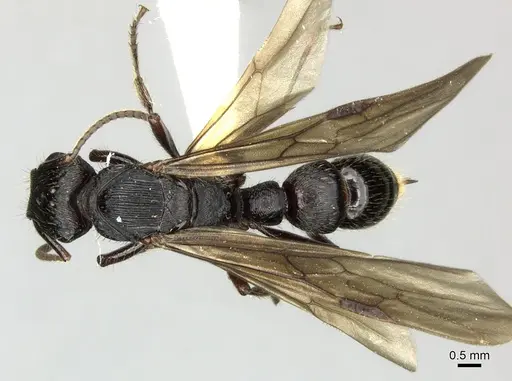
CASENT0281215
View on AntWeb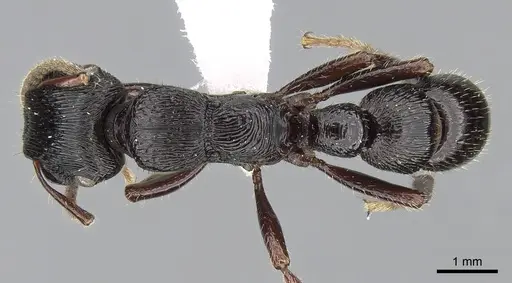
CASENT0648486
View on AntWeb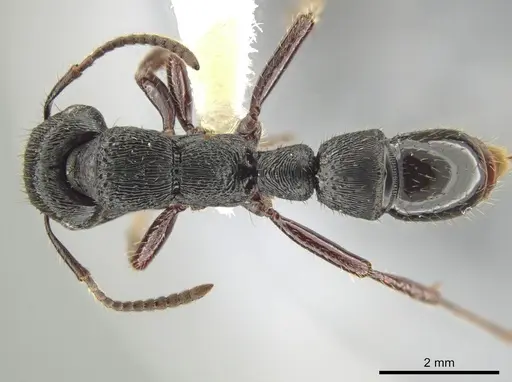
CASENT0651501
View on AntWeb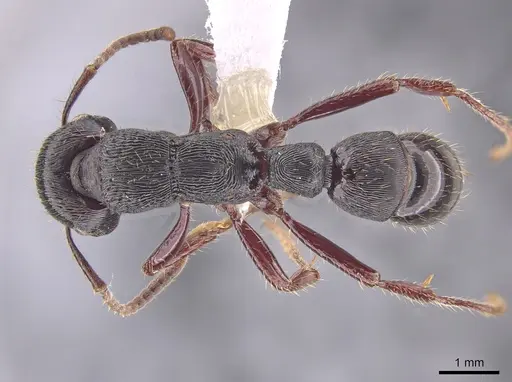
CASENT0884108
View on AntWeb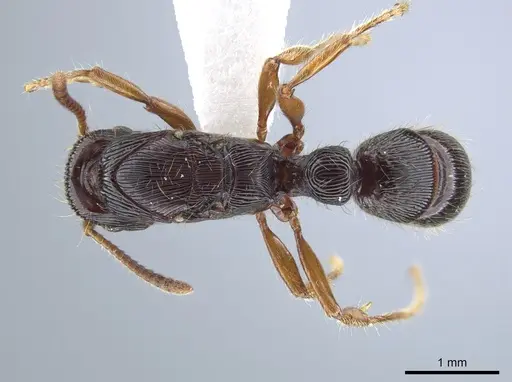
CASENT0884118
View on AntWeb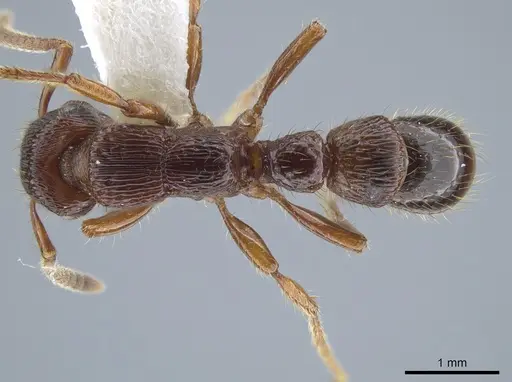
CASENT0884121
View on AntWeb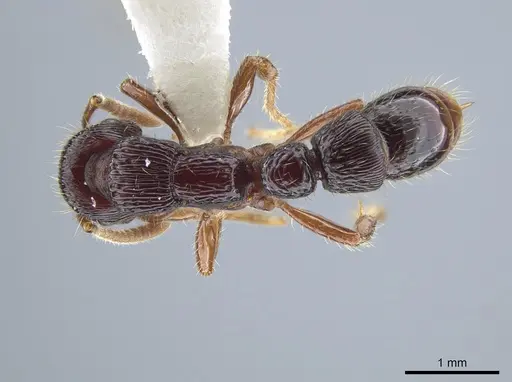
CASENT0884123
View on AntWeb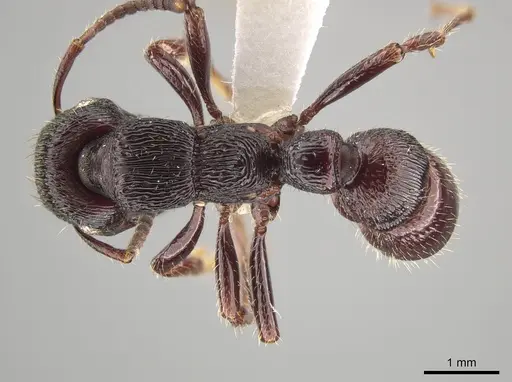
CASENT0900547
View on AntWeb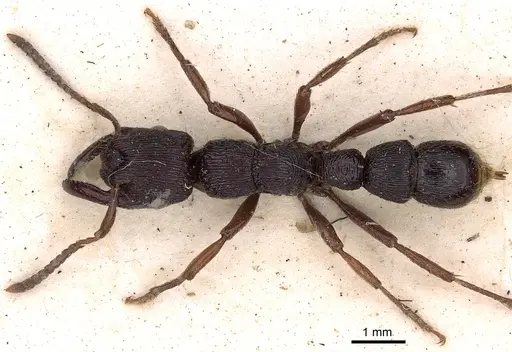
CASENT0907188
View on AntWeb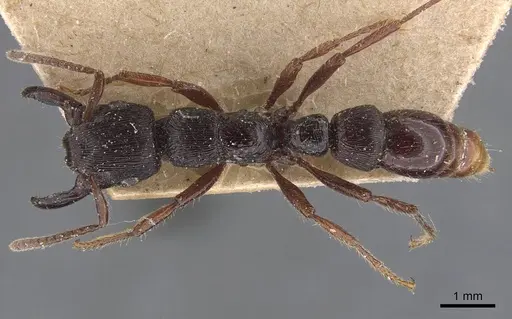
ICN007887
View on AntWeb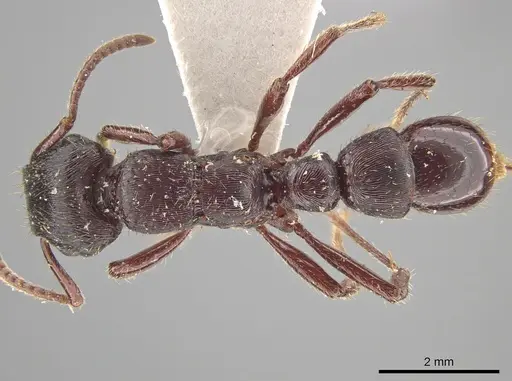
ICN007889
View on AntWeb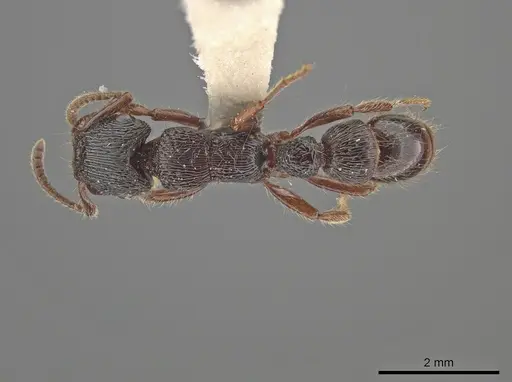
ICN047082
View on AntWeb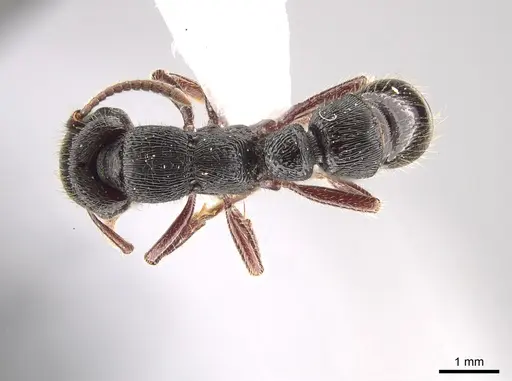
ICN103571
View on AntWeb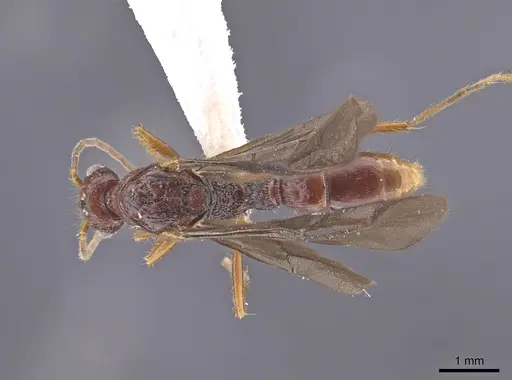
ICN103574
View on AntWeb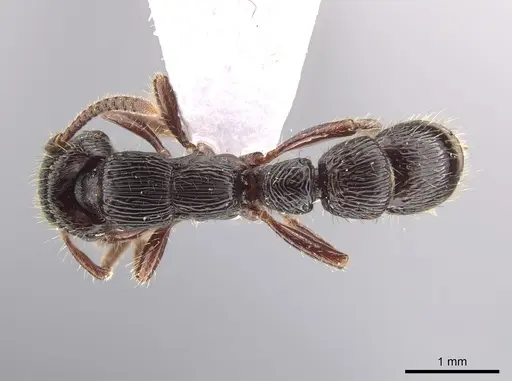
ICN103588
View on AntWeb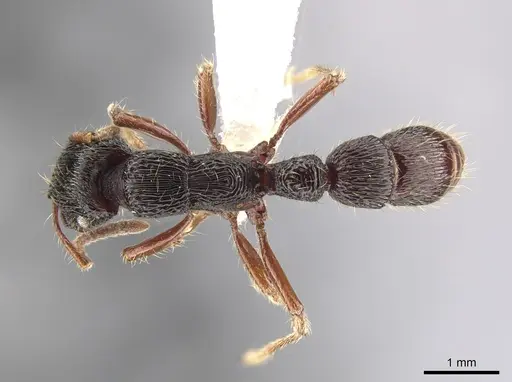
LACMENT683036
View on AntWeb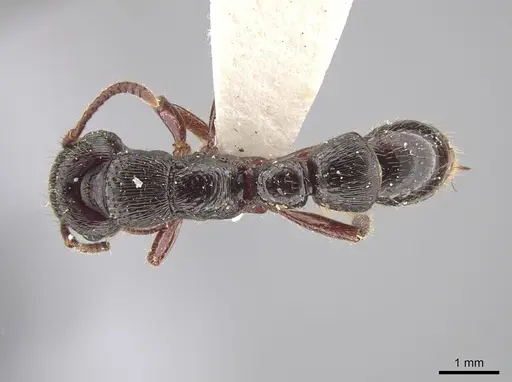
USNMENT01128031
View on AntWeb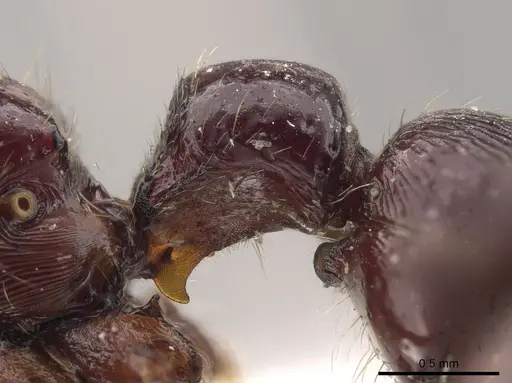
Literature
Loading distribution map...Loading products...