
Gnamptogenys hartmani
- Sci. Name
- Gnamptogenys hartmani
- Tribe
- Ectatommini
- Subfamily
- Ectatomminae
- Author
- Wheeler, 1915
- Distribution
- Found in 9 countries
Introduction
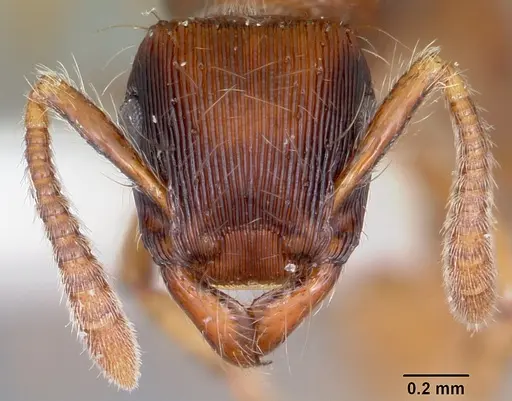
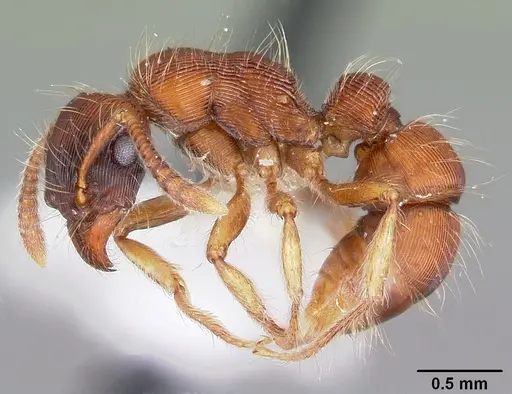
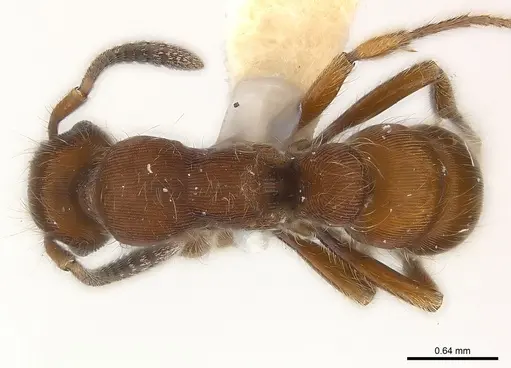
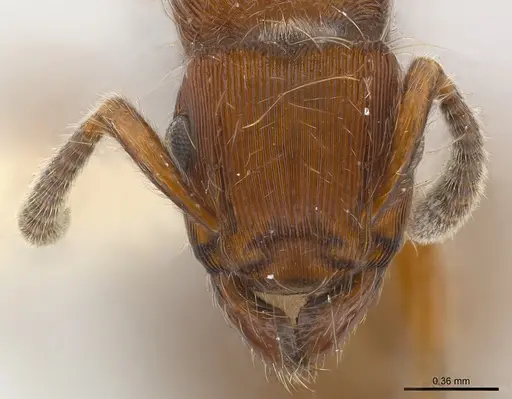
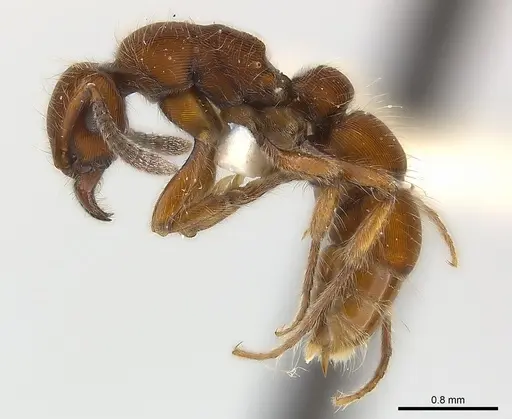
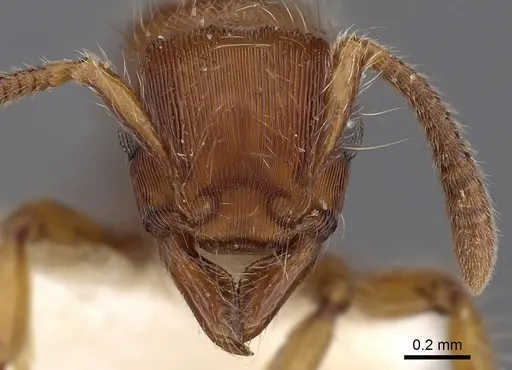
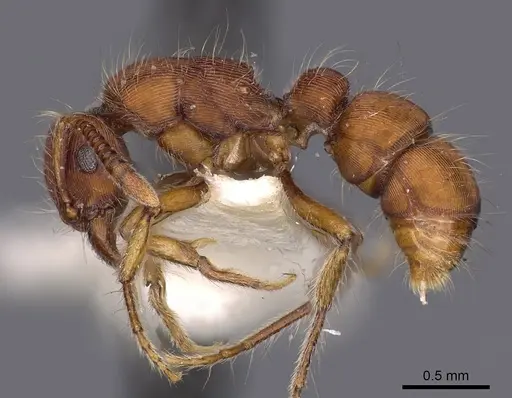
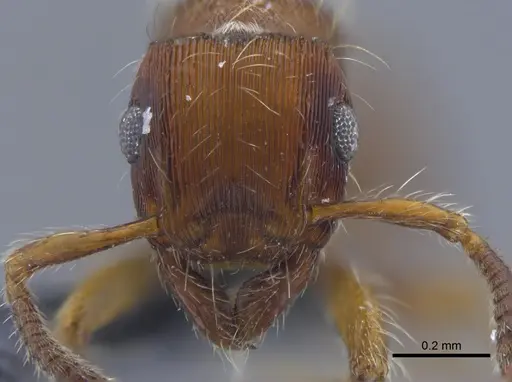
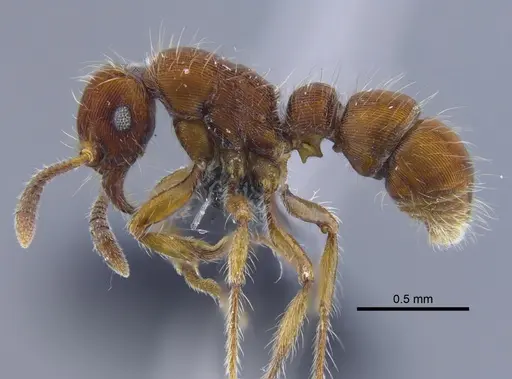
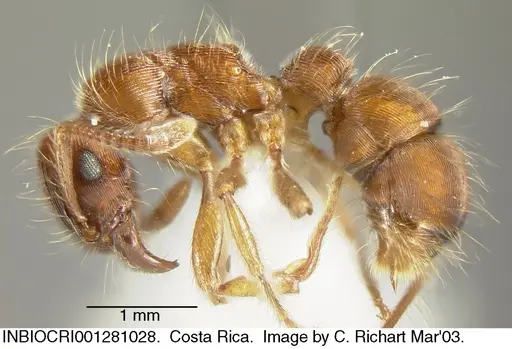
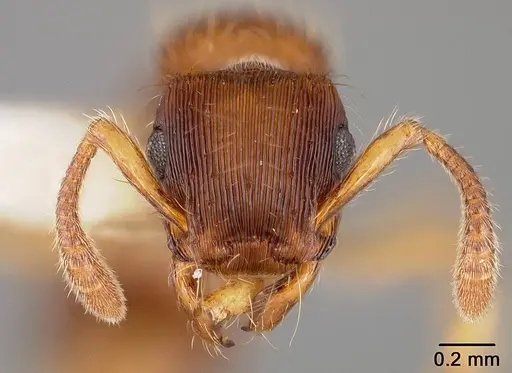
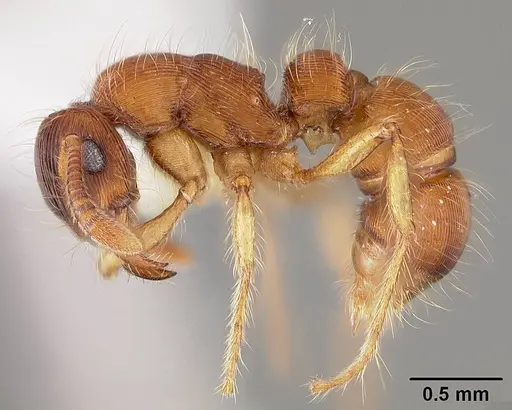
Gnamptogenys hartmani is a small predatory ant native from the southern United States through Central America to Peru. Workers are reddish-brown and possess distinctive features including small lobes on the propodeum and triangular mandibles. This species belongs to the subfamily Ectatomminae and is specialized to prey on fungus-growing ants of the genus Trachymyrmex and Sericomyrmex. The most remarkable behavior of G. hartmani is its raiding strategy as an agro-predator. These ants systematically attack, kill, or drive away host ant colonies, then occupy the nest to consume the brood and fungus garden before moving on to find another target colony. They use potent venom combined with physical combat, and can recruit over 100 workers for coordinated raids.
Quick Summary
- Difficulty: Expert
- Origin & Habitat: Native from southern USA (Texas, Louisiana) through Central America to Peru. Found in humid forests below 1,000m elevation, typically in soil or leaf litter. Records from Colombia (Antioquia and Caquetá), Costa Rica, Honduras, Mexico, Panama, and other Neotropical locations. Subterranean habits make them difficult to detect in the wild. [1][2][4]
- Colony Type: Colony structure is not well documented in scientific literature. Queens have been described (Brown,1961) but colony founding behavior remains unconfirmed. [5]
- Size & Growth:
- Queen: Approximately 5mm, inferred from the related species Poneracantha triangularis [6]
- Worker: Approximately 3.5-4.0mm, inferred from the related species Poneracantha triangularis [6]
- Colony: Mature colonies likely number in the low hundreds based on observed raiding party sizes of 100+ workers [3]
- Growth: Unknown, no specific development data available for this species
- Development: Unconfirmed, no direct development timing studies exist for this species (Development timeline has not been documented in scientific literature.)
- Antkeeping:
- Temperature: Based on Neotropical distribution in humid forests below 1,000m, keep at 24-27°C. A gentle gradient allowing warmer and cooler areas is ideal. Room temperature (22-25°C) is likely suitable for established colonies. [2]
- Humidity: Requires humid conditions consistent with Neotropical forest floor habitat. Keep nest substrate consistently moist but not waterlogged. Provide a gradient from damp to slightly drier areas. [2]
- Diapause: No, as a Neotropical species, they do not require hibernation. May show reduced activity during cooler or drier seasons in captivity.
- Nesting: In the wild, they nest in soil and have been found in destroyed Trachymyrmex nests. For captivity, a naturalistic setup with moist soil or a Y-tong/plaster nest works well. They prefer tight, enclosed spaces typical of subterranean nesters. Avoid tall open spaces. [2][5]
- Behavior: Gnamptogenys hartmani is an aggressive predatory species with potent venom. Workers are active hunters that can recruit nestmates for coordinated raids on host ant colonies. They will lock onto opponents and sting repeatedly, using nonvolatile venom that can disrupt nestmate recognition. They are fast-moving and can be defensive when threatened. Escape prevention is important, while not the smallest ants, they are agile and will exploit gaps. They are primarily ground-dwelling and subterranean. [3][2]
- Common Issues: specialized diet requirements, they are obligate predators of Trachymyrmex and Sericomyrmex and may refuse standard ant foods, difficulty establishing colonies, wild-caught colonies may have parasites or struggle to adapt to captivity, aggressive temperament and potent venom makes them risky to handle without protection, slow colony growth due to specialized predatory lifestyle, subterranean habits mean they may remain hidden and appear inactive
Housing and Nest Setup
Gnamptogenys hartmani is a subterranean species that naturally nests in soil, often in or near the nests of its prey (Trachymyrmex ants). For captivity, a naturalistic setup with moist soil or a Y-tong/plaster nest works well. They prefer tight, enclosed chambers rather than open spaces. Because they are aggressive and have potent venom, avoid handling them directly, use plastic tubes or containers for transfers rather than your hands.
The nest should have a water reservoir or moisture source to keep the substrate consistently damp. A test tube setup with a cotton ball reservoir can work for founding colonies, but larger colonies will need more space. Provide a foraging area connected to the nest, but ensure all connections are secure as these ants are agile escape artists. [2][5]
Feeding and Diet
This is the most challenging aspect of keeping Gnamptogenys hartmani. They are specialized predators of Trachymyrmex and Sericomyrmex fungus-growing ants, and in the wild, they raid these colonies to consume the brood and fungus garden. They use chemical weapons and physical combat to subdue prey, then occupy the conquered nest.
In captivity, you should attempt to provide live prey from the tribe Attini (Trachymyrmex, Sericomyrmex, or Atta) if possible. If unavailable, they may accept other small live insects like fruit flies, pinhead crickets, or mealworms. They are unlikely to accept sugar water or honey, their diet is primarily predatory. Some keepers report success with offering various small arthropods, but acceptance varies. Do not rely on sugar sources. [2][7][8]
Temperature and Seasonal Care
As a Neotropical species from humid forests below 1,000m elevation, Gnamptogenys hartmani requires warm and humid conditions. Keep the nest at 24-27°C, which can be achieved with a heating cable on one side of the nest to create a gentle gradient. Room temperature in most homes (22-25°C) should be suitable for established colonies.
Unlike temperate species, they do not require hibernation or winter dormancy. However, they may show reduced activity during cooler periods. Avoid temperatures below 20°C or above 30°C. Maintain humidity by keeping the nest substrate moist but not waterlogged, a damp sponge or water reservoir connected to the nest works well. [2]
Behavior and Defense
Gnamptogenys hartmani is an aggressive species with potent venom. Workers are active foragers and can coordinate raids involving 100 or more individuals. When attacking, they lock onto opponents and sting repeatedly, releasing venom that can disrupt nestmate recognition in rival ants. This venom is nonvolatile, meaning it requires direct contact to be effective.
In captivity, they will defend their nest vigorously. Their sting is reported to be painful for humans, though not dangerous to healthy individuals. When working with this species, use caution, avoid direct handling, use escape-proof containers, and consider wearing gloves. They are fast-moving and will readily flee or attack if threatened. [3][2]
Colony Founding and Growth
Queen biology is poorly documented for this species. Queens have been described (Brown,1961) but founding behavior has not been directly observed. Based on related Ectatomminae, founding is likely claustral, the queen seals herself in a chamber and lives off stored fat reserves until her first workers emerge.
Colony growth is likely slow due to their specialized predatory diet. Wild colonies are not large, observed raiding parties involve around 100 workers, suggesting mature colonies may number in the low hundreds. This is not a species that will rapidly produce hundreds of workers. Patience is essential. [5]
Frequently Asked Questions
Can I keep Gnamptogenys hartmani in a test tube?
A test tube can work for a founding queen or very small colony, but they will need more space as they grow. They prefer naturalistic setups with moist soil or a Y-tong nest due to their subterranean habits. A test tube with a water reservoir can maintain humidity, but ensure the tube is secure against escapes.
What do Gnamptogenys hartmani ants eat?
They are specialized predators of Trachymyrmex and Sericomyrmex fungus-growing ants. In captivity, attempt to provide live Attini brood or small live insects. They are unlikely to accept sugar water or commercial ant foods. Their predatory nature makes feeding challenging, live prey is essential for long-term success.
How long until first workers in Gnamptogenys hartmani?
The egg-to-worker development timeline has not been documented for this species. Colony growth is likely slow regardless due to their specialized diet.
Do Gnamptogenys hartmani ants sting?
Yes, they have a potent sting and are aggressive when defending their nest. Their venom is nonvolatile and causes significant pain in humans. Use caution when working with this species, avoid direct handling and use proper escape prevention. The sting is not medically dangerous to healthy individuals but can be quite painful.
Are Gnamptogenys hartmani good for beginners?
No, this species is not recommended for beginners. Their specialized predatory diet (requiring live Trachymyrmex or similar ants), potent sting, and subterranean habits make them challenging to keep. They are best suited for experienced antkeepers who can provide the specific prey items they require.
Do Gnamptogenys hartmani need hibernation?
No, as a Neotropical species they do not require hibernation. Keep them at warm temperatures (24-27°C) year-round. They may show reduced activity during cooler periods, but no special winter care is needed.
How big do Gnamptogenys hartmani colonies get?
Colony size is not well documented, but based on observed raiding party sizes (around 100 workers), mature colonies likely number in the low hundreds. They are not among the large colony-forming ants. Growth is likely slow due to their specialized predatory lifestyle.
Can I keep multiple queens together?
Colony structure is not well documented for this species. Combining unrelated queens has not been studied and is not recommended.
Why are my Gnamptogenys hartmani dying?
Common causes include: inadequate prey (they need live insects, preferably Attini-related), improper humidity (too dry), temperature issues (too cold), or stress from wild capture. They may also have parasites. This species is challenging to maintain long-term without proper prey items. Ensure you are providing live prey and maintaining appropriate temperature and humidity.
Where is Gnamptogenys hartmani found?
They range from southern USA (Texas, Louisiana) through Central America to Peru. In the US, they have only been recorded three times, making them very rare in North America. They prefer humid forests below 1,000m elevation and are subterranean, making them difficult to find.
Report an Issue
The current care sheet is based fully on literature. See inconsistencies, or something that's incorrect? Please , it will be resolved after review from an admin. Contributing to the blogs tab also helps providing information, to make us be able to further improve the caresheets. Thank you for your support!
References

This caresheet is licensed under CC BY-SA 4.0 .
Community Blogs
CASENT0104773
View on AntWeb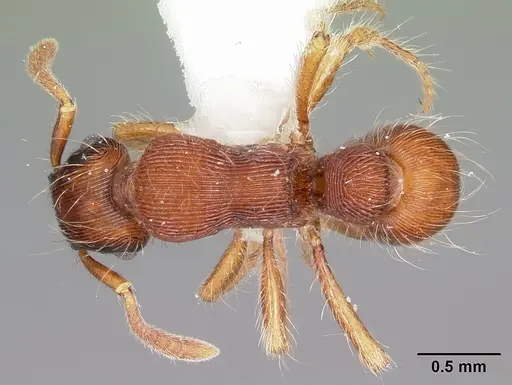
CASENT0179969
View on AntWeb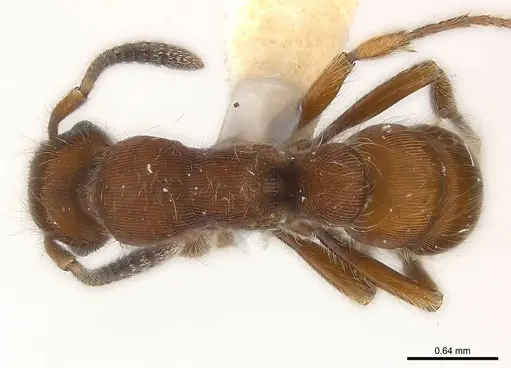
CASENT0900544
View on AntWeb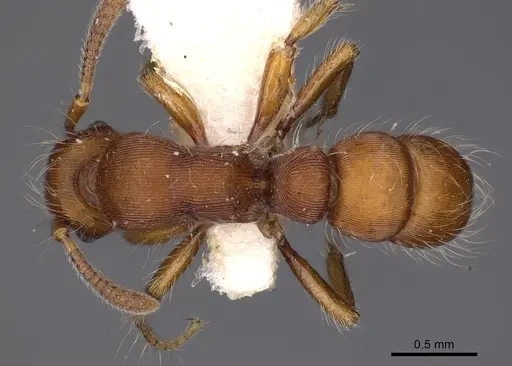
CBUMAGENT41755
View on AntWeb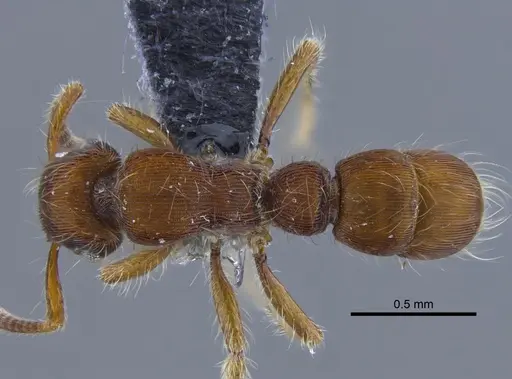
INBIOCRI001281028
View on AntWeb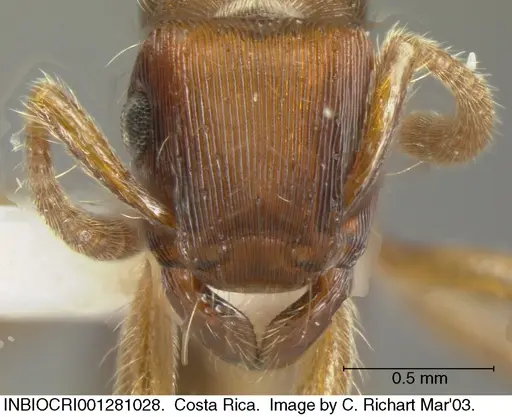
USNMENT00411960
View on AntWeb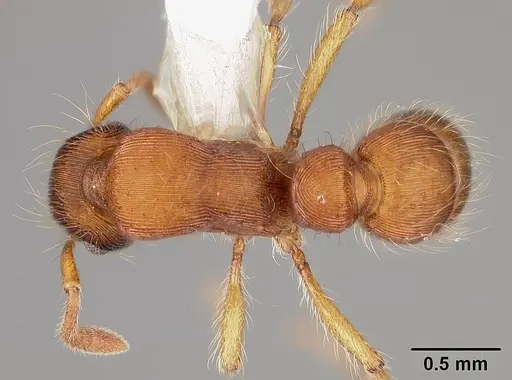
Literature
Loading distribution map...Loading products...