
Gnamptogenys fernandezi
- Sci. Name
- Gnamptogenys fernandezi
- Tribe
- Ectatommini
- Subfamily
- Ectatomminae
- Author
- Lattke, 1990
- Distribution
- Found in 3 countries
Introduction
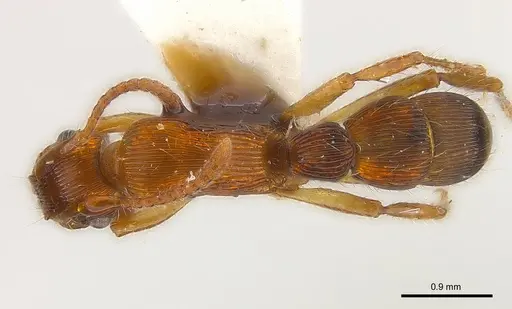
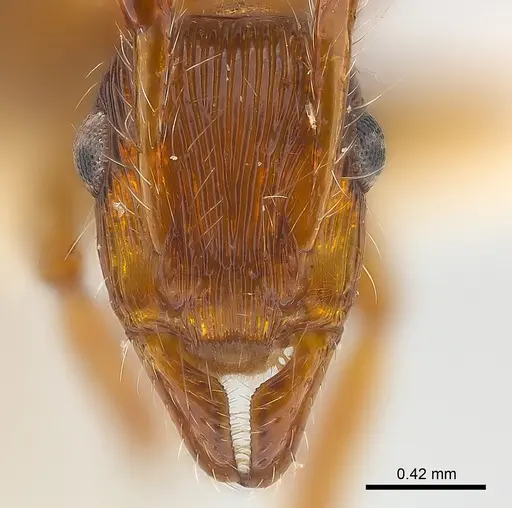
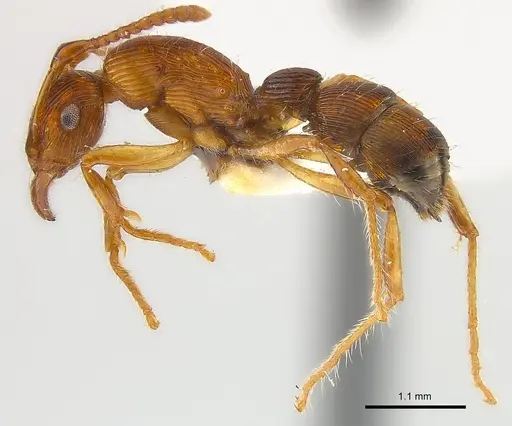
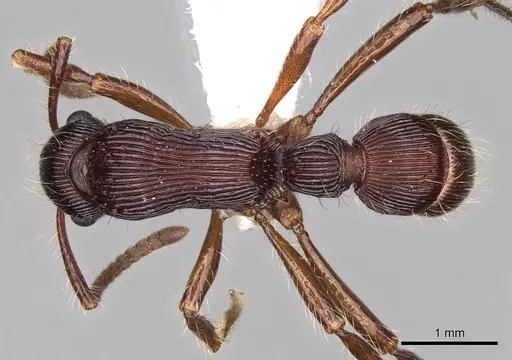
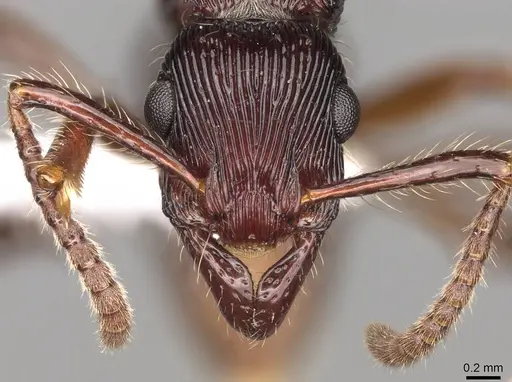
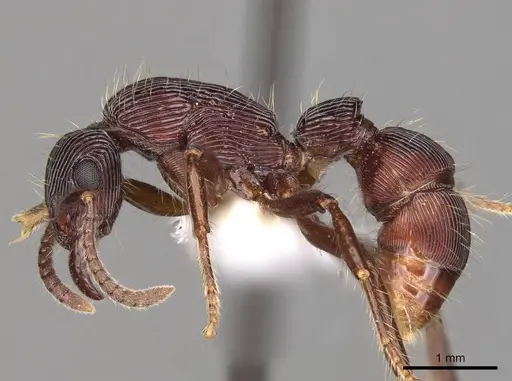
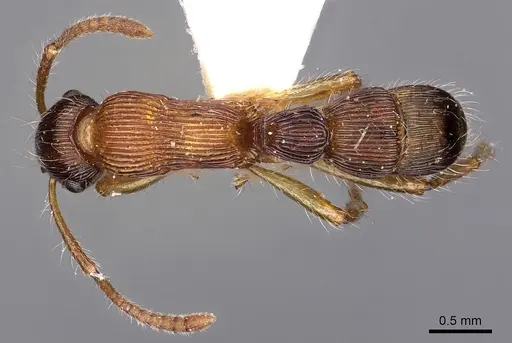
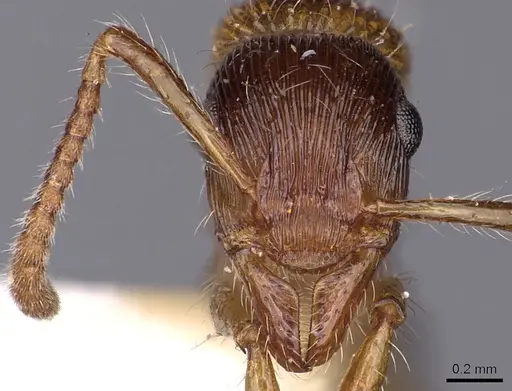
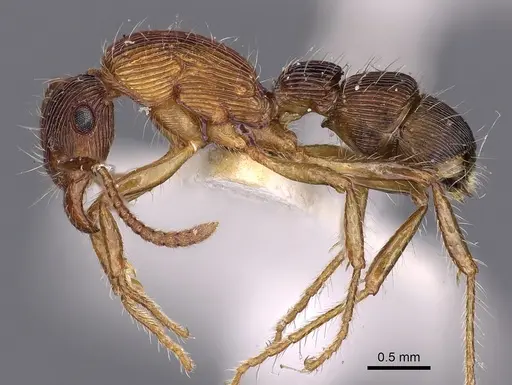
Gnamptogenys fernandezi is a predatory ant species native to northern South America, found in Venezuela, Colombia, Ecuador, Peru, and Brazil . Workers have triangular mandibles with a smooth, shiny body, and the species is identified by a convex clypeal lamella, lightly impressed promesonotal suture, and a low elongated petiole with a blunt posterodorsal point . It inhabits humid primary and secondary forests, typically at low elevations (50m in Colombia) up to 1100m in Venezuelan mountains, and nests in decaying wood on the ground . Colonies are polygynous, with multiple wingless queens working alongside workers, as documented in a nest with 9 queens and 35 workers . This species reproduces through budding rather than nuptial flights, as queens are wingless and cannot fly .
Quick Summary
- Difficulty: Medium
- Origin & Habitat: Northern South America, Venezuela, Colombia, Ecuador, Peru, and Brazil. Inhabits humid primary and secondary forests at elevations from 50m to 1100m, nesting in decaying wood on the ground [1][3][2].
- Colony Type: Polygynous, colonies contain multiple wingless queens. Queens are ergatoid (wingless), which is typical for established colonies in this genus [1].
- Size & Growth:
- Queen: size data unavailable, no total length measurements available in research context
- Worker: size data unavailable, no total length measurements available in research context
- Colony: Up to 35 workers documented in one nest, with multiple queens [1]
- Growth: Moderate
- Development: Estimated 6-8 weeks at tropical temperatures, based on related Ectatomminae species patterns (Direct development data unavailable, estimates based on genus patterns)
- Antkeeping:
- Temperature: Keep warm, roughly 24-28°C, based on typical tropical ant patterns
- Humidity: Keep nest substrate consistently moist but not waterlogged, as they inhabit humid forests [1]
- Diapause: No, tropical species do not require hibernation
- Nesting: Use nests with decaying wood pieces or Y-tong/plaster nests that retain moisture, as they nest in decaying wood in the wild [1]
- Behavior: Gnamptogenys fernandezi are predatory ants that hunt small invertebrates. Workers are moderately active foragers and will defend their nest. They possess a sting used for defense, typical of Ectatomminae subfamily. Queens are wingless, so colonies expand through budding [1]
- Common Issues: temperatures below 20°C may cause decline, keep warm, dry conditions will stress colonies, maintain high humidity, predatory diet requires live prey, cannot survive on sugar alone, small colony sizes mean slower growth, patience required, wild-caught colonies may be stressed from collection
Housing and Nest Setup
Set up a naturalistic nest with decaying wood pieces or a Y-tong/plaster nest that retains moisture. Keep the nest humid but provide some drier areas for self-regulation. Use a water tube or cotton reservoir for constant moisture. Since these ants are moderate-sized, standard escape prevention with Fluon is sufficient [1][3].
Feeding and Diet
Offer small live prey such as fruit flies, pinhead crickets, or small mealworms 2-3 times per week. As predatory ants, they need a protein-rich diet. Sugar water may be accepted occasionally but is not essential.
Temperature and Humidity
Maintain warm temperatures around 24-28°C using a heating cable to create a gradient. Keep humidity high by ensuring the nest substrate is consistently moist but not waterlogged [1].
Colony Structure and Reproduction
Colonies are polygynous with multiple wingless queens. One documented nest had 9 queens and 35 workers [1][3]. Queens are ergatoid, so colonies expand through budding rather than flights.
Behavior and Temperament
Workers are predatory and moderately active. They use chemical trails to recruit nestmates to food. They will defend their nest and can sting if threatened, but stings are mild [1].
Frequently Asked Questions
How long does it take for Gnamptogenys fernandezi to produce first workers?
Direct data is unavailable, but based on related Ectatomminae species, expect 6-8 weeks from egg to worker at optimal temperatures.
Can I keep multiple Gnamptogenys fernandezi queens together?
Yes, this species is naturally polygynous. Wild colonies contain multiple queens (documented with 9 queens in one nest). Unrelated queens will typically accept each other, but monitor for the first few days after introduction [1].
What do Gnamptogenys fernandezi ants eat?
They are predatory ants that need live protein prey. Offer small insects like fruit flies, pinhead crickets, small mealworms, or other tiny arthropods 2-3 times per week. Sugar water may be accepted occasionally but is not essential.
Do Gnamptogenys fernandezi ants sting?
Yes, they have a stinger but it is mild. Most keepers describe the sting as minor, similar to a mosquito bite. They are not aggressive and only sting if directly threatened or handled roughly.
What temperature do Gnamptogenys fernandezi need?
Keep them warm at roughly 24-28°C. This is a tropical species from lowland humid forests. Temperatures below 20°C can be harmful. Use a heating cable on part of the nest to create a gradient.
Are Gnamptogenys fernandezi good for beginners?
This species is rated as medium difficulty. While not as challenging as some exotic species, they do require specific conditions: high humidity, warm temperatures, and a predatory diet. Some antkeeping experience is helpful.
How big do Gnamptogenys fernandezi colonies get?
Documented wild colonies reach at least 35 workers with multiple queens. They are not among the largest ant species, expect moderate-sized colonies [1].
Do Gnamptogenys fernandezi need hibernation?
No, being a tropical species from lowland forests, they do not require true hibernation. You may notice slightly reduced activity in winter months, but a full diapause is not necessary.
When will Gnamptogenys fernandezi alates (reproductives) appear?
This species has wingless (ergatoid) queens, they never develop wings and cannot fly. Colonies expand through budding rather than nuptial flights. You may see new reproductives appear as wingless queens within the colony [1].
Why is my Gnamptogenys fernandezi colony declining?
Check three things: temperature (must be warm, roughly 24-28°C), humidity (must be high and consistent), and food (must have regular protein prey). Also check for stress from excessive disturbance. These are sensitive tropical ants that decline quickly when conditions are wrong.
Report an Issue
The current care sheet is based fully on literature. See inconsistencies, or something that's incorrect? Please , it will be resolved after review from an admin. Contributing to the blogs tab also helps providing information, to make us be able to further improve the caresheets. Thank you for your support!
References

This caresheet is licensed under CC BY-SA 4.0 .
Community Blogs
Literature
Loading distribution map...Loading products...