
Gnamptogenys annulata
- Sci. Name
- Gnamptogenys annulata
- Tribe
- Ectatommini
- Subfamily
- Ectatomminae
- Author
- Mayr, 1887
- Distribution
- Found in 10 countries
Introduction
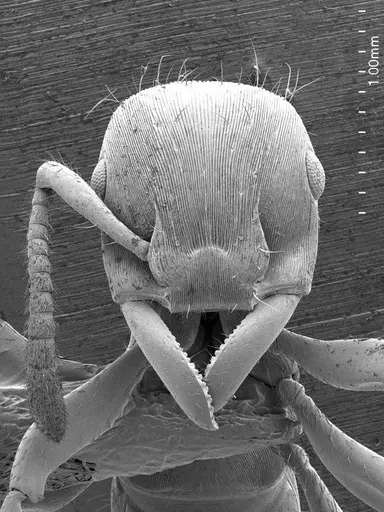
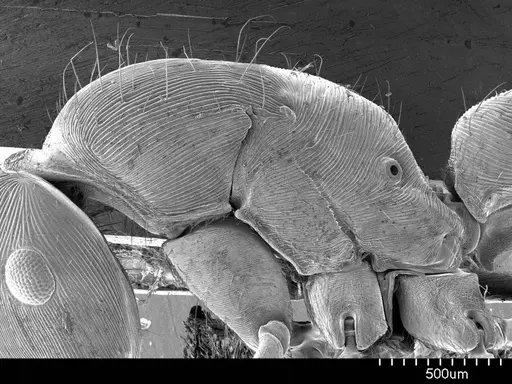
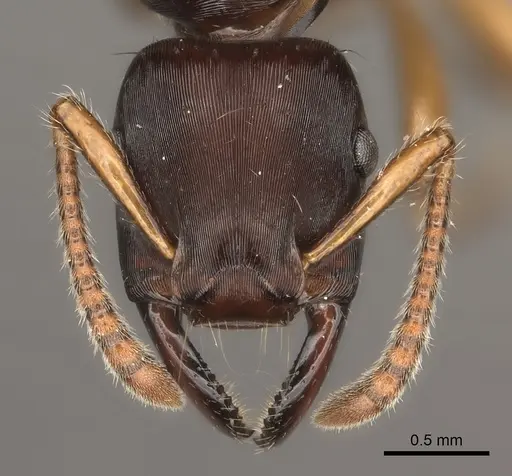
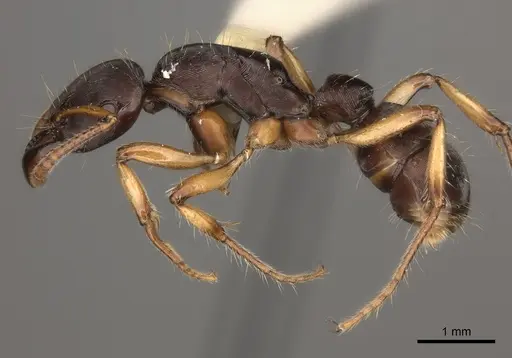
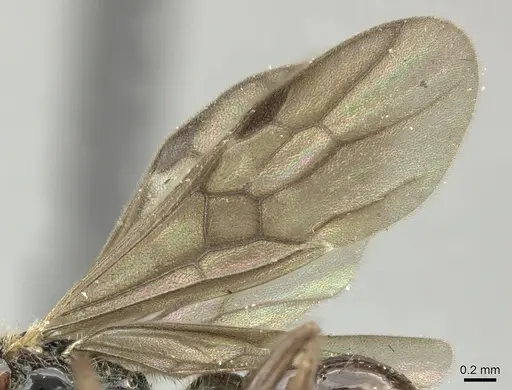
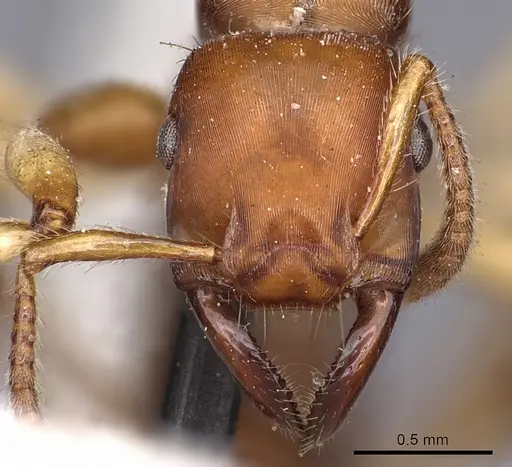
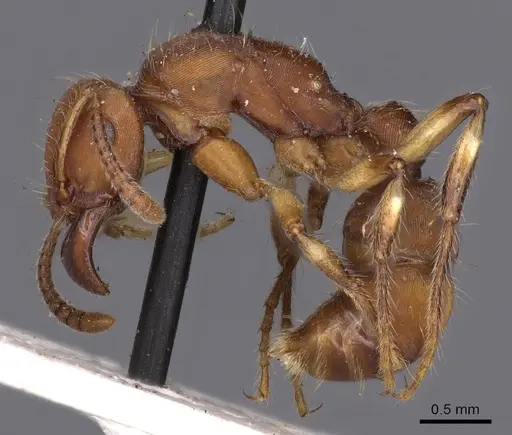
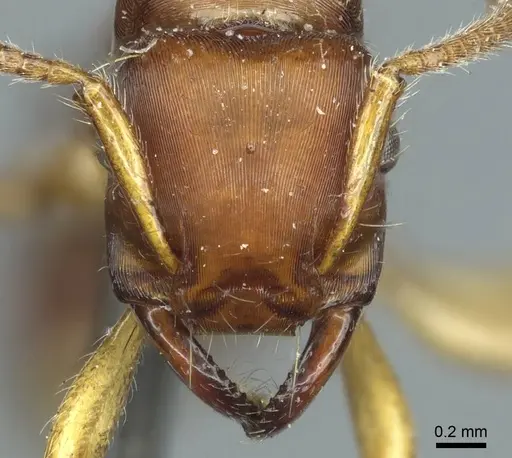
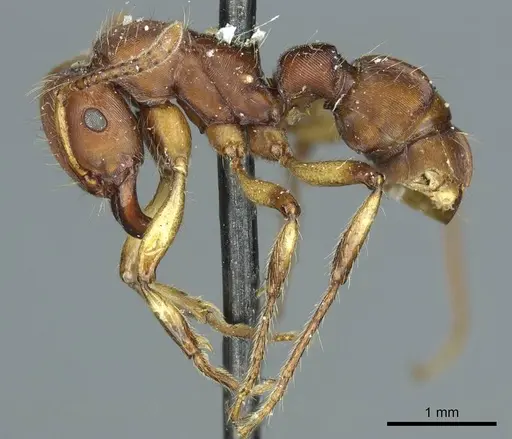
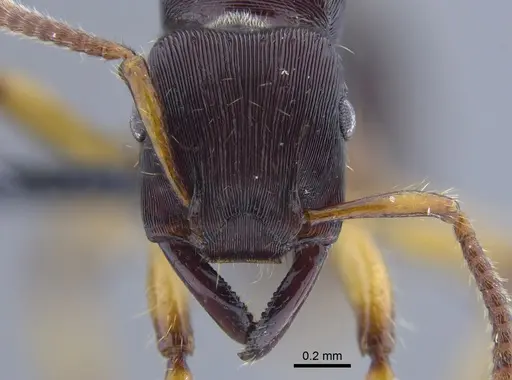
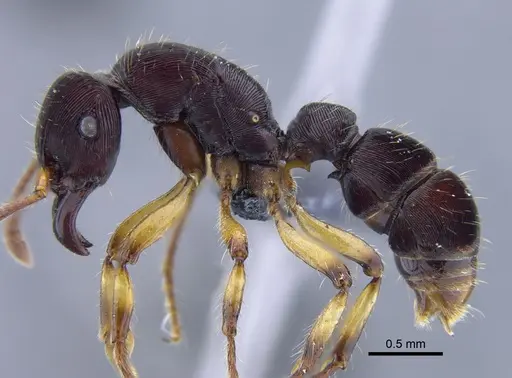
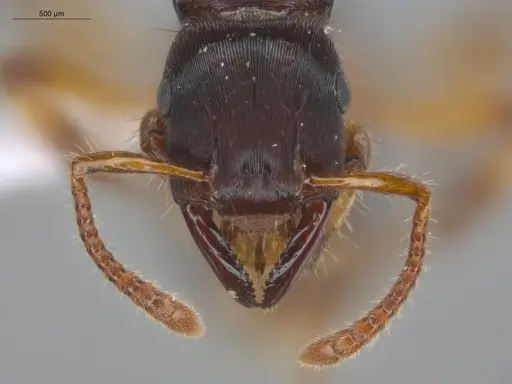
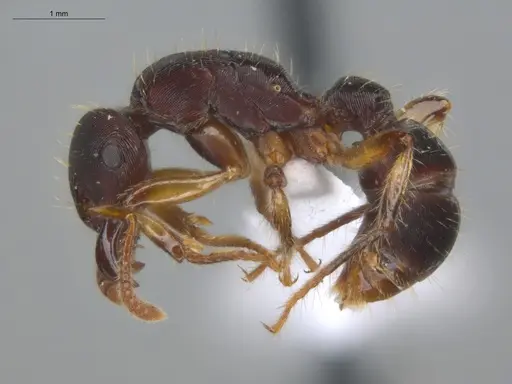
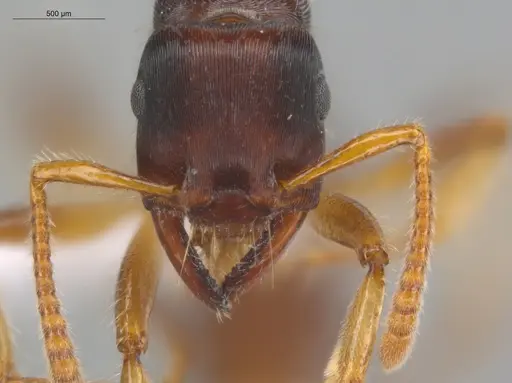
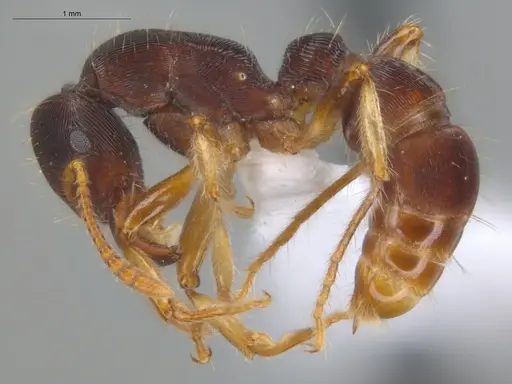
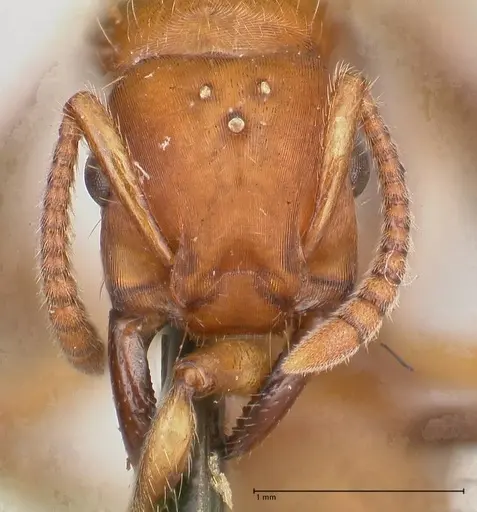
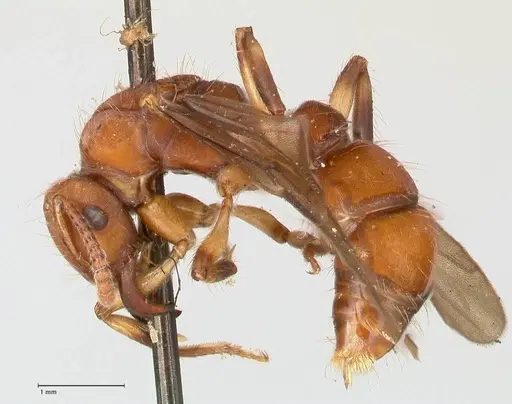
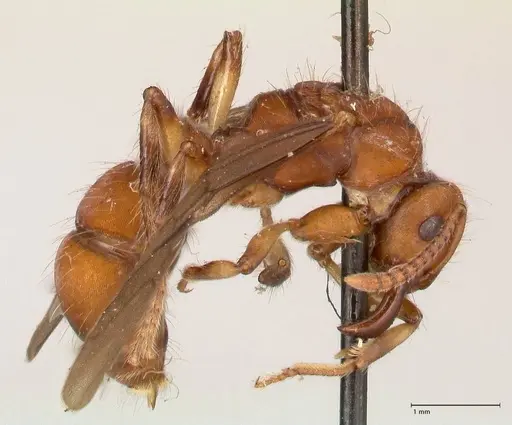
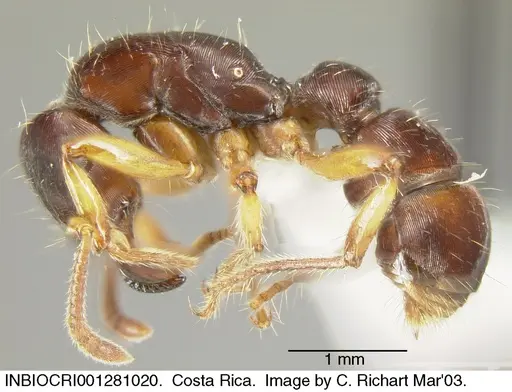
Gnamptogenys annulata is a large predatory ant found in the Neotropics, from Honduras to Peru . Workers are typically above 1 cm in length . They have a reddish-brown body with fine striations on the head, mesosoma, and gaster, and yellow-ferruginous coxae . They nest in humid tropical forests from sea level to 1,100 m elevation . What makes G. annulata interesting is their specialized diet. They prefer beetles but also hunt dermapterans, true bugs, termites, other ants, and pseudoscorpions . They have been observed raiding nests of other ant species .
Quick Summary
- Difficulty: Medium
- Origin & Habitat: Neotropical region, Honduras, Panama, Costa Rica, Colombia, Ecuador, Peru, Bolivia, Brazil, French Guiana, Guyana, Suriname, Venezuela. Found in primary and secondary humid tropical forests from sea level to 1,100m elevation [1][2].
- Colony Type: Colony structure is not well documented in scientific literature. Based on genus patterns, they likely form single-queen colonies, but this is unconfirmed for G. annulata.
- Size & Growth:
- Queen: Size data unavailable, no total length measurements in context. Inferred from Gnamptogenys genus as approximately 10-12 mm.
- Worker: Typically above 1 cm in length [3].
- Colony: Unknown, no colony size data in context.
- Growth: Unknown
- Development: Unknown, no specific studies on this species. (Development likely faster at warmer temperatures within their tropical range.)
- Antkeeping:
- Temperature: Keep warm, roughly 24-28°C, based on tropical habitat [1][2].
- Humidity: Keep nest substrate consistently moist but not waterlogged, based on humid forest habitat [1][2].
- Diapause: No diapause required, tropical species.
- Nesting: Prefer leaf litter and decaying wood in nature [6][3]. In captivity, use moist substrate nests like Y-tong or plaster.
- Behavior: Workers are active hunters, moderately defensive. They forage individually and can sting, but effects on humans are mild based on subfamily defense. Escape risk due to size, use barriers like fluon.
- Common Issues: protein starvation, they need live prey, not sugar water, mold from high humidity if ventilation is poor, parasites from wild-caught colonies, such as eucharitid wasps [1], slow colony growth leading to overfeeding and mold, predatory nature may attack other ants if housed nearby
Housing and Nest Setup
Gnamptogenys annulata does well in a naturalistic setup that mimics their forest floor habitat. Use a mix of soil and peat or coco fiber as substrate, kept consistently moist but not soggy. Add pieces of decaying wood, cork bark, or leaf litter to give them hunting grounds and nesting material [6][3]. A Y-tong nest also works well if you provide a moist water reservoir. Since they are semi-arboreal, include vertical structures like twigs or cork bark pieces in the outworld. Escape prevention should be standard with fluon on rims.
Feeding and Diet
This is critical for keeping G. annulata successfully. They are obligate predators with a strong preference for beetles, but also eat dermapterans, aradid bugs, termites, other ants, and pseudoscorpions [4][1][2]. Feed them a rotation of live prey like mealworms, small crickets, or roach nymphs 2-3 times per week. Remove uneaten prey after 24-48 hours to prevent mold. They do not accept sugar water, protein is their primary food source.
Temperature and Humidity
As a tropical species, G. annulata needs warm and humid conditions. Keep temperatures around 24-28°C with a gradient using a heating cable. Humidity should be maintained by keeping the nest substrate moist and misting the outworld regularly [1][2]. Avoid drying out or stagnant conditions that cause mold.
Behavior and Colony Dynamics
Workers are active hunters that forage individually rather than in groups. They are moderately defensive and will sting if threatened, but are not highly aggressive. Colonies grow gradually, and reproduction occurs through winged queens. They have been observed preying on other ant species, such as raiding Pheidole nests [5].
Common Problems and Solutions
The biggest challenge is their strict live prey diet, starvation occurs if not fed appropriately. Wild-caught colonies may have parasites like eucharitid wasps [1]. Mold can develop from high humidity if ventilation is poor. Slow colony growth may lead to overfeeding, causing mold. Keep the nest well-ventilated and clean uneaten prey regularly.
Frequently Asked Questions
What do Gnamptogenys annulata ants eat?
They are predatory ants that need live prey. Feed them insects like mealworms, small crickets, or roach nymphs. They prefer beetles but accept various arthropods. They do not typically accept sugar water [4][1][2].
How long does it take for Gnamptogenys annulata to develop from egg to worker?
Unknown, no specific studies exist for this species. Development likely varies with temperature.
Do Gnamptogenys annulata ants need hibernation?
No. As a tropical species, they do not require diapause. Keep them at warm, stable temperatures year-round.
Are Gnamptogenys annulata good for beginners?
They are considered intermediate difficulty due to their strict live prey diet. Beginners should ensure access to appropriate prey.
What size colony do Gnamptogenys annulata reach?
Unknown, no colony size data is available in the research context.
Do Gnamptogenys annulata ants sting?
Yes, they have a stinger. Effects on humans are typically mild, but they will defend if threatened.
What humidity do Gnamptogenys annulata need?
High humidity is essential, keep the nest substrate consistently moist but not waterlogged, based on their humid forest habitat [1][2].
Can I keep multiple queens together in one colony?
This has not been documented for this species. Based on genus patterns, they likely have single-queen colonies, but it is unconfirmed.
Why are my Gnamptogenys annulata dying?
Common causes include protein starvation, low humidity, parasites from wild-caught colonies [1], or mold from overfeeding. Review your care practices.
What temperature should I keep Gnamptogenys annulata at?
Keep them warm at roughly 24-28°C, based on their tropical habitat [1][2].
Report an Issue
The current care sheet is based fully on literature. See inconsistencies, or something that's incorrect? Please , it will be resolved after review from an admin. Contributing to the blogs tab also helps providing information, to make us be able to further improve the caresheets. Thank you for your support!
References

This caresheet is licensed under CC BY-SA 4.0 .
Community Blogs
ANTWEB1008528
View on AntWeb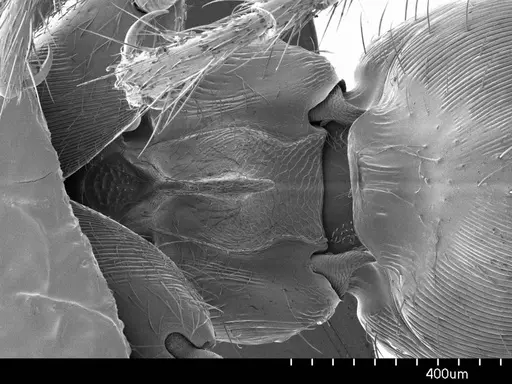
ANTWEB1041413
View on AntWeb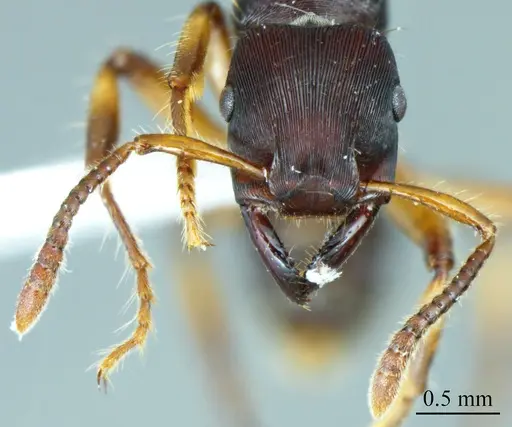
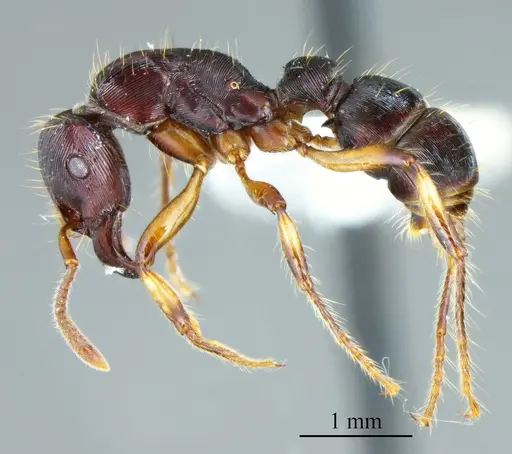
CASENT0179999
View on AntWeb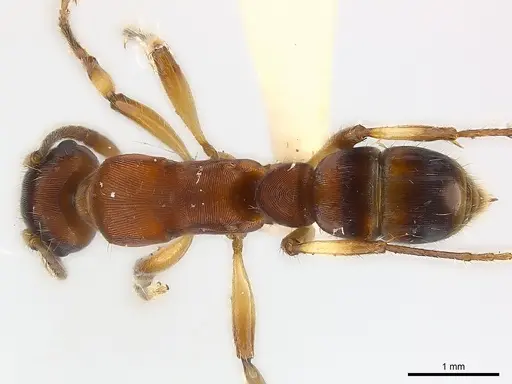
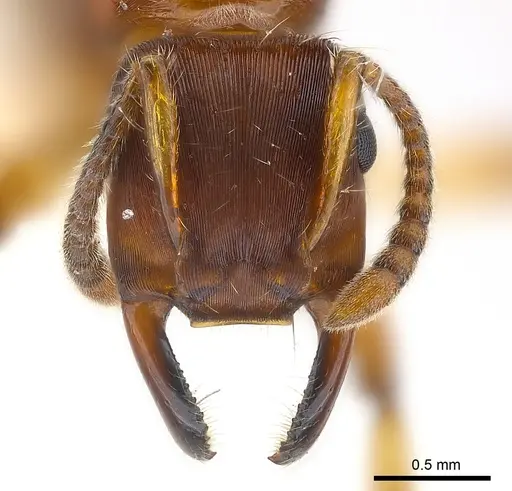
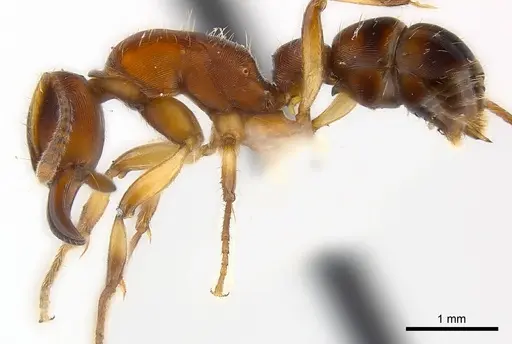
CASENT0217480
View on AntWeb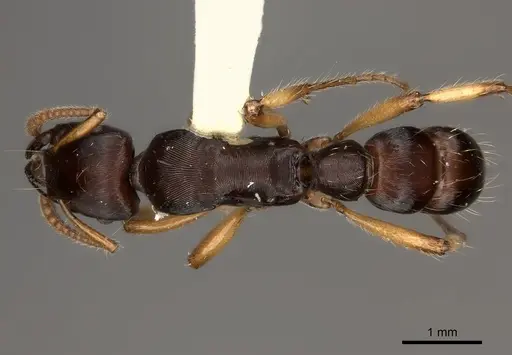
CASENT0281514
View on AntWeb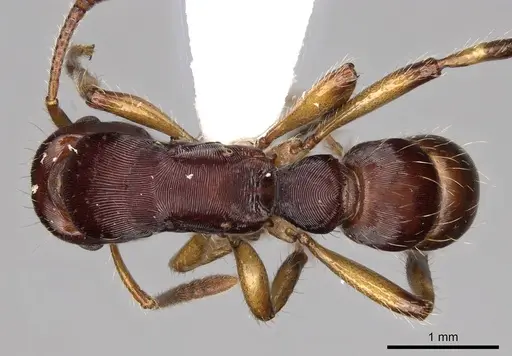
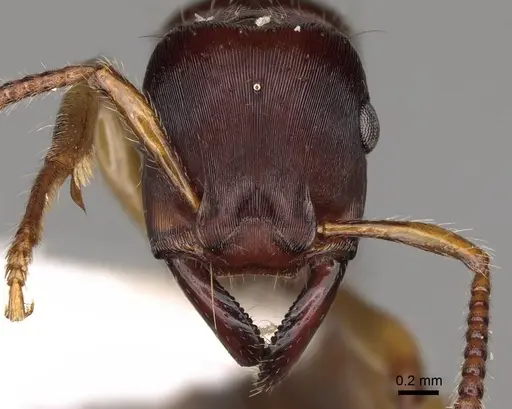
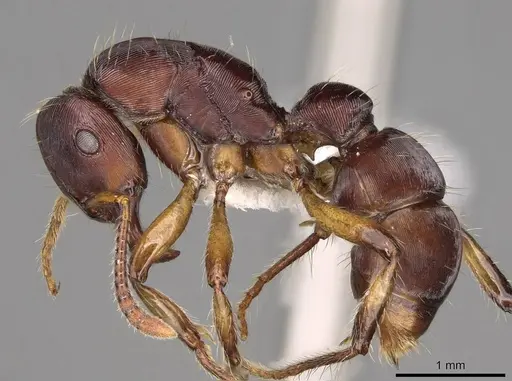
CASENT0619178
View on AntWeb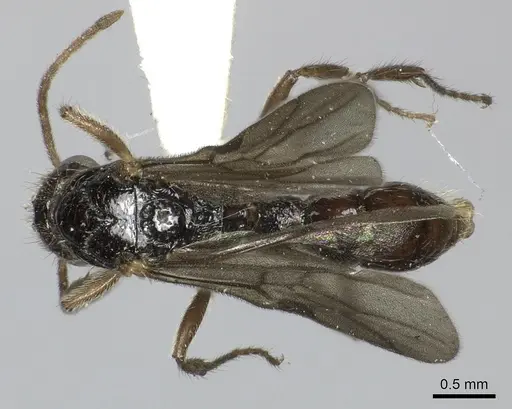
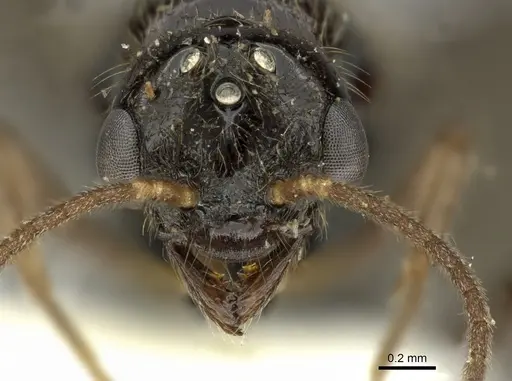
CASENT0900557
View on AntWeb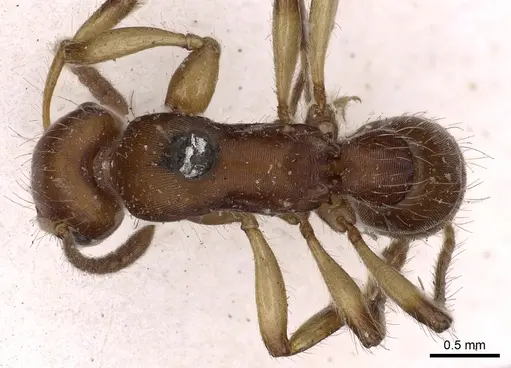
CASENT0915909
View on AntWeb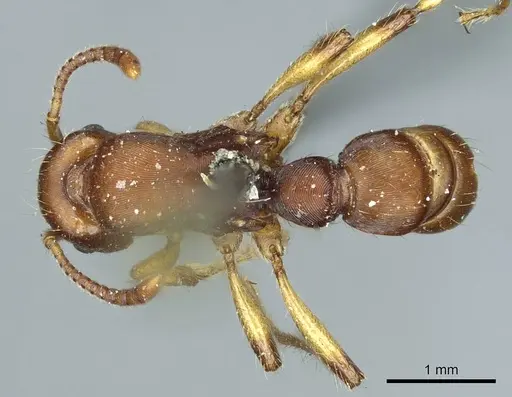
CBUMAGENT41754
View on AntWeb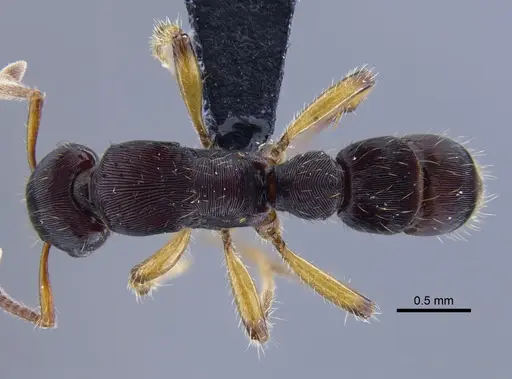
ECOFOG-IT14-0139-09
View on AntWeb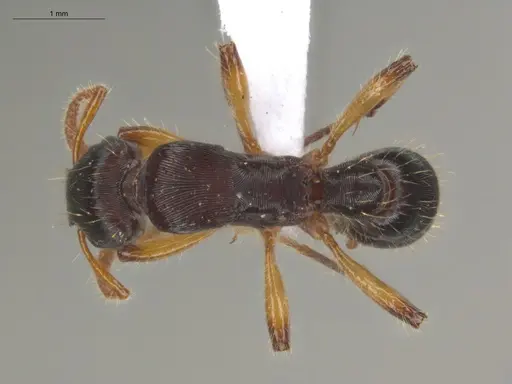
ECOFOG-LA15-0196-03
View on AntWeb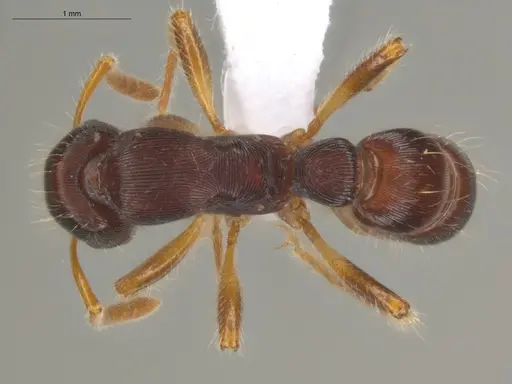
FOCOL0879
View on AntWeb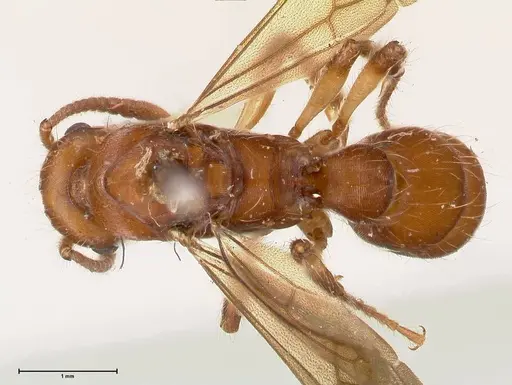
INBIOCRI001281020
View on AntWeb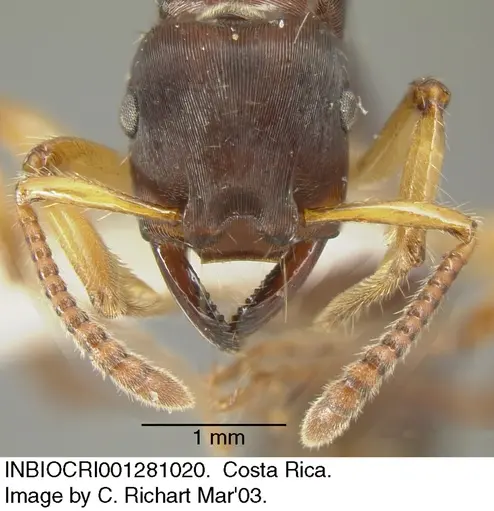
Literature
Loading distribution map...Loading products...