
Gnamptogenys alfaroi
- Sci. Name
- Gnamptogenys alfaroi
- Tribe
- Ectatommini
- Subfamily
- Ectatomminae
- Author
- Emery, 1894
- Distribution
- Found in 3 countries
Introduction
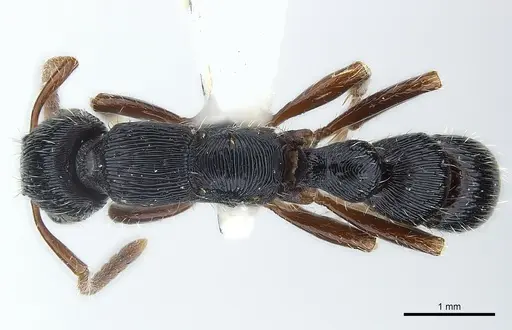
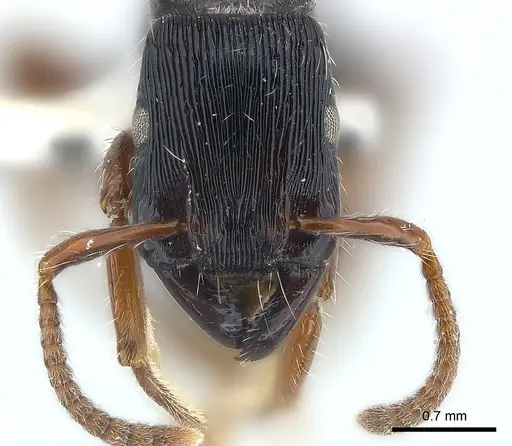
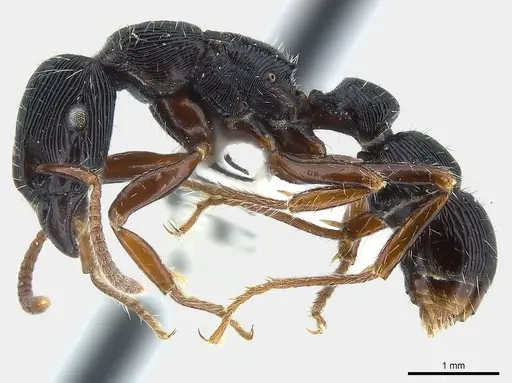
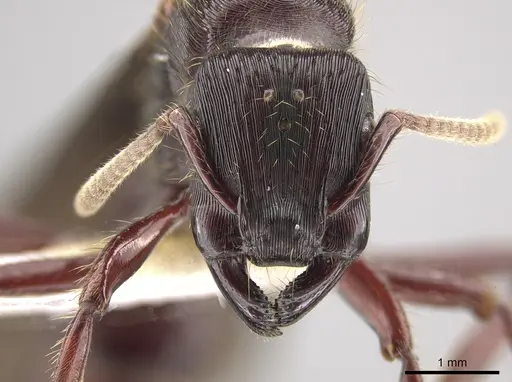
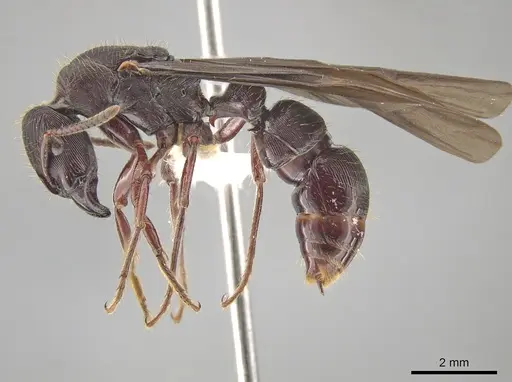
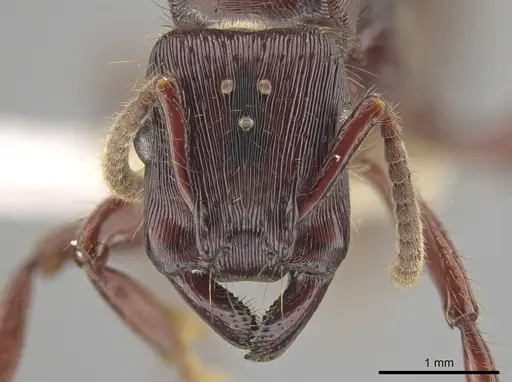
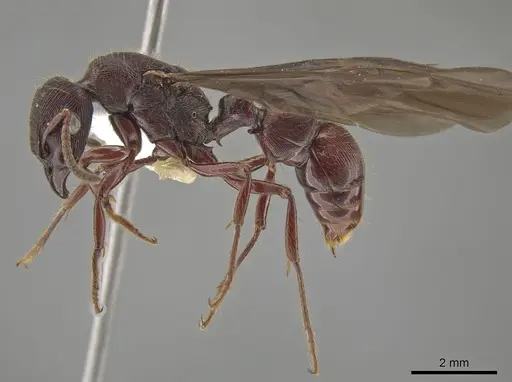
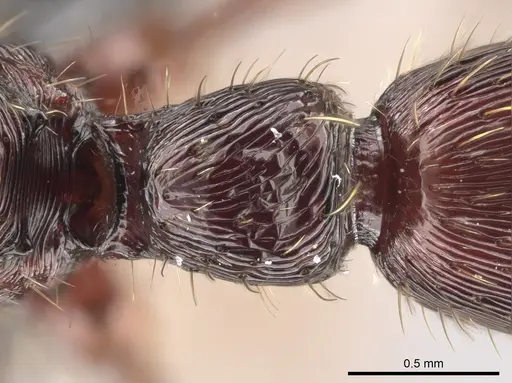
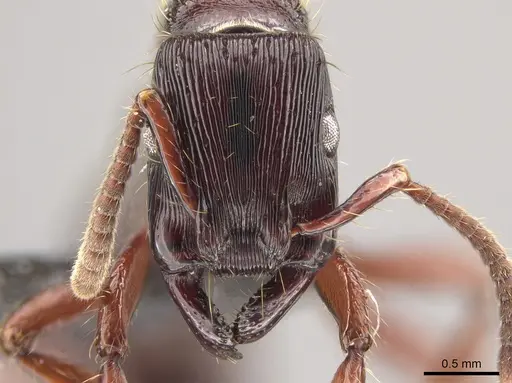
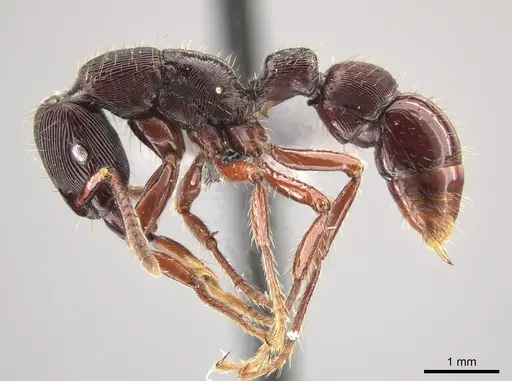
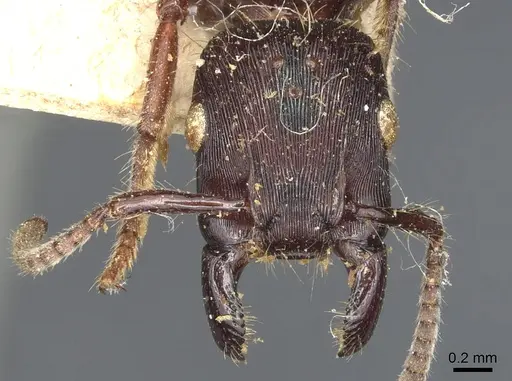
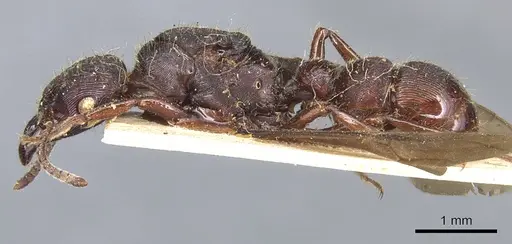
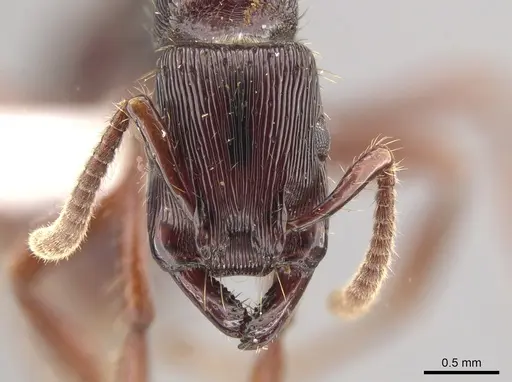
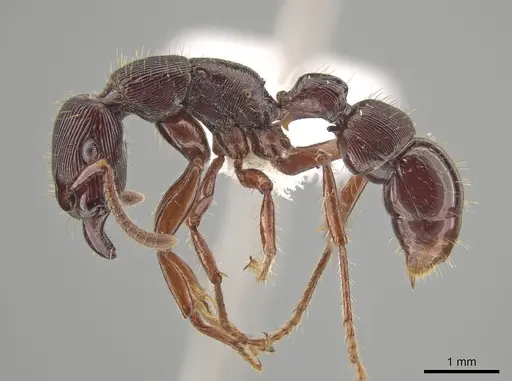
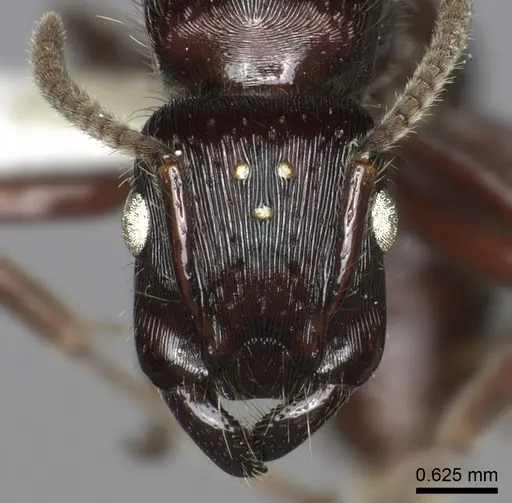
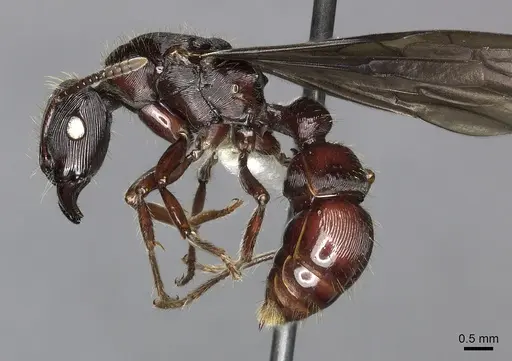
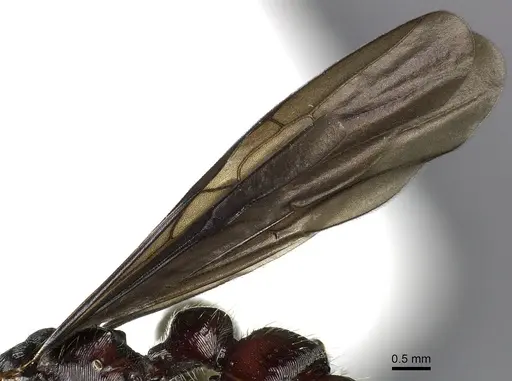
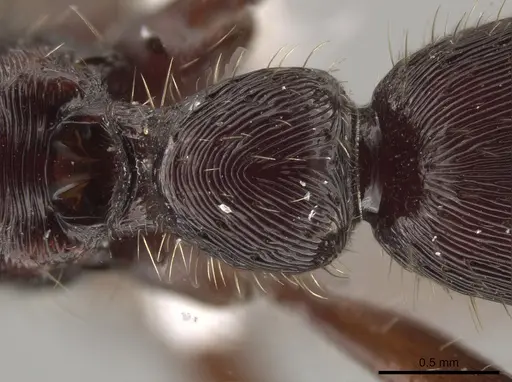
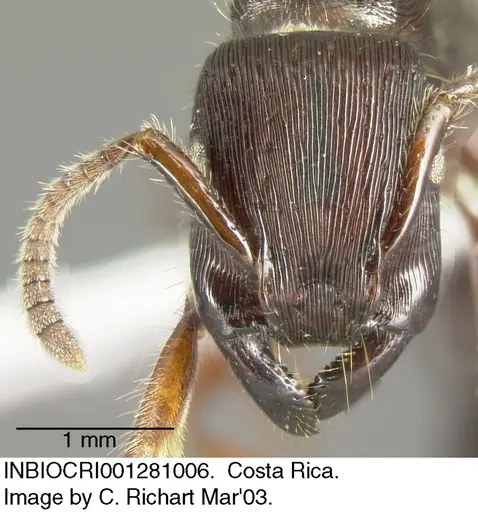
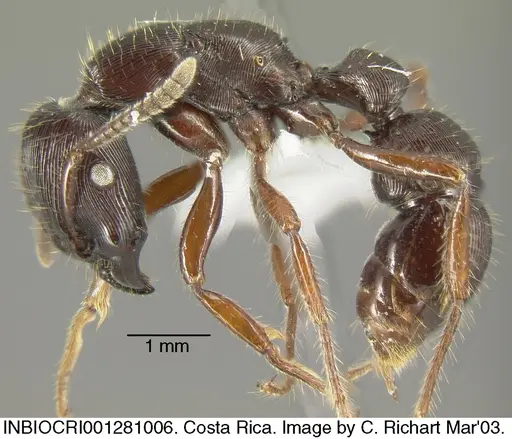
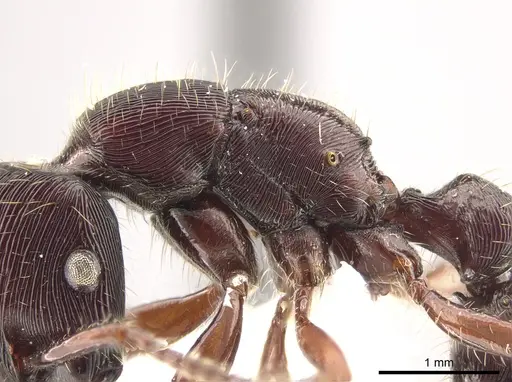
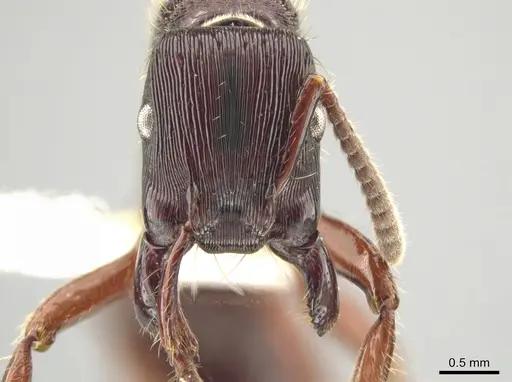
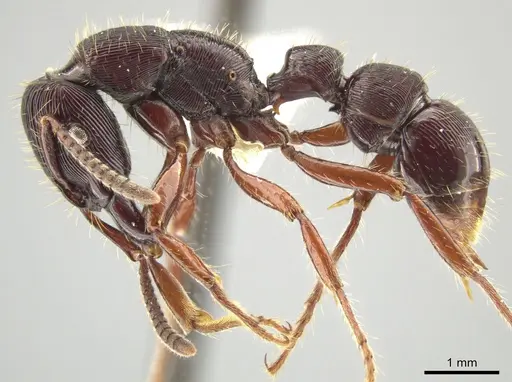
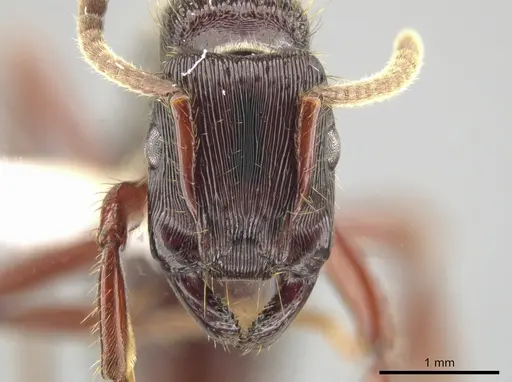
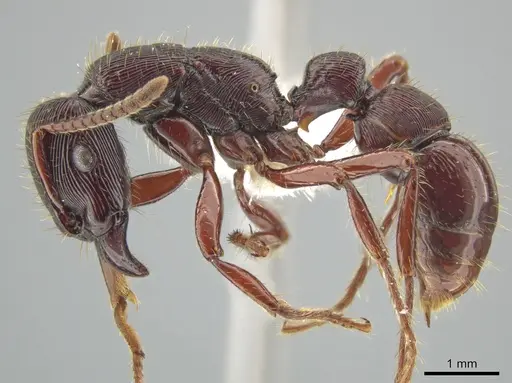
Gnamptogenys alfaroi is a rarely collected predatory ant from Central and South American montane rainforests . Workers have an elongated, almost cylindrical body that sets them apart from other ectatommine ants. Their body is black with brown legs and antennae. They can be recognized by a smooth and shiny mandibular dorsum with a few small punctures, a distinct spine on the metacoxa (back leg joint), and longitudinal ridges on the basal half of the second gastral tergite . The species is known from Costa Rica through Nicaragua, Panama, Colombia (Cauca and Valle del Cauca departments), and Ecuador . What makes this species interesting is its nocturnal hunting behavior. Specimens have been caught at night foraging on low vegetation . As a member of the Ectatomminae subfamily, it possesses a functional sting used to subdue prey. Its rarity in the wild and in the antkeeping hobby means there is very limited information on captive care, making it a challenging species best suited for experienced keepers.
Quick Summary
- Difficulty: Hard
- Origin & Habitat: Montane rainforests from Nicaragua through Central America to Ecuador. Recorded in Colombia (Cauca, Valle del Cauca) and Costa Rica [1][2][4].
- Colony Type: Not documented in the available literature.
- Size & Growth:
- Queen: Size data unavailable.
- Worker: Size data unavailable.
- Colony: Unknown.
- Growth: Unknown
- Development: Not studied, estimates from related Ectatomminae are speculative (roughly 6–10 weeks at tropical temperatures). (Development time is inferred from genus-level data since species-specific studies are not available.)
- Antkeeping:
- Temperature: Temperature preferences are undocumented. Based on its montane tropical habitat, maintain a warm environment around 22–26°C and avoid cold drafts. Provide a small temperature gradient so the ants can choose their preferred spot.
- Humidity: High humidity is essential. Keep the nest substrate consistently moist but not waterlogged, and provide a water source in the outworld. Mist occasionally to maintain damp conditions.
- Diapause: No, as a tropical species it does not require hibernation. Keep temperatures stable year-round.
- Nesting: Use setups that retain humidity well, such as Y‑tong (AAC) or plaster nests. Provide dark nesting chambers and include climbing structures (twigs, vines) since they forage on low vegetation in the wild. A test tube is suitable for founding colonies.
- Behavior: Nocturnal predator. Workers are active at night, hunting on low vegetation and using their sting to subdue prey. They are not aggressive toward humans but will defend the nest if disturbed. Escape prevention is standard – they can climb but do not have extraordinary abilities. Given their small size (exact measurements unknown), ensure fine mesh or barriers to prevent escape.
- Common Issues: mold from high humidity – ensure good airflow while maintaining moisture., difficulty acquiring this species – it is rarely found or sold., need for a constant supply of live prey – not easy to provide long‑term., limited captive care knowledge – keepers must adapt from related species with caution., stress from disturbance – colonies may be small and sensitive.
Housing and Nest Setup
Because Gnamptogenys alfaroi comes from humid montane forests, your setup must keep moisture high. Avoid acrylic nests. Instead, use a Y‑tong (AAC) or plaster nest that can hold water, or a naturalistic soil / clay substrate in a glass tank. The nest chamber should be dark – these ants are nocturnal. Provide climbing structures (small branches, cork bark) to mimic the low vegetation they hunt on in the wild. For a founding colony, start with a test tube setup. When the colony outgrows it, transfer to a larger formicarium. Use standard escape prevention: Fluon or oil barriers, plus a tight lid.
Feeding and Diet
As a predatory ant, Gnamptogenys alfaroi needs live prey to thrive. They actively hunt small arthropods in nature. In captivity, offer small insects such as fruit flies, pinhead crickets, and small mealworms. Feed about twice a week for established colonies and adjust based on consumption. Remove any uneaten prey after 24 hours to avoid mold. They do not tend aphids for honeydew, so protein is the main food. Some keepers have offered small pieces of raw meat or fish, but live prey should always be the foundation of the diet.
Temperature and Seasonal Care
No specific temperature data exists for this species. Based on its montane tropical habitat, keep the nest at around 22–26°C. Use a heating cable on one side to create a gentle gradient. Avoid placing the enclosure near air conditioners or heaters. They do not need a winter diapause – maintain warmth year‑round. Humidity is critical: aim for a consistently moist substrate but not waterlogged. A hygrometer helps monitor conditions. Mist the outworld if levels drop.
Behavior and Colony Dynamics
Workers are nocturnal and will be most active at night. During the day they may remain hidden in the nest – this is normal. They are moderate foragers and use their sting to capture prey. Colony size is unknown, but given their rarity and the difficulty of finding wild colonies, they likely remain small (perhaps a few dozen to a couple hundred workers). They are not aggressive toward keepers but will defend the nest if provoked. Queen founding behavior has not been documented. Based on other ectatommines, it is inferred to be claustral, but this is not confirmed.
Frequently Asked Questions
How long does it take for Gnamptogenys alfaroi to produce first workers?
This species has not been studied, so exact timing is unknown. Based on related Ectatomminae, development from egg to worker might take around 6–10 weeks at warm temperatures, but this is a rough estimate. Be patient.
Do Gnamptogenys alfaroi ants sting?
Yes, they have a functional sting. As predatory Ectatomminae, they use it to subdue prey and will sting if threatened. The sting is not well‑studied but is generally considered mild for humans.
What do I feed Gnamptogenys alfaroi?
They must have live prey. Offer small insects like fruit flies, pinhead crickets, and small mealworms about twice a week. Remove leftovers after 24 hours to prevent mold.
Are Gnamptogenys alfaroi good for beginners?
No. This species is not recommended for beginners. It is rare, requires high humidity, constant live prey, and very little is known about its captive care. Only experienced keepers should attempt it.
How big do Gnamptogenys alfaroi colonies get?
Colony size is not documented in the literature. Based on collection records and related species, colonies likely remain small (probably under a few hundred workers), but this is speculative.
Do Gnamptogenys alfaroi need hibernation?
No. As a tropical species they do not require a winter diapause. Keep them warm year‑round. A slight drop to around 22°C in winter is fine, but avoid cold temperatures.
Can I keep multiple Gnamptogenys alfaroi queens together?
There are no studies on this. Based on related Gnamptogenys, single‑queen colonies are typical, so it is not recommended to combine queens without more information.
Why is my Gnamptogenys alfaroi colony dying?
Common causes include insufficient humidity, lack of live prey, temperature extremes, or mold from poor ventilation. Check all parameters and adjust. If caught early, correcting these issues often helps.
When can I move Gnamptogenys alfaroi to a formicarium?
There is no fixed number. Move the colony when the test tube becomes crowded or when the queen stops using it. Ensure the new nest has high humidity and place the old tube inside for a few days to ease the transition.
Where does Gnamptogenys alfaroi live in the wild?
It is found in montane rainforests from Nicaragua through Costa Rica, Panama, Colombia (Cauca and Valle del Cauca), and Ecuador [1][2][4].
Report an Issue
The current care sheet is based fully on literature. See inconsistencies, or something that's incorrect? Please , it will be resolved after review from an admin. Contributing to the blogs tab also helps providing information, to make us be able to further improve the caresheets. Thank you for your support!
References

This caresheet is licensed under CC BY-SA 4.0 .
Community Blogs
CASENT0179982
View on AntWeb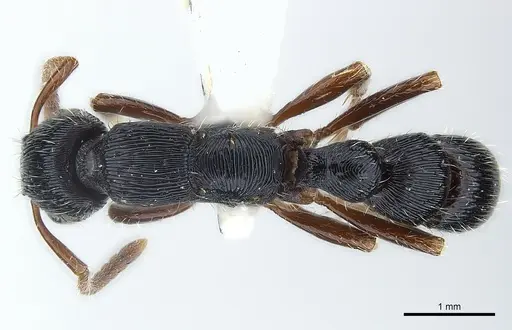
CASENT0629424
View on AntWeb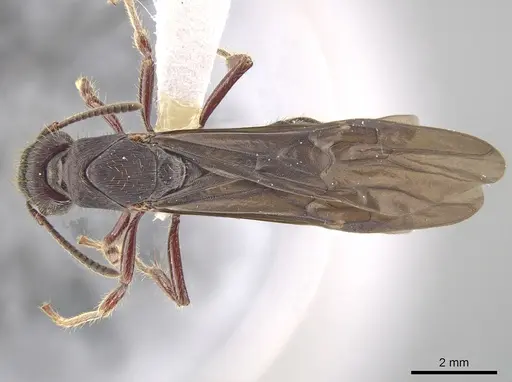
CASENT0631496
View on AntWeb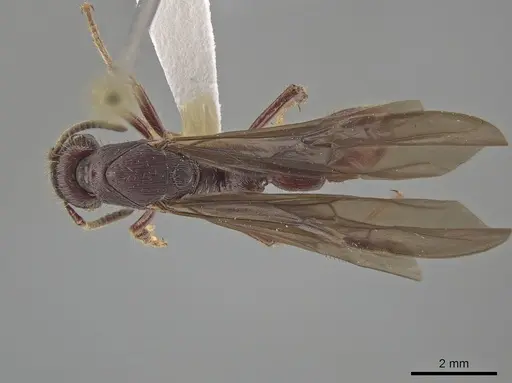
CASENT0637234
View on AntWeb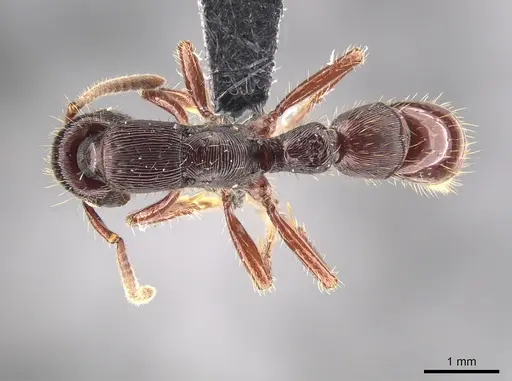
CASENT0903845
View on AntWeb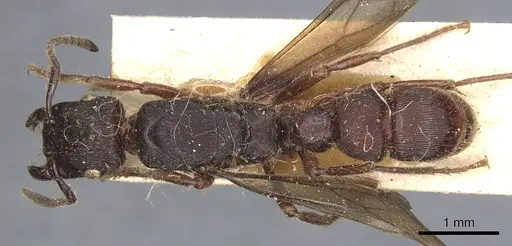
INB0003605523
View on AntWeb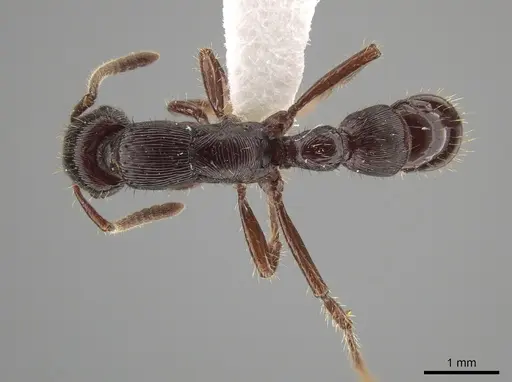
INB0003662376
View on AntWeb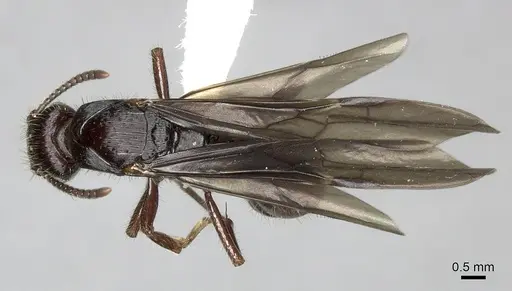
INBIOCRI001281006
View on AntWeb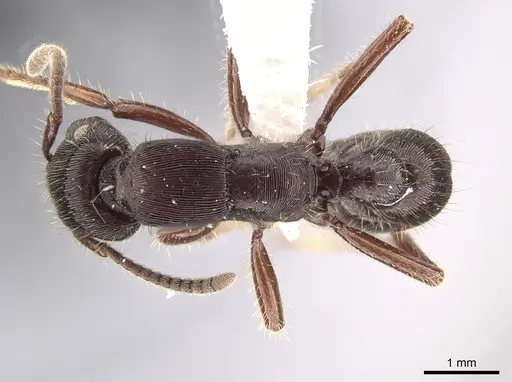
INBIOCRI001281829
View on AntWeb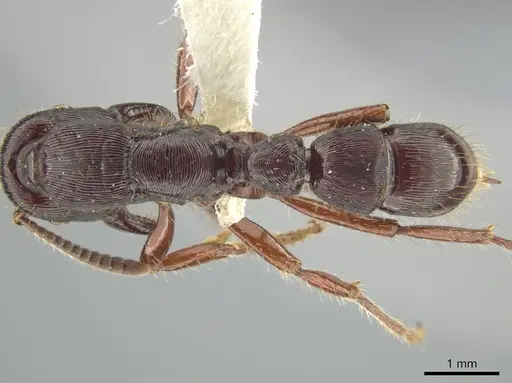
JTLC000007192
View on AntWeb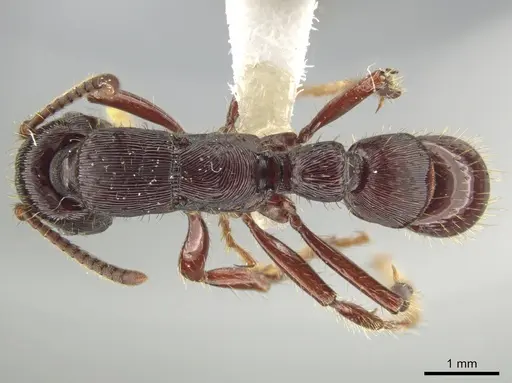
Literature
Loading distribution map...Loading products...