
Gesomyrmex luzonensis
- Sci. Name
- Gesomyrmex luzonensis
- Tribe
- Gesomyrmecini
- Subfamily
- Formicinae
- Author
- Wheeler, 1916
- Distribution
- Found in 1 countries
Introduction
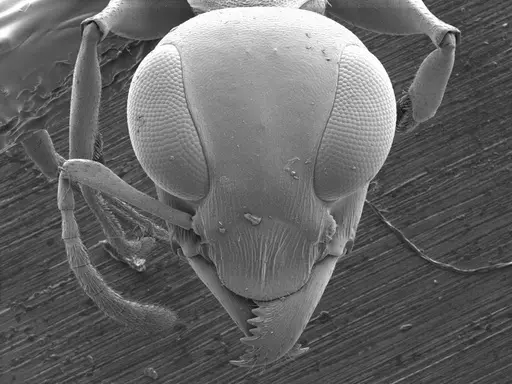
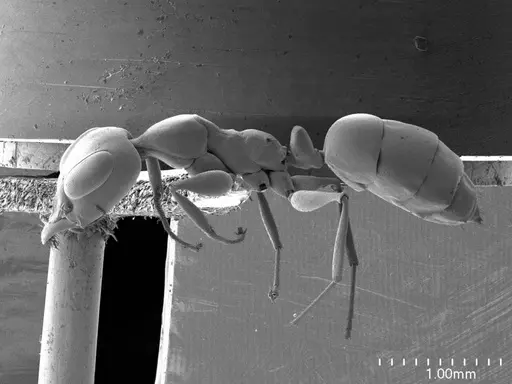
Gesomyrmex luzonensis is a rare arboreal ant from the Philippines, belonging to the Formicinae subfamily. Workers come in three distinct castes (maxima, media, minima) with yellow to reddish-yellow coloration and brown markings on the head and pronotum. They have large dark eyes and mandibles with eight teeth . These ants nest in sound wood, not rotting material, and are known for their jerky, zigzag gait when foraging . What makes this species special is its arboreal lifestyle and unusual nesting habits. Unlike most ants that nest in soil or rotting wood, G. luzonensis colonizes healthy sound wood, often in human structures like poles and posts. Colonies remain small, with about 150 workers, and queens have comparatively smaller eyes than workers .
Quick Summary
- Difficulty: Medium
- Origin & Habitat: Philippines (Luzon Island, Negros Oriental), tropical arboreal ant that nests in sound wood of living trees and wooden structures [3][4]
- Colony Type: Monometrotic (single-queen colonies), small colonies up to approximately 150 workers [3]
- Size & Growth:
- Queen: Size data unavailable
- Worker: Size data unavailable
- Colony: Up to 150 workers in mature colonies [3]
- Growth: Moderate, based on small colony size [3]
- Development: Estimated 6-10 weeks based on typical Formicinae development patterns (Direct development data unavailable, estimate inferred from related species in tropical conditions)
- Antkeeping:
- Temperature: Keep warm, roughly 24-28°C, based on their tropical megathermal origin [2]. Provide a gentle temperature gradient.
- Humidity: Keep nest substrate moderately moist but not waterlogged, as they nest in sound wood [3].
- Diapause: No, as a tropical species, diapause is not required [2].
- Nesting: Arboreal nests in wood cavities or twigs [3]. Use Y-tong (AAC) nests with wood inserts or naturalistic setups with branches.
- Behavior: Timid and non-aggressive. Workers have a distinctive jerky, zigzag foraging gait and are very shy [3]. Minor workers do most foraging, while larger workers may guard nest entrances. They are day-active and retreat to the nest by evening [5]. Escape risk is moderate due to small size, use standard escape prevention.
- Common Issues: small colony size means slow growth, manage expectations, timid nature requires low-disturbance environment to prevent stress and brood abandonment, arboreal nesting needs wood-based housing, soil nests may not be appropriate, warm temperatures required year-round, avoid drops below 20°C, queen may be difficult to locate due to concealed nesting in wood cavities
Housing and Nest Preferences
Gesomyrmex luzonensis is an arboreal species that requires wood-based nesting. In the wild, they nest in sound wood, entering through existing holes like abandoned beetle burrows and expanding galleries as the colony grows [3]. For antkeeping, provide a naturalistic setup with wood or twig sections, or use a Y-tong (AAC) formicarium with wood inserts. They do not need rotting wood, they specifically colonize sound wood. Offer multiple small chambers rather than one large space, as they prefer tight enclosed cavities. Position the nest to allow some humidity but avoid constant wetness.
Feeding and Diet
These ants are opportunistic feeders that accept both sugar and protein. In the wild, workers feed on ripe banana, showing they readily come to sweet baits [5]. In captivity, offer a constant supply of sugar water or honey, and protein sources like small crickets or mealworms a few times per week. Provide food in easily accessible locations near foraging trails. Remove uneaten protein after 24-48 hours to prevent mold.
Temperature and Seasonal Care
As a tropical Philippine species, Gesomyrmex luzonensis requires warm temperatures year-round. Keep the nest area at roughly 24-28°C, with a gentle gradient allowing workers to choose their preferred temperature [2]. Avoid direct heat that could dry out the wood. Unlike temperate species, they do not require hibernation, but a slight temperature reduction in winter months is acceptable. Never let temperatures drop below 20°C for extended periods.
Behavior and Colony Dynamics
Workers have a peculiar jerky, zigzag gait when moving, a documented characteristic of the genus [3]. They are very timid, with minor workers doing most foraging while larger workers may guard nest entrances. Colonies are small, reaching about 150 workers in mature colonies [3]. The queen has smaller eyes than workers, an unusual trait [3]. Workers are day-active and return to the nest by evening [5]. Avoid frequent nest disturbance to prevent stress and brood abandonment.
Frequently Asked Questions
How long does it take for Gesomyrmex luzonensis to produce first workers?
Direct development data is not available. Based on typical Formicinae patterns in tropical conditions, first workers are estimated to emerge in 6-10 weeks after queen lays eggs [3].
Can I keep Gesomyrmex luzonensis in a test tube?
Test tubes are not ideal long-term. They are arboreal ants that need wood-based nesting. Use a Y-tong (AAC) formicarium with wood inserts or a naturalistic setup with twigs [3].
How big do Gesomyrmex luzonensis colonies get?
Colonies remain small, up to about 150 workers in mature colonies [3]. This is a small colony size compared to many common ant species.
What do Gesomyrmex luzonensis eat?
They accept both sugar and protein. Offer sugar water or honey constantly, and protein sources like small insects a few times per week [5].
Are Gesomyrmex luzonensis good for beginners?
This species is rated Medium difficulty. Their specific arboreal nesting requirements and small colony size make them better suited for antkeepers with some experience.
Do Gesomyrmex luzonensis need hibernation?
No, as a tropical species, they do not require hibernation. Keep them warm year-round at roughly 24-28°C [2].
Why do Gesomyrmex luzonensis move in a jerky zigzag pattern?
This is a documented characteristic of the genus, workers have a distinctive jerky, zigzag gait when foraging [3].
Can I keep multiple queens together?
No. This species is monometrotic, meaning colonies have a single mother queen. Multiple queens would likely fight [3].
When should I move Gesomyrmex luzonensis to a formicarium?
Wait until the colony has at least 20-30 workers and is actively foraging. Transfer them to a wood-based nest when they outgrow their founding setup [3].
Report an Issue
The current care sheet is based fully on literature. See inconsistencies, or something that's incorrect? Please , it will be resolved after review from an admin. Contributing to the blogs tab also helps providing information, to make us be able to further improve the caresheets. Thank you for your support!
References

This caresheet is licensed under CC BY-SA 4.0 .
Community Blogs
ANTWEB1008527
View on AntWeb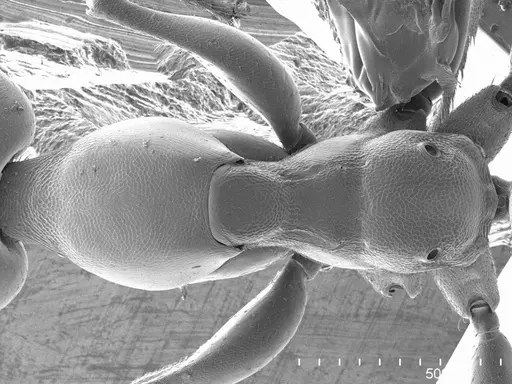
Literature
Loading distribution map...Loading products...