
Fulakora wilsoni
- Sci. Name
- Fulakora wilsoni
- Tribe
- Amblyoponini
- Subfamily
- Amblyoponinae
- Author
- Clark, 1928
- Distribution
- Found in 0 countries
Introduction
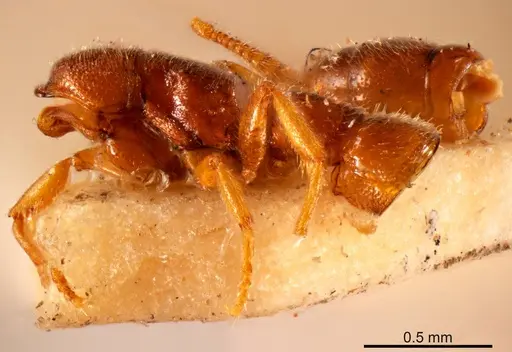
Fulakora wilsoni is a predatory ant species native to eastern Australia, specifically the Barrington Tops region of New South Wales. Workers have the characteristic elongated mandibles typical of Amblyoponinae, along with a dark reddish-brown to black coloration. This species belongs to the Amblyoponinae subfamily, commonly called 'dracula ants' for their unique larval hemolymph feeding behavior where workers tap into their brood for nutritional supplements without killing them . They are specialized subterranean predators using their sting to paralyze hard-bodied prey like centipedes.
Quick Summary
- Difficulty: Medium
- Origin & Habitat: Eastern Australia, specifically Barrington Tops in New South Wales. The type specimen was collected from this highland temperate region, indicating they prefer cool, damp microhabitats typical of higher elevations in southeastern Australia [2].
- Colony Type: Colony structure is unconfirmed for this specific species.
- Size & Growth:
- Queen: Size data unavailable, inferred from Amblyoponinae genus patterns to be approximately 5-7mm
- Worker: Size data unavailable, estimated 4-6mm based on related species in the subfamily
- Colony: Likely reaches several hundred workers at maturity based on genus patterns
- Growth: Moderate, inferred from typical Amblyoponinae development
- Development: Estimated 6-10 weeks based on related species in the subfamily (Development time is inferred from typical Amblyoponinae patterns. The exact timeline for this specific species has not been documented.)
- Antkeeping:
- Temperature: Keep around 18-22°C. The Barrington Tops region experiences cool temperatures year-round, so they prefer cooler conditions than most tropical ants. Avoid temperatures above 25°C.
- Humidity: High humidity is essential, aim for 70-85%. These ants come from moist highland forests and need consistently damp substrate.
- Diapause: Likely yes, based on their temperate Australian distribution, they probably require a winter rest period with reduced activity during cooler months.
- Nesting: In captivity, they do well in moist setups like plaster nests, Y-tong nests, or naturalistic setups with damp soil. They prefer tight, enclosed chambers that maintain humidity.
- Behavior: These are cryptic, ground-dwelling ants that prefer to stay hidden. Workers are not aggressive toward humans and rarely sting. They are predatory, using their elongated mandibles to capture small invertebrates. Escape risk is moderate, they're not particularly good climbers but can squeeze through small gaps. They are nocturnal or crepuscular, becoming more active at night. The most notable behavior is their unique larval hemolymph feeding, where workers tap into their brood for nutritional supplements without killing them, this is why they're called 'dracula ants' [1].
- Common Issues: high humidity maintenance is critical, drying out kills colonies quickly, they are slow-growing compared to many common ants, which can frustrate beginners, predatory diet means they need live prey, they won't thrive on just sugar water, they are escape artists despite small size, use tight-fitting barriers, wild-caught colonies may be difficult to establish due to stress or parasites
Housing and Nest Setup
Fulakora wilsoni does well in moist, enclosed nest setups that replicate their natural forest floor habitat. Plaster nests or Y-tong nests work well because they hold humidity effectively. Alternatively, a naturalistic setup with damp soil in a shallow container allows them to create their own chambers. The key is maintaining high humidity without the substrate becoming waterlogged. Use a water reservoir or moisture wicking system to keep the nest damp. Avoid setups with large open water areas that could drown the ants. Tight-fitting lids are essential as they can escape through surprisingly small gaps. [2]
Feeding and Diet
As predatory ants, they need a protein-based diet primarily consisting of small live invertebrates. In captivity, they readily accept small prey like fruit flies, pinhead crickets, mealworms, and other small insects. Some colonies may accept pre-killed prey, but live prey triggers their natural hunting instincts. Unlike many ants, they show limited interest in sugar water or honey, their primary nutrition comes from protein. The unique larval hemolymph feeding behavior means they may also benefit from having brood present, as workers will supplement their diet by tapping the larvae. Feed prey 2-3 times per week, removing any uneaten prey within 24 hours to prevent mold. [1]
Temperature and Seasonal Care
Keep the nest at 18-22°C, with the cooler end of this range being ideal. They come from the Barrington Tops highland region of NSW, which experiences cool temperatures, so they are not heat-tolerant. Avoid placing the nest in direct sunlight or near heat sources that would push temperatures above 25°C. During winter months (roughly June-August in the southern hemisphere), reduce feeding and allow the colony to slow down. If your room temperature drops significantly during winter, they may enter a period of reduced activity, similar to diapause. Do not attempt to heat them aggressively, they evolved for cool conditions. [2]
Defense Mechanism
As members of the Amblyoponinae subfamily, Fulakora wilsoni possess a potent sting specialized for paralyzing hard-bodied prey like centipedes. This is their primary defense mechanism against threats and for capturing prey.
Behavior and Colony Dynamics
This species is cryptic and secretive, workers spend most of their time hidden within the nest or foraging quietly in darkness. They are not aggressive and rarely attempt to sting, making them safe to handle. The colony will likely remain small compared to species like Camponotus or Formica, typically reaching a few hundred workers at maturity. The most fascinating behavior is their 'dracula ant' feeding method: workers gently bite into larvae and drink small amounts of hemolymph (the insect equivalent of blood) without killing the brood. This behavior supplements their nutrition and is completely normal, do not mistake it for aggression toward the brood. Workers may be nocturnal, so you might see more activity in the evening hours. [1]
Frequently Asked Questions
How long does it take for Fulakora wilsoni to produce first workers?
Expect first workers (nanitics) approximately 6-10 weeks after the queen lays eggs, based on typical Amblyoponinae development patterns. This is slower than many common ant species, so patience is required during the founding stage.
Can I keep Fulakora wilsoni in a test tube setup?
Test tubes can work for founding colonies if you maintain high humidity, but they are not ideal for long-term housing. These ants need consistently moist conditions that test tubes struggle to maintain. A plaster nest or Y-tong with a water reservoir is more suitable.
Do Fulakora wilsoni ants sting?
They rarely sting and are not considered dangerous to humans. Their sting is mild even if deployed, and they are not aggressive toward keepers. However, their bite can be noticeable due to their sharp mandibles.
What do I feed Fulakora wilsoni?
Feed them small live insects like fruit flies, pinhead crickets, small mealworms, or other tiny invertebrates. They are predatory and need protein. Sugar sources are generally not accepted. Remove uneaten prey within 24 hours.
Are Fulakora wilsoni good for beginners?
They are considered medium difficulty. While not as challenging as some exotic species, they require more attention to humidity and have specific dietary needs that make them less straightforward than species like Lasius or Camponotus.
Do Fulakora wilsoni need hibernation?
Based on their temperate Australian distribution, they likely benefit from a winter rest period with reduced temperatures. During the cooler months, you can reduce feeding and allow the colony to slow down naturally.
Why are my Fulakora wilsoni dying?
The most common causes are: drying out (they need high humidity), incorrect temperature (too hot kills them), and inadequate diet (they need live prey, not just sugar). Check these factors first. Also ensure escape prevention is adequate, they can slip through tiny gaps.
How big do Fulakora wilsoni colonies get?
Based on genus patterns, colonies likely reach several hundred workers at maturity. They are not a large, supercolony-forming species. Growth is moderate and steady rather than explosive.
Can I keep multiple Fulakora wilsoni queens together?
This has not been documented for this specific species. Based on typical Amblyoponinae behavior, single-queen colonies are most common. Combining unrelated queens is not recommended without evidence they will coexist peacefully.
When should I move Fulakora wilsoni to a formicarium?
Move them when the colony reaches roughly 20-30 workers and the test tube or founding setup becomes cramped. Ensure the new setup maintains the high humidity they require. A plaster or acrylic nest with moisture control works best.
Report an Issue
The current care sheet is based fully on literature. See inconsistencies, or something that's incorrect? Please , it will be resolved after review from an admin. Contributing to the blogs tab also helps providing information, to make us be able to further improve the caresheets. Thank you for your support!
References

This caresheet is licensed under CC BY-SA 4.0 .
Community Blogs
ANTWEB1008138
View on AntWeb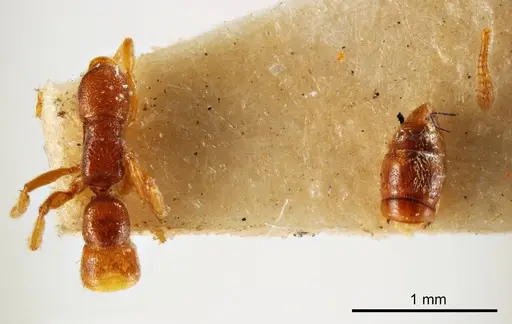
Literature
Loading distribution map...Loading products...