
Fulakora gracilis
- Sci. Name
- Fulakora gracilis
- Tribe
- Amblyoponini
- Subfamily
- Amblyoponinae
- Author
- Clark, 1934
- Distribution
- Found in 1 countries
Introduction
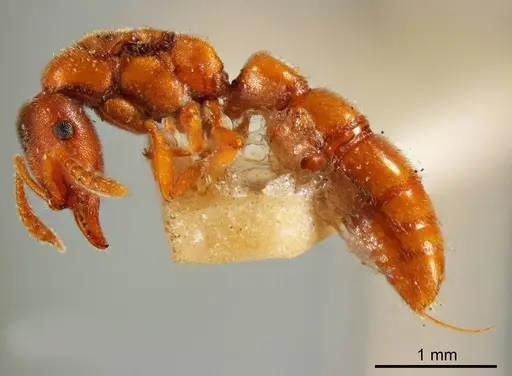
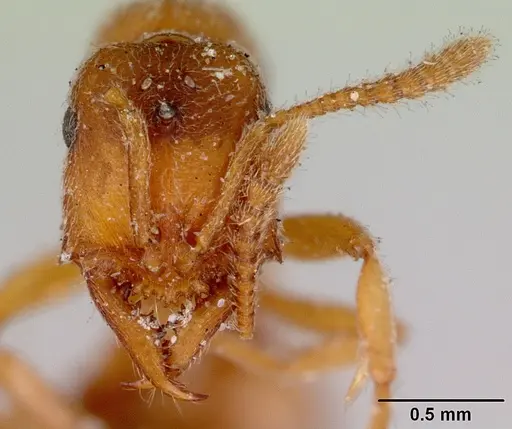
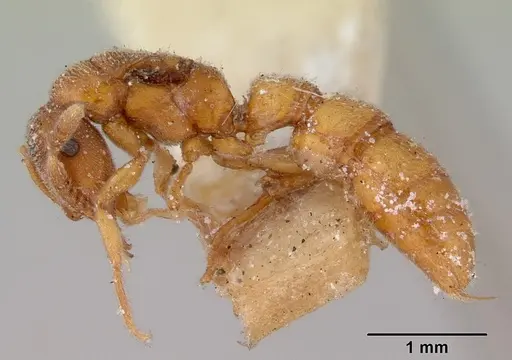
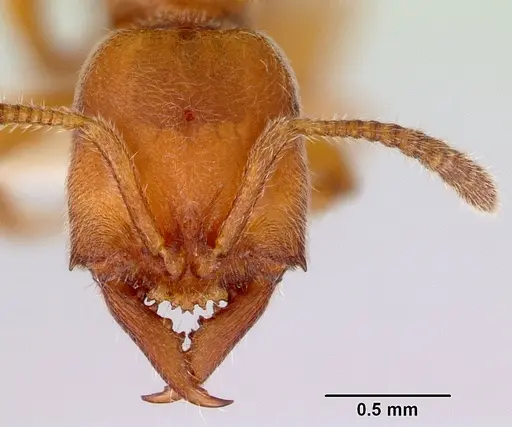
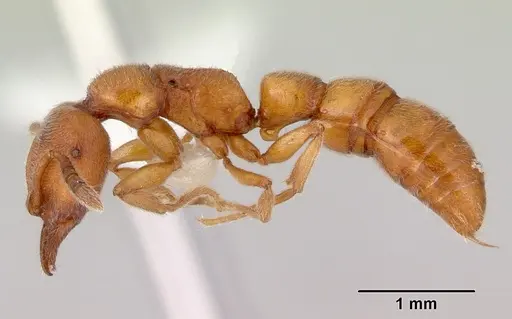
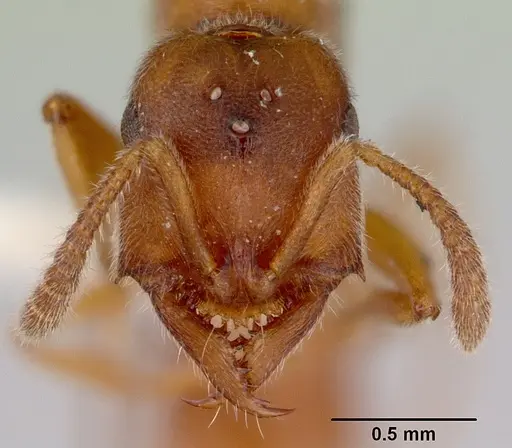
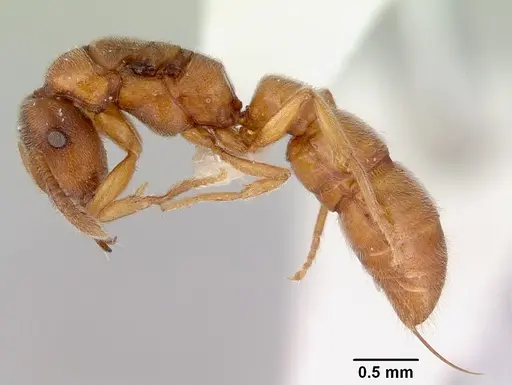
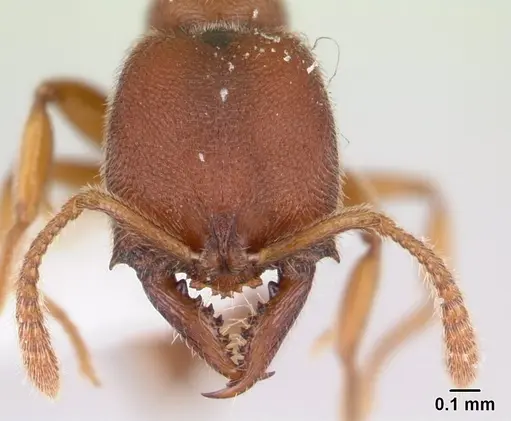
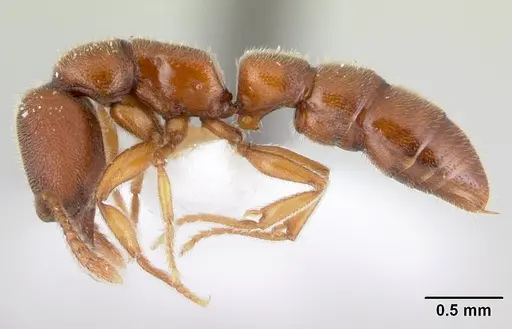
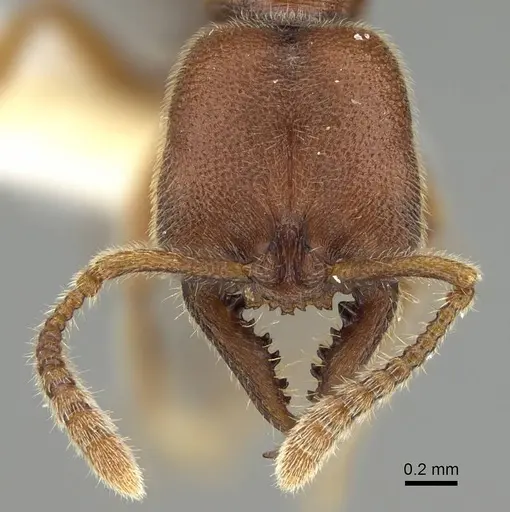
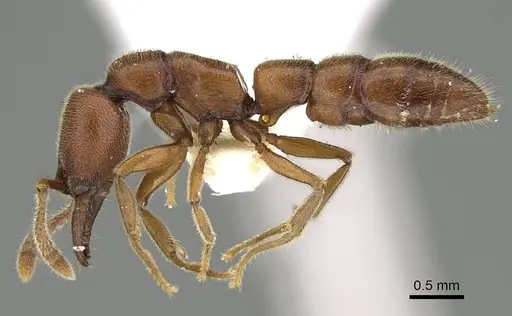
Fulakora gracilis is a small ant native to Victoria, Australia, specifically the Otway Ranges near Beech Forest. Workers are slender and measure approximately 4-5mm with dark reddish-brown coloration. This species was formerly classified as Stigmatomma and Amblyopone before being moved to Fulakora in 2016 . Queens are slightly larger. These ants belong to the Amblyoponinae subfamily, known as 'dracula ants' for their unique predatory habits. They nest in soil or under stones in temperate forest habitats of southern Australia .
Quick Summary
- Difficulty: Medium
- Origin & Habitat: Native to Victoria, Australia, specifically the Otway Ranges near Beech Forest. They inhabit temperate forest floor environments, typically nesting in soil or beneath stones in damp, shaded locations [2].
- Colony Type: Colony structure is not well documented in scientific literature. Based on related Amblyoponinae patterns, they likely form small colonies.
- Size & Growth:
- Queen: Approximately 5-6mm, inferred from genus patterns
- Worker: Approximately 4-5mm, inferred from genus patterns [2]
- Colony: Likely up to 200 workers based on typical Amblyoponinae colony sizes
- Growth: Unknown, development data not available for this species
- Development: Estimated 6-10 weeks based on related Amblyoponinae species at optimal temperature (Direct development data unavailable for this species)
- Antkeeping:
- Temperature: Keep around 20-24°C. They prefer temperate conditions similar to their Victorian habitat. A gentle gradient allowing workers to self-regulate is ideal.
- Humidity: Moderate to high humidity, think damp forest floor. Keep nest substrate consistently moist but not waterlogged. Provide some drier areas for workers to choose.
- Diapause: Likely yes, as a temperate Australian species from Victoria, they probably require a winter rest period. Based on geographic range, provide 2-3 months at cooler temperatures around 10-15°C.
- Nesting: Naturalistic setups with moist soil or small chambers work well. They prefer tight, enclosed spaces. Y-tong nests or test tube setups with dirt substrate are suitable. Keep the nest chamber dark.
- Behavior: These are docile ants that rarely bite or sting. They are primarily nocturnal or crepuscular, spending most of their time underground. Workers are slender and relatively slow-moving. Their small size means standard escape prevention is important. Their unique predatory behavior makes them fascinating to observe but requires providing appropriate prey.
- Common Issues: Providing suitable prey, they need ant brood or small live prey, not typical insect pieces, small colony sizes mean losses have bigger impact, avoid disturbing founding colonies, maintaining proper humidity without flooding, balance is key for this species, winter die-off if diapause conditions are not provided in temperate species, limited scientific data means some trial and error is expected
Nest Preferences and Housing
Fulakora gracilis prefers dark, enclosed spaces with consistent moisture. In captivity, they do well in naturalistic setups with moist soil substrate or in Y-tong nests designed for small species. Test tubes with dirt chambers can work for founding colonies. Provide tight chambers scaled to their tiny size, avoid tall, open spaces. They are subterranean by nature, so keeping the nest chamber dark helps them feel secure. A small outworld area for foraging is sufficient. They come from temperate Victoria and appreciate stable temperatures in the low 20s°C range. [2]
Feeding and Diet
This is the most critical aspect of keeping Fulakora gracilis. As dracula ants, they have a unique feeding strategy: workers puncture the integument of ant brood (larvae and pupae from other ant species) and feed on the hemolymph rather than consuming the entire prey. In captivity, you can provide freshly killed ant brood from other safe species, small live prey like springtails or fruit fly larvae, and occasionally small insects. They may also accept small amounts of sugar water, but protein from ant brood is essential. This specialized diet makes them more challenging than typical ant species, you will need to maintain a donor colony or have a reliable source of ant brood. [2]
Temperature and Seasonal Care
Keep Fulakora gracilis at temperatures between 20-24°C, which mimics their temperate Victorian habitat. Room temperature in most homes around 20-22°C is often suitable. Avoid temperatures above 28°C as this can stress the colony. During winter in their natural range (June-August), temperatures drop significantly, and your colony will benefit from a diapause period. Provide 2-3 months of cooler temperatures around 10-15°C with reduced feeding. This helps maintain natural cycles and may improve colony longevity. Reduce food during this period and keep the nest slightly cooler but still moist. [2]
Behavior and Observation
These are docile, slow-moving ants that are a pleasure to observe. Workers are slender with distinctive elongated bodies and relatively long mandibles. They are not aggressive and rarely bite. They are primarily nocturnal or crepuscular, so you will see most activity in the evening and morning. Colonies are small compared to many common ant species, typically under 200 workers, so they remain manageable. The most fascinating behavior to watch is their unique feeding method, workers approaching ant brood, puncturing the integument, and feeding on the hemolymph that oozes out. This dracula ant behavior is what gives the subfamily its common name. [2]
Frequently Asked Questions
What do Fulakora gracilis ants eat?
Fulakora gracilis is a dracula ant, they feed on the hemolymph (blood) of other ant species larvae and pupae. In captivity, provide ant brood from safe donor colonies, small live prey like springtails, or occasionally small insects. Sugar water may be accepted occasionally but protein from ant brood is essential.
How long does it take for Fulakora gracilis to produce first workers?
Based on related Amblyoponinae species, expect 6-10 weeks from egg to first worker at optimal temperature around 22°C. Direct development data for this specific species is not available.
Do Fulakora gracilis ants sting?
They are docile and rarely bite or sting. Their small size means any bite would be barely noticeable. They pose no danger to humans.
What size colony does Fulakora gracilis reach?
Based on typical Amblyoponinae patterns, colonies likely reach up to 200 workers. They remain relatively small compared to many common ant species.
Can I keep Fulakora gracilis in a test tube setup?
Yes, test tubes work well for founding colonies. Use a dirt-filled test tube or cotton setup with consistent moisture. They prefer dark, enclosed spaces so cover the tube with an opaque wrapper.
Do Fulakora gracilis need hibernation or diapause?
Yes, as a temperate Australian species from Victoria, they benefit from a winter rest period. Provide 2-3 months at 10-15°C during winter with reduced feeding.
Are Fulakora gracilis good for beginners?
They are considered medium difficulty. The main challenge is their specialized diet requiring ant brood. If you can provide appropriate prey, they are manageable and rewarding.
What temperature should I keep Fulakora gracilis at?
Keep them at 20-24°C. Room temperature in most homes is often suitable. Avoid temperatures above 28°C.
How do I start a Fulakora gracilis colony?
Start with a mated queen in a test tube setup with moist substrate. Keep her in darkness at around 22°C. Do not disturb her during the founding stage. Provide small prey items once workers emerge.
Why is Fulakora gracilis called the dracula ant?
They belong to the Amblyoponinae subfamily, known as dracula ants because of their unique feeding habit: they puncture the skin of other ant species larvae and drink their hemolymph (blood) instead of eating whole prey.
Report an Issue
The current care sheet is based fully on literature. See inconsistencies, or something that's incorrect? Please , it will be resolved after review from an admin. Contributing to the blogs tab also helps providing information, to make us be able to further improve the caresheets. Thank you for your support!
References

This caresheet is licensed under CC BY-SA 4.0 .
Community Blogs
ANTWEB1008134
View on AntWeb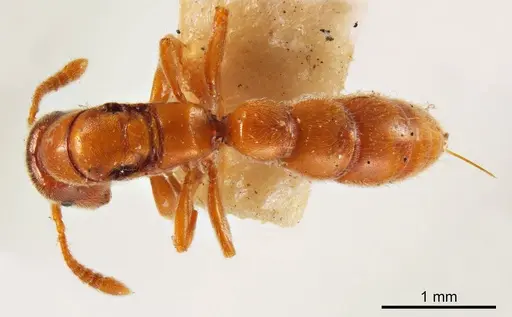
CASENT0172198
View on AntWeb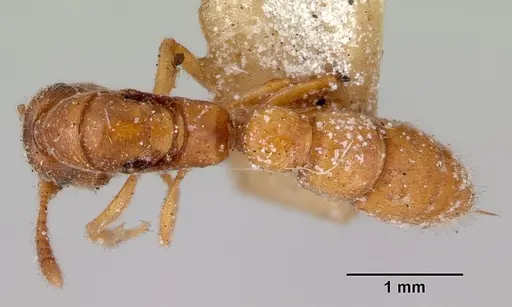
CASENT0172199
View on AntWeb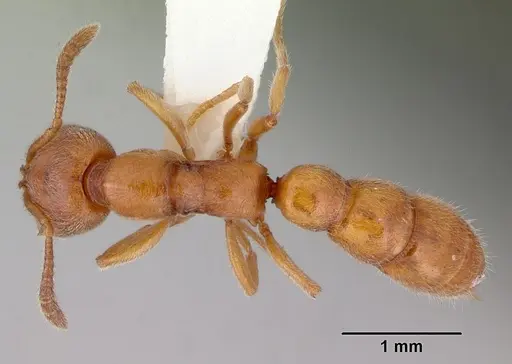
CASENT0172200
View on AntWeb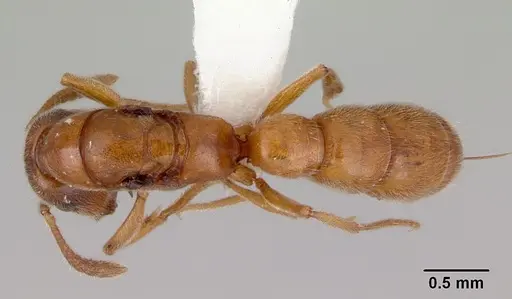
QMT152681
View on AntWeb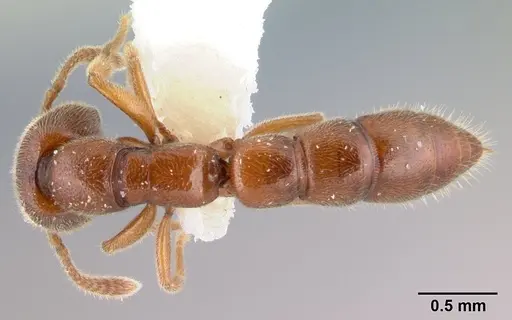
QMT152684
View on AntWeb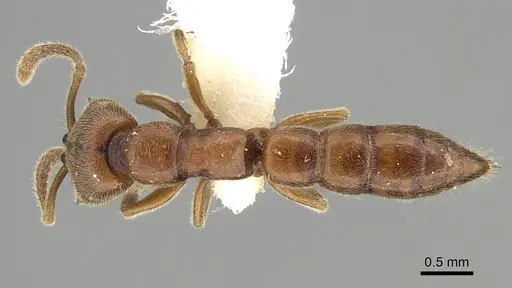
Literature
Loading distribution map...Loading products...