
Formica vinculans
- Sci. Name
- Formica vinculans
- Tribe
- Formicini
- Subfamily
- Formicinae
- Author
- Wheeler, 1913
- Distribution
- Found in 2 countries
Introduction
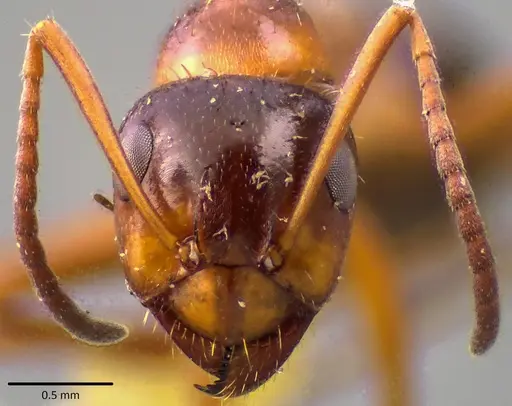
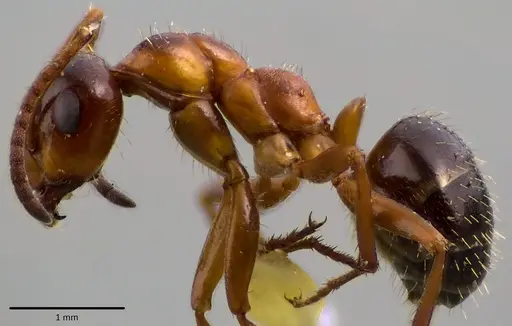
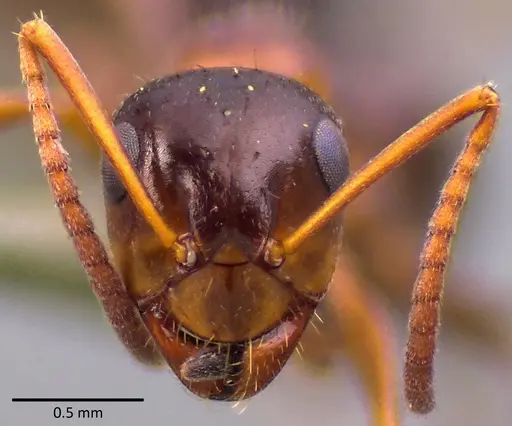
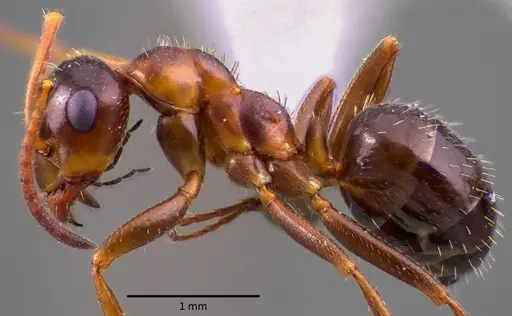
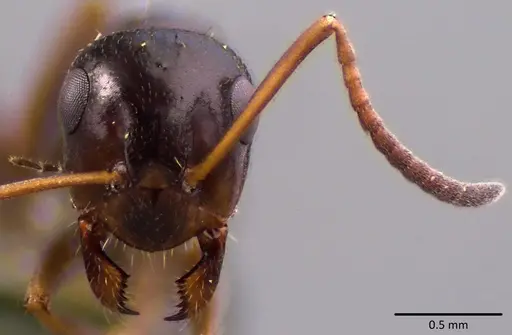
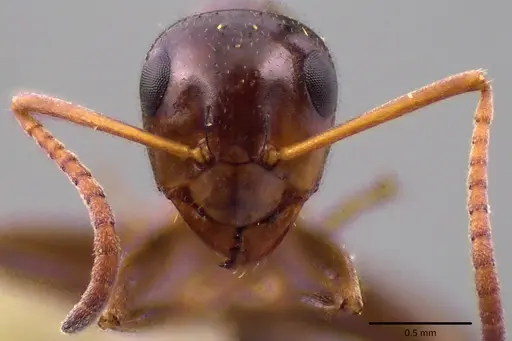
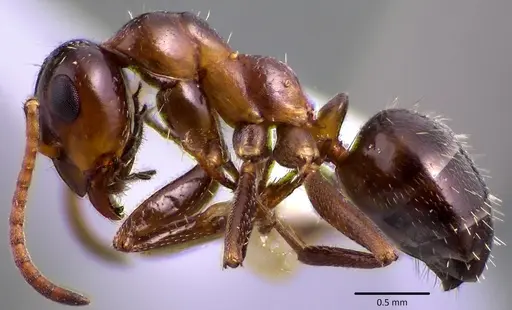
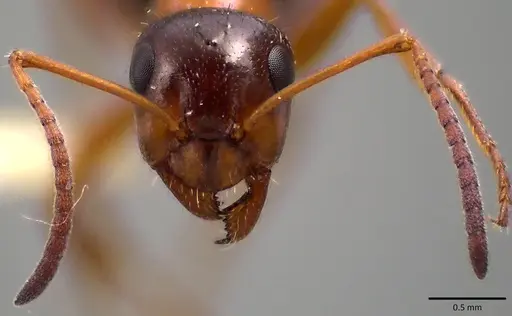
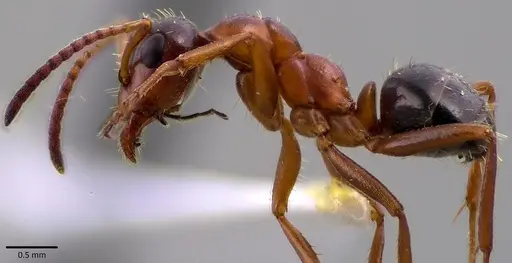
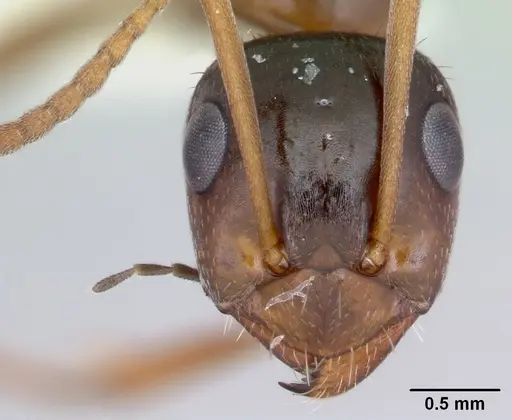
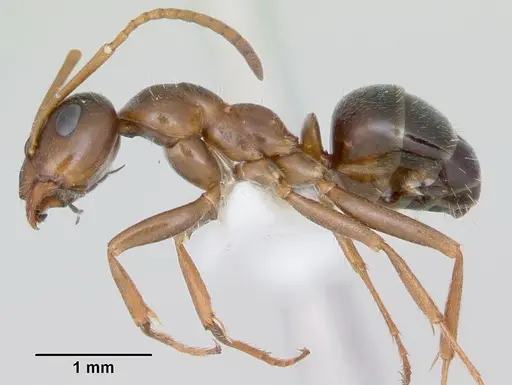
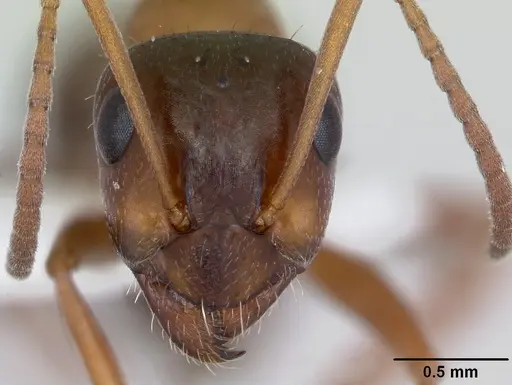
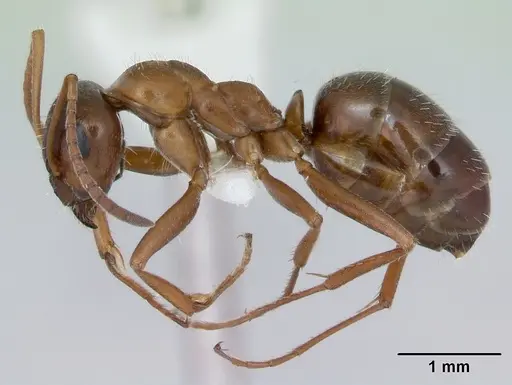
Formica vinculans is a small to medium-sized ant native to the eastern and central United States. Workers measure 3.5–5.6 mm with a brown to dark brown body, usually having a paler alitrunk (middle body section) compared to the darker gaster (abdomen) . They are fast-moving ants adapted to hot, dry, open habitats like prairies and meadows, and keep foraging at temperatures that stop most other ants . This species serves as a host for the slave-making ant Formica gynocrates and can be parasitized by the fungus Laboulbenia formicarum .
Quick Summary
- Difficulty: Medium
- Origin & Habitat: Eastern and central United States (Michigan, Ohio, Illinois, Indiana, New York to Florida, west to Texas). Found in open fields, mowed areas, meadows, and prairie-like locations – always in open, sunny, dry areas [3][1][2].
- Colony Type: Colonies are more populous than the similar F. neogagates and are likely single-queen (monogyne) based on typical Formica neogagates group patterns [3][1]. Workers can be enslaved by Formica gynocrates.
- Size & Growth:
- Queen: Size data unavailable – no queen measurements are available in the literature.
- Worker: 3.5–5.6 mm (total length) [1][2]
- Colony: Up to a few hundred workers – more populous than F. neogagates but still moderately sized [3][1]
- Growth: Moderate – estimated based on temperate Formica patterns
- Development: Estimated 6–8 weeks at optimal temperature based on typical Formica development (Development timeline not directly studied, estimate based on related Formica species.)
- Antkeeping:
- Temperature: 20–24°C. These ants are adapted to high temperatures and actively forage when it's too hot for most other field ants. A temperature gradient is helpful [3].
- Humidity: Low to moderate – they inhabit dry, open fields and meadows. Keep the nest substrate on the dry side. Provide a small moist area but avoid overall dampness [3][1].
- Diapause: Yes – as a temperate species, a winter dormancy period is required. Nuptial flights in July suggest a typical annual cycle, provide 3–4 months of cold (5–10°C) from November to February [3].
- Nesting: Prefers dry, open habitats. In the wild they build shallow chamber systems close to the surface, often with distinctive miniature cones or towers around plant bases at entrances. Some galleries extend deeper (up to 18 inches). A Y-tong or plaster nest with a dry substrate works well. Provide a heat gradient [3].
- Behavior: Workers are fast-moving and display aggressive alarm when the nest is disturbed – they do not possess a sting but spray formic acid as a defense. They forage on the ground or pavement in open areas and are heat-tolerant, often climbing up off the ground when surface temperatures are high. They build noticeable miniature thatch cones around nest entrances. Escape risk is moderate – use standard ant barriers [3][1].
- Common Issues: colonies may fail if kept too humid – they prefer dry conditions, aim for a dry nest with only a small moisture gradient, slave-making ants (Formica gynocrates) may attack if kept nearby – keep colonies isolated from any F. gynocrates, slow growth compared to tropical species can be frustrating for beginners, parasitic fungus Laboulbenia formicarum can infect workers – monitor for thalli on the exoskeleton (they appear as tiny growths), hibernation is essential for long-term colony health – do not skip the winter cooldown
Housing and Nest Setup
In the wild, Formica vinculans builds shallow chamber systems close to the soil surface, with a few galleries extending deeper (up to 18 inches). They often create miniature cones or towers around plant bases at nest entrances, made of sand grains and plant debris [3]. For captivity, a Y-tong or plaster nest with a dry to moderately dry substrate works well. Provide a temperature gradient so the ants can choose their preferred warmth. Because they thrive in hot conditions, you can keep them warmer than many other Formica species. The outworld should be simple with easy access to food. Escape prevention is moderately important – standard barriers (oil/fluon) are usually sufficient [3][1].
Feeding and Diet
Formica vinculans is omnivorous with a strong preference for protein. In lab tests, they aggressively attacked and consumed monarch butterfly eggs and larvae, showing they are active predators [6]. In the wild they likely feed on small insects and honeydew from aphids. Offer protein sources such as small crickets, mealworms, or fruit flies twice a week. Supplement with sugar water or honey for energy. Their aggressive hunting behavior means they will readily take live prey [6][1].
Temperature and Seasonal Care
These ants are notable for their heat tolerance – they continue foraging when it's too hot for most other field ants [3]. Keep the nest at 20–24°C, but don't worry if it creeps higher. Use a heating cable on one side to create a gradient. As a temperate species, they need a winter diapause. Nuptial flights occur in July, so cool the colony in fall (October–November) and keep them at 5–10°C for about 3–4 months. Return them to warmer temperatures in early spring. Skipping diapause can disrupt the colony cycle and reproductive health [3].
Behavior and Defense
Workers are fast runners and display aggressive alarm when disturbed [1]. They do not have a functional sting – instead, they spray formic acid as a chemical defense, which is typical for the Formicinae subfamily. They forage actively even in hot conditions, and when the ground gets very hot they climb up off the surface [3]. In the wild, they are sometimes enslaved by the slave-making ant Formica gynocrates. When attacked, workers may fight back or flee carrying brood up onto grass stems [3]. In captivity, keep them away from any F. gynocrates colonies.
Colony Development
Colonies are more populous than the similar Formica neogagates but remain moderately sized [3][1]. Alate pupae appear in nests from mid-June to mid-July, and nuptial flights occur from early to late July depending on temperature. Flights start when morning temperatures reach about 22°C (72°F) with bright sunlight. The number of alates leaving a nest can range from 14 to over 600 per flight [3]. Founding behavior is not documented, but based on the Formica pattern it is probably claustral (queen raises first workers on stored reserves). Growth rate is moderate [3].
Frequently Asked Questions
How long does it take for Formica vinculans to produce first workers?
Direct measurements are not available, but based on typical temperate Formica species, expect 6–8 weeks from egg to first worker at optimal temperatures (around 22–24°C).
What temperature do Formica vinculans need?
Keep them at 20–24°C. They are heat-tolerant and will continue to forage even when it gets warmer. Provide a gradient so they can choose.
Do Formica vinculans need hibernation?
Yes. As a temperate species native to the northern US, they require a winter dormancy of 3–4 months at 5–10°C (typically November to February). Nuptial flights occur in July, so a proper annual cycle is important for colony health.
How big do Formica vinculans colonies get?
They form small to moderate-sized colonies, more populous than the similar F. neogagates, probably up to a few hundred workers at maturity.
What do Formica vinculans eat?
They are omnivorous with a protein emphasis. They actively hunt small insects and in the lab attacked monarch butterfly eggs and larvae. Offer small crickets, mealworms, or fruit flies twice a week, plus sugar water or honey.
Are Formica vinculans good for beginners?
They are moderate difficulty. They need dry conditions, a winter diapause, and can be defensive. Their heat tolerance and active foraging make them interesting, but they are not as easy as beginner-friendly species like Lasius niger.
Can I keep multiple Formica vinculans queens together?
Probably not. The species is likely monogyne (single queen), so multiple queens would fight. Each queen should be housed alone for founding.
Why are my Formica vinculans dying?
Common causes: too high humidity (they need dry conditions), skipped or incorrect hibernation, stress from disturbance, or infection by the parasitic fungus Laboulbenia formicarum (look for tiny growths on workers). Ensure dry substrate and a proper winter cooldown.
When do Formica vinculans have nuptial flights?
Nuptial flights occur in July, typically from early to late month. They begin in the morning when temperatures reach around 22°C (72°F) with bright sunlight. A single nest can release 14 to 600+ alates per flight.
Report an Issue
The current care sheet is based fully on literature. See inconsistencies, or something that's incorrect? Please , it will be resolved after review from an admin. Contributing to the blogs tab also helps providing information, to make us be able to further improve the caresheets. Thank you for your support!
References

This caresheet is licensed under CC BY-SA 4.0 .
Community Blogs
ANTWEB1041621
View on AntWeb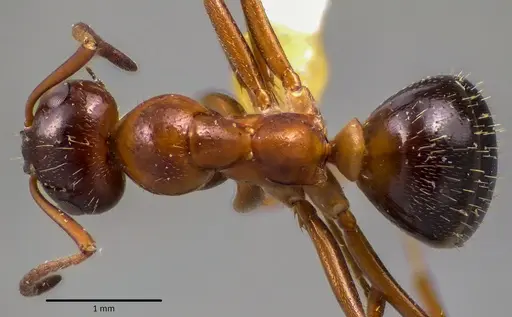
ANTWEB1041754
View on AntWeb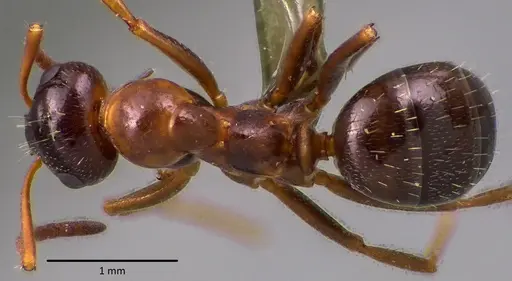
ANTWEB1041755
View on AntWeb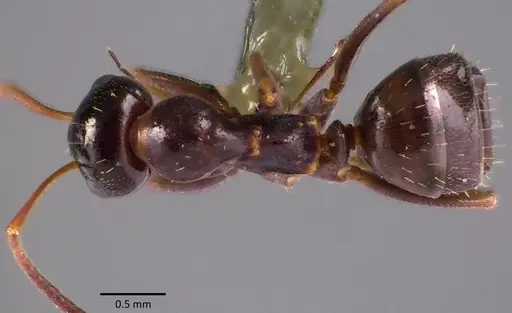
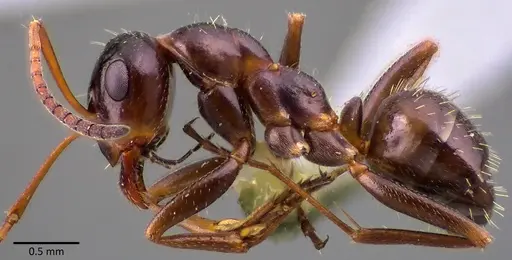
ANTWEB1041781
View on AntWeb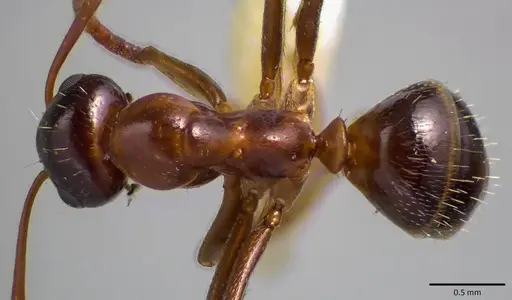
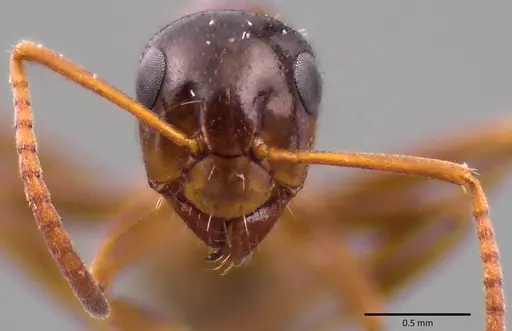
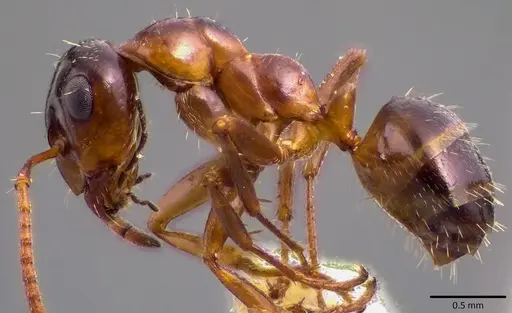
ANTWEB1041782
View on AntWeb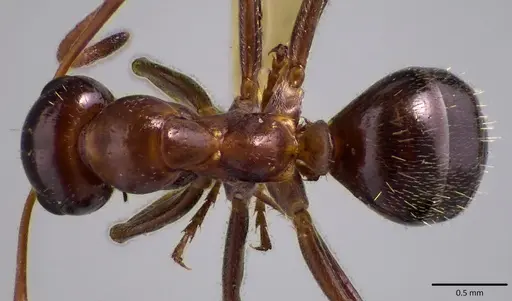
ANTWEB1041783
View on AntWeb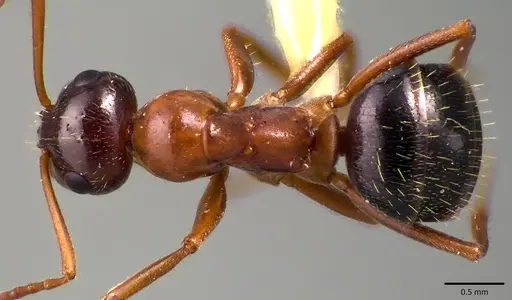
CASENT0172888
View on AntWeb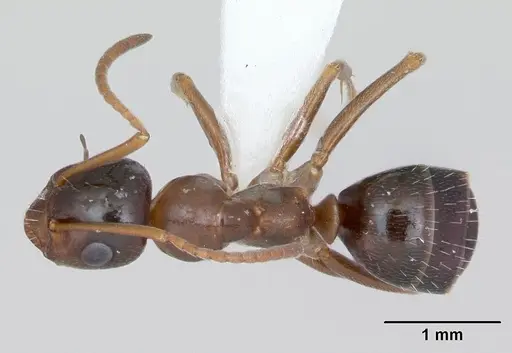
CASENT0172889
View on AntWeb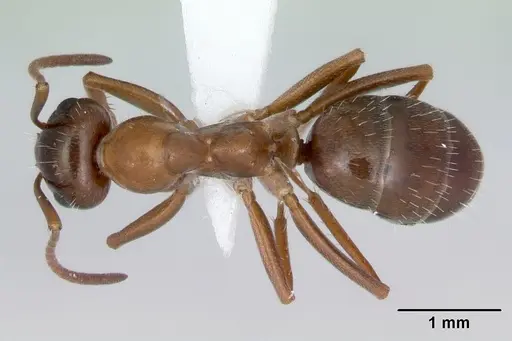
Literature
Loading distribution map...Loading products...