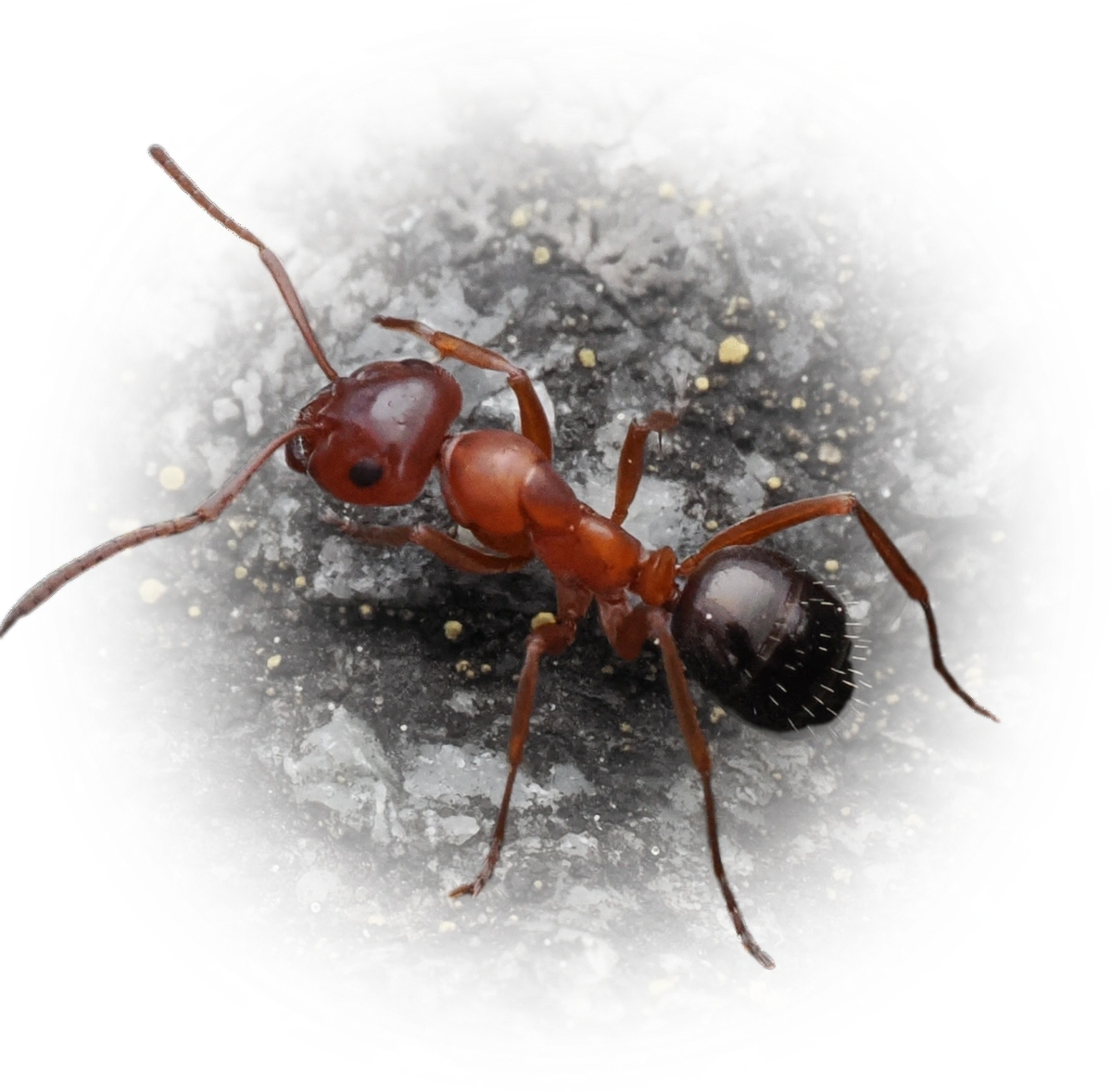
Formica subpolita
- Sci. Name
- Formica subpolita
- Tribe
- Formicini
- Subfamily
- Formicinae
- Author
- Mayr, 1886
- Distribution
- Found in 3 countries
Introduction
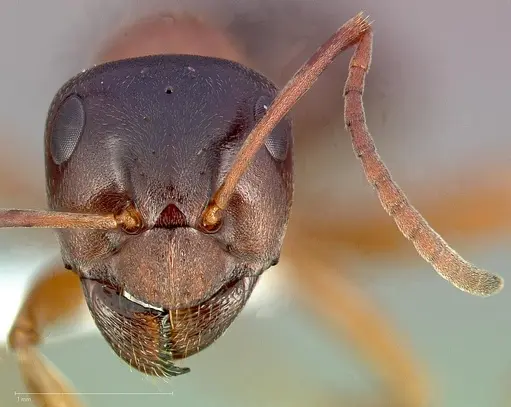
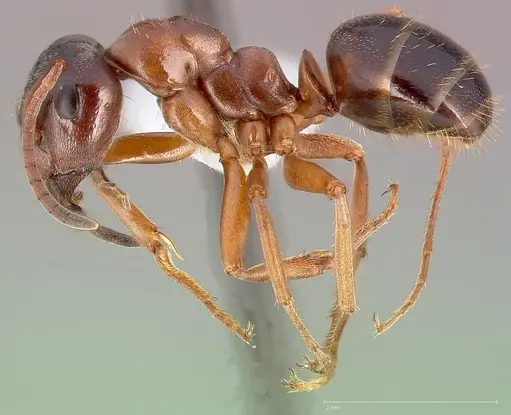
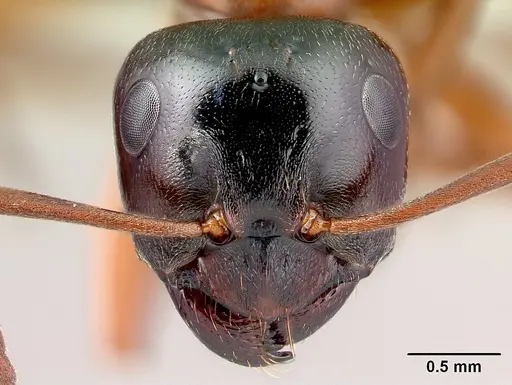
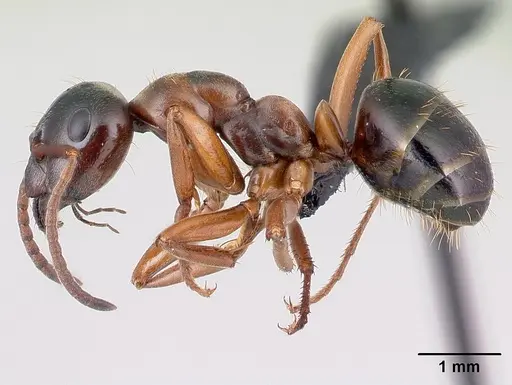
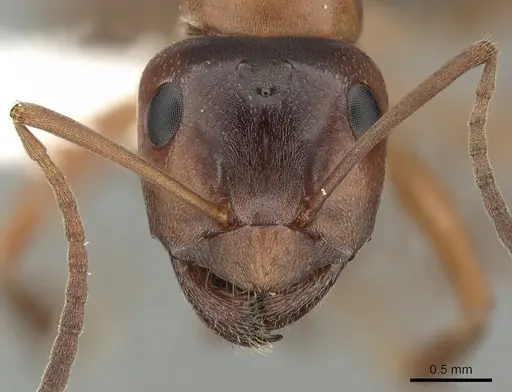
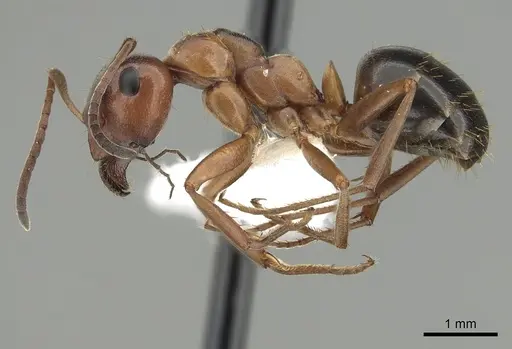
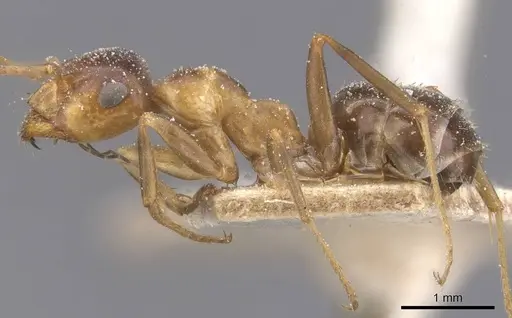
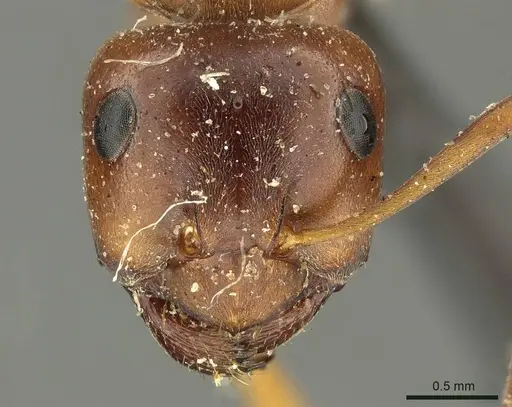
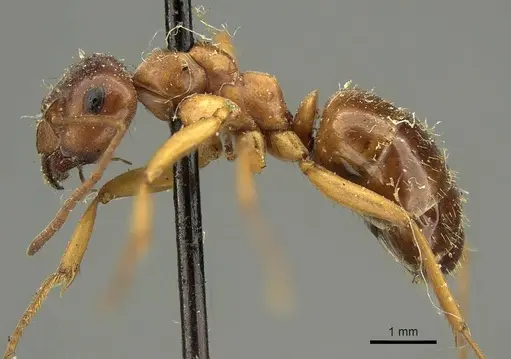
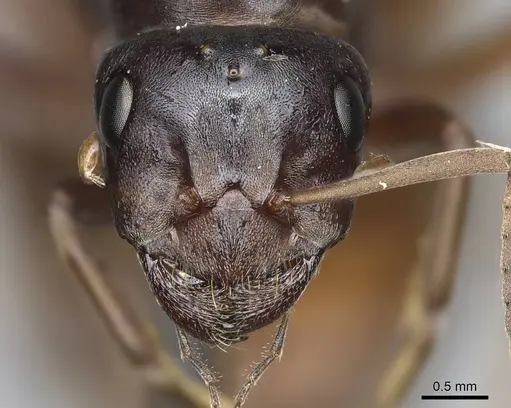
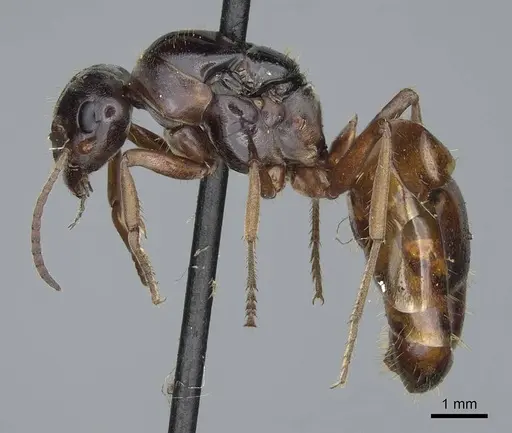
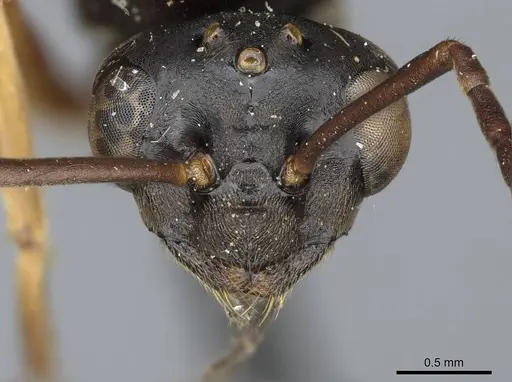
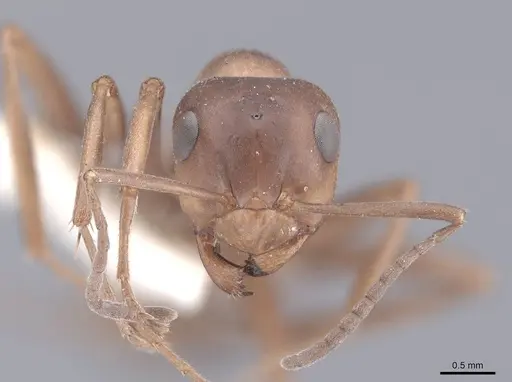
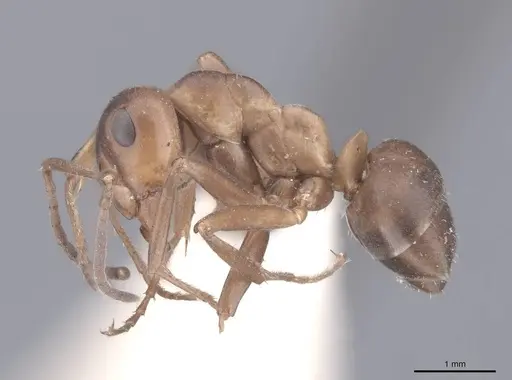
Formica subpolita is a medium-sized ant native to western North America, ranging from Canada through the United States to Mexico. Workers are highly polymorphic, meaning they vary significantly in size within a colony, with small eyes, a head broader than long, and a shiny gaster. This species is a cold climate specialist found from 4,300 to 10,800 feet elevation, particularly common in Nevada, Idaho, Utah, Oregon, and Washington . Colonies nest under stones or construct crater mounds with 1-4 entrance holes, and workers are described as timid and fast-moving . What makes Formica subpolita interesting is its flexible diet - these ants are granivorous, carnivorous, and also feed on honeydew from aphids and mealybugs. They have been documented as slaves for other Formica species like Formica pergandei, Formica subintegra, and Formica puberula, meaning other ants raid their colonies to steal pupae . This species also hosts the parasitic fungus Laboulbenia formicarum on workers in the wild .
Quick Summary
- Difficulty: Medium
- Origin & Habitat: Western North America, found throughout the western US from Canada to Mexico, particularly common in Nevada, Idaho, Utah, Oregon, and Washington. Inhabits diverse environments from hot desert sands to cooler mountain plains at 4,300-10,800 feet elevation [3][2][6].
- Colony Type: Single-queen colonies (monogyne). Queens migrate during early July, digging small surface chambers under rocks to deposit eggs [2].
- Size & Growth:
- Queen: Size data unavailable, inferred from Formica genus patterns to be approximately 9-11mm
- Worker: Highly polymorphic, inferred from Formica fusca group patterns to be 4-9mm [1]
- Colony: Colonies can become populous under favorable conditions, though high-altitude colonies often remain small with only a few individuals [2]
- Growth: Moderate
- Development: 6-10 weeks (estimated based on typical Formica development at optimal temperatures) (Development time inferred from genus patterns, Formica species typically take 6-10 weeks from egg to first worker at warm temperatures. Queens dig small surface chambers under rocks and deposit eggs [2].)
- Antkeeping:
- Temperature: Keep at room temperature around 20-24°C. As a cold-climate specialist, they tolerate cooler conditions better than tropical ants. Avoid sustained temperatures above 30°C [7][3].
- Humidity: Moderate humidity. These ants naturally nest under stones in areas with variable moisture, so avoid both very dry and waterlogged conditions. Provide a moisture gradient in the nest.
- Diapause: Yes, as a cold-climate species from high elevations, they require a winter hibernation period. Keep colonies at 5-10°C for 3-4 months during winter [3].
- Nesting: Prefers nests under stones or with crater mound entrances. In captivity, a naturalistic setup with flat stones over soil, or a Y-tong/plaster nest with chambers works well. Provide access to a foraging area [2].
- Behavior: Workers are timid and fast-moving. They are not aggressive and will flee rather than fight. As a cold-climate species, they are more active in cooler temperatures. They forage for seeds, insects, and honeydew. Escape risk is moderate, use standard barrier methods [3].
- Common Issues: colonies often fail during hibernation if kept too warm or too wet, maintain cool, stable temperatures around 5-10°C, wild-caught colonies may have parasites including the fungus Laboulbenia formicarum that can affect workers [4][5], slow growth compared to tropical ants means beginners may lose patience and overfeed, queen adoption can be difficult, F. subpolita colonies may be taken as slaves by aggressive Formica species if housed nearby [2], test tube setups may be too small for established colonies, they need space for granary behavior and multiple chambers, the parasitic wasp Elasmosoma vigilans has been documented parasitizing this species in Colorado [2]
Nest Preferences and Housing
In the wild, Formica subpolita nests primarily under stones, with colonies sometimes building distinctive crater mounds 4-10cm in diameter with entrance holes 4-8mm across. Most nests have 1-4 entrance openings, with desert colonies typically having more openings than those in less arid environments [2]. Nest chambers usually sit about 18 inches below ground surface, with the number of chambers varying based on colony size. Colonies at high altitude on rocky, vegetationless slopes consisted of only a few individuals, while under more favorable conditions colonies are generally much more populous.
For captive care, a naturalistic setup works best, a flat stone placed over moist soil allows the ants to create their own galleries. Alternatively, a Y-tong (AAC) or plaster nest with narrow chambers and passages scaled to their size provides good visibility. Because they are granivorous, include some fine gravel or sand in the nesting area where they can store seeds. A foraging area should be provided with access to sugar water, protein sources, and seeds. Escape prevention is important but not as critical as for tiny ants, standard barriers work well for these medium-sized ants.
Feeding and Diet
Formica subpolita has a varied diet that includes granivorous, carnivorous, and secretivorous (honeydew-feeding) habits [2]. In captivity, offer a diverse diet:
For protein, provide small insects like fruit flies, mealworms, small crickets, or other feeder insects 2-3 times per week. They will also scavenge on dead insects.
For carbohydrates, offer sugar water, honey, or maple syrup. They also readily tend aphids and mealybugs for honeydew if present in the setup.
Seeds can be offered as well, they have been documented storing seeds in nest chambers in the wild. Provide small seeds like millet, chia, or dandelion seeds.
This species is not a specialized predator, so live prey is appreciated but not required. They are opportunistic feeders that will accept a wide variety of foods. Remove uneaten food after 24-48 hours to prevent mold.
Temperature and Seasonal Care
As a cold-climate specialist, Formica subpolita is adapted to cooler temperatures than most ant species. Keep the nest area at room temperature, ideally around 20-24°C. They can tolerate temperatures down to 15°C without issues and are more comfortable in cooler conditions than tropical ants [7].
During winter, colonies require a hibernation period. Reduce temperatures to 5-10°C and maintain this for 3-4 months. This mimics their natural cycle in high-elevation western North America where winters are harsh. Do not feed during hibernation, but ensure the nest substrate remains slightly moist.
In summer, avoid overheating. While they can tolerate brief warm periods, sustained temperatures above 30°C can be harmful. Room temperature is generally ideal, no additional heating is typically needed unless your home is very cold.
Behavior and Colony Dynamics
Workers of Formica subpolita are characterized as timid and fast-moving, they will quickly retreat from threats rather than engage in aggressive defense. This is typical of the fusca group species, which generally avoid confrontation [3].
Colonies are monogyne, meaning they have a single queen. Queens have been observed migrating during early July in some populations, digging new chambers under rocks to establish new nesting sites [2]. This suggests some colony relocation behavior.
The species is highly polymorphic, with workers varying significantly in size within a single colony. Larger workers typically serve as foragers and defenders, while smaller workers handle brood care and internal nest tasks.
Mating occurs through both male aggregation and female calling syndromes, males gather in groups while females release pheromones to attract mates [8]. Copulation lasts 28 seconds to 1.6 minutes, with multiple matings observed up to 4 times [9].
Health and Common Problems
Several health concerns should be monitored when keeping Formica subpolita:
The parasitic fungus Laboulbenia formicarum can infect workers in the wild. This fungus is one of the smallest Laboulbeniales, reaching up to 0.3mm in total length. Thalli can be extremely abundant on infested workers, though infested workers go foraging seemingly unaffected amid noninfested workers [4]. While this typically doesn't kill foragers, it can spread in captivity if wild-caught ants are introduced. Quarantine new colonies before introducing them to existing setups.
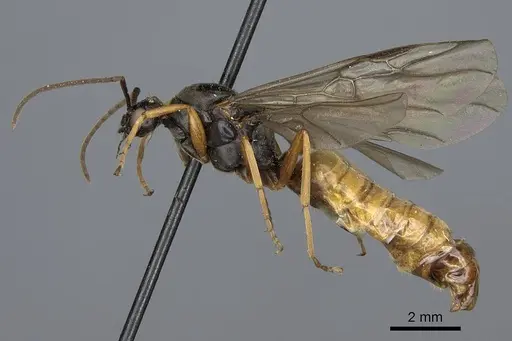
The parasitic wasp Elasmosoma vigilans has been documented parasitizing this species in Colorado. This wasp lays eggs in ants, eventually killing the host, difficult to treat in captivity [2].
Because this species can be taken as a slave by other Formica species (Formica pergandei, Formica subintegra, Formica puberula), keep them separated from aggressive Formica species [2].
Growth is slower than tropical ants, so resist the urge to overfeed. Excess food leads to mold problems, which can be fatal to colonies. Clean the foraging area regularly and remove uneaten food promptly.
Frequently Asked Questions
How long does it take for Formica subpolita to produce first workers?
Expect 6-10 weeks from egg to first worker at optimal room temperature (around 22°C). This is typical for Formica species, they are not as fast as some tropical ants. Be patient during founding, as the queen will seal herself in and not leave the chamber until her first workers emerge.
Do Formica subpolita ants need hibernation?
Yes, they require a winter dormancy period. As a cold-climate species from high elevations in western North America, they need 3-4 months at 5-10°C each winter. This is essential for their health and reproductive cycle. Skip hibernation only if you plan to keep the colony short-term.
What do Formica subpolita ants eat?
They have a varied diet, offer protein (insects like fruit flies, mealworms), carbohydrates (sugar water, honey), and seeds. They will also feed on honeydew from aphids if available. This species is opportunistic and accepts a wide range of foods.
Are Formica subpolita good for beginners?
They are intermediate in difficulty. They are more forgiving of temperature fluctuations than tropical ants and have straightforward diet requirements. However, their need for hibernation and slower growth require some experience. They are not as bulletproof as Lasius species but easier than many tropical ants.
Can I keep multiple Formica subpolita queens together?
No, this species is monogyne, meaning colonies have a single queen. Multiple unrelated queens will fight. If you capture a wild colony, it will typically have just one functional queen.
What size colony do Formica subpolita reach?
Colonies can reach several hundred workers under favorable conditions. High-altitude colonies often remain smaller. They are moderately fast-growing but not as prolific as some tropical species.
When should I move Formica subpolita to a formicarium?
Keep newly caught or purchased colonies in a test tube setup until they have 20-30 workers. Once the colony outgrows the tube or you see significant brood piles, transfer to a larger naturalistic setup or acrylic nest. They do well with a nesting area and separate foraging space.
Why are my Formica subpolita dying?
Common causes include: too warm temperatures (keep below 28°C), improper humidity (avoid both dry and waterlogged conditions), mold from overfeeding, or stress from disturbance during founding. Also check for parasites if wild-caught. Ensure they have their winter hibernation period.
Report an Issue
The current care sheet is based fully on literature. See inconsistencies, or something that's incorrect? Please , it will be resolved after review from an admin. Contributing to the blogs tab also helps providing information, to make us be able to further improve the caresheets. Thank you for your support!
References

This caresheet is licensed under CC BY-SA 4.0 .
Community Blogs
CASENT0005377
View on AntWeb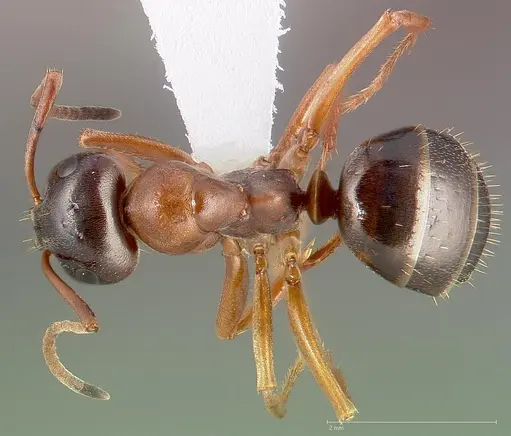
CASENT0198942
View on AntWeb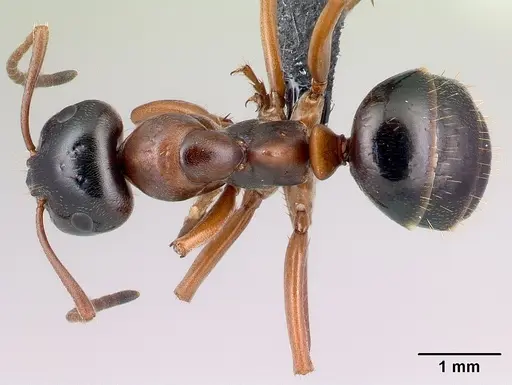
CASENT0226501
View on AntWeb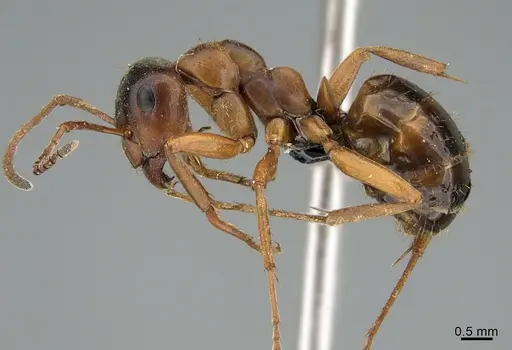
CASENT0280354
View on AntWeb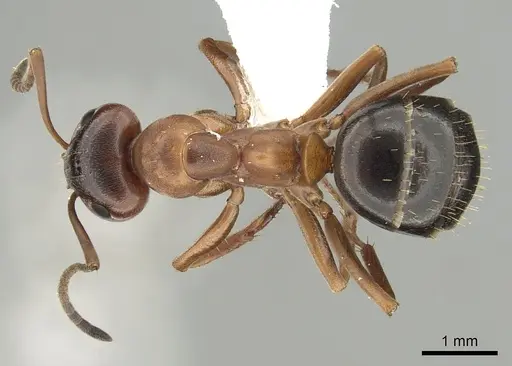
CASENT0905705
View on AntWeb
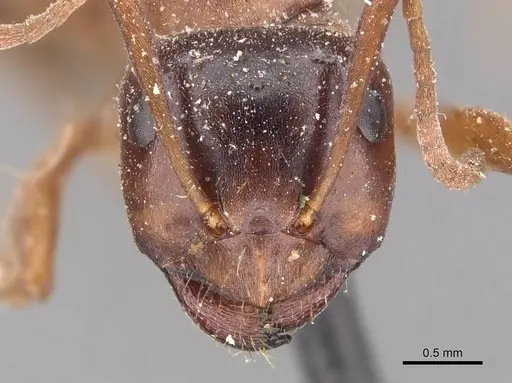
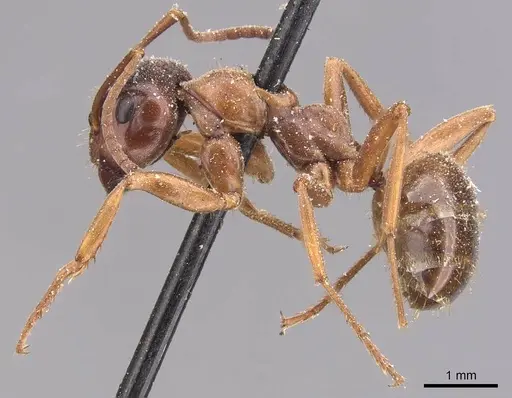
CASENT0912264
View on AntWeb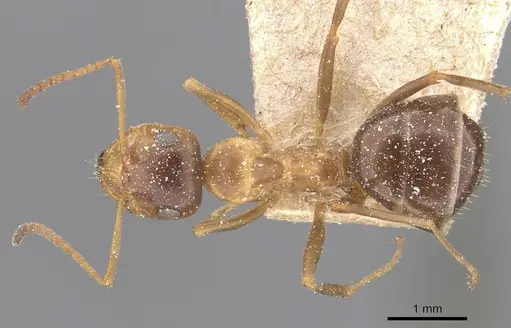
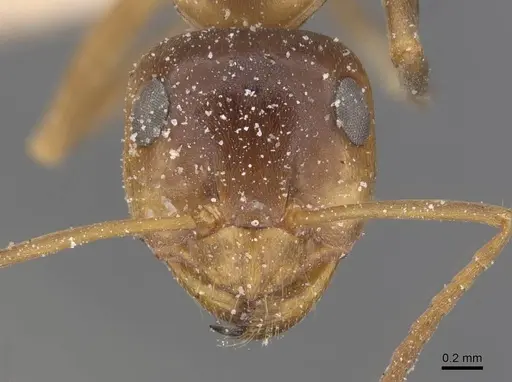
CASENT0915639
View on AntWeb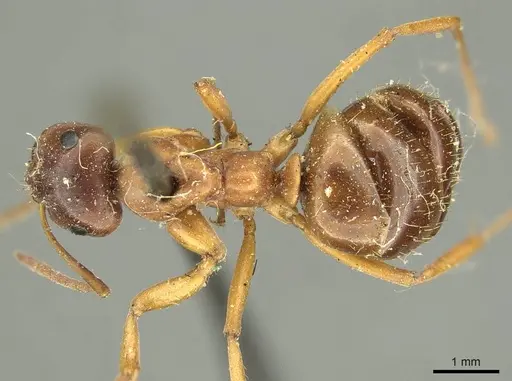
CASENT0923053
View on AntWeb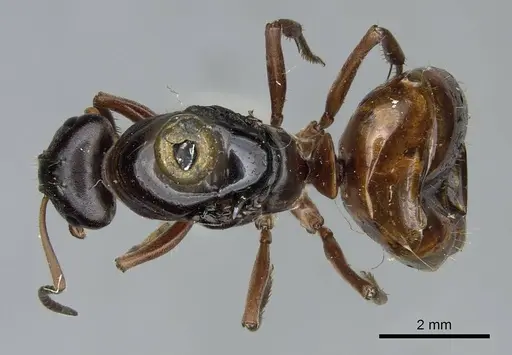
CASENT0923054
View on AntWeb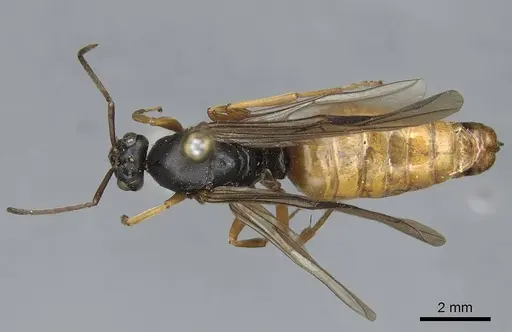
FMNHINS0000046424
View on AntWeb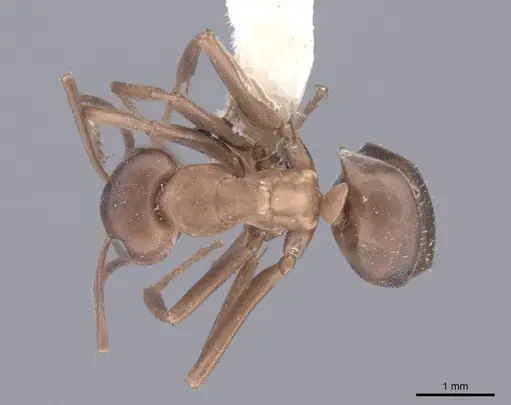
Literature
Loading distribution map...Loading products...