
Formica subelongata
- Sci. Name
- Formica subelongata
- Tribe
- Formicini
- Subfamily
- Formicinae
- Author
- Francoeur, 1973
- Distribution
- Found in 1 countries
Introduction
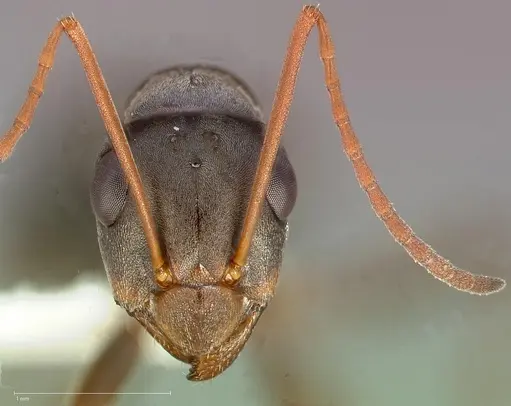
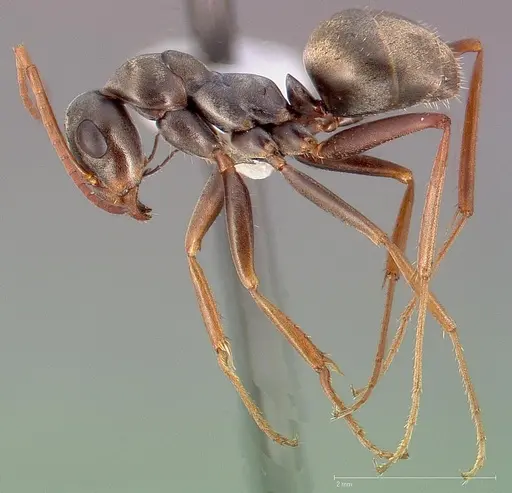
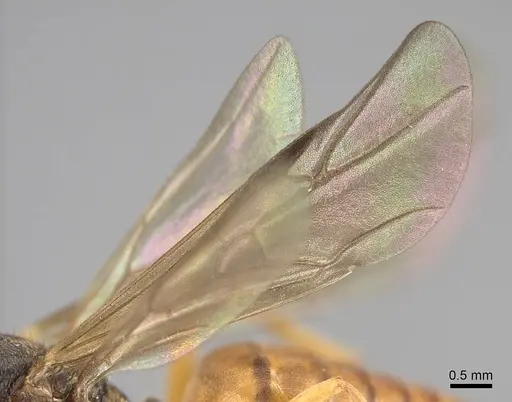
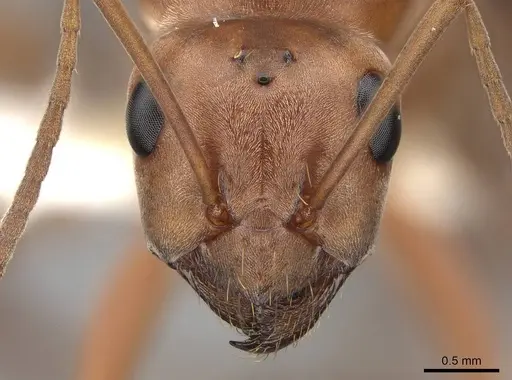
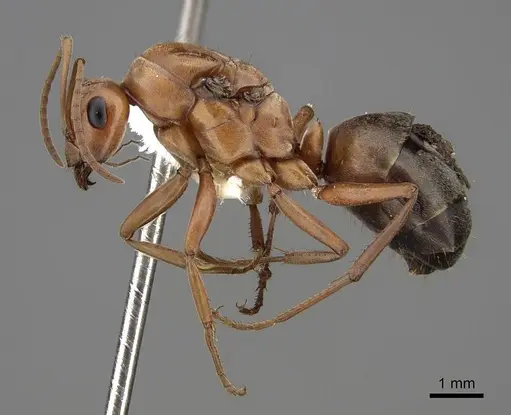
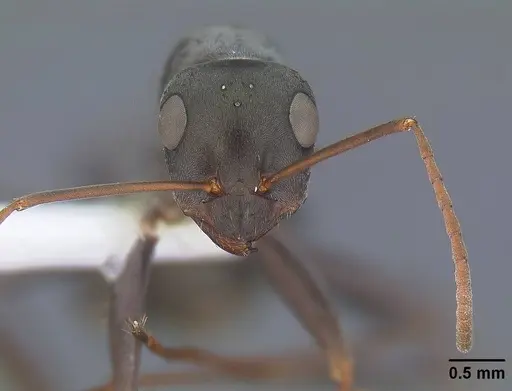
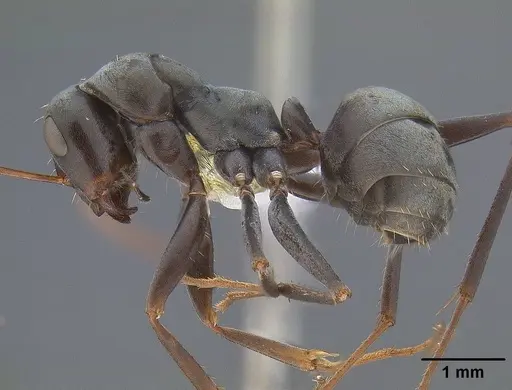
Formica subelongata is a medium-sized ant species belonging to the Formica fusca group, native to the western United States. Workers measure approximately 4-7mm and have the typical dark brown to black coloration common to Formica ants, with slightly elongated bodies that give the species its name. These ants are found across Oregon, California, and Nevada, where they inhabit diverse environments ranging from cool desert edges to pinyon-juniper woodlands and forest clearings . In the wild, colonies nest under stones or beneath dead vegetation like sagebrush trunks. Their workers are described as timid and fast-moving, which is typical for many Formica species that prefer to avoid confrontation rather than fight. They are less regionally widespread compared to some related species but can be locally dominant at certain sites, particularly in forest and fen environments . As with other Formicinae ants, they lack a functional sting and defend by spraying formic acid.
Quick Summary
- Difficulty: Medium
- Origin & Habitat: Western United States (Oregon, California, Nevada), found in forest plots, cool desert edges, and pinyon-juniper biome [1][2]
- Colony Type: Colony structure is unconfirmed for this species. Most fusca group species are typically monogyne, but specific data is unavailable.
- Size & Growth:
- Queen: Approximately 7-9mm, inferred from fusca group relatives
- Worker: 4-7mm [1]
- Colony: Colony size data unavailable, typical Formica colonies reach several thousand workers at maturity
- Growth: Moderate, development is temperature-dependent with stronger effects on reproductive castes [4]
- Development: Development timeline is unconfirmed for this species. For related Formica species, expect 6-8 weeks at optimal temperature. (Temperature affects size, warmer conditions produce larger ants, with queens and males showing stronger temperature-size relationships than workers [4])
- Antkeeping:
- Temperature: Keep nest around 20-24°C. They can tolerate a range and benefit from a gentle temperature gradient. Research shows size increases with temperature, so stable warmth supports good colony development [4].
- Humidity: Moderate humidity around 50-60%. They nest under stones in the wild, suggesting they prefer somewhat dry conditions with occasional moisture access. Avoid overly damp setups.
- Diapause: Yes, as a temperate species from higher elevations, they require a winter rest period. Reduce temperature to 10-15°C for 3-4 months during winter.
- Nesting: Y-tong (AAC) nests work well, or a naturalistic setup with stones on top of soil. They naturally nest under stones in the wild, so provide dark, quiet nesting areas. Avoid tall open spaces, they prefer compact chambers.
- Behavior: Timid and fast-moving workers that prefer to avoid conflict. They are not aggressive but will defend the nest if threatened by spraying formic acid. Foraging is active during warmer months. Escape prevention is moderate, they are medium-sized ants but can climb smooth surfaces, so standard barriers work. They are not known for being particularly escape-prone compared to smaller species.
- Common Issues: colonies may struggle if kept too cold, temperature affects development and size [4], overheating can be problematic, avoid temperatures above 28°C, wild-caught colonies may have parasites, quarantine and monitor new colonies, slow initial growth can frustrate beginners, founding colonies take time to establish, they need quiet, dark locations, vibrations and light can stress colonies
Nest Preferences
In the wild, Formica subelongata nests under stones and beneath dead vegetation like sagebrush trunks. This tells us they prefer dark, protected spaces with some connection to the ground. For captive colonies, a Y-tong (AAC) nest works well, these provide the dark, compact chambers these ants prefer. A naturalistic setup with flat stones placed on soil also mimics their natural nesting sites. Avoid tall, open spaces or nests with large chambers, they do best in tighter spaces scaled to their size. Place the nest in a quiet area away from direct sunlight and vibrations, as these ants are sensitive to disturbance. [1]
Feeding and Diet
Formica species are generalist feeders that accept both protein and sugar sources. Offer sugar water, honey, or diluted maple syrup as a constant carbohydrate source. For protein, provide small insects like fruit flies, pinhead crickets, or mealworms. They are active foragers, so place food in the outworld where they can easily find it. Remove uneaten protein after 24-48 hours to prevent mold. During founding, the queen will not eat, she relies on stored fat reserves. Once workers arrive, they will readily take food to the nest. Feed protein 2-3 times per week for established colonies, with sugar water always available.
Temperature and Seasonal Care
Research shows that temperature strongly affects this species, warmer conditions produce larger ants, with queens and males showing stronger temperature-size relationships than workers [4]. Keep the nest area at 20-24°C, with a gentle gradient if possible. A small heating cable on one side of the nest can create this gradient, but always provide unheated areas so ants can regulate their own temperature. During winter, they require a diapause (hibernation) period. Reduce temperatures to 10-15°C for 3-4 months, typically from late autumn through early spring. This rest period is essential for colony health and supports reproduction in the following season. Do not skip hibernation with established colonies.
Behavior and Colony Dynamics
Workers are described as timid and fast-moving in the wild, they prefer to escape rather than fight when disturbed. This makes them less aggressive than some Formica relatives, but they will still defend their nest if cornered by spraying formic acid. Their spray can irritate eyes or sensitive skin but is not medically significant. Colony growth is moderate. They are not supercolonial and typically maintain single-queen colonies. The timid nature means they may be easily stressed by frequent disturbances, so minimize nest inspections during the founding stage. [1]
Frequently Asked Questions
How long does it take for Formica subelongata to raise first workers?
Development timeline is unconfirmed for this species. For related Formica species, expect first workers to emerge in 6-8 weeks at optimal temperature (around 22°C). The exact timing depends on temperature, warmer conditions speed development but avoid overheating.
What temperature do Formica subelongata need?
Keep them at 20-24°C with a gentle gradient. Research shows temperature affects their size, warmer conditions produce larger ants. Avoid temperatures above 28°C or below 15°C for extended periods.
Can I keep multiple Formica subelongata queens together?
Not recommended. Colony structure is unconfirmed for this species, but combining unrelated queens would likely result in fighting. If you find a dealate queen, house her alone for founding.
Do Formica subelongata need hibernation?
Yes. As a temperate species from the western United States, they require a winter rest period. Reduce temperature to 10-15°C for 3-4 months during winter. This is essential for colony health and supports reproduction.
What do Formica subelongata eat?
They are generalist feeders. Offer sugar water, honey, or maple syrup constantly for carbohydrates. Provide protein sources like small insects (fruit flies, pinhead crickets, mealworms) 2-3 times per week. Remove uneaten protein after 24-48 hours.
Are Formica subelongata good for beginners?
They are moderate difficulty, not the easiest but not challenging. Their timid nature and moderate temperature needs make them manageable for keepers with some basic antkeeping experience. The main challenges are providing proper hibernation and being patient through the slow founding stage.
When should I move Formica subelongata to a formicarium?
Wait until the colony has at least 20-30 workers before moving from a test tube setup. They do well in Y-tong nests or naturalistic setups with stones. Make sure the formicarium provides dark, compact chambers and a water tube for humidity.
Why is my Formica subelongata colony growing slowly?
Check temperature first, they need 20-24°C for optimal development. Also ensure the queen is healthy and laying eggs. Founding colonies are slow by nature, it can take months before you see significant growth. Avoid disturbing the nest too often, as stress can reduce egg production.
Where is Formica subelongata found in the wild?
They live in the western United States, Oregon, California, and Nevada. They nest under stones and dead vegetation in forest edges, cool desert margins, and pinyon-juniper areas. They prefer somewhat cooler, drier habitats compared to many ant species.
Report an Issue
The current care sheet is based fully on literature. See inconsistencies, or something that's incorrect? Please , it will be resolved after review from an admin. Contributing to the blogs tab also helps providing information, to make us be able to further improve the caresheets. Thank you for your support!
References

This caresheet is licensed under CC BY-SA 4.0 .
Community Blogs
CASENT0005376
View on AntWeb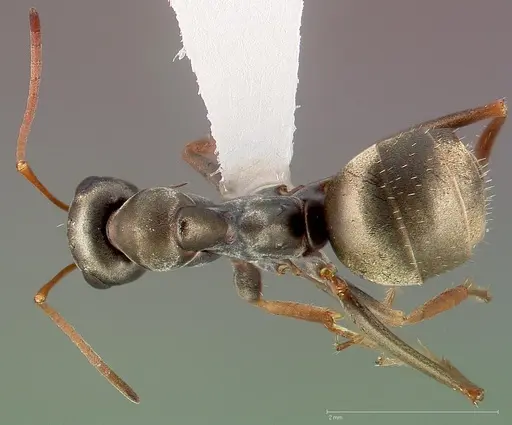
CASENT0280372
View on AntWeb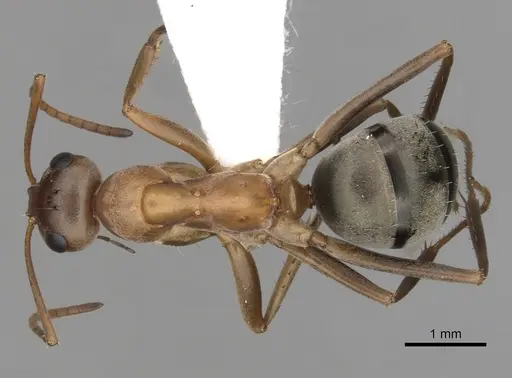
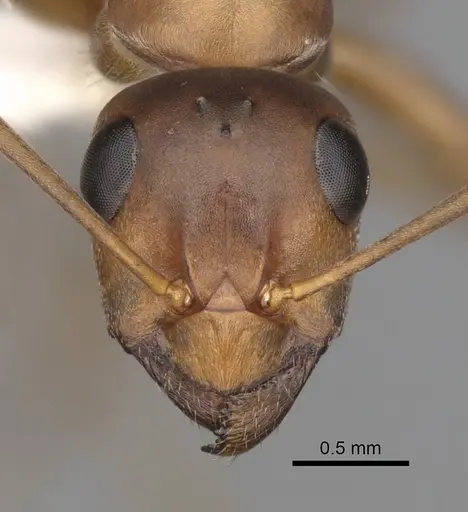
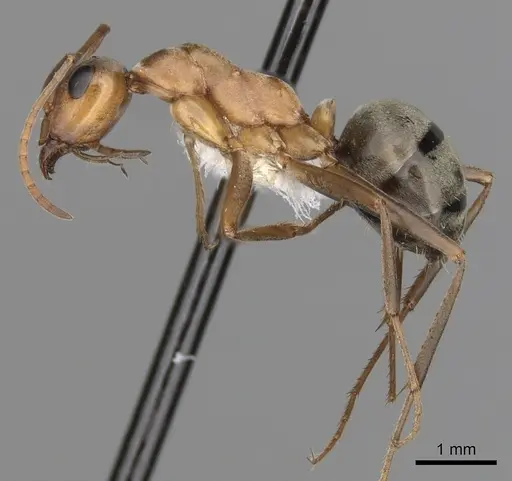
CASENT0280375
View on AntWeb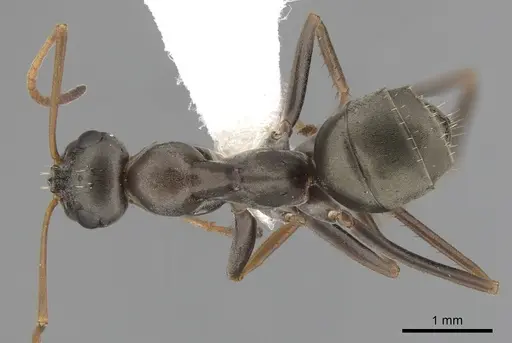
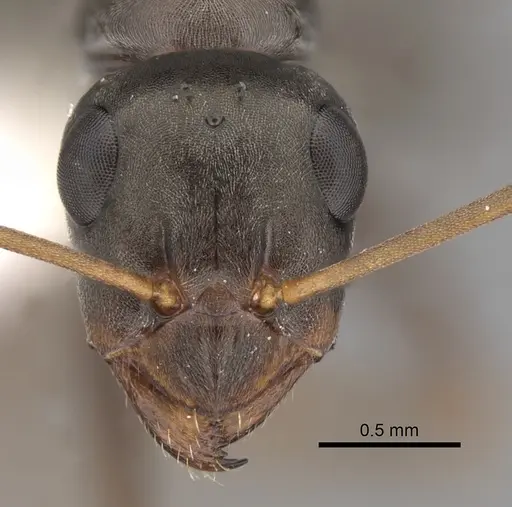
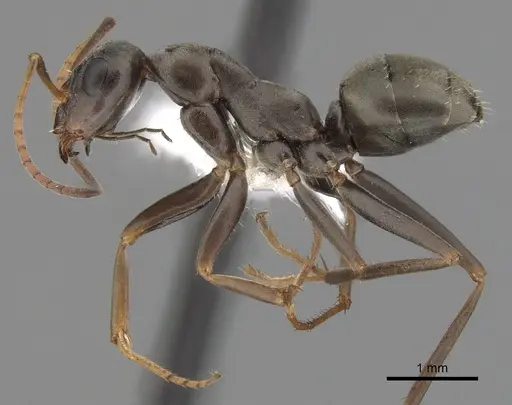
CASENT0724912
View on AntWeb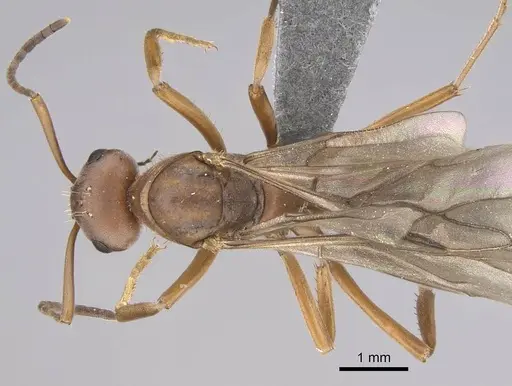
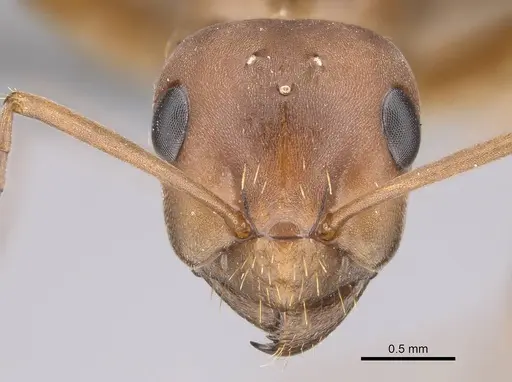
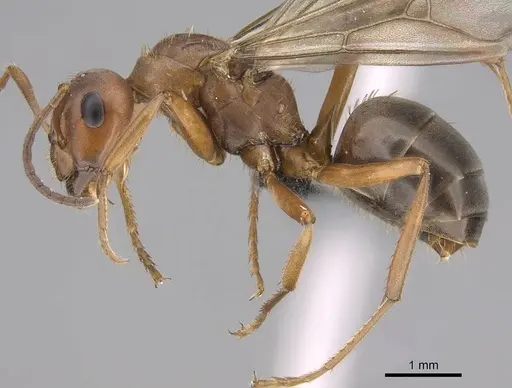
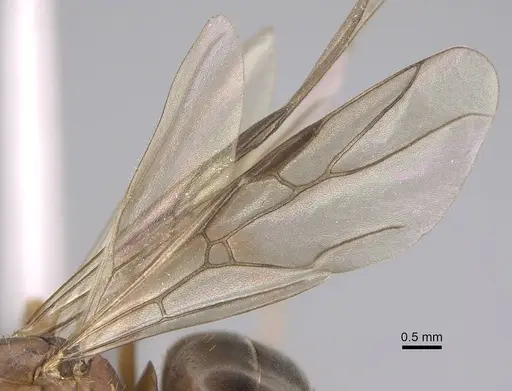
CASENT0823567
View on AntWeb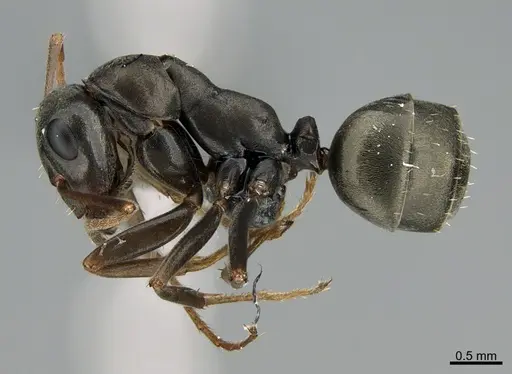
CASENT0843941
View on AntWeb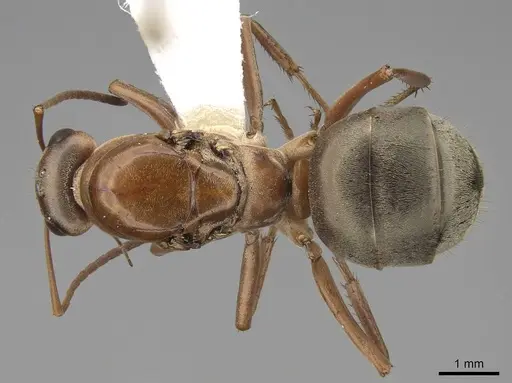
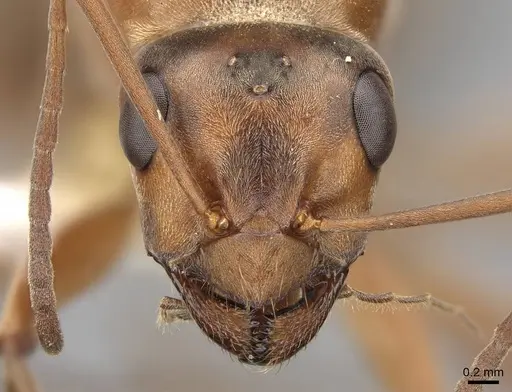
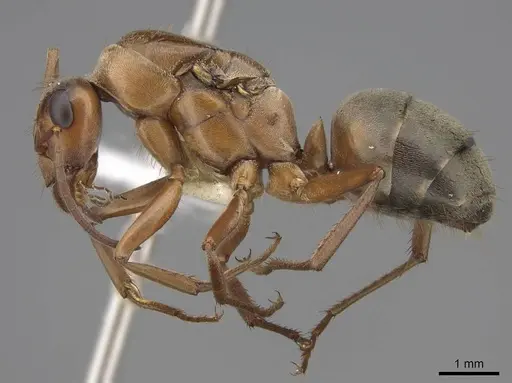
CASENT0843947
View on AntWeb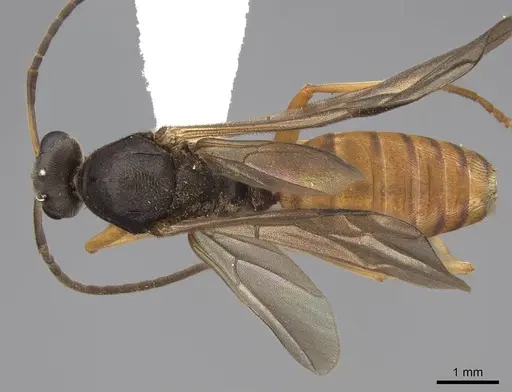
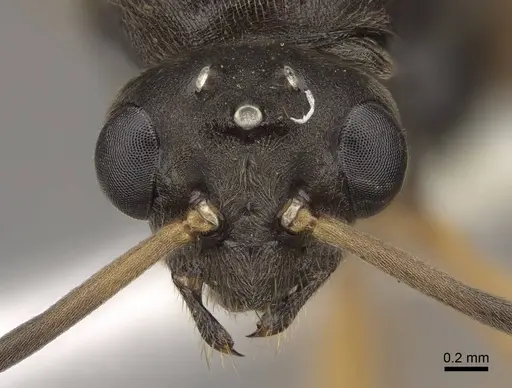
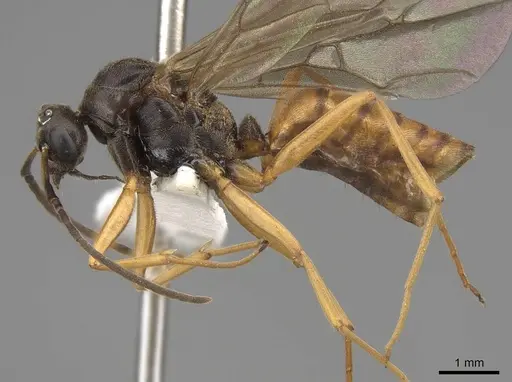
CASENT0843949
View on AntWeb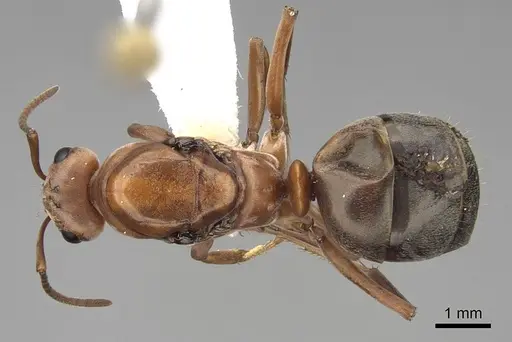
CASENT0844109
View on AntWeb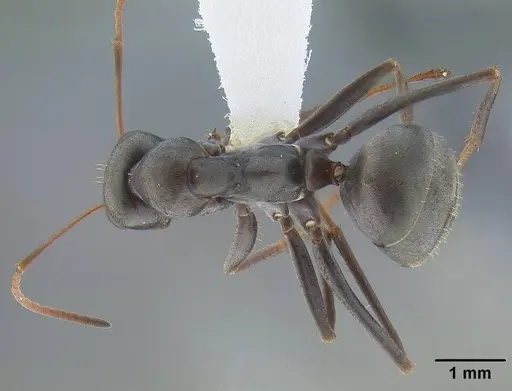
CASENT0923597
View on AntWeb
Literature
Loading distribution map...Loading products...