
Light Bronze Mound Ant
Formica subaenescens
- Sci. Name
- Formica subaenescens
- Tribe
- Formicini
- Subfamily
- Formicinae
- Author
- Emery, 1893
- Common Name
- Light Bronze Mound Ant
- Distribution
- Found in 2 countries
Introduction
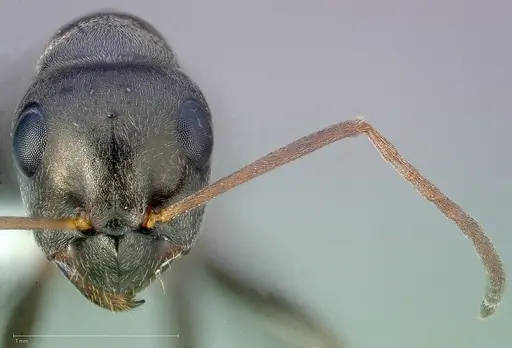
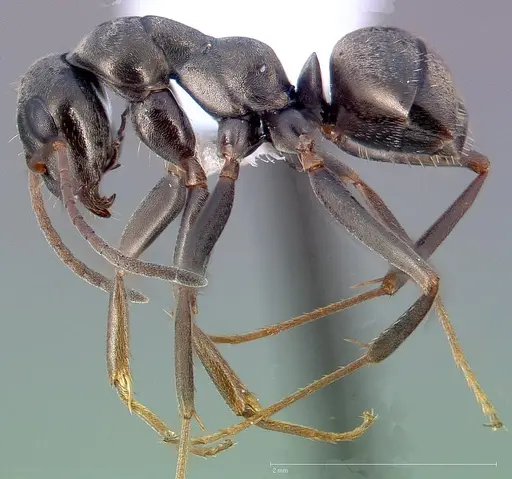
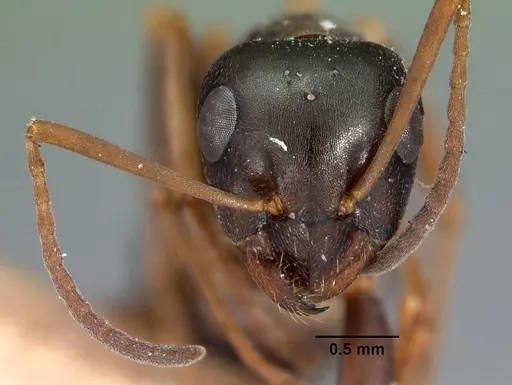
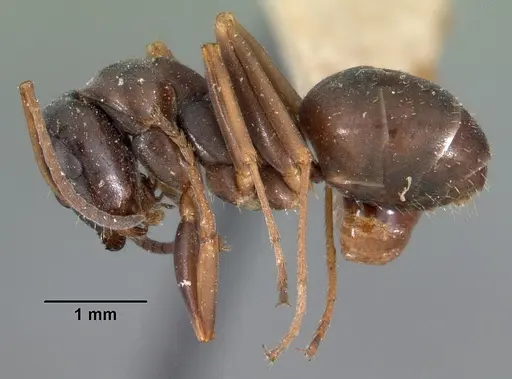
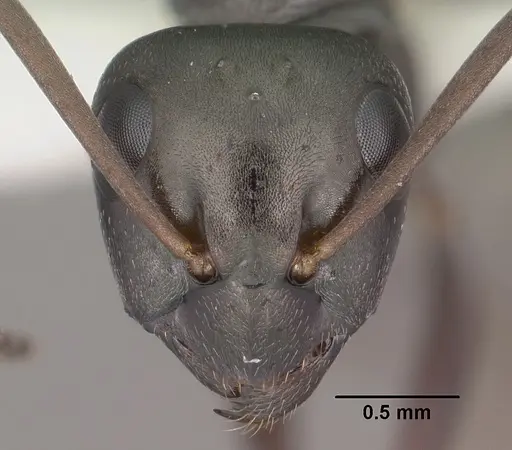
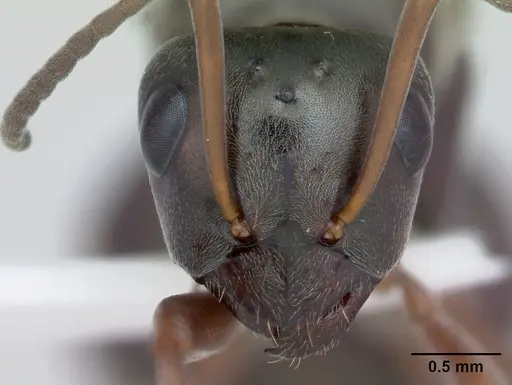
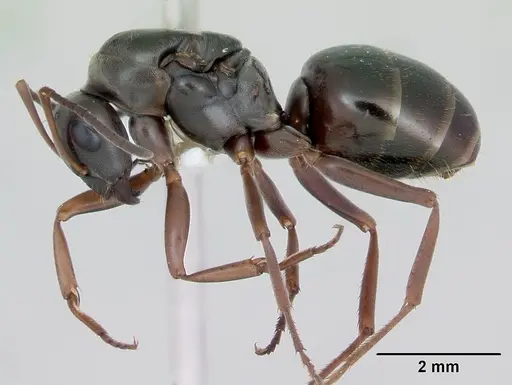
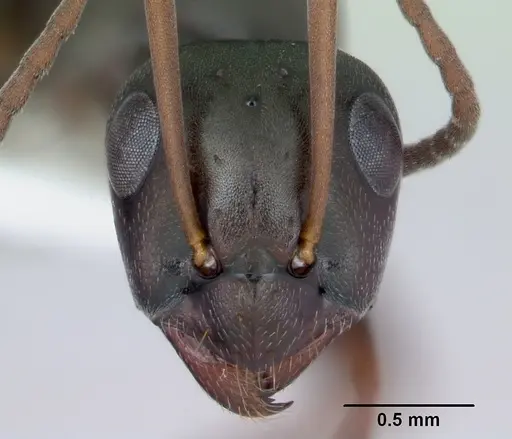
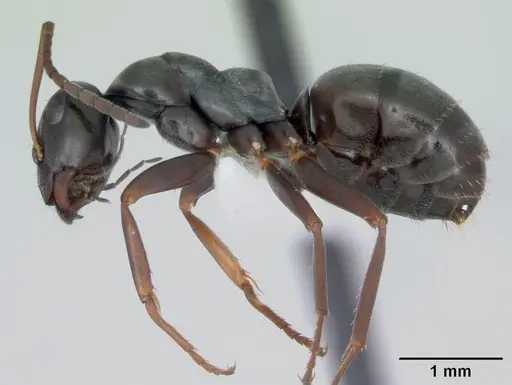
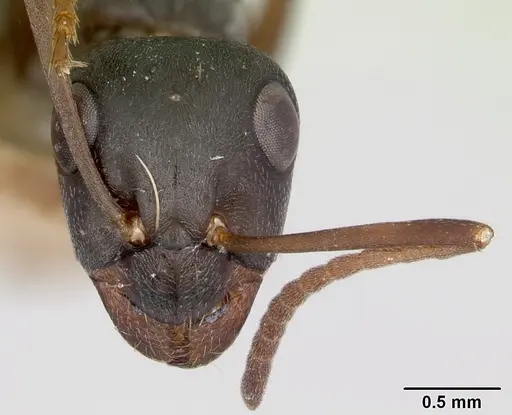
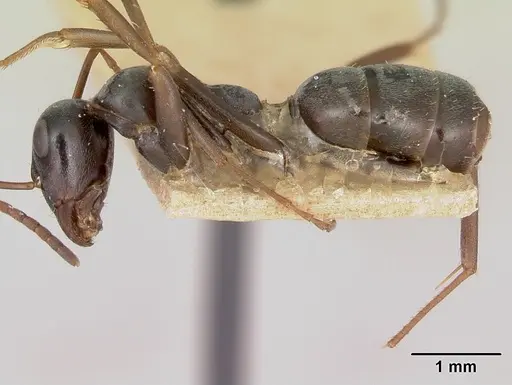
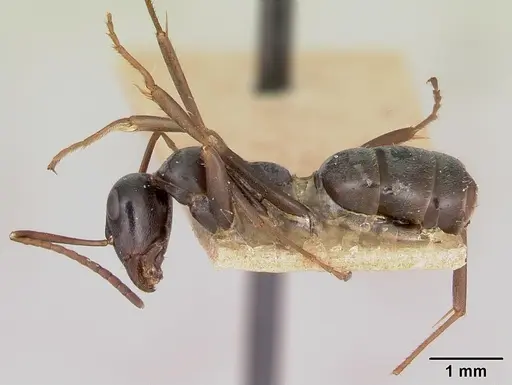
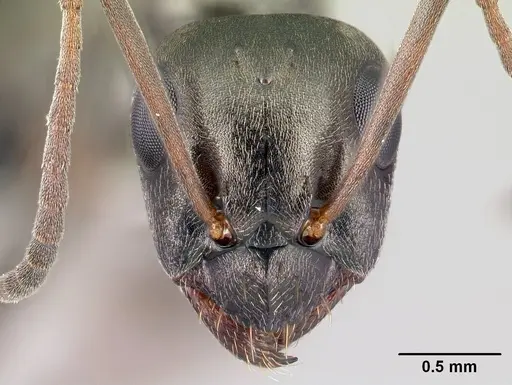
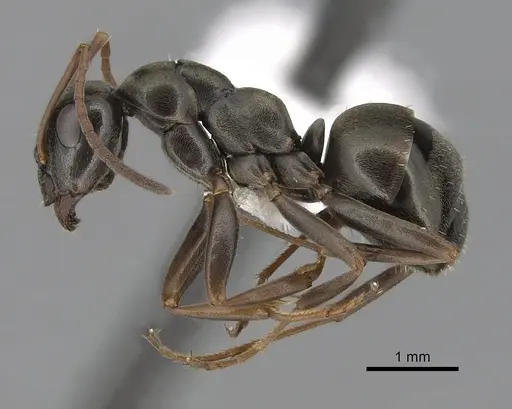
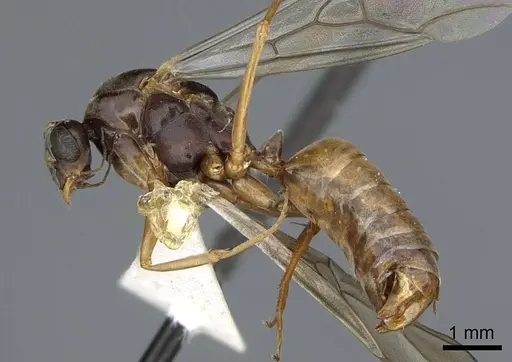
Formica subaenescens is a medium-sized ant native to North America, measuring 4-6mm with a brown to dark brown coloration . Once considered a variant of Formica fusca, it was raised to full species status in 1977 and is now recognized as a distinct species throughout the northern United States and southern Canada . This ant belongs to the Formicinae subfamily and forms mutualistic relationships with aphids, which they tend for honeydew - a behavior common to the Formica genus . In the wild, these ants serve as pollinators for wild strawberries (Fragaria virginiana) in Pennsylvania . They are cold-climate specialists found in mesic habitats like forests and shaded woodland areas, typically nesting in soil, under stones, or within rotting wood .
Quick Summary
- Difficulty: Medium
- Origin & Habitat: Native to North America (Canada, United States, Mexico). Found across a wide range from the Appalachian Mountains west to the Great Plains, with populations in Quebec, Ontario, Michigan, Indiana, Ohio, and the western states of New Mexico, Utah, and Wyoming. Inhabits mesic (damp) forests and woodlands, ponderosa pine-riparian areas, pinyon juniper, aspen forests, and Douglas fir forests. Avoids semiarid, arid habitats and areas above timberline [2][1][6].
- Colony Type: Colony structure is not fully documented in scientific literature. Based on typical Formica patterns, likely forms multi-queen colonies. Functions as a host species for the socially parasitic ant Formica dirksi (dulosis/slave-making) and experiences temporary parasitism from other Formica species [2].
- Size & Growth:
- Queen: ~8-10mm, inferred from Formica genus patterns
- Worker: 4.0-6.0mm [1]
- Colony: Up to several thousand workers, estimated based on related Formica species
- Growth: Moderate, inferred from temperate climate adaptation
- Development: 6-10 weeks (estimated based on related Formica species) (Development timeline is not directly studied for this species. Estimates based on typical Formica genus patterns at optimal temperatures (around 20-24°C).)
- Antkeeping:
- Temperature: Keep nest area at 20-24°C. This species is a cold-climate specialist, so avoid overheating. Room temperature is often suitable. A gentle temperature gradient allows workers to self-regulate [7].
- Humidity: Requires moderate to high humidity. Keep substrate consistently moist but not waterlogged. These ants prefer damp woodland habitats, the nest material should feel damp to the touch with some drier areas available [6][2].
- Diapause: Yes, as a cold-climate species native to northern latitudes, colonies require a winter rest period. Reduce temperature to 5-10°C for 3-4 months during winter, mimicking natural seasonal cycles [2].
- Nesting: In captivity, they do well in test tubes for founding colonies, then transition to formicariums with soil or plaster nests. They prefer nesting in material that retains moisture, soil, rotting wood, or moss work well. Avoid dry, arid setups. Naturalistic setups with soil chambers mimic their wild habitat [6][2].
- Behavior: Workers are active foragers that tend aphids for honeydew and hunt small insects. They are not particularly aggressive toward keepers but will defend the nest. Workers are medium-sized (4-6mm) and can climb smooth surfaces, so escape prevention should be moderate, standard barrier methods work well for this size. They are cold-tolerant and remain active at cooler temperatures than many tropical species. As Formica ants, they can spray formic acid as a defense mechanism [3][2].
- Common Issues: colonies often fail during hibernation if kept too warm or too wet, maintain proper overwintering conditions, wild-caught colonies may carry parasites that can decimate captive colonies, quarantine and monitor new colonies, dry nesting material causes colony abandonment or queen death, keep substrate consistently moist, as a host for social parasites, introducing other Formica species can threaten the colony, keep separate from parasitic species, slow founding phase means beginners may give up too early, queens can take months to raise first workers
Nest Preferences and Housing
In the wild, Formica subaenescens nests in soil, under stones, and within rotting or very rotten, soft logs [2]. They prefer well-decomposed wood and often nest beneath or within decomposed wood in mid to late decomposition stages. They also nest in well-developed moss hummocks in wet woodland areas [6]. In captivity, test tubes work well for founding colonies, use a water reservoir setup to maintain humidity. Once established, transfer to a formicarium with soil or plaster nests that can hold moisture. A naturalistic setup with soil chambers mimics their natural habitat best. Avoid dry setups, these ants are adapted to damp woodland conditions and will abandon nests that dry out. Provide a gradient from moist to slightly drier areas so workers can self-regulate.
Feeding and Diet
Like other Formica species, Formica subaenescens is an omnivore with a strong preference for sugar sources and protein. They form mutualistic relationships with aphids in the wild and actively tend aphid colonies for honeydew [3]. In captivity, offer sugar water or honey water as a constant energy source. For protein, provide small insects like fruit flies, small crickets, or mealworms. They will also accept other sweet substances. Feed protein prey 2-3 times per week, and keep sugar water available at all times. Remove uneaten prey after 24-48 hours to prevent mold. This species is not a specialized predator, so a varied diet of standard ant foods works well.
Temperature and Seasonal Care
As a cold-climate specialist, Formica subaenescens prefers cooler temperatures than many ant species. Keep the nest area at 20-24°C, this supports brood development without overheating [7]. They can tolerate temperatures as low as 15°C and should not be kept above 28°C. Room temperature is often suitable for this species. During winter, they require a diapause (hibernation) period of 3-4 months at 5-10°C to mimic natural seasonal cycles. This rest period is important for colony health and triggers reproductive behavior in the following spring. Do not skip hibernation, it can weaken colonies and prevent reproduction. Reduce feeding during winter rest and keep the nest slightly cooler but not freezing.
Behavior and Temperament
Workers are medium-sized (4-6mm) and active foragers. They are not particularly aggressive toward keepers but will vigorously defend the nest if threatened. Workers can climb smooth surfaces, so use standard barrier methods like fluon on test tube rims. They are diurnal and do most of their foraging during daylight hours. This species is known to pollinate flowers (documented with Fragaria virginiana), they may visit flowers in an outworld setup. They are cold-tolerant and remain active at cooler temperatures where many tropical ants would be sluggish. Colonies establish moderate foraging territories and workers can travel considerable distances from the nest. As members of the Formicini tribe, they lack a functional sting but can spray concentrated formic acid as a defense mechanism. [4][2]
Colony Founding
Founding behavior is not specifically documented for Formica subaenescens. Most Formica species are claustral, queens seal themselves in a chamber and raise the first brood alone using stored fat reserves. The founding phase can take several months, so patience is essential. A single dealate (wingless) queen can found a colony independently. After the first workers (nanitics) emerge, the colony grows gradually. Growth rate is moderate, expect 6-10 weeks from egg to first worker at optimal temperatures. Once workers are established, the colony enters a growth phase with increasing brood production. Multiple queens may be present in established colonies based on typical Formica polygyny patterns, but this is not confirmed for this specific species. [2]
Ecological Relationships
Formica subaenescens plays important ecological roles in its native habitat. It is a known host for the socially parasitic ant Formica dirksi, which conducts slave raids to steal brood from F. subaenescens colonies [2]. This species also experiences temporary parasitism from other Formica species. In return, they serve as pollinators for wild strawberries and are significant aphid-tenders, forming mutualistic relationships that benefit aphids (protection) and ants (honeydew) [3][4]. In the wild, they sometimes nest near other ant species like Myrmica lobifrons, Monomorium carbonarium, and Monomorium ergatogyna in a plesiobiotic association (nesting near each other without direct interaction).
Frequently Asked Questions
Is Formica subaenescens a good species for beginners?
This is a medium-difficulty species. It is more forgiving than tropical ants because it tolerates cooler temperatures, but it requires proper hibernation and consistent humidity. Beginners should be prepared for a potentially slow founding phase and the need to provide winter diapause. If you can maintain proper humidity and provide a winter cooling period, this species is manageable.
How long does it take for the first workers to emerge?
Based on typical Formica development, expect 6-10 weeks from egg to first worker at optimal temperatures (around 20-24°C). The exact timeline is not directly documented for this species, so patience is important during the founding phase. Queens seal themselves in and raise the first brood alone.
What temperature should I keep my colony at?
Keep the nest area at 20-24°C. This species is a cold-climate specialist and does not tolerate heat well, avoid temperatures above 28°C. Room temperature is often suitable. A gentle temperature gradient allows workers to choose their preferred temperature.
Do they need hibernation?
Yes, as a cold-climate species from northern latitudes, they require a winter diapause. Reduce temperature to 5-10°C for 3-4 months during winter. This is essential for colony health and triggers reproductive behavior in spring. Do not skip hibernation.
What do Formica subaenescens eat?
They are omnivores that accept sugar water or honey water constantly, plus protein sources like small insects (fruit flies, small crickets, mealworms) 2-3 times per week. Like other Formica species, they tend aphids for honeydew in the wild.
Can I keep multiple queens together?
Colony structure is not fully documented for this species. Formica species typically can form multi-queen colonies, but combining unrelated foundress queens is not recommended as they may fight. Wait until you have established single-queen colonies before considering any multi-queen setup.
How big do colonies get?
Based on typical Formica species, colonies likely reach up to several thousand workers. The exact maximum is not documented, but related Formica species commonly reach 2,000-5,000 workers in captivity.
Why are my ants dying?
Common causes include: too dry nesting material (they need damp conditions), improper temperature (too hot or too cold), lack of hibernation in winter, or parasites from wild-caught colonies. Ensure humidity is consistent, temperature is in the 20-24°C range, and provide winter diapause if the colony is established.
What size formicarium do they need?
Start with test tubes for founding colonies. Once the colony reaches 50+ workers, transfer to a small formicarium with soil or plaster that holds moisture. They do well in naturalistic setups that mimic their woodland habitat, soil chambers with moisture-retaining material.
Report an Issue
The current care sheet is based fully on literature. See inconsistencies, or something that's incorrect? Please , it will be resolved after review from an admin. Contributing to the blogs tab also helps providing information, to make us be able to further improve the caresheets. Thank you for your support!
References

This caresheet is licensed under CC BY-SA 4.0 .
Community Blogs
CASENT0005364
View on AntWeb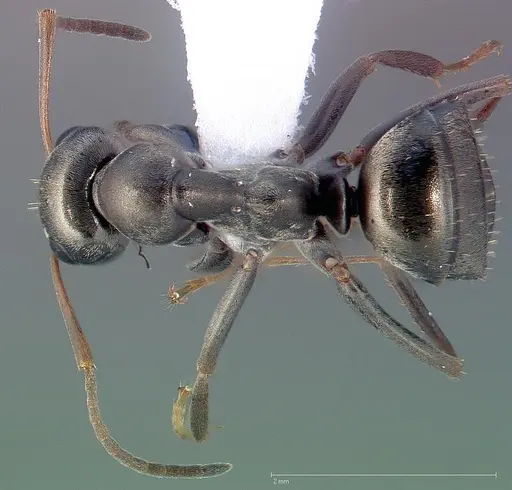
CASENT0102156
View on AntWeb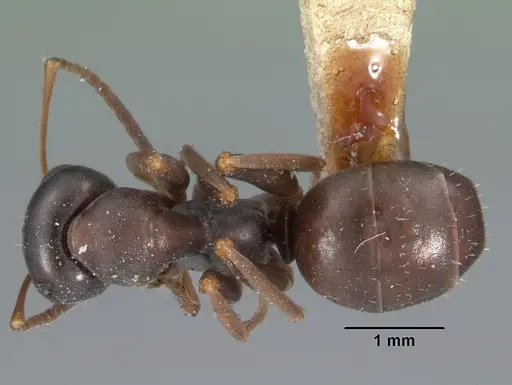
CASENT0102795
View on AntWeb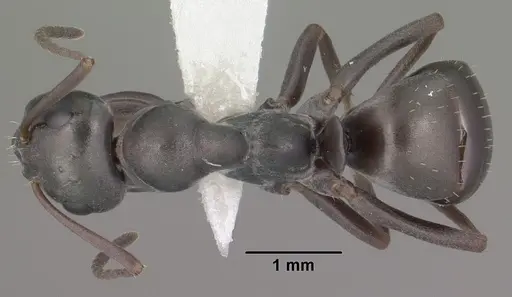
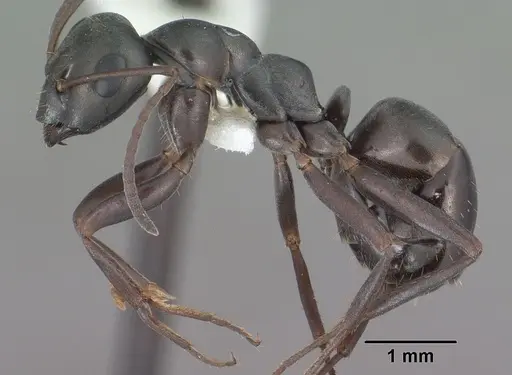
CASENT0172878
View on AntWeb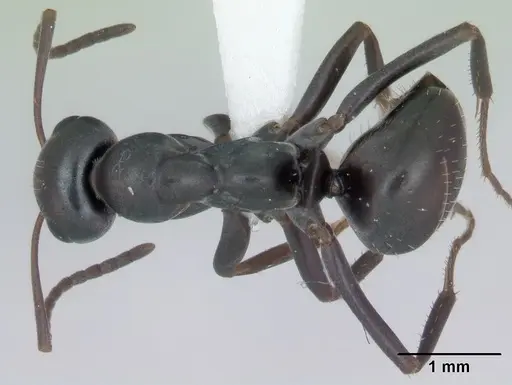
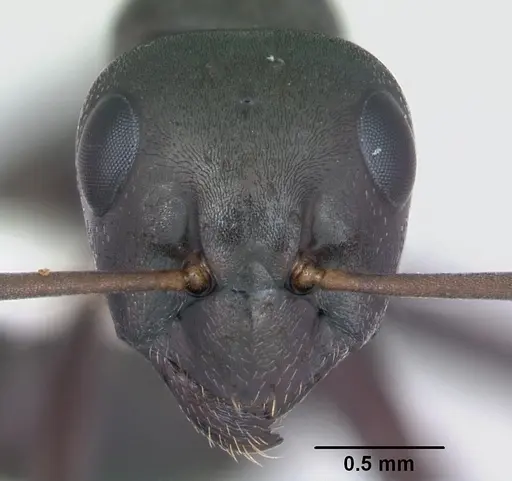
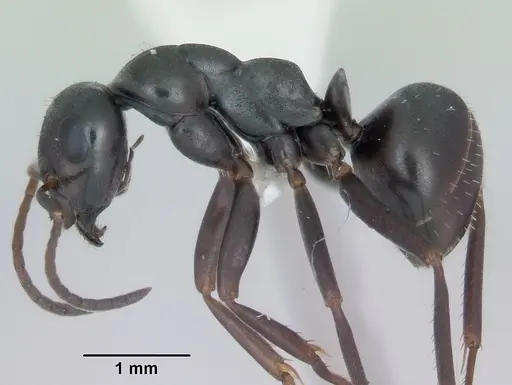
CASENT0172879
View on AntWeb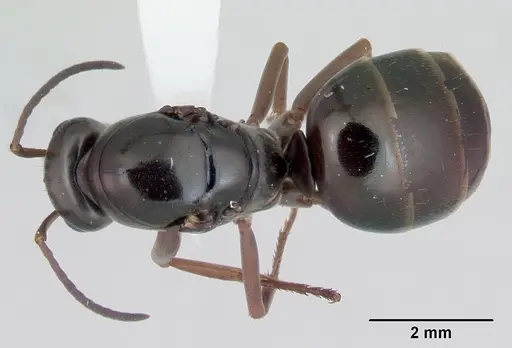
CASENT0172880
View on AntWeb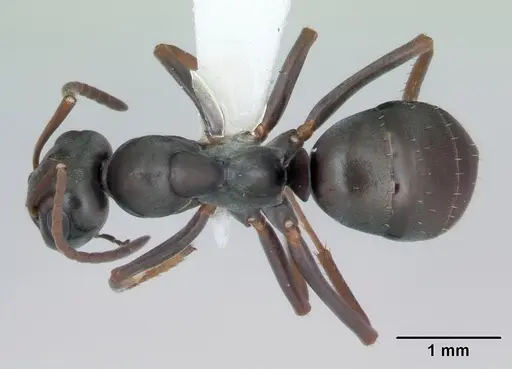
CASENT0172898
View on AntWeb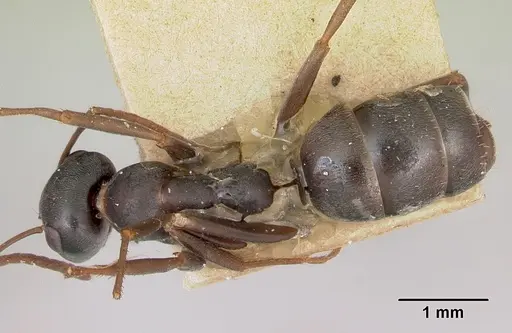
CASENT0198944
View on AntWeb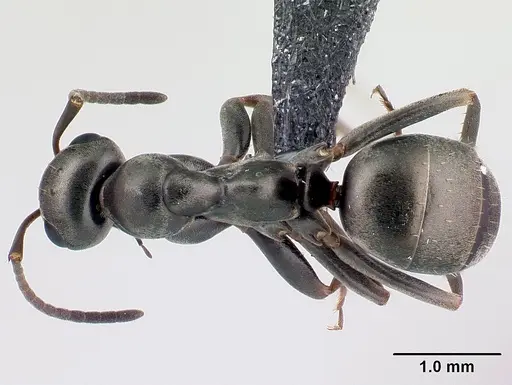
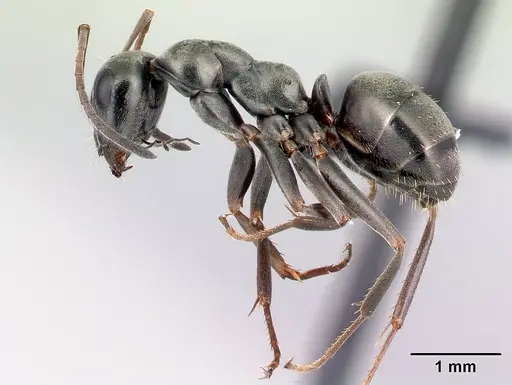
CASENT0226485
View on AntWeb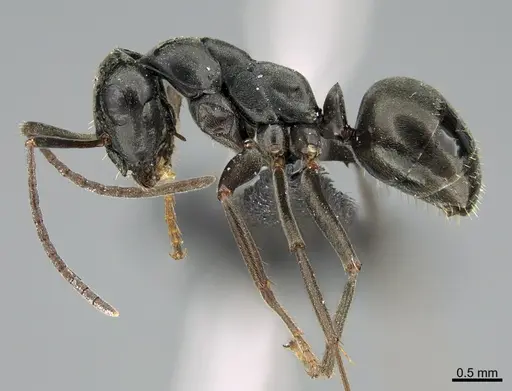
CASENT0280364
View on AntWeb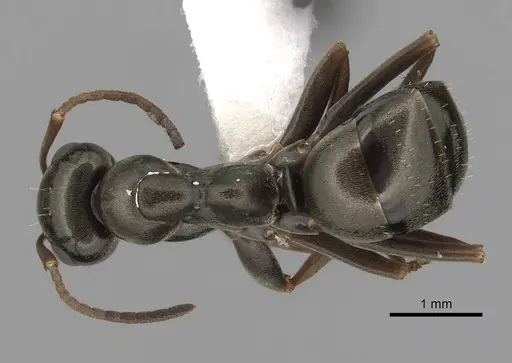
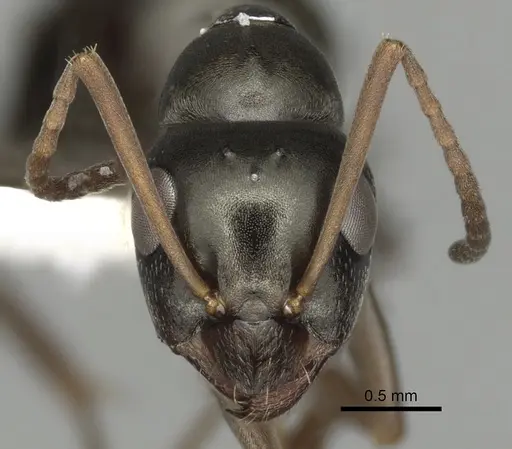
CASENT0923023
View on AntWeb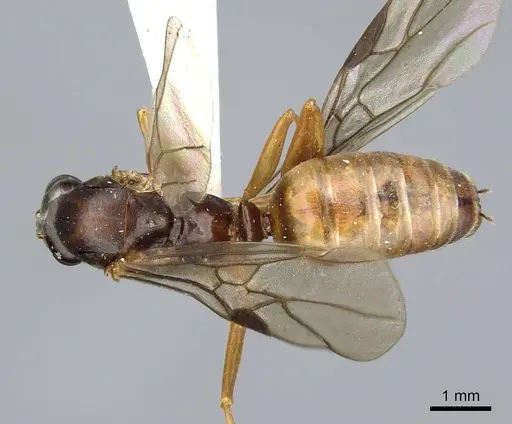
Literature
Loading distribution map...Loading products...