
Formica sibylla
- Sci. Name
- Formica sibylla
- Tribe
- Formicini
- Subfamily
- Formicinae
- Author
- Wheeler, 1913
- Distribution
- Found in 2 countries
Introduction
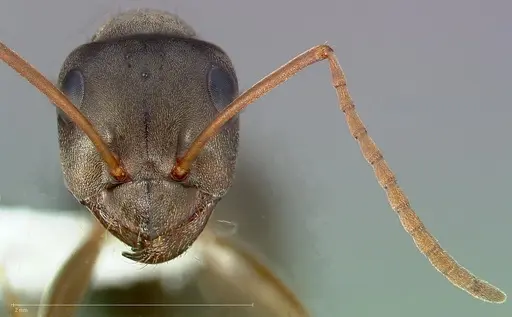
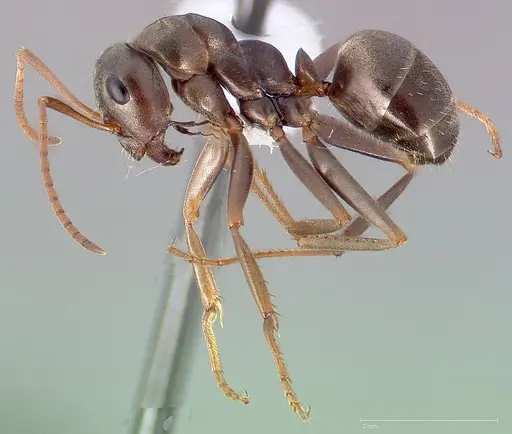
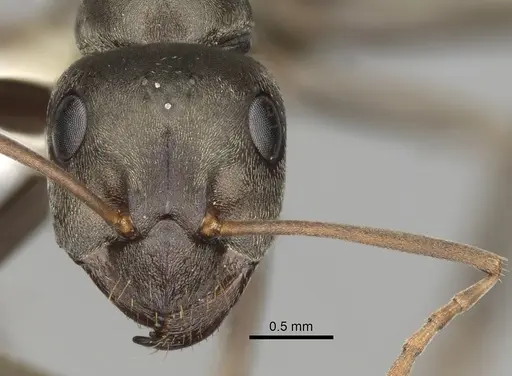
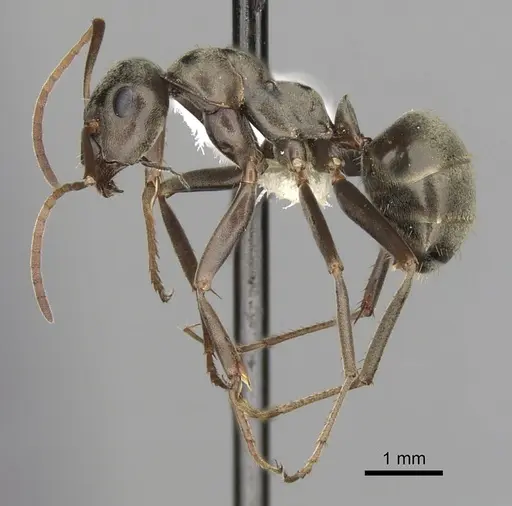
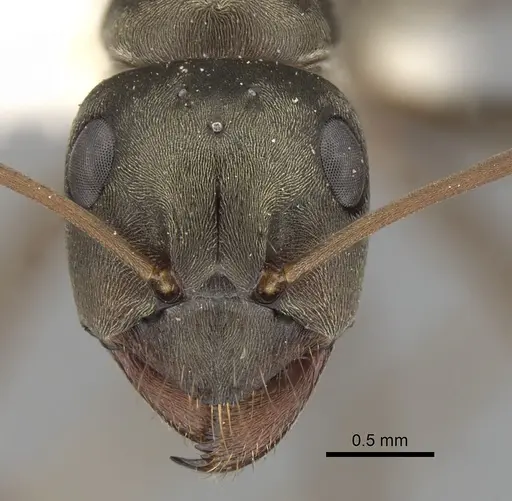
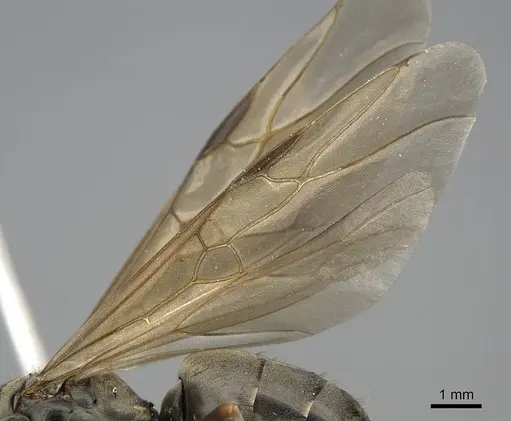
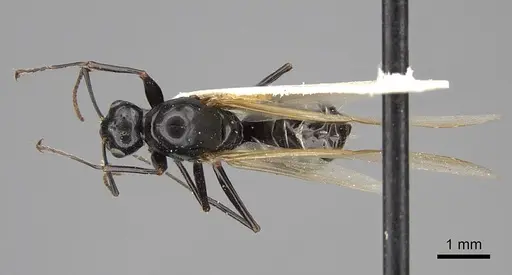
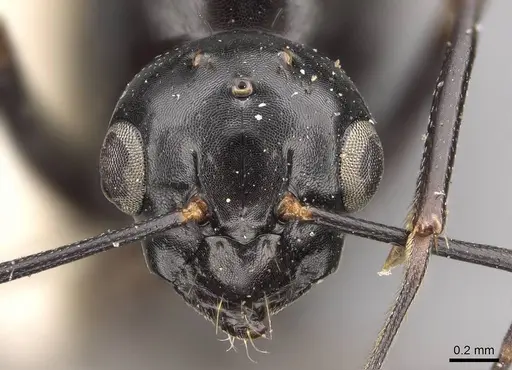
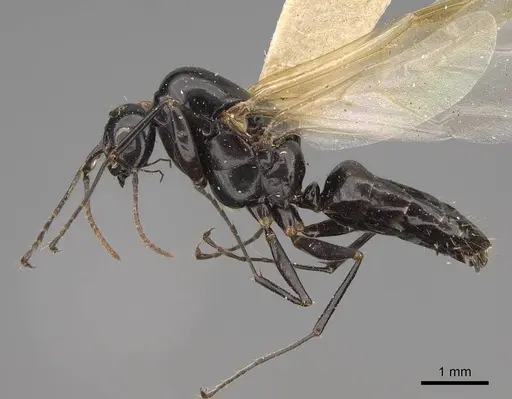
Formica sibylla is a medium-sized ant belonging to the fusca group, native to the western United States. Workers are typically dark brown to black with lighter appendages. This is a montane species restricted to the Carson Range of the Sierra Nevada near Lake Tahoe, found at elevations between 6,000-9,000 feet in coniferous forest habitats . What makes F. sibylla unusual is its nesting behavior - it constructs distinctive crater-shaped mounds at nest entrances in sandy, bare areas within coniferous forests. These craters can reach 15-28cm in diameter with entrances of 19-38mm. Workers are described as very timid and fast-moving, which is atypical for many Formica species that tend to be more assertive .
Quick Summary
- Difficulty: Medium
- Origin & Habitat: Native to the western United States, specifically Oregon, California, and the Sierra Nevada in midwestern Nevada. This is a montane species restricted to the Carson Range of the Sierra Nevada near Lake Tahoe at elevations of 6,000-9,000 feet. Found exclusively in the Coniferous Forest Biome [1].
- Colony Type: Colony structure is not well documented. Most excavated nests showed no brood, suggesting the craters may be feeding stations rather than main nesting areas. Brood was only found in nests under stones [1].
- Size & Growth:
- Queen: Size data unavailable, no specific measurements found in research literature
- Worker: Size data unavailable, no specific measurements found in research literature [1]
- Colony: Colony size is not well documented in scientific literature
- Growth: Growth rate is not specifically documented for this species
- Development: Development timeline is not documented for this species (Related fusca group species typically develop in 6-8 weeks at room temperature, but specific data for F. sibylla is unavailable)
- Antkeeping:
- Temperature: Keep at room temperature around 20-24°C. As a montane species from high elevation, they may prefer slightly cooler conditions. A temperature gradient allows workers to choose their preferred zone.
- Humidity: Moderate humidity. As a species from the Sierra Nevada coniferous forest biome, they prefer drier conditions than tropical ants. Keep nest substrate slightly moist but allow drying between waterings.
- Diapause: Yes, as a montane species from high elevation, they likely require a winter dormancy period. Reduce temperature to 10-15°C for 3-4 months during winter, simulating natural seasonal cycles.
- Nesting: In nature, they nest under stones and construct crater mounds in sandy, bare areas within coniferous forests. In captivity, a naturalistic setup with a digging area or a formicarium with soil substrate works well. They prefer compactable substrate where they can construct their characteristic craters [1].
- Behavior: Workers are described as very timid and fast-moving, avoiding confrontation rather than engaging in aggressive defense [1]. This makes them less suitable for observation of dramatic territorial behaviors but interesting to watch for their quick, efficient movement patterns. They are not known to be escape artists, moderate-sized workers can be contained with standard formicarium barriers. Foraging style is typical of Formica, they actively search for protein and sugar sources. Their small colony sizes and timid nature mean they may be outcompeted by more aggressive ant species if housed in shared spaces [1].
- Common Issues: limited documented care information means some guidance is based on inference rather than species-specific research, timid workers may be stressed by excessive disturbance or bright lighting, montane origin means they require proper winter dormancy, colonies that aren't hibernated may fail to thrive, crater-building behavior may be difficult to accommodate in standard formicariums, colony size is not well documented, making growth expectations uncertain
Nest Preferences and Housing
In the wild, Formica sibylla constructs distinctive crater mounds in sandy, bare areas within coniferous forests at high elevations. The craters measure 15-28cm in diameter with entrance holes of 19-38mm. Most interestingly, researchers suspect many of these craters are feeding stations rather than main nest entrances, as brood was rarely found in excavated nests, only 2 out of many nests examined contained brood, and those were under stones [1].
For captive care, a naturalistic setup works best. Use a soil-based substrate (sandy soil works well given their natural crater-building behavior) in a formicarium or observation nest. Provide a digging area at least several centimeters deep. A layer of small stones or gravel at the bottom helps drainage. You can include flat stones on the surface to mimic their natural under-stone nesting preference. Test tube setups work for founding colonies but will need upgrading as the colony grows.
Feeding and Diet
Like other Formica species, F. sibylla is omnivorous with a preference for protein sources. In the wild, they likely hunt small invertebrates and tend aphids for honeydew, which is typical for the fusca group. Workers are active foragers, their crater constructions may serve as feeding stations where they process prey [1].
Feed a varied diet: protein sources like small insects (fruit flies, small crickets, mealworms), and sugar sources like diluted honey or sugar water. Since workers are timid and fast-moving, ensure food is accessible and not overwhelming them. Protein should be offered 2-3 times per week, with sugar water always available. Remove uneaten prey after 24-48 hours to prevent mold. Given their small colony sizes, portion sizes should be small to avoid waste.
Temperature and Seasonal Care
As a montane species from 6,000-9,000 feet elevation in the Sierra Nevada, F. sibylla is adapted to cooler temperatures than many ant species. Keep the nest area at room temperature, roughly 20-24°C. Avoid overheating, they may prefer the cooler end of this range. A temperature gradient allows workers to regulate their own temperature by moving between warmer and cooler areas.
Winter dormancy is important. Reduce temperatures to 10-15°C for 3-4 months during winter, mimicking their natural seasonal cycle at high elevation. This diapause period is essential for colony health and likely triggers reproductive behavior. Do not feed during hibernation and keep the nest slightly moist but not wet. Gradual temperature changes in spring and fall help trigger natural seasonal behaviors. [1]
Behavior and Observation
The most distinctive behavioral trait of F. sibylla is the timidity of workers, they are described as very timid and fast-moving [1]. Unlike many Formica species that will aggressively defend their nests, these ants prefer to flee from perceived threats. This makes them less dramatic to observe but fascinating in their efficiency.
Their crater-building behavior is unique among captive-kept ants. In a naturalistic setup, you may observe workers excavating and maintaining these structures. The fast movement of workers makes them entertaining to watch, they dart about efficiently, clearly focused on their tasks. They are not particularly aggressive and pose no threat to keepers. Escape prevention should be standard, while not tiny, they can fit through small gaps, so ensure connections are secure [1].
Frequently Asked Questions
How long does it take for Formica sibylla to produce first workers?
Development timeline is not specifically documented for this species. Based on related Formica species, expect first workers around 6-8 weeks after the queen lays eggs at room temperature around 20-24°C. This timeline may vary as specific data for F. sibylla is unavailable.
Can I keep multiple Formica sibylla queens together?
Colony type is not well documented for this species. Unlike some Formica species that can be polygynous, F. sibylla colony structure is unconfirmed. If you capture multiple founding queens, house them separately until behavior is observed. Multiple unrelated queens may fight.
What is the best nest type for Formica sibylla?
A naturalistic setup with soil substrate works best, allowing them to construct their characteristic crater mounds. A formicarium with a digging area at least 5cm deep with sandy soil is ideal. You can also include flat stones for cover. Test tubes work for founding but will need upgrading as the colony grows [1].
Do Formica sibylla need hibernation?
Yes, as a montane species from 6,000-9,000 feet elevation in the Sierra Nevada, they likely require a winter dormancy period. Reduce temperature to 10-15°C for 3-4 months during winter. This is essential for colony health and likely triggers reproductive behavior in spring [1].
How big do Formica sibylla colonies get?
Colony size is not well documented in the scientific literature. Based on limited field observations, colonies appear to remain relatively small. Their timid nature and observed nesting behavior suggest growth may be slower than more aggressive Formica species [1].
Are Formica sibylla good for beginners?
This species is rated as medium difficulty. While not the easiest species, experienced beginners can succeed with them. The main challenges are providing proper winter dormancy and accommodating their crater-building behavior. Their timid nature may test patience, but they are rewarding to observe.
What do Formica sibylla eat?
They are omnivorous like other Formica species. Offer protein sources like small insects (fruit flies, small crickets, mealworms) 2-3 times per week, and sugar sources like honey water or sugar water continuously. Remove uneaten prey after 24-48 hours. Their crater constructions may serve as feeding stations in the wild [1].
Where is Formica sibylla found in the wild?
This is a montane species restricted to the Carson Range of the Sierra Nevada near Lake Tahoe, found in Oregon, California, and midwestern Nevada. They live at elevations of 6,000-9,000 feet in the Coniferous Forest Biome, constructing crater mounds in sandy, bare areas within coniferous forests [1].
Why do Formica sibylla build craters?
In the wild, they construct distinctive crater-shaped mounds at nest entrances. Researchers suspect most of these craters are feeding stations rather than main nest entrances, because brood was rarely found in excavated crater nests, only in nests under stones. The craters measure 15-28cm in diameter with large entrances of 19-38mm [1].
Report an Issue
The current care sheet is based fully on literature. See inconsistencies, or something that's incorrect? Please , it will be resolved after review from an admin. Contributing to the blogs tab also helps providing information, to make us be able to further improve the caresheets. Thank you for your support!
References

This caresheet is licensed under CC BY-SA 4.0 .
Community Blogs
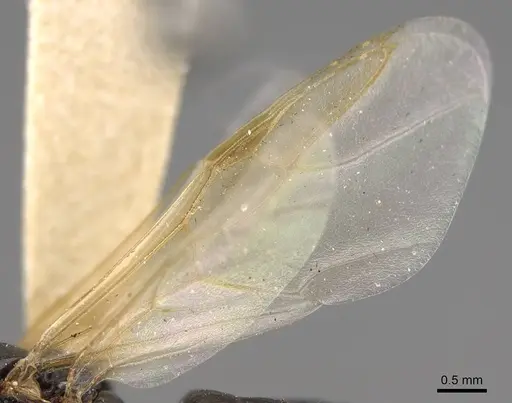
CASENT0005294
View on AntWeb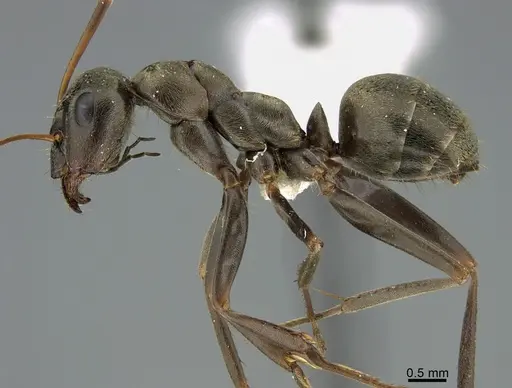
CASENT0005374
View on AntWeb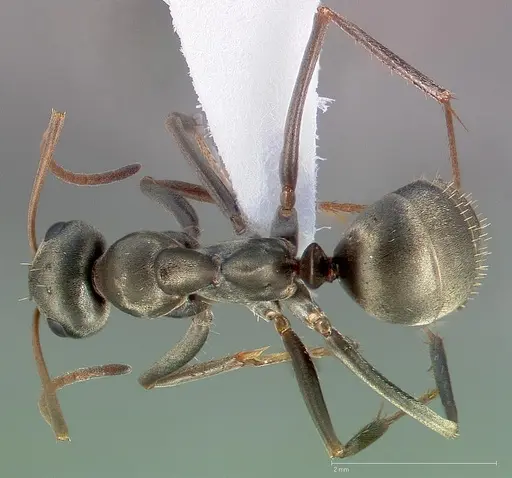
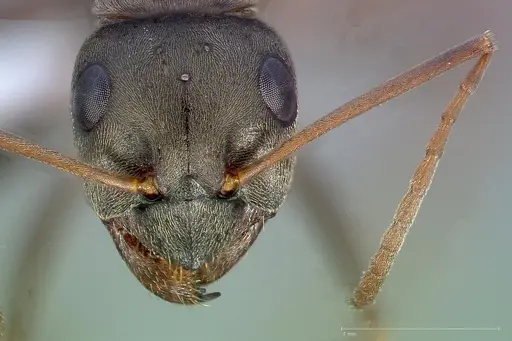
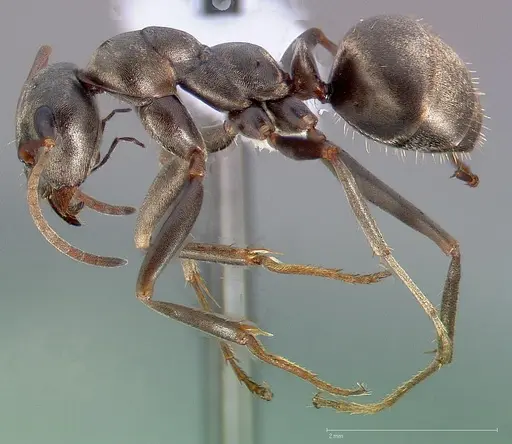
CASENT0005375
View on AntWeb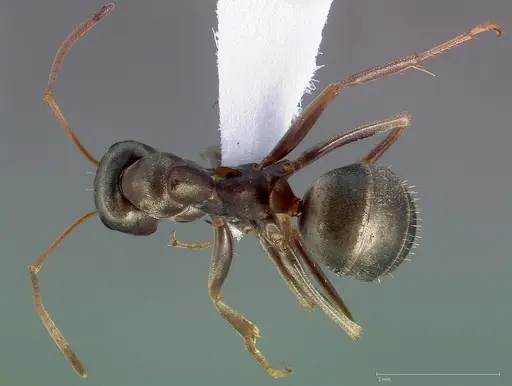
CASENT0280373
View on AntWeb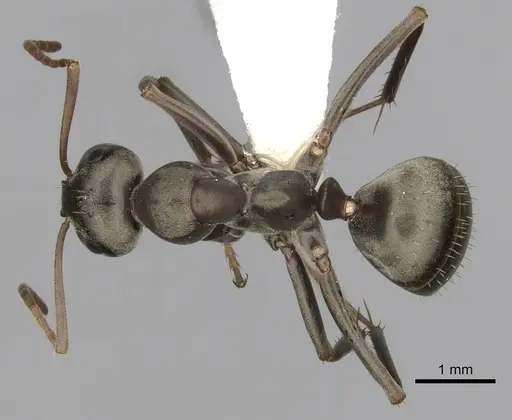
CASENT0280374
View on AntWeb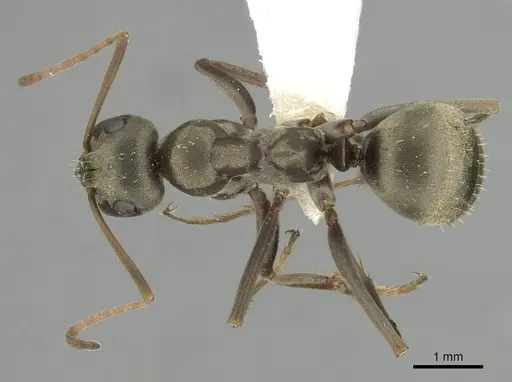
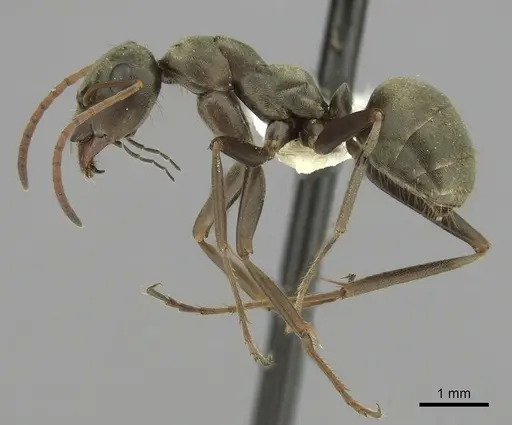
CASENT0843938
View on AntWeb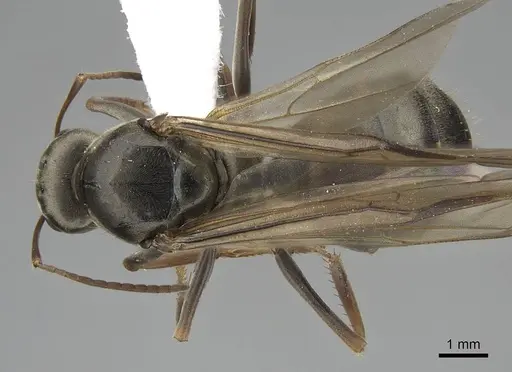
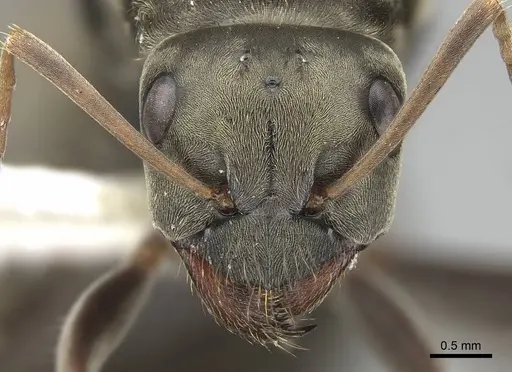
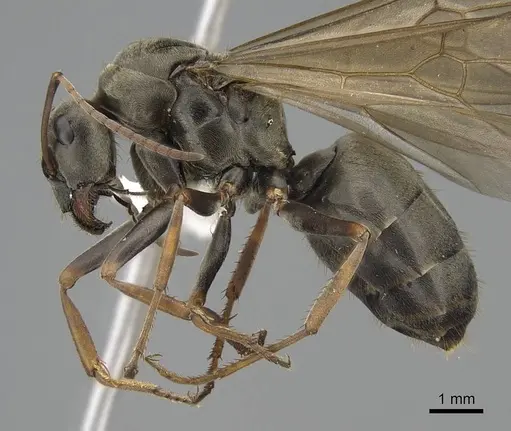
CASENT0923052
View on AntWeb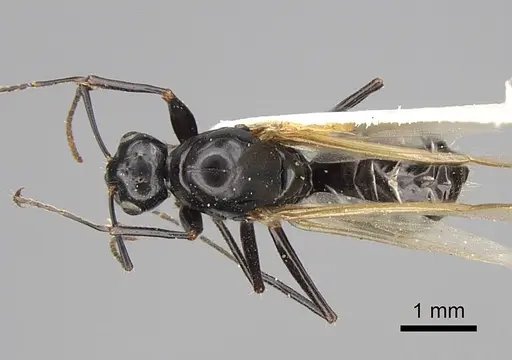
Literature
Loading distribution map...Loading products...