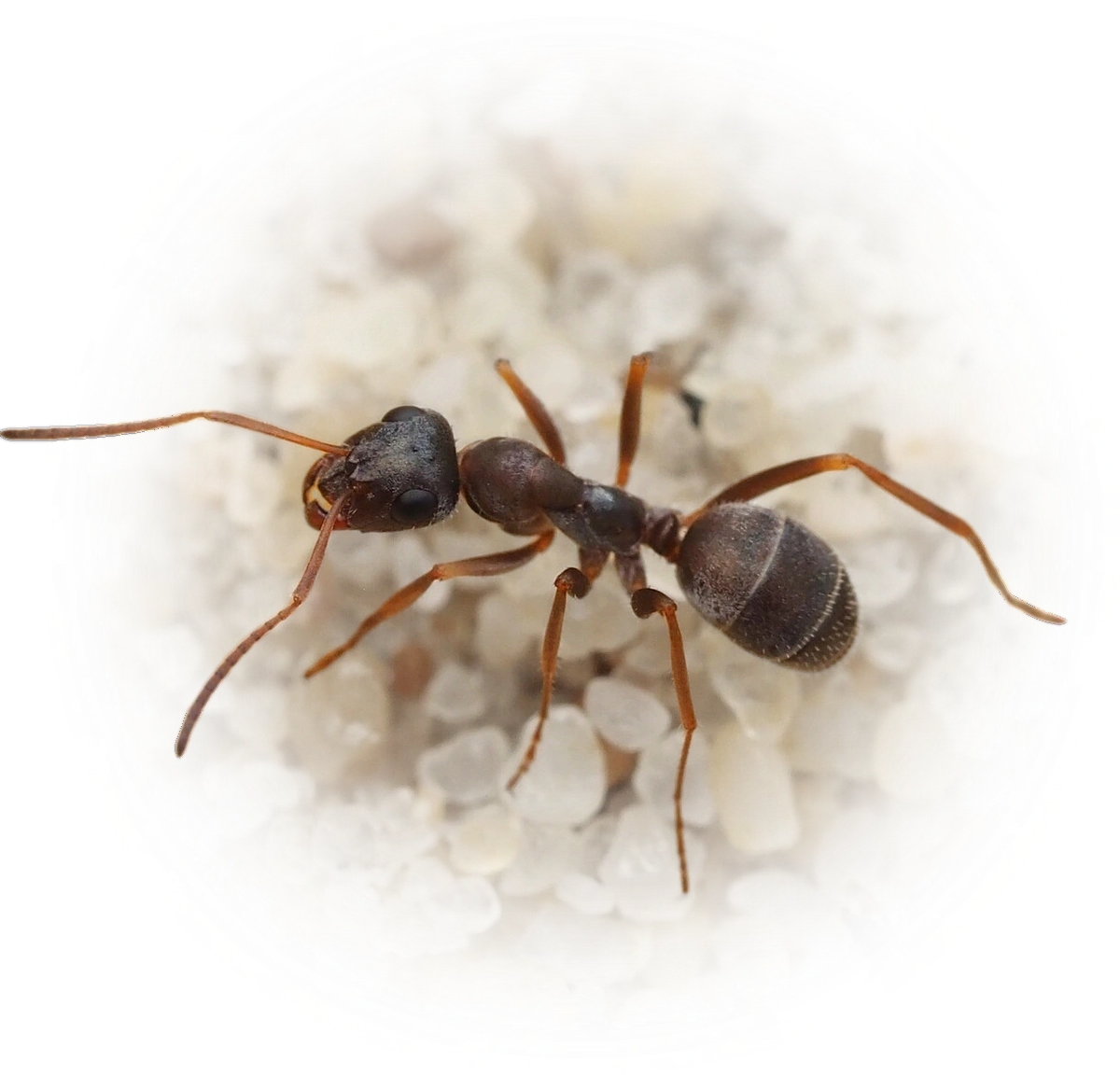
Formica selysi
- Sci. Name
- Formica selysi
- Tribe
- Formicini
- Subfamily
- Formicinae
- Author
- Bondroit, 1918
- Distribution
- Found in 3 countries
Introduction
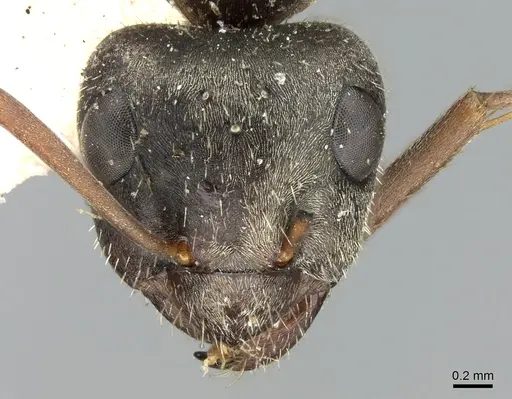
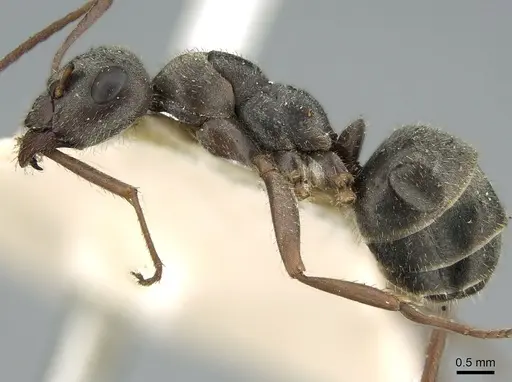
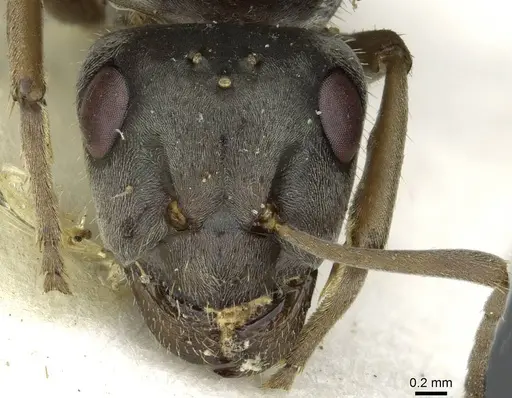
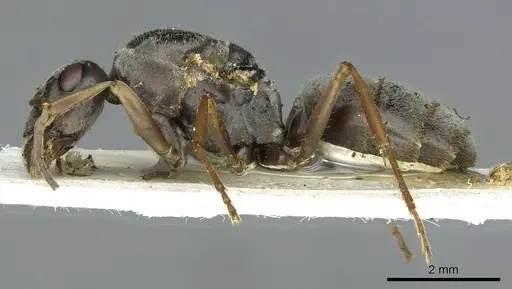
Formica selysi is a medium-sized ant native to riverbank habitats across the Alps and central Europe. Workers are characterized by extreme pilosity, with a dense silvery pubescence covering their dark brown body . They are part of the Formica cinerea group and inhabit dynamic gravel and sand banks along rivers . Queens are larger than workers, but specific body size measurements are not available in the research literature. This species is notable for its social polymorphism, where colonies can be either single-queen (monogyne) or multi-queen (polygyne), controlled by a genetic supergene . It is also highly adapted to flooding, with behaviors like forming floating clusters to survive inundations .
Quick Summary
- Difficulty: Medium
- Origin & Habitat: River banks and gravel bars across the Alps and surrounding regions, from the Pyrenees to the Vosges and northern Italy [4][5]. They prefer dynamic, frequently flooded habitats with coarse gravel and sand [2].
- Colony Type: Socially polymorphic: colonies can be monogyne (single queen) or polygyne (multiple queens), controlled by a supergene [3][6]. Monogyne colonies have one queen, while polygyne colonies have multiple queens.
- Size & Growth:
- Queen: Size data unavailable, no total length measurements in research context
- Worker: Size data unavailable, no total length measurements in research context
- Colony: Up to 3,000 workers for monogyne colonies, up to 30,000 workers for polygyne colonies [7]
- Growth: Moderate
- Development: Unknown, no direct data in research context (Development time likely varies with temperature, no species-specific data available)
- Antkeeping:
- Temperature: Keep nest area at 10-15°C mean temperature, with a maximum of 24-28°C [8]. Provide a gentle gradient for workers to regulate their own temperature.
- Humidity: Keep mostly dry with a humidity gradient, provide a small moist area for brood and drier areas for foraging. This species is xerothermic (dry-heat loving) and adapted to well-drained habitats [2].
- Diapause: Yes, this temperate species requires winter hibernation for 2-3 months at 5-10°C [7].
- Nesting: Y-tong (AAC) or plaster nests work well. Provide a sand/gravel section for natural behavior and ensure good ventilation [2].
- Behavior: Active and aggressive foragers with strong territorial behavior. Workers are quick-moving and confident, showing good nestmate recognition [9][10]. Escape prevention is important as they are good climbers.
- Common Issues: colonies may fail if kept too humid, they prefer drier conditions than typical forest ants, multi-queen colonies can be harder to establish as queens may fight unless compatible, slow founding means beginners may lose patience, queens can take weeks to lay first eggs, wild-caught colonies may carry parasites that cause problems in captivity, their aggressive nature may stress smaller ant species if housed nearby
Nest Preferences and Housing
Formica selysi is a ground-nesting species that naturally colonies in open gravel and sand banks along rivers [2]. In captivity, use Y-tong or plaster nests with a sand/gravel section. Provide a humidity gradient, keep one area damp for brood and drier areas for foraging. Good ventilation is important to prevent mold [2].
Feeding and Diet
These ants are opportunistic predators and scavengers. They accept protein sources like mealworms and crickets, and sugar water or honey [2]. Feed small insects 2-3 times per week and remove uneaten prey after 24 hours.
Temperature and Seasonal Care
Keep nest area at 10-15°C mean temperature, with a maximum of 24-28°C [8]. During winter, provide a 2-3 month diapause at 5-10°C [7]. Do not feed during diapause but keep substrate slightly moist.
Social Structure and Colony Dynamics
Colonies are either monogyne or polygyne, controlled by a supergene [3]. Monogyne colonies have one queen and up to 3,000 workers, while polygyne colonies have multiple queens and up to 30,000 workers [7]. Polygyne colonies are larger and live longer.
Flooding Adaptations
In the wild,72% of nests survive inundations lasting 9-43 hours. Workers form floating clusters with queen and brood, and can dig through deposited sediment [2]. In captivity, ensure good drainage and avoid water features that could flood the nest.
Behavior and Temperament
Workers are active, aggressive foragers with strong nestmate recognition [9][10]. They are efficient predators and will defend against intruders. Use fluon on edges for escape prevention.
Legal and Conservation Notes
This species is threatened in several regions due to habitat loss. It is endangered in Vorarlberg (Austria), threatened in Carinthia, and critically endangered in Bavaria [11][12]. Never release captive colonies into the wild.
Frequently Asked Questions
Can I keep Formica selysi in a test tube?
Test tubes can work for founding, but move to a formicarium once the colony has 20-30 workers. They need more space and a humidity gradient [2].
When should I move my colony to a formicarium?
Move when the test tube is crowded or water runs out, typically with 20-50 workers. Monitor regularly as growth is moderate.
How long until first workers in Formica selysi?
No direct data available, development time likely 6-8 weeks at optimal temperature, inferred from Formica genus patterns.
Can I keep multiple queens together?
This species is socially polymorphic, but combining unrelated foundress queens may lead to fighting. House them separately unless already established as a polygyne colony [6][13].
How big do Formica selysi colonies get?
Monogyne colonies up to 3,000 workers, polygyne colonies up to 30,000 workers [7].
What do Formica selysi eat?
Opportunistic predators and scavengers, feed small insects 2-3 times per week and sugar water [2].
Are Formica selysi good for beginners?
Rated medium difficulty due to specific humidity needs and required hibernation. Not as forgiving as some species.
Do Formica selysi need hibernation?
Yes,2-3 months at 5-10°C is essential for colony health [7].
Why are my Formica selysi dying?
Common causes include too high humidity, poor ventilation, temperatures outside 10-28°C range, or stress during founding [2][8].
Report an Issue
The current care sheet is based fully on literature. See inconsistencies, or something that's incorrect? Please , it will be resolved after review from an admin. Contributing to the blogs tab also helps providing information, to make us be able to further improve the caresheets. Thank you for your support!
References

This caresheet is licensed under CC BY-SA 4.0 .
Community Blogs
ANTWEB1041358
View on AntWeb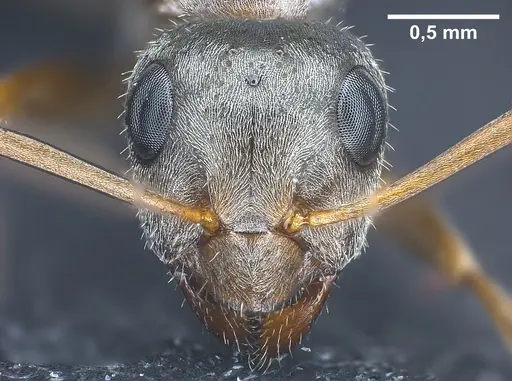
ANTWEB1041463
View on AntWeb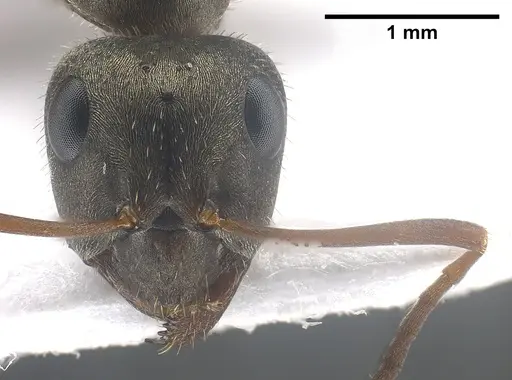
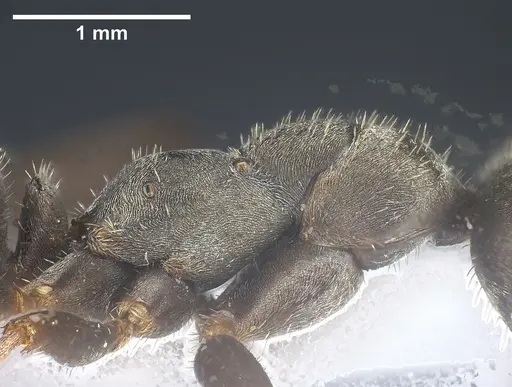
CASENT0906311
View on AntWeb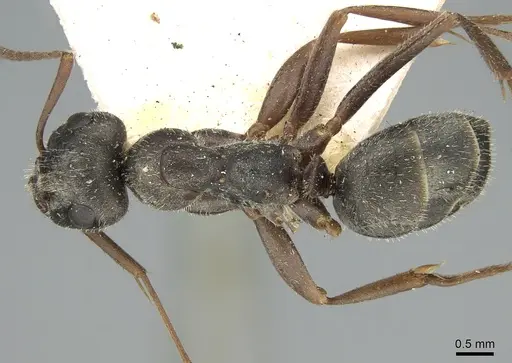
CASENT0913640
View on AntWeb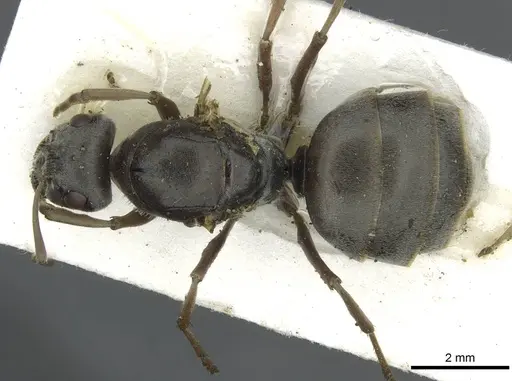
Literature
Loading distribution map...Loading products...