Formica rufibarbis has a tightly defined flight window centered on June. Most nuptial flights occur within just 2 months, making this a highly predictable species for collectors. The concentrated timeframe makes peak months critical for sightings.
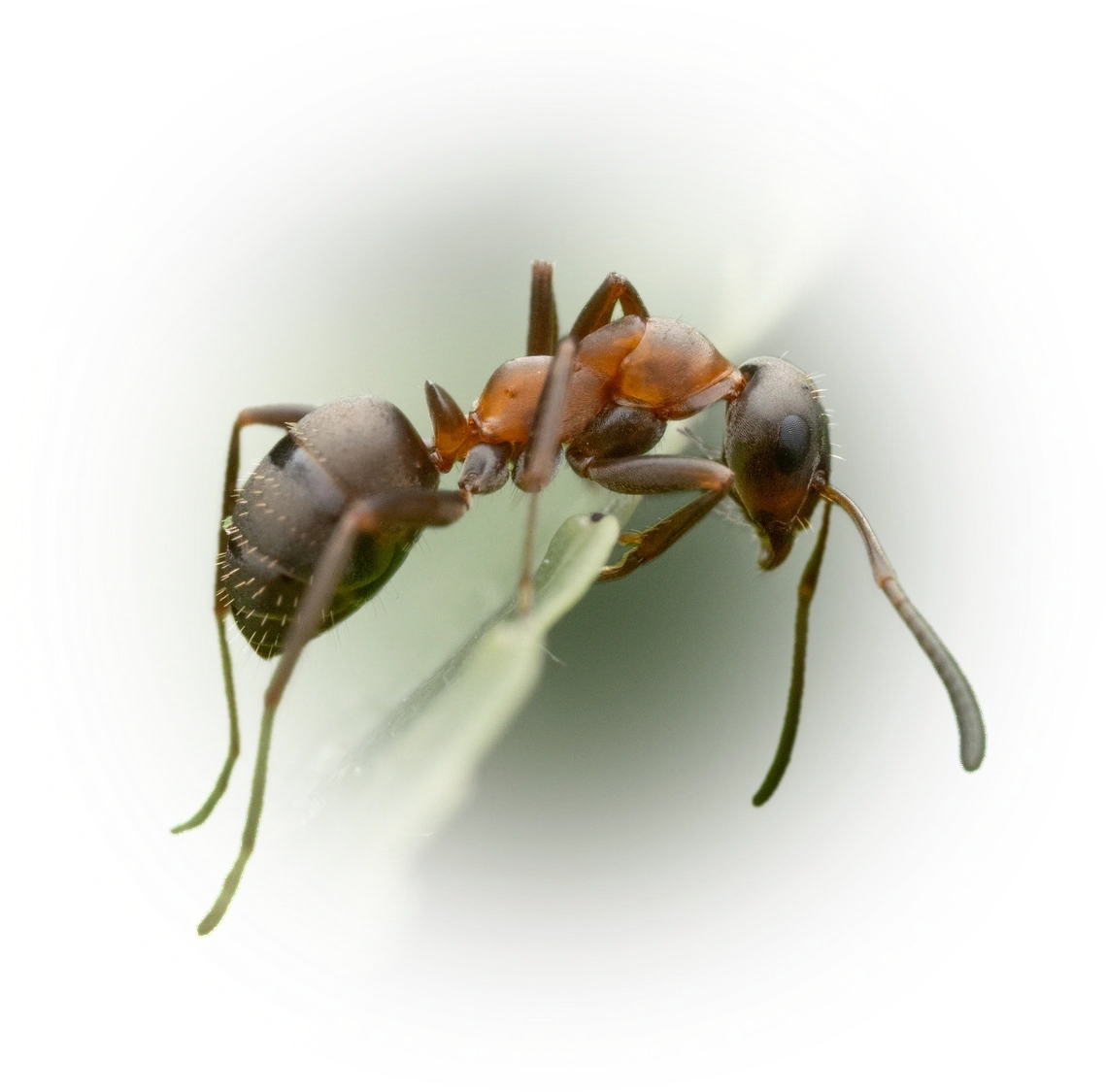
Red-barbed Ant
Formica rufibarbis
- Sci. Name
- Formica rufibarbis
- Tribe
- Formicini
- Subfamily
- Formicinae
- Author
- Fabricius, 1793
- Common Name
- Red-barbed Ant
- Distribution
- Found in 21 countries
- Nuptial Flight
- From June to July
- Peak flight Time
- 17:00
AI Identifiable
try →
Introduction
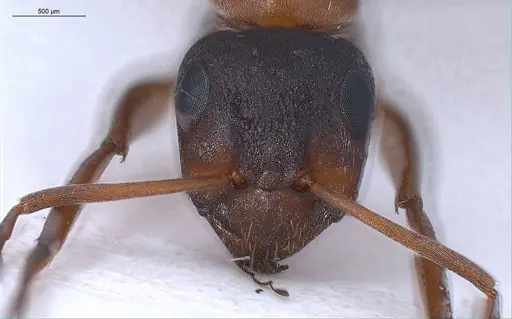
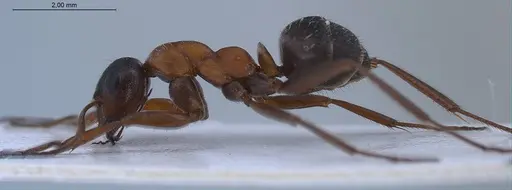
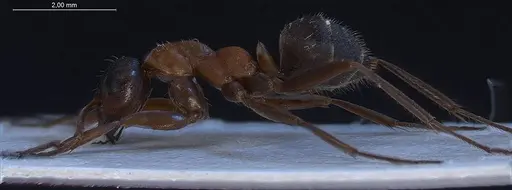
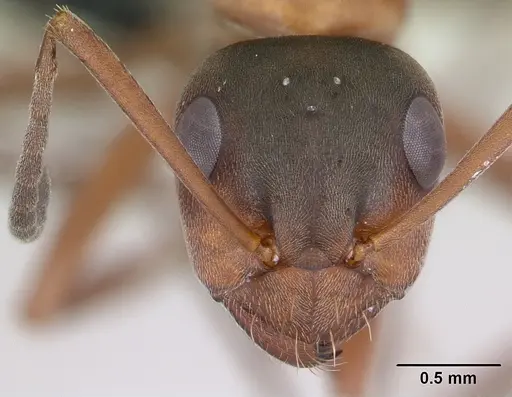
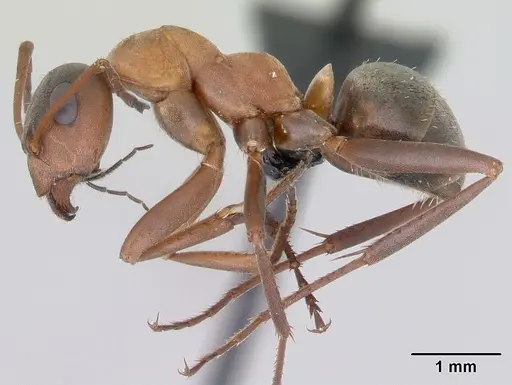
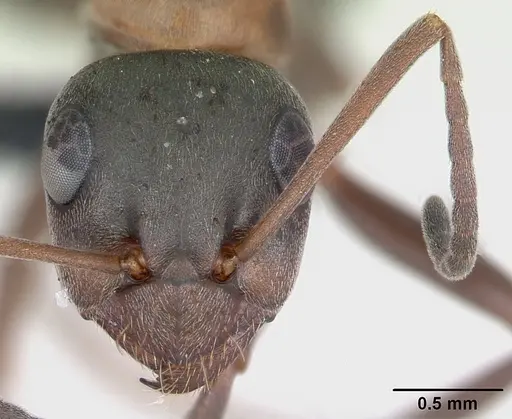
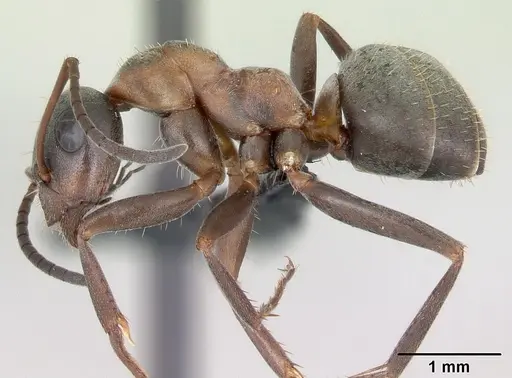
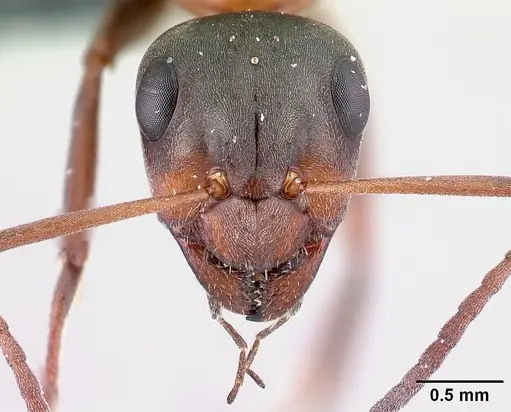
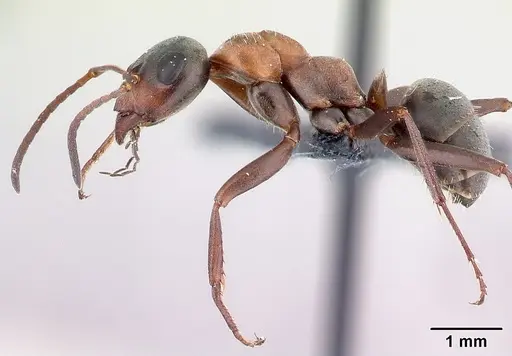
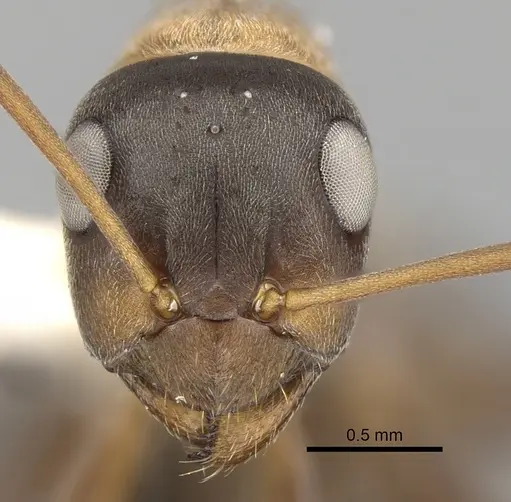
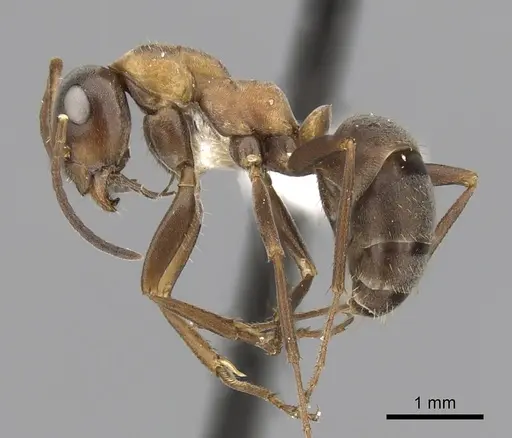
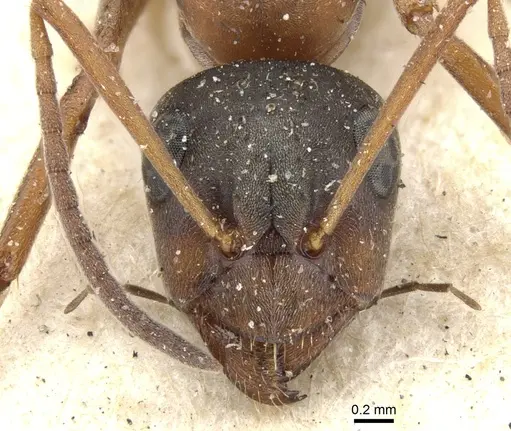
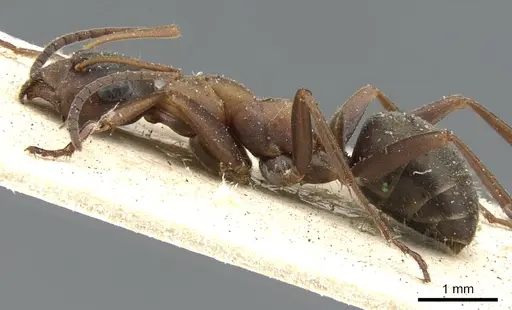
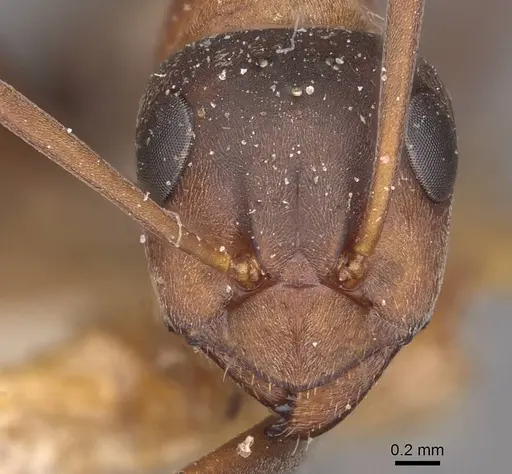
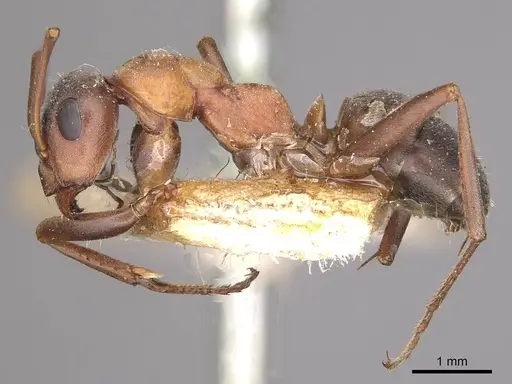
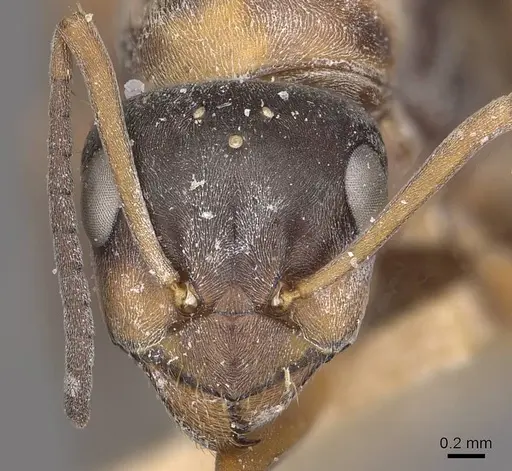
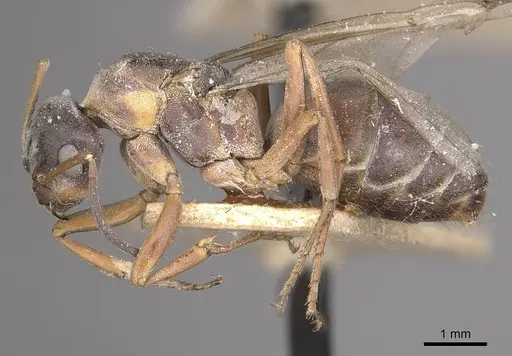
Formica rufibarbis is a medium-sized ant belonging to the Serviformica subgenus, found across Europe from Portugal to Western Siberia (76°E). Workers measure 4.5–7.0 mm with a distinctive bicolored appearance: the head and mesosoma are mainly reddish while the gaster is dark brown to black. The common name “red-bearded ant” comes from the reddish hairs on the front of the head. These ants are highly aggressive predators that readily attack other ant species and insects. They nest in the ground, typically under stones or in small earthen mounds in warm, sunny, open habitats like dry meadows, heathlands, and sandy areas. Mature colonies can contain several hundred workers and may have 2–3 queens .
Warning: It is illegal / protected to catch this species from the wild inside the United Kingdom.
Quick Summary
- Difficulty: Medium
- Origin & Habitat: Europe and temperate Asia, from the Pyrenees to Western Siberia (76°E) and the Southwest Siberian Saur Mountains. In Fennoscandia they reach 61°N in Sweden and Finland, and climb up to 2100 m in the Alps and Caucasus [5]. They inhabit open, well‑lit grassy biotopes, mainly dry meadows and sandy areas with high soil temperature [3].
- Colony Type: Single‑queen colonies (monogyne) with occasional oligogyne colonies containing 2–3 queens. Colonies can reach 500+ workers [3][4].
- Size & Growth:
- Queen: 9–11 mm [6][2]
- Worker: 4.5–7.0 mm [1][2]
- Colony: Up to 500 workers [3][4]
- Growth: Moderate
- Development: 6–8 weeks at optimal temperature (estimated based on related Formica species) (Strategy T species – fast larval development with no larval diapause. Temperature‑dependent development requires warm nest conditions [7][8].)
- Antkeeping:
- Temperature: Keep nest area warm, roughly 24–28 °C. Formica rufibarbis is strongly thermophilic and needs warmth for brood development [5][2]. Provide a temperature gradient so workers can choose.
- Humidity: Low to moderate – keep substrate relatively dry. In the wild they prefer sandy, well‑drained soils with low moisture. Avoid waterlogging [5][9].
- Diapause: Yes – require a winter hibernation period of 3–4 months (November to February) at 5–10 °C. Reduce feeding during this time [2].
- Nesting: Ground‑nesters. Use a naturalistic setup with a digging area of sandy soil or a Y‑tong/plaster nest with chambers. Provide dry substrate and flat stones – they readily nest under stones in captivity [10][11].
- Behavior: Highly aggressive and territorial. Workers actively hunt other ants and insects, making them effective defenders but challenging neighbors in multi‑species setups. They are fast runners and will readily attack intruders. Workers forage individually on the ground and in the herb layer. They tend aphids for honeydew but don’t aggressively guard them [3][4].
- Common Issues: colonies may fail if kept too cold – these ants need warm conditions [5]., aggressive nature makes them unsuitable for mixed ant setups., hibernation failure is common – ensure proper cold period [2]., wild‑caught colonies may carry parasites like Dicrocoelium dendriticum or Labial Gland Disease [17]., avoid over‑watering substrate – they prefer dry conditions [9].
Nuptial Flight Activity Analysis 503 observations
Flight Activity by Hour 503 observations
Formica rufibarbis nuptial flight activity peaks around 17:00 during the afternoon. Activity is spread across a 11-hour window (09:00–19:00). A secondary activity peak occurs around 14:00. Times may be influenced by human observation patterns.
Housing and Nest Setup
Formica rufibarbis is a ground‑nesting species that does well in naturalistic setups with a digging area filled with sandy soil or a Y‑tong/plaster nest with appropriately sized chambers. They prefer relatively dry conditions – keep the substrate moist but not waterlogged, and allow it to dry out partially between waterings. A small water reservoir in the outworld helps maintain humidity without flooding the nest. Because they are aggressive foragers, provide a spacious outworld with foraging area. Escape prevention is important – these ants are good climbers, so apply Fluon or use oil barriers [11][10][2].
Feeding and Diet
These ants are predatory and aggressive hunters. Feed them small live insects like fruit flies, small crickets, and mealworms. They also readily accept sugar sources – offer honey water or sugar water regularly. They tend aphids for honeydew but don’t guard the colonies aggressively like some Formica species [12]. Protein should be available at least twice weekly for growing colonies. Workers forage individually on the ground and in the lower vegetation layer, so place food items where they can easily find them. Remove uneaten prey after 24–48 hours to prevent mold [3][4].
Temperature and Seasonal Care
Formica rufibarbis is strongly thermophilic – they need warm conditions to thrive. Keep the nest area at 24–28 °C with a slight gradient so workers can regulate. In their natural range, they inhabit warm, sunny, open habitats with high soil temperatures [5][2]. During winter (roughly November to February in the Northern Hemisphere), colonies require a hibernation period at 5–10 °C. Reduce or stop feeding during this time and keep the colony relatively dry. Do not attempt to skip hibernation – this species genuinely needs the cold period for long‑term colony health [2].
Behavior and Colony Dynamics
This is one of the more aggressive Formica species. Workers are highly territorial and will readily attack other ant species, making them unsuitable for mixed ant setups. They defend their nests vigorously and have effective alarm responses. Colonies are led by one or occasionally 2–3 egg‑laying queens [13]. Workers forage individually rather than in trails, hunting prey on the ground and lower vegetation. They are known to be effective at defending against social parasites like Polyergus rufescens – unlike the related Formica cunicularia, F. rufibarbis colonies often successfully repel slave‑maker attacks [14][15]. This species also serves as a host for several Lycaenidae butterfly larvae [16].
Reproduction and Nuptial Flights
Nuptial flights occur in late June through July in Central Europe, typically around mid‑July (average July 14 ± 15 days) [5]. Males and new queens emerge from the nest and mate during this period. After mating, queens dig into the ground to start new colonies independently – this is claustral founding where the queen seals herself in a chamber and raises the first worker brood alone using stored fat reserves [7][8]. The species can also form new colonies through nest‑splitting, and facultative pleometrosis (multiple queens starting a colony together) has been documented [7]. New colonies grow relatively quickly once the first workers emerge.
Common Problems and Health
The most common issues keeping Formica rufibarbis relate to temperature and seasonal care. Because they are strongly thermophilic, colonies often fail if kept too cold – ensure your setup provides adequate warmth [5]. Proper hibernation is essential – colonies that don’t receive a proper cold period may decline over time [2]. These ants are known to be susceptible to Labial Gland Disease [1] and can serve as intermediate hosts for the liver fluke Dicrocoelium dendriticum – while this won’t affect your colony directly, avoid collecting wild ants from areas where livestock graze [17]. Finally, be aware that wild‑caught colonies may carry parasites that can devastate captive colonies – quarantine and observe new colonies carefully.
Frequently Asked Questions
How long does it take for Formica rufibarbis to produce first workers?
First workers (nanitics) typically appear 6–8 weeks after the queen lays eggs, assuming optimal temperature (around 24–28 °C). This is faster than many Formica species due to their Strategy T development [7][8].
Can I keep multiple queens together?
While oligogyne colonies (2–3 queens) occur naturally in the wild [13], combining unrelated foundress queens is not recommended. These ants can be aggressive toward each other, and pleometrosis has only been observed under specific natural conditions, not in captivity [7].
What temperature do they need?
Keep nest temperatures at 24–28 °C with a gradient. This is a strongly thermophilic species that requires warm conditions for proper brood development. Room temperature may be too cold – consider using a small heating cable on part of the nest [5][2].
Do they need hibernation?
Yes, they require a winter dormancy period of 3–4 months at 5–10 °C (roughly November to February). Reduce feeding and keep the colony relatively dry during this period [2].
Are Formica rufibarbis good for beginners?
They are rated as medium difficulty. While not the hardest species, they do require attention to temperature (they need it warm), proper hibernation, and should be kept alone due to their aggressive nature. Not recommended as a first ant for complete beginners.
Why are my Formica rufibarbis dying?
Common causes include: temperatures too low (they need warmth), improper hibernation, mold from over‑wetting the substrate, or parasites from wild‑caught colonies. Check your temperature setup first – this is the most common issue with this thermophilic species [5][2].
When is the nuptial flight of Formica rufibarbis?
The nuptial flight of Formica rufibarbis typically occurs From June to July.
What time of day does Formica rufibarbis fly?
The nuptial flight of Formica rufibarbis peaks around 17:00 during the afternoon, with most activity between 09:00 and 19:00. Times may be influenced by human observation patterns.
Report an Issue
The current care sheet is based fully on literature. See inconsistencies, or something that's incorrect? Please , it will be resolved after review from an admin. Contributing to the blogs tab also helps providing information, to make us be able to further improve the caresheets. Thank you for your support!
References

This caresheet is licensed under CC BY-SA 4.0 .
Community Blogs
ANTWEB1008421
View on AntWeb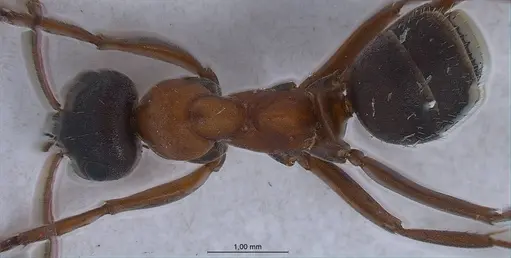
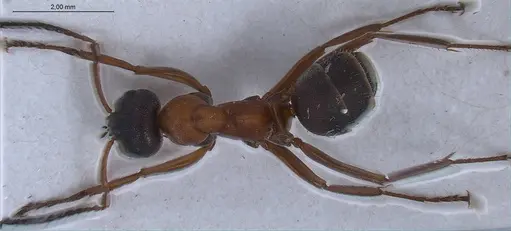
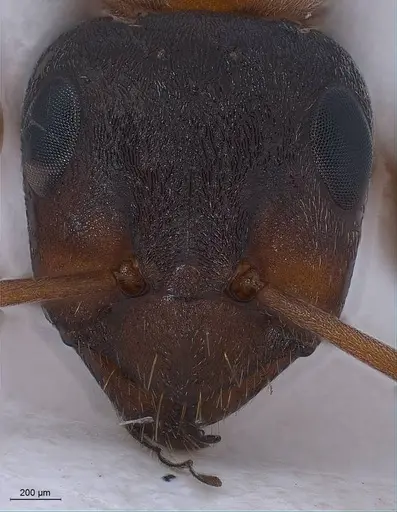
CASENT0173858
View on AntWeb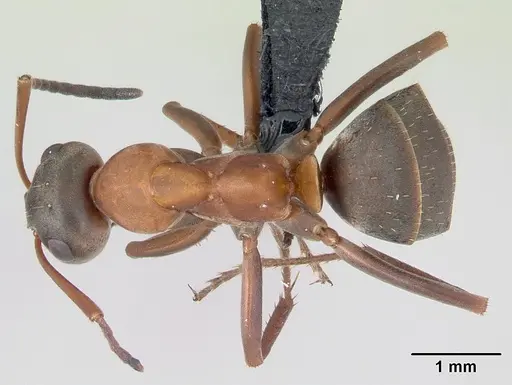
CASENT0173870
View on AntWeb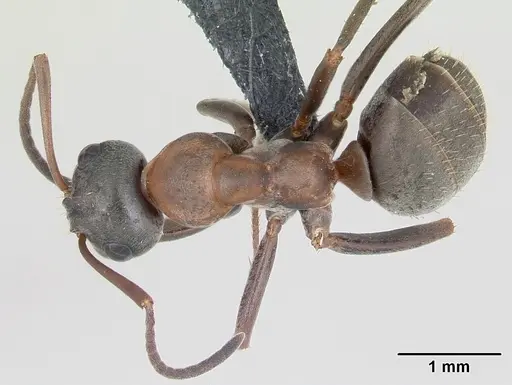
CASENT0179942
View on AntWeb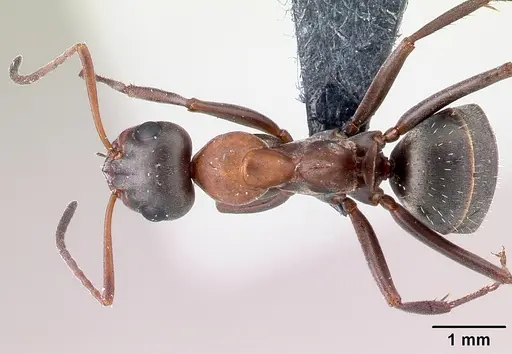
CASENT0280392
View on AntWeb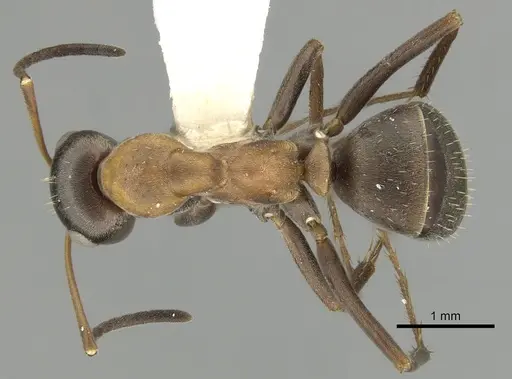
CASENT0903271
View on AntWeb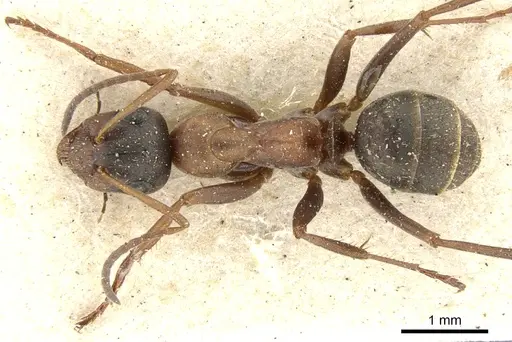
CASENT0911067
View on AntWeb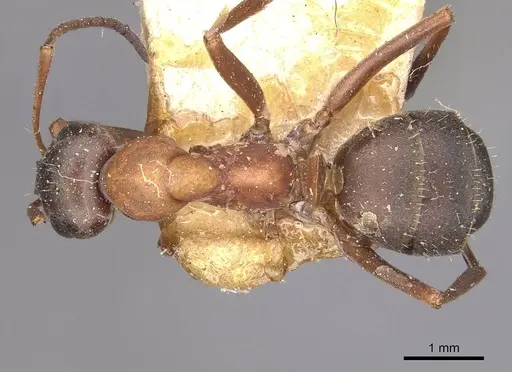
CASENT0911075
View on AntWeb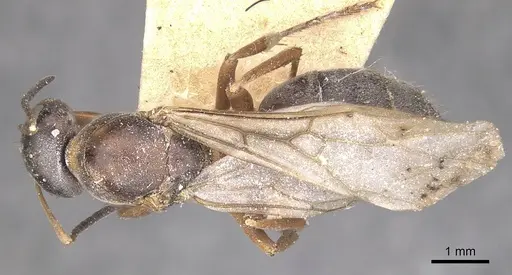
Literature
Loading distribution map...Loading products...