
Formica querquetulana
- Sci. Name
- Formica querquetulana
- Tribe
- Formicini
- Subfamily
- Formicinae
- Author
- Kennedy & Dennis, 1937
- Distribution
- Found in 1 countries
Introduction
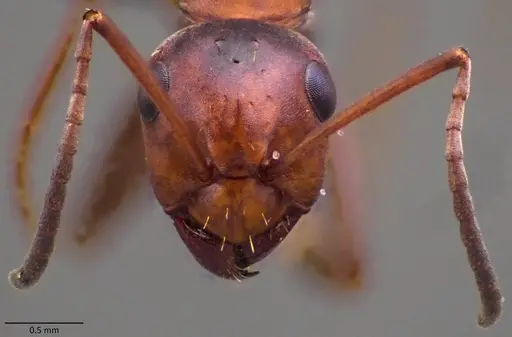
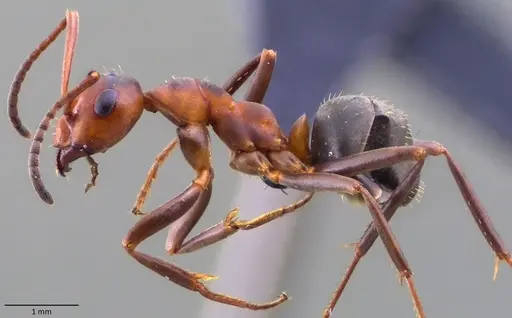
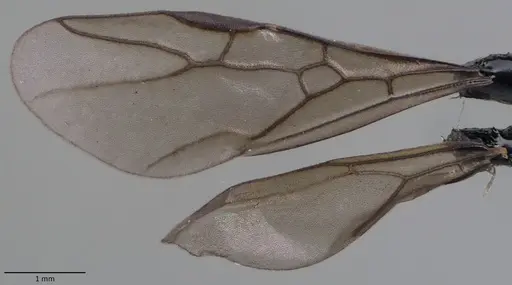
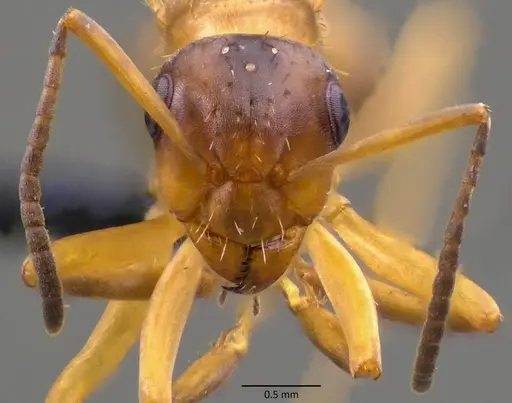
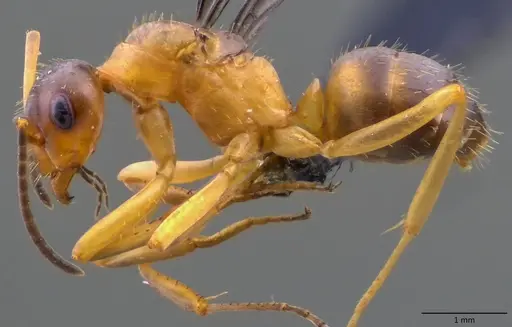
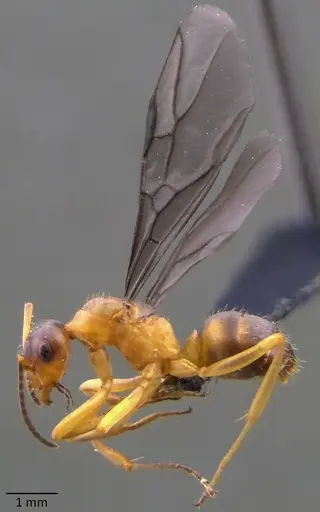
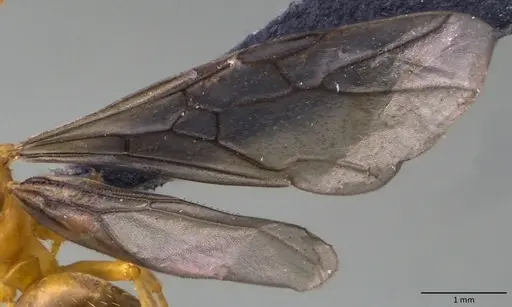
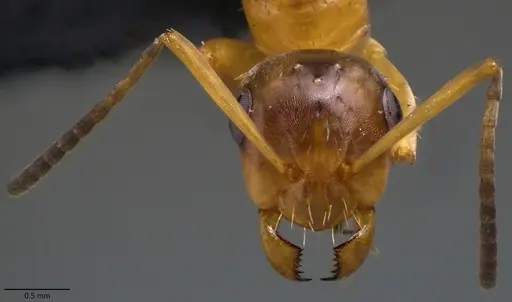
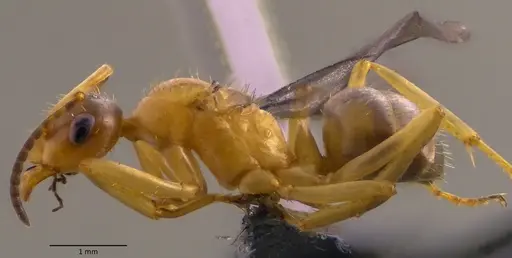
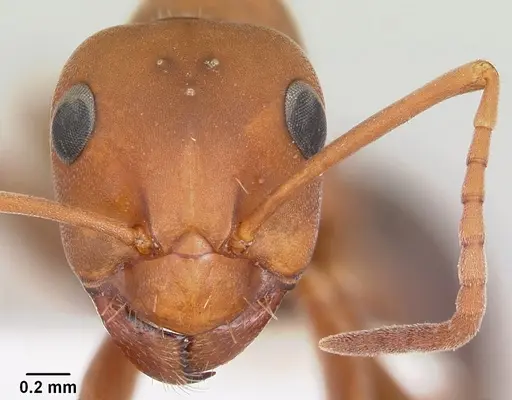
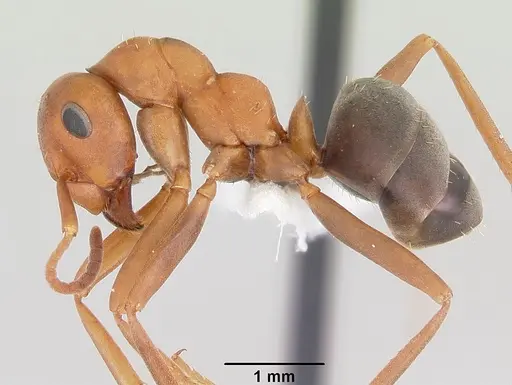
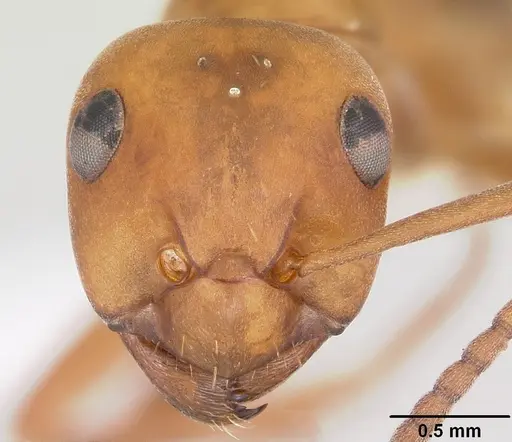
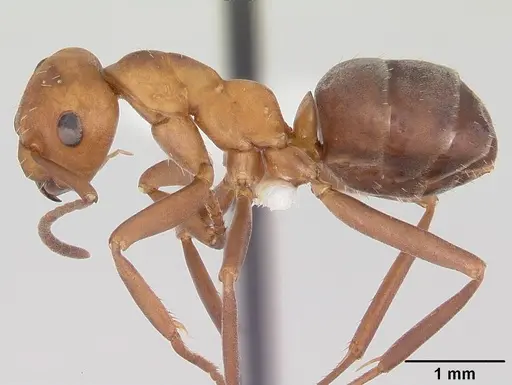
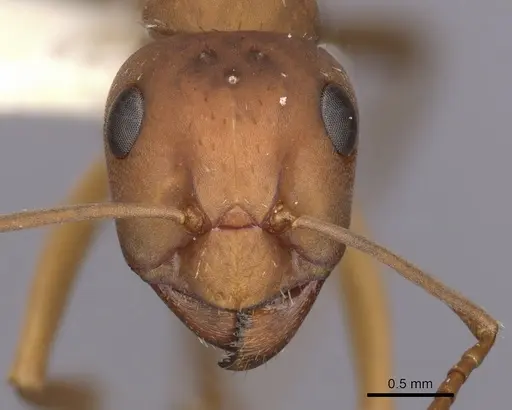
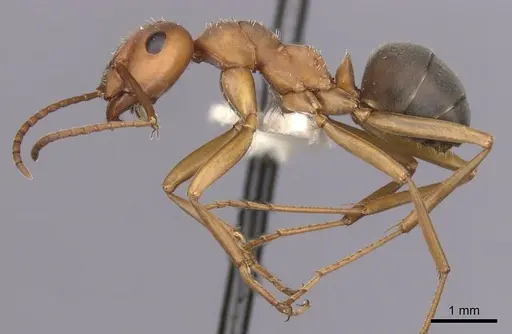
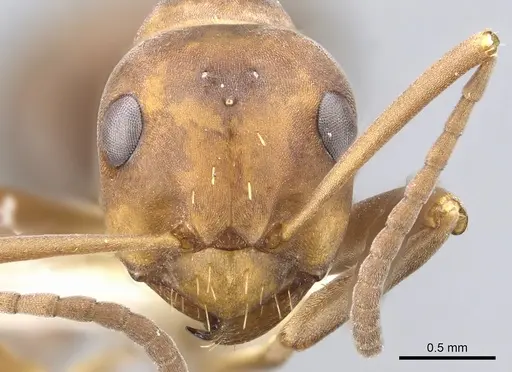
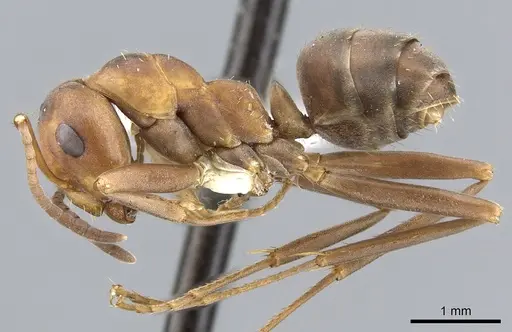
Formica querquetulana is a small ant with workers measuring 4-6mm in length . The species is reddish-brown to dark brown, with color varying by worker size - smaller workers appear dingy while larger workers are relatively brightly colored . This ant belongs to the microgyna group, characterized by notably small queens that are about two-thirds the size of the largest workers . Workers have distinctive erect, blunt-tipped hairs on the mesosoma and propodeum, which helps separate them from similar species . The species ranges across North America from New England west to Montana, Nevada, and California, with records from New York south to Florida and Texas . This ant is a temporary host species - it can be enslaved by other Formica species and serves as a temporary host for parasitic species .
Quick Summary
- Difficulty: Medium
- Origin & Habitat: Native to North America. Found in varied habitats including dry sandy areas, oak savanna, prairie openings, pine barrens, and wooded areas [1][3][4]. In Nevada, recorded at 11,200 feet in the Alpine Biome [2].
- Colony Type: Temporary host species, small queens may be enslaved by other Formica species. Established colonies follow typical Formica patterns with single queens.
- Size & Growth:
- Queen: Approximately 2/3 worker size, estimated 3-4mm [2]
- Worker: 4.0-6.0mm [1]
- Colony: Unknown maximum, typical Formica colonies reach hundreds to thousands of workers
- Growth: Moderate, inferred from related Formica species
- Development: 6-10 weeks, estimated based on typical Formica development at optimal temperature (Timeline inferred from related Formica species. Queens are small so initial colony growth may be slower.)
- Antkeeping:
- Temperature: Keep at room temperature around 20-24°C. This species tolerates a range of conditions from cooler northern habitats to warmer southern areas [1]. A gentle temperature gradient allows ants to self-regulate.
- Humidity: Moderate, they inhabit varied conditions from dry sandy areas to wooded habitats. Keep nest substrate slightly moist but allow some drying between waterings. Avoid both waterlogged and completely dry conditions.
- Diapause: Yes, as a temperate species, colonies benefit from a winter rest period. Reduce temperature to 10-15°C for 3-4 months during winter, mimicking natural seasonal cycles.
- Nesting: Use a standard formicarium or test tube setup. In nature they nest in soil and under stones in wooded areas and prairie openings [1]. Y-tong or plaster nests work well. Provide a moisture gradient so ants can choose their preferred humidity zone.
- Behavior: Workers are moderately active and foragers. As a temporary host species, founding queens may be enslaved by other Formica species. Established colonies show typical Formica behavior, defensive of the nest but not unusually aggressive. Workers lack a functional sting but can spray formic acid as defense. Escape prevention is important as workers are agile and can climb smooth surfaces.
- Common Issues: colonies may fail if the queen is enslaved during colony founding, this makes initial establishment challenging, small queen size means limited fat reserves, founding colonies are vulnerable during the founding period, rare in the wild so wild-caught colonies are uncommon, limited availability for keepers, dry conditions can be problematic, they prefer moderate moisture in nesting areas, winter die-off can occur if diapause conditions are not provided or if temperature drops too low
Understanding Formica querquetulana's Role in the Colony System
Formica querquetulana belongs to the microgyna species group, which is characterized by notably small queens. Unlike some related Formica species that are temporary social parasites, F. querquetulana is primarily a host species, it can be enslaved by other Formica species and may serve as a temporary host for parasitic species [2]. In the wild, founding queens may be taken into established colonies of other Formica species where they become integrated into the host colony. For antkeepers, this means obtaining an established colony is typically easier than starting from a lone queen, as the parasitic dynamic in captivity is complex.
Housing and Nest Setup
These ants do well in standard formicarium setups. In the wild, they nest in soil and under stones in wooded areas and prairie openings, so provide a nest chamber with access to soil or a suitable substrate [1]. Y-tong nests, plaster nests, and naturalistic setups all work well. The key is providing a moisture gradient, one side of the nest should be slightly moist while the other remains drier, allowing the colony to self-regulate humidity. Connect the nest to an outworld where you can provide food. Ensure all connections are secure as Formica workers are agile climbers that can exploit small gaps.
Feeding and Diet
Formica querquetulana workers are generalist foragers that consume honeydew, nectar, and small insects. In captivity, offer a consistent sugar source (honey water or sugar water) and protein-rich foods like small crickets, mealworms, or other insects. They are not specialized predators, so standard ant feeding protocols apply. Feed protein 2-3 times per week and keep sugar water available at all times. Remove uneaten prey after 24-48 hours to prevent mold. Workers will recruit nestmates to larger food finds through chemical trails.
Seasonal Care and Overwintering
As a temperate species native to regions with cold winters, Formica querquetulana requires a diapause period. During autumn, gradually reduce temperatures over 2-3 weeks, then maintain 10-15°C for 3-4 months. This mimics natural seasonal cycles and helps maintain colony health. Do not feed during diapause, but provide a small water source to prevent dehydration. In spring, gradually warm the colony back to room temperature and resume normal feeding. Colonies that are not given proper winter rest may become lethargic or have reduced lifespans. The high-altitude Nevada populations particularly demonstrate this species' adaptation to cold conditions [2].
Behavior and Temperament
Established colonies of Formica querquetulana display typical Formica behavior, they are defensive of their nest but not unusually aggressive toward keepers. Workers are active foragers and will explore their outworld in search of food. They lack a functional sting but can spray formic acid as a defense mechanism when threatened. This spray is the primary way these ants defend themselves. Workers communicate through chemical signals and will recruit nestmates to food sources. Their small size means they can squeeze through small gaps, so ensure escape prevention measures are in place.
Frequently Asked Questions
How long does it take for Formica querquetulana to develop from egg to worker?
Based on typical Formica development patterns, expect approximately 6-10 weeks from egg to first worker at optimal temperatures around 20-24°C. The exact timeline for this specific species has not been documented, but related Formica species follow similar development timelines.
Are Formica querquetulana ants good for beginners?
This species is rated as medium difficulty. While not the most challenging ant to keep, the potential for parasitic dynamics during colony founding makes initial establishment more complex than non-parasitic species. Established colonies are relatively straightforward to maintain. Beginners should research the host-parasite relationship before acquiring this species.
What do Formica querquetulana ants eat?
They are generalist feeders that accept sugar sources (honey water, sugar water, nectar) and protein (small insects like crickets, mealworms, fruit flies). In the wild, they also consume honeydew from aphids. Offer protein 2-3 times per week and keep sugar water constantly available.
Do Formica querquetulana colonies need hibernation?
Yes, they benefit from a winter rest period. As a temperate species native to regions with cold winters, reduce temperatures to 10-15°C for 3-4 months during winter. This diapause period is important for colony health and longevity. Gradually transition into and out of hibernation over 2-3 weeks each direction.
How big do Formica querquetulana colonies get?
The exact maximum colony size is not documented in research. Typical Formica colonies reach hundreds to thousands of workers. Given the small queen size, expect moderate colony growth compared to larger Formica species. Established colonies should eventually reach several hundred workers.
Can I keep multiple Formica querquetulana queens together?
This is not recommended. While F. querquetulana can be integrated into other Formica colonies in the wild, combining unrelated foundress queens of the same species has not been documented and would likely result in aggression. Each colony should start with one queen.
What temperature do Formica querquetulana ants need?
Keep them at room temperature, ideally around 20-24°C. They can tolerate cooler conditions given their northern and high-altitude distribution, but optimal development occurs in this range. A gentle temperature gradient allows ants to self-regulate their preferred temperature zone.
Where is Formica querquetulana found in the wild?
This species ranges across North America, from New England west to Montana, Nevada, and California. They inhabit varied environments including wooded areas, oak savanna, prairie openings, dry sandy habitats, and pine barrens [1][3][4].
Report an Issue
The current care sheet is based fully on literature. See inconsistencies, or something that's incorrect? Please , it will be resolved after review from an admin. Contributing to the blogs tab also helps providing information, to make us be able to further improve the caresheets. Thank you for your support!
References

This caresheet is licensed under CC BY-SA 4.0 .
Community Blogs
ANTWEB1060097
View on AntWeb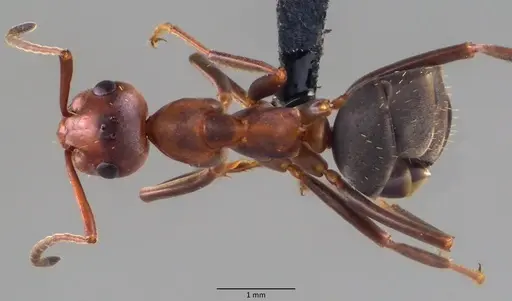
ANTWEB1060098
View on AntWeb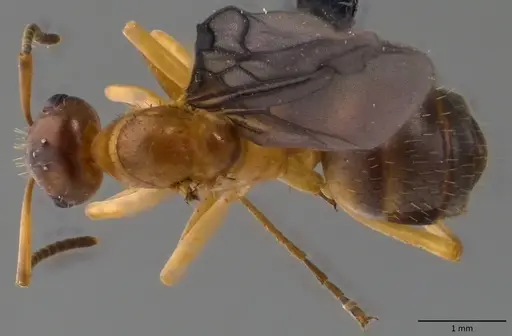
ANTWEB1060099
View on AntWeb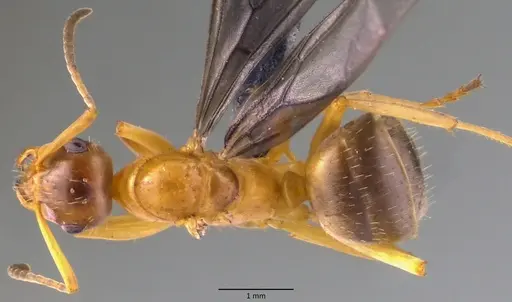
CASENT0005289
View on AntWeb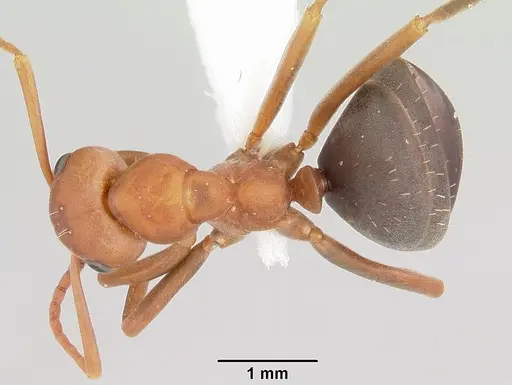
CASENT0005290
View on AntWeb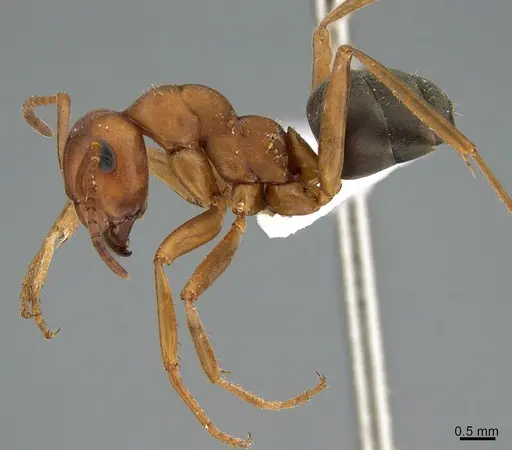
CASENT0104870
View on AntWeb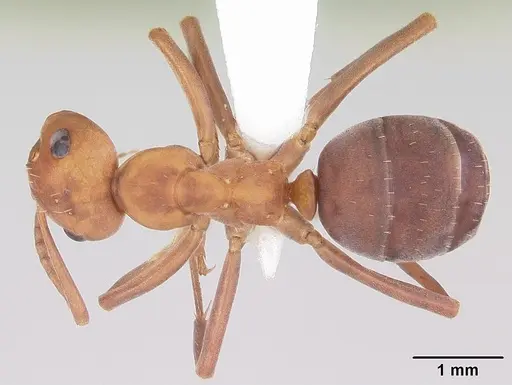
CASENT0280417
View on AntWeb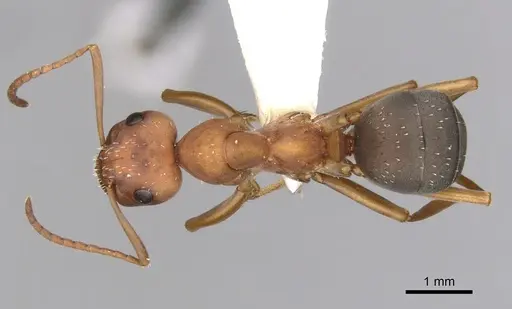
CASENT0903284
View on AntWeb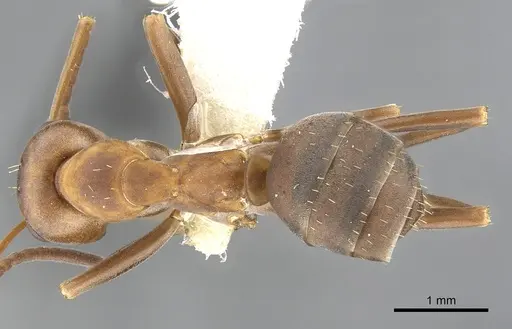
Literature
Loading distribution map...Loading products...