
Formica puberula
- Sci. Name
- Formica puberula
- Tribe
- Formicini
- Subfamily
- Formicinae
- Author
- Emery, 1893
- Distribution
- Found in 2 countries
Introduction
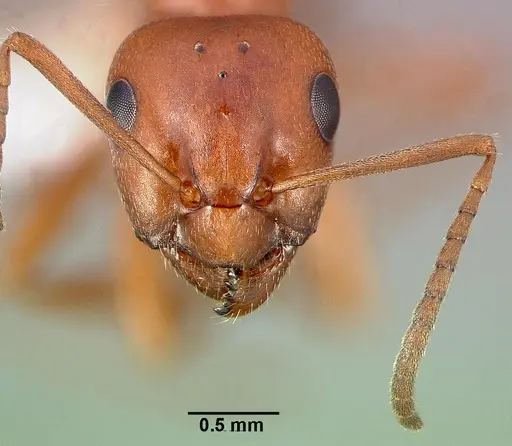
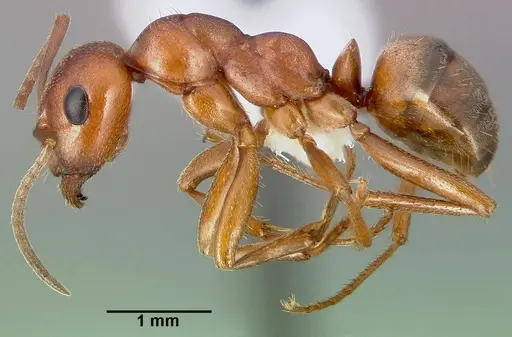
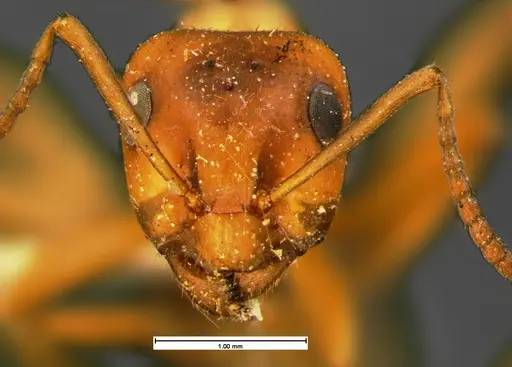
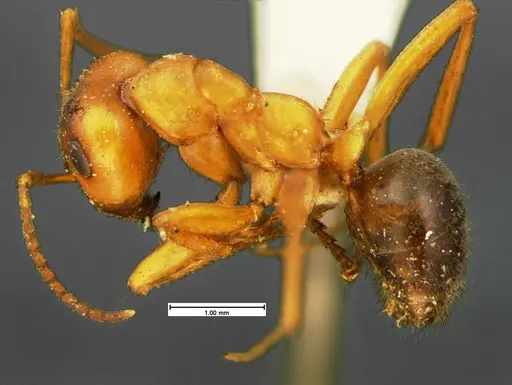
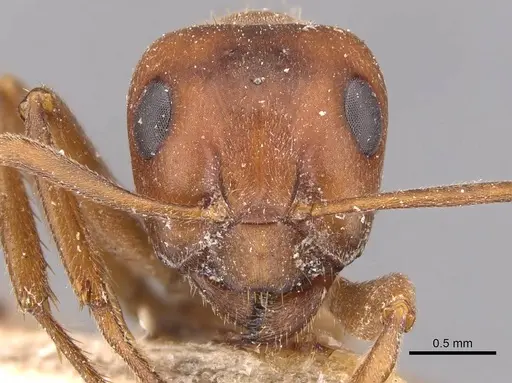
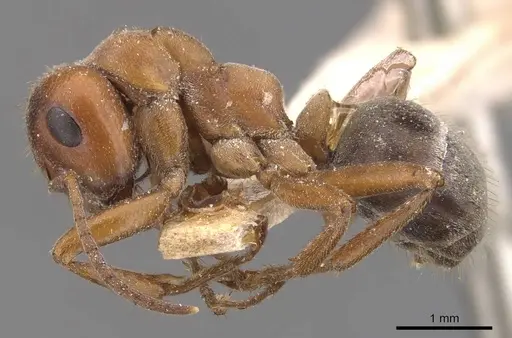
Formica puberula is a medium-sized ant native to western North America, ranging from the southwestern United States to southern Canada. Workers are typically 5-7 mm in length and have a reddish-black coloration. They nest under stones, logs, or in soil mounds at elevations between 4,500-8,200 feet in habitats like sagebrush scrub, grasslands, and coniferous forests . This species is a facultative slavemaker, meaning it can survive without slaves but often raids other Formica colonies to enslave workers and brood .
Quick Summary
- Difficulty: Medium
- Origin & Habitat: Western North America, including the United States and southern Canada. Found in sagebrush scrub, grasslands, mixed forests, ponderosa pine and aspen forests, and urban habitats [1]. In Nevada, they occur at 4,500-8,200 ft elevation in coniferous forest biomes and mountain meadows [3].
- Colony Type: Facultative slavemaker, queen number unconfirmed [1]. Colonies typically enslave workers from Formica neogagates, fusca, and pallidefulva species groups [1].
- Size & Growth:
- Queen: Size data unavailable for queens, inferred from Formica genus as ~8-10 mm [1].
- Worker: 5-7 mm [1].
- Colony: Up to several thousand workers at maturity [1].
- Growth: Moderate
- Development: Estimated 6-8 weeks at optimal temperature [1]. (Development time inferred from related Formica species, direct measurements not available for this species.)
- Antkeeping:
- Temperature: Keep at room temperature (20-24°C) with a slight gradient [1].
- Humidity: Provide a humidity gradient, keep nest substrate consistently moist but not waterlogged, mimicking under-stone conditions [1].
- Diapause: Yes, based on genus patterns and geographic range, provide 3-4 months of winter dormancy at 5-10°C.
- Nesting: Y-tong (AAC) or plaster nests work well, provide test tube setup for founding colonies, then move to formicarium once established [1].
- Behavior: Workers spray formic acid for defense, as they lack a functional sting. They are moderately aggressive during raids but generally calm in captivity. Escape risk is moderate due to their size, use standard Formica escape prevention [1].
- Common Issues: slave-raiding behavior can cause stress to nearby ant colonies if housed together, keep them isolated, winter dormancy is essential, skipping hibernation will weaken or kill the colony over time, laboulbenia formicarum fungus can infect workers, reducing lifespan [5], founding queens may fail to establish if they cannot find a suitable host colony
Nest Preferences and Housing
In the wild, Formica puberula nests under stones, logs, or builds small soil mounds at the base of trees like aspen. They prefer shaded locations in coniferous forests and mountain meadows at higher elevations [1]. For captive care, a Y-tong (AAC) nest or plaster formicarium works well, these mimic the damp, stable conditions under stones. Founding colonies can be started in a test tube setup, but established colonies need more space. Provide a water tube for humidity but avoid flooding the nest chambers. They do best with a moderate humidity level and some ventilation to prevent mold [1].
Feeding and Diet
Formica puberula is omnivorous with a preference for protein and sugar. They tend aphids for honeydew in the wild and are mutualistic with several aphid species including Aphis salicariae, Aphis varians, and Rhopalosiphum nymphaeae [4]. In captivity, offer sugar water or honey as a constant energy source, and protein sources like mealworms, crickets, or other insects 2-3 times per week. They will also scavenge on dead insects. Because they are slavemakers, you can optionally provide them with Formica host species workers if the colony is established enough to support enslaved workers [1].
Temperature and Seasonal Care
Keep Formica puberula at room temperature (20-24°C) with a slight thermal gradient so workers can choose their preferred zone. They naturally occur in temperate regions and higher elevations, so they can tolerate cooler temperatures than tropical species. More importantly, they require a proper winter dormancy period, plan for 3-4 months of hibernation at 5-10°C during winter months. In their native range, they experience cold winters at elevations above 4,500 feet. Skipping hibernation will weaken the colony and can lead to death over time. Initial spring activity has been observed starting around April [3].
Slave-Making Behavior
Formica puberula is a facultative slavemaker in the Formica sanguinea group. This means they can survive without slaves but typically have them. Queens use parasitic founding, they invade small colonies of other Formica species (typically from the neogagates, fusca, and pallidefulva species groups), somehow eliminate the host queen, and get the host workers to accept them. The workers that emerge from the captured brood become enslaved and work for the slavemaker colony. Once established, raiding parties go out to capture more slaves from nearby Formica colonies [2][1]. In captivity, this behavior is mostly of academic interest, you don't need to provide host species unless you want to observe the raiding behavior, and doing so adds complexity.
Health and Common Problems
One specific health concern for Formica puberula is infection by the fungus Laboulbenia formicarum. This parasite attaches to workers and can be quite abundant on infested individuals. Infested workers continue foraging seemingly unaffected, but the infection likely reduces overall lifespan [5]. Other common issues include: colony stress from improper hibernation, escape attempts (moderate risk for this size), and difficulty with founding queens who may fail to establish if they can't find a suitable host colony. Always use proper escape prevention and maintain appropriate seasonal temperature cycles.
Frequently Asked Questions
Is Formica puberula a good beginner ant?
No, Formica puberula is not recommended for beginners. They are facultative slavemakers with parasitic founding behavior, which makes them more difficult to establish than typical ants. They also require proper hibernation and have specific housing needs. If you're interested in Formica ants, start with easier species like Formica rufa or Lasius niger.
How long does it take for Formica puberula to produce first workers?
Estimated 6-8 weeks from egg to worker at optimal temperature (around 22°C). This is based on typical development times for related Formica species, as specific development data for Formica puberula is not available [1].
What temperature do Formica puberula ants need?
Keep them at room temperature, ideally 20-24°C. They can tolerate cooler conditions since they naturally occur at higher elevations in western North America. A slight thermal gradient in the nest allows workers to regulate their own temperature [1].
Do Formica puberula need hibernation?
Yes, hibernation is essential. Based on genus patterns and geographic range, they require 3-4 months of winter dormancy at 5-10°C each year. In their native range, they experience cold winters at elevations between 4,500-8,200 feet. Skipping hibernation will weaken and eventually kill the colony.
Can I keep multiple Formica puberula queens together?
Formica puberula colonies are typically founded through parasitic means (queen invades host colony), so combining unrelated foundress queens is not recommended and has not been documented. Established colonies may have multiple queens, but this is different from introducing new queens to an existing colony [1].
What do Formica puberula eat?
They are omnivorous with a preference for protein and sugar. Offer sugar water or honey constantly, and protein sources like mealworms, crickets, or other insects 2-3 times weekly. They also tend aphids for honeydew in the wild [4].
How big do Formica puberula colonies get?
Colonies can reach up to several thousand workers at maturity, based on related Formica species [1].
When is Formica puberula active?
Initial spring activity has been observed starting around April in their native range. They are active during the warm months and enter dormancy for winter [3].
What makes Formica puberula different from other ants?
Formica puberula is a facultative slavemaker, one of the few ant species that raids other ant colonies to enslave workers. Queens don't found colonies the normal way, instead, they invade existing Formica colonies and take over by killing the host queen [2][1].
What nest type is best for Formica puberula?
Y-tong (AAC) nests or plaster formicariums work well. They mimic the under-stone conditions these ants prefer in the wild. Provide moderate humidity and ensure the nest has chambers scaled to their medium size (5-7mm workers) [1].
Report an Issue
The current care sheet is based fully on literature. See inconsistencies, or something that's incorrect? Please , it will be resolved after review from an admin. Contributing to the blogs tab also helps providing information, to make us be able to further improve the caresheets. Thank you for your support!
References

This caresheet is licensed under CC BY-SA 4.0 .
Community Blogs
CASENT0005396
View on AntWeb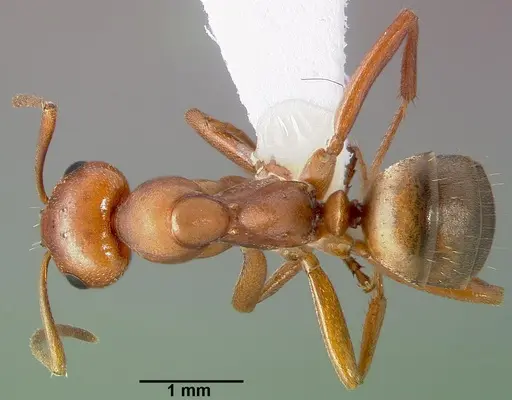
CASENT0105609
View on AntWeb
CASENT0280423
View on AntWeb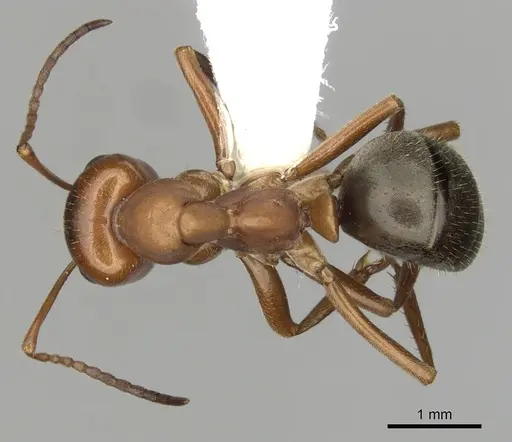
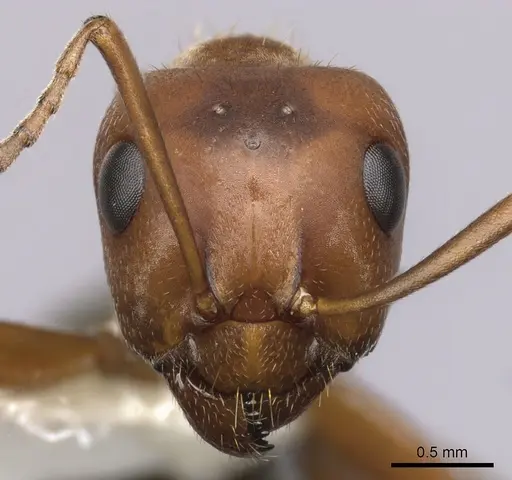
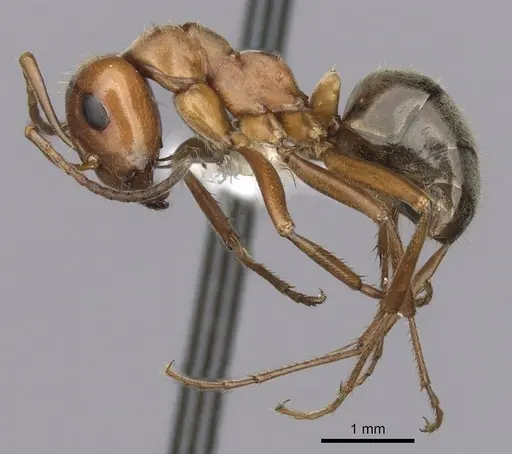
CASENT0843935
View on AntWeb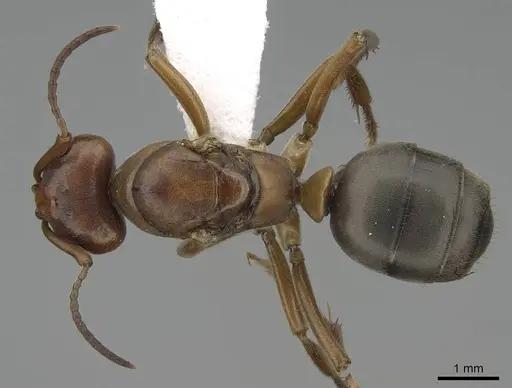
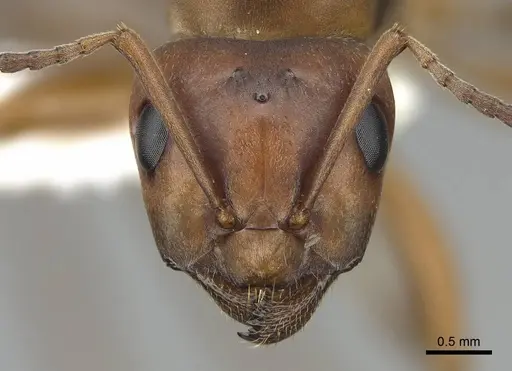
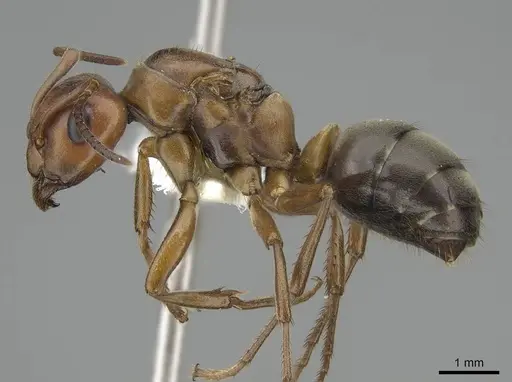
CASENT0905696
View on AntWeb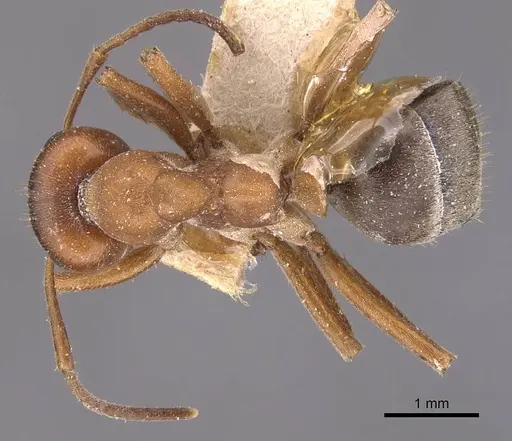
Literature
Loading distribution map...Loading products...