
Podzol Ant
Formica podzolica
- Sci. Name
- Formica podzolica
- Tribe
- Formicini
- Subfamily
- Formicinae
- Author
- Francoeur, 1973
- Common Name
- Podzol Ant
- Distribution
- Found in 2 countries
Introduction
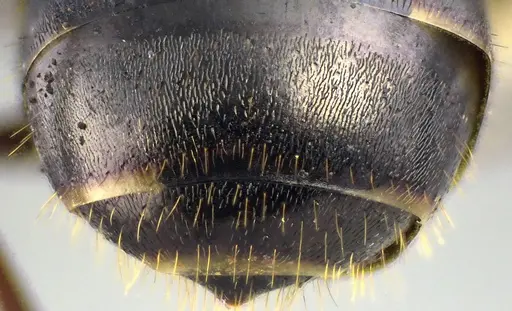
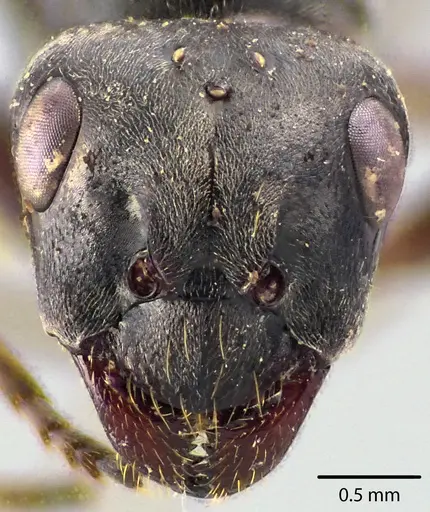
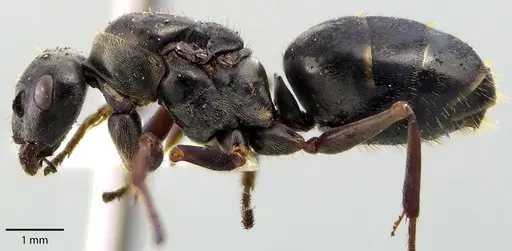
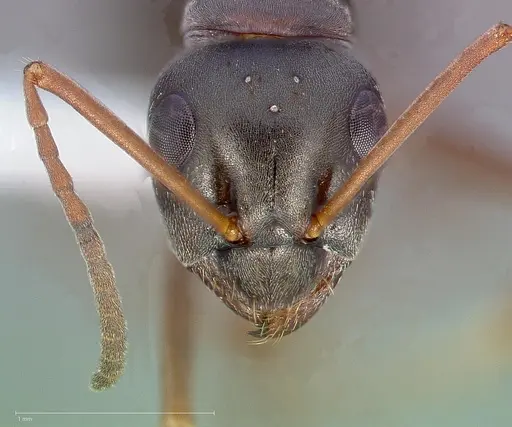
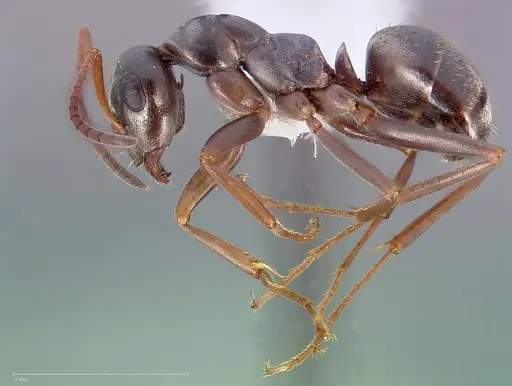
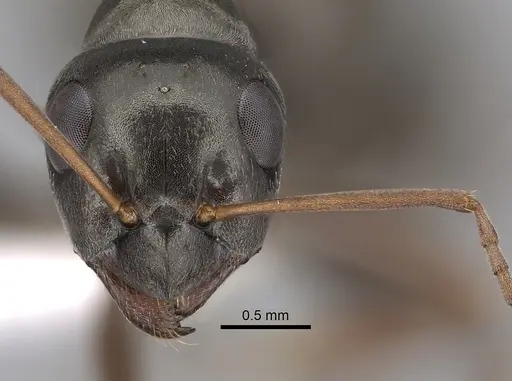
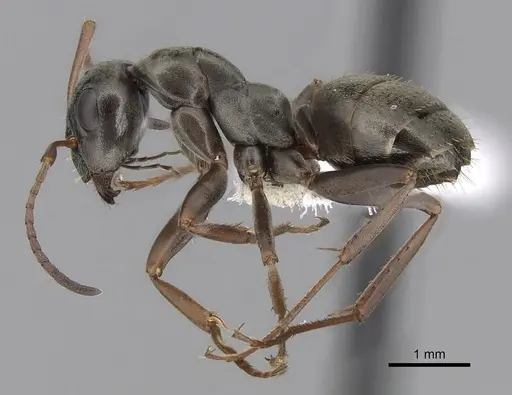
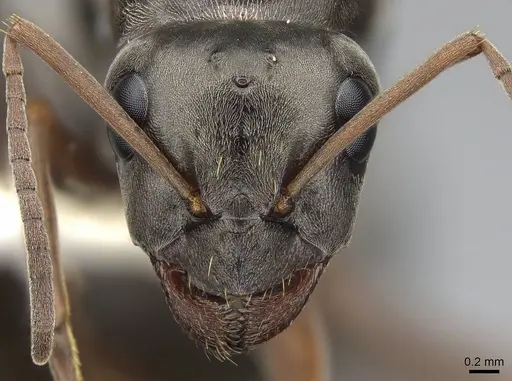
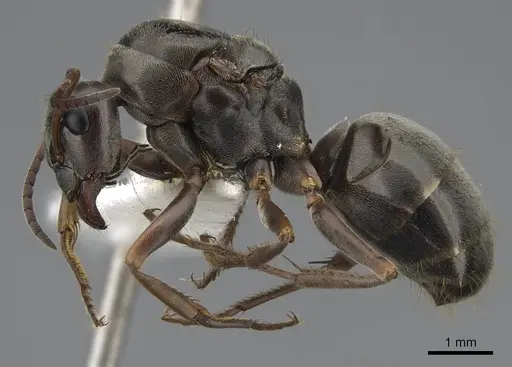
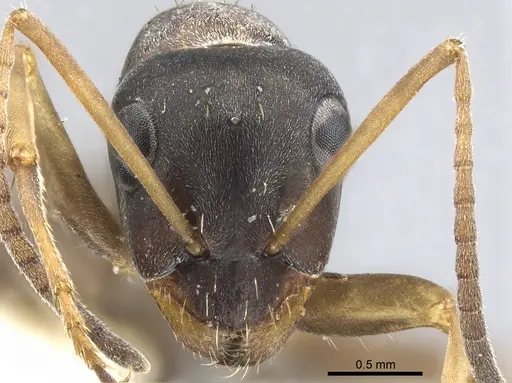
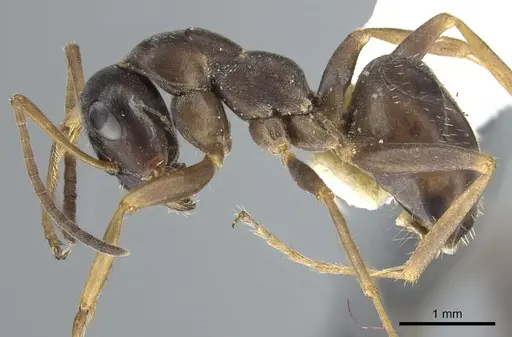
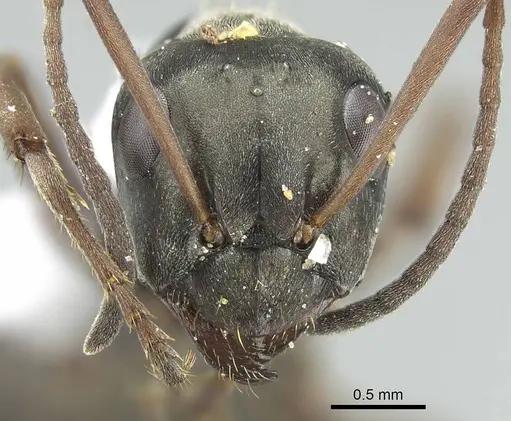
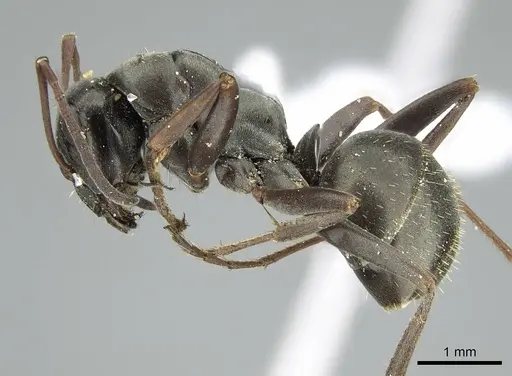
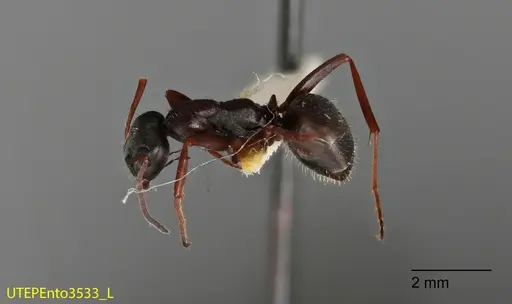
Formica podzolica is a medium-sized, black ant native to boreal and mountainous regions of North America. Workers measure approximately 4-6mm and are weakly polymorphic, showing only slight size variation within the colony. Queens are larger at about 8mm. This species builds large, conspicuous soil mound nests that can exceed 2 meters in diameter, often found in pine and aspen forests from Alaska to New Mexico at altitudes up to 3000m . Colonies can grow massive, with 5,000 to 100,000 workers. What makes this species particularly interesting is its flexible social structure - about one-third of colonies have a single queen, while most contain multiple queens working together . They are a common host for several slave-making ant species including Formica aserva, Formica pergandei, and Polyergus mexicanus .
Quick Summary
- Difficulty: Medium
- Origin & Habitat: Native to boreal and mountainous regions of North America, from Alaska through Canada to the United States and northern Mexico. Found in coniferous and mixed forests, meadows, pinyon-juniper woodlands, and aspen stands at elevations up to 3000m [1][4].
- Colony Type: Facultatively polygynous, approximately one-third of colonies are monogyne (single queen) while most are polygyne (multiple queens). Colonies can grow massive with 5,000-100,000 workers [2][1].
- Size & Growth:
- Queen: ~8mm, size data from specimen description [4]
- Worker: ~4-6mm, inferred from Formica genus patterns
- Colony: Up to 100,000 workers [1]
- Growth: Moderate, colonies grow large but development is typical for Formica
- Development: 6-8 weeks, inferred from Formica genus patterns (Development time is typical for temperate Formica species at warm summer temperatures)
- Antkeeping:
- Temperature: Keep at room temperature (20-24°C) during active season. This is a boreal species adapted to cooler climates, avoid overheating. Provide a temperature gradient so ants can choose their preferred zone [5].
- Humidity: Moderate humidity. These ants nest in mineral soil and at the base of moss patches in the wild, so keep substrate moist but not waterlogged. Mound-building behavior suggests they prefer well-drained conditions [6][4].
- Diapause: Yes, requires winter hibernation. In their native range, workers are active from March to October, with sexuals emerging July-September [2]. Provide 4-5 months at 5-10°C.
- Nesting: Large colonies need spacious nesting areas. These are subterranean ants that build extensive tunnel systems, a large formicarium or naturalistic setup with soil substrate works well. They construct prominent mounds in the wild, so provide deep substrate for mound-building behavior [1].
- Behavior: Generally calm and non-aggressive compared to many Formica species. Workers forage individually or in small groups, collecting honeydew from aphids, small arthropods, and scavenged materials [2]. They are not particularly defensive and rarely sting. However, their large colony size and mound-building behavior means they need more space than smaller ants. Escape risk is moderate, use standard barriers.
- Common Issues: large colony size requires significant space as colonies grow to 100,000 workers, as a host species, wild colonies may be targeted by slave-making ants, keep separate from Formica pergandei or Polyergus, hibernation is required for long-term colony health, failure to provide proper diapause can kill colonies, mound-building behavior can make mess in formicariums, use deep substrate to accommodate this natural behavior, polygynous colonies may have multiple egg-laying queens, splitting colonies is more complex than single-queen species
Nest Preferences and Housing
In the wild, Formica podzolica builds large soil mound nests that can exceed 2 meters in diameter, often in pine and aspen forests at high elevations [1]. They nest under stones or logs, or in soil with small mounds, sometimes with pebble thatching [3]. They favor habitats with litter on mineral soil and often build gallery-boulevards in the mineral base of moss beds [6]. For captive care, these ants need space. A large naturalistic setup with deep soil substrate (at least 10-15cm deep) allows them to exhibit their natural mound-building behavior. Alternatively, a large formicarium with multiple connected chambers works well. Because colonies can reach 100,000 workers, plan for significant expansion. They do well in standard test tube setups for founding colonies but will need to move to larger housing within 1-2 years.
Feeding and Diet
Formica podzolica is omnivorous with a strong preference for honeydew from aphids. Workers actively tend aphids for their sweet secretions, and this should be replicated in captivity with sugar water or honey offered regularly [2][7]. They also scavenge and prey on small arthropods, offer small insects like fruit flies, small crickets, or mealworms. They are not aggressive predators but will take protein when available. In the wild, they forage from March to October [2]. Feed protein 2-3 times per week and provide constant access to sugar sources. They also attend to aphids on plants if available, making them interesting to keep with live aphid colonies on suitable plants.
Temperature and Seasonal Care
This is a boreal species adapted to cooler climates. Keep colonies at room temperature (20-24°C) during the active season, avoid temperatures above 28°C as they are not heat-loving [5]. Provide a temperature gradient so workers can regulate their own temperature by moving between warmer and cooler areas of the nest. Starting in fall (around October), reduce temperature gradually to initiate hibernation. Provide 4-5 months of cold diapause at 5-10°C, mimicking their natural winter rest. Workers are active from March to October in the wild [2]. Failure to provide proper hibernation will weaken and eventually kill the colony. They can tolerate cold better than heat, making them suitable for keepers in cooler climates.
Colony Structure and Social Organization
One of the most interesting aspects of Formica podzolica is their flexible social structure. About one-third of colonies are monogyne (single queen), while most are polygyne with multiple queens [2]. This makes them facultatively polygynous, the same species can form either type of colony depending on circumstances. In polygynous colonies, multiple queens share the nest and all lay eggs. This results in lower relatedness among workers compared to single-queen colonies. They are monandrous, meaning queens mate with only one male [8]. Workers are weakly polymorphic, showing only slight size variation [9]. Understanding your colony's structure helps with care, polygynous colonies may be harder to split if you ever need to divide them.
Behavior and Temperament
Compared to many Formica species, F. podzolica is relatively calm and not particularly aggressive. Workers forage individually or in small groups, using both solitary foraging and short-term recruitment trails [10]. They are not defensive and rarely sting, making them handleable for observation. However, their large colony size means significant worker numbers if disturbed. They are known to tend aphids carefully, protecting them from predators, some studies show they even remove fungal-killed aphids from their colonies to prevent disease spread [11]. This species is also commonly parasitized by slave-making ants (Formica aserva, F. pergandei, and Polyergus mexicanus), so keep them separate from those species [3].
Frequently Asked Questions
How long does it take for Formica podzolica to produce first workers?
Expect first workers (nanitics) approximately 6-8 weeks after the queen lays eggs, assuming temperatures around 22-24°C. This is typical for Formica species. The queen seals herself in during claustral founding and raises the first brood alone using stored fat reserves.
Do Formica podzolica ants need hibernation?
Yes, hibernation is essential. In their native boreal habitat, workers are active from March to October. Provide 4-5 months of cold diapause at 5-10°C during winter. Failure to hibernate will weaken and eventually kill the colony.
How big do Formica podzolica colonies get?
Colonies can reach up to 100,000 workers [1]. This is a large, long-lived species that can become massive. Plan for significant space requirements as the colony grows.
Can I keep multiple Formica podzolica queens together?
Yes, this species is facultatively polygynous, multiple queens can coexist in the same colony. However, if you are combining unrelated foundress queens, do so with caution as they may fight initially. Established polygynous colonies typically accept multiple egg-laying queens.
What do Formica podzolica ants eat?
They are omnivorous but prefer honeydew. Offer sugar water or honey constantly, and provide protein sources like small insects (fruit flies, small crickets, mealworms) 2-3 times per week. They will also scavenge dead insects and other protein-rich materials.
Are Formica podzolica ants good for beginners?
They are medium difficulty. While not aggressive and relatively easy to care for, their large colony size and hibernation requirements make them better suited for keepers who already have some experience. They need more space than smaller species and require proper winter rest.
What type of nest is best for Formica podzolica?
A naturalistic setup with deep soil substrate (at least 10-15cm) works best, allowing them to build their characteristic mounds. Large formicariums with multiple chambers are also suitable. They are subterranean nesters that construct extensive tunnel systems.
Why are my Formica podzolica building a mound in their formicarium?
This is completely normal and natural behavior. In the wild, this species builds large conspicuous soil mound nests that can exceed 2 meters in diameter [1]. Provide deep substrate to accommodate this behavior.
Report an Issue
The current care sheet is based fully on literature. See inconsistencies, or something that's incorrect? Please , it will be resolved after review from an admin. Contributing to the blogs tab also helps providing information, to make us be able to further improve the caresheets. Thank you for your support!
References

This caresheet is licensed under CC BY-SA 4.0 .
Community Blogs
ANTWEB1041713
View on AntWeb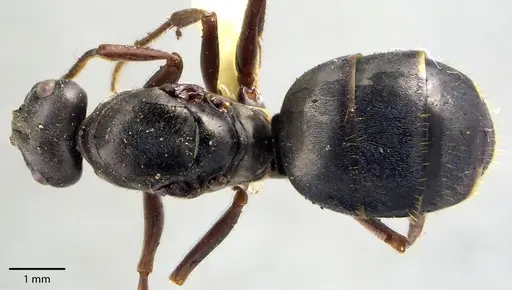
CASENT0005373
View on AntWeb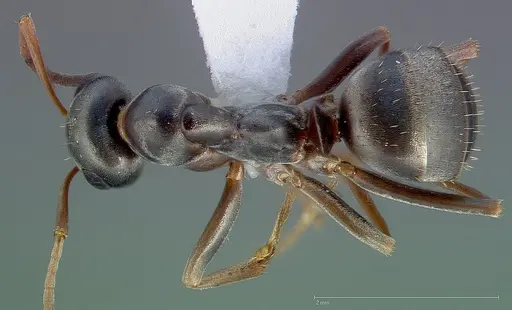
CASENT0280361
View on AntWeb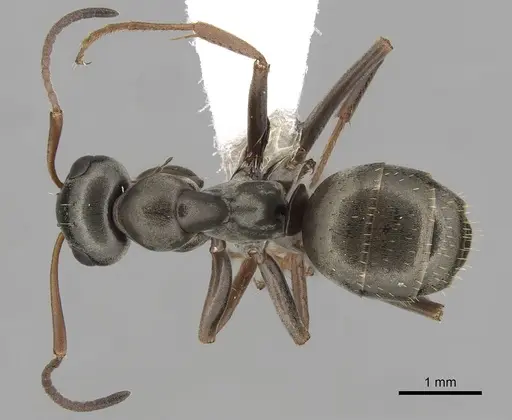
CASENT0843933
View on AntWeb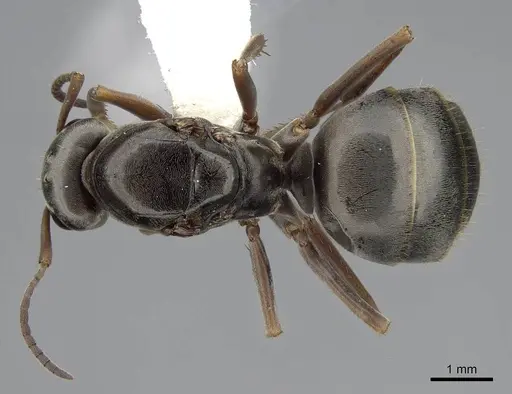
CASENT0903286
View on AntWeb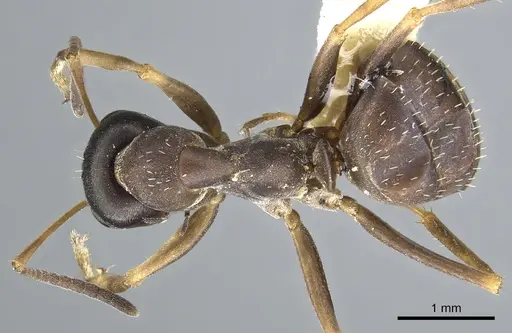
CASENT0914452
View on AntWeb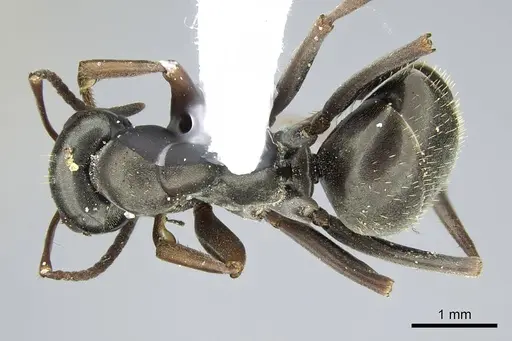
UTEPENTO3533
View on AntWeb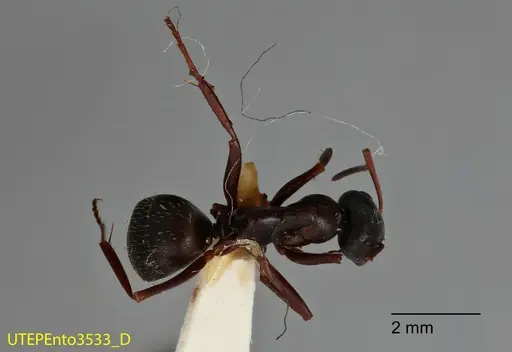
Literature
Loading distribution map...Loading products...