
Formica pisarskii
- Sci. Name
- Formica pisarskii
- Tribe
- Formicini
- Subfamily
- Formicinae
- Author
- Dlussky, 1964
- Distribution
- Found in 1 countries
Introduction
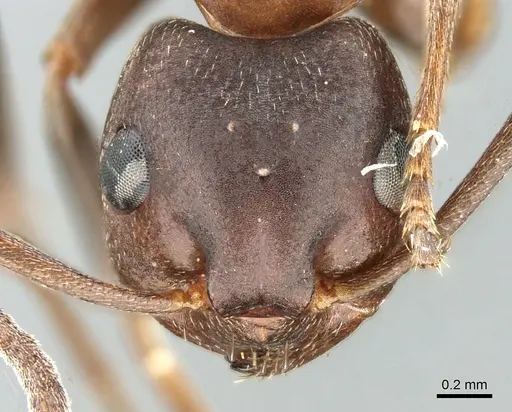
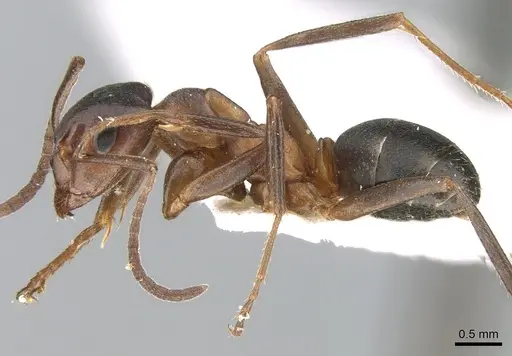
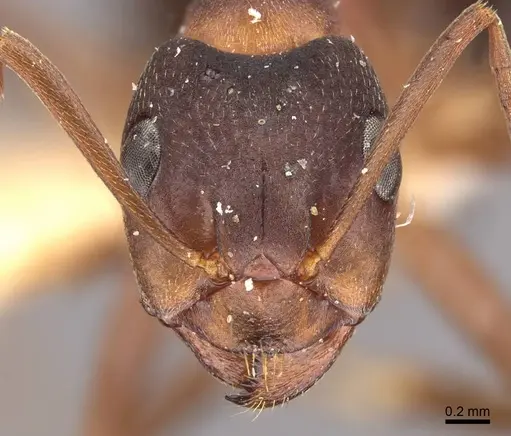
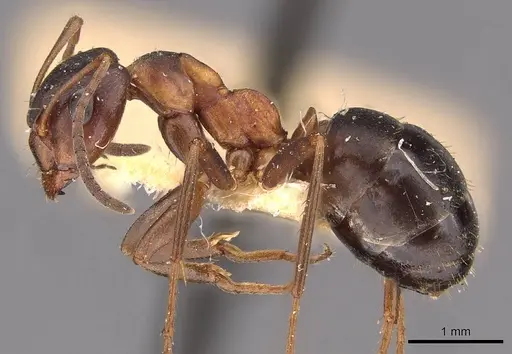
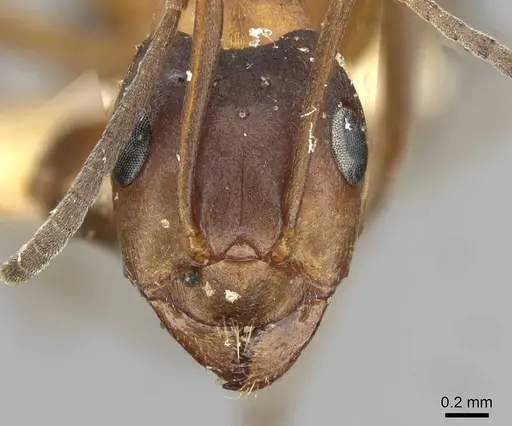
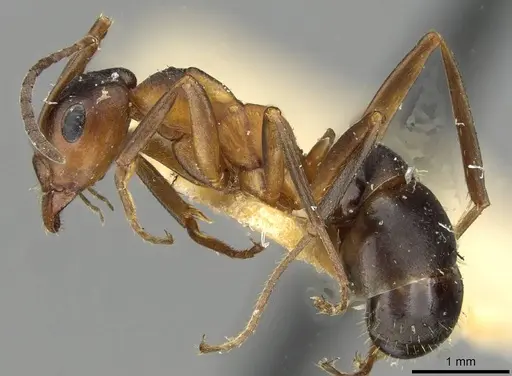
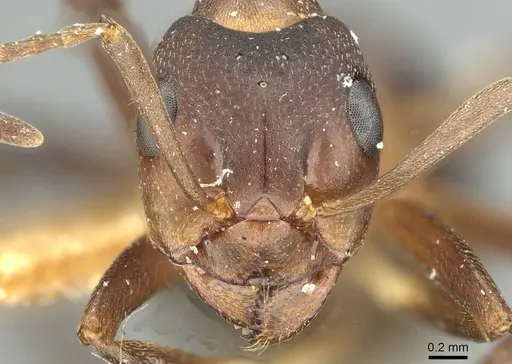
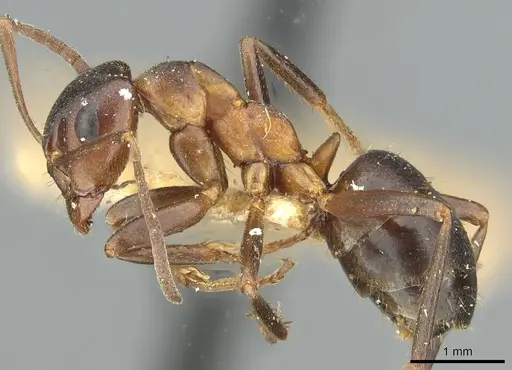
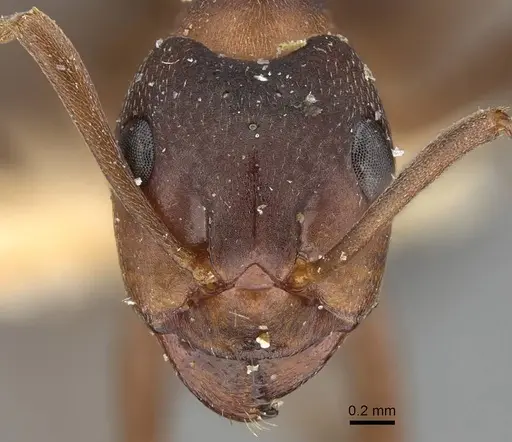
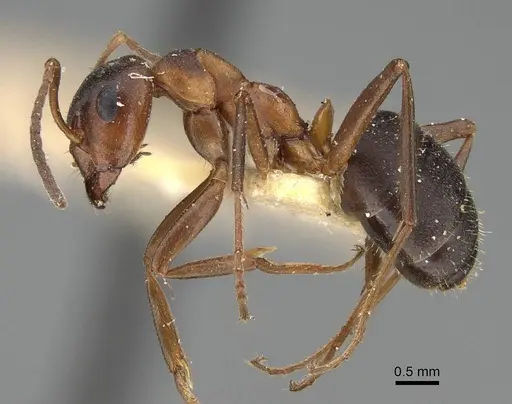
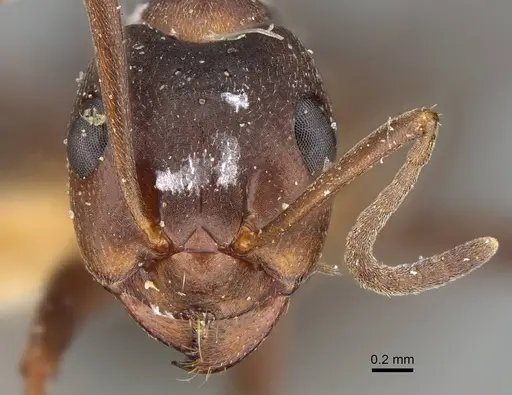
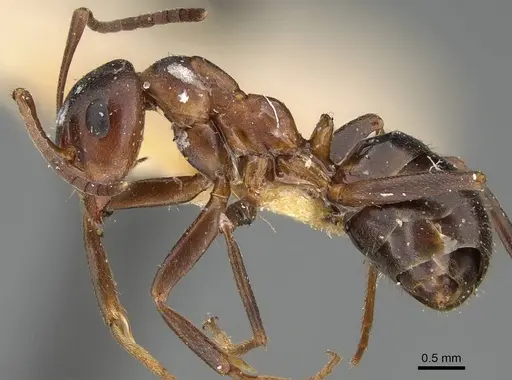
Formica pisarskii is a small, dark ant from the Coptoformica subgenus. Workers have a nearly black, shiny body with a long head and a unique set of standing hairs on the front of the head and upper thorax, but very short eye hairs. This species is found only in Mongolia and parts of Central Siberia (Russia), making it a rare find in antkeeping. It lives in open steppes and mountain-steppes at elevations between 500 and 2400 meters. Nests are either small mounds made of finely cut grass or simply under stones without any above-ground structure. Despite its limited range, it is one of the most common ants in Mongolia on sunny, south-facing slopes with sparse plants .
Quick Summary
- Difficulty: Medium
- Origin & Habitat: Mongolia and Central Siberia (Russia). Found in open steppes and mountain-steppes between 500–2400 m elevation. Prefers southern slopes of hill tops with sparse grassy vegetation. Nests are typically small grass-particle mounds or under stones without any soil pile [1][2][3].
- Colony Type: Facultatively polygynous – colonies can have a single queen (monogyne) or multiple queens (polygyne). Both types have been documented in the wild. Ergatoid (wingless) replacement reproductives may appear if the primary queen dies [4].
- Size & Growth:
- Queen: Total length not directly reported, based on related species, estimated around 5–7 mm [5].
- Worker: Medium-sized for the genus, total length not directly measured, estimated around 4–5 mm based on similar Coptoformica species [1].
- Colony: Maximum size not documented – likely several hundred workers based on related Coptoformica species [4].
- Growth: Moderate – typical for Formica
- Development: Estimated 6–8 weeks at 22–24°C based on related Coptoformica species (Timing depends on temperature, cooler conditions slow development significantly.)
- Antkeeping:
- Temperature: Keep at 20–24°C. This cold-resistant species from Siberia and high mountains can handle cooler temperatures but does best with moderate warmth for brood growth. Room temperature works well [6][2].
- Humidity: Low to moderate. This is a dry-loving (xerophilic) steppe ant. Keep the nest substrate mostly dry – avoid wet conditions. A small damp area can be provided if needed, but overall dryness is key [4][3].
- Diapause: Yes – requires a winter dormancy period. Reduce temperature to 5–10°C for 3–4 months during winter to mimic the cold season in its native steppe and mountain habitat [6].
- Nesting: Y-tong (AAC) or plaster nests with narrow chambers work well. Because they often nest under stones in the wild, a naturalistic setup with flat rocks is also suitable. Avoid overly humid nests – this species prefers drier conditions than most ants [2].
- Behavior: Workers are active but peaceful. They hunt small insects (zoophagous) and also tend aphids for honeydew. They defend their foraging area weakly. Escape risk is moderate – their small size means they can slip through tiny gaps, but they are not strong climbers. Like all Formica, they lack a sting and spray formic acid for defense. They cause no harm to keepers.
- Common Issues: overly humid nests can cause mold or kill the colony – keep substrate dry, small size makes them prone to escape through tiny gaps – seal all connections carefully, requires a proper winter diapause – missing hibernation can weaken or kill the colony, food competition: they need small prey like fruit flies – larger prey may be ignored
Housing and Nest Setup
Because this ant is tiny, you need tight, small-scale housing. A Y-tong (AAC) nest with narrow chambers or a plaster nest works well. Naturalistic setups with flat stones also fit their wild nesting style. Since they come from dry steppes, keep the nest substrate mostly dry – avoid the damp conditions you'd use for tropical species. Seal every gap: these ants can squeeze through pinhole-sized openings. A small outworld is enough for foraging. Start a new colony in a test tube, then move to a small formicarium once they have a few dozen workers [1][2].
Feeding and Diet
In the wild, F. pisarskii hunts small insects (like springtails and small flies) and tends aphids for honeydew. In captivity, offer tiny protein sources such as fruit flies, pinhead crickets, or small mealworms. You can also provide sugar water or honey occasionally, but they need protein to grow the colony. Feed small prey 2–3 times per week and remove leftovers to prevent mold [4].
Temperature and Seasonal Care
This species comes from cold parts of Asia (Siberia, Mongolia) and handles cool temps well. Keep the nest at 20–24°C for good brood development. In winter, they absolutely need a diapause period of 3–4 months at 5–10°C – this mimics the harsh steppe winters. Reduce food during hibernation and don't disturb them. Without this rest, the colony may weaken or die [6][2].
Colony Structure and Growth
F. pisarskii is facultatively polygynous – you may end up with one queen or several working together. Both forms are natural. Growth is moderate: expect it to take several months to reach 50+ workers. Maximum colony size isn't well known, but similar Coptoformica species rarely top a few hundred workers. Growth is slower in cool conditions [4].
Behavior and Foraging
Workers are active but not aggressive. They hunt small prey and collect honeydew from aphids. They defend their foraging area only weakly. Like all Formica, they cannot sting – they spray formic acid instead. Their small size makes escape prevention tricky: focus on sealing tiny gaps (not liquid barriers). They are most active in warm months and slow down a lot in winter [4].
Frequently Asked Questions
How long does it take for Formica pisarskii to produce first workers?
Based on related Coptoformica species, expect first workers (nanitics) about 6–8 weeks after the queen lays eggs, at 22–24°C. Cooler temperatures will slow this down.
Can I keep multiple queens together?
Yes, this species is facultatively polygynous – both single-queen and multi-queen colonies occur naturally. For beginners, starting with one queen is simpler [4].
What temperature do Formica pisarskii need?
Keep them at 20–24°C. They are cold-tolerant from Siberia and Mongolia but do best with moderate warmth. Room temperature works fine [6].
Do they need hibernation?
Yes – they require a winter dormancy of 3–4 months at 5–10°C. This is essential for colony health, mimicking their natural cold season [6].
What do Formica pisarskii eat?
They are insect hunters (zoophagous) and also tend aphids for honeydew. Offer tiny prey like fruit flies and small crickets, plus occasional sugar water [4].
Are Formica pisarskii good for beginners?
Rated Medium difficulty. Their tiny size makes escape prevention a challenge, and they need proper hibernation. They are easier than many exotic species but not as easy as Lasius niger.
When do Formica pisarskii have nuptial flights?
Alates (winged reproductives) are seen in nests in August, suggesting late summer flights in the Northern Hemisphere [7][4].
How big do colonies get?
The maximum colony size is not documented, but based on similar Coptoformica species, expect a few hundred workers at maturity [4].
What type of nest should I use?
A Y-tong (AAC) or plaster nest with narrow chambers works well. Naturalistic setups with flat stones also suit them because they nest under stones in the wild. Keep it dry [2].
Report an Issue
The current care sheet is based fully on literature. See inconsistencies, or something that's incorrect? Please , it will be resolved after review from an admin. Contributing to the blogs tab also helps providing information, to make us be able to further improve the caresheets. Thank you for your support!
References

This caresheet is licensed under CC BY-SA 4.0 .
Community Blogs
CASENT0906307
View on AntWeb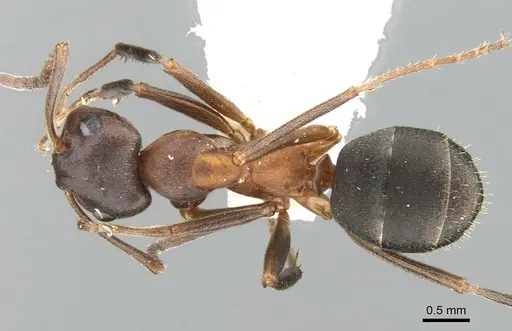
CASENT0907593
View on AntWeb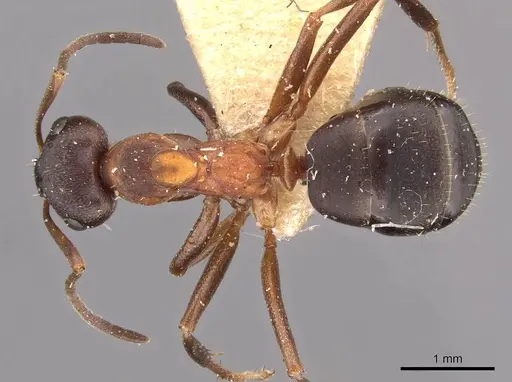
CASENT0911159
View on AntWeb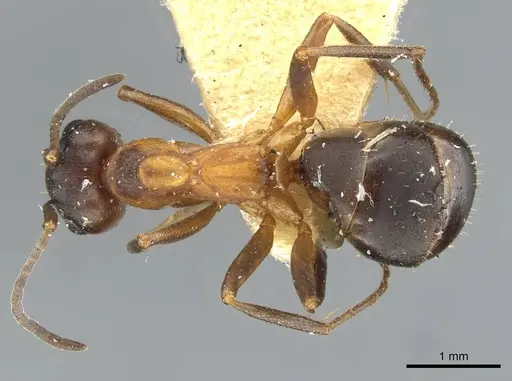
CASENT0913660
View on AntWeb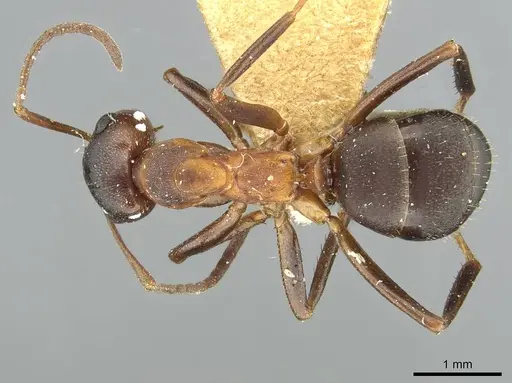
CASENT0922318
View on AntWeb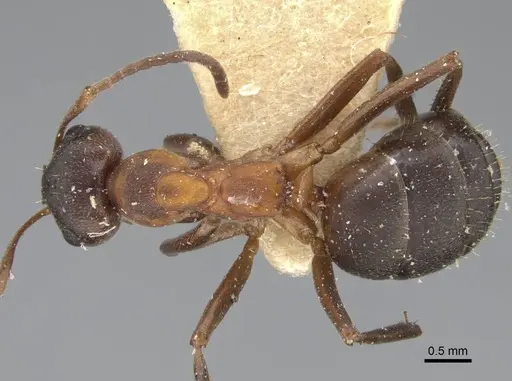
CASENT0922319
View on AntWeb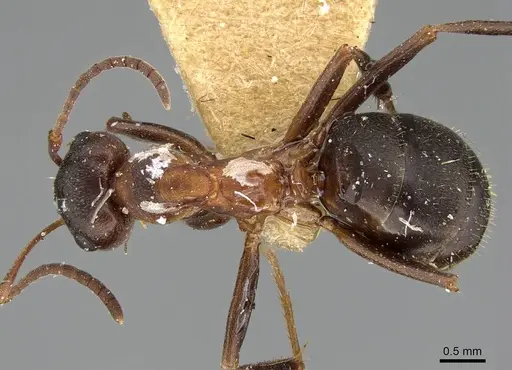
Literature
Loading distribution map...Loading products...