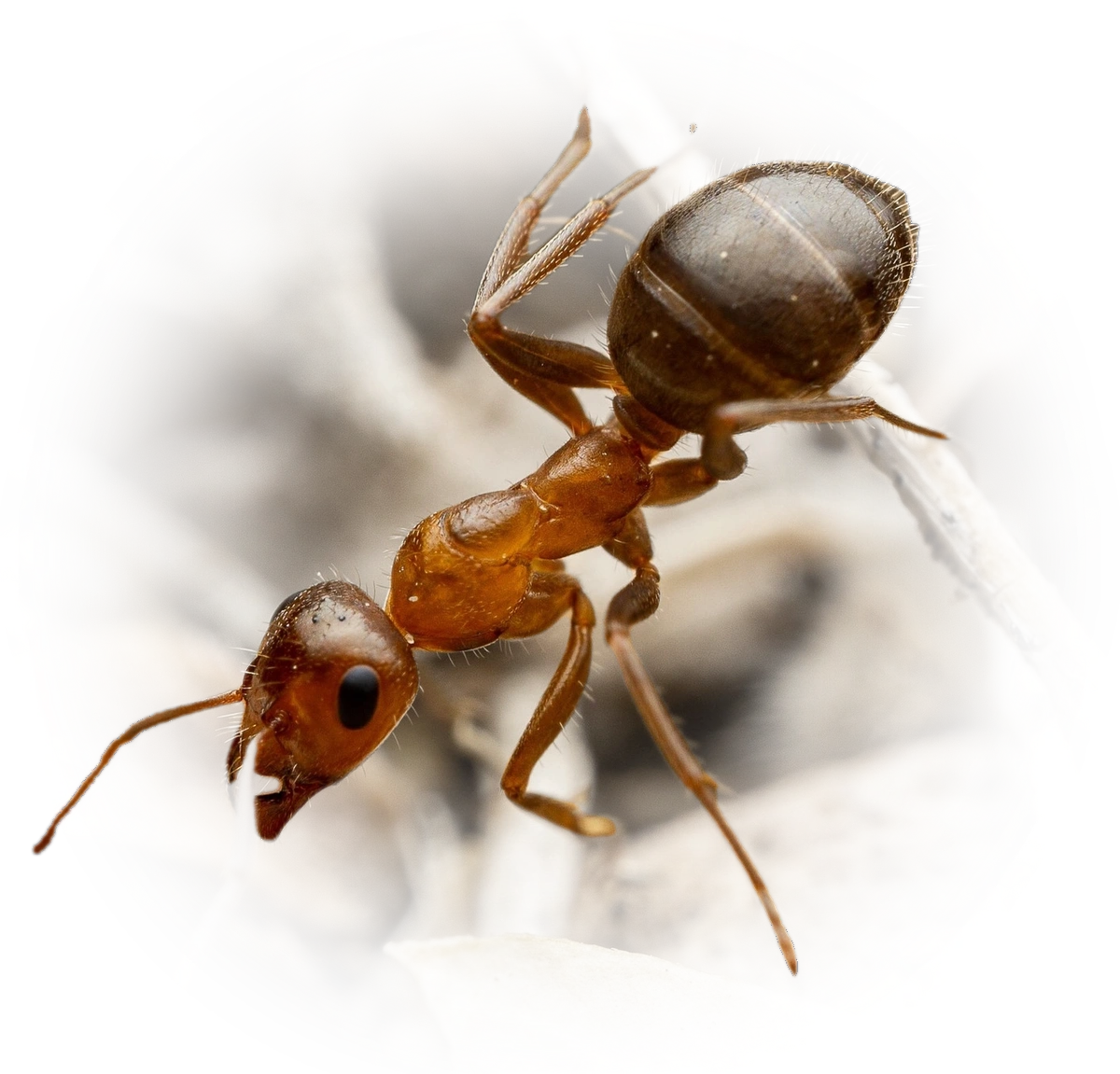
Formica perpilosa
- Sci. Name
- Formica perpilosa
- Tribe
- Formicini
- Subfamily
- Formicinae
- Author
- Wheeler, 1910
- Distribution
- Found in 2 countries
Introduction
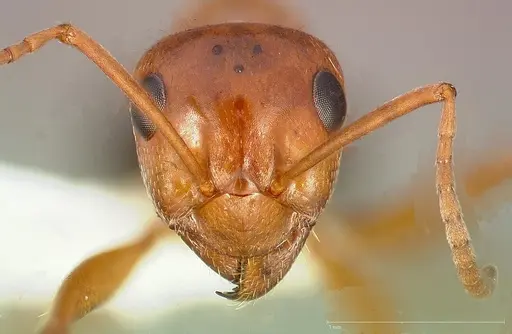
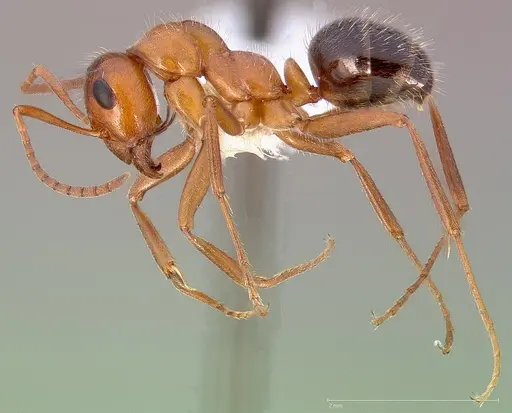
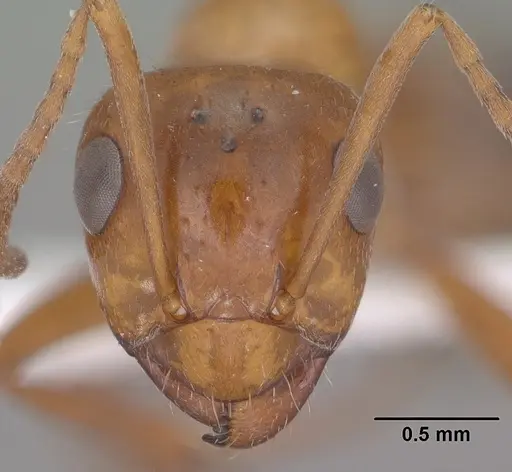
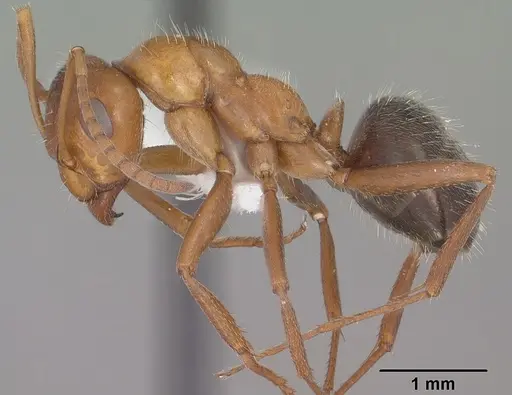
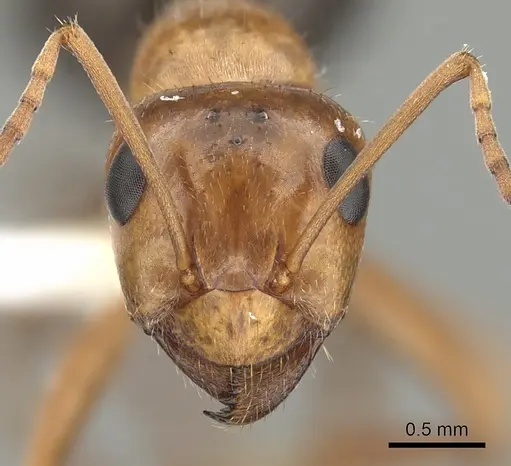
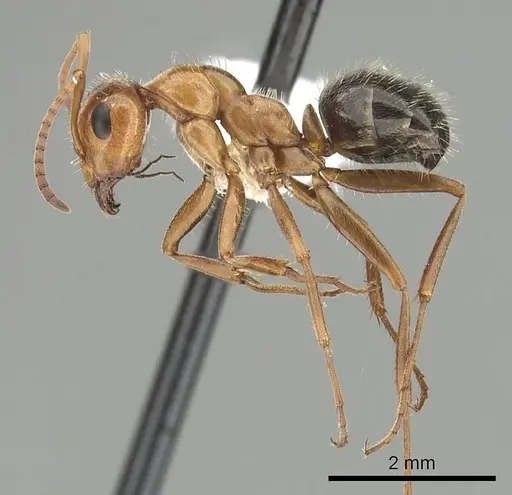
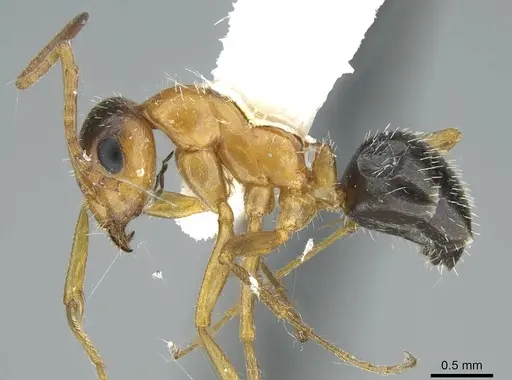
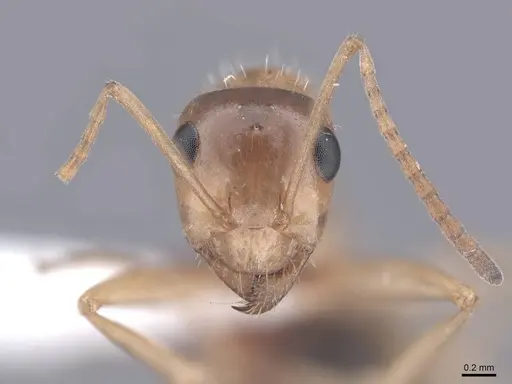
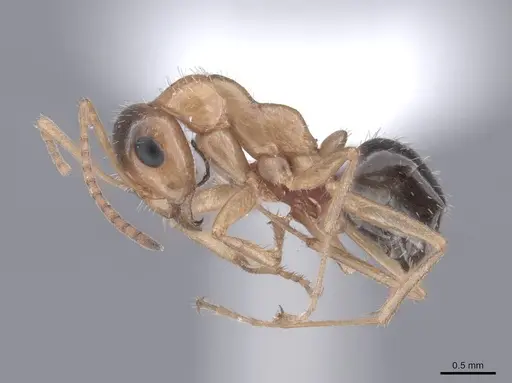
Formica perpilosa is a medium-sized, hairy ant with a distinctive red head and mesosoma contrasting against a dark black gaster. Workers measure approximately 4-7mm, while queens are larger at 8-10mm. The clypeus has a characteristic notch or depression. This species belongs to the neogagates group of Formica ants. It ranges across western North America from southern Canada through the western US into northern Mexico, with a strong presence in desert regions like the Chihuahuan Desert. What makes this species special is its unusual ecology: it's one of the few Formica species that thrives in hot desert environments, yet it's strictly tied to riparian areas and irrigated lands - it only nests near streams or well-watered places in otherwise dry landscapes .
Quick Summary
- Difficulty: Easy
- Origin & Habitat: Western North America, from southern Canada (Alberta, Saskatchewan) through the western United States (Wyoming south to Texas, west to California) into northern Mexico (Baja California, Chihuahua, Coahuila, Sonora). It inhabits desert regions, particularly Chihuahuan Desert mesquite woodlands and sandy areas, but is always found near water sources like streams, river bottoms, or irrigated lands. Elevations up to 1850 meters in pinyon-juniper forests [1][3][2][4].
- Colony Type: Likely monogyne (single queen colonies). Maximum colony size around 450 workers based on scaling data [5]. Colonies build relatively permanent nest structures that can be occupied for over a decade [6].
- Size & Growth:
- Queen: ~8-10mm, inferred from Formica genus patterns
- Worker: ~4-7mm, inferred from Formica genus patterns [1]
- Colony: Up to ~450 workers [5]
- Growth: Moderate, typical for Formica species
- Development: 6-10 weeks (estimated based on typical Formica development at warm temperatures) (Development time is temperature-dependent, warmer conditions within acceptable range will speed development)
- Antkeeping:
- Temperature: Keep at 20-26°C. As a desert species with riparian habitat, they prefer warm conditions but not extreme heat. A heating cable on one side of the nest can create a gradient allowing workers to self-regulate.
- Humidity: Low to moderate. This is a desert-adapted species that naturally nests in dry to moderately moist soils. Keep the nest substrate slightly moist but not wet, with some drier areas available. Avoid overly damp conditions.
- Diapause: Yes, given their range extending into Canada and high-altitude areas, colonies require a winter rest period. Reduce temperature to 10-15°C for 2-3 months during winter [3].
- Nesting: Y-tong (AAC) nests work well, these ants prefer compact chambers. Can also use plaster nests or naturalistic setups with sand-loam substrate. They form small crater mounds in nature, so some loose substrate at the entrance works well. Avoid wet/swampy conditions [1].
- Behavior: Formica perpilosa is a very active and aggressive ant species. Workers move swiftly and will defend their nest vigorously. They are efficient foragers and have been observed foraging on flowers (like Yucca elata). They show complex division of labor with workers performing 38 different behavioral acts. They have a strong association with mealybugs, tending them for honeydew in agricultural settings [7]. Escape risk is moderate, use standard barrier methods but they're not particularly prone to escaping compared to some small species.
- Common Issues: desert species can be sensitive to overwatering, keep substrate only slightly moist, aggressive defenders, use excellent escape prevention when cleaning or feeding, colonies may be slow to establish initially, patience is key during founding phase, winter dormancy is required, failing to provide diapause can weaken or kill colonies, associated with mealybugs in captivity, check for accidental introductions on plants
Nest Preferences and Setup
In the wild, Formica perpilosa nests in soil with the entrance surrounded by a small mound or crater. They nest at the base of desert plants, especially grass clumps, in areas of fine sand to loam. Occasionally they nest under stones or pieces of wood. This species is unique in that while it's found in hot desert regions, it's strictly riparian, it only occurs near streams, rivers, or irrigated areas. For captive care, a Y-tong (AAC) nest works well because it provides the compact chambers these ants prefer. Plaster nests or naturalistic setups with a sand-loam mixture also work. Avoid overly wet or swampy conditions, keep the substrate slightly moist but allow some drier areas for the ants to choose. A small amount of loose substrate at the entrance can mimic their natural crater mounds [1].
Feeding and Diet
Formica perpilosa is a generalist feeder with a strong predatory instinct. In the wild, workers forage on flowers (documented on Yucca elata) and are important predators of pests like the boll weevil. They also tend mealybugs for honeydew, which is why they're commonly found in vineyards and can be a pest in agricultural settings [8][7]. In captivity, offer a varied diet: protein sources like small crickets, mealworms, or other small insects 2-3 times per week. Sugar sources like sugar water, honey, or commercial ant nectar should be available constantly. They accept most standard ant foods. The key is variety, rotate between protein and sugar sources for optimal colony health [1].
Temperature and Seasonal Care
As a desert species that nonetheless requires proximity to water, Formica perpilosa prefers warm but stable temperatures in the 20-26°C range. They can tolerate higher temperatures briefly but consistently hot conditions should be avoided. A heating cable on one side of the nest creates a temperature gradient that lets workers regulate their own exposure. Given their range extending into Canada and high-altitude areas, they require a winter diapause. During winter (roughly November-February in the Northern Hemisphere), reduce temperatures to 10-15°C and reduce feeding. This mimics their natural seasonal cycle and is essential for colony health and reproduction [3].
Behavior and Colony Dynamics
This species is known for being very active and aggressive. Workers move swiftly and will readily defend the nest against threats. They show sophisticated division of labor, researchers have documented workers performing 38 different behavioral acts within the colony. This indicates complex task allocation similar to many Formica species. Colonies can live for many years in the wild, with nest structures remaining occupied for over a decade [6]. Maximum colony size reaches around 450 workers, which is moderate for the genus [5]. The species does not practice enslavement of other Formica species, so you won't need to worry about slave-raiding behavior. Males of this species have metapleural glands, which is unusual among ants [9].
Frequently Asked Questions
How long does it take for Formica perpilosa to produce first workers?
Expect 6-10 weeks from egg to first worker at optimal warm temperatures (around 24-26°C). This is typical for Formica species. Founding colonies may take longer if the queen is establishing in suboptimal conditions.
Can I keep multiple Formica perpilosa queens together?
This species is likely monogyne (single queen) in nature. Combining unrelated queens is not recommended as they will likely fight. Only keep one queen per colony unless you're attempting pleometrosis (multiple queen founding) with careful monitoring.
What temperature range is best for Formica perpilosa?
Keep them at 20-26°C. They prefer warm conditions but not extreme heat. A temperature gradient with a heating cable on one side allows the colony to self-regulate.
Do Formica perpilosa need hibernation?
Yes. Given their range into Canada and high-altitude areas, they require a winter rest period. Reduce temperature to 10-15°C for 2-3 months during winter (typically November-February).
Are Formica perpilosa good for beginners?
Yes, this species is rated as easy to keep. They're resilient, accept varied foods, and have straightforward temperature needs. The main requirements are providing warm conditions, slight substrate moisture, and a proper winter diapause.
What do Formica perpilosa eat?
They accept a varied diet: protein (small insects like crickets, mealworms) 2-3 times per week, and constant access to sugar sources (sugar water, honey, or commercial ant nectar). They also tend mealybugs for honeydew if given the opportunity.
How big do Formica perpilosa colonies get?
Maximum colony size is around 450 workers. This is moderate for Formica species. Growth is moderate, expect several months to a year to reach significant numbers.
When should I move Formica perpilosa to a formicarium?
Keep founding colonies in a test tube setup until you have 15-20 workers. At that point, you can move them to a Y-tong or other nest setup. They prefer compact chambers, so don't provide unnecessarily large spaces.
Why are my Formica perpilosa dying?
Common causes include: overwatering (they're desert-adapted, keep substrate only slightly moist), no winter diapause (they need 2-3 months at 10-15°C in winter), or poor nutrition. Check that you're providing varied diet and proper seasonal care.
Report an Issue
The current care sheet is based fully on literature. See inconsistencies, or something that's incorrect? Please , it will be resolved after review from an admin. Contributing to the blogs tab also helps providing information, to make us be able to further improve the caresheets. Thank you for your support!
References

This caresheet is licensed under CC BY-SA 4.0 .
Community Blogs
CASENT0005383
View on AntWeb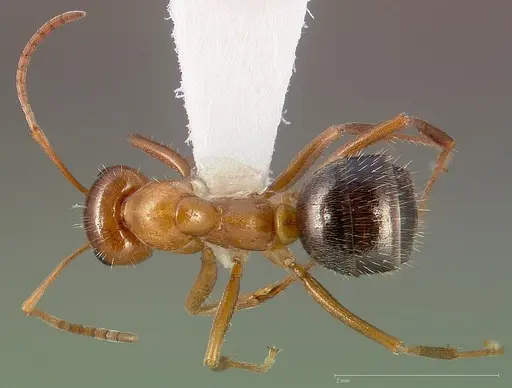
CASENT0102799
View on AntWeb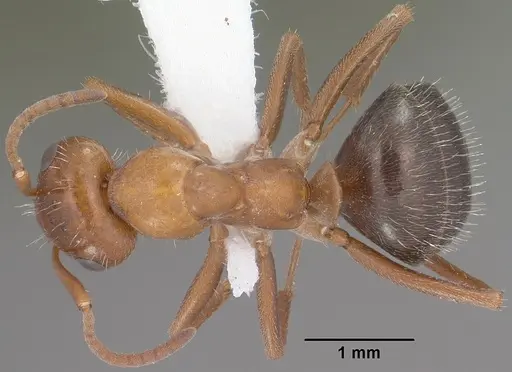
CASENT0280342
View on AntWeb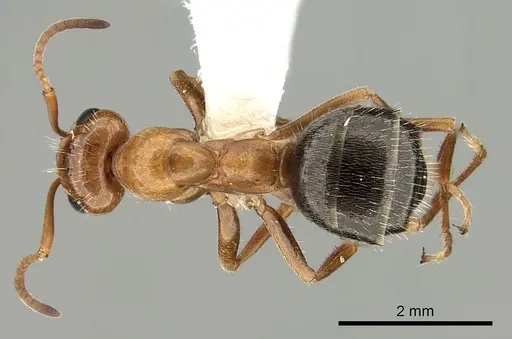
CASENT0914453
View on AntWeb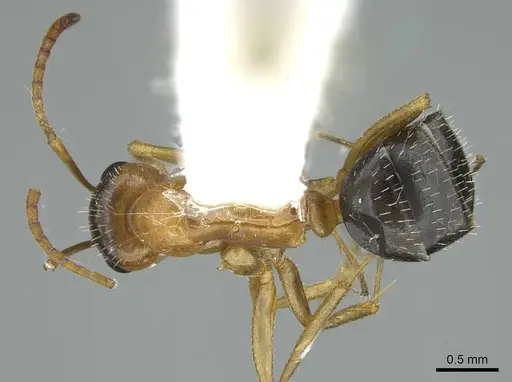
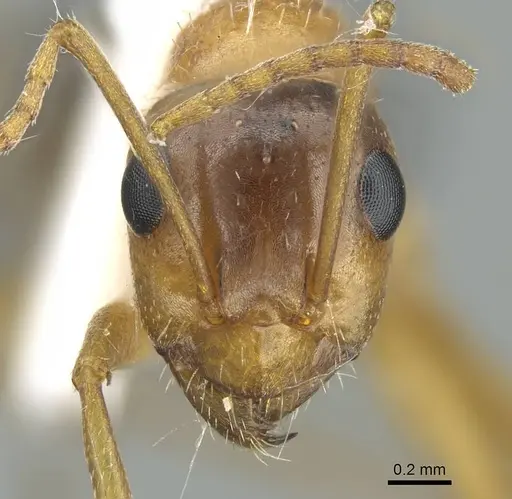
FMNHINS0000062563
View on AntWeb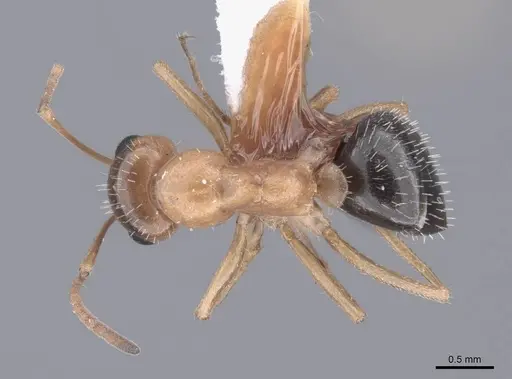
Literature
Loading distribution map...Loading products...