
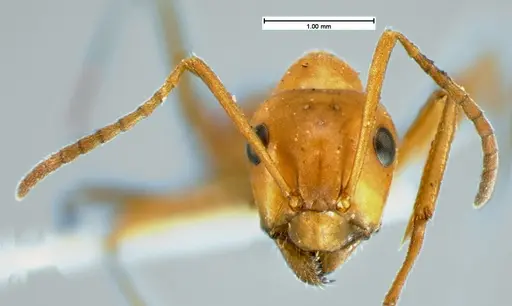
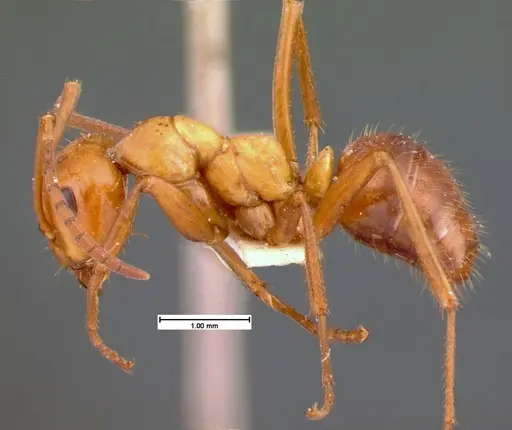
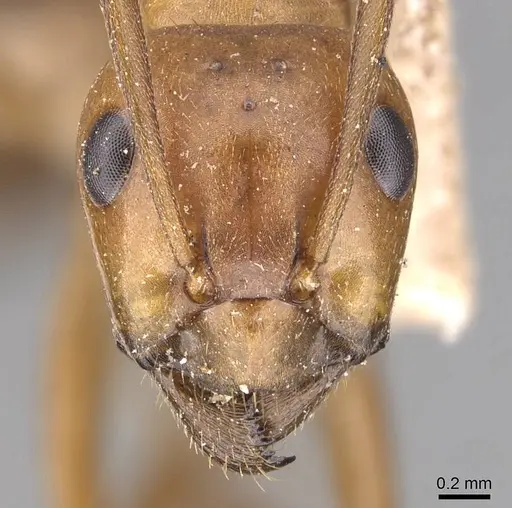
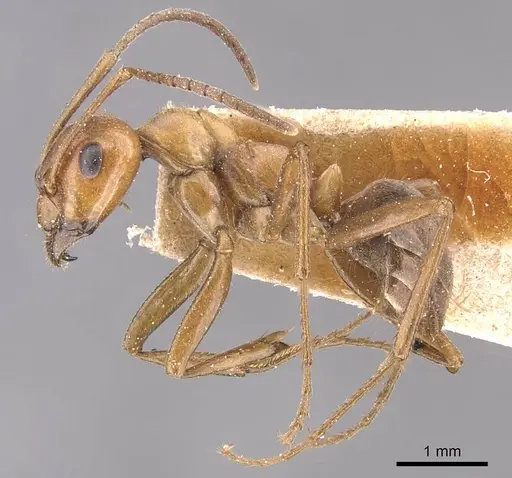
Pergande's Mound Ant
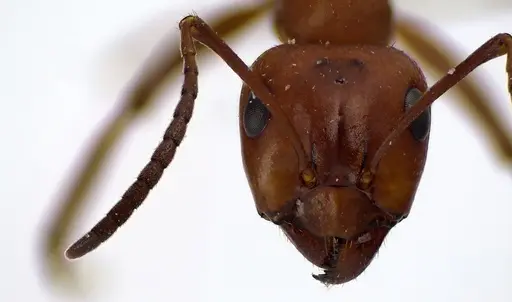
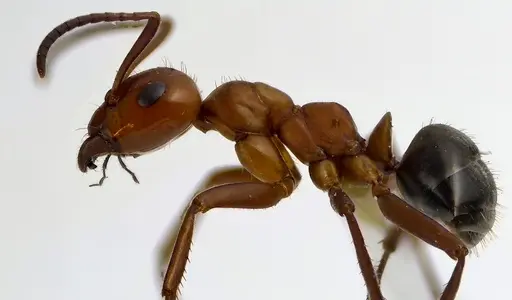
Formica pergandei
- Sci. Name
- Formica pergandei
- Tribe
- Formicini
- Subfamily
- Formicinae
- Author
- Emery, 1893
- Common Name
- Pergande's Mound Ant
- Distribution
- Found in 2 countries
Introduction
Formica pergandei is a slave-making ant native to eastern North America. It is found in woodlands, woodland edges, semi-open areas near forests, and prairies, nesting under rotten logs or in soil . The species is facultative, meaning it can survive without slaves but often raids host colonies to enslave workers . One of the most notable traits is its slave-making behavior, where queens invade host colonies, kill or displace the existing queen, and use the host workers to raise their brood .
Quick Summary
- Difficulty: Expert
- Origin & Habitat: Eastern North America, in woodlands, edges, and prairies, nesting under rotten logs or in soil [1][2].
- Colony Type: Facultative slave-maker, queen number unconfirmed based on available research.
- Size & Growth:
- Queen: Size data unavailable, no total length measurements in context
- Worker: Size data unavailable, no total length measurements in context
- Colony: Up to several thousand workers in mixed colonies [3]
- Growth: Moderate
- Development: Unknown, no specific data in context (Based on related Formica species, development may occur during warm summer months)
- Antkeeping:
- Temperature: Keep at warm temperatures, roughly 20-24°C, based on activity during summer months [3]
- Humidity: Maintain moderate humidity with a moisture gradient, as the species nests in soil under logs [1]
- Diapause: Yes, colonies enter winter dormancy. Alates produced June-August, with nuptial flights in July [3]
- Nesting: Soil nests or under rotting logs. In captivity, use naturalistic setups with soil substrate. Colonies may relocate to shorten raiding distances [4]
- Behavior: Workers are aggressive during raids, using propaganda pheromones to confuse host colonies [5]. Escape risk is moderate due to their size and activity.
- Common Issues: obtaining initial colony is difficult, you need an established mixed colony with host species., keeping host species alive alongside the slave-maker requires careful planning., slave-maker colonies may decline if they cannot raid and acquire new slaves., mixed colonies require more space and attention than standard ant colonies., legal restrictions may apply, check local regulations before collecting.
Understanding Slave-Maker Biology
Formica pergandei is a facultative slave-maker. Unlike obligate slave-makers, it can technically found colonies without slaves, but it thrives when raiding host colonies [1]. Queens invade small host colonies, kill or displace the host queen, and use the existing workers to raise their first brood. These enslaved workers accept the slave-maker queen due to chemical imprinting. Once established, the colony conducts raids to capture more slaves [1][2]. This parasitic lifestyle makes them challenging to keep, as you cannot simply collect a queen and raise a colony alone.
Housing and Nest Setup
Keep F. pergandei in a mixed-species setup with host colonies. Use a naturalistic enclosure with soil substrate, mimicking their natural nesting under logs [1]. Include separate sections for the slave-maker and host colonies to observe raiding behavior. Provide enough space for colony relocation, as they move to shorten raiding distances [4]. Escape prevention is important due to their active nature.
Feeding and Nutrition
Both slave-makers and enslaved workers need protein and sugar sources. Offer small insects, honeydew, or sugar water regularly. Feed protein 2-3 times per week and keep sugar available. Remove uneaten prey within 24-48 hours to prevent mold.
Raiding Behavior and Colony Dynamics
Raids occur between June and August in North America [3]. Workers use propaganda pheromones from their Dufour's gland to confuse host colonies during raids [5]. They capture pupae and larvae, which emerge as enslaved workers. Mixed colonies often have more slaves than slave-makers [3]. Colonies may relocate to access closer host colonies [4].
Seasonal Care and Overwintering
F. pergandei follows a temperate cycle. Alates develop from June to July, with nuptial flights in July [3]. In autumn, the colony becomes less active and requires winter diapause at cool temperatures (5-10°C) for 3-4 months. Reduce feeding during this period.
Is This Ant Right for You?
Formica pergandei is not a beginner species. It requires an established mixed colony with host species, which is difficult to obtain. Maintaining both slave-maker and host colonies demands extra space and attention. Only experienced antkeepers should attempt this species due to the complexity of slave-making behavior.
Frequently Asked Questions
Can I keep Formica pergandei like a normal ant colony?
No. F. pergandei is a slave-maker that requires host species to function properly. You need an established mixed colony containing both slave-maker and enslaved workers [1].
How do I get a Formica pergandei colony?
The only practical way is to collect an already-established mixed colony from the wild, containing F. pergandei and host species like Formica pallidefulva or F. fusca [1][2].
What host species do I need to keep with Formica pergandei?
F. pergandei enslaves species in the Formica fusca, F. pallidefulva, F. neogagates, F. microgyna, and F. rufa groups. Common hosts include F. pallidefulva, F. subsericea, and F. dolosa [1][2].
How long do Formica pergandei colonies live?
Colonies can persist for many years, one study documented a colony in the same location for 10 years [3].
Are Formica pergandei good for beginners?
No. This is an expert-level species due to the complexity of maintaining a mixed-species colony. Start with easier species like Lasius niger before attempting slave-makers.
Do I need to hibernate Formica pergandei?
Yes. As a temperate species, they require winter dormancy for 3-4 months at cool temperatures (5-10°C) [3].
Why do slave-maker colonies relocate?
F. pergandei colonies relocate when raiding distances to host colonies become too great, moving to shorten future raiding distances [4].
How fast do Formica pergandei colonies grow?
Growth is moderate, dependent on raids to increase slave population. No specific development timeline is available, but related Formica species take 6-8 weeks from egg to worker.
Report an Issue
The current care sheet is based fully on literature. See inconsistencies, or something that's incorrect? Please , it will be resolved after review from an admin. Contributing to the blogs tab also helps providing information, to make us be able to further improve the caresheets. Thank you for your support!
References

This caresheet is licensed under CC BY-SA 4.0 .
Community Blogs
ANTWEB1041602
View on AntWeb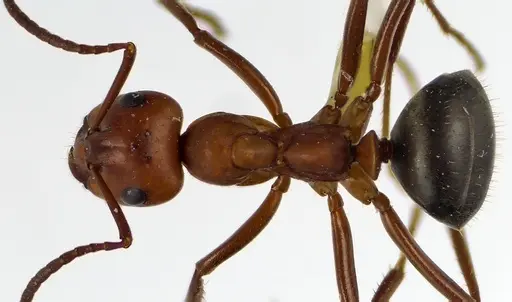
ANTWEB1041630
View on AntWeb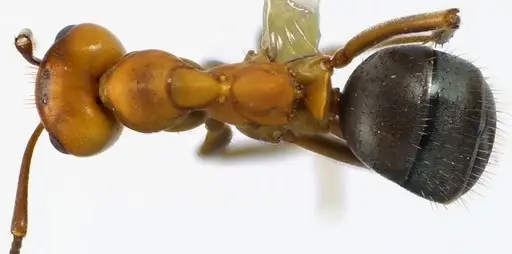
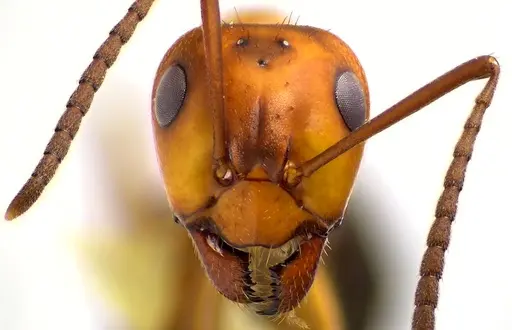
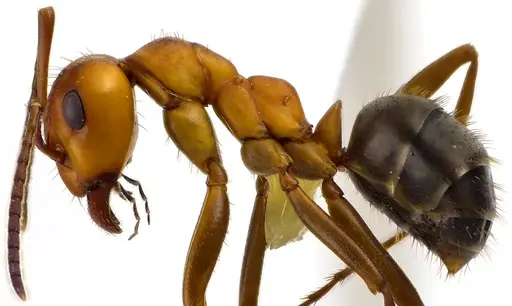
ANTWEB1041694
View on AntWeb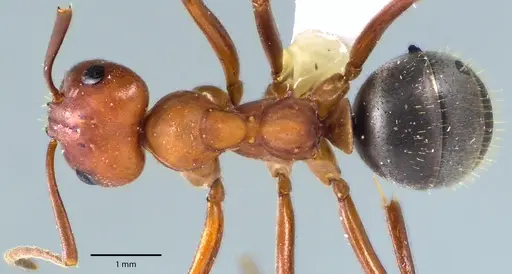
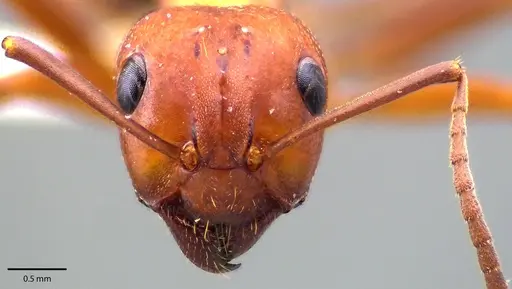
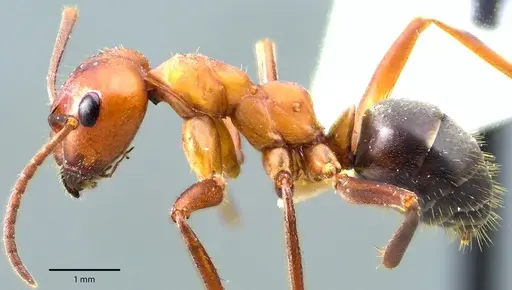
ANTWEB1041709
View on AntWeb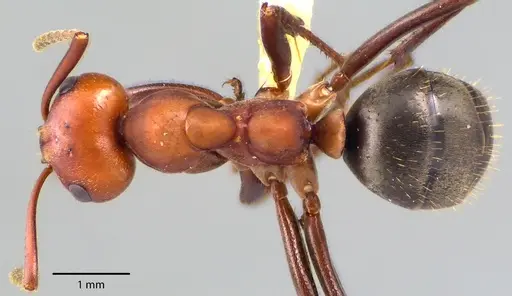
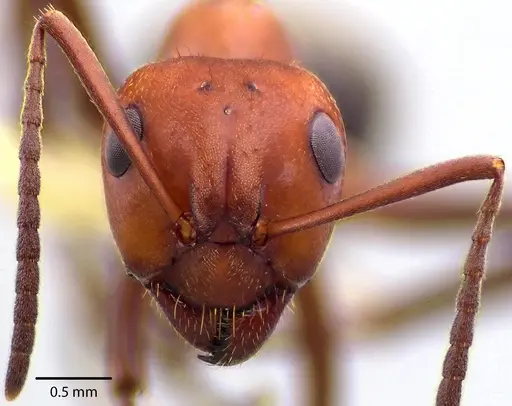
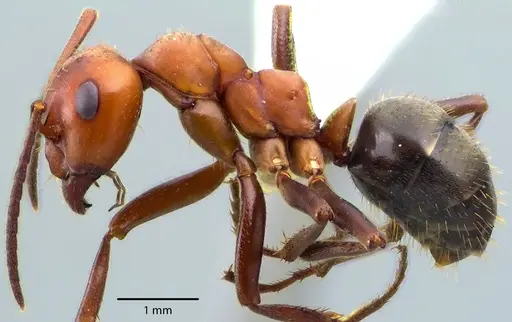
CASENT0104871
View on AntWeb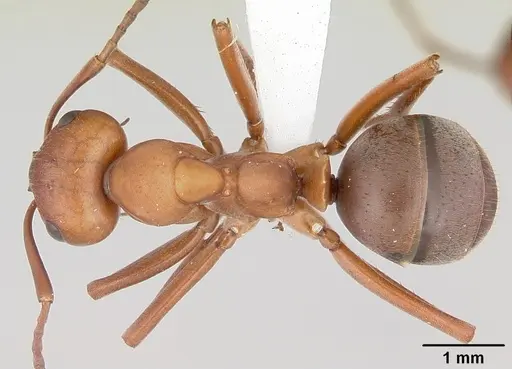
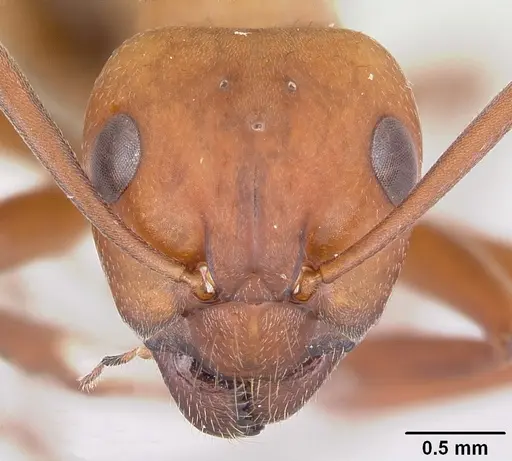
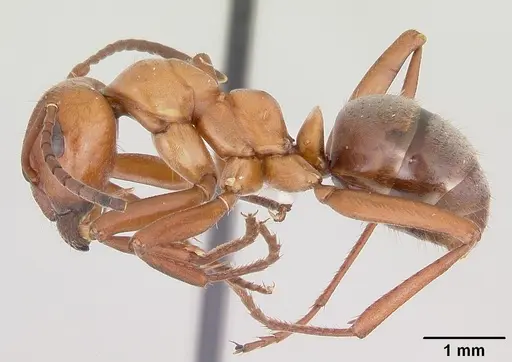
CASENT0105542
View on AntWeb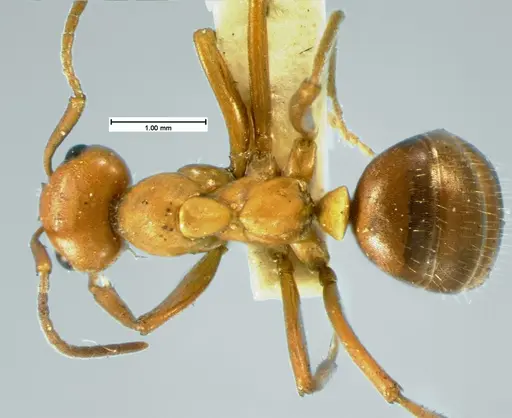
CASENT0905697
View on AntWeb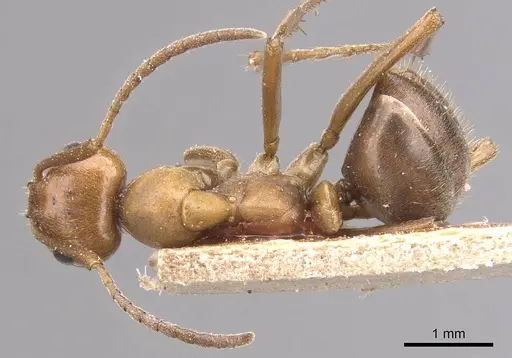
Literature
Loading distribution map...Loading products...