
Northern Red Wood Ant
Formica obscuriventris
- Sci. Name
- Formica obscuriventris
- Tribe
- Formicini
- Subfamily
- Formicinae
- Author
- Mayr, 1870
- Common Name
- Northern Red Wood Ant
- Distribution
- Found in 2 countries
Introduction
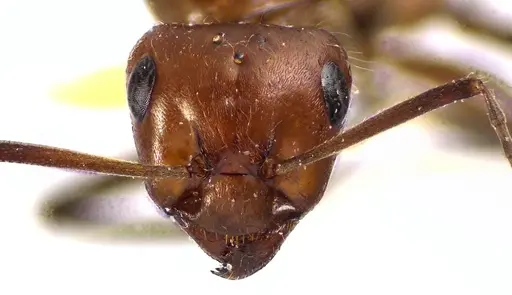
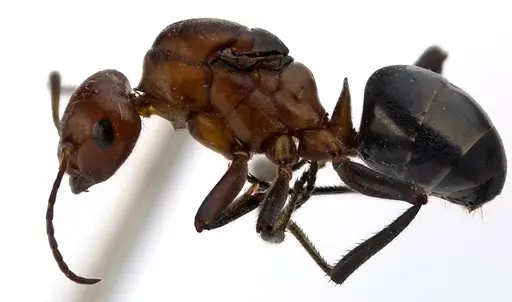
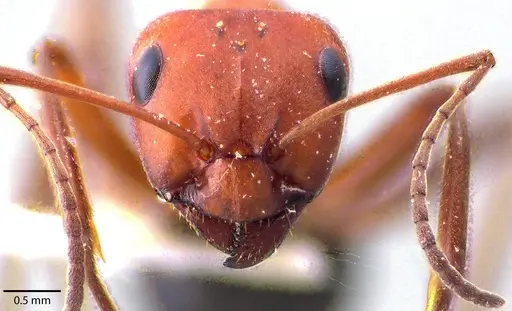
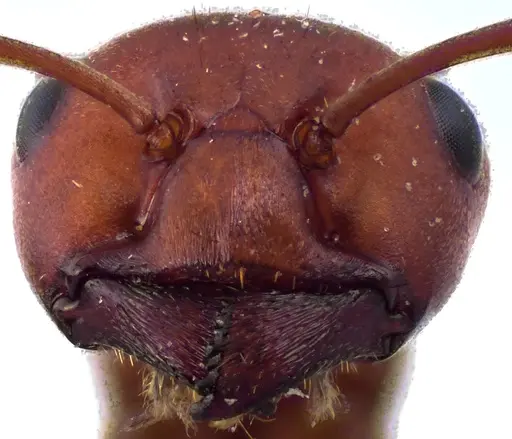
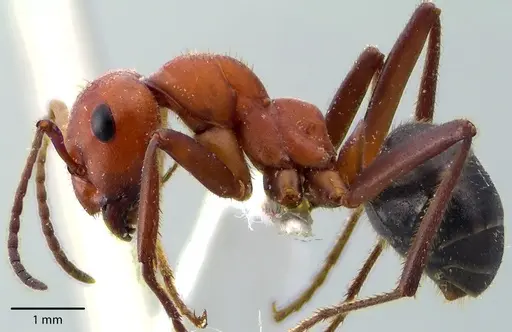
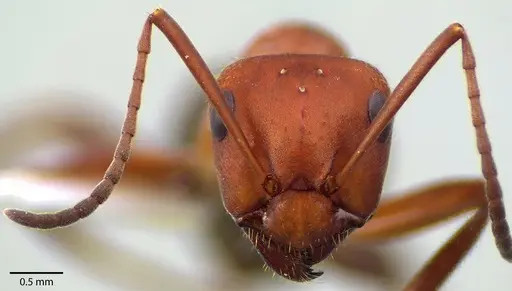
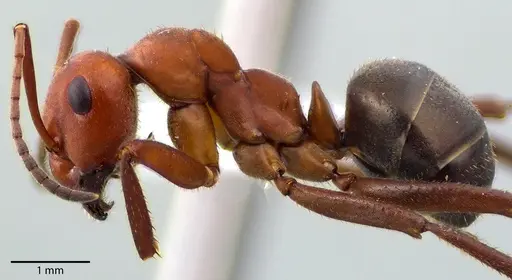
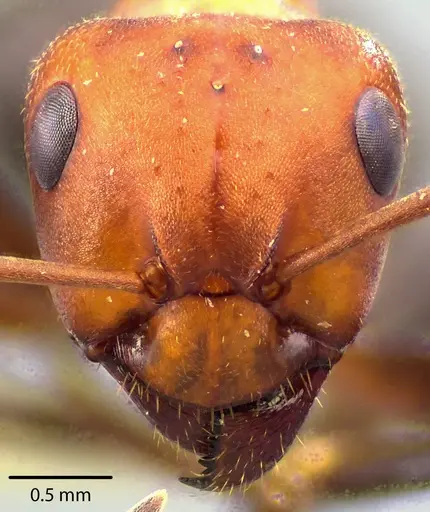
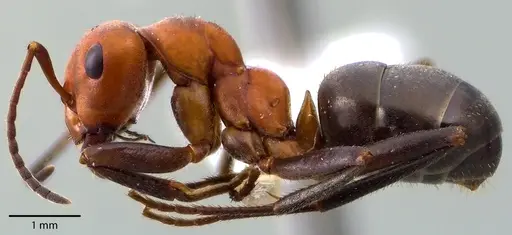
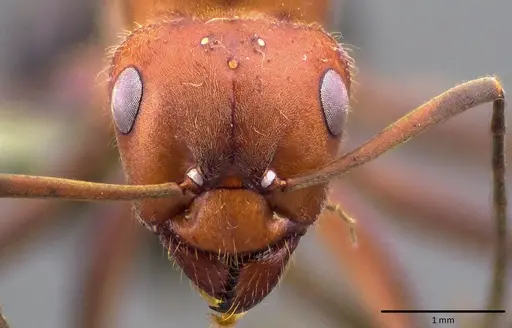
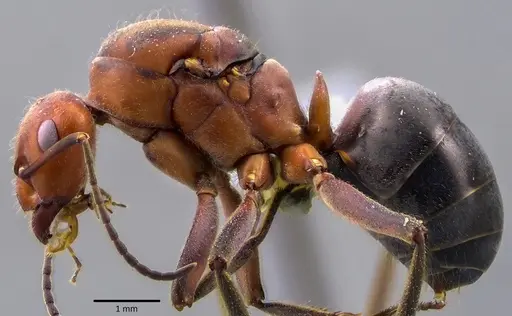
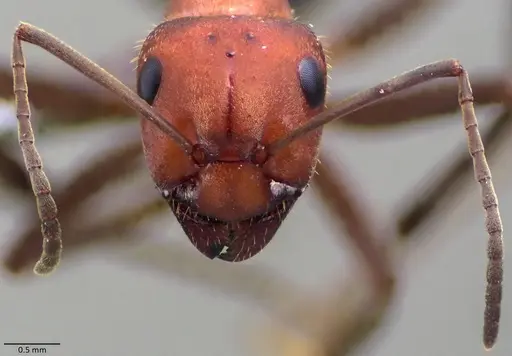
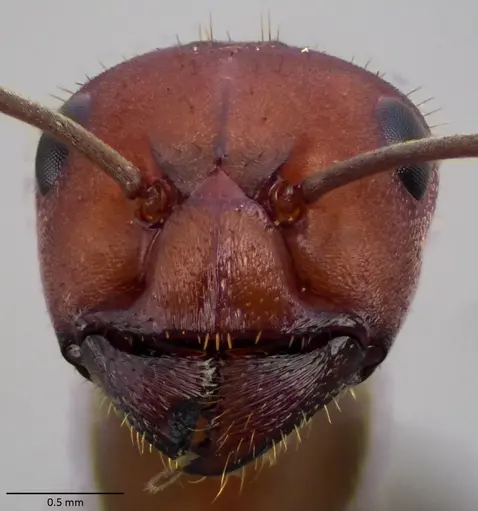
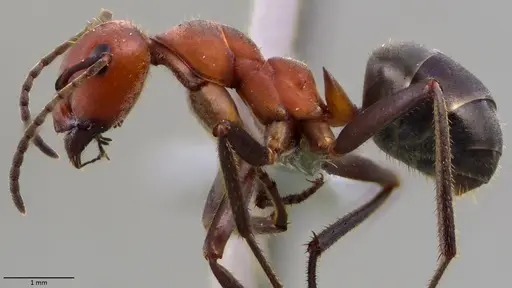
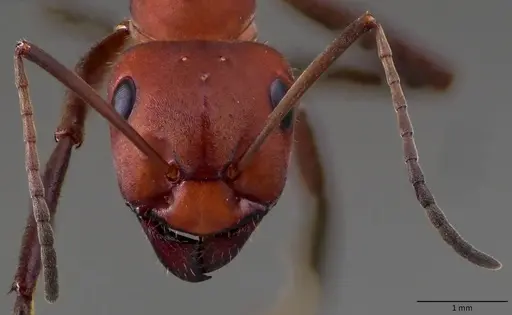
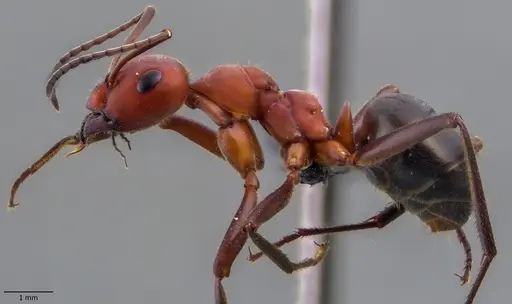
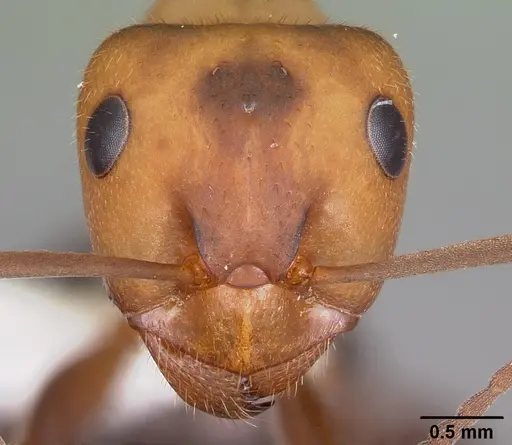
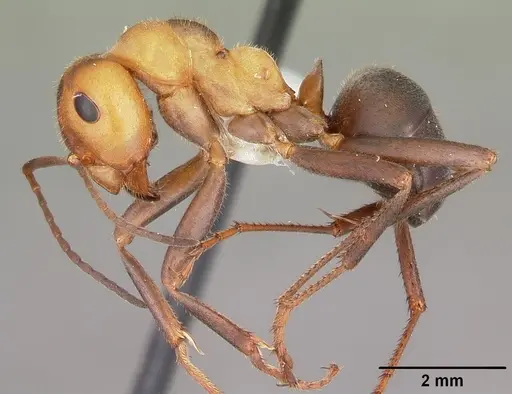
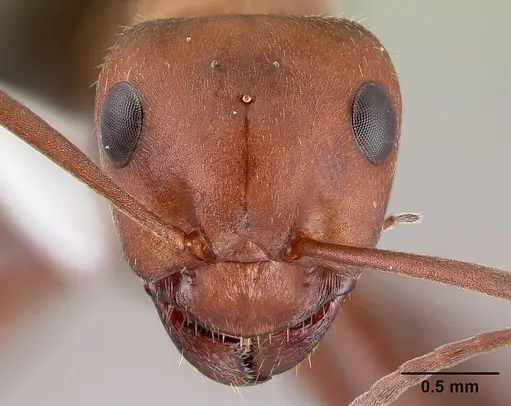
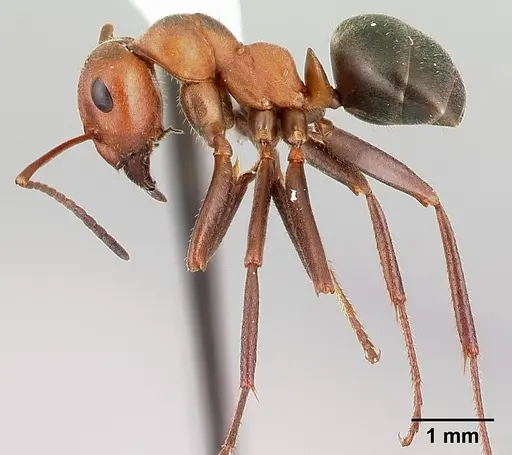
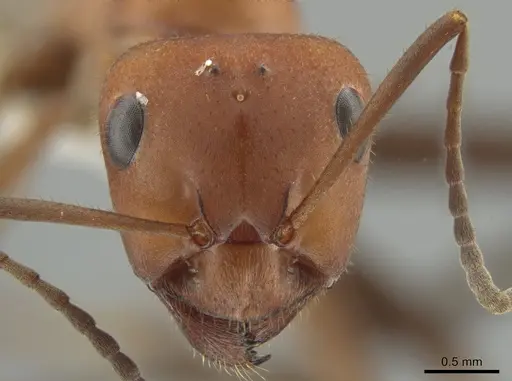
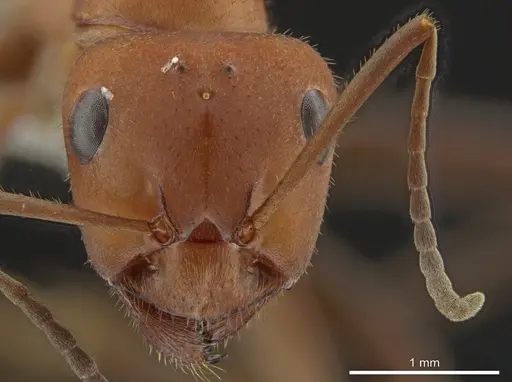
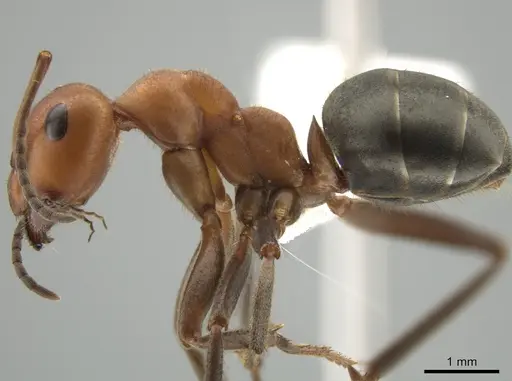
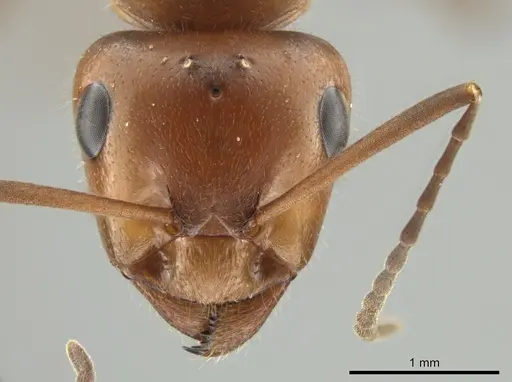
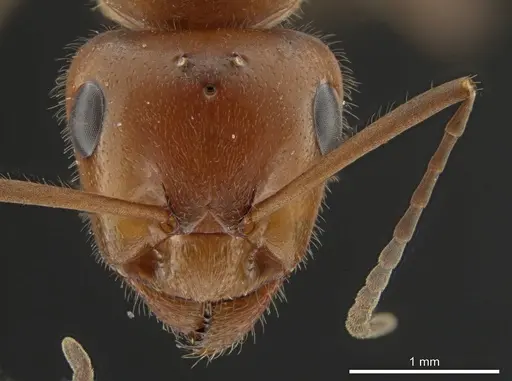
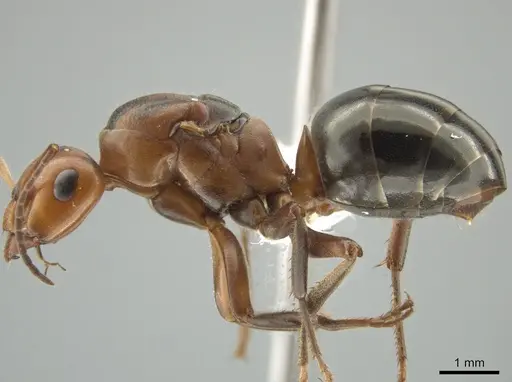
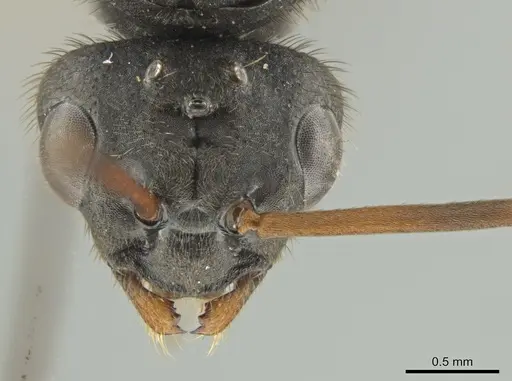
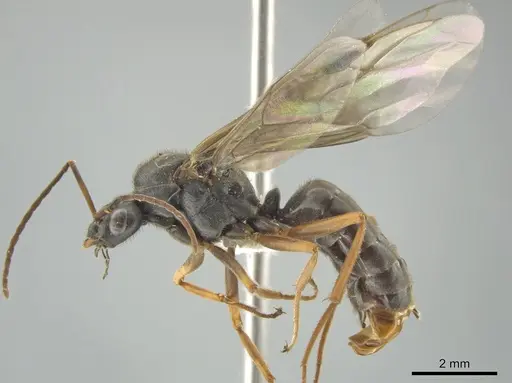
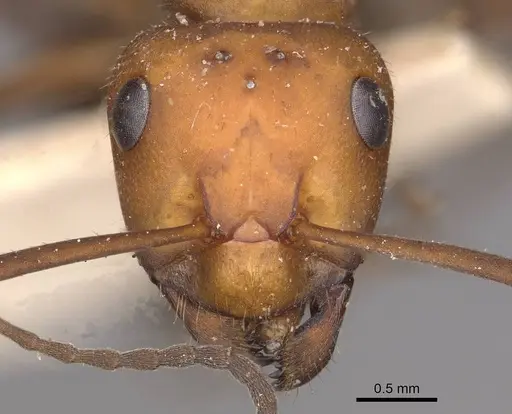
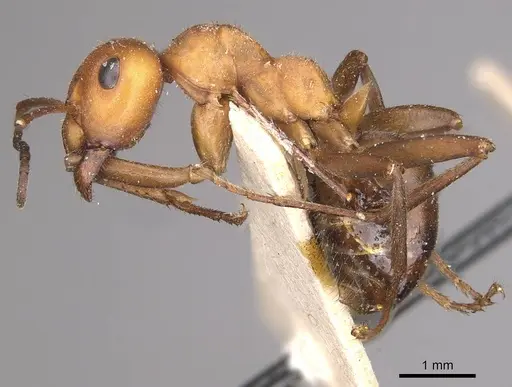
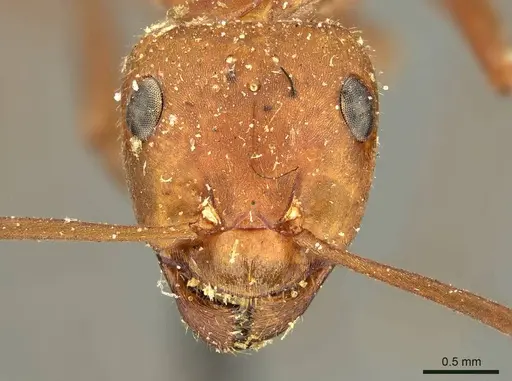
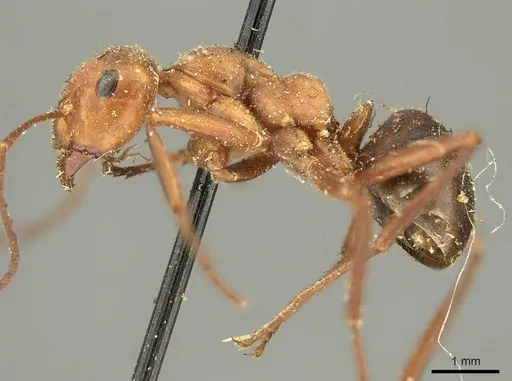
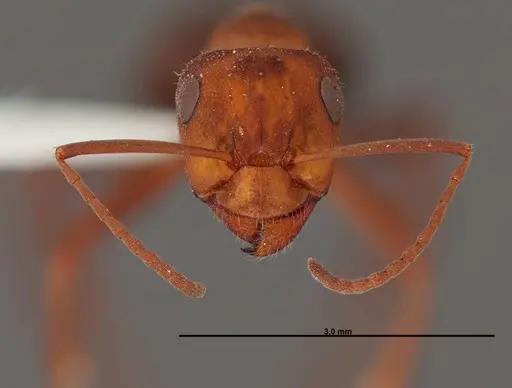
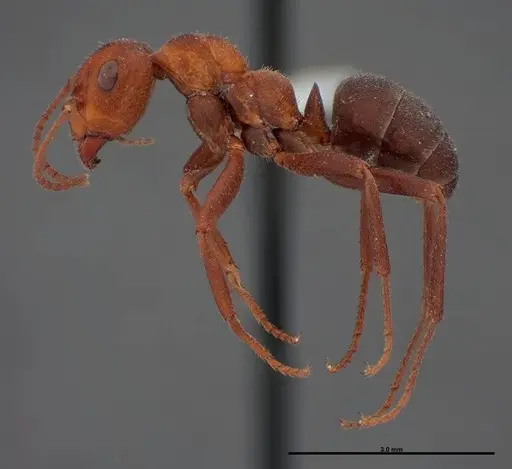
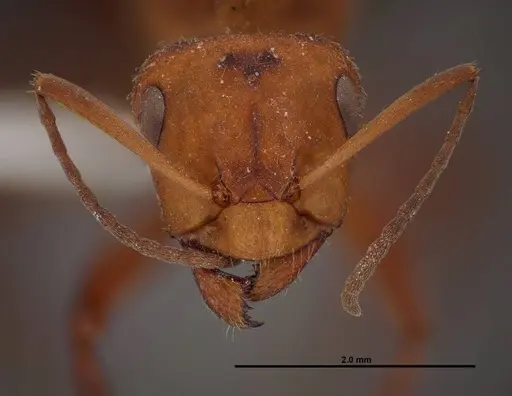
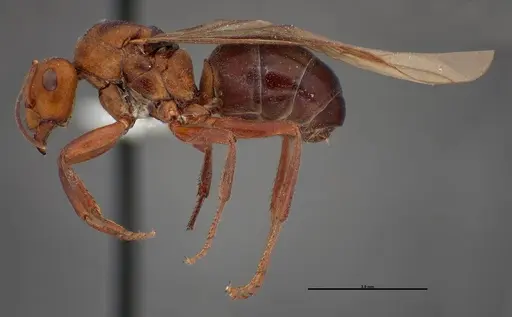
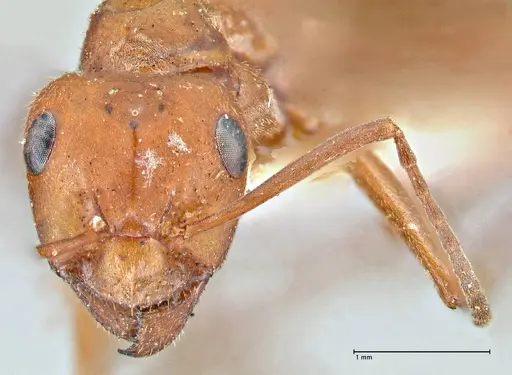
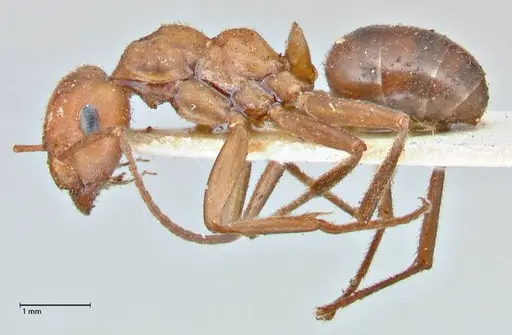
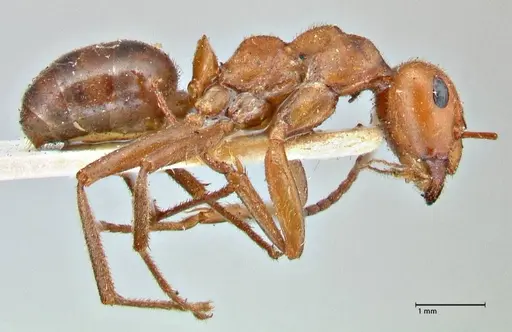
Formica obscuriventris is a medium-sized mound-building ant native to North America, ranging from southern Canada down through the eastern United States to Virginia and westward to the Pacific . Workers measure 4.5-7.0mm and are reddish-brown to dark brown in color with erect hairs on the body . This species builds characteristic thatch mounds using finely-chewed leaves, grass, and other vegetable debris, typically nesting under logs, stones, or fallen branches in wooded areas . Unlike the closely related Formica obscuripes which builds large compact mounds, F. obscuriventris creates more superficial, spread-out nest structures with chambers scattered over a wide area . A notable feature of this species is its high degree of worker size variation, with different-sized workers specializing in different tasks - smaller workers tend aphids for honeydew while larger workers build nests and forage for protein .
Quick Summary
- Difficulty: Medium
- Origin & Habitat: Wooded areas across southern Canada and the United States, from New England south to Virginia and west to the Pacific. Found in oak savanna, forest edges, and areas with moderate to sparse vegetation cover [2][4][3].
- Colony Type: Monogyne (single-queen colonies). Research confirms one queen per colony [7]. Colonies can become populous and may extend over large areas with multiple nest chambers connected by covered runways [5][3].
- Size & Growth:
- Queen: Size data unavailable, inferred from Formica genus (~7-10mm)
- Worker: 4.5-7.0mm [2]
- Colony: Populous colonies with thousands of workers, one study documented extensive colonies covering 45×25 feet with trail systems extending 45 feet [3]
- Growth: Moderate
- Development: 6-8 weeks (estimated based on genus patterns and brood development data showing eggs and larvae in early June, pupae by mid-June, and winged ants emerging by July 15 [5]) (Brood development occurs primarily in early summer. Eggs and larvae present in early June, worker pupae by mid-June, with alates emerging mid-July through early August [5].)
- Antkeeping:
- Temperature: Keep at 20-25°C. In the wild, flights occur at 63-70°F (17-21°C), with optimal flying around 68-70°F (20-21°C). They tolerate a range from roughly 15°C to 25°C [5].
- Humidity: Moderate to high. Nests include protected areas with moderately high moisture alongside drier outlying chambers. Keep substrate consistently moist but not waterlogged, with some drier areas available [5].
- Diapause: Yes. As a temperate species, colonies require a winter dormancy period. Nuptial flights occur in late July through August, after which new queens overwinter to found colonies in spring [5].
- Nesting: Mound-building species that works well with naturalistic setups. Use a formicarium with dirt/soil substrate that allows them to build thatch mounds. They need access to dead wood, logs, or stones for nest sites. A mix of chambers connected by tunnels works well, they prefer spread-out nest structures rather than compact mounds [5][3].
- Behavior: Generally non-aggressive but will defend the nest. They are active foragers that create extensive trail systems (documented up to 45 feet) to reach aphid colonies [3]. Workers show strong task specialization based on body size, smaller workers collect honeydew while larger workers build nests and hunt protein [6]. They are skilled at tending aphids and will protect aphid colonies in exchange for honeydew. Escape risk is moderate, standard formicarium barriers work well for ants this size.
- Common Issues: colonies can become very large and spread extensively, ensure adequate space, they build thatch mounds which can obscure observation, consider this when choosing nest type, parasitized by hoverfly larvae (Microdon spp.) and wasps (Elasmosoma michaeli), wild-caught colonies may arrive with parasites [10][9], slow initial colony growth during claustral founding phase, patience required, nest disturbance causes workers to repair runways extensively, sometimes taking six weeks [5]
Nest Preferences and Housing
Formica obscuriventris is a mound-building species that requires more space than typical laboratory formicariums. In the wild, they nest under logs, stones, and fallen branches with thatch made of finely-chewed leaves piled around and on top of the nest [3]. Their nest structure is notably spread-out compared to other Formica species, chambers can extend over 20×30 feet with covered runways connecting different areas [5]. For captive care, a naturalistic setup with a dirt substrate works best, allowing them to create their characteristic thatch mounds. Provide materials like dried grass, small leaves, or bark chips they can use for thatching. They need a moisture gradient within the nest so they can move brood between wetter and drier areas as needed [5]. Test tubes alone are not suitable for established colonies, they need space to build their spread-out nest system.
Feeding and Diet
These ants are opportunistic feeders with a strong preference for honeydew from aphids. In the wild, they maintain extensive trail systems (up to 45 feet) to reach aphid colonies on trees like trembling aspen [3]. They are one of the dominant species tending aphids in their range [8]. Feed them sugar water or honey regularly, and provide protein sources like crushed insects, mealworms, or small crickets. Their task specialization is notable, smaller workers specialize in honeydew collection while larger workers handle nest building and protein foraging [6]. This means offering both sugar sources and protein is important for balanced colony development.
Temperature and Seasonal Care
Keep colony temperatures in the 20-25°C range. This species is adapted to temperate climates and requires a winter dormancy period (diapause). In the wild, nuptial flights occur in late July through August, and new queens must overwinter before founding colonies in spring [5]. During winter, reduce temperature to roughly 5-10°C (like a refrigerator or cold garage) for 3-4 months. The nuptial flight data shows they are adapted to cooler conditions than many ants, flights occur at temperatures as low as 63°F (17°C) and are optimal around 68-70°F (20-21°C) [5]. They can tolerate temperatures from roughly 15°C to 25°C, making them suitable for room-temperature keeping in most homes.
Behavior and Colony Dynamics
This species shows remarkable task specialization based on worker size. Research shows honeydew collectors are significantly smaller than both nest builders and protein foragers, and this size-task association is very strong in colonies with high worker size variance [6]. Workers also show high task fidelity, 98.6% of recaptured workers maintained their assigned task over 2 days [6]. They are facultatively parasitic, meaning queens may sometimes invade other Formica colonies to found new ones [6]. Colonies can live for many years, one documented colony persisted for 19 years in Michigan [3]. They are not particularly aggressive toward keepers but will defend their nest vigorously. Their spread-out nesting and extensive trail systems mean they need more horizontal space than vertical space in captivity.
Health and Parasites
Wild colonies face several parasite threats. They are known hosts for hoverfly larvae in the genus Microdon (specifically Microdon cothurnatus and Microdon piperi), which are predators on ant brood within the nest [9]. They are also infected by the parasitic wasp Elasmosoma michaeli, which causes infected ants to show reduced aggression, abandon tasks, and gather in groups outside the nest to receive food from returning foragers [10]. When starting with wild-caught colonies, watch for signs of parasitism including unusual ant behavior or visible larvae. If you collect from the wild, quarantine and observe new colonies before introducing them to existing setups.
Frequently Asked Questions
How long does it take for Formica obscuriventris to produce first workers?
Expect 6-8 weeks from egg to first worker at room temperature (around 20-25°C). This is based on the brood development timeline, eggs and larvae appear in early June, pupae form by mid-June, and workers emerge by July [5]. The claustral queen will seal herself in a chamber and not emerge until her first workers hatch.
Do Formica obscuriventris ants need hibernation?
Yes. As a temperate North American species, they require a winter dormancy period. Reduce temperatures to 5-10°C for 3-4 months during winter. This mimics their natural cycle where nuptial flights occur in late summer, new queens overwinter, and colony founding begins in spring [5].
What do Formica obscuriventris eat?
They need a balanced diet of sugar and protein. Offer sugar water or honey regularly, they are prolific honeydew collectors in the wild. Also provide protein sources like crushed insects, small mealworms, or crickets. Their task specialization means smaller workers focus on honeydew while larger workers handle protein foraging [6].
Are Formica obscuriventris good for beginners?
Medium difficulty. They are more challenging than simple species like Lasius because they need more space, specific nesting materials for thatch-building, and a winter dormancy period. However, they are not as aggressive as some Formica species. The main challenges are providing adequate space for their spread-out nesting and being patient through the slow initial colony growth.
Can I keep multiple Formica obscuriventris queens together?
No. This species is monogyne, colonies have a single queen [7]. Unlike some Formica species that can be polygynous, F. obscuriventris colonies function with one queen. If you capture multiple foundress queens, they should be housed separately.
What size colony do Formica obscuriventris reach?
They become populous colonies with thousands of workers. One wild study documented a colony covering approximately 45×25 feet with extensive trail systems extending 45 feet to aphid food sources [3]. In captivity, given adequate space, colonies can grow to several thousand workers.
What is the best nest type for Formica obscuriventris?
A naturalistic setup with dirt substrate is essential. They need materials to thatch with, dried grass, small leaves, or bark chips. They do not do well in compact artificial nests because they naturally build spread-out chamber systems. Provide a formicarium with horizontal space for their extensive tunnel networks [5][3].
When do Formica obscuriventris have nuptial flights?
Late July through August. Studies in Michigan show flights occur from late July through August, with males emerging first (sometimes up to 22 days before females). Flights happen in the morning, typically between 7:00 and 10:00 AM, when temperatures reach 63-70°F (17-21°C) [5].
Why are my Formica obscuriventris dying?
Common causes include: wrong humidity (too dry or waterlogged), insufficient protein leading to brood failure, parasite infection from wild-caught colonies, or disturbance during claustral founding. They also need their winter dormancy period, without hibernation, colony health declines. Check for visible parasites like hoverfly larvae and ensure proper sugar/protein balance [10][9].
Report an Issue
The current care sheet is based fully on literature. See inconsistencies, or something that's incorrect? Please , it will be resolved after review from an admin. Contributing to the blogs tab also helps providing information, to make us be able to further improve the caresheets. Thank you for your support!
References

This caresheet is licensed under CC BY-SA 4.0 .
Community Blogs
ANTWEB1041599
View on AntWeb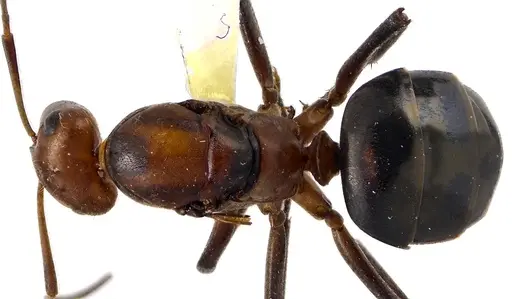
ANTWEB1041712
View on AntWeb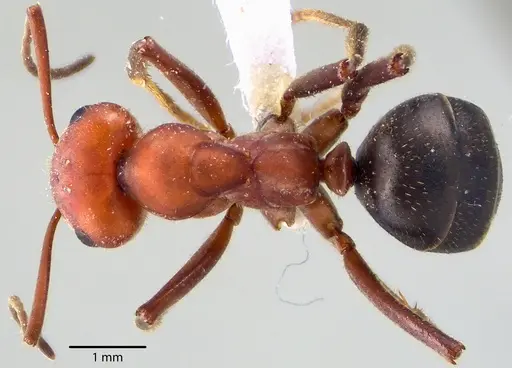
ANTWEB1041720
View on AntWeb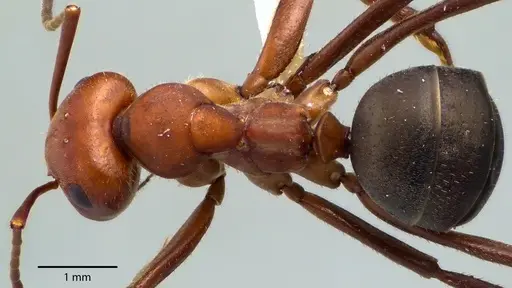
ANTWEB1041721
View on AntWeb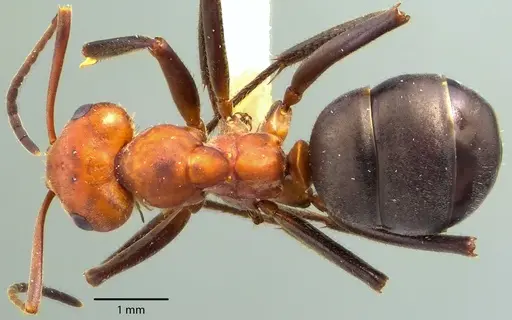
ANTWEB1041789
View on AntWeb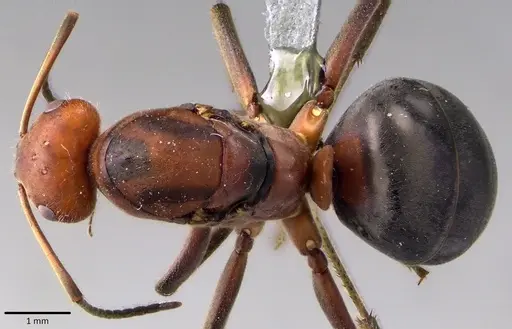
ANTWEB1060059
View on AntWeb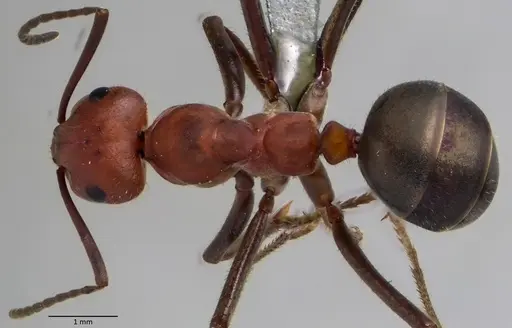
ANTWEB1060089
View on AntWeb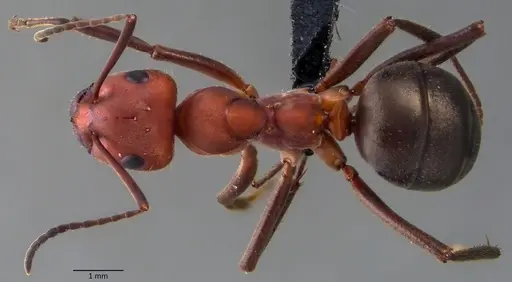
CASENT0104769
View on AntWeb
CASENT0179609
View on AntWeb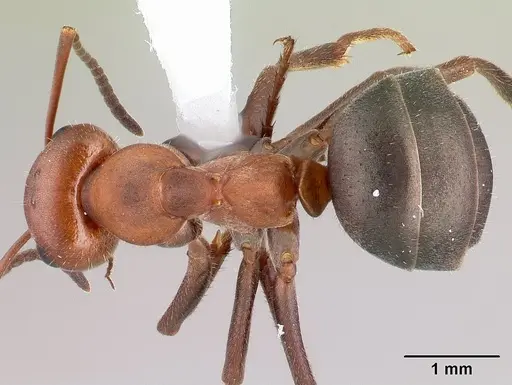
CASENT0633325
View on AntWeb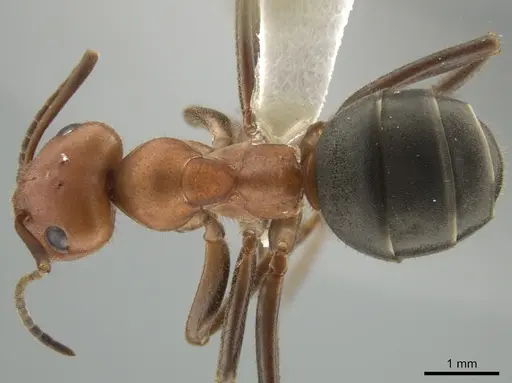
CASENT0639503
View on AntWeb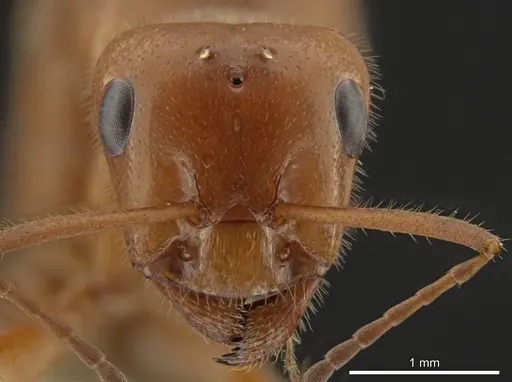
CASENT0639506
View on AntWeb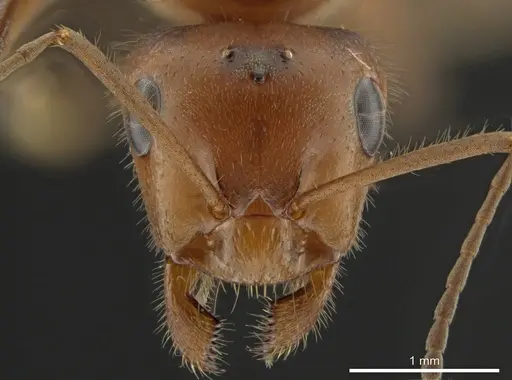
CASENT0639514
View on AntWeb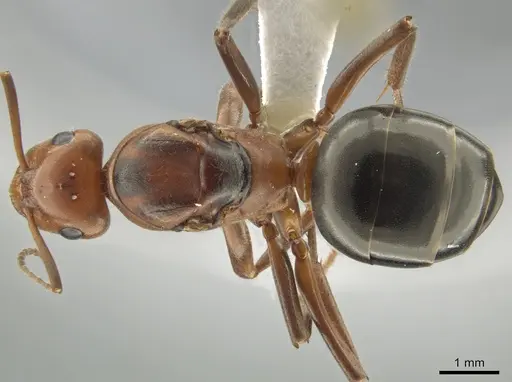
CASENT0639519
View on AntWeb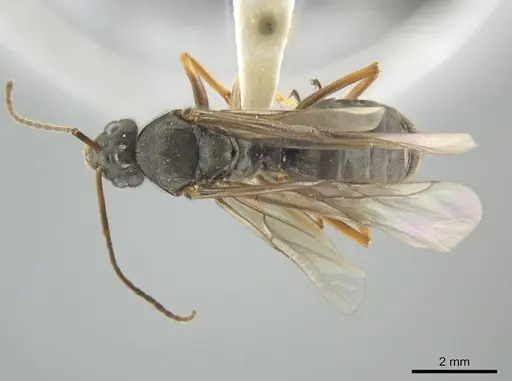
CASENT0911083
View on AntWeb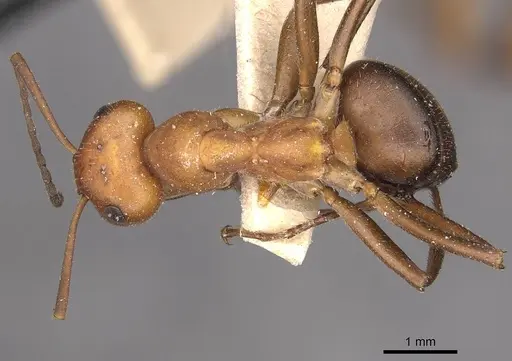
CASENT0915637
View on AntWeb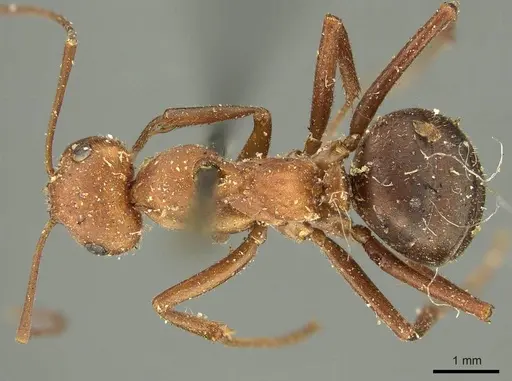
FMNHINS0000062712
View on AntWeb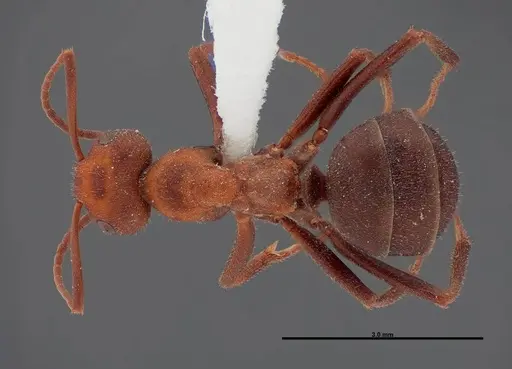
FMNHINS0000062713
View on AntWeb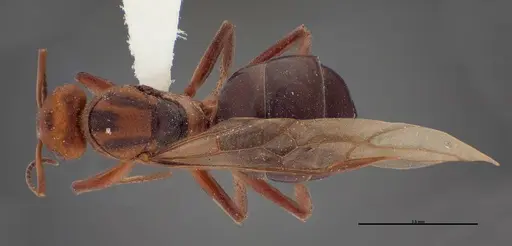
FOCOL2745
View on AntWeb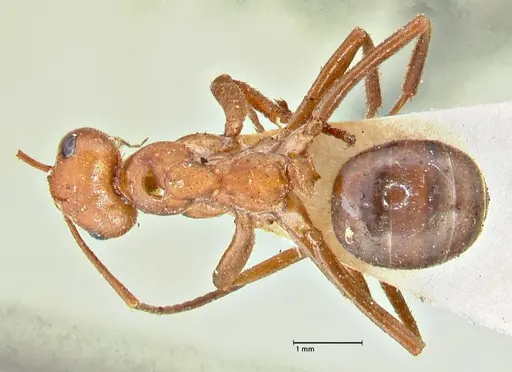
Literature
Loading distribution map...Loading products...