
New World Red Bearded Ant
Formica neorufibarbis
- Sci. Name
- Formica neorufibarbis
- Tribe
- Formicini
- Subfamily
- Formicinae
- Author
- Emery, 1893
- Common Name
- New World Red Bearded Ant
- Distribution
- Found in 2 countries
Introduction
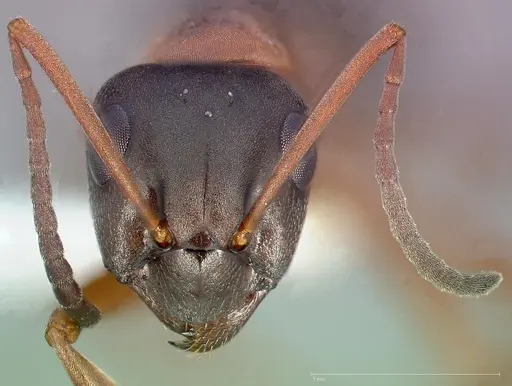
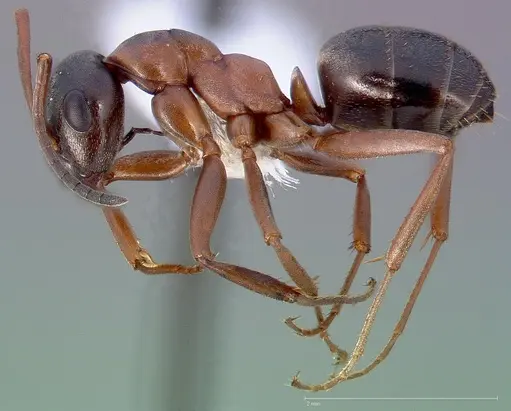
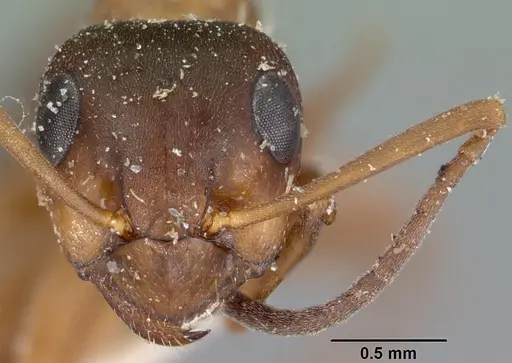
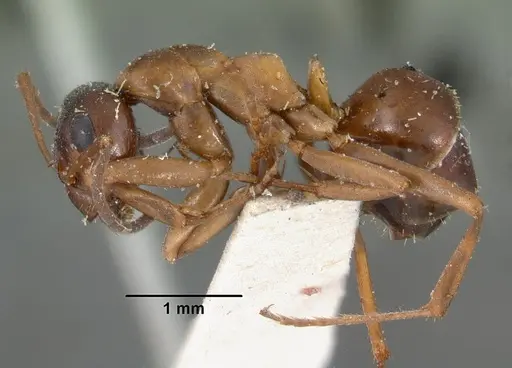
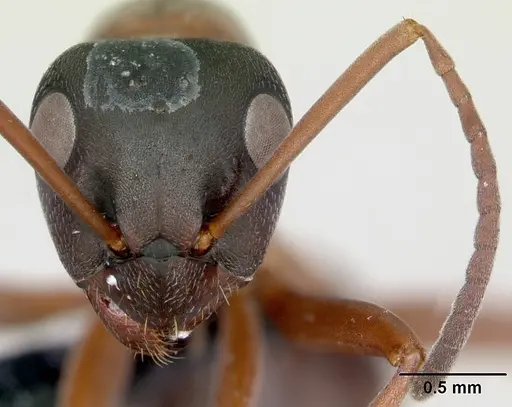
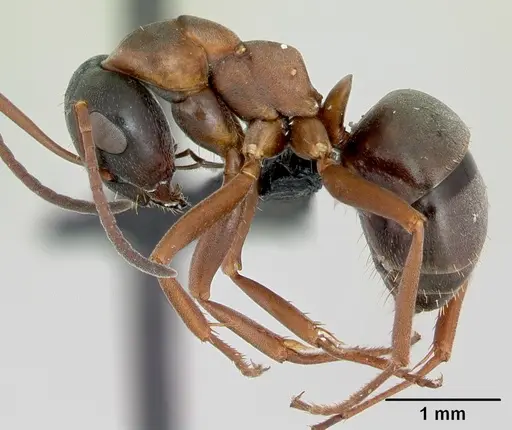
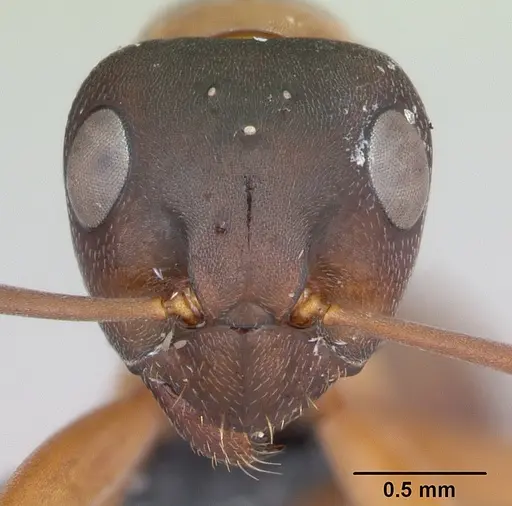
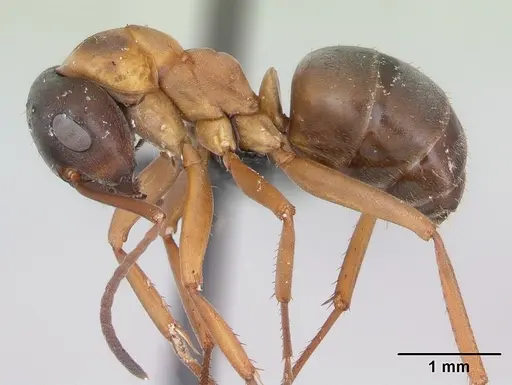
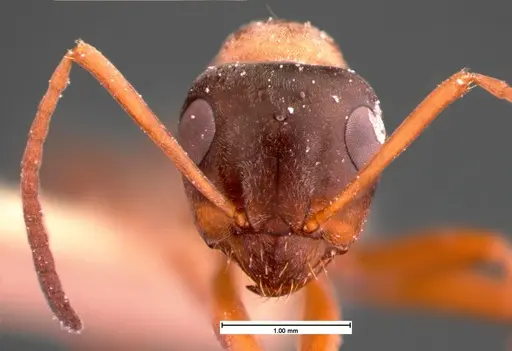
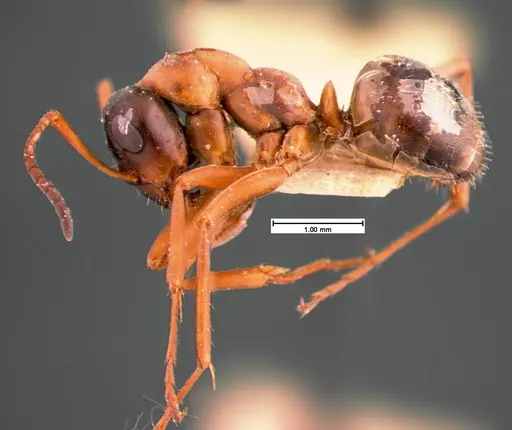
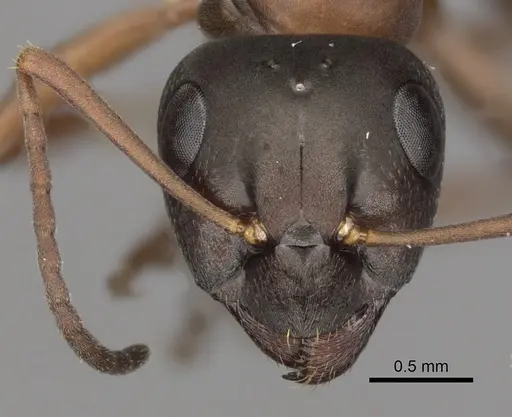
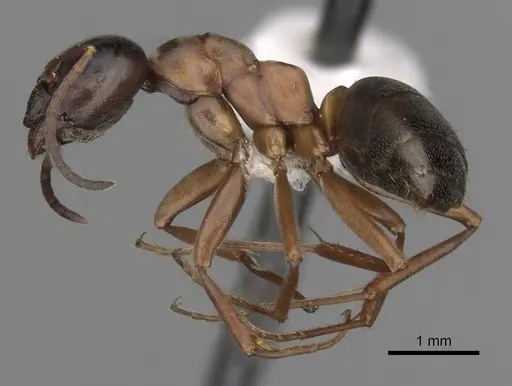
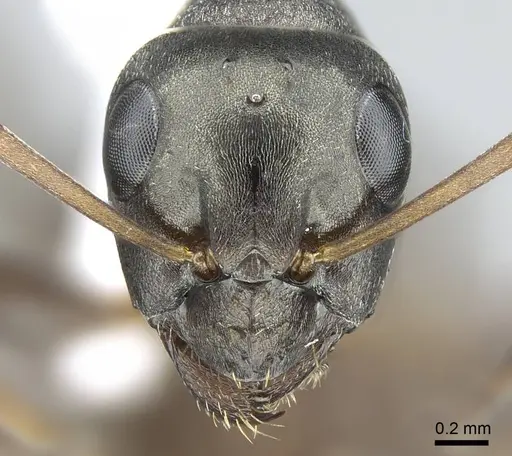
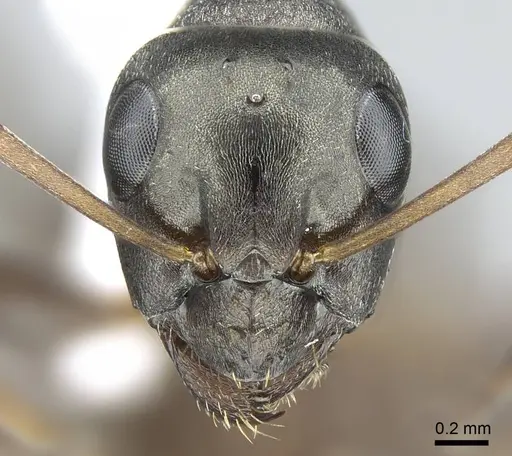
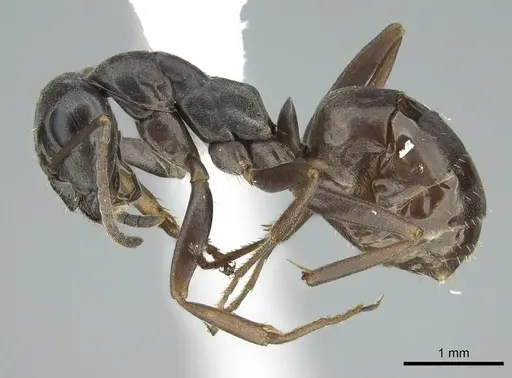
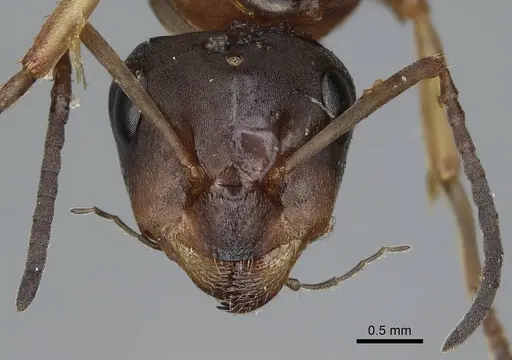
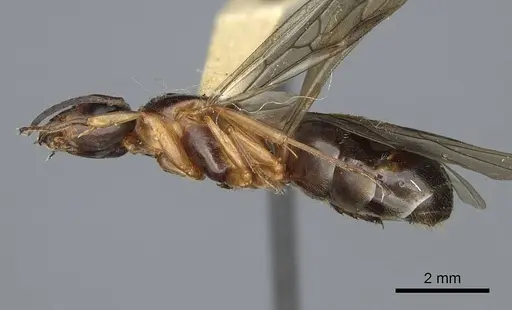
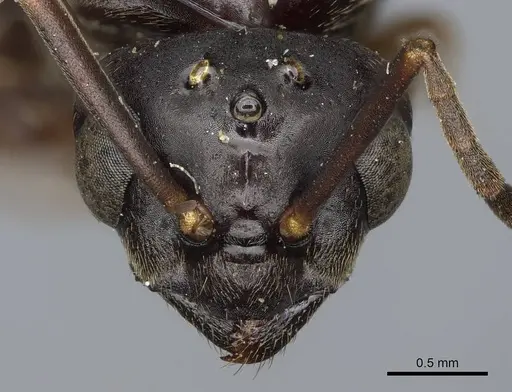
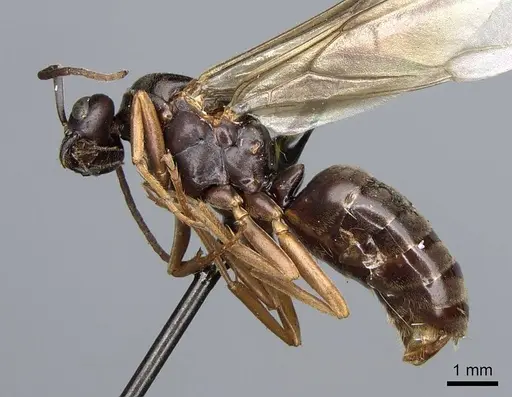
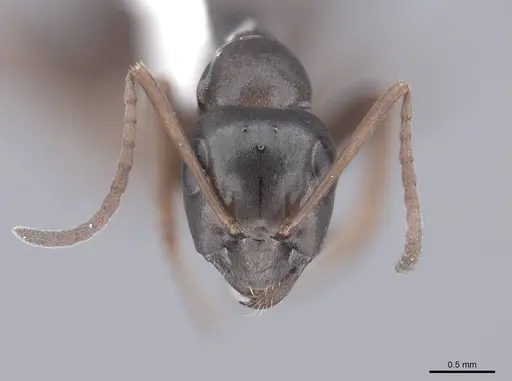
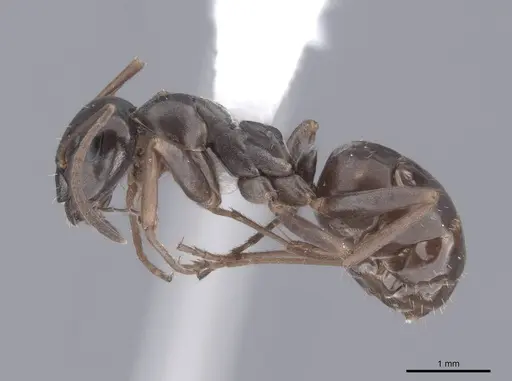
Formica neorufibarbis is a bicolored ant with a yellowish-red mesosoma and reddish-black head and gaster. The gaster is polished and shiny with sparse pubescence, while the head has few erect hairs. Workers vary in color - larger specimens are redder while smaller workers tend to be nearly black, a thermoregulation adaptation where darker ants forage in cooler morning hours and redder ants forage in warmer afternoon conditions . This species holds the elevational record for North American ants at 14,269 feet on Mt. Evans in Colorado . What makes this ant remarkable is its incredible range and hardiness. It occupies the largest territory of any Nearctic Formica species, spanning from western Alaska and the Mackenzie Delta to Newfoundland, and south through the Rocky Mountains to New Mexico and northern Mexico . It is one of the few ants that can survive in tundra environments and is the Formica species that endures the most severe climate in North America . Colonies are polygynous with multiple queens and can grow to thousands of workers.
Quick Summary
- Difficulty: Medium
- Origin & Habitat: Native to North America (Canada, United States, northern Mexico). Found across the boreal coniferous forest zone from Alaska to Newfoundland, south through the Rocky Mountains. Nests under stones, logs, and in rotten wood in areas of rocky sand or loam soil. Also nests in decaying sphagnum moss and mineral soil in bogs [3][4].
- Colony Type: Polygynous (multiple queens per colony). The 'tundra form' at high elevations is specifically polygynous [5][6][7].
- Size & Growth:
- Queen: size data unavailable, inferred from Formica genus (~9-11mm)
- Worker: ~7.6mm [8]
- Colony: up to thousands of workers [9]
- Growth: Moderate, brood develops quickly as an adaptation to short summers [3]
- Development: estimated 6-8 weeks based on typical Formica development (Brood develops rapidly, this is an adaptation to the short summer season in their boreal habitat)
- Antkeeping:
- Temperature: Keep cool, this is a boreal species. Aim for 15-22°C with a gradient. They naturally occur in cold climates and can tolerate cool temperatures. Avoid overheating.
- Humidity: Moderate humidity. Keep nest substrate moist but not waterlogged. They nest in dead wood which should have some moisture but good drainage.
- Diapause: Yes, requires hibernation during winter months. This is essential for this boreal species. Keep at near-refrigerator temperatures (3-8°C) for 3-4 months.
- Nesting: Prefers nesting in dead wood, rotten logs, stumps, and under stones. In captivity, they do well in naturalistic setups with rotting wood or a formicarium with wood chambers. They also accept test tubes with moist cotton as a water source.
- Behavior: Workers are fast and aggressive with a noticeable bite [3]. They are diurnal foragers, actively hunting during warm conditions. They show color-based thermoregulation, smaller dark workers forage in morning when cool, larger red workers forage in afternoon when warmer [1]. They can squeeze through small gaps, use standard Formica escape prevention. They tend to be timid compared to some Formica but will defend the colony vigorously when threatened.
- Common Issues: hibernation failure, this boreal species absolutely requires winter dormancy or colonies may decline, overheating, being a cold-hardy species, they suffer if kept too warm, escape risk, workers are fast and can squeeze through small gaps if not properly secured, slow founding, polygynous colonies may take time to establish multiple queens, wild colonies may be parasitized by slave-maker ants, inspect new colonies carefully
Nest Preferences
In the wild, Formica neorufibarbis nests primarily in dead wood of various types, rotten logs, stumps, and fallen branches. They also nest under stones and in decaying sphagnum moss, particularly in boggy areas [4][10]. The species shows preference for dead wood with smaller average diameter (around 14.5cm) and higher bark percentage [11]. In captivity, provide a naturalistic setup with rotting wood pieces or a formicarium with wood-based chambers. They also do well in test tube setups with moist cotton as a water reservoir. The key is providing humid but not waterlogged nesting material that mimics their natural dead wood habitat.
Feeding and Diet
This species is primarily liquid-feeding, about 85% of their diet comes from plant sources, especially flower nectar [3]. They also consume honeydew from aphids and dead arthropods for protein. In captivity, offer sugar water or honey constantly as a carbohydrate source. For protein, provide small insects like fruit flies, small crickets, or mealworms. They are known to be associated with multiple aphid species including Rhopalosiphum nymphaeae, Aphis asclepiadis, Aphis salicariae, and Aphis varians [12]. Feed protein 2-3 times per week and keep sugar water available at all times.
Temperature and Seasonal Care
This is a cold-hardy boreal species that naturally occurs in some of the harshest climates in North America. Keep them cool, ideal temperatures range from 15-22°C. They can tolerate temperatures well below room temperature and may suffer if kept too warm. During the active season, room temperature (around 18-20°C) is suitable. In winter, they require a true hibernation period of 3-4 months at near-refrigerator temperatures (3-8°C). This hibernation is essential for colony health and reproduction. The rapid brood development they show is an adaptation to short summers, they need the seasonal cues from hibernation to trigger proper reproductive cycles. [3][4]
Behavior and Colony Structure
Formica neorufibarbis is a polygynous species meaning colonies typically have multiple queens [6][5]. This is unusual among Formica and affects how you might start a colony. Workers are fast-moving and can deliver a noticeable bite if provoked. They show fascinating thermoregulation behavior where different-sized workers forage at different times, smaller darker workers warm up faster in the morning and forage early, while larger red workers prefer the warmer afternoon hours [1][2]. This polymorphism allows colonies to exploit a wider range of foraging conditions than if all workers were the same size. Colonies can grow quite large with thousands of workers.
Ecological Relationships
This species plays important ecological roles in its native habitat. It is a known host for several slave-maker ants including Formica adamsi alpina, Formica aserva, and Polyergus mexicanus [3]. If you collect a wild colony, check for signs of parasitism. They also have mutualistic relationships with multiple aphid species [12] and are significant pollinators, they have been documented pollinating Paronychia pulvinata in Colorado [13]. Additionally, their larvae are preyed upon by hoverfly species in the genus Microdon [14]. In captivity, these relationships don't directly affect care but explain why the species has evolved such resilience and adaptability.
Frequently Asked Questions
Is Formica neorufibarbis a good species for beginners?
This is a medium-difficulty species. While not the hardest, it does require proper winter hibernation which is essential for their health. They are polygynous so you can keep multiple queens together, which helps colonies establish faster. The main challenges are providing proper cooling and ensuring hibernation conditions.
How long does it take for Formica neorufibarbis to produce first workers?
Based on typical Formica development, expect first workers (nanitics) in about 6-8 weeks after the queen lays eggs, assuming optimal temperatures around 20°C. This species develops quickly as an adaptation to short summers in their boreal habitat.
Can I keep multiple Formica neorufibarbis queens together?
Yes, this species is naturally polygynous, meaning colonies have multiple queens. Unlike many ant species where multiple queens fight, F. neorufibarbis queens can coexist peacefully. You can introduce multiple foundress queens to increase your chances of successful colony establishment.
Do Formica neorufibarbis need hibernation?
Absolutely yes. This is a boreal species that requires a proper winter dormancy period of 3-4 months at cold temperatures (3-8°C). Skipping hibernation will likely cause colony decline over time. This is non-negotiable for this species.
What do Formica neorufibarbis eat?
They are primarily liquid-feeders. Offer sugar water or honey constantly for carbohydrates. For protein, provide small insects like fruit flies, small crickets, or mealworms 2-3 times per week. They naturally consume honeydew from aphids and flower nectar.
What temperature should I keep Formica neorufibarbis at?
Keep them cool, around 15-22°C is ideal. They are cold-hardy and can tolerate temperatures below room temperature. Avoid overheating. Room temperature (18-20°C) is perfect for the active season.
How big do Formica neorufibarbis colonies get?
Colonies can reach thousands of workers [9]. They are one of the more prolific Formica species in terms of colony size, likely due to their polygynous structure allowing more rapid growth.
Where does Formica neorufibarbis live in the wild?
They have the largest range of any North American Formica species, from Alaska and northern Canada south through the Rocky Mountains to New Mexico and northern Mexico. They live in boreal forests, grasslands, and high-elevation areas up to 14,000 feet.
Report an Issue
The current care sheet is based fully on literature. See inconsistencies, or something that's incorrect? Please , it will be resolved after review from an admin. Contributing to the blogs tab also helps providing information, to make us be able to further improve the caresheets. Thank you for your support!
References

This caresheet is licensed under CC BY-SA 4.0 .
Community Blogs
CASENT0005371
View on AntWeb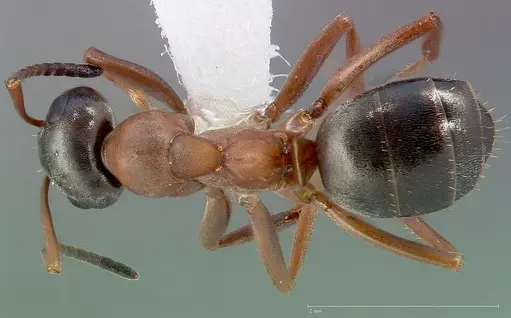
CASENT0102152
View on AntWeb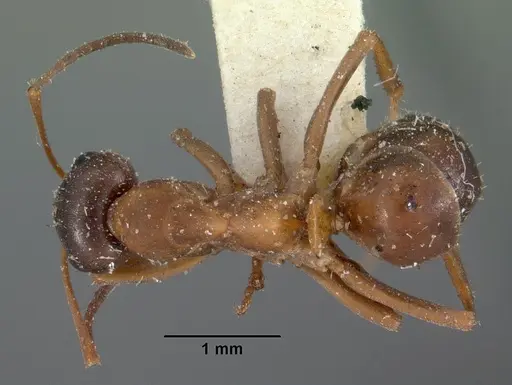
CASENT0103329
View on AntWeb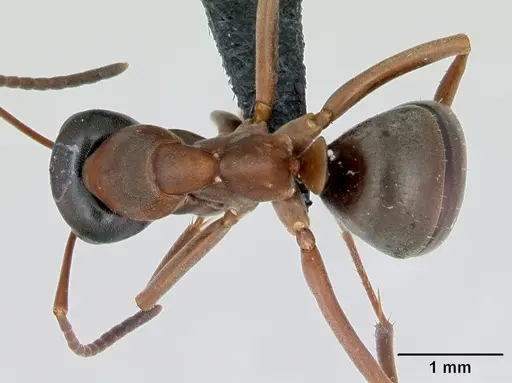
CASENT0103330
View on AntWeb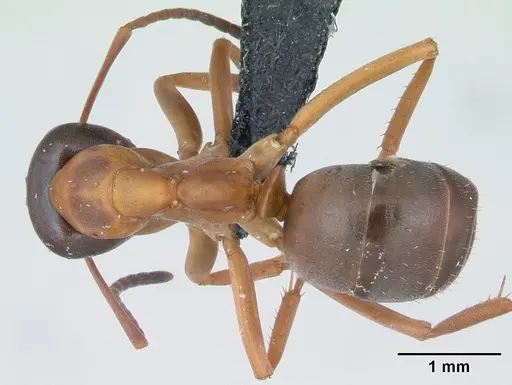
CASENT0105552
View on AntWeb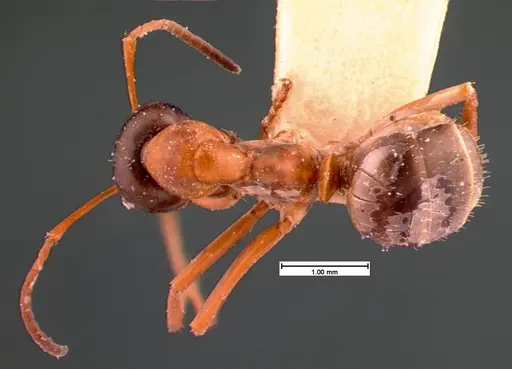
CASENT0280366
View on AntWeb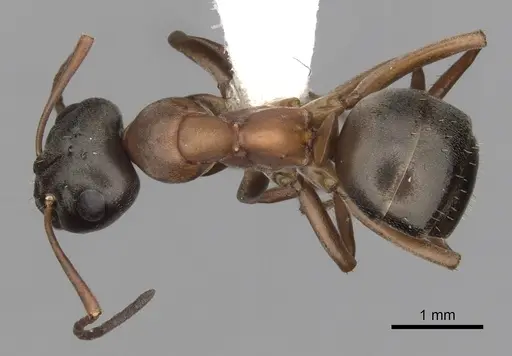
CASENT0914451
View on AntWeb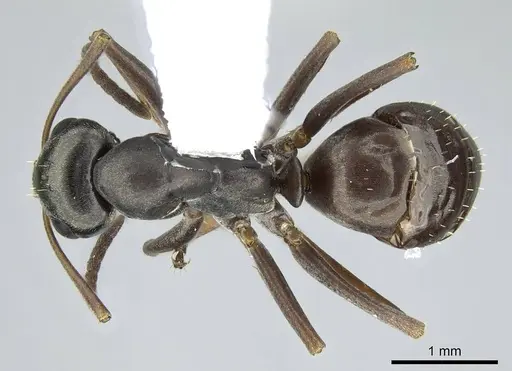
CASENT0923049
View on AntWeb
CASENT0923050
View on AntWeb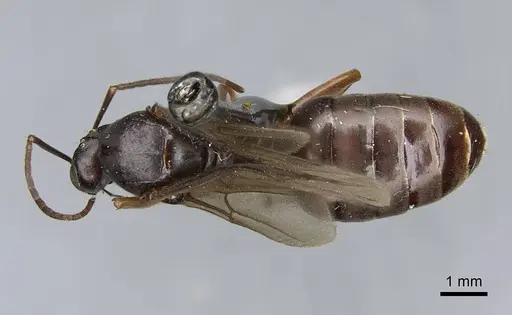
FMNHINS0000062917
View on AntWeb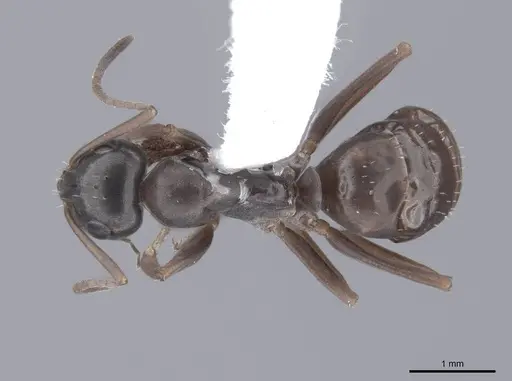
Literature
Loading distribution map...Loading products...