
Formica microgyna
- Sci. Name
- Formica microgyna
- Tribe
- Formicini
- Subfamily
- Formicinae
- Author
- Wheeler, 1903
- Distribution
- Found in 3 countries
Introduction
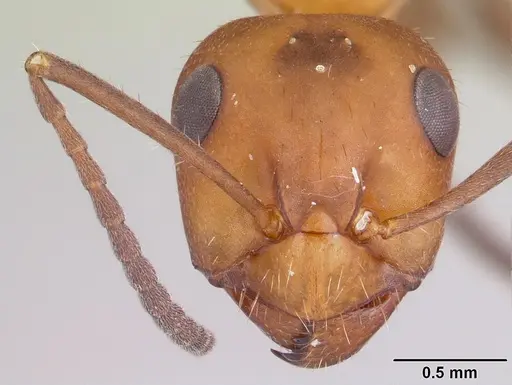
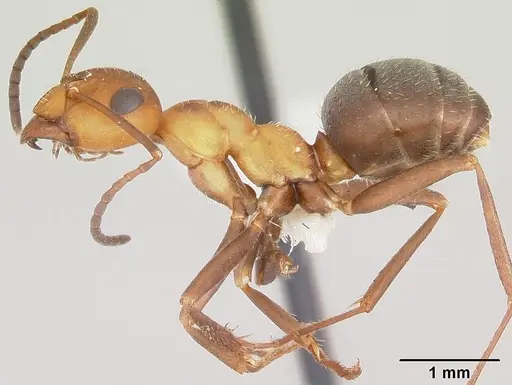
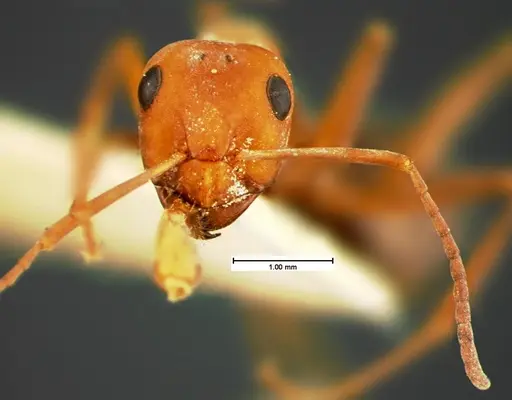
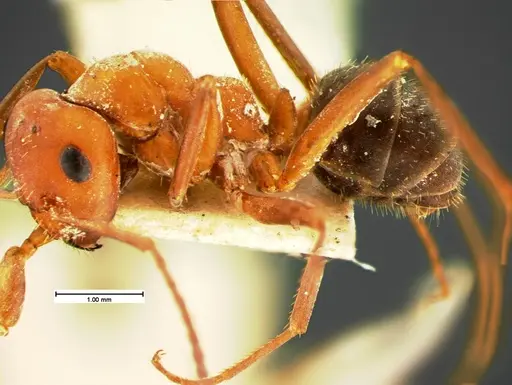
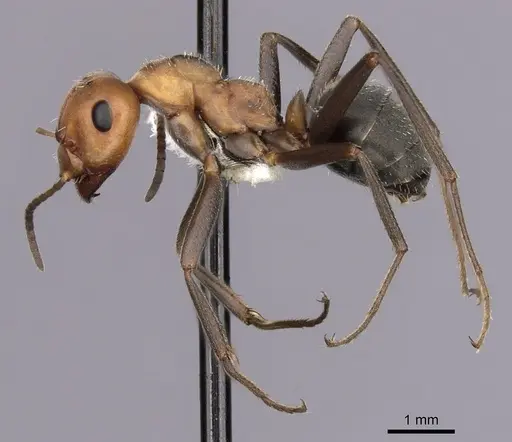
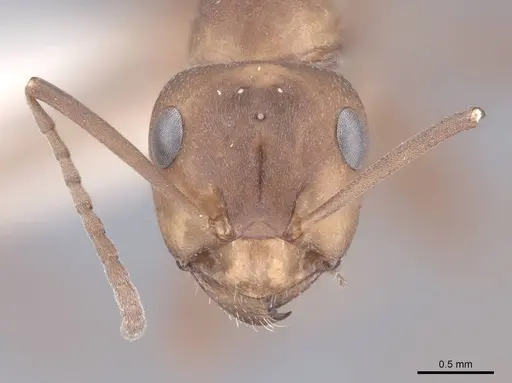
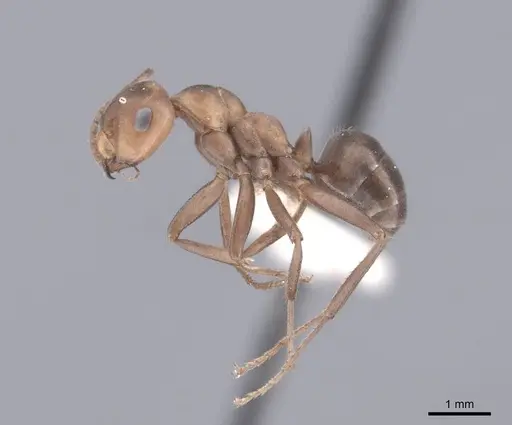
Formica microgyna is a small, bicolored slave-making ant native to western North America. Workers have a distinctive red head and mesosoma with a black gaster, and are covered in numerous blunt, erect hairs especially on the pronotum. The tibiae have erect hairs on all surfaces including a double row on the flexor surfaces. Queens are unusually small - about two-thirds the size of the largest worker - earning the name microgyna (micro = small, gyna = female/queen). This species is a temporary social parasite and slave-maker, invading colonies of other Formica species like Formica argentea, Formica fusca, Formica lasioides, and Formica neogagates to establish its own colony [AntWiki].
Quick Summary
- Difficulty: Medium
- Origin & Habitat: Western North America, found from Alberta, Canada south through Wyoming, Utah, and New Mexico to Mexico (Hidalgo state). They inhabit meadows, open forests, pine and aspen forests, typically nesting under stones, logs, or in rotting wood with occasional thatching [1][4][5][6].
- Colony Type: Temporary social parasite, queens invade host Formica colonies, kill the host queen, and use the host workers to raise their first brood. Once their own workers emerge, the colony becomes independent. This is a slave-making (dulotic) species that captures brood from host colonies to raise as workers [2][3].
- Size & Growth:
- Queen: Approximately 2/3 the size of the largest worker, queens are notably small (microgynes). Size data is limited but queens are distinctly smaller than workers [4][1].
- Worker: Robust, large-bodied workers with bicolored coloration (red head and mesosoma, black gaster) [1].
- Colony: Colony size data is limited. As a Formica species, colonies likely reach several thousand workers over time.
- Growth: Moderate, growth depends on successful host colony adoption and subsequent slave-raiding.
- Development: Unconfirmed, typical Formica development is 6-10 weeks from egg to worker at optimal temperatures. (Development timeline is not directly studied. As a temporary parasite, the first workers (nanitics) are raised by host workers rather than the queen.)
- Antkeeping:
- Temperature: Keep at room temperature around 20-24°C. As a species from temperate regions with cold winters, they will benefit from a winter hibernation period.
- Humidity: Moderate humidity is acceptable. In the wild they nest under stones and in rotting wood, which provides some moisture but not saturated conditions.
- Diapause: Yes, as a temperate species from regions with cold winters including Canada and the Rocky Mountains, colonies require a winter hibernation period (diapause) at cool temperatures (around 5-10°C) for several months.
- Nesting: They prefer naturalistic setups with soil or a soil-like substrate where they can establish colonies. Test tubes can work for founding, but established colonies do best in naturalistic formicariums with soil chambers where they can engage in their natural slave-raiding behavior. They nest under stones and logs in the wild [1].
- Behavior: Formica microgyna is an aggressive slave-making species. Queens are temporary social parasites that must invade an established host colony to found their own. Workers are active foragers and will raid other Formica colonies to capture brood, which they raise as slaves. They are defensive and will fight when their colony is threatened. Workers are medium-sized and can escape through small gaps, use standard escape prevention. They are not particularly docile and will defend their nest vigorously. Members of the microgyna group are known to be effective defenders against raiding slavemakers [2].
- Common Issues: Finding a suitable host colony is the biggest challenge, you will need to keep host species (Formica fusca, Formica argentea, etc.) to allow this species to establish., Temporary parasitic founding means colonies can fail if host adoption doesn't succeed., Slave-making behavior can be difficult to observe in captivity if host colonies aren't available., Winter diapause is essential, colonies that aren't hibernated may fail to thrive., These ants are aggressive and will defend their nest, but their sting is not medically significant, they rely on formic acid spray as defense.
Understanding Formica microgyna's Lifestyle
Formica microgyna is one of the more unusual ants you can keep because it's both a temporary social parasite and a slave-maker (dulotic species). This means their entire colony founding strategy depends on invading other ant colonies. A newly mated queen cannot start a colony on her own like most ants, she must find an established colony of another Formica species, infiltrate it, kill the host queen, and trick the host workers into raising her first brood. Once her own workers emerge (these are raised by the host workers), the colony becomes independent and begins its slave-raiding behavior to expand the workforce. This makes them fascinating to observe but more challenging to keep than typical ants. You'll need to maintain host colonies for successful establishment [2][3][1].
Housing and Nest Setup
For founding colonies, you can use a standard test tube setup, but the queen will need access to a host colony to succeed. Many keepers introduce the queen to a host colony in an observation nest where the invasion behavior can be watched. For established colonies, a naturalistic setup works best, a formicarium with soil or a soil-like substrate allows them to behave more naturally. They can construct galleries and chambers similar to their wild nests under stones and logs. Because they engage in slave-raiding, provide enough space for the colony to maintain its population of enslaved workers alongside their own. A nest area of at least 10x10cm is recommended for a growing colony, with additional foraging space. [1]
Feeding and Diet
Like other Formica species, F. microgyna is omnivorous. Workers will consume honeydew (you can offer sugar water or honey), and they need protein from insect prey. Their enslaved workers also need to be fed, so maintain a regular feeding schedule with protein sources (flightless fruit flies, small crickets, mealworms) offered 2-3 times per week, and a constant sugar source. The slave-making behavior means they rely on their enslaved workers for many tasks including foraging, so ensuring good nutrition supports the entire colony structure. [1]
Temperature and Seasonal Care
Keep your colony at room temperature, ideally around 20-24°C. This species comes from regions with cold winters including Canada and the Rocky Mountains, so they require a winter hibernation period. In autumn, gradually reduce temperatures to around 5-10°C and maintain this for 3-4 months. This diapause period is essential for colony health and typically coincides with the natural reproductive cycle, reproductives are produced in late summer and found new colonies the following season. Do not skip hibernation as it can weaken the colony and reduce longevity. [1]
Host Colony Requirements
This is the most critical aspect of keeping Formica microgyna successfully. Because they are temporary social parasites, you need host colonies for queens to invade during founding. Suitable host species include Formica argentea, Formica fusca, Formica lasioides, and Formica neogagates. You'll need to maintain at least one healthy host colony before introducing a newly mated queen. Some keepers have had success by introducing a queen to a weakened or queenless host colony, allowing the invasion to occur more easily. Without a host, the queen will not survive, she cannot found a colony independently like claustral species [1][2].
Frequently Asked Questions
Can Formica microgyna found a colony without a host colony?
No. Formica microgyna is a temporary social parasite, the queen MUST invade an established host colony to found her colony. She cannot survive alone or raise first workers independently like most ant species. You will need a host colony to keep this species.
What ants can I keep as hosts for Formica microgyna?
Suitable host species include Formica argentea, Formica fusca, Formica lasioides, and Formica neogagates. These are the species that F. microgyna enslaves in the wild. You'll need to maintain at least one of these host colonies to successfully keep the parasite.
How long does it take for Formica microgyna to establish a colony?
Establishment depends on successful host colony invasion. Once the queen is accepted by host workers and kills the host queen, the first workers (nanitics) emerge in approximately 6-10 weeks, raised by the host workers. After this, the colony begins its independent growth.
Are Formica microgyna good for beginners?
No. This species is not recommended for beginners due to their complex parasitic lifestyle requiring host colonies. They are best suited for intermediate to advanced antkeepers who are prepared to maintain multiple colonies (the parasite and at least one host species).
Do Formica microgyna need hibernation?
Yes. As a temperate species from regions with cold winters (Canada, Rocky Mountains), they require a winter diapause period. Reduce temperatures to 5-10°C for 3-4 months during winter.
How big do Formica microgyna colonies get?
Colony size is not well documented, but as a Formica species, mature colonies likely reach several thousand workers including both the parasite species and their enslaved workers.
Can I keep multiple Formica microgyna queens together?
This is not recommended and has not been documented. Each queen needs to independently find and invade a host colony. Keeping multiple unrelated queens together would likely result in fighting.
What makes Formica microgyna queens different from other ant queens?
F. microgyna queens are unusually small, about two-thirds the size of the largest worker. This is why they're called 'microgynes' (micro = small, gyna = female). This small size is an adaptation to their parasitic lifestyle, allowing them to infiltrate host colonies more easily. Microgynes in this species group can fully overlap in size with the worker caste [4][7][1].
Why are they called slave-making ants?
Formica microgyna raids colonies of other Formica species and steals their brood. The stolen pupae emerge as adult workers that serve the parasite colony for life, these are the 'slaves.' The slave workers perform foraging, nest maintenance, and other tasks while the parasite workers focus on raiding more colonies.
Report an Issue
The current care sheet is based fully on literature. See inconsistencies, or something that's incorrect? Please , it will be resolved after review from an admin. Contributing to the blogs tab also helps providing information, to make us be able to further improve the caresheets. Thank you for your support!
References

This caresheet is licensed under CC BY-SA 4.0 .
Community Blogs
CASENT0104885
View on AntWeb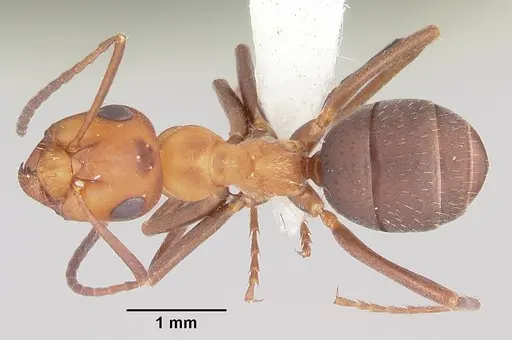
CASENT0105603
View on AntWeb
CASENT0280415
View on AntWeb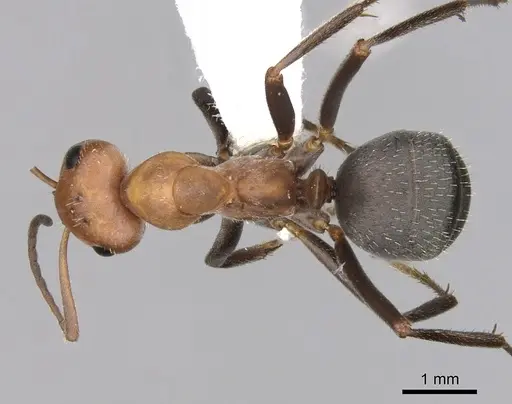
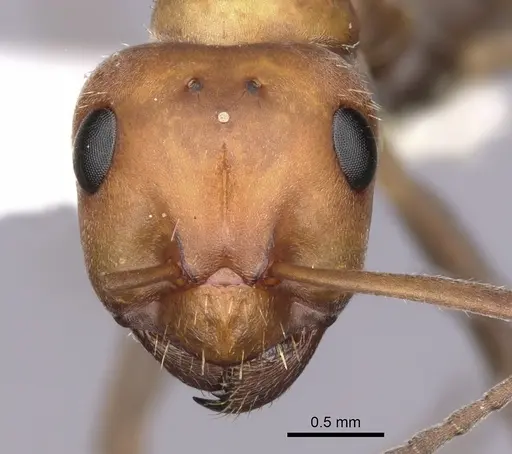
FMNHINS0000046707
View on AntWeb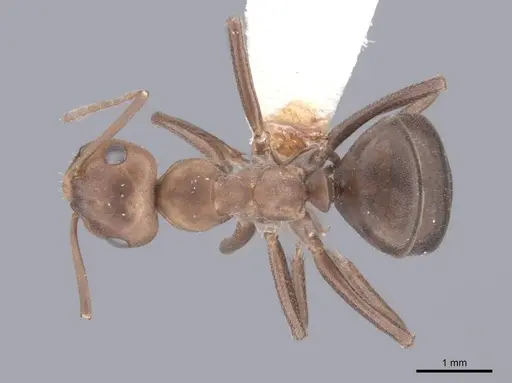
Literature
Loading distribution map...Loading products...