
Hewitt's Mound Ant
Formica hewitti
- Sci. Name
- Formica hewitti
- Tribe
- Formicini
- Subfamily
- Formicinae
- Author
- Wheeler, 1917
- Common Name
- Hewitt's Mound Ant
- Distribution
- Found in 2 countries
Introduction
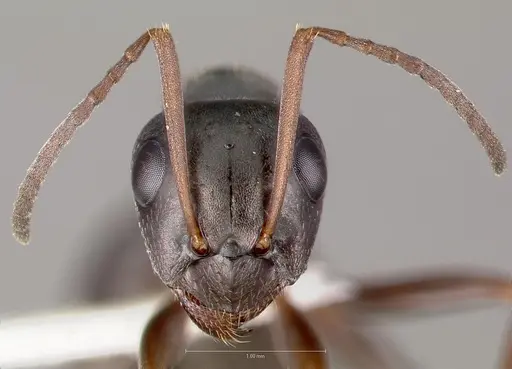
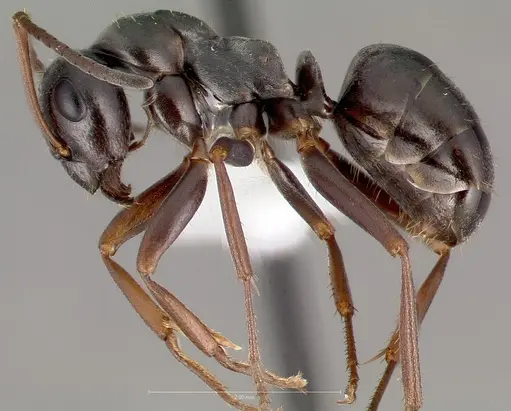
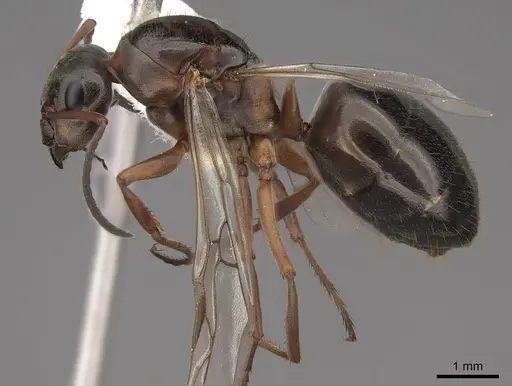
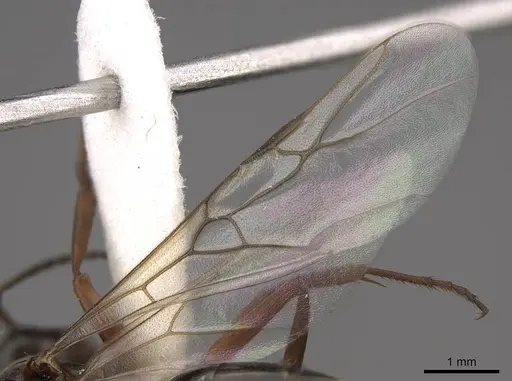
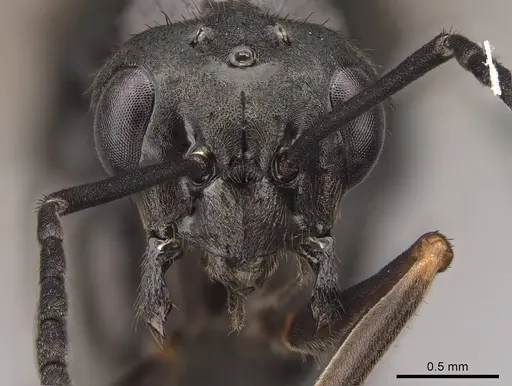
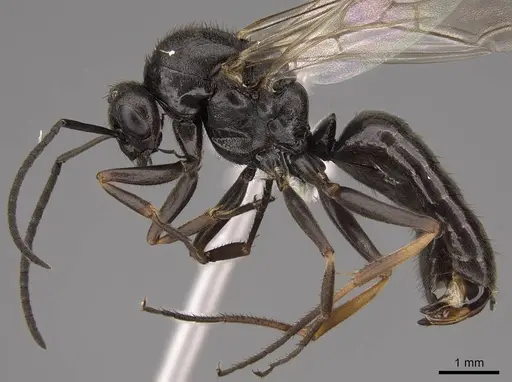
Formica hewitti is a dark brown ant with lighter brown legs and antennae, belonging to the Formica fusca group . Workers are modest-sized ants that nest in dead wood, mineral soil, under stones, or in distinctive pebble and soil mounds up to 20 cm high and 50 cm wide, often with some thatching . Their range is western North America, from the boreal forests of Canada through the western US to northern Mexico . They inhabit meadows, ponderosa pine‑riparian areas, aspen forests, and boreal woodlands . One interesting aspect: they commonly nest alongside Camponotus modoc and serve as a host for enslaved Formica species – other ants raid their colonies, steal pupae, and use the emerging workers as slaves .
Quick Summary
- Difficulty: Medium
- Origin & Habitat: Western North America – from Canada (Alberta, Saskatchewan, Yukon), the western US (Colorado, Idaho, Nevada, New Mexico, Utah, Washington, Wyoming) to northern Mexico (Chihuahua) [2][5][3][4]. They inhabit boreal forests, meadows, ponderosa pine‑riparian areas, aspen forests, and sand hill grasslands, often in areas with tree‑dominated vegetation and litter on mineral soil [4][6]
- Colony Type: Likely monogyne (single queen) based on typical Formica fusca group patterns, but this is not confirmed directly from research. Worker reproduction (gamergate) has not been reported.
- Size & Growth:
- Queen: size data unavailable – no measurements known
- Worker: size data unavailable – measurements not published for this species
- Colony: unknown – no direct data from research
- Growth: Moderate – inferred from related Formica species
- Development: Estimated 6‑8 weeks based on related Formica species at 22‑24°C (Development time inferred from genus patterns, direct data for Formica hewitti not available.)
- Antkeeping:
- Temperature: Keep around 20‑24°C (room temperature). This boreal species prefers cooler conditions than tropical ants. A gentle temperature gradient in the nest lets workers self‑regulate. Avoid prolonged heat above 28°C. [4][7]
- Humidity: Moderate – keep the nest substrate lightly moist but not waterlogged. They naturally nest in mineral soil and dead wood, so provide consistent moisture. A water tube in the outworld is helpful. [8][7]
- Diapause: Yes – as a boreal species, they require a winter dormancy of 3‑4 months at 5‑10°C (typically November to March in the northern hemisphere). This mimics their natural cycle. [4][8]
- Nesting: Y‑tong (AAC) or plaster nests work well. Fill chambers with a soil‑plaster blend to maintain moisture. Avoid acrylic nests. Provide nest chambers that mimic their natural sites: under stones, in dead wood, or in soil. [1][8][7]
- Behavior: Generally calm and non‑aggressive. As a member of the Formicinae subfamily, they lack a sting and instead spray formic acid as a chemical defense. They are active foragers that seek honeydew and small insects. Escape prevention is important – use fluon or baby powder on edges. In the wild, they are frequently targeted by slave‑making Formica species, so wild‑caught colonies may already be parasitized.
- Common Issues: failure to provide winter dormancy leads to colony decline – this species must hibernate, wild‑caught colonies may be parasitized by slave‑making ants, check for unusual worker behavior or presence of other species, prefers cooler temperatures than many ants, overheating (above 28°C) can stress the colony, nests that become too dry cause brood death – maintain substrate moisture, founding queens may take weeks to lay their first eggs, patience required during the founding phase
Nest Preferences and Setup
Formica hewitti naturally nests in dead wood, mineral soil, under stones, and in mounds of pebbles and soil [1][8][7]. In captivity, Y‑tong (AAC) or plaster nests with soil‑filled chambers mimic these conditions well. Fill nest chambers with damp soil or a soil‑plaster blend to hold moisture. Provide a water tube in the outworld. Since they sometimes nest in logs or stumps, including a piece of decayed wood can encourage natural behavior. Avoid acrylic nests – they don’t manage humidity properly. A naturalistic setup with soil, stones, and some thatching material can stimulate mound‑building behavior.
Feeding and Diet
Formica hewitti is omnivorous. Workers collect honeydew from aphids and scale insects in the wild, so provide a constant supply of sugar water or honey water. For protein, offer small insects such as fruit flies, small crickets, or mealworms twice a week. They are active foragers and readily accept fresh prey. Remove uneaten food after 24‑48 hours to prevent mold. A balanced diet supports colony growth. [1]
Temperature and Seasonal Care
This boreal species prefers cooler temperatures. Maintain the nest at 20‑24°C – standard room temperature works well. A heating cable on one side can create a gradient. Most importantly, they require an annual winter dormancy. From November to March (or 3‑4 months), reduce temperature to 5‑10°C by moving the colony to a cool basement, garage, or refrigerator. Without this dormancy, colonies will weaken and eventually die. [4][8]
Behavior and Colony Dynamics
Workers are active foragers that communicate with chemical trails. They are not aggressive and rarely spray formic acid unless disturbed. One notable behavior: Formica hewitti is a host for slave‑making ants like Formica daressi or Formica subintegra – these species raid colonies to steal pupae. If you collect a wild colony, watch for signs of parasitism (e.g., presence of foreign workers). The ants themselves are docile despite being target of raids. [1]
Frequently Asked Questions
Is Formica hewitti a good species for beginners?
Formica hewitti is moderate difficulty – suitable for beginners willing to provide a cool environment and annual hibernation. They are not as challenging as tropical exotics, but the dormancy requirement is essential.
How long does it take for Formica hewitti to produce first workers?
Based on typical Formica development, expect first workers (nanitics) around 6‑8 weeks after the queen lays eggs at 22‑24°C. Direct data for this species is unavailable.
What temperature range is best for Formica hewitti?
Keep them at 20‑24°C. This boreal species prefers cool conditions. Avoid prolonged exposure above 28°C. A temperature gradient in the nest is beneficial. [4]
Do Formica hewitti need hibernation?
Yes – they absolutely need a winter dormancy of 3‑4 months at 5‑10°C (November to March in the northern hemisphere). Without it, the colony will decline. [4][8]
Can I keep multiple Formica hewitti queens together?
Probably not – the species is suspected to be monogyne (single queen). There is no evidence of pleometrosis or polygyny in the literature. Keep only one queen per colony.
What do Formica hewitti eat?
Omnivorous – provide sugar water or honey water constantly, plus protein foods like fruit flies, small crickets, or mealworms twice a week. They also accept aphid honeydew if available.
How big do Formica hewitti colonies get?
Not known – colony size has not been documented in research. Based on related fusca‑group Formica, they may reach several hundred to a few thousand workers at maturity, but this is speculative.
When should I move Formica hewitti to a formicarium?
Wait until the colony has at least 15‑20 workers and has outgrown the test tube. Transfer to a Y‑tong or plaster nest with soil chambers. Do not move earlier to avoid stress.
Why are my Formica hewitti dying?
Common causes: lack of proper winter dormancy (essential!), temperatures above 28°C, nests too dry, or wild‑caught colonies already parasitized by slave‑making ants. Review your setup: cool ambient, moist substrate, and annual hibernation are critical. [4][8]
Report an Issue
The current care sheet is based fully on literature. See inconsistencies, or something that's incorrect? Please , it will be resolved after review from an admin. Contributing to the blogs tab also helps providing information, to make us be able to further improve the caresheets. Thank you for your support!
References

This caresheet is licensed under CC BY-SA 4.0 .
Community Blogs
CASENT0005881
View on AntWeb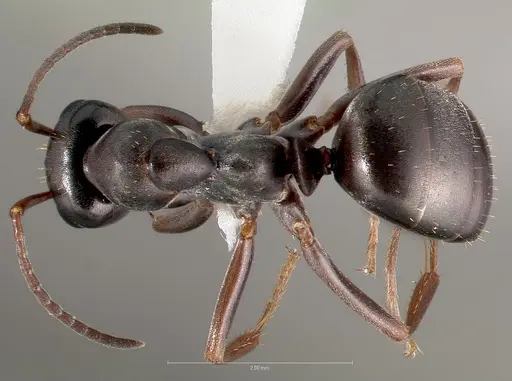
CASENT0280367
View on AntWeb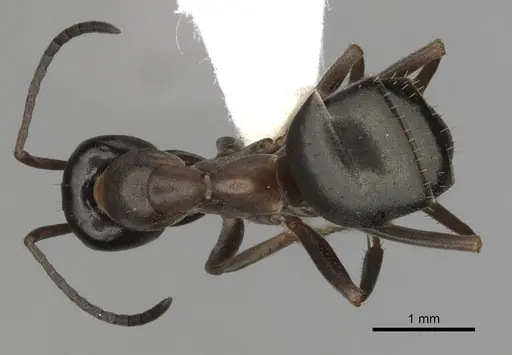
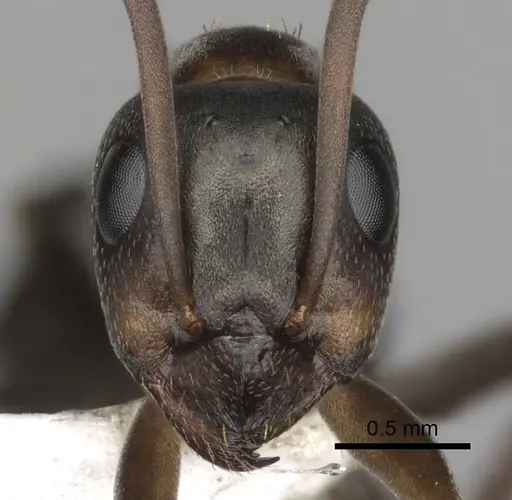
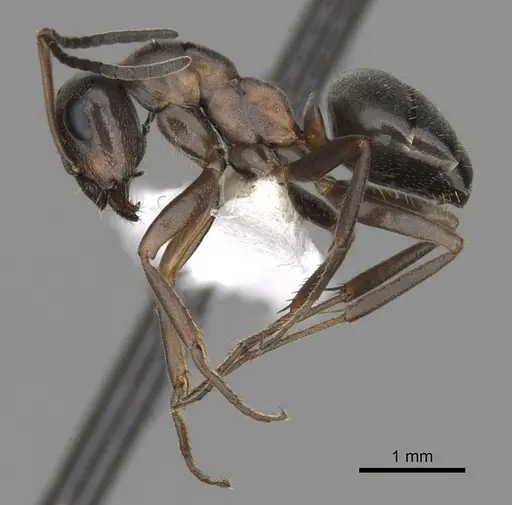
CASENT0843729
View on AntWeb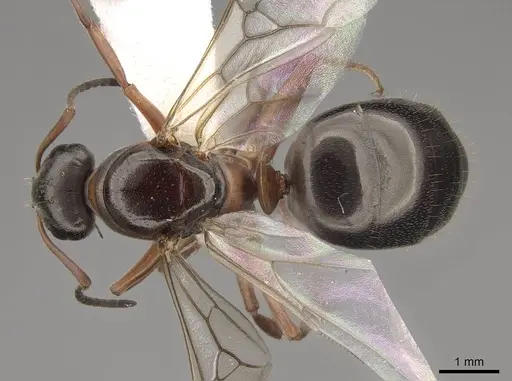
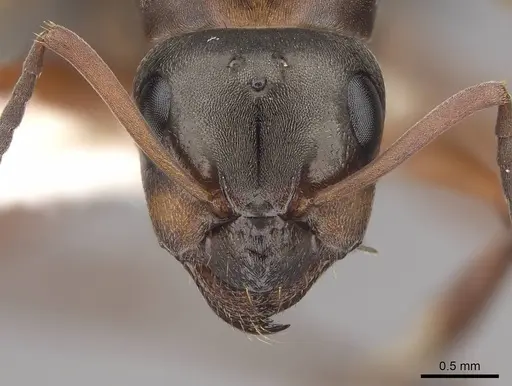
CASENT0843730
View on AntWeb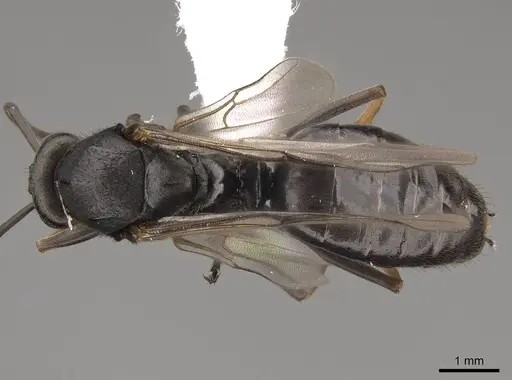
Literature
Loading distribution map...Loading products...