
Icy Mound Ant
Formica glacialis
- Sci. Name
- Formica glacialis
- Tribe
- Formicini
- Subfamily
- Formicinae
- Author
- Wheeler, 1908
- Common Name
- Icy Mound Ant
- Distribution
- Found in 2 countries
Introduction
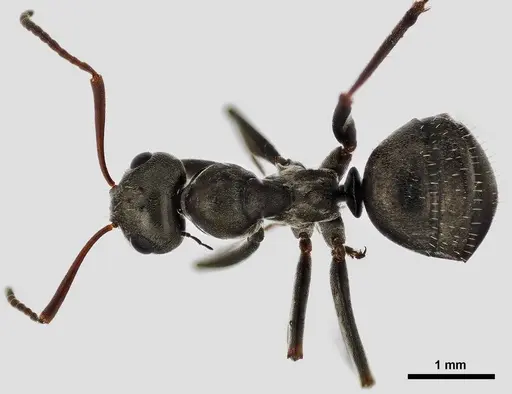
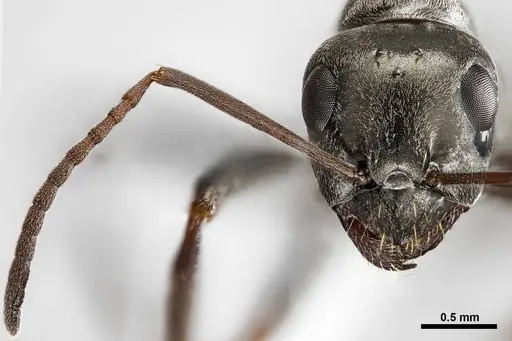
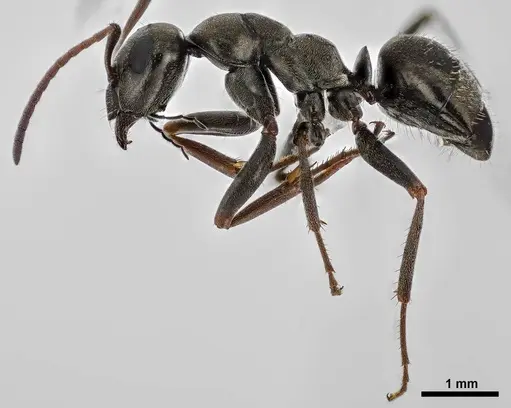
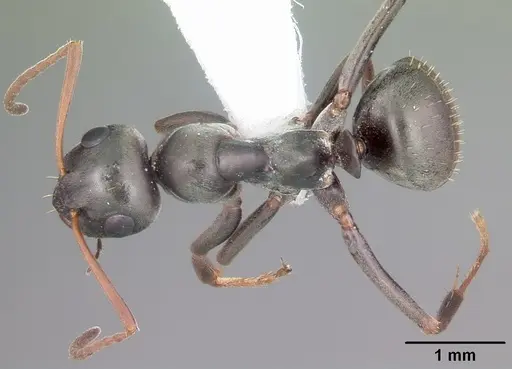
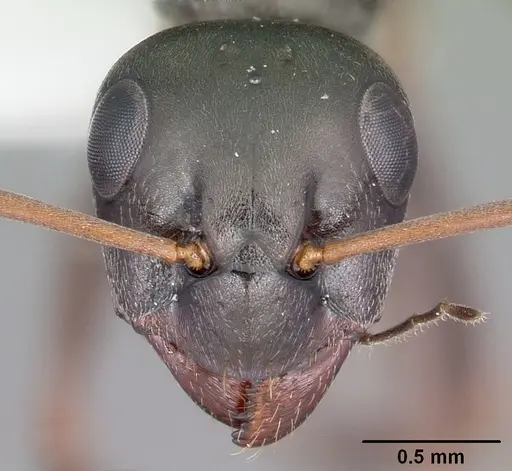
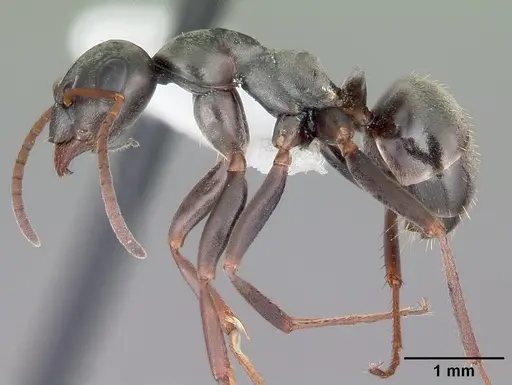
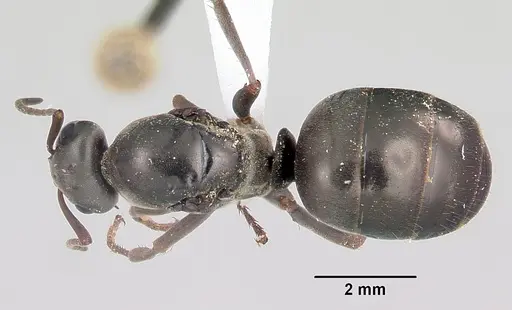
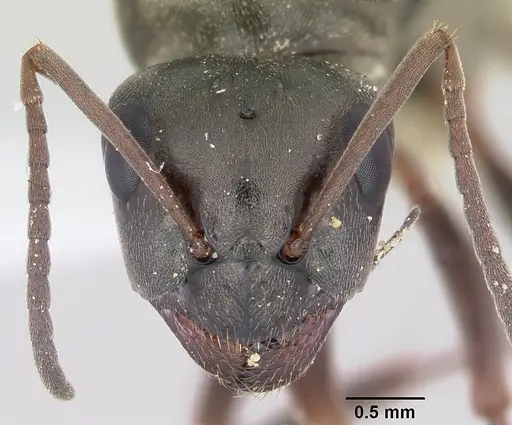
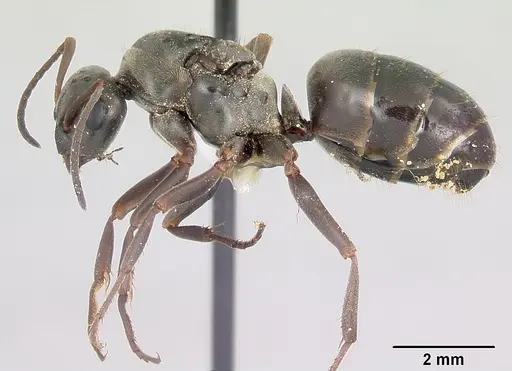
Formica glacialis is a medium-sized ant with a body length of 3.9–6.2 mm. It is dark brownish-black to black with dense silvery appressed pubescence covering the head, thorax, and first two segments of the gaster . This species is a cold-climate specialist found across formerly glaciated regions of North America, from Newfoundland west to Saskatchewan, typically living in moist habitats like marshes, swamps, fens, and wet meadows . What makes F. glacialis particularly interesting is its social polymorphism – colonies can have either a single queen or multiple queens, with queen number controlled by a social supergene .
Quick Summary
- Difficulty: Medium
- Origin & Habitat: Native to northern North America (Nearctic region), found in Canada and the northern United States between 40° and 50° North latitude. Inhabits cold, moist areas including marshes, swamps, ponds, wet meadows, fens, and boreal forests with high water tables [2][3][4].
- Colony Type: Facultatively polygyne – colonies can have a single queen (monogyne) or multiple queens (polygyne). Research shows approximately 58% of wild colonies are single-queen, while 21% are multi-queen [5]. Queen number is genetically controlled by a social supergene [5].
- Size & Growth:
- Queen: size data unavailable
- Worker: 3.9–6.2 mm body length [1]
- Colony: Unknown, mounds up to 1 m in diameter suggest large colonies, possibly several thousand workers [2]
- Growth: Moderate
- Development: 6–10 weeks (estimated based on related Formica species) (Direct measurements not available for this species, timing depends on temperature.)
- Antkeeping:
- Temperature: Keep cool – around 18–22°C is ideal. As a cold-climate specialist, they prefer temperatures on the cooler side and should not be kept above 25°C for extended periods [4].
- Humidity: High humidity is essential – these are wetland ants. Keep nest substrate consistently moist but not waterlogged [2][3].
- Diapause: Yes – being a northern species, they require a winter hibernation period. Reduce temperature to around 5–10°C for 3–4 months during winter (estimated from related Formica). Wild sexuals appear July–August [2].
- Nesting: Mound-building species that prefers moist soil. In captivity, use naturalistic setups with soil or plaster nests that retain moisture. They appreciate nesting around decaying organic material [3][2].
- Behavior: Workers forage actively on the ground, tree trunks, and foliage [1]. They are not particularly aggressive but will defend the nest. They spray formic acid as defense (no functional sting). Escape risk is moderate – they can climb smooth surfaces, use fluon or oil barriers. As a subterranean species, they maintain extensive tunnel systems but forage above ground [6]. They tend aphids for honeydew [1] and disperse seeds of some plants [7].
- Common Issues: colonies often fail if kept too dry – their wetland habitat means moisture is critical, winter hibernation is required for long-term colony health, skipping diapause weakens the colony, slow growth compared to tropical species may frustrate beginners, wild-caught colonies may be parasitized by slave-making ants like Formica subintegra [1], mound-building behavior means they need space to construct nests – cramped setups can stress them
Housing and Nest Setup
Formica glacialis requires moist, cool housing that mimics its natural wetland habitat. Naturalistic setups with soil or sand as substrate work well – these ants build characteristic mounds in damp soil and will excavate chambers around decaying wood or plant matter [3][2]. Plaster nests (Y-tong/AAC) also work if kept properly moistened. The key is maintaining consistently damp substrate without flooding. Because they are mound-builders, they appreciate depth to dig and construct their nest architecture. Avoid dry, desert-style setups – this species will not thrive in arid conditions.
Feeding and Diet
Like most Formica species, F. glacialis is omnivorous with a preference for sweet liquids and protein. Workers readily collect honeydew from aphids and will attend aphid colonies in the outworld [1]. Offer sugar water or honey water as a constant energy source. For protein, provide small insects like fruit flies, small crickets, or mealworms. They also forage on natural nectar sources – in the wild they have been observed feeding on wild carrot (Daucus carota), goldenrod (Solidago), and even fallen apples [1]. Feed protein 2–3 times per week and keep sugar water available at all times. Remove uneaten prey after 24 hours to prevent mold.
Temperature and Seasonal Care
This is a cold-climate specialist that prefers cooler temperatures than most ant species kept in captivity [4]. Keep the nest area at 18–22°C – room temperature is often ideal. They can tolerate brief periods warmer but avoid sustained temperatures above 25°C. During winter, they require a hibernation period of 3–4 months at 5–10°C. This can be achieved by moving the colony to an unheated garage, basement, or refrigerator (for smaller setups). Reduce feeding during hibernation but ensure water is available. Skipping hibernation will weaken the colony over time and prevent proper reproductive development [2].
Colony Structure and Genetics
One of the most notable aspects of Formica glacialis is its genetically-controlled social structure. Research has identified a 'supergene' – a large region of chromosomes – that controls whether a colony has one queen or multiple queens [5]. This is not a choice the ants make consciously, the genetic makeup of the founding queen determines her colony type. Single-queen colonies typically have queens with a specific genetic pattern (SmA/SmD) that produces mostly female reproductives, while multi-queen colonies have different genetics (Sp/SmA) [5]. About 80–90% of colonies with winged sexuals show a strongly biased sex ratio – they produce either mostly males or mostly females, not a 50/50 mix [5]. This makes F. glacialis a model species for studying the evolution of social complexity.
Behavior and Foraging
Workers forage actively both on the ground and in vegetation, sometimes climbing tree trunks and foliage in search of food [1]. They are generalist foragers that take advantage of whatever protein or sugar sources are available. This species is subterranean, meaning they maintain extensive tunnel systems underground, but they readily come to the surface to forage [6]. They tend membracids (treehoppers) and aphids for honeydew, protecting these insects in exchange for sweet secretions [1]. They also disperse seeds of some plants – researchers observed them removing seeds of the myrmecochorous plant Viola pubescens in Manitoba [7]. Workers show task specialization: some focus on honeydew collection while others handle nest building or protein foraging [6].
Overwintering Requirements
Proper hibernation is essential for Formica glacialis. As a northern species adapted to cold climates, they require a winter rest period for colony health and reproduction. In the wild, colonies produce sexuals (males and females) from July through August, then these new queens and males likely mate before winter [2]. Without a proper hibernation period, the colony may fail to produce reproductives in subsequent seasons, and the queen's egg-laying can become irregular. Provide 3–4 months of temperatures between 5–10°C during winter. Reduce food offerings but never let the colony dry out completely – they still need access to water, just less of it.
Frequently Asked Questions
Is Formica glacialis a good species for beginners?
Formica glacialis is of moderate difficulty and may not be the best first ant. They require specific conditions – high humidity, cool temperatures, and a winter hibernation period. Beginners might find it challenging to maintain the consistent moisture they need. However, if you're prepared to provide a naturalistic setup with proper humidity and can accommodate hibernation, they are rewarding ants to keep.
How long does it take for Formica glacialis to produce first workers?
Based on related Formica species, expect 6–10 weeks from egg to first worker (nanitics) at optimal temperature. This is a moderate growth rate – faster than some slow-growing species but not as rapid as tropical ants. The exact timeline for this species has not been directly studied, so this is an estimate based on genus-level patterns.
Can I keep multiple Formica glacialis queens together?
Yes, this species is facultatively polygyne, meaning colonies can have either a single queen or multiple queens in the wild [5]. However, when combining unrelated foundress queens in captivity, there is always a risk of aggression. If you want to try establishing a multi-queen colony, introduce them while they are still claustrally founding in their own chambers, then carefully monitor for fighting. Many keepers find success starting with single queens and allowing the colony to naturally establish its social structure.
What temperature range is best for Formica glacialis?
Keep them cool – around 18–22°C is ideal. As a cold-climate specialist from northern North America, they prefer temperatures on the cooler side for ant species [4]. Room temperature is often perfect. Avoid sustained temperatures above 25°C. In winter, they need 3–4 months of hibernation at 5–10°C.
How often should I feed Formica glacialis?
Offer sugar water (honey or sugar mixed with water) constantly – replace every few days. Feed protein (small insects like fruit flies, pinhead crickets, or mealworms) 2–3 times per week. Remove uneaten prey after 24 hours to prevent mold. During hibernation, reduce feeding significantly but maintain water access.
Do Formica glacialis need hibernation?
Yes, absolutely. This is a northern species that requires a winter dormancy period of 3–4 months at cool temperatures (5–10°C). Skipping hibernation will weaken the colony and prevent proper reproductive development. This is non-negotiable for long-term care [2].
Why is my Formica glacialis colony dying?
The most common causes are: 1) too dry – they need consistently moist substrate, 2) too warm – they prefer cool temperatures, 3) no hibernation – they need winter rest, 4) wild-caught colonies may have parasites from slave-making ants like Formica subintegra [1]. Check your humidity, temperature, and ensure you provide a proper winter rest period.
What size colony do Formica glacialis reach?
Based on the substantial mound sizes they build (up to 1 m in diameter in the wild), colonies likely reach several thousand workers at maturity, but exact numbers are unknown [2]. Growth is moderate – expect a few years to reach large colony size.
Report an Issue
The current care sheet is based fully on literature. See inconsistencies, or something that's incorrect? Please , it will be resolved after review from an admin. Contributing to the blogs tab also helps providing information, to make us be able to further improve the caresheets. Thank you for your support!
References

This caresheet is licensed under CC BY-SA 4.0 .
Community Blogs
Literature
Loading distribution map...Loading products...