
Formica gagatoides
- Sci. Name
- Formica gagatoides
- Tribe
- Formicini
- Subfamily
- Formicinae
- Author
- Ruzsky, 1904
- Distribution
- Found in 8 countries
Introduction
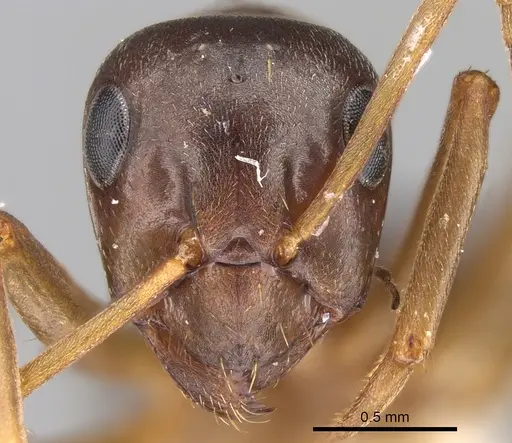
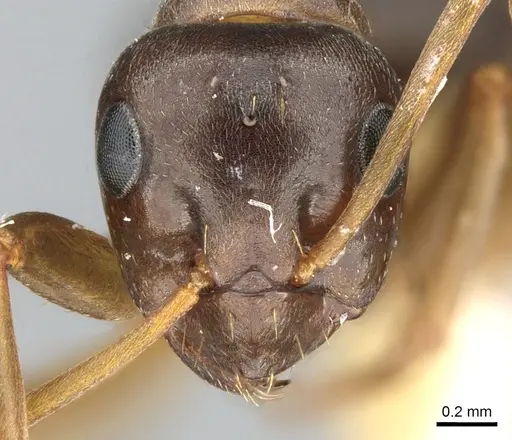
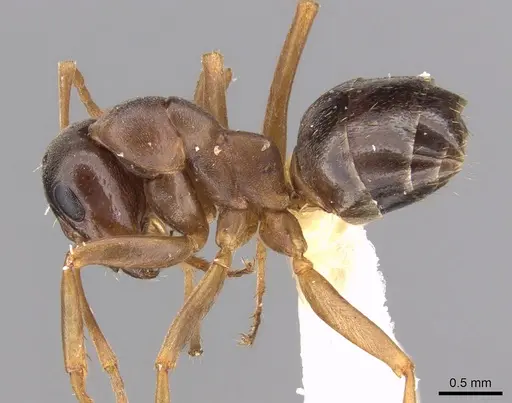
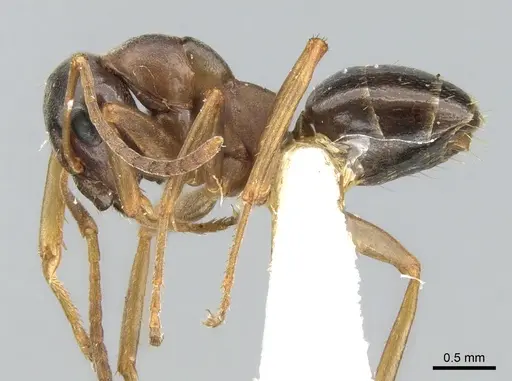
Formica gagatoides is a small, black ant native to arctic and boreal regions of the Northern Hemisphere. Workers measure 4-6 mm long , with brownish mandibles and legs, and a shiny gaster contrasting with a duller head and mesosoma . This species is found across northern Eurasia from Norway to Siberia and Japan, and in northern North America, making it one of only three ant species with a true Holarctic distribution .
Quick Summary
- Difficulty: Medium
- Origin & Habitat: Exclusively arctic and boreal species native to the Holarctic region, found across northern Eurasia from Norway to Siberia, Japan (high altitudes 2700m+), and northern North America (Yukon). Inhabits sphagnum bogs, coniferous forests, forest clearings, and alpine/subalpine areas [3][4][5][2].
- Colony Type: Monogyne or oligogyne, with facultatively polygynous colonies [6][7].
- Size & Growth:
- Antkeeping:
- Temperature: Keep around 18-22°C for active colonies. This is a cold-adapted species, avoid temperatures above 25°C [9].
- Humidity: Keep nest substrate consistently moist but not waterlogged, with a humidity gradient to allow ants to self-regulate [6][10].
- Diapause: Yes, requires winter dormancy at 5-10°C for 3-4 months [11][6].
- Nesting: Nests in soil, rotting wood, moss mounds, and dead wood. Use naturalistic setups with soil or Y-tong (AAC)/plaster nests that retain moisture. Provide shallow nests (15-30 cm deep) with access to damp and drier areas [10][6].
- Behavior: Generally peaceful and non-aggressive. Workers spray formic acid as a defense when threatened. They are ground-dwellers with moderate escape risk due to their size [6].
- Common Issues: overheating can kill this cold-adapted species quickly., failure to provide winter dormancy weakens colonies over time., small colony size leads to slow growth and higher extinction risk., moisture imbalance can cause nest flooding or drying out., wild-caught colonies may harbor parasites.
Housing and Nest Setup
You should provide a naturalistic setup for Formica gagatoides since they nest in soil, rotting wood, moss mounds, and dead wood in the wild [10][6]. Use a Y-tong (AAC) or plaster nest with moisture-retaining materials like soil or moss. Keep nests shallow, around 15-30 cm deep, to mimic their natural habitat [6]. Include a humidity gradient with damp and slightly drier areas so ants can self-regulate [6]. Avoid deep, vertical formicaria, horizontal layouts work best.
Temperature Requirements
You should keep this species cool, around 18-22°C for normal activity [9]. Room temperature in most homes is suitable. Avoid temperatures above 25°C, as this can stress and kill colonies [9]. Provide a gentle temperature gradient across the nest. During summer, no additional heating is needed.
Feeding and Diet
You should feed Formica gagatoides sugar water or honey regularly, and offer protein sources like small insects 1-2 times per week [6]. In the wild, they collect honeydew from aphids and feed on dead insects. Remove uneaten food after 24-48 hours to prevent mold.
Overwintering and Diapause
You must provide a winter dormancy period for this species. Simulate their natural cold exposure by moving the colony to a cold location at 5-10°C for 3-4 months, typically from late October through February [11][6]. Reduce food offerings during dormancy and keep the nest slightly drier but not bone-dry.
Colony Growth and Development
Colonies grow moderately, reaching up to 1000 workers [6]. Development from egg to worker is estimated at 6-8 weeks based on genus patterns. Queens lay eggs in spring after winter dormancy, and brood develops through summer. Patience is key, as colonies are slow but steady growers.
Behavior and Temperament
Formica gagatoides is generally peaceful and non-aggressive. Workers do not defend territories and are active foragers [6]. They spray formic acid as a defense when threatened, which is typical for Formicinae ants. Escape risk is moderate due to their ground-dwelling nature and size [6].
Frequently Asked Questions
How long does it take for Formica gagatoides to produce first workers?
Expect around 6-8 weeks from egg to first worker at room temperature, based on typical Formica species patterns. The queen lays eggs in spring after winter dormancy.
Do Formica gagatoides need hibernation?
Yes, absolutely. This cold-adapted species requires 3-4 months of winter dormancy at 5-10°C each year [11][6]. Without this, colonies will weaken and die.
How big do Formica gagatoides colonies get?
Colonies reach a maximum of around 1000 workers [6]. In the wild, they live in small colonies of several hundred workers with one or a few queens.
Can I keep multiple Formica gagatoides queens together?
Yes, this species is facultatively polygynous, meaning colonies can have single or multiple queens [6][7]. If you catch multiple founding queens, they may start a colony together.
What temperature is best for Formica gagatoides?
Keep them cool, around 18-22°C [9]. This is a boreal species that does poorly in warmth, avoid temperatures above 25°C.
Are Formica gagatoides good for beginners?
This species is intermediate in difficulty. They are not aggressive but require proper winter dormancy and cooler temperatures [9][11]. If you can provide a cold winter period, they can be rewarding.
What do Formica gagatoides eat?
They are omnivorous, feeding on sugar water, honey, and small insects like fruit flies or mealworms [6]. In the wild, they collect honeydew from aphids.
Where is Formica gagatoides found in the wild?
This species is found across arctic and boreal zones from Scandinavia through Siberia to Japan (high altitudes) and northern North America [3][4][5]. It is one of only three ant species with a true Holarctic distribution.
When do Formica gagatoides nuptial flights occur?
Nuptial flights occur in late summer, typically August-September in their native range [1][2]. In Japan, flights likely happen after late August.
Report an Issue
The current care sheet is based fully on literature. See inconsistencies, or something that's incorrect? Please , it will be resolved after review from an admin. Contributing to the blogs tab also helps providing information, to make us be able to further improve the caresheets. Thank you for your support!
References

This caresheet is licensed under CC BY-SA 4.0 .
Community Blogs
CASENT0906304
View on AntWeb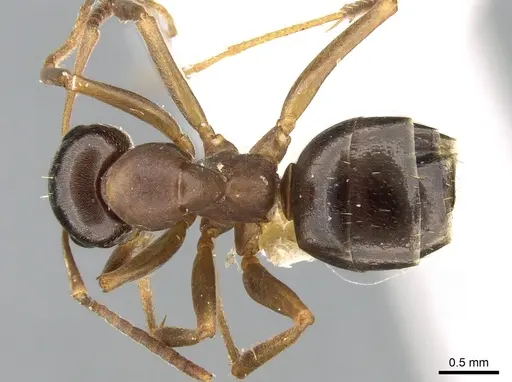
Literature
Loading distribution map...Loading products...