
Pitted Mound Ant
Formica fossaceps
- Sci. Name
- Formica fossaceps
- Tribe
- Formicini
- Subfamily
- Formicinae
- Author
- Buren, 1942
- Common Name
- Pitted Mound Ant
- Distribution
- Found in 2 countries
Introduction
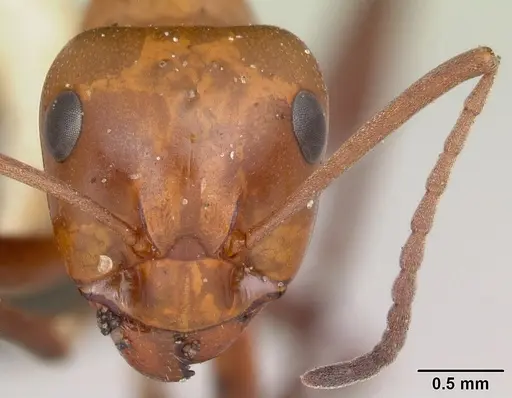
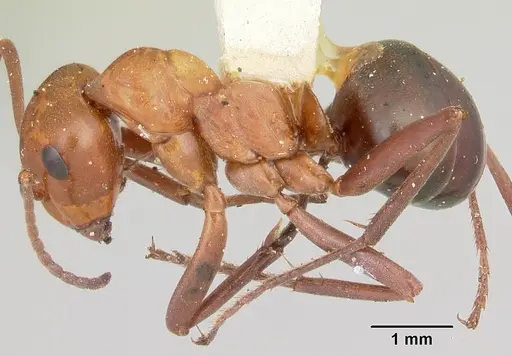
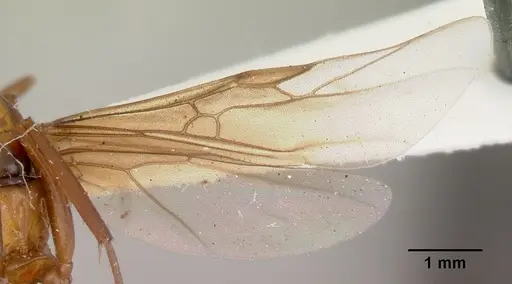
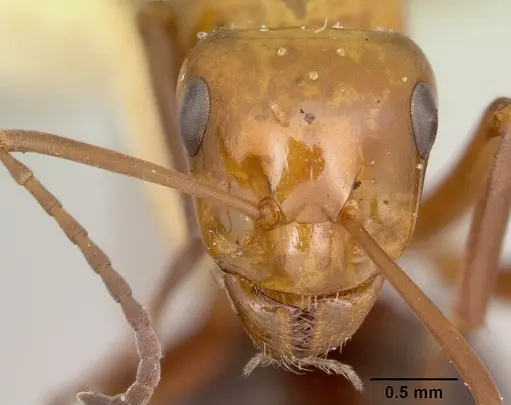
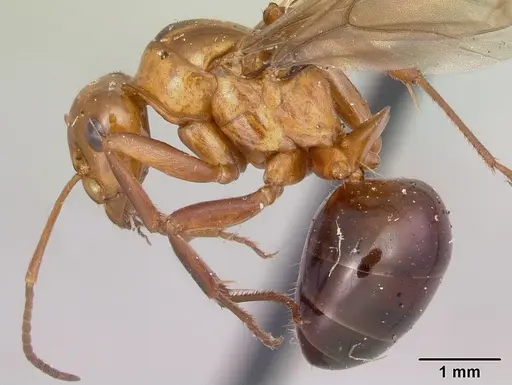
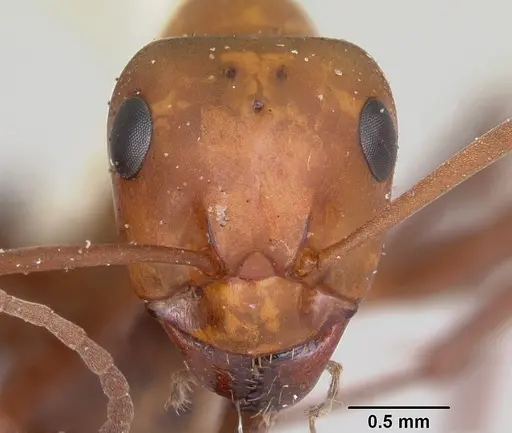
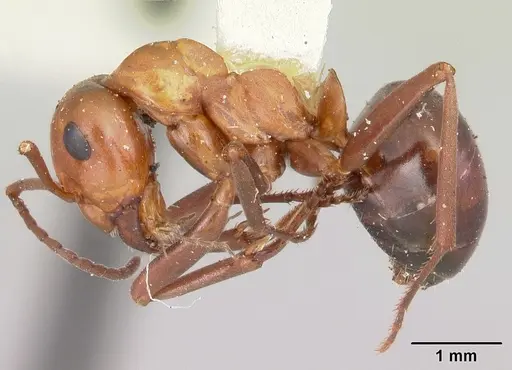
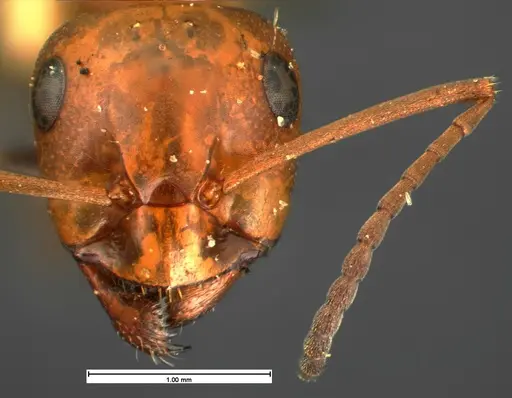
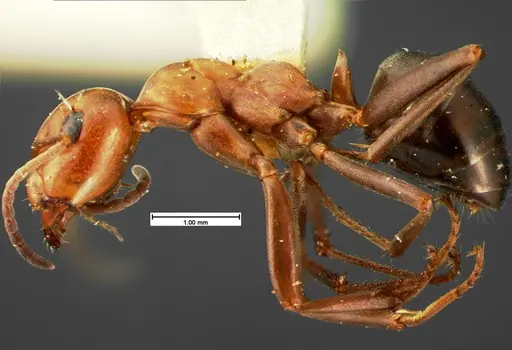
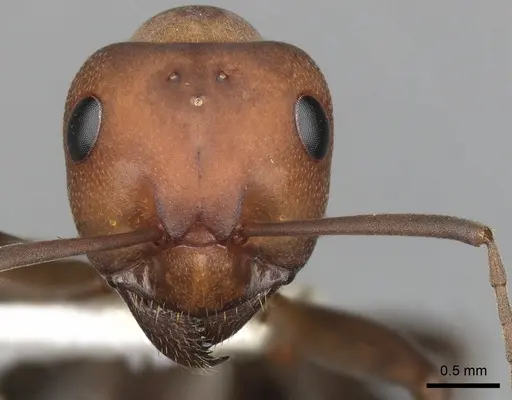
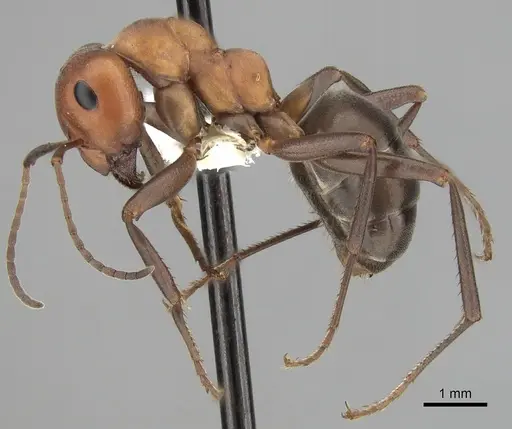
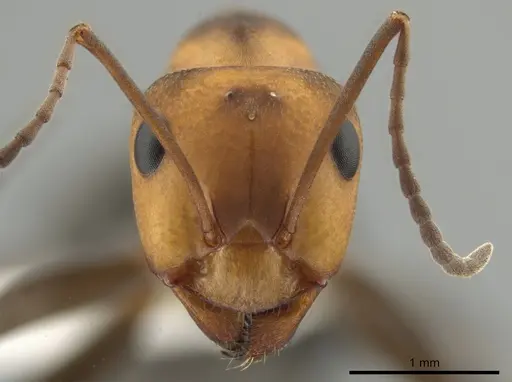
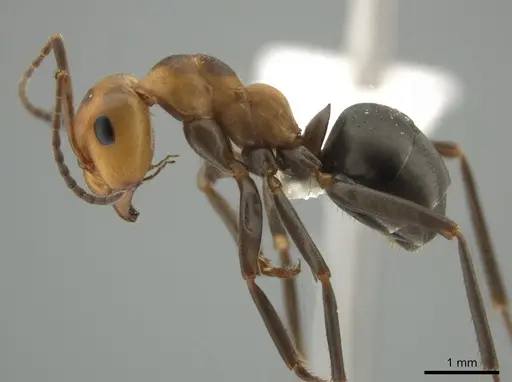
Formica fossaceps is a medium-sized ant belonging to the rufa group, native to central North America. Workers measure 3.7-7.7mm depending on caste, with majors being the largest. They have a distinctive appearance: the head and thorax are ferruginous (rusty red) while the gaster is deep black, creating a striking two-tone look. The body surface is notably smooth and shining with very sparse pilosity and pubescence, which helps distinguish them from related species like Formica obscuriventris [AntWiki]. This species builds nests at the base of bushes using plant debris to construct low, thatch-like domes. They are closely related to the well-known Formica rufa group of wood ants, which are known for their aggressive defense of the nest and ability to spray formic acid. Unlike some rufa-group species, F. fossaceps has been documented as a slave species (dependent on Formica rubicunda) rather than a slavemaker .
Quick Summary
- Difficulty: Medium
- Origin & Habitat: Native to central North America, found in Canada and the United States, particularly in the Great Plains and Midwest regions. They inhabit wooded areas and meadows, building nests at the base of bushes with plant debris domes [1][2][3].
- Colony Type: Colony structure is not extensively documented for this species. Based on related rufa-group species, likely forms multi-queen colonies, but this remains unconfirmed.
- Size & Growth:
- Queen: 7.19-7.84mm [1]
- Worker: 3.70-7.71mm (minima to major) [1]
- Colony: Colony size data unavailable for this species, likely several thousand workers based on rufa-group patterns
- Growth: Moderate, typical for Formica genus
- Development: Estimated 6-8 weeks based on related Formica species at optimal temperature (Development time inferred from genus-level data for rufa-group ants, direct measurements not available for this species)
- Antkeeping:
- Temperature: Keep at room temperature (20-24°C). They tolerate a range from cool to moderately warm. Provide a temperature gradient so ants can self-regulate [1].
- Humidity: Moderate humidity (50-60%). These are not moisture-dependent like some tropical species, they prefer drier conditions similar to their meadow and woodland habitat [1].
- Diapause: Yes, as a temperate species, they require a winter hibernation period. Reduce temperature to 5-10°C for 3-4 months during winter [1].
- Nesting: Y-tong (AAC) nests work well for this medium-sized species. They can also be kept in naturalistic setups with a soil chamber and plant debris for thatch-building behavior. Avoid overly humid conditions [1].
- Behavior: Formica fossaceps is an active, diurnal forager with typical wood-ant temperament. Workers are aggressive in defending the nest and will spray formic acid as a defense mechanism. They are moderate escape artists, their medium size means standard formicarium barriers are usually sufficient, but ensure lids are secure. They forage primarily on the ground. This species has been documented as a slave species, dependent on colonies of other Formica species [2].
- Common Issues: colonies may fail if not given proper hibernation, they need a winter rest period, overheating can be fatal, avoid temperatures above 30°C, wild-caught colonies may have parasites that affect survival in captivity, queens can be difficult to locate as they don't form large visible mounds like some rufa-group species, this species may have difficulty establishing without a host colony, consider keeping with compatible host species
Housing and Nest Setup
Formica fossaceps does well in Y-tong (AAC) nests scaled to their medium size. Use chambers wide enough for their major workers to move through comfortably, roughly 8-10mm passages work well. They can also thrive in naturalistic setups with a soil chamber where they can build their characteristic plant debris domes. Place the nest in a quiet area away from direct sunlight and vibrations. A simple outworld (foraging area) with a sugar water station and protein feeder completes the setup. Escape prevention is straightforward, their medium size means standard barriers work, but check that lids fit tightly [1].
Feeding and Diet
Like other Formica species, F. fossaceps is omnivorous with a preference for protein. Offer small insects (fruit flies, small crickets, mealworms) as a primary protein source 2-3 times per week. They also readily accept sugar sources, offer sugar water, honey, or diluted honey water in a cotton swab or feeder. Some keepers report they collect honeydew from aphids in captivity. Remove uneaten prey within 24-48 hours to prevent mold. Fresh water should always be available [1].
Temperature and Seasonal Care
Keep your colony at room temperature (20-24°C) with a slight gradient if possible. They are adaptable to cooler temperatures than many tropical species, reflecting their temperate origin. During the active season (spring through fall), room temperature is ideal. In winter, they require a hibernation period, reduce temperature to 5-10°C and keep them in a cool location (basement, garage, or refrigerator) for 3-4 months. Do not feed during hibernation but ensure the nest has some moisture. Return them to warm conditions gradually in spring [1].
Behavior and Defense
F. fossaceps workers are active foragers and will venture out to collect food. They are defensive of their nest and will attack threats, like all Formicinae, they can spray formic acid as a defense. This is generally not harmful to humans but can be irritating. Their behavior as a slave species means they may benefit from association with host colonies, in captivity, this is not typically an issue unless other ant colonies are nearby. Workers are moderately aggressive but not considered dangerous to humans. They are primarily ground-nesting and do not climb well on smooth surfaces, making standard containment usually sufficient [2][1].
Growth and Development
Colony growth follows typical Formica patterns. A newly mated queen seals herself in a claustral chamber and raises the first brood alone using stored fat reserves. The first workers (nanitics) are smaller than normal workers and appear within 6-8 weeks under warm conditions. After this, the colony grows steadily as the queen continues laying eggs. Growth rate is moderate, a healthy colony can reach several hundred workers in 2-3 years. The colony will produce alates (reproductives) in subsequent years, typically in spring or early summer [1].
Frequently Asked Questions
How long does it take for Formica fossaceps to produce first workers?
Expect first workers (nanitics) in about 6-8 weeks after the queen lays eggs, assuming temperatures around 22-24°C. This is typical for Formica species.
What temperature do Formica fossaceps need?
Room temperature (20-24°C) is ideal. They can tolerate cooler conditions and need a winter hibernation period at 5-10°C for 3-4 months.
Are Formica fossaceps good for beginners?
They are moderate difficulty, easier than some tropical species that need high heat and humidity, but they do require proper hibernation and may be harder to find for sale.
How big do Formica fossaceps colonies get?
Based on related rufa-group species, colonies likely reach several thousand workers over several years.
Do Formica fossaceps need hibernation?
Yes, as a temperate species they require a winter rest period of 3-4 months at cool temperatures (5-10°C). Skipping hibernation can weaken or kill the colony.
What do Formica fossaceps eat?
They are omnivorous, offer small insects (fruit flies, crickets, mealworms) for protein and sugar water or honey for carbohydrates. They will also collect honeydew if aphids are available.
Can I keep multiple Formica fossaceps queens together?
Colony structure is not well documented for this species. Combining unrelated foundress queens in captivity has risks, they may fight until one queen dominates. It's generally safer to start with a single queen.
When should I move Formica fossaceps to a formicarium?
Wait until the colony has at least 20-30 workers before moving from a founding setup. They do well in Y-tong nests or naturalistic setups with soil chambers.
Why is my Formica fossaceps colony dying?
Common causes include: lack of proper hibernation, temperatures too high or too low, insufficient protein in diet, mold from overfeeding, or parasites from wild-caught colonies. Check that all care parameters are met and reduce feeding if mold appears.
Report an Issue
The current care sheet is based fully on literature. See inconsistencies, or something that's incorrect? Please , it will be resolved after review from an admin. Contributing to the blogs tab also helps providing information, to make us be able to further improve the caresheets. Thank you for your support!
References

This caresheet is licensed under CC BY-SA 4.0 .
Community Blogs
CASENT0103366
View on AntWeb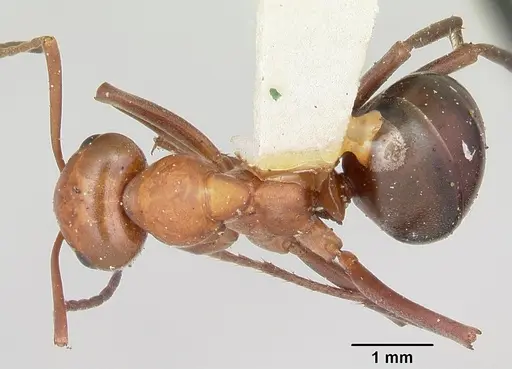
CASENT0103367
View on AntWeb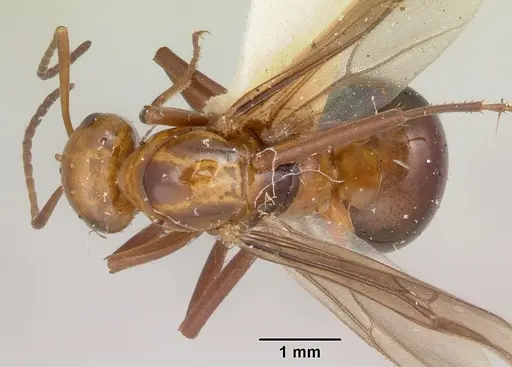
CASENT0103368
View on AntWeb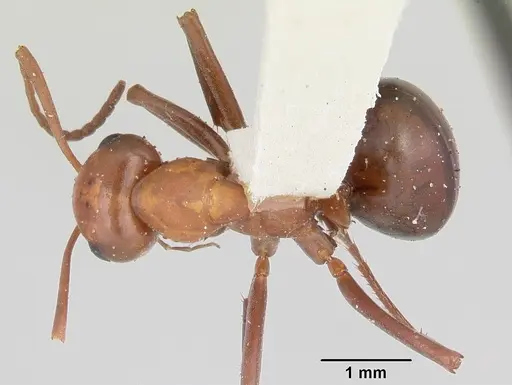
CASENT0105600
View on AntWeb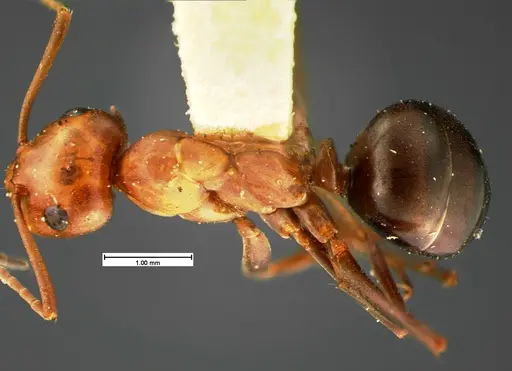
CASENT0280398
View on AntWeb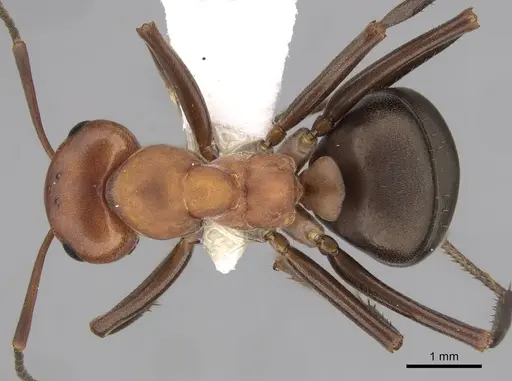
CASENT0636286
View on AntWeb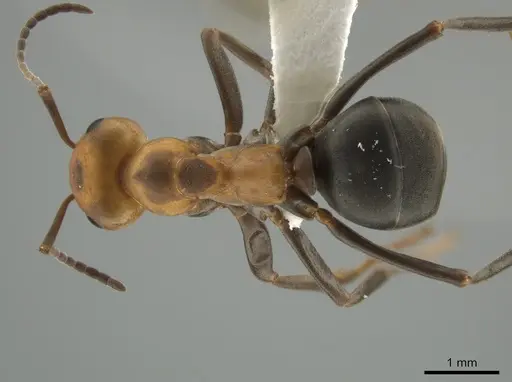
Literature
Loading distribution map...Loading products...