
Formica forsslundi
- Sci. Name
- Formica forsslundi
- Tribe
- Formicini
- Subfamily
- Formicinae
- Author
- Lohmander, 1949
- Distribution
- Found in 4 countries
Introduction
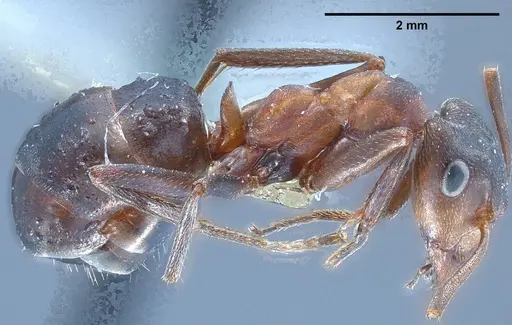
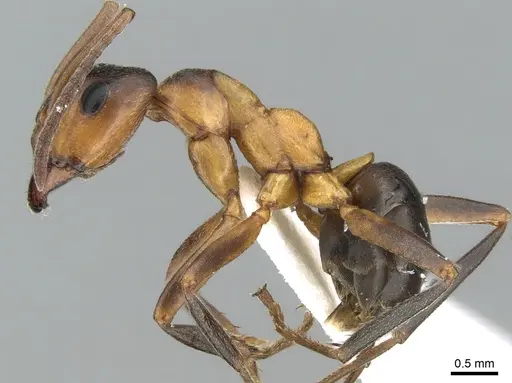
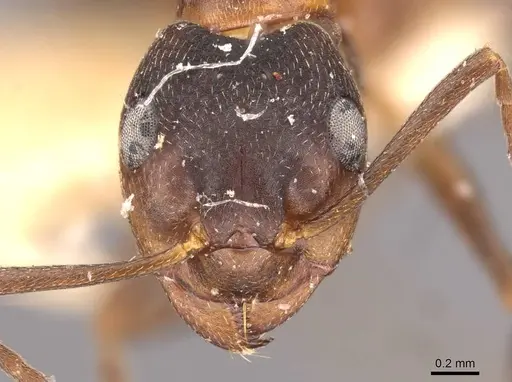
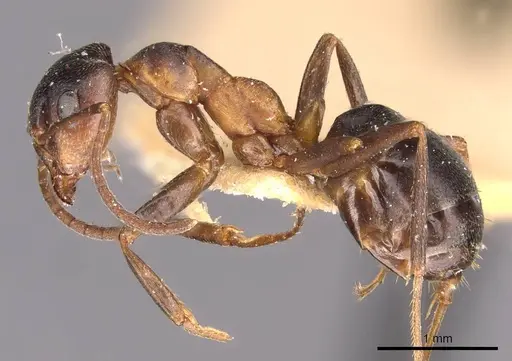
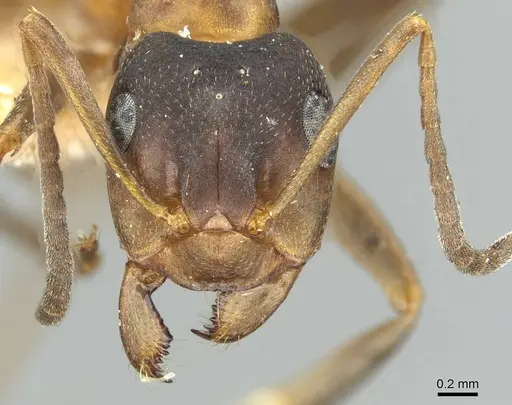
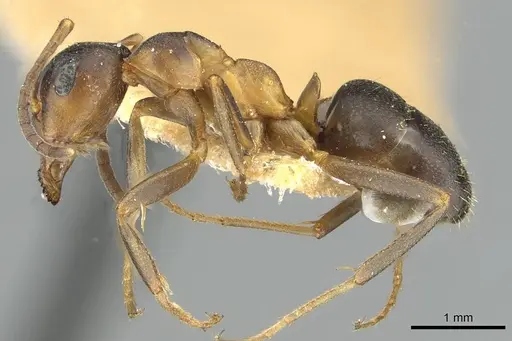
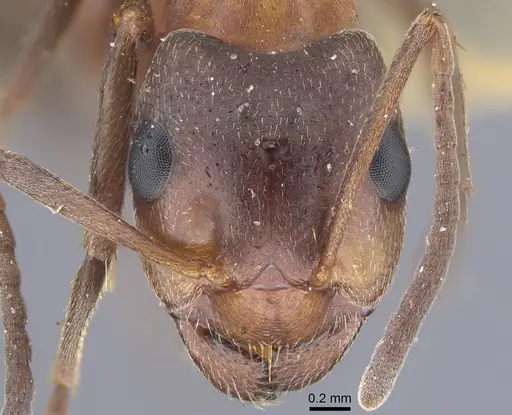
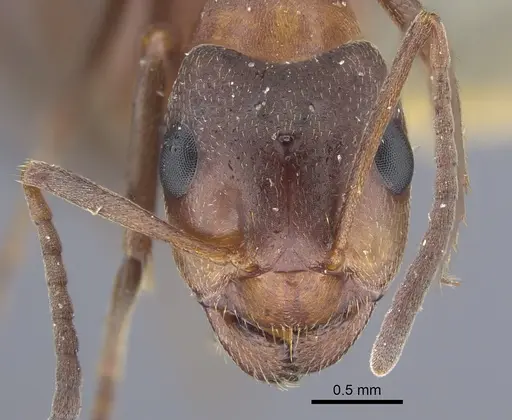
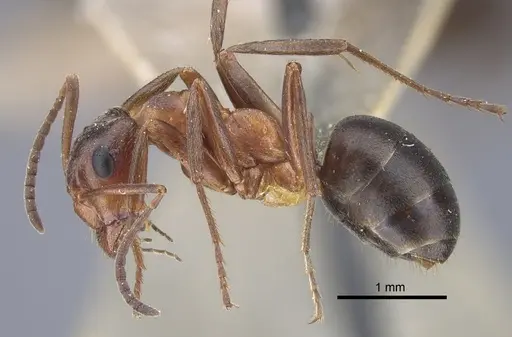
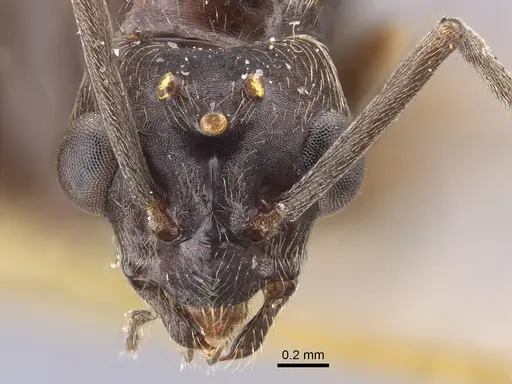
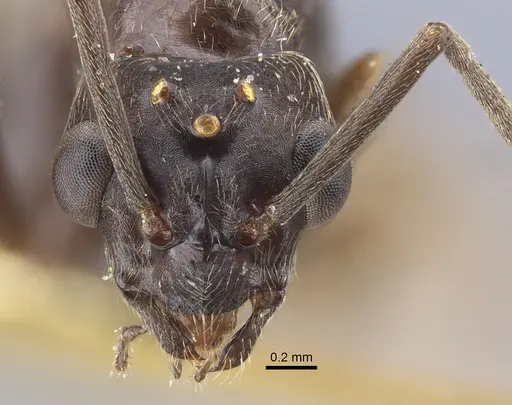
Formica forsslundi is a small, bicoloured ant from the subgenus Coptoformica. Workers measure 4.0-6.5 mm and have a shining appearance with sparse hairs. The head and petiole scale are deeply excised, and the eyes are bare . This wetland specialist is found across the Palaearctic from northern Germany through Fennoscandia to Siberia, Mongolia, and Tibet. It lives in open bogs, wet heathland, and sand dunes, building small mounds of plant material . What sets this species apart is its colony founding method: new queens are temporary social parasites, invading nests of other Formica species like Formica transkaucasica or Formica picea . The species is critically endangered in Germany and Switzerland due to habitat loss .
Quick Summary
- Difficulty: Expert
- Origin & Habitat: Palaearctic species ranging from northern Germany across Fennoscandia to 66°N in Finland, with isolated populations in the Caucasus (1500-2500m), Poland, and the Alps. In the European range it is bound to open bogs, wet heathland, and mesophilic sand dunes. In Fennoscandia, nests are on organic soil in wet peaty bogs with Ericaceae, in northern Germany it also lives on semidry sand dunes with Deschampsia, Molinia, or Empetrum [2][3][5].
- Colony Type: Monogynous or oligogynous (single or few queens) with rare polycalic colonies. Maximum colony size reaches about 15,000 workers [2][6].
- Size & Growth:
- Queen: Total length unknown, inferred from worker size (~4-6.5 mm) [1].
- Worker: 4.0-6.5 mm [1].
- Colony: Up to 15,000 workers in optimal conditions, bog nests typically 500-1500 workers [2][6].
- Growth: Moderate
- Development: Estimated 6-10 weeks at 20-24°C based on typical Formica development patterns. (No exact development data available. Oviposition starts mid-April in northern Germany. First workers likely emerge by early summer [2].)
- Antkeeping:
- Temperature: Keep at 20-24°C with a gentle gradient. As a subboreal species it prefers cooler conditions, avoid exceeding 28°C [2].
- Humidity: High humidity is essential – this is a wetland species. Keep nest substrate consistently moist but not waterlogged. Provide a water source and good ventilation to prevent mold [2][3].
- Diapause: Yes – provide a cold period at 5-10°C for 3-4 months during winter. This is needed for colony health and likely triggers reproduction in spring [2].
- Nesting: Y-tong (AAC) or plaster nests with good moisture retention work well. Chambers should be small to match worker size. Avoid dry conditions, a naturalistic setup with damp substrate is suitable [2].
- Behavior: This species is peaceful and timid – it is considered the least able to defend itself among all Coptoformica species. Workers flee rather than fight. They are zoophagous predators, hunting small insects, and also tend aphids for honeydew. Foraging territories are partially defended. Queens establish colonies through temporary social parasitism, invading host Formica nests [7][6].
- Common Issues: colony founding is very difficult because queens must find and invade a host colony, and failure is common, specific high‑humidity requirements make it sensitive to dry conditions in standard formicaria, as a critically endangered species (Red List 1 in Germany and Switzerland), wild collection is unethical and often illegal – only keep captive‑bred colonies, workers cannot defend themselves against aggressive ant species, so the colony must be housed away from other ants, colony growth is slow in the first year, which may lead keepers to overfeed or stress the colony, this species prefers cooler conditions and can overheat if kept above 28°C
Colony Founding and Social Parasitism
Formica forsslundi uses temporary social parasitism to start new colonies. Unlike most ants that raise their first workers on their own, F. forsslundi queens must find an established nest of a host species – specifically Formica picea throughout most of its range, and Formica picea in Europe. The queen enters the host nest, kills or displaces the host queen, and then uses the host workers to raise her own first brood. Once her own workers appear, the colony becomes independent. This makes captive founding extremely challenging: you cannot simply keep a queen in a test tube. The best way to get a colony is to buy an already‑established one or, if you are experienced, carefully introduce a queen into a host colony. Note that this ant is not a slave‑maker – it only temporarily uses host workers and does not raid other nests for brood [4][2][7].
Housing and Nest Preferences
Because F. forsslundi comes from wet bogs, humidity is key. Y‑tong (AAC) or plaster nests that hold moisture well are best. Connect a water tube to the nest to keep the air damp. Chambers should be small to match the tiny workers (4–6.5 mm). The outworld can include damp substrate and hiding spots, but make sure there is good ventilation to stop mold. If your colony is still small, a test‑tube setup with a cotton‑plug water reservoir can work, but check often that it does not dry out [2][3].
Feeding and Diet
In the wild, F. forsslundi hunts small insects (zoophagous) and tends aphids for honeydew [6]. In captivity, offer small live prey such as fruit flies, pinhead crickets, or other tiny insects. Provide sugar water or honey water as a steady energy source (especially if you don’t have aphids). Give protein 2–3 times per week and keep sugar water available at all times. Remove any uneaten prey after 24–48 hours to avoid mold.
Temperature and Seasonal Care
This ant lives in cool, northern habitats, so it prefers lower temperatures than many pet ants. Keep the nest area at 20–24 °C and never let it go above 28 °C. Room temperature is often fine. In winter, give the colony a hibernation period of 3–4 months at 5–10 °C to copy natural seasonal cycles. This cold period is essential for the colony’s long‑term health and likely kicks off normal reproductive behavior in spring. In the wild, egg‑laying begins in mid‑April, so after hibernation you can expect a burst of activity [2][6].
Behavior and Colony Dynamics
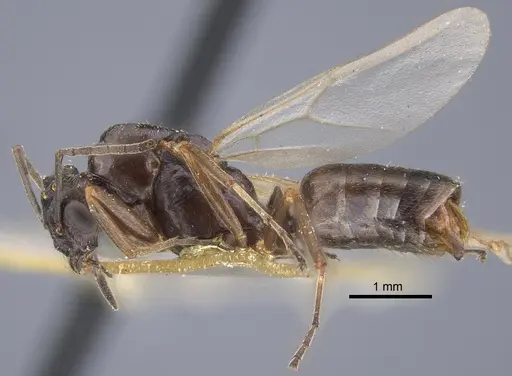
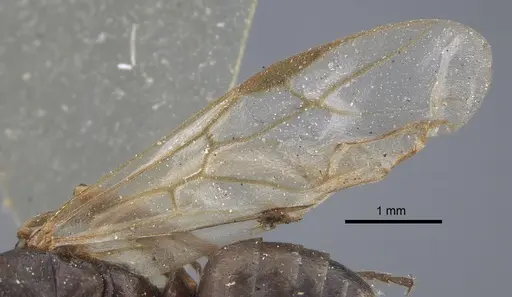
F. forsslundi is one of the most peaceful Coptoformica species. Workers are timid and avoid fights – in fact, they are the worst defenders among their group [7]. They forage alone for small prey and collect honeydew from aphids. Most colonies have a single queen (monogynous), but a few queens (oligogynous) can also occur [6]. Rarely, colonies spread to multiple nest sites (polycaly). The maximum colony size is around 15,000 workers. Alates (winged queens and males) appear in summer, usually from mid‑July to late August [2][6].
Conservation and Ethical Considerations
Formica forsslundi is listed as critically endangered (Red List category 1) in Germany and Switzerland, meaning it is at extreme risk of extinction there [2][5]. The main threat is the draining of bogs and conversion of heathlands. If you keep this species, treat it as a conservation responsibility. Never collect wild queens from endangered areas, only obtain colonies from ethical, captive‑breeding sources. If you can no longer care for your colony, rehome it rather than releasing it – releasing could harm local ecosystems and is illegal in some regions [5].
Frequently Asked Questions
How do I start a Formica forsslundi colony?
This is very hard because the queen must invade a host colony. The most practical method is to buy an already‑established colony from a breeder. If you try to start from a queen, you will need a colony of Formica picea or Formica picea and carefully introduce the queen – expect a high failure rate [4][2].
Can I keep multiple Formica forsslundi queens together?
Probably not. In nature, colonies are usually monogynous (one queen) or sometimes oligogynous (a few queens). But introducing unrelated queens in captivity will likely lead to fighting. Stick to one queen per colony [2][6].
What temperature do Formica forsslundi need?
Keep them at room temperature, ideally 20–24 °C. As a subboreal species from northern Europe, they dislike heat. Never let the nest go above 28 °C. A gentle gradient (e.g., with a small heating mat on one side) is fine, but often not needed indoors [2].
Do Formica forsslundi need hibernation?
Yes. This is a temperate species, so it needs a winter rest period. Let the colony experience 5–10 °C for 3–4 months during winter. Skipping hibernation can stress the colony and stop reproduction [2].
How long does it take for Formica forsslundi to develop from egg to worker?
Exact numbers aren’t known, but based on other Formica species, you can expect 6–10 weeks from egg to worker at 20–24 °C. The colony grows moderately – after a few years it may reach several thousand workers.
Are Formica forsslundi good for beginners?
No, this is an expert‑level ant. The parasitic founding, strict humidity needs, poor defense, and conservation concerns make it unsuitable for beginners. Start with an easier species like Lasius niger [5][7].
Why are my Formica forsslundi dying?
Most often the cause is (1) dry air – they need the high humidity of a bog, (2) temperatures above 28 °C, (3) stress from a failed founding attempt, or (4) mold from poor ventilation mixing with high humidity. Keep the nest damp but ventilated, stay below 28 °C, and never house them with aggressive species [2][3].
What do Formica forsslundi eat?
They are small‑insect hunters (zoophagous). Feed them fruit flies, baby crickets, or other tiny bugs. Also provide sugar water or honey water, especially if you don’t have aphids. Offer protein 2–3 times a week and keep sugar water available always [6].
Report an Issue
The current care sheet is based fully on literature. See inconsistencies, or something that's incorrect? Please , it will be resolved after review from an admin. Contributing to the blogs tab also helps providing information, to make us be able to further improve the caresheets. Thank you for your support!
References

This caresheet is licensed under CC BY-SA 4.0 .
Community Blogs
ANTWEB1008411
View on AntWeb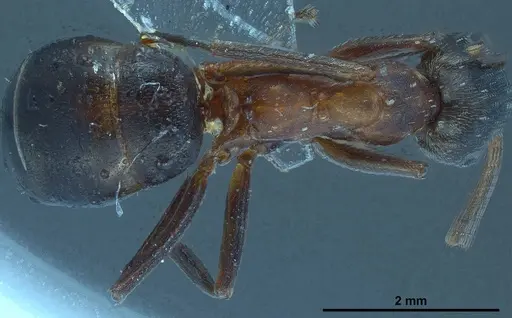
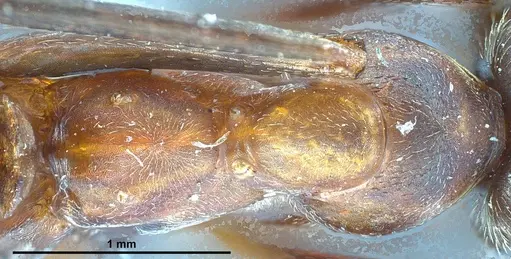
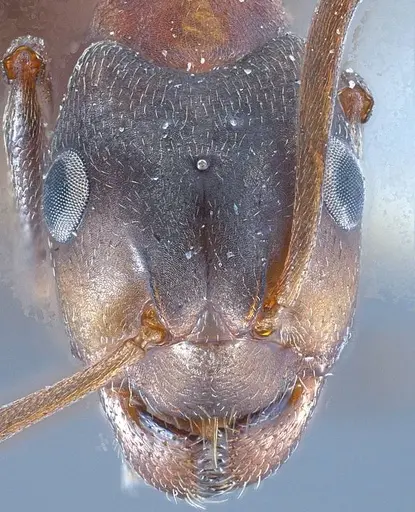
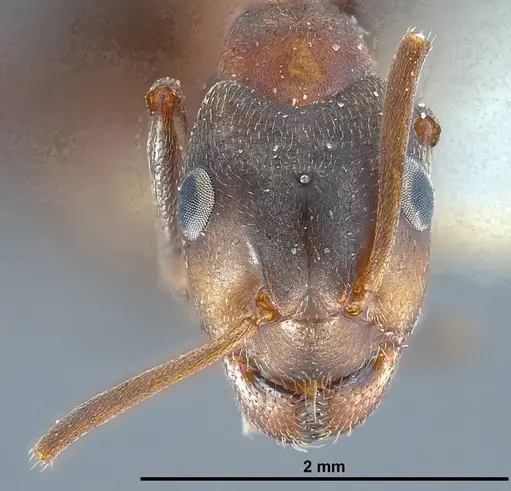
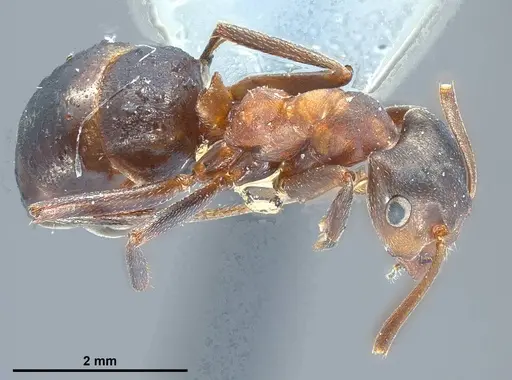
CASENT0906306
View on AntWeb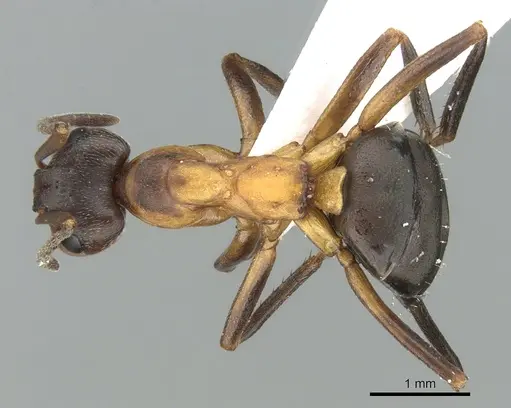
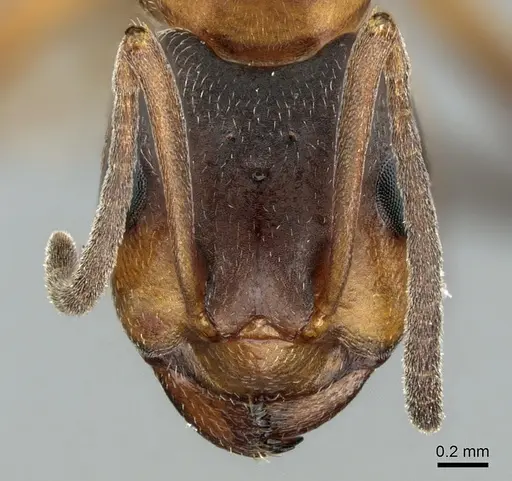
CASENT0907594
View on AntWeb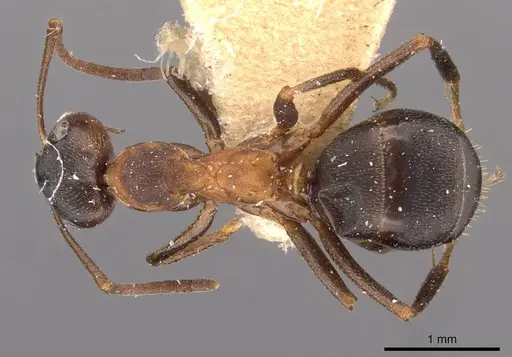
CASENT0913662
View on AntWeb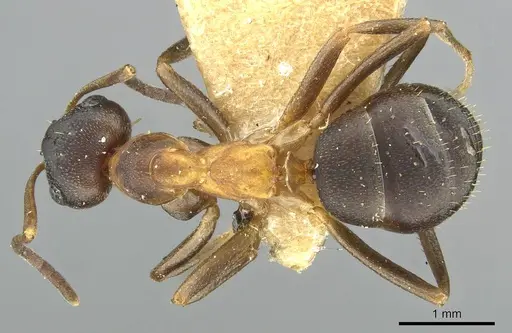
CASENT0917266
View on AntWeb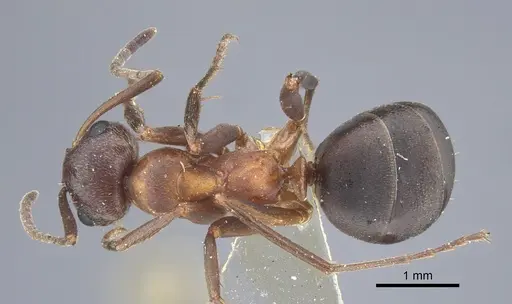
CASENT0917267
View on AntWeb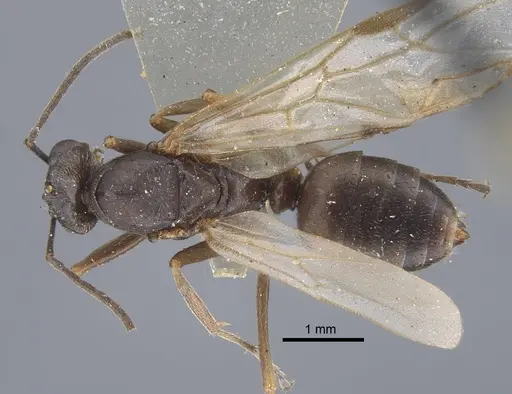
Literature
Loading distribution map...Loading products...