
Emery's Mound Ant
Formica emeryi
- Sci. Name
- Formica emeryi
- Tribe
- Formicini
- Subfamily
- Formicinae
- Author
- Wheeler, 1913
- Common Name
- Emery's Mound Ant
- Distribution
- Found in 1 countries
Introduction
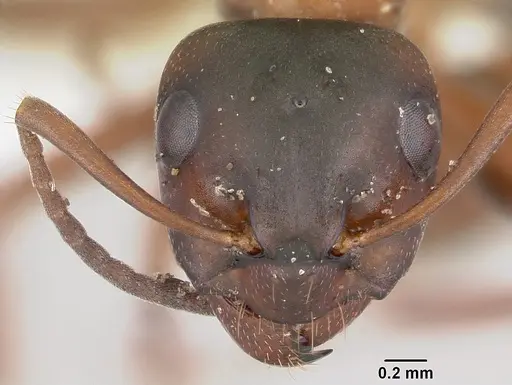
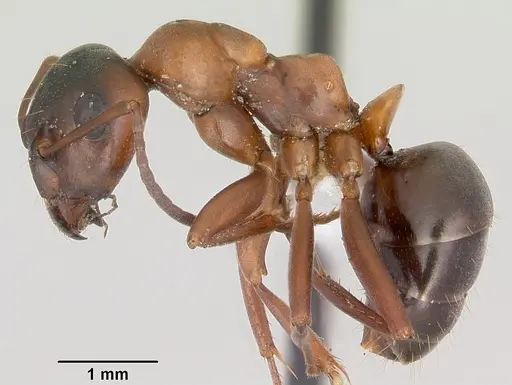
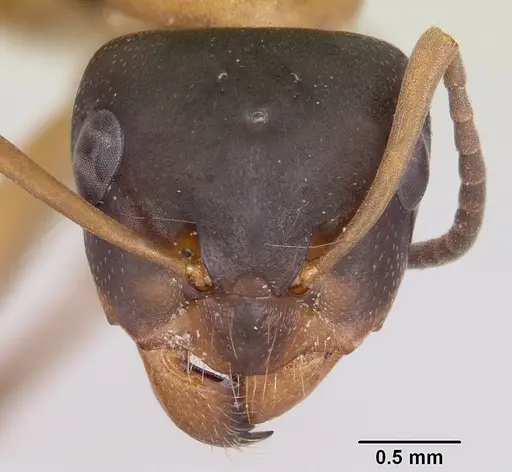
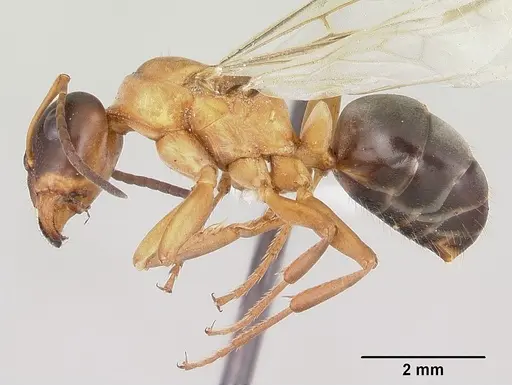
Formica emeryi is a medium-sized ant native to Canada and the United States. Workers display the characteristic red and black coloration common to many Formica species. The species can be identified by the slightly blunt apex of the petiole in profile view and the smooth clypeus without striae . Originally described by Wheeler in 1913,it was later synonymized with Formica subnuda before being revived as a valid species by Buren in 1968. These ants belong to the subgenus Raptiformica, known for their predatory tendencies.
Quick Summary
- Difficulty: Medium
- Origin & Habitat: Native to the Nearctic region, found throughout Canada and the United States [2]. Inhabits forested areas and open woodland habitats.
- Colony Type: Likely monogyne based on typical Formica patterns, though colony structure specifics are not well-documented for this species.
- Size & Growth:
- Queen: ~7-9mm, inferred from Formica genus patterns
- Worker: ~4-7mm, inferred from Formica genus patterns [1]
- Colony: Up to several thousand workers at maturity
- Growth: Moderate
- Development: 6-10 weeks at optimal temperature (inferred from related Formica species) (Development time estimated from genus-level data for Formica species in temperate regions)
- Antkeeping:
- Temperature: Keep at room temperature, roughly 20-24°C. Provide a temperature gradient allowing workers to self-regulate.
- Humidity: Moderate humidity, typical of temperate forest floor conditions. Keep nest substrate slightly moist but not waterlogged.
- Diapause: Yes, requires hibernation period during winter months given their northern distribution. Keep at 5-10°C for 3-4 months.
- Nesting: Y-tong (AAC) nests or plaster nests work well. They prefer dark, enclosed spaces and will readily accept test tube setups for founding colonies.
- Behavior: Formica emeryi is an active and alert species with strong defensive instincts. Workers are aggressive when defending the nest and will use their formic acid spray as a primary defense mechanism. They are daytime foragers and will actively hunt for prey. Escape prevention is important, while not tiny, they are capable climbers and will explore for weaknesses in setup. Their bite is noticeable due to their size, and the formic acid spray can cause skin irritation.
- Common Issues: colonies may fail if hibernation is not provided, this species requires a winter rest period, formic acid spray can irritate skin and damage some nest materials, slow founding phase means colonies are vulnerable for extended period, wild-caught colonies may have parasites that affect captive survival, overheating can be fatal, avoid temperatures above 28°C
Housing and Nest Setup
Formica emeryi adapts well to various captive setups. For founding colonies, a standard test tube setup with a water reservoir works excellently, the queen will seal herself in and raise her first brood in the humid microclimate. As the colony grows, consider transitioning to a Y-tong (AAC) nest or plaster formicarium which provides better space for larger colonies. These ants prefer dark environments and will nest in enclosed spaces. Ensure the nest material allows for proper humidity control, Formica species do best with slightly moist substrate that doesn't dry out completely. Escape prevention is important, check all connections and edges regularly. [1]
Feeding and Diet
As a Formica species with predatory tendencies (subgenus Raptiformica), Formica emeryi benefits from a varied protein diet. Offer small insects like fruit flies, pinhead crickets, and mealworms. They will also accept sugar sources including honey water and sugar water solutions. In the wild, these ants are active hunters and will forage for prey. Feed protein prey 2-3 times per week and keep sugar water available at all times. Remove uneaten prey after 24 hours to prevent mold issues. Young colonies may ignore larger prey items, start with tiny insects and scale up as the worker population grows.
Temperature and Seasonal Care
Maintain colony temperatures between 20-24°C for optimal development. Room temperature is often sufficient for this species. Provide a temperature gradient within the setup so workers can choose their preferred zone. During summer months, ensure the colony doesn't overheat, temperatures above 28°C can be harmful. In winter, Formica emeryi requires a hibernation period of 3-4 months at 5-10°C. This dormancy is essential for colony health and typically triggers reproductive behavior in the following spring. Reduce feeding significantly during hibernation and keep the nest slightly cooler but not cold.
Behavior and Defense
Formica emeryi workers are active defenders of their nest. When threatened, they will aggressively bite and spray formic acid, this liquid defense can cause skin irritation and has a noticeable odor. The formic acid spray is the primary defense mechanism of Formicinae ants and should be considered when handling or working with the colony. Workers are diurnal foragers, actively searching for food during daylight hours. They are curious and will investigate new items in their environment. This species shows good memory and will quickly learn food sources. Their activity level makes them entertaining to watch but also means they are constantly exploring for escape routes.
Frequently Asked Questions
How long does it take for Formica emeryi to produce first workers?
Expect first workers (nanitics) to emerge in 6-10 weeks after the queen lays eggs, assuming temperatures around 22-24°C. This timeline is based on typical Formica development patterns since species-specific data is not available.
Does Formica emeryi need hibernation?
Yes, this species requires a winter dormancy period. Keep the colony at 5-10°C for 3-4 months during winter. This hibernation is essential for colony health and typically triggers reproductive behavior in spring.
Can I keep multiple Formica emeryi queens together?
This species is likely monogyne (single queen). Combining unrelated queens is not recommended as they will likely fight. Only keep one queen per colony.
What do Formica emeryi eat?
They need a balanced diet of protein and sugar. Offer small insects like fruit flies, pinhead crickets, or mealworms 2-3 times per week. Keep sugar water or honey water available constantly. They are predatory and will actively hunt prey.
Is Formica emeryi good for beginners?
Formica emeryi is rated as medium difficulty. They are more challenging than beginner species like Lasius but not as difficult as tropical or specialized ants. Their hibernation requirement and defensive behavior (formic acid spray) make them better suited for keepers with some experience.
When should I move Formica emeryi to a formicarium?
Move to a larger setup when the colony reaches 30-50 workers or when the test tube becomes crowded. A Y-tong or plaster nest works well for this species. Ensure the new setup maintains proper humidity and has dark nesting areas.
How big do Formica emeryi colonies get?
Mature colonies reach up to several thousand workers based on typical Formica genus patterns. Growth is moderate, expect several years to reach maximum size.
Why is my Formica emeryi colony dying?
Common causes include: lack of hibernation (essential for this species), overheating, improper humidity (too dry or too wet), parasites from wild-caught colonies, or insufficient protein in diet. Review each of these factors and adjust accordingly.
Are Formica emeryi aggressive?
Yes, they are defensive and will bite and spray formic acid when threatened. Workers are active and alert. While they won't attack unless provoked, caution is needed when working with the colony. Their formic acid spray can irritate skin.
Report an Issue
The current care sheet is based fully on literature. See inconsistencies, or something that's incorrect? Please , it will be resolved after review from an admin. Contributing to the blogs tab also helps providing information, to make us be able to further improve the caresheets. Thank you for your support!
References

This caresheet is licensed under CC BY-SA 4.0 .
Community Blogs
CASENT0104866
View on AntWeb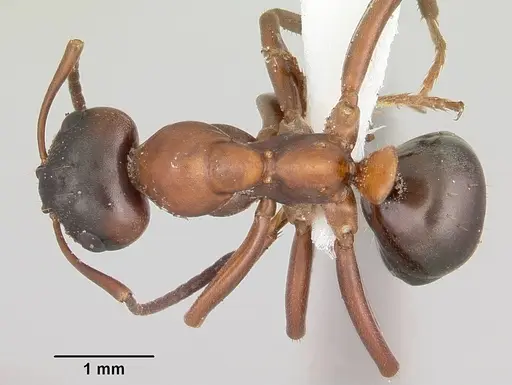
CASENT0104867
View on AntWeb
Literature
Loading distribution map...Loading products...