
Formica decipiens
- Sci. Name
- Formica decipiens
- Tribe
- Formicini
- Subfamily
- Formicinae
- Author
- Bondroit, 1918
- Distribution
- Found in 3 countries
Introduction
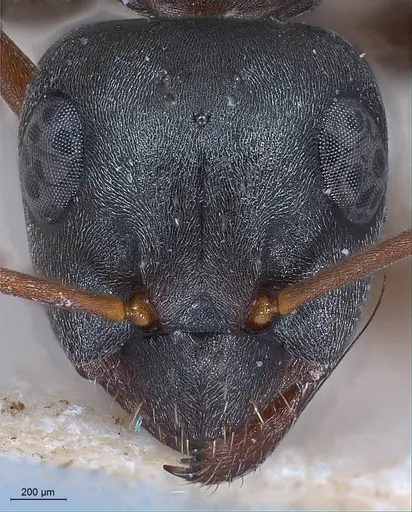
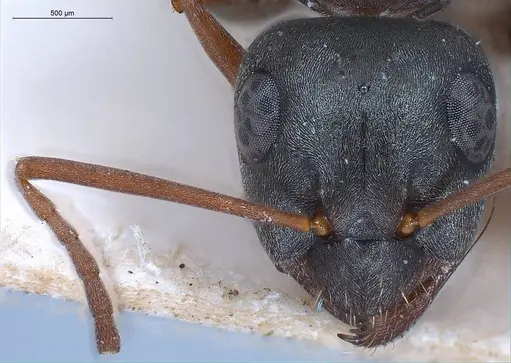
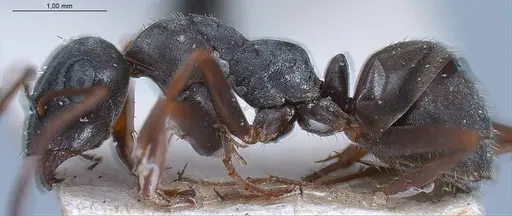
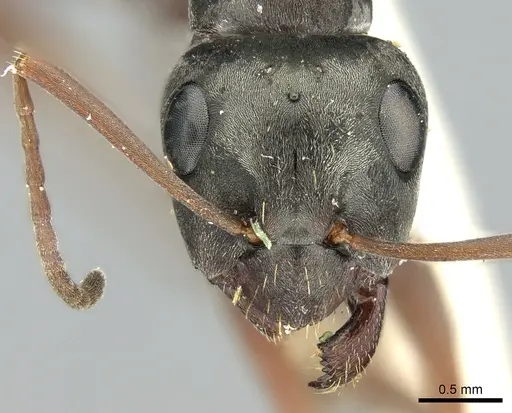
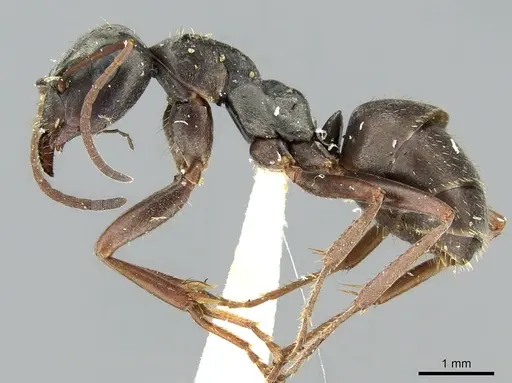
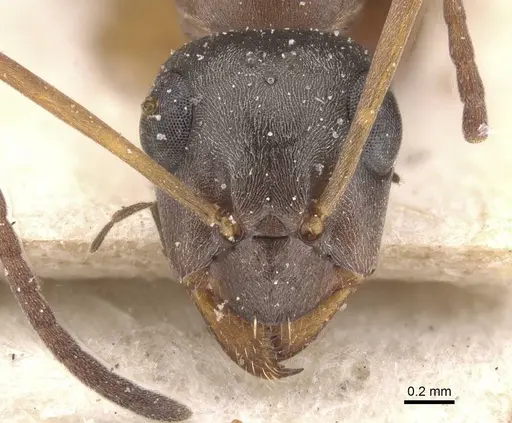
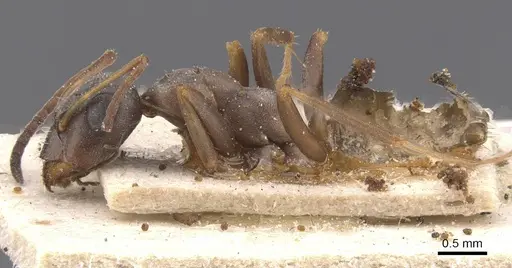
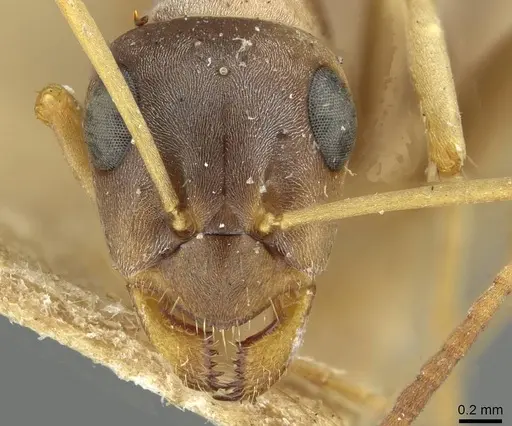
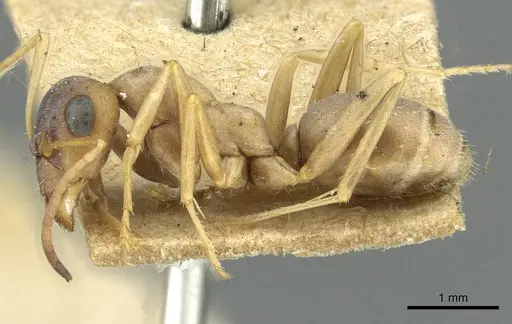
Formica decipiens is a small ant native to the western Mediterranean region, found in Andorra, France, Portugal, and Spain. Workers have a distinctive silky appearance due to long pubescence on their gaster, and the prothorax bears several stiff hairs. This species inhabits higher elevation areas (242-1,282m) including riparian forests, montane zones, and mountain slopes. They can tolerate seasonal flooding in riverbank habitats and snow cover in higher elevations. Their ecological roles include dispersing seeds with elaiosomes and tending lycenae butterfly caterpillars for honeydew.
Quick Summary
- Difficulty: Medium
- Origin & Habitat: Western Mediterranean region, Andorra, France (Pyrénées-Orientales), Portugal, and Spain. Found in riparian forests, montane vegetation zones, and mountain slopes from 242-1,282m elevation. They inhabit areas near watercourses and can tolerate seasonal flooding and snow cover [1][2][3].
- Colony Type: Unconfirmed, no specific documentation on colony structure found in research context.
- Size & Growth:
- Antkeeping:
- Temperature: Keep at room temperature (18-22°C) with a slight warmth gradient (around 24°C in one area). They tolerate cooler conditions than many ants due to their montane habitat preference [6][1].
- Humidity: Moderate humidity. Provide a moist nesting area but avoid waterlogging. Their natural riparian habitat suggests they can handle both damp and relatively dry conditions.
- Diapause: Yes, as a temperate European species from higher elevations, they require a winter hibernation period of 3-4 months at 5-10°C [1].
- Nesting: Ground-nesting species. In captivity, they do well in Y-tong nests, plaster nests, or naturalistic setups with soil. They prefer enclosed nests with chambers scaled to colony size. Provide a water tube for humidity.
- Behavior: Generally peaceful and non-aggressive. Workers are active foragers, both on the ground and low vegetation. They tend aphids and collect honeydew like many Formica species. They are not particularly aggressive toward keepers but will defend if threatened. As Formicinae, they lack a functional sting and instead spray formic acid as defense, this is rarely felt by humans due to their small size. Escape risk is moderate, use standard barrier methods (fluon on rim edges).
- Common Issues: colonies may grow slowly, leading to impatience and overfeeding by keepers, as a ground-nesting species, they may escape through small gaps if barrier methods are inadequate, winter hibernation is essential, colonies that are not properly cooled may fail to thrive or produce alates, wild-caught colonies may carry the Aegeritella fungus parasite which can affect longevity [9730], their preference for higher elevations means they may struggle in consistently warm, dry indoor environments
Natural History and Distribution
Formica decipiens is endemic to the western Mediterranean region, found exclusively in Andorra, France (particularly the Pyrénées-Orientales), Portugal, and Spain [3][7]. This species prefers higher elevation habitats, documented from 242 to 1,282 meters above sea level [2]. They are commonly found in riparian forests, montane vegetation zones, and mountain slopes. Notably, they can tolerate seasonal flooding in riverbank habitats and snow cover in higher elevations, a testament to their hardiness in variable conditions [1]. Nuptial flights occur from June to July [1]. In their ecosystem role, they interact with lycenae butterfly caterpillars (which they tend for honeydew) and help disperse seeds of plants with elaiosomes (fat-rich attachments) [8][9]. Workers have a distinctive silky appearance due to long pubescence on the gaster, and the prothorax bears several stiff hairs [5].
Nest Preferences and Housing
In nature, Formica decipiens nests in the ground, typically in soil or under stones in shaded, relatively cool locations. They avoid the hottest areas and are more commonly found in montane forests and near watercourses rather than open, sunny terrain [6][1]. For captive care, a Y-tong nest or plaster nest works well. The nest should have chambers sized appropriately for the colony, not too large initially, as smaller colonies often do better in more compact spaces. Include a water tube or moisture reservoir to maintain moderate humidity. A naturalistic setup with a soil layer also works well, allowing the ants to dig their own tunnels. Keep the nest area away from direct heat sources and strong lighting, these ants prefer dimmer conditions.
Feeding and Diet
Like other Serviformica ants, Formica decipiens is omnivorous with a preference for protein-rich foods. Workers will collect honeydew from aphids and will hunt small insects. In captivity, offer protein sources such as small crickets, mealworms, fruit flies, and other small insects. Sugar water, honey, or diluted jam can be offered as an energy source, though protein should form the bulk of their diet. They are known to tend butterfly caterpillars in the wild for honeydew [8], so they likely accept sweet secretions. Feed small amounts 2-3 times per week, removing uneaten prey after 24 hours to prevent mold.
Temperature and Seasonal Care
As a species from higher elevations in the temperate Mediterranean region, Formica decipiens prefers cooler temperatures than many ant species. Room temperature (18-22°C) is suitable, with a small warm area (around 24°C) available if the colony shows interest. They have been found in montane vegetation zones and can tolerate cooler conditions [6]. Winter hibernation is essential, reduce temperatures to 5-10°C for 3-4 months (typically November through February in the Northern Hemisphere). During hibernation, keep the colony in a cool, dark location like an unheated garage or refrigerator (not freezer). Ensure the nest remains slightly moist during this period. Do not skip hibernation as it is crucial for colony health and the development of sexuals (alates).
Colony Development
Colony growth is moderate rather than rapid. A newly mated queen will seal herself in a claustral chamber and raise the first brood using stored fat reserves, this founding stage typically takes several weeks before the first workers (nanitics) emerge. After that, the colony grows steadily but not explosively. Mature colonies likely reach several thousand workers based on typical Formica sizes. The nuptial flight season is June to July [1], so if you are raising alates, ensure proper cooling and nutrition in the preceding months. Be patient with this species, they are not fast growers but can live for many years once established.
Frequently Asked Questions
How long does it take for Formica decipiens to produce first workers?
Exact timeline is unconfirmed for this species. Based on typical Serviformica development, expect first workers several months after founding, depending on temperature and nutrition.
What temperature should I keep Formica decipiens at?
Room temperature (18-22°C) is ideal, with a warm spot around 24°C available. They prefer cooler conditions than many ants due to their montane habitat. Avoid overheating.
Do Formica decipiens need hibernation?
Yes, they require a winter rest period of 3-4 months at 5-10°C. This is essential for their health and for the colony to produce alates (sexual reproductives).
Are Formica decipiens good for beginners?
They are moderate difficulty, not the easiest but not challenging either. Their main requirements are proper hibernation and keeping them cooler than tropical species. They are peaceful and manageable.
What do Formica decipiens eat?
They are omnivorous. Offer small insects (crickets, mealworms, fruit flies) as protein, and sugar water or honey as an energy source. They will also collect honeydew from aphids if available.
How big do Formica decipiens colonies get?
Based on typical Formica sizes, colonies likely reach several thousand workers over several years. They are not supercolony-forming like some invasive species.
Can I keep multiple Formica decipiens queens together?
This has not been documented for this species. Based on typical Serviformica behavior, single-queen colonies are most likely. Do not combine unrelated foundress queens.
Where is Formica decipiens found in the wild?
They live in the western Mediterranean: Andorra, France (especially the Pyrénées-Orientales), Portugal, and Spain. They prefer higher elevations (242-1,282m) in riparian forests and montane areas.
Why are my Formica decipiens dying?
Common causes include: lack of proper hibernation, overheating (they prefer cool conditions), improper humidity (too dry or too wet), or parasite infection (the Aegeritella fungus has been documented on this species in Spain). Ensure proper seasonal cooling and moderate humidity.
Report an Issue
The current care sheet is based fully on literature. See inconsistencies, or something that's incorrect? Please , it will be resolved after review from an admin. Contributing to the blogs tab also helps providing information, to make us be able to further improve the caresheets. Thank you for your support!
References

This caresheet is licensed under CC BY-SA 4.0 .
Community Blogs
ANTWEB1008394
View on AntWeb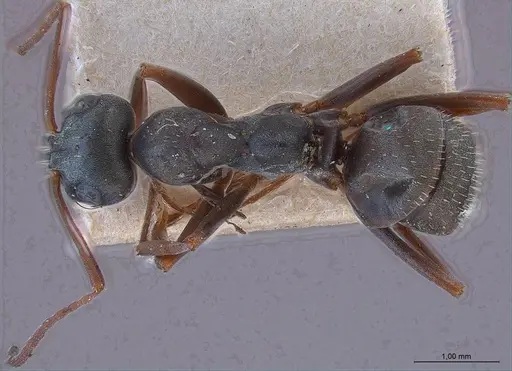
CASENT0906312
View on AntWeb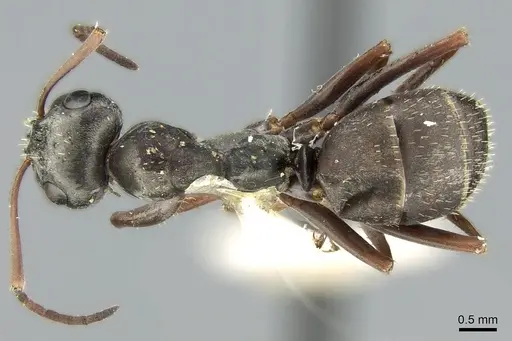
CASENT0912257
View on AntWeb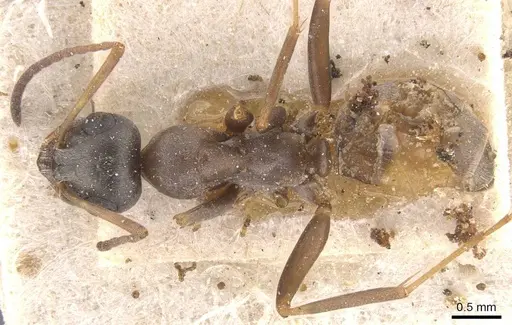
CASENT0913663
View on AntWeb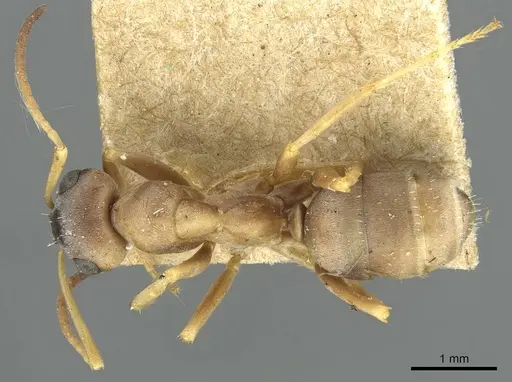
Literature
Loading distribution map...Loading products...