
Formica aserva
- Sci. Name
- Formica aserva
- Tribe
- Formicini
- Subfamily
- Formicinae
- Author
- Forel, 1901
- Distribution
- Found in 2 countries
Introduction
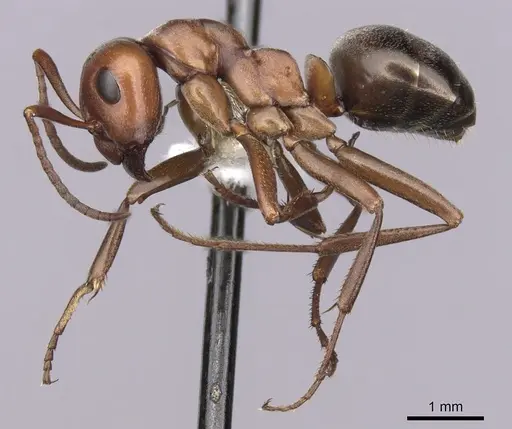
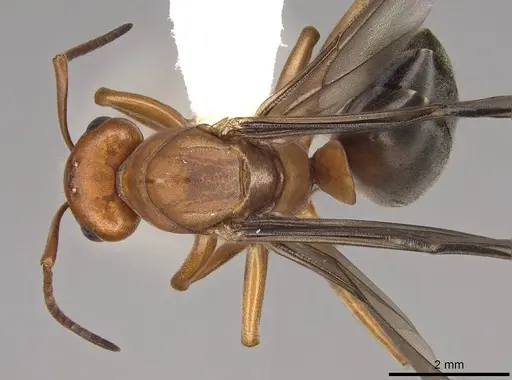
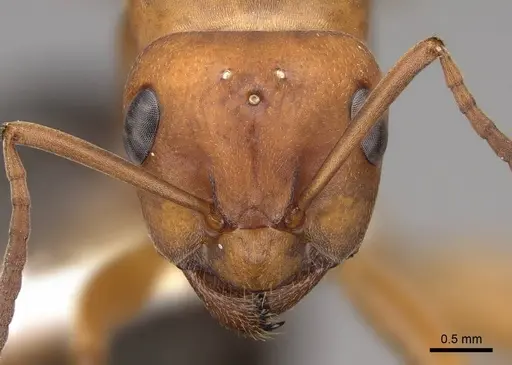
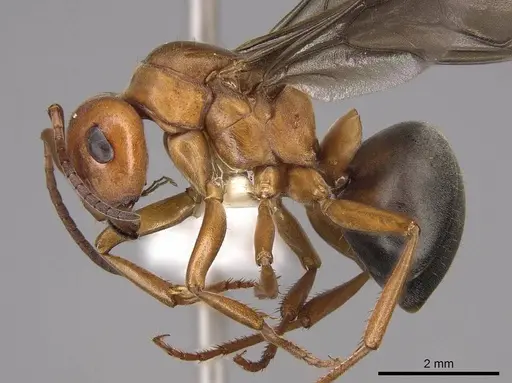
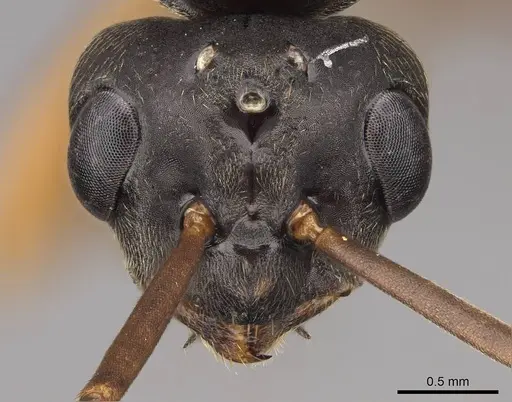
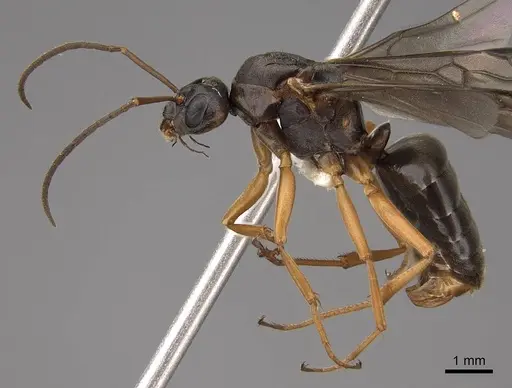
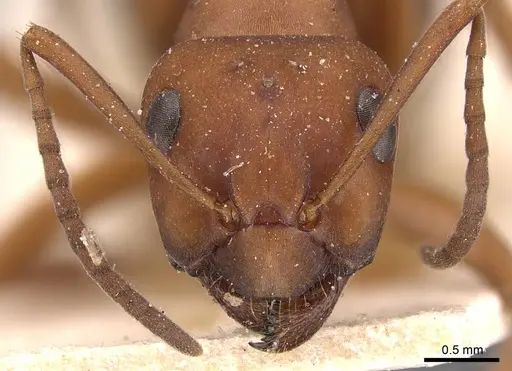
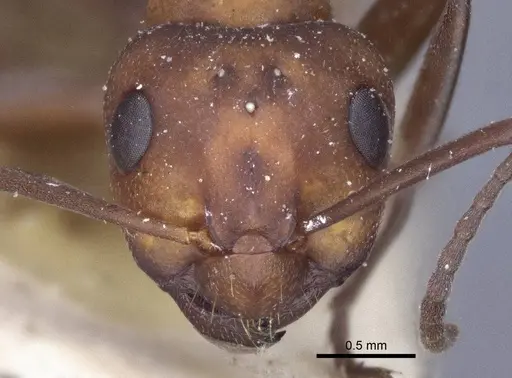
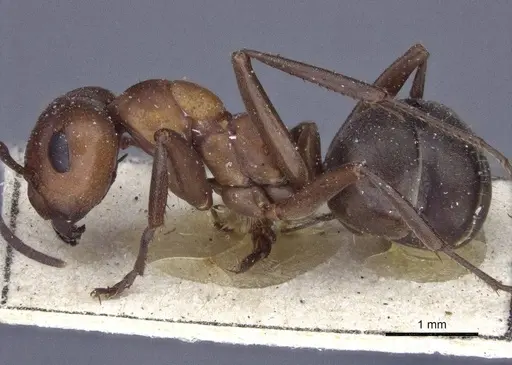
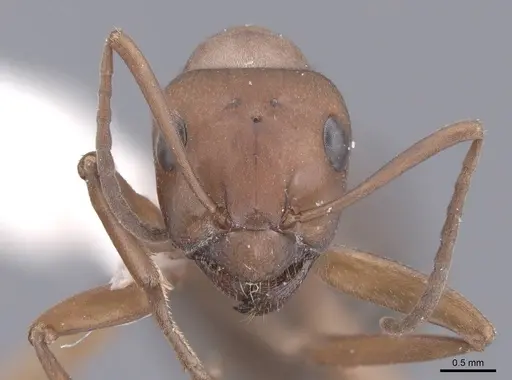
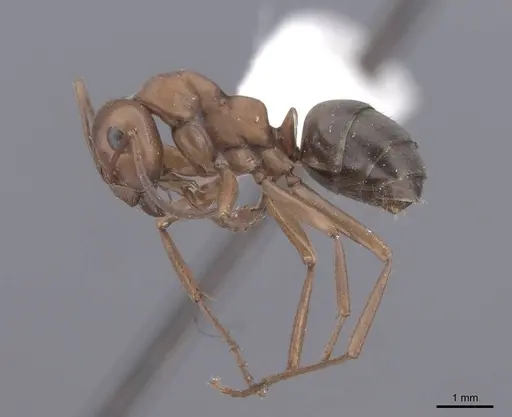
Formica aserva is a medium-sized ant native to North America, ranging from Canada through the western and northeastern United States. Workers measure 4-6 mm and are dark brown to black . This species belongs to the sanguinea group and is known for brood-raiding behavior, attacking other Formica colonies to steal pupae . Morphology includes lack of erect hairs on the ventral head, a broad fan-shaped petiole, and a striated clypeus . Formica aserva is a facultative slavemaker, meaning it can function with or without enslaved workers . Raids involve long foraging columns and aggressive defense . They tend aphids for honeydew and attack ladybird beetles that threaten their aphid farms .
Quick Summary
- Difficulty: Medium
- Origin & Habitat: Native to North America from Newfoundland to Yukon and Alaska to New Mexico [2]. Inhabits prairies, sagebrush scrub, forests, and disturbed areas [7][8].
- Colony Type: Facultatively polygynous, colonies can have multiple queens [9][7]. As a facultative slavemaker, colonies may have enslaved Formica workers but can survive without them [4].
- Size & Growth:
- Antkeeping:
- Temperature: Keep warm, roughly 20-24°C, based on thermophilic nature [7]. Use a heating cable to create a gradient.
- Humidity: Keep nest substrate consistently moist but not waterlogged, as they nest in dead wood [7].
- Diapause: Yes, requires winter diapause of 3-4 months at 5-10°C, inferred from northern range [11].
- Nesting: Prefers stumps and decaying wood, provide naturalistic setup with rotting wood or Y-tong/plaster nest [7][11].
- Behavior: Aggressive and active, workers have task groups with high fidelity [12]. Defend territory vigorously and conduct raids on other colonies [5]. Escape risk is moderate due to worker size (4-6 mm), use standard barriers.
- Common Issues: slave dependency, colonies may struggle without access to host species for raiding [4], cold sensitivity, thermophilic nature means they decline in cool conditions below 18°C [7], colony establishment, founding queens must parasitize host colonies, which can fail [2], disturbance intolerance, prefer stable nesting sites [8], parasitic fungus, Laboulbenia formicarum can infect workers [15]
Colony Founding and Slave-Making
Formica aserva is a facultative slavemaker, it can function with or without enslaved workers, but typically maintains some enslaved Formica from species like F. fusca or F. argentea [4]. The queen invades a small host colony, eliminates the host queen, and takes over the nest and brood [2]. Workers from stolen pupae accept the intruding queen. Once numerous, they raid other colonies for more slaves, involving long foraging columns and serious fighting [5]. In captivity, establish colonies by introducing a founding queen to an established host colony.
Housing and Nest Preferences
In the wild, Formica aserva prefers nesting in stumps and decaying wood (decay classes 3-4) rather than downed debris [7]. They construct thatched nests using plant material [11] and prefer high-insolation disturbed areas [8]. For captivity, provide a naturalistic setup with rotting wood pieces or a Y-tong/plaster nest with narrow chambers. Include thatch material for manipulation and a moisture gradient.
Feeding and Diet
Workers are generalist feeders with task groups: honeydew collectors (smaller workers), nest builders, and protein foragers (larger workers) [12]. They tend aphids for honeydew, with mutualistic relationships to aphid species like Aphis asclepiadis [13]. In captivity, provide sugar water, protein sources like mealworms, and live prey. They defend aphid farms against ladybird beetles [6].
Temperature and Seasonal Care
This is a thermophilic species requiring warm conditions [7]. Keep nest temperatures around 20-24°C with a heating gradient. As a northern species, it requires winter diapause of 3-4 months at 5-10°C [11]. Nuptial flights occur from mid-June to late July in early morning at cool temperatures.
Behavior and Defense
Formica aserva is aggressive and mound-building, with workers showing high task fidelity [12]. They defend territory vigorously and conduct raids with serious fighting [5]. Defense mechanism is spraying formic acid, typical of Formicinae. They are disturbance specialists, found in human-altered habitats [8][14].
Common Problems in Captivity
Challenges include slave dependency, cold sensitivity, difficult colony establishment, disturbance intolerance, and parasitic fungus [4][7][15]. Proper hibernation is essential for long-term health. Watch for Laboulbenia formicarum infections.
Frequently Asked Questions
Is Formica aserva a good species for beginners?
No, it is not recommended for beginners. This facultative slavemaker requires access to host species and parasitic founding, which is challenging. It also needs specific temperature care and hibernation [4][7].
How do I start a Formica aserva colony?
Introduce a founding queen to an established colony of a host species like Formica fusca. The queen must invade and take over the nest [2][5]. This process can fail, so obtaining established colonies is easier.
Do Formica aserva need slaves to survive?
No, they are facultative slavemakers and can function without slaves, though they typically maintain some [4]. Only about one-third of wild colonies have slaves [5].
What temperature do Formica aserva need?
Keep them at roughly 20-24°C, as they are thermophilic [7]. Use a heating gradient for choice.
Do Formica aserva need hibernation?
Yes, as a northern species, they require 3-4 months of winter diapause at 5-10°C [11].
What do Formica aserva eat?
They are generalist feeders: sugar water for honeydew collectors, protein like mealworms for foragers, and live prey [12][13].
How big do Formica aserva colonies get?
Up to several hundred workers, based on observations in post-fire habitats [10].
Can I keep multiple Formica aserva queens together?
Yes, this species is facultatively polygynous, so multiple queens can coexist [9][7]. Monitor for aggression when introducing queens.
What makes Formica aserva different from other Formica species?
It is a facultative slavemaker that raids other colonies for brood, unlike obligate slavemakers. Workers have specialized task groups with high fidelity [12], and raids involve serious fighting [5].
Report an Issue
The current care sheet is based fully on literature. See inconsistencies, or something that's incorrect? Please , it will be resolved after review from an admin. Contributing to the blogs tab also helps providing information, to make us be able to further improve the caresheets. Thank you for your support!
References

This caresheet is licensed under CC BY-SA 4.0 .
Community Blogs
CASENT0005296
View on AntWeb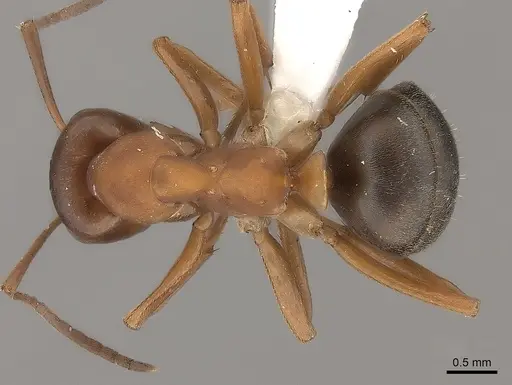
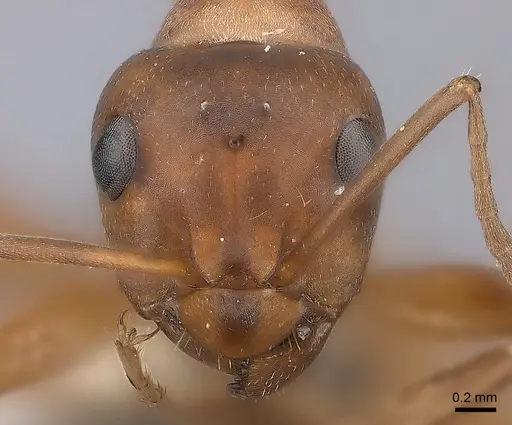
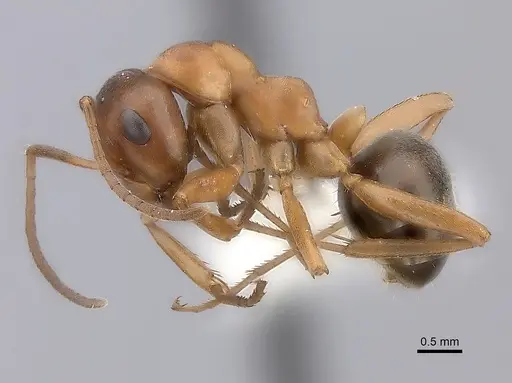
CASENT0005395
View on AntWeb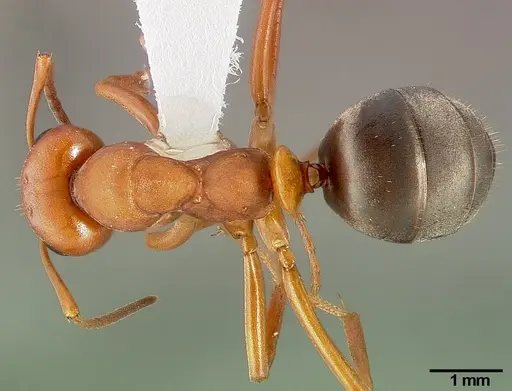
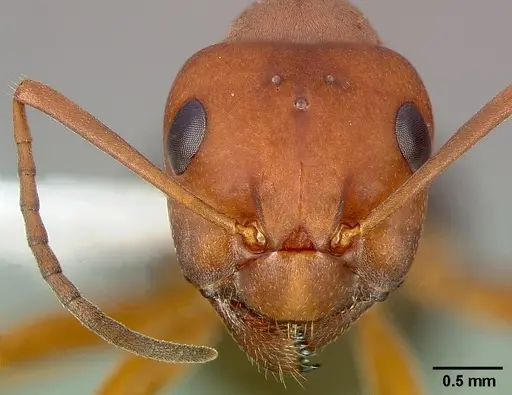
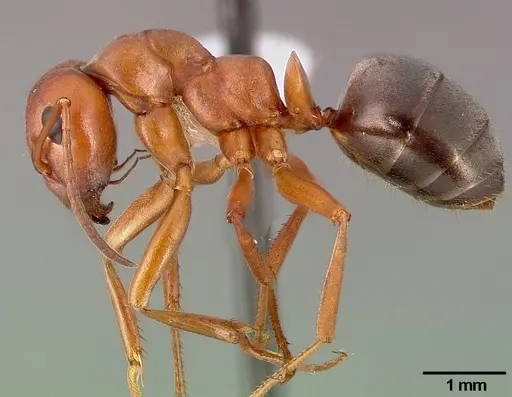
CASENT0280421
View on AntWeb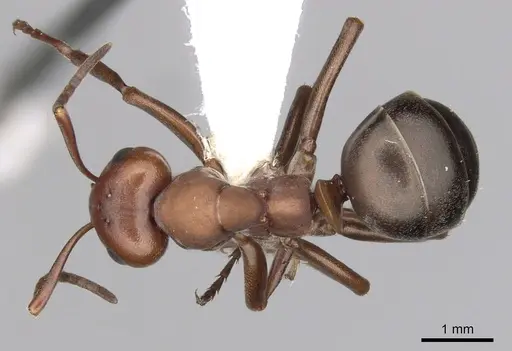
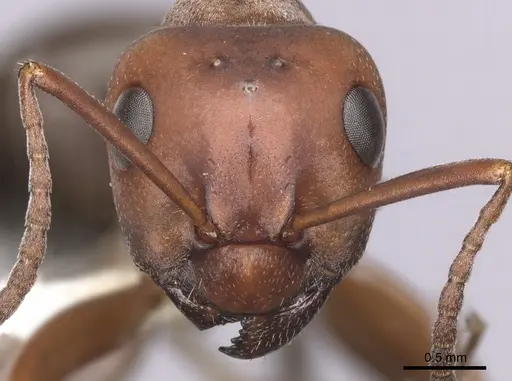
CASENT0843244
View on AntWeb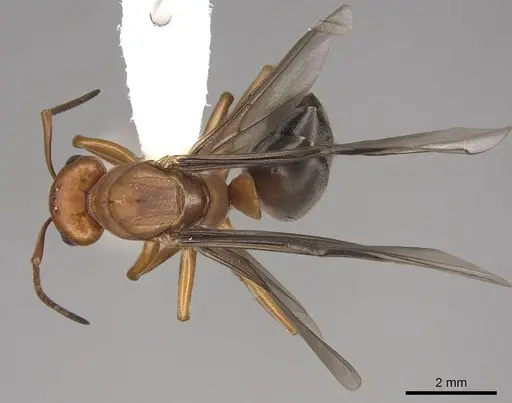
CASENT0843245
View on AntWeb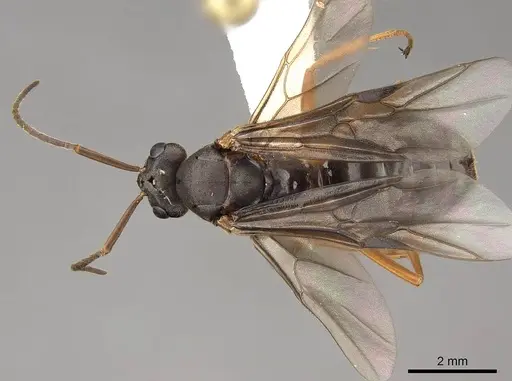
CASENT0905695
View on AntWeb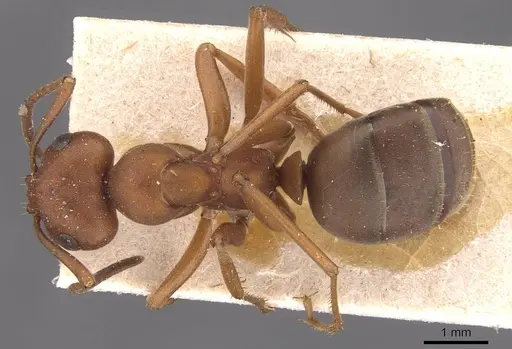
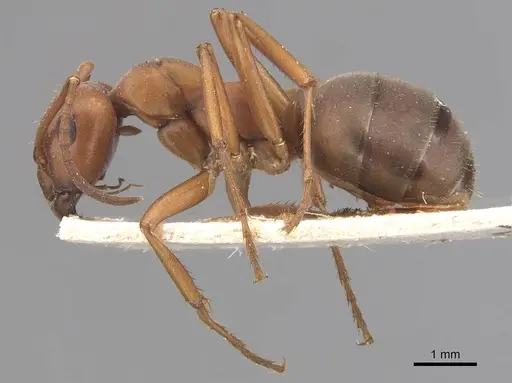
CASENT0911096
View on AntWeb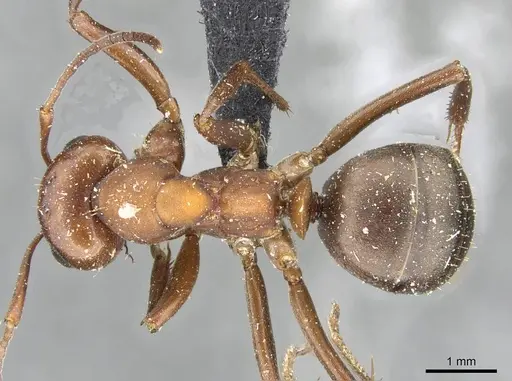
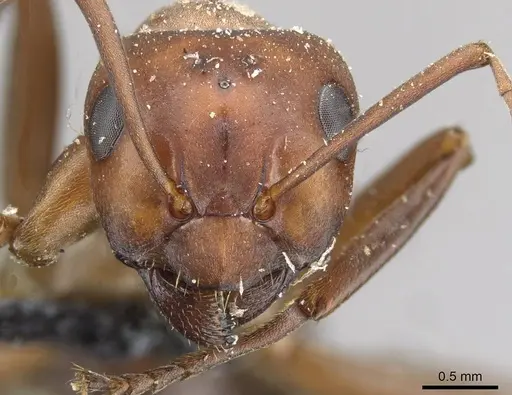
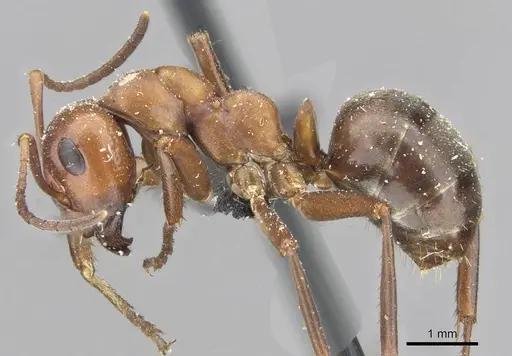
CASENT0916653
View on AntWeb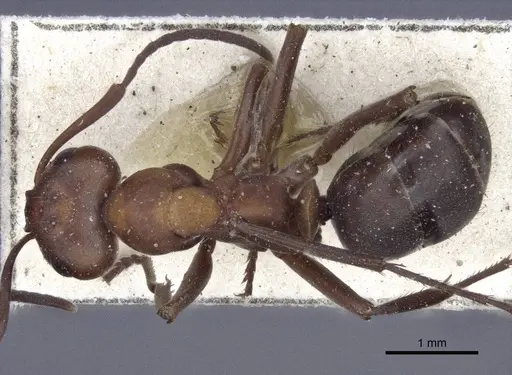
CASENT0923588
View on AntWeb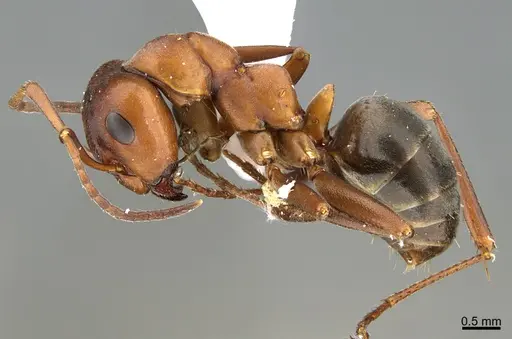
FMNHINS0000062553
View on AntWeb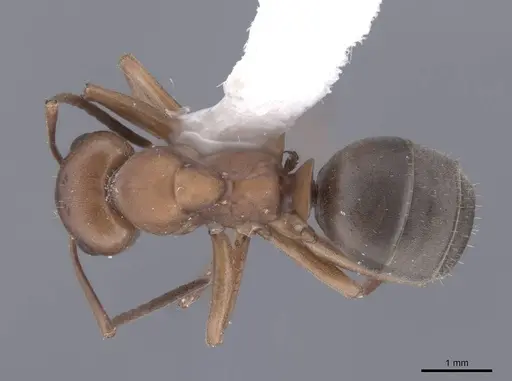
Literature
Loading distribution map...Loading products...