
Grey Field Ant
Formica aerata
- Sci. Name
- Formica aerata
- Tribe
- Formicini
- Subfamily
- Formicinae
- Author
- Francoeur, 1973
- Common Name
- Grey Field Ant
- Distribution
- Found in 1 countries
Introduction
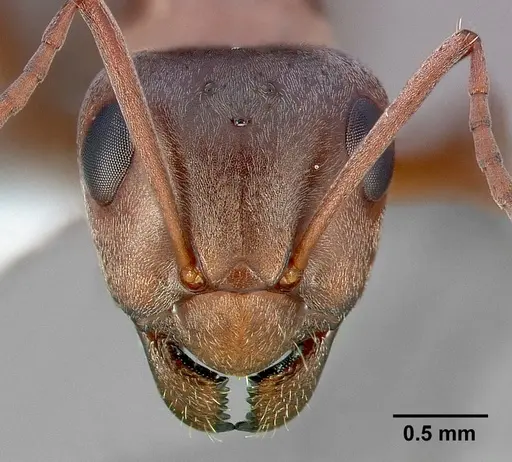
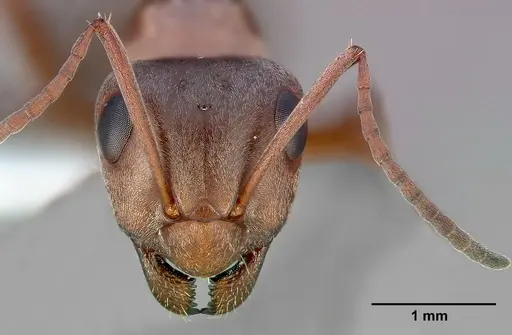
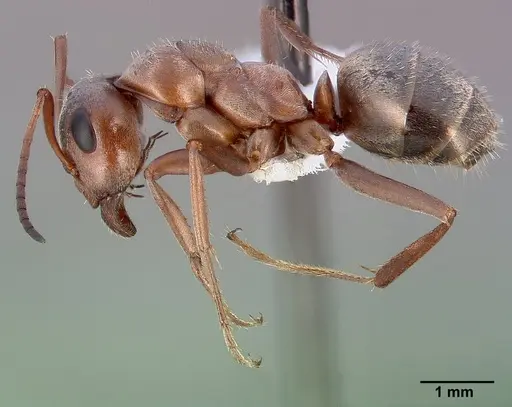
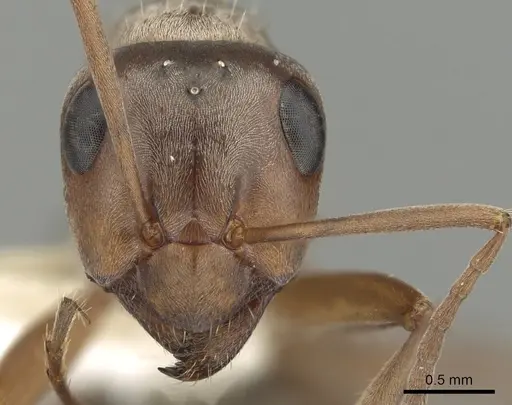
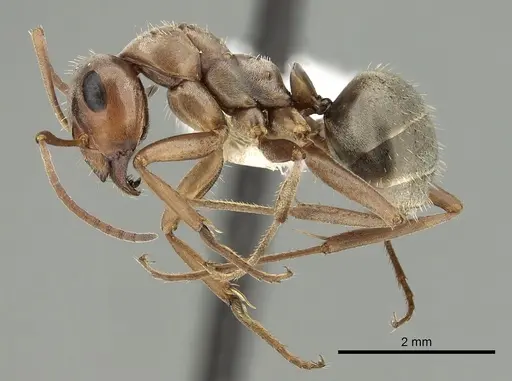
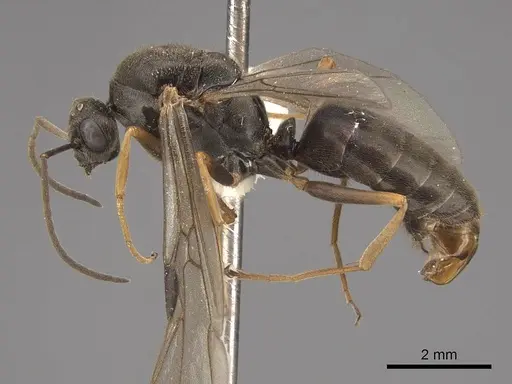
Formica aerata is a medium-sized ant native to the western United States, belonging to the Formica fusca group. Workers measure around 4-7mm and display typical Formica coloration - dark brown to black with lighter appendages. This species inhabits mountainous regions of California, western Nevada, and southern Oregon, typically found at elevations between 4,000 and 5,000 feet in desert and riparian habitats . Queens are larger than workers and were described by Francoeur in 1973 . These ants are known for their fast, timid movement and often build nests under stones or construct distinctive crater mounds . They tend aphids on sagebrush and are associated with mealybugs in California vineyards . In areas where they occur, they are mutually exclusive with their close relative Formica moki .
Quick Summary
- Difficulty: Medium
- Origin & Habitat: Native to the western United States, specifically California, western Nevada, and southern Oregon. Found at elevations of 3,900-8,200 feet, primarily in cool desert habitats, cottonwood riparian areas, and disturbed areas. Often nests under stones or builds small crater mounds [1].
- Colony Type: Unconfirmed, based on typical Formica fusca group patterns, likely monogyne (single queen colonies).
- Size & Growth:
- Queen: Size data unavailable, no specific total length measurements in research context.
- Worker: 4-7mm [1]
- Colony: Unknown, colony size data not provided in research context.
- Growth: Moderate
- Development: Approximately 6-10 weeks at optimal temperature, inferred from Formica genus patterns [1]. (Development time varies with temperature, cooler conditions may slow growth.)
- Antkeeping:
- Temperature: Keep cool, roughly low-to-mid 20s°C, based on their mountainous habitat [1].
- Humidity: Keep substrate consistently moist but not waterlogged, as they tolerate semi-arid conditions [1].
- Diapause: Yes, requires winter diapause based on high-elevation habitat [1].
- Nesting: Use naturalistic nests with soil substrate, as they naturally nest under stones [1].
- Behavior: Workers are fast and timid, not aggressive, and quickly retreat when disturbed [1]. Escape risk is moderate due to their medium size, standard barriers are usually sufficient [1].
- Common Issues: temperature sensitivity, overheating can kill colonies quickly since they inhabit cooler regions [1]., diapause failure, skipping winter hibernation weakens colonies and prevents proper seasonal cycling [1]., overheating during hibernation, must keep hibernation area cool (5-10°C), not room temperature [1]., escape through small gaps, active foragers that will find any opening in the outworld [1].
Nest Preferences and Housing
Formica aerata naturally nests under stones, in soil, and occasionally under slightly buried wood in their native habitat. They construct distinctive crater mounds 50-150mm in diameter or irregular soil mounds [1]. In captivity, they do well in formicariums with a soil or earth mixture substrate, which allows them to create their own tunnel systems. A naturalistic setup with a layer of soil over a hydration chamber works particularly well. They also adapt to Y-tong nests with appropriate chamber sizes. Provide a water tube connected to the formicarium for humidity control. The nest should have both moist areas for brood chambers and slightly drier areas for the ants to regulate their own conditions [1].
Feeding and Diet
Formica aerata is omnivorous with a preference for protein sources and sugar. In the wild, they tend aphids (specifically Macrosiphoniella zerothermum on sagebrush) and collect honeydew [1]. They also prey on small insects and are known to associate with mealybugs in California vineyards [2][3][4]. In captivity, offer protein sources such as small crickets, mealworms, fruit flies, or other small insects 2-3 times per week. Provide a constant sugar source like sugar water, honey, or diluted honey water. Fresh fruit can also be offered occasionally. Remove uneaten protein within 24-48 hours to prevent mold [1].
Temperature and Seasonal Care
This species naturally inhabits cooler mountainous regions, so keep temperatures cool, roughly low-to-mid 20s°C, and avoid overheating [1]. During winter, they require a diapause period at 5-10°C for 3-4 months, mimicking their natural high-elevation seasonal cycle [1]. Gradually reduce temperature in autumn to initiate hibernation, then gradually warm them in spring. Do not skip hibernation as it weakens the colony [1].
Behavior and Colony Dynamics
Workers of Formica aerata are described as fast and timid in their natural habitat, they quickly ascend and descend cottonwood trunks and retreat from disturbance rather than confront it [1]. This makes them a relatively calm species to keep, though they are active and busy. They are not aggressive and rarely bite, making them suitable for keepers who prefer less defensive ants. Colonies grow moderately, a healthy queen can produce workers for many years. The species appears to be mutually exclusive with its close relative Formica moki in areas where both occur, suggesting specific ecological niche separation [5]. In captivity, they establish well and become active foragers once the colony reaches several hundred workers [1].
Frequently Asked Questions
How long does it take for Formica aerata to produce first workers?
Expect first workers (nanitics) to emerge in approximately 6-10 weeks after the queen lays eggs, assuming temperatures around 22-24°C, based on typical Formica development patterns [1]. The queen is likely claustral, she seals herself in and raises the first brood alone without foraging.
Do Formica aerata ants need hibernation?
Yes, they require a winter diapause period based on their high-elevation habitat. Keep them at 5-10°C for 3-4 months during winter [1]. Skipping hibernation will weaken the colony.
What temperature range is best for Formica aerata?
Keep them cool, roughly low-to-mid 20s°C, based on their mountainous habitat [1]. Avoid temperatures above 26°C to prevent stress.
Are Formica aerata good for beginners?
They are moderate difficulty, not the easiest but not among the most challenging. Their main requirements are proper hibernation and avoiding overheating. Their non-aggressive nature makes them manageable. However, the hibernation requirement and temperature sensitivity may challenge complete beginners.
What do Formica aerata eat?
They are omnivorous. Feed small insects (crickets, mealworms, fruit flies) as protein 2-3 times per week. Provide constant access to sugar water, honey, or diluted honey. They also accept occasional fruit. Remove uneaten protein within 24-48 hours [1].
How big do Formica aerata colonies get?
Colony size data is not provided in the research context, so estimates are unavailable. Growth is moderate under good conditions.
When should I move Formica aerata to a formicarium?
Keep founding queens in a simple test tube setup until the colony has established workers and brood. Once stable, transfer them to a formicarium with soil substrate [1].
Can I keep multiple Formica aerata queens together?
This species is likely monogyne (single queen), so combining unrelated queens is not recommended as they will likely fight. In nature, colonies establish with a single founding queen [1].
Why are my Formica aerata dying?
Common causes include: overheating (keep below 26°C), improper hibernation (they need 3-4 months at 5-10°C), too much moisture (they prefer drier conditions), or stress from disturbance during founding. Check temperature first, this is the most common killer [1].
Report an Issue
The current care sheet is based fully on literature. See inconsistencies, or something that's incorrect? Please , it will be resolved after review from an admin. Contributing to the blogs tab also helps providing information, to make us be able to further improve the caresheets. Thank you for your support!
References

This caresheet is licensed under CC BY-SA 4.0 .
Community Blogs
CASENT0005359
View on AntWeb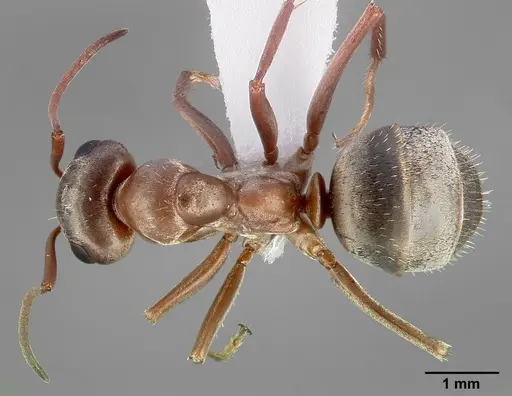
CASENT0221965
View on AntWeb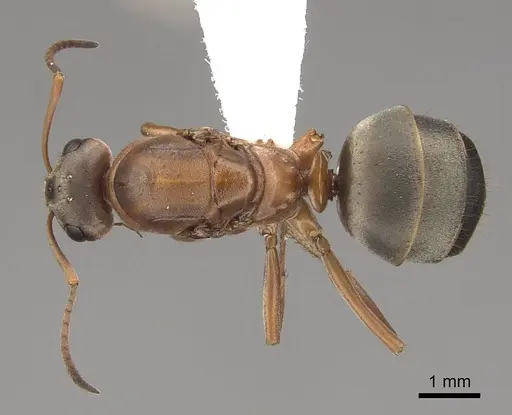
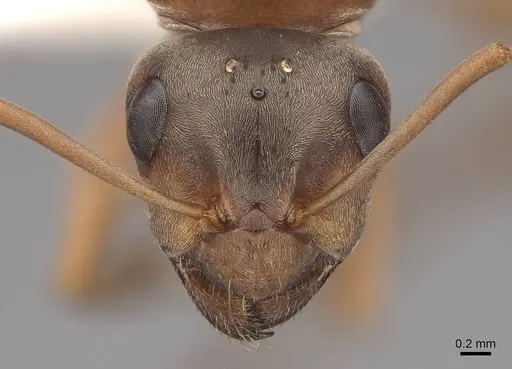
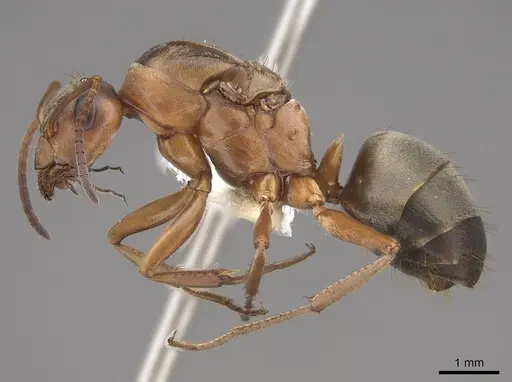
CASENT0280355
View on AntWeb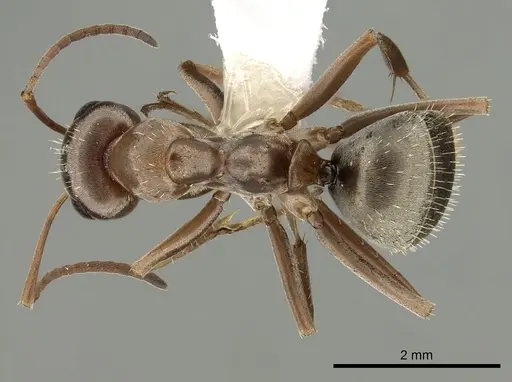
CASENT0843691
View on AntWeb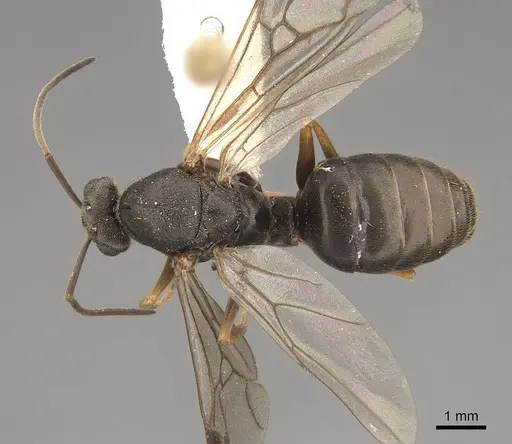
Literature
Loading distribution map...Loading products...