
Adams' Mound Ant
Formica adamsi
- Sci. Name
- Formica adamsi
- Tribe
- Formicini
- Subfamily
- Formicinae
- Author
- Wheeler, 1909
- Common Name
- Adams' Mound Ant
- Distribution
- Found in 2 countries
Introduction
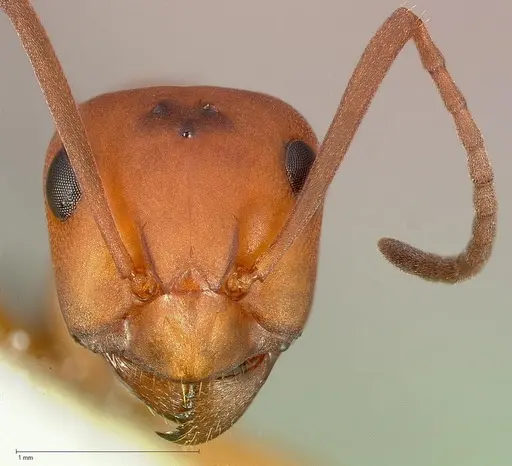
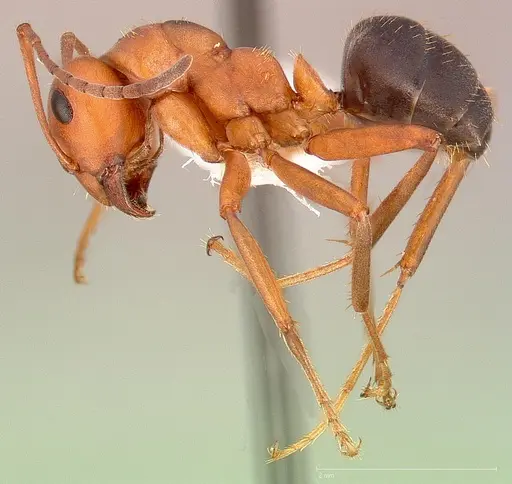
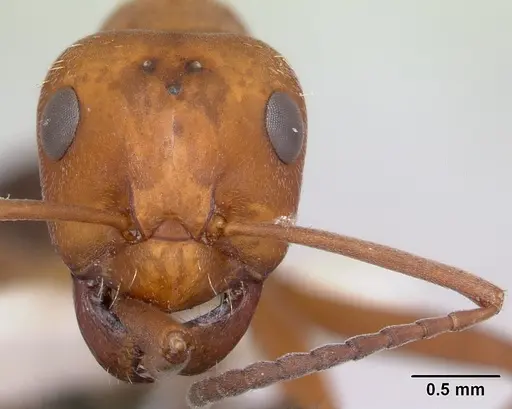
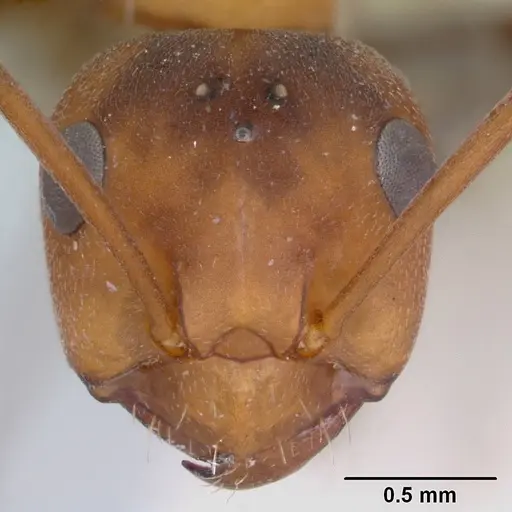
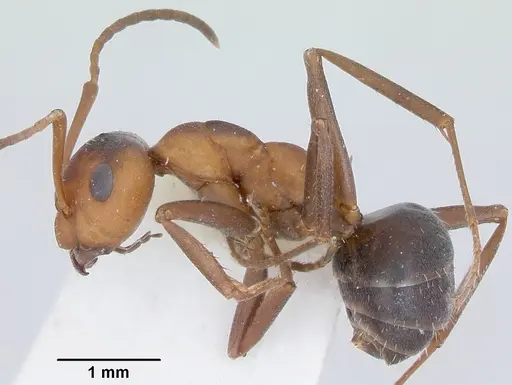
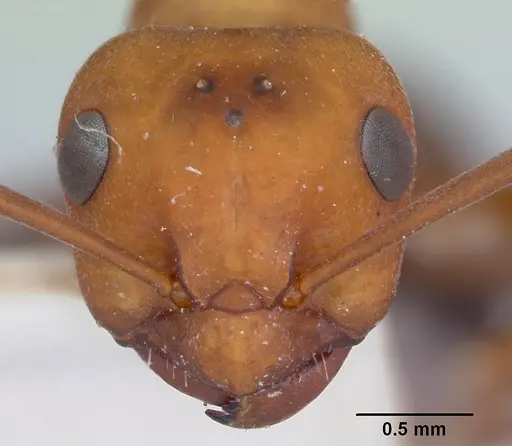
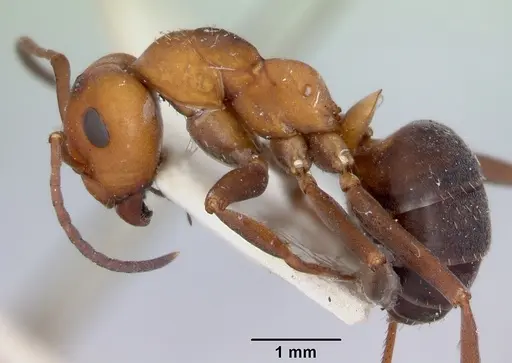
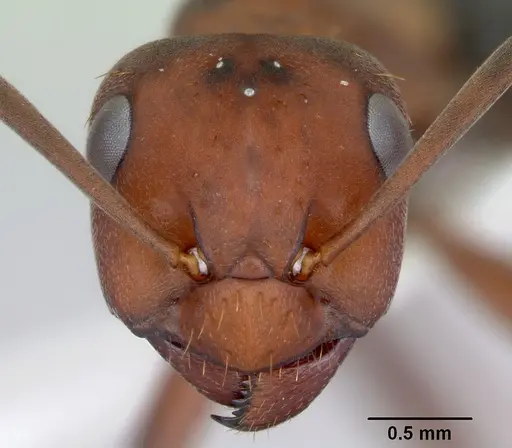
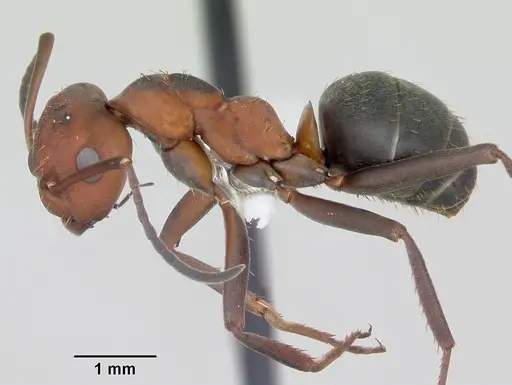
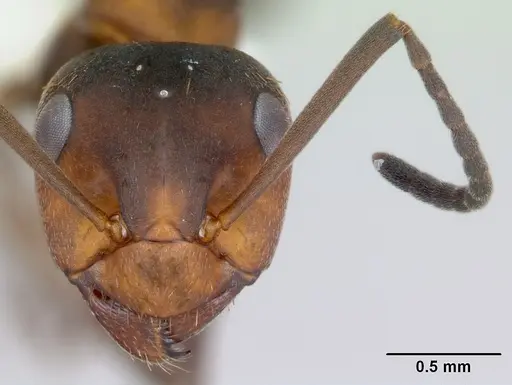
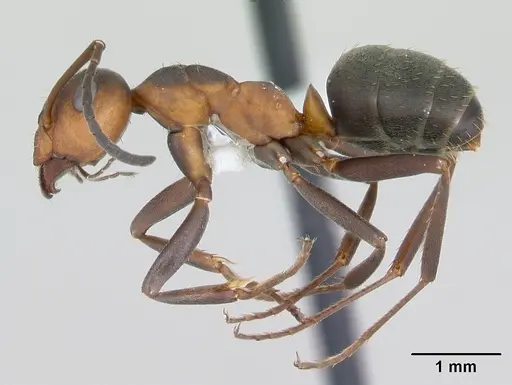
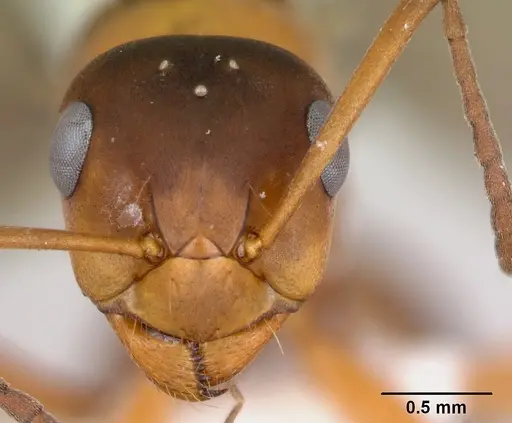
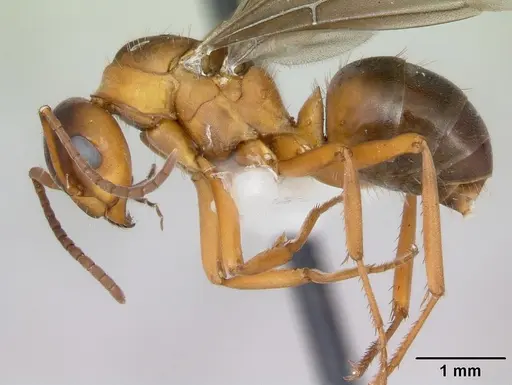
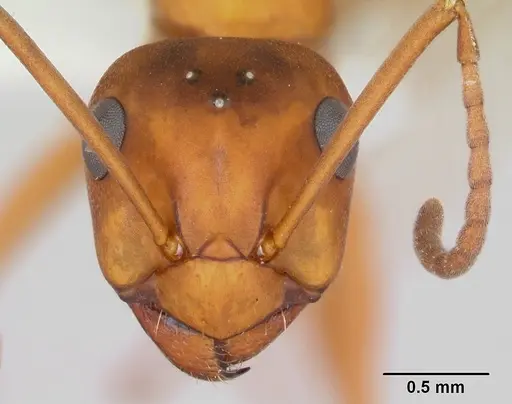
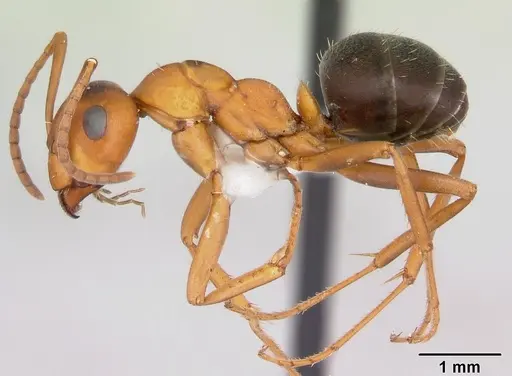
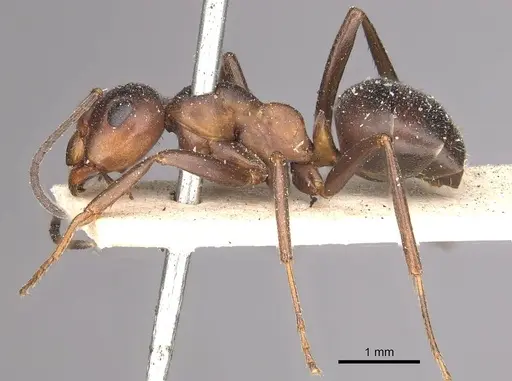
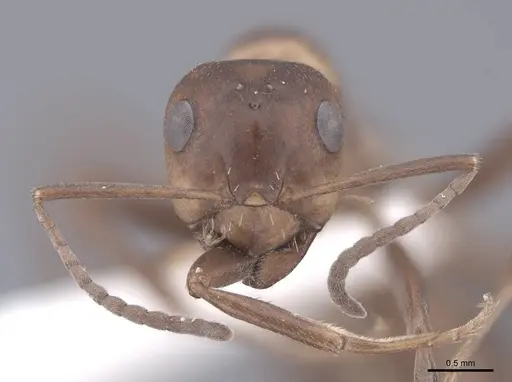
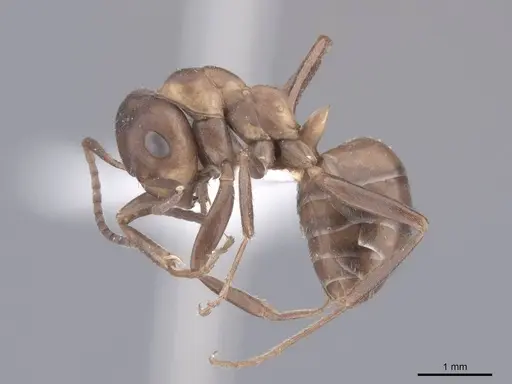
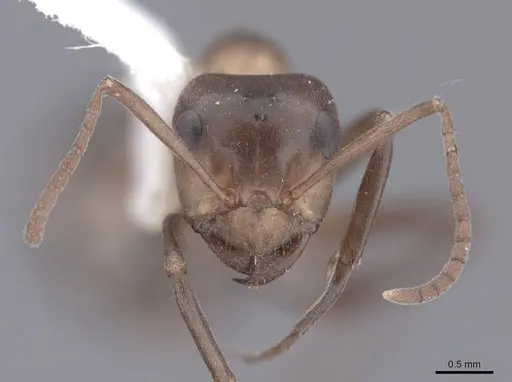
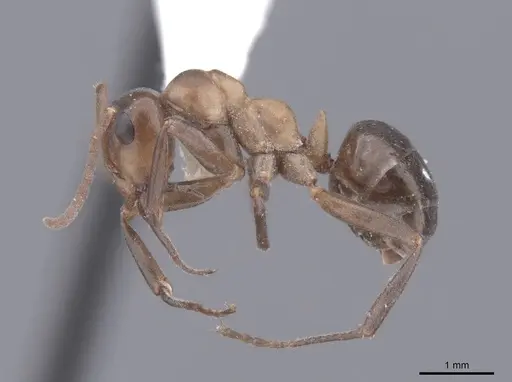
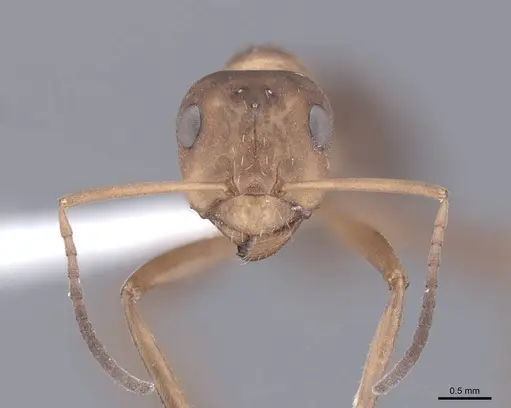
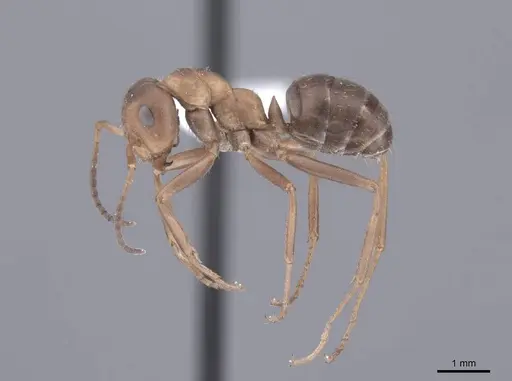
Formica adamsi is a medium-sized ant native to western North America, found in high-elevation forests and boreal habitats across Canada and the western United States. Workers have distinctive blunt-tipped or spatulate hairs on the pronotum, while the scapes, underside of the head, and petiole lack erect hairs. The gaster has sparse silver pubescence and only a few erect hairs. These ants belong to the microgyna group, characterized by unusually small queens that are not significantly larger than their largest workers . This species is a temporary social parasite - the queen invades a host colony of another Formica species, kills or replaces the host queen, and uses the host workers to raise her brood until her daughters take over. Nests are typically found under stones or logs in rocky areas, often with characteristic thatched mounds. They are known to host Microdon hoverfly larvae in their nests, a commensal relationship where the fly larvae feed on ant brood .
Quick Summary
- Difficulty: Expert
- Origin & Habitat: Western North America including Canada and the United States. Found in high-elevation forests above 2200m including pinyon pine, oak, juniper, mixed forests, meadows, spruce-fir forests, and dry tundra. Also found in boreal sand hills, peatland forests, savannah, and woodland [3][4].
- Colony Type: Temporary social parasite, queen invades host Formica colony. Part of the microgyna group with miniature queens not larger than largest workers [1].
- Size & Growth:
- Queen: Miniature queens not significantly larger than largest workers, approximately 5-7mm inferred from microgyna group patterns
- Worker: Approximately 4-7mm inferred from Formica genus patterns
- Colony: Colony size data unavailable
- Growth: Moderate, initial growth depends on successful host colony adoption
- Development: Development timeline unconfirmed for this species (Temporary parasitic founding means colony establishment depends on finding and invading a suitable host colony.)
- Antkeeping:
- Temperature: Keep at room temperature. They are adapted to cooler boreal and high-elevation habitats so they tolerate lower temperatures better than tropical species. Provide a temperature gradient allowing workers to choose their preferred zone.
- Humidity: Typical of forest floor conditions, keep nest substrate slightly moist but not waterlogged.
- Diapause: Yes, these are boreal ants requiring a winter hibernation period. Provide cold conditions during winter months, mimicking their natural cycle in high-elevation and northern habitats [3].
- Nesting: Natural nests are under stones and logs with thatched mounds in rocky areas. In captivity, a naturalistic setup with a soil substrate works well. They do well in formicariums that allow for thatching behavior.
- Behavior: Workers are typically not aggressive but will defend the nest. As a temporary social parasite, colony dynamics are complex during the founding phase. They are moderate foragers and workers are active during warmer months. Escape risk is moderate, use standard Formica-level escape prevention. Their small size means they can squeeze through smaller gaps than larger Formica relatives.
- Common Issues: temporary parasitic founding is extremely difficult in captivity, obtaining an already-established colony is the only reliable method, finding an appropriate host colony (typically other Formica species) is required for queen introduction, hibernation is essential, colonies that don't receive proper cold period will decline and fail to produce reproductives, their boreal origin means they are sensitive to overheating, keep away from direct heat sources
Temporary Parasitic Founding
Formica adamsi is a temporary social parasite, meaning its queens cannot found colonies independently like most ants. Instead, a newly mated queen must find an established colony of a host Formica species. The queen enters the host nest, kills or displaces the host queen through combat or chemical manipulation, and then uses the host workers to raise her own brood. This 'temporary' parasitism means the colony eventually becomes self-sustaining once the parasite's own workers emerge and replace the host workers. Direct observations confirm F. adamsi alpina exhibits this temporary social parasitism behavior [3]. This founding method is extremely challenging to replicate in captivity, the only reliable way to keep this species is to obtain an already-established colony that has successfully completed the parasitic take-over.
Housing and Nest Setup
These ants do well in naturalistic setups that mimic their forest floor habitat. Use a formicarium with a soil substrate deep enough for the ants to create chambers and passages. Include stones or flat surfaces on top of the substrate as these ants often nest under stones in the wild. The substrate should be kept slightly moist but allow for some drying. Provide a water tube for drinking and ensure the outworld has a sugar water feeder and protein food source. Standard escape prevention measures work well, though their small size means checking for small gaps. [3]
Feeding and Diet
Like other Formica species, F. adamsi is omnivorous and will accept both sugar sources and protein. Offer sugar water, honey, or diluted syrup as a constant energy source. For protein, provide small insects, mealworms, crickets, or other appropriate-sized prey. In the wild, they forage for honeydew from aphids and hunt small invertebrates. Their association with Microdon hoverflies suggests they have some interaction with other nest inhabitants, but this doesn't affect their dietary needs. Feed protein regularly and keep sugar water available at all times. [3]
Seasonal Care and Hibernation
As a boreal species from high elevations, Formica adamsi requires a pronounced winter hibernation period. During autumn, reduce feeding and allow the colony to slow down naturally. Provide cold conditions, this can be accomplished by moving the colony to an unheated garage, basement, or refrigerator during winter. The exact duration depends on your geographic location. Do not feed during hibernation. This cold period is essential for colony health and the production of reproductives the following season. Without proper hibernation, colonies will weaken and fail to produce new queens and males. [3]
Unique Associations
Formica adamsi has a symbiotic relationship with Microdon hoverflies (family Syrphidae). The larvae of these flies live inside ant nests, including those of F. adamsi, where they feed on ant brood. Specifically, this species has been documented hosting Microdon cothurnatus and Microdon piperi [2]. This is a known commensal relationship, the hoverfly larvae typically consume only a small portion of the brood and don't significantly harm the colony. In captivity, you may occasionally see these unusual guests, though they are rarely encountered.
Frequently Asked Questions
Can I start a Formica adamsi colony from a queen?
No, this is a temporary social parasite. The queen cannot found a colony independently. You must obtain an already-established colony that has completed the parasitic take-over of a host colony. Finding and introducing a queen to a host colony in captivity is extremely difficult and rarely successful.
What do Formica adamsi ants eat?
They are omnivorous. Offer sugar water, honey, or syrup as a constant energy source. For protein, feed small insects like fruit flies, pinhead crickets, or mealworms regularly. They will also collect honeydew from aphids if given the opportunity.
Do Formica adamsi ants need hibernation?
Yes, as a boreal species from high elevations, they require a winter hibernation period. Without this cold period, colonies will weaken and fail to produce reproductives. This is essential for their long-term health.
Are Formica adamsi good for beginners?
No, this is an expert-level species due to their temporary parasitic founding requirements. Unlike most ants you can keep, you cannot start a colony from a queen alone. You must obtain an established colony, and their boreal habitat requirements make them challenging for most keepers.
What temperature do Formica adamsi need?
Keep them at room temperature. They are adapted to cooler boreal conditions and tolerate lower temperatures better than many ants. Avoid overheating, keep them away from direct heat sources or heating cables.
How big do Formica adamsi colonies get?
Colony size data is unavailable for this species. Growth rate is moderate once established, though the initial establishment through parasitic take-over is the most challenging phase.
What is the best nest type for Formica adamsi?
A naturalistic setup with soil substrate works best. They naturally nest under stones and in logs with thatched material. Use a formicarium with a dirt chamber deep enough for them to create passages, and place stones or a flat surface on top of the substrate to mimic their natural nesting sites.
Where does Formica adamsi live in the wild?
They are found across western North America in boreal and high-elevation habitats. Their range includes Canada (Saskatchewan) and the western United States, living in forests at elevations above 2200m, including pinyon pine, oak, juniper, spruce-fir forests, meadows, and dry tundra [5][3].
Why are they called microgyna ants?
Formica adamsi belongs to the microgyna species group, which is Greek for 'tiny queen.' These ants have unusually small queens that are not much larger than their largest workers, this is a key identifying feature of the group and distinguishes them from typical Formica species with much larger queens.
Report an Issue
The current care sheet is based fully on literature. See inconsistencies, or something that's incorrect? Please , it will be resolved after review from an admin. Contributing to the blogs tab also helps providing information, to make us be able to further improve the caresheets. Thank you for your support!
References

This caresheet is licensed under CC BY-SA 4.0 .
Community Blogs
CASENT0005384
View on AntWeb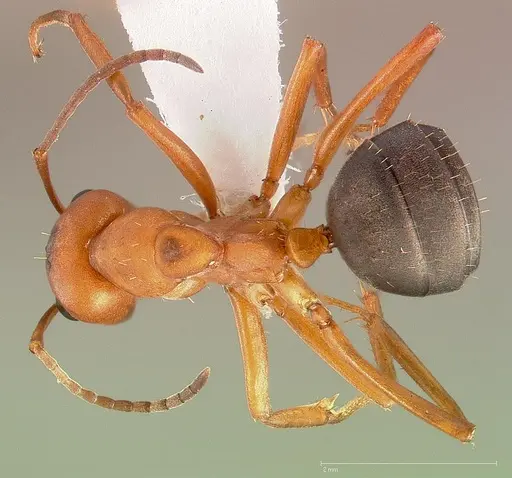
CASENT0103359
View on AntWeb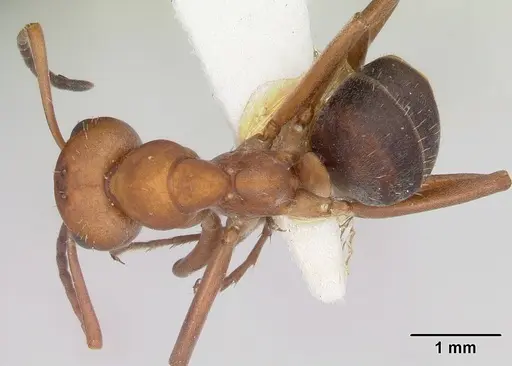
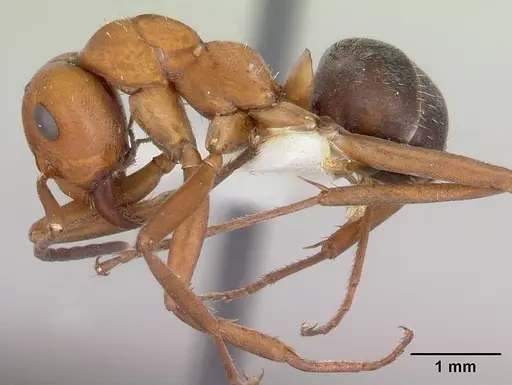
CASENT0103360
View on AntWeb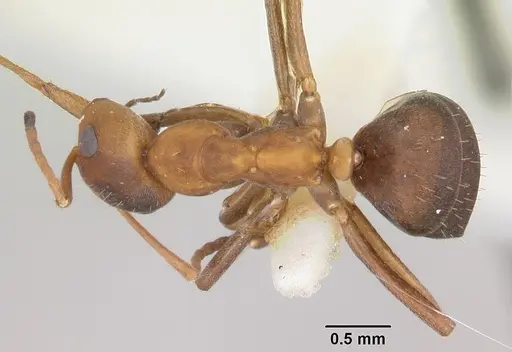
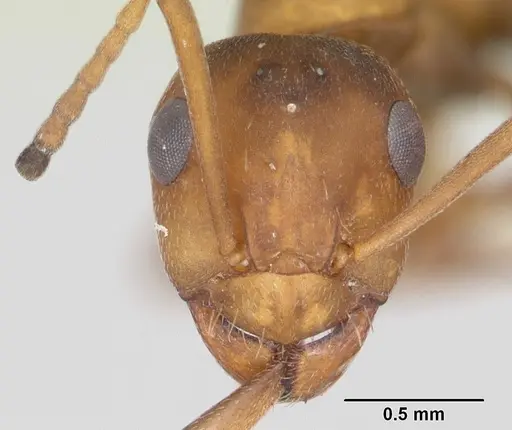
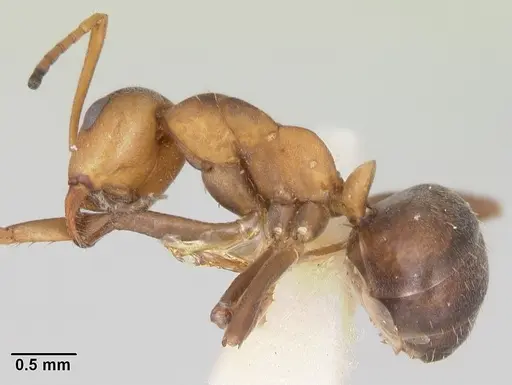
CASENT0104767
View on AntWeb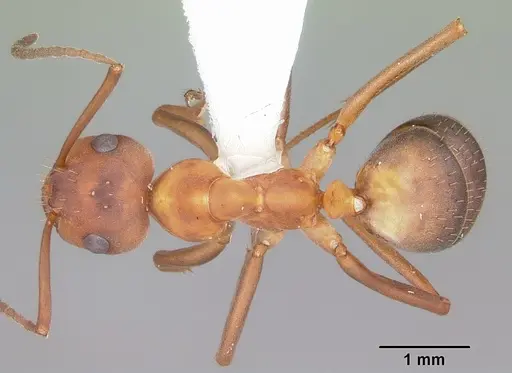
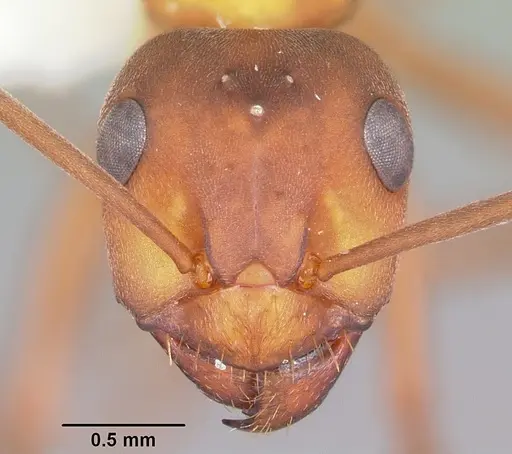
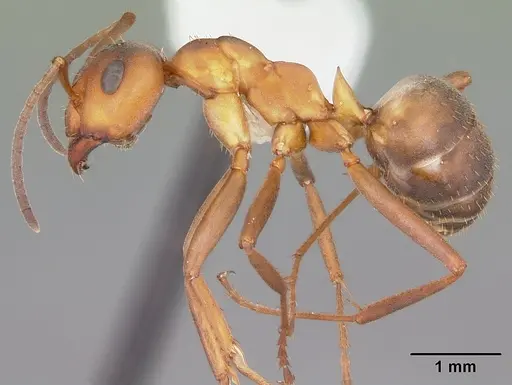
CASENT0172865
View on AntWeb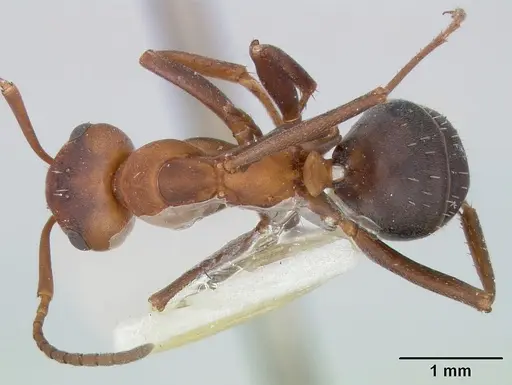
CASENT0172866
View on AntWeb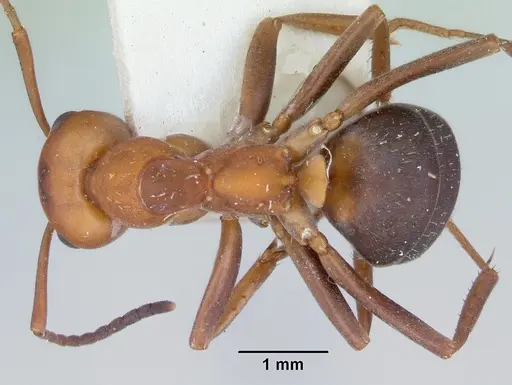
CASENT0172867
View on AntWeb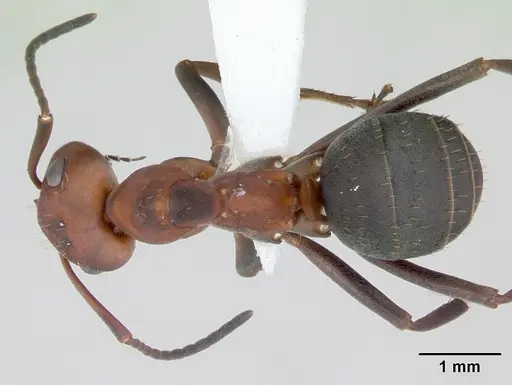
CASENT0172868
View on AntWeb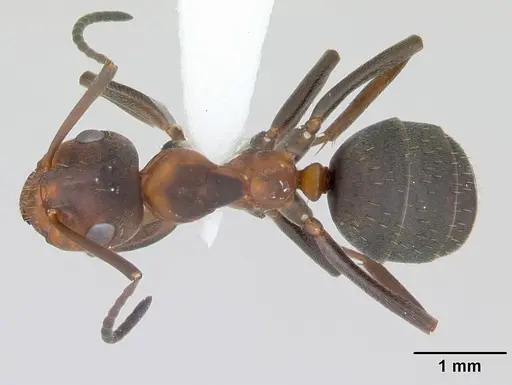
CASENT0172886
View on AntWeb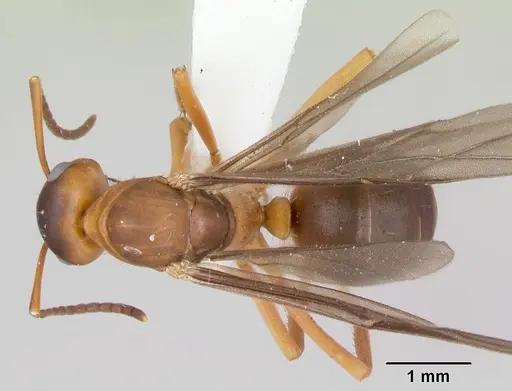
CASENT0172887
View on AntWeb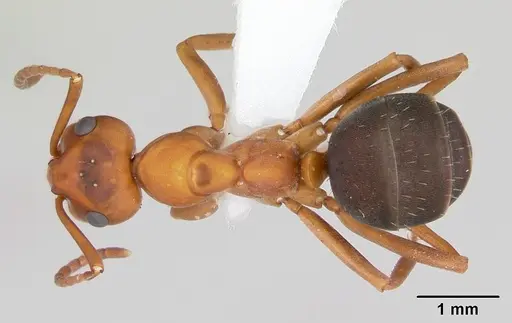
CASENT0280412
View on AntWeb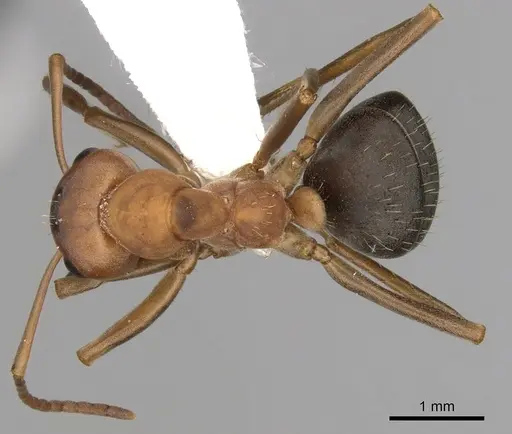
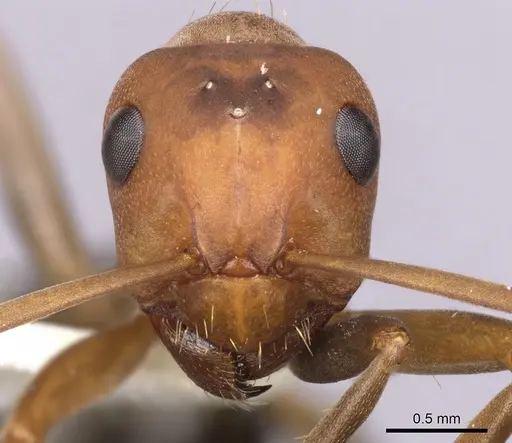
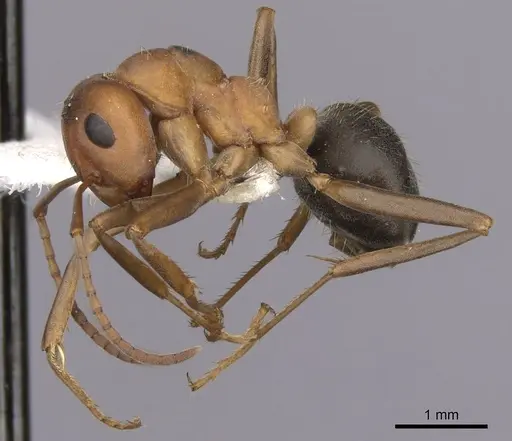
CASENT0911082
View on AntWeb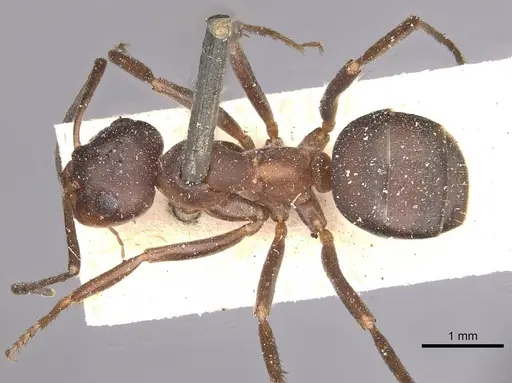
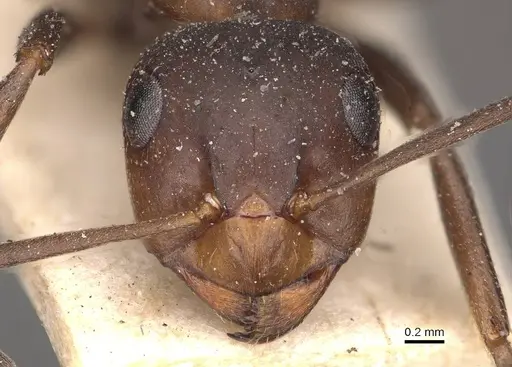
FMNHINS0000046711
View on AntWeb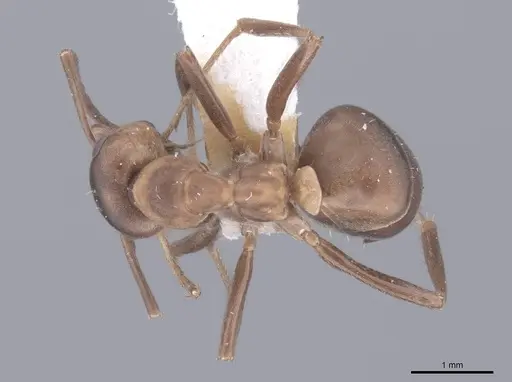
FMNHINS0000062558
View on AntWeb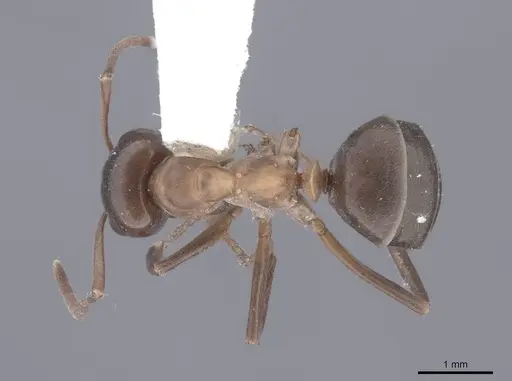
FMNHINS0000083079
View on AntWeb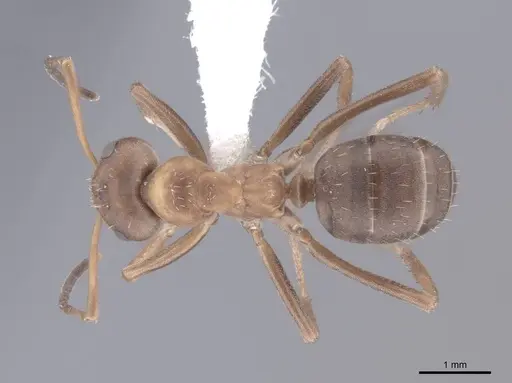
Literature
Loading distribution map...Loading products...