
Forelius chalybaeus
- Sci. Name
- Forelius chalybaeus
- Tribe
- Leptomyrmecini
- Subfamily
- Dolichoderinae
- Author
- Emery, 1906
- Distribution
- Found in 1 countries
Introduction
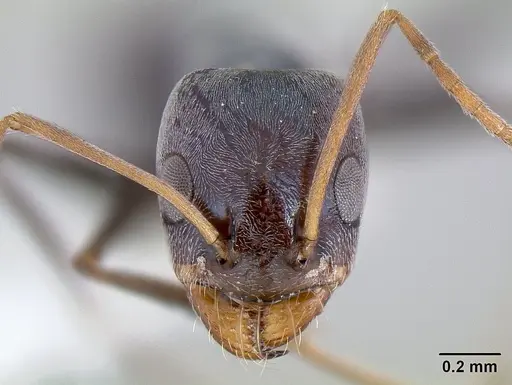
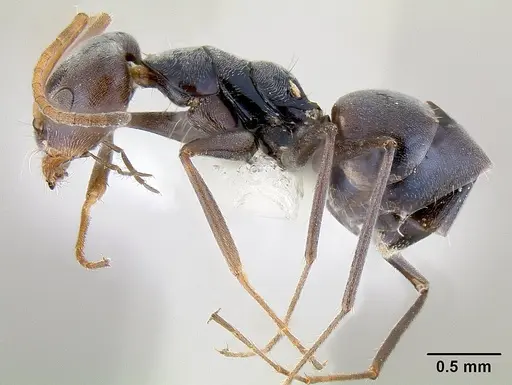
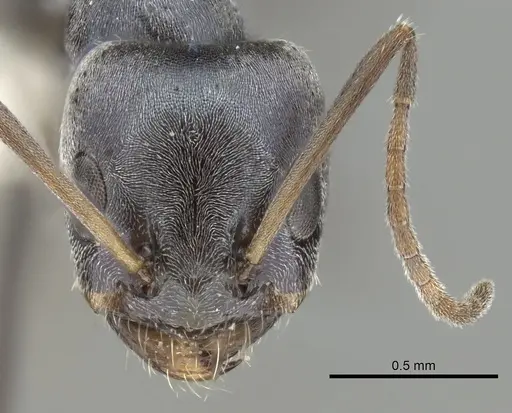
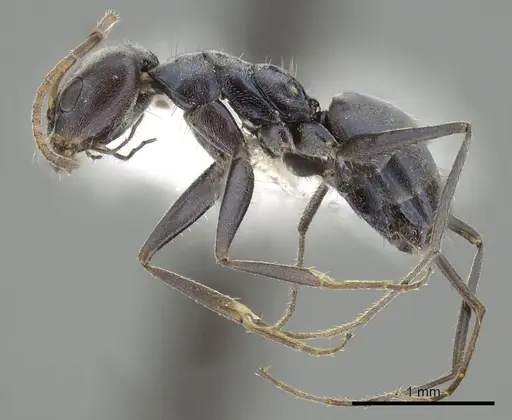
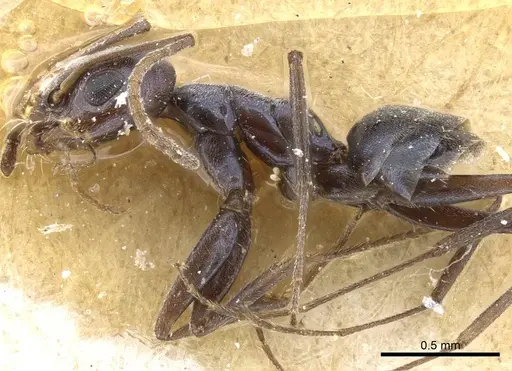
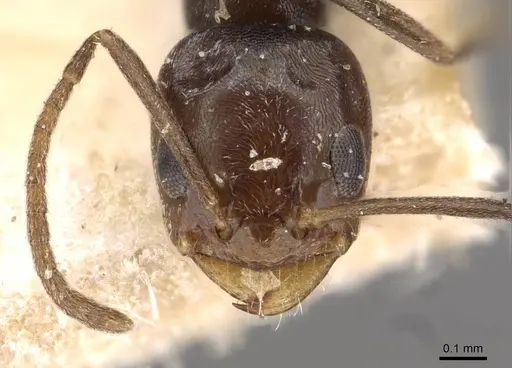
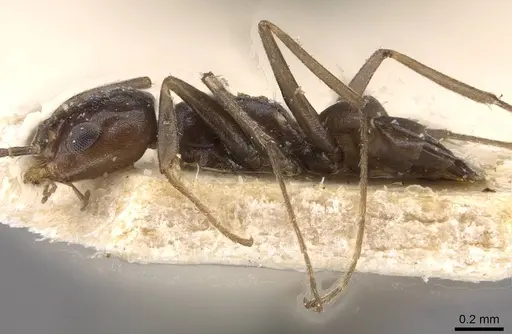
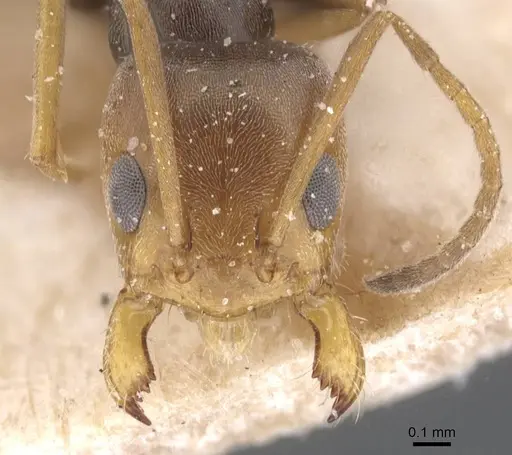
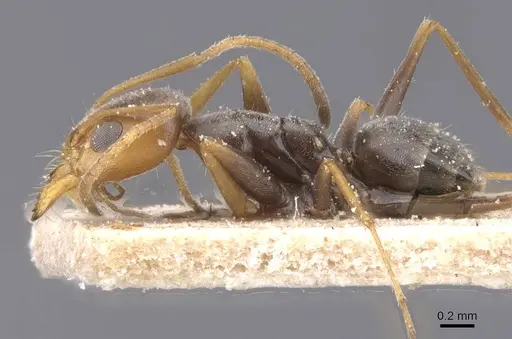
Forelius chalybaeus is a small, striking ant native to Argentina with a distinctive metallic steel-blue to greenish sheen over its black body . Workers measure 2-3.5 mm, making them one of the smaller ant species you'll encounter. Queens are larger at about 4 mm, and males reach just over 3 mm . This species belongs to the Dolichoderinae subfamily and is closely related to Dorymyrmex (pyramid ants), with which it forms a distinct evolutionary clade . In the wild, these ants are ground‑dwelling and highly dominant in Patagonia and the Monte Desert regions, aggressively defending food sources through mass recruitment .
Quick Summary
- Difficulty: Medium
- Origin & Habitat: Argentina, particularly Patagonia and the Monte Desert regions. Found in Puerto Madryn, Puerto Camarones, and Mendoza, as well as La Pampa and Peninsula Valdés [1][6][5][7]. They are ground‑dwelling ants that thrive in arid to semi‑arid environments.
- Colony Type: Not confirmed by research. Based on typical Forelius patterns, likely single‑queen colonies, but this has not been studied.
- Size & Growth:
- Queen: about 4 mm [1]
- Worker: 2-3.5 mm [1][2]
- Colony: Colony size data is unavailable from research, a study captured 1,658 individuals of this species across multiple traps, but this does not reflect individual colony size [5].
- Growth: Moderate (estimated from related Dolichoderinae species)
- Development: Not specifically documented, estimated 6-10 weeks based on related small Dolichoderinae species (Development time is an estimate, no direct data exists for Forelius chalybaeus)
- Antkeeping:
- Temperature: Estimated: keep at 20-25°C. These ants come from temperate Argentina (cool to warm regions), so room temperature works well. No specific optimal range is published, adjust within this range and observe.
- Humidity: Very low, these ants are from arid habitats. Keep the nest substrate mostly dry, with just a slightly damp area in one corner. Avoid any waterlogging.
- Diapause: Likely beneficial, based on temperate origin. Provide a winter cooling period of 2-3 months at 8-12°C if possible. Reduce feeding during this time.
- Nesting: Ground‑nesting, but specific nest structure is not described. A Y‑tong (AAC) or plaster nest with dry chambers works well. Connect to a small outworld for foraging. Avoid overly humid setups.
- Behavior: Forelius chalybaeus is an aggressive forager with a bold temperament. They use mass recruitment to food sources, sending 5-36 workers at a time to dominate stations [2]. They actively attack and bite larger ants that compete for their food, climbing onto their bodies to bite legs and antennae [2]. Workers are very active and constantly foraging. Escape risk is high due to their small 2-3.5 mm size, use fine mesh or oil barriers. They cannot sting (typical of Dolichoderinae) but may secrete defensive chemicals from the tip of the abdomen.
- Common Issues: high escape risk, workers are small enough to slip through tiny gaps, so use fluon or vegetable oil barriers and fine ventilation mesh., aggressive foraging can lead to quick monopolization of food, causing waste or mold, portion control is important., overly humid conditions can stress the colony or promote mold, maintain a dry nest with only light moisture., wild‑caught colonies may carry parasites, quarantine new colonies and observe for health issues.
Housing and Nest Setup
Forelius chalybaeus does well in standard ant housing. A Y‑tong (AAC) nest works excellently, chambers should be small to match the 2-3 mm worker size. Plaster or soil nests also work. Because these ants come from arid regions, keep the nest mostly dry with only a slightly damp area in one corner. Connect a small outworld for foraging. Start with a test tube setup for founding, moving to a larger nest once the colony reaches about 20-30 workers. Escaping is a real risk due to their small size, seal all gaps carefully and use barriers like fluon or oil on the outworld walls.
Feeding and Diet
In the wild, Forelius chalybaeus is a predator and scavenger that uses mass recruitment to overwhelm food sources. They are known to feed on elaiosomes (fatty seed attachments) and prey on other arthropods [2]. In captivity, offer a varied diet: small protein items like fruit flies, pinhead crickets, or chopped mealworms 2-3 times per week, and a constant source of sugar water or honey. They are aggressive foragers, so food will be discovered and swarmed quickly. Remove uneaten protein after 24 hours to prevent mold.
Temperature and Seasonal Care
No precise temperature data is published, but based on their temperate Argentine habitat, a range of 20-25°C should work. A heating cable on one side of the nest can create a gradient, though it may not be necessary at room temperature. During winter (roughly June-August in the southern hemisphere), provide a rest period: gradually lower temperature to 8-12°C for 2-3 months. Reduce feeding and avoid disturbing the colony during this time. This rest is likely important for long‑term health.
Behavior and Colony Dynamics
Forelius chalybaeus shows highly aggressive foraging. Workers recruit nestmates en masse, 5 to 36 workers per food station [2]. They will physically attack larger ants by climbing onto their bodies and biting legs and antennae [2]. This bold strategy makes them a dominant species in their environment, a study recorded a dominance index of 66.6% at bait stations [2]. In the nest, the queen is significantly larger (about 4 mm) than workers (2-3.5 mm) and can be easily identified [1]. The colony does not sting but may use chemical defenses from the abdomen (Dolichoderinae trait).
Growth and Development
Colony growth follows typical ant patterns, but specific development data is lacking. The queen lays eggs after mating, and the first workers (nanitics) emerge after an estimated 6-10 weeks at 20-25°C. Growth rate is moderate, a well‑fed colony may reach 50-100 workers within the first year. Over time, the colony will produce alates (winged reproductives) that leave for mating flights. This species has successfully colonized North America from its South American range, showing adaptability [3][4].
Frequently Asked Questions
How long does it take for Forelius chalybaeus to produce first workers?
The exact timeline is not documented. Based on related small Dolichoderinae species, expect around 6-10 weeks from egg to first worker at temperatures of 20-25°C. The queen is probably claustral (sealed in) but this is unconfirmed.
What do Forelius chalybaeus ants eat?
They are predators and scavengers. Offer small insects like fruit flies or pinhead crickets 2-3 times per week, plus constant sugar water or honey. They also feed on elaiosomes from seeds in the wild [2].
Are Forelius chalybaeus good for beginners?
They can be suitable for keepers with some experience. They are hardy and tolerate a range of conditions, but their small size requires careful escape prevention, and their aggressive foraging means you need to manage food portions. Not ideal for absolute beginners.
Do Forelius chalybaeus ants need hibernation?
Based on their temperate Argentine origin, a winter rest period is likely beneficial. Gradually lower the temperature to 8-12°C for 2-3 months. The exact duration and necessity are not confirmed, but providing a cool period can help maintain colony health.
How big do Forelius chalybaeus colonies get?
Colony size has not been reported. A study captured 1,658 individuals of this species across many traps, but that does not reflect a single colony [5]. It is reasonable to expect a mature colony may number several hundred workers, but this is unconfirmed.
Can I keep multiple Forelius chalybaeus queens together?
The colony structure has not been studied. Based on typical Forelius patterns, they are likely monogyne (single‑queen). It is safest to keep only one queen per setup until more is known.
When should I move my colony to a formicarium?
Move from a test tube to a larger nest once the colony has about 20-30 workers. Use a Y‑tong (AAC), plaster, or soil nest with dry conditions. Ensure escape‑proof connections.
Why are my Forelius chalybaeus dying?
Common causes: too high humidity (these ants need dry nests), temperature extremes outside 20-25°C, mold from uneaten food, or stress from frequent disturbance. Review your setup and keep conditions stable.
Are Forelius chalybaeus invasive anywhere?
The genus Forelius has colonized North America from the Neotropics [3][4], but this species is not specifically reported as invasive. As with any non‑native ant, never release them into the environment.
Report an Issue
The current care sheet is based fully on literature. See inconsistencies, or something that's incorrect? Please , it will be resolved after review from an admin. Contributing to the blogs tab also helps providing information, to make us be able to further improve the caresheets. Thank you for your support!
References

This caresheet is licensed under CC BY-SA 4.0 .
Community Blogs
CASENT0106157
View on AntWeb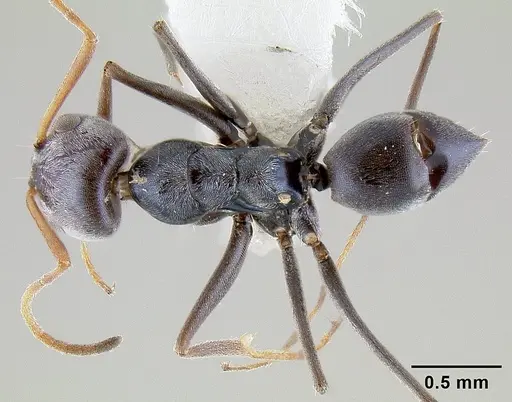
CASENT0249691
View on AntWeb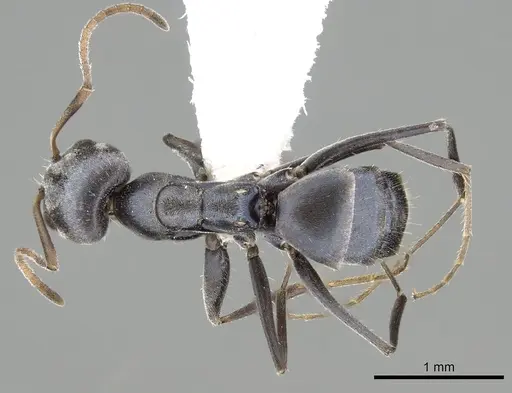
CASENT0905114
View on AntWeb
CASENT0909713
View on AntWeb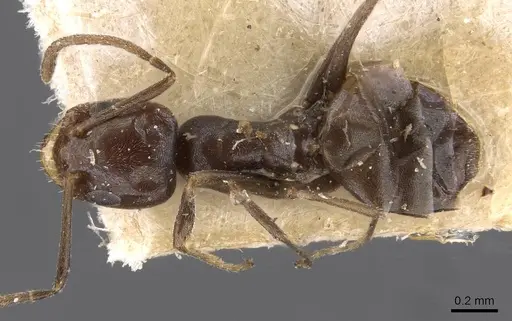
CASENT0911548
View on AntWeb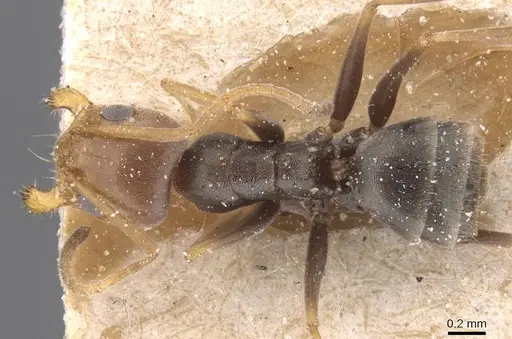
Literature
Loading distribution map...Loading products...