
Forelius brasiliensis
- Sci. Name
- Forelius brasiliensis
- Tribe
- Leptomyrmecini
- Subfamily
- Dolichoderinae
- Author
- Forel, 1908
- Distribution
- Found in 4 countries
Introduction
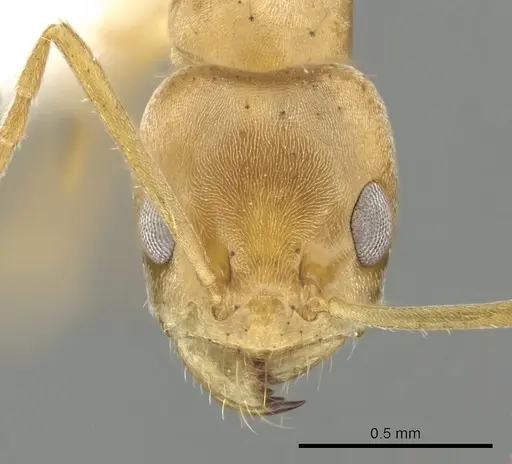
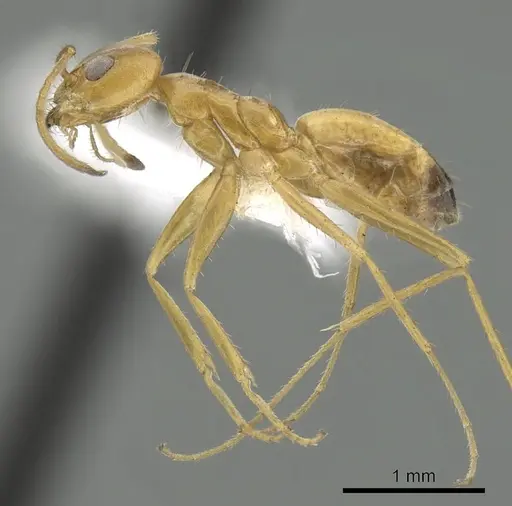
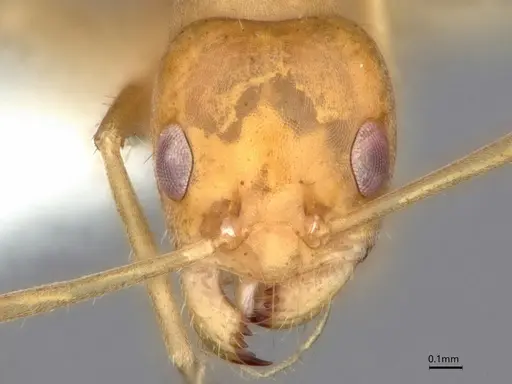
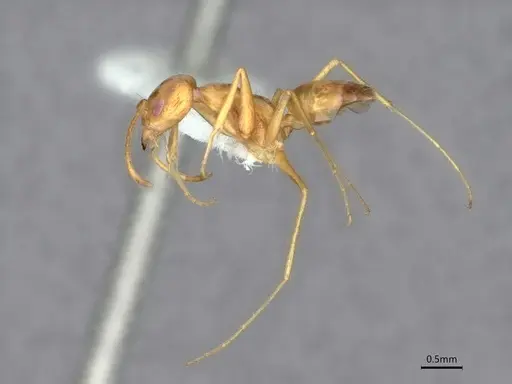
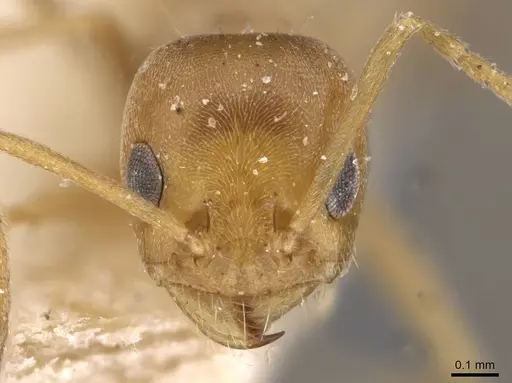
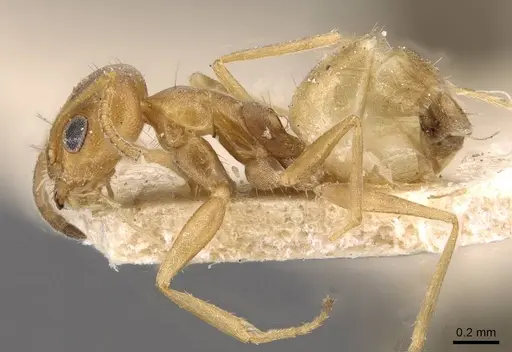
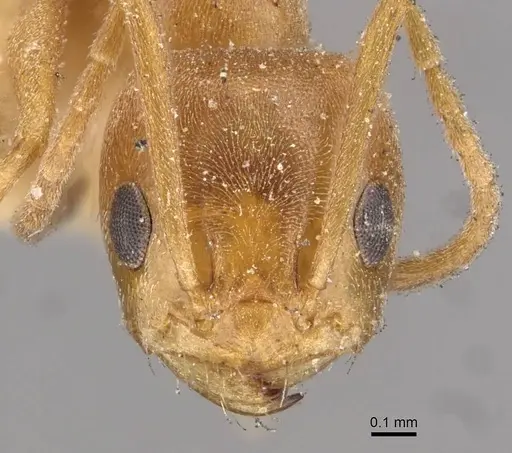
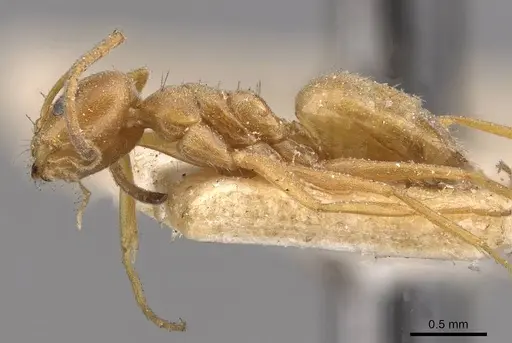
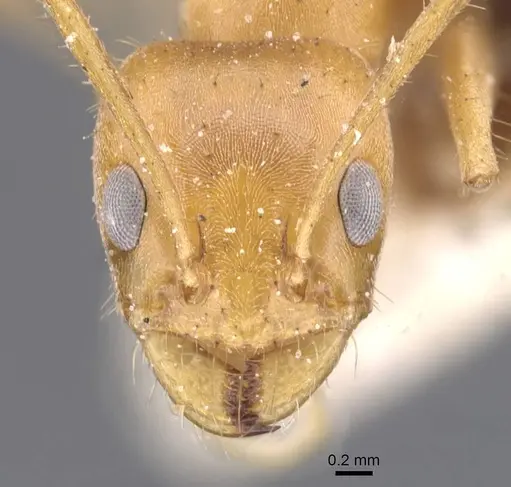
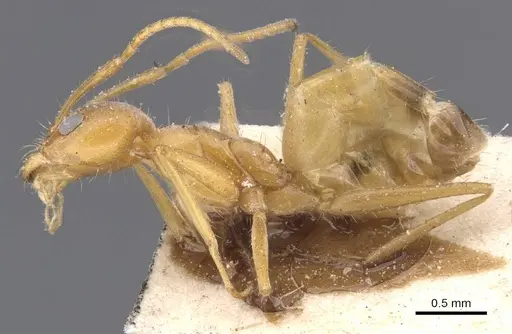
Forelius brasiliensis is a small dolichoderine ant native to South America, found across Argentina, Bolivia, Brazil, Paraguay, and Uruguay . They are thermophilic – meaning they thrive in hot conditions and actively forage under direct sunlight . Workers are fast-moving and raise their abdomen when disturbed, a common defensive display in this subfamily. The species is a protein-preferring omnivore and is often abundant in anthropized (human-disturbed) areas such as degraded mining sites and agricultural fields, making it a useful bioindicator of environmental disturbance . It was originally described as a variety of Forelius mccooki and later elevated to species status .
Quick Summary
- Difficulty: Easy
- Origin & Habitat: Native to the Neotropical region – Argentina, Bolivia, Brazil, Paraguay, Uruguay. Recorded in seasonally dry tropical forests (Caatinga biome), Cerrado savanna, Pantanal wetlands, and disturbed settings like vineyards and mining areas [4][5][6][3][7].
- Colony Type: Not documented in scientific literature – colony structure is unknown.
- Size & Growth:
- Queen: Size data unavailable.
- Worker: Size data unavailable (described as tiny, but no measurements published).
- Colony: Unknown.
- Growth: Unknown.
- Development: Unknown. (No published data on development times.)
- Antkeeping:
- Temperature: Inferred from thermophilic behavior: keep warm, around 24–30°C. Provide a temperature gradient with a warmer side (~28°C). The species forages in direct sunlight [2], so cooler conditions may reduce activity.
- Humidity: Moderate humidity. Allow substrate to partially dry between waterings – the species tolerates drier conditions typical of its native open habitats.
- Diapause: Unknown. The species occurs in subtropical areas, but no specific diapause data exists. Likely does not require prolonged cold, maintain room temperature year-round and reduce feeding if activity drops.
- Nesting: Natural nesting sites are not described. In captivity, standard test tubes work for founding. Established colonies can be housed in Y-tong, plaster, or soil nests with moderate moisture and good drainage.
- Behavior: Highly active and thermophilic – forages during the hottest parts of the day, often with the abdomen raised [2]. Workers are fast-moving and alert. They are not aggressive but will defend the nest. Their tiny size (exact measurements unavailable) makes them escape artists, fine mesh and tight seals are essential. Omnivorous with a documented protein preference [2].
- Common Issues: escape prevention is critical – their tiny size allows them to squeeze through standard gaps., colonies may decline if kept too cool – maintain warm temperatures consistently., protein preference means regular insect feeding is needed, not just sugar sources., fast movement makes them difficult to contain during transfers – work in a closed area.
Temperature and Heating
This species is strongly thermophilic. In the wild, it actively forages under direct sunlight and its abundance is positively correlated with temperature [2]. Keep the nest at 24–30°C, with a localized warm area reaching up to 30°C. Use a heating cable or mat on one side of the nest, but avoid overheating or drying out the nest. If workers cluster near the heat source, they need warmth. Sluggish behavior may indicate the temperature is too low. Room temperature (20–22°C) can be tolerated temporarily, but long-term cooling will reduce activity and may harm the colony.
Feeding and Diet
Forelius brasiliensis is omnivorous with a noted preference for protein [2][3]. Offer small insects (fruit flies, pinhead crickets, small mealworms) two to three times per week. They also accept sugar water, honey, or diluted syrup as an energy source. Remove uneaten prey after 24–48 hours to prevent mold. Their tiny size means prey should be appropriately small or pre-killed. Providing variety in food sources supports colony health.
Housing and Nest Setup
Founding colonies do well in standard test tube setups with a water reservoir and dark covering. Once the colony grows beyond 20–30 workers, you can move them to a Y-tong, plaster, or soil nest. Keep chambers appropriately sized – too large can stress a small colony. Because their size is unknown but undoubtedly tiny (inferred from the genus Forelius), use fine metal or plastic mesh on all ventilation points. Seal all connections between nest and outworld with cotton or aquarium sealant. Check regularly for gaps.
Behavior and Temperament
Workers are fast-moving and highly active, especially in warm conditions [2]. When disturbed, they raise their abdomen – a characteristic defensive posture of many dolichoderines. They are not known to be aggressive toward keepers but will defend the nest if provoked. Foraging occurs primarily during daylight, and they quickly recruit nestmates to food sources. Their small size and speed make them challenging to transfer: work in a contained area and have escape barriers ready.
Seasonal and Diapause Considerations
There is no published data on diapause for this species. Since it originates from subtropical South America, it likely does not require prolonged cold hibernation. In winter, you can reduce feeding frequency and allow the temperature to drop to room level (20–22°C) without harm. Do not refrigerate. If the colony slows down, continue offering water and small amounts of food. Maintain some warmth year-round to prevent stress.
Frequently Asked Questions
How long does it take for Forelius brasiliensis to produce first workers?
This is unknown – no published development times exist for this species. Expect the process to be temperature-dependent, but no timeline can be given.
Are Forelius brasiliensis good for beginners?
Potentially yes – they are not aggressive and adapt to captivity, but many biological details are unknown. The main challenges are their tiny size (escape risk) and need for steady warmth. Beginners comfortable with these factors may find them manageable.
What do Forelius brasiliensis eat?
They are omnivorous with a protein preference [2]. Feed small insects (fruit flies, pinhead crickets) several times per week, plus sugar water or honey. Remove uneaten food promptly.
Can I keep multiple Forelius brasiliensis queens together?
There is no information on colony structure or queen cooperation. It is safest to assume each colony has a single queen unless otherwise observed. Do not attempt to combine wild-caught queens.
What temperature do Forelius brasiliensis need?
Keep them warm – 24–30°C is a good range, based on their thermophilic nature [2]. Provide a warm spot around 28°C. Room temperature (20–22°C) is acceptable short-term, but long-term cooling will reduce activity.
How big do Forelius brasiliensis colonies get?
Colony size is undocumented. No estimates can be given from current research.
Do Forelius brasiliensis need hibernation?
Unknown. The species occurs in subtropical areas but no diapause data exists. Do not attempt artificial hibernation, simply reduce feeding and keep at room temperature during cooler months.
Why are my Forelius brasiliensis escaping?
Their tiny size makes them excellent escape artists. Check all connections, use fine mesh on ventilation, and ensure lid seals are tight. Cotton plugs must be firmly packed – even small gaps can allow escape.
When should I move Forelius brasiliensis to a formicarium?
No specific guidelines exist. Move from test tube when the colony outgrows it (20–30+ workers) or when the tube becomes fouled. Ensure the new nest offers familiar humidity and darkness. Transition slowly if possible.
Report an Issue
The current care sheet is based fully on literature. See inconsistencies, or something that's incorrect? Please , it will be resolved after review from an admin. Contributing to the blogs tab also helps providing information, to make us be able to further improve the caresheets. Thank you for your support!
References

This caresheet is licensed under CC BY-SA 4.0 .
Community Blogs
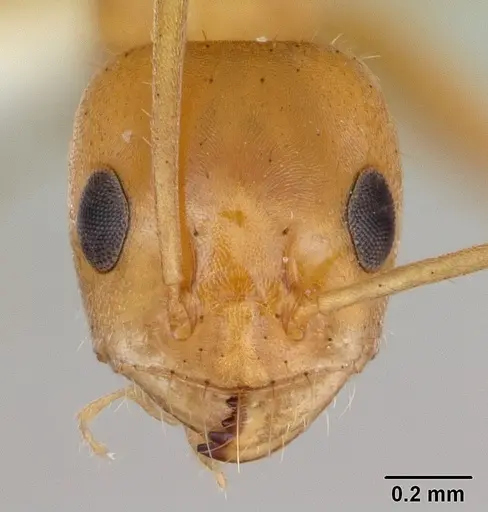
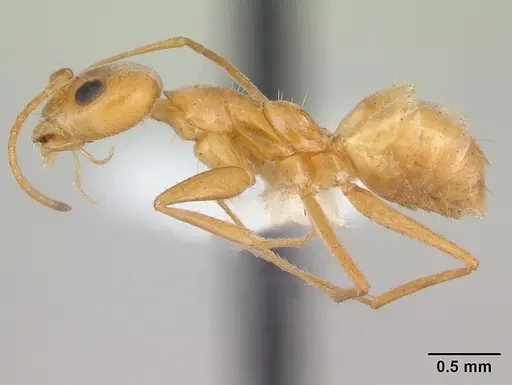
CASENT0173737
View on AntWeb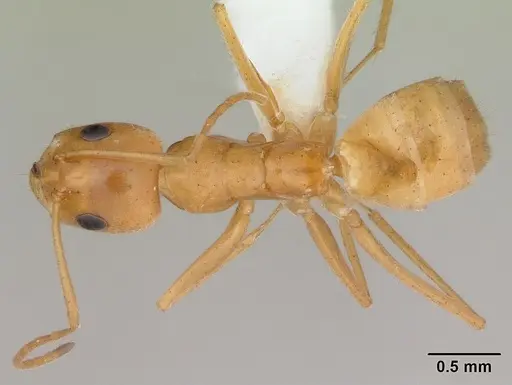
CASENT0249690
View on AntWeb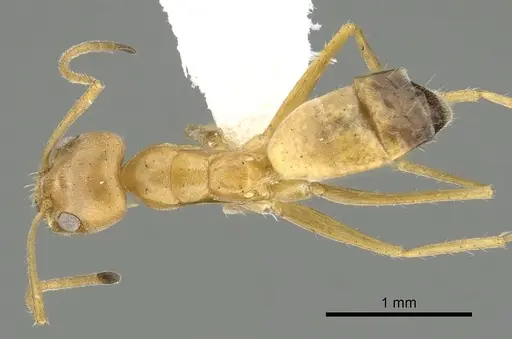
CASENT0841237
View on AntWeb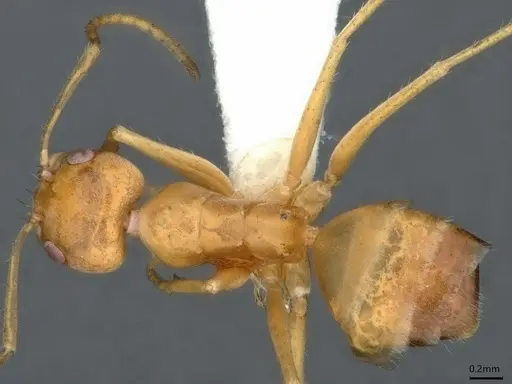
CASENT0909718
View on AntWeb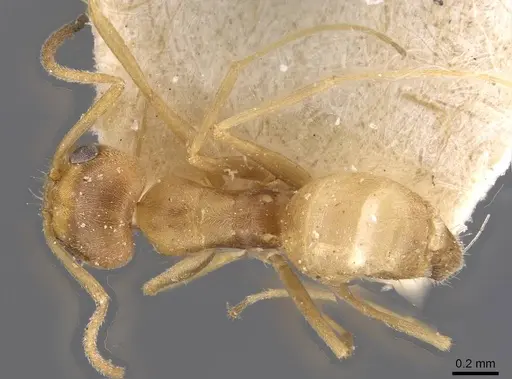
CASENT0909721
View on AntWeb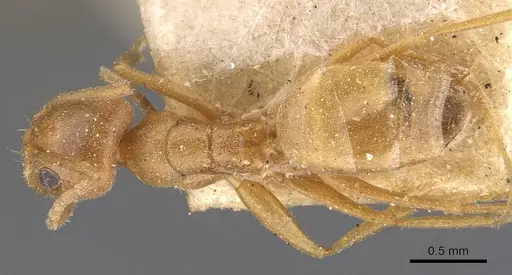
CASENT0911546
View on AntWeb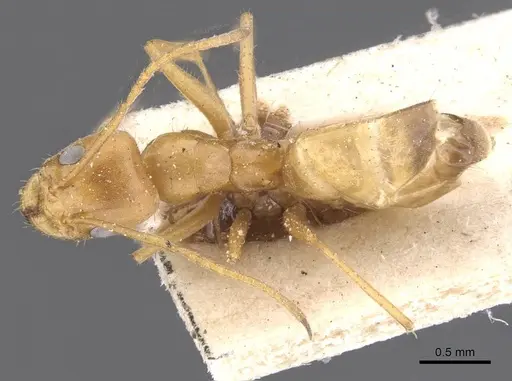
Literature
Loading distribution map...Loading products...