
Eutetramorium monticellii
- Sci. Name
- Eutetramorium monticellii
- Tribe
- Crematogastrini
- Subfamily
- Myrmicinae
- Author
- Emery, 1899
- Distribution
- Found in 2 countries
Introduction
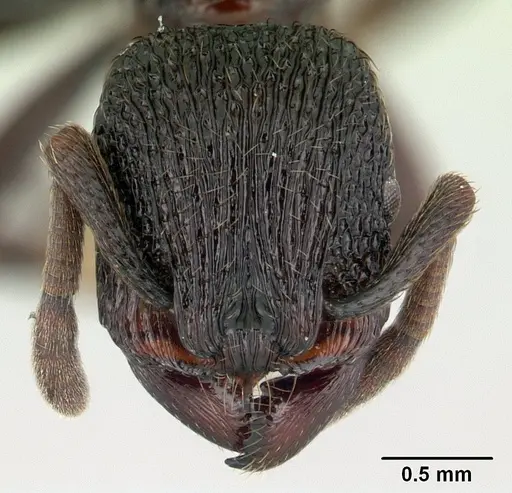
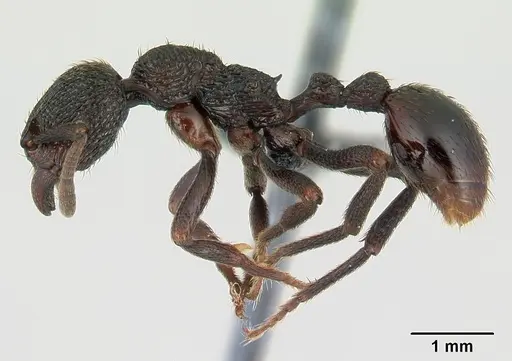
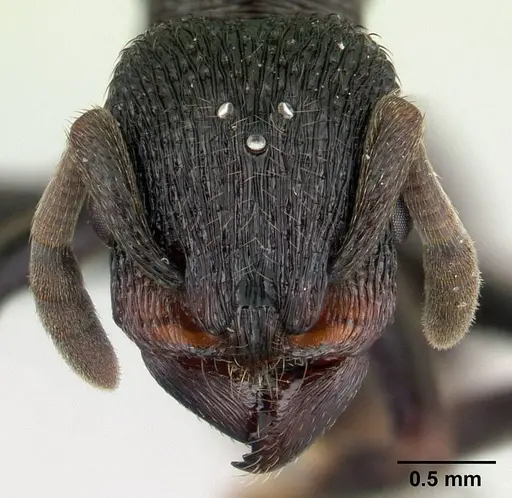
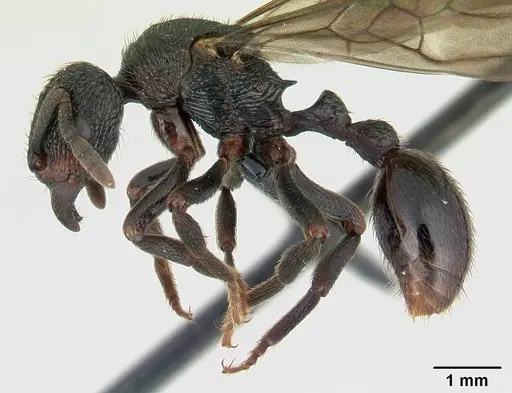
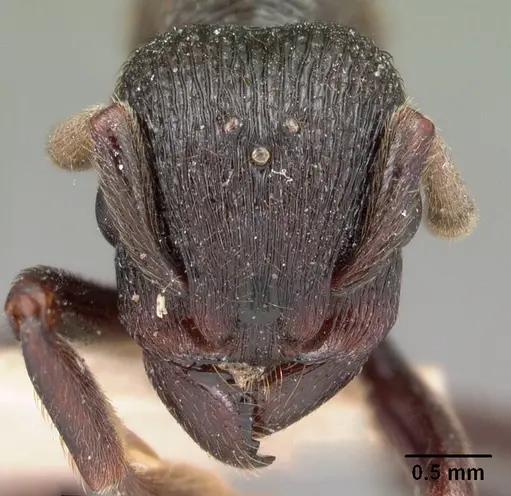
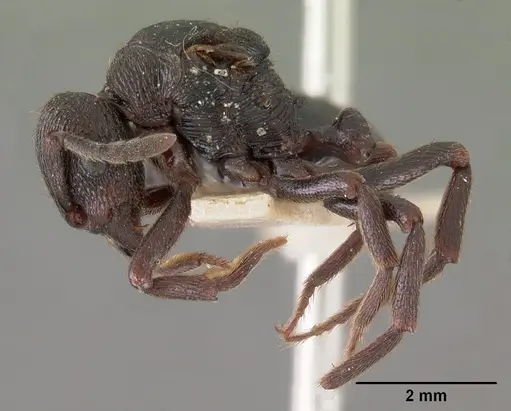
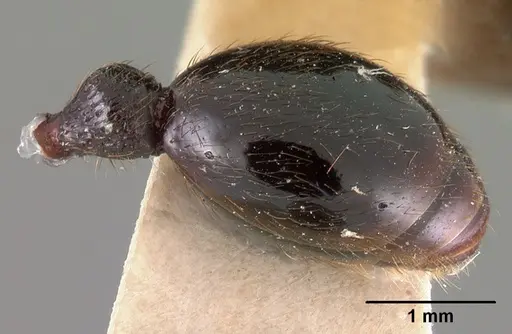
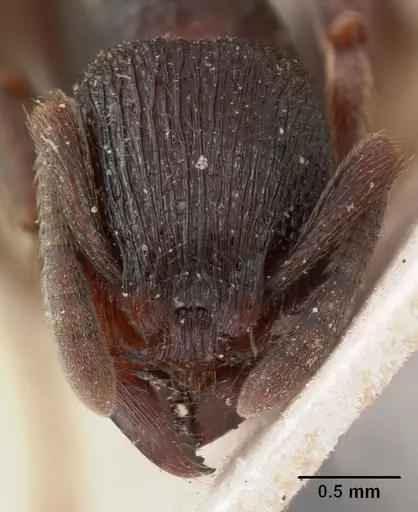
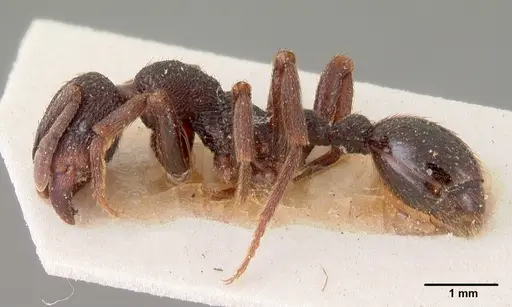
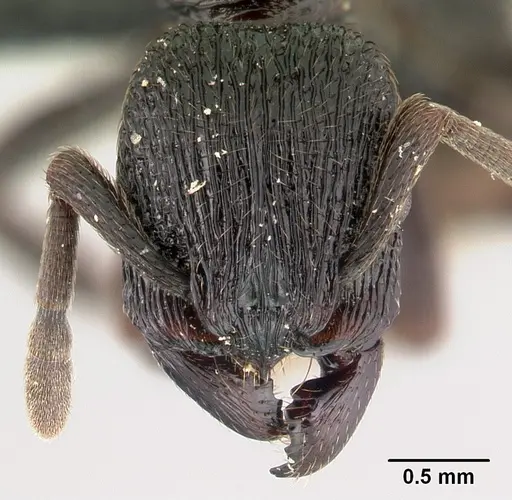
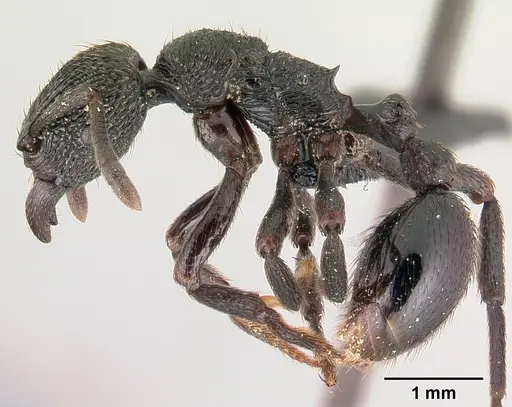
Eutetramorium monticellii is a medium-sized myrmicine ant endemic to Madagascar and the Comoros Islands. Workers measure 7.8-8.0mm and queens are larger at 9.0-9.4mm. Both castes are entirely black in color with coarse sculpturing on the head and mesosoma. This species is found in rotten logs in both rainforest and tropical dry forest habitats . It is the sister group to Huberia and can be distinguished from the related E. mocquerysi by its smaller size, shorter scapes, smaller eyes, and the first gastral tergite being glassy smooth . Males have never been collected .
Quick Summary
- Difficulty: Unknown, likely Medium to Hard
- Origin & Habitat: Madagascar and Comoros Islands. Inhabits rotten logs in both rainforest and tropical dry forest environments [1]. Type locality is Antongil Bay, Madagascar [4].
- Colony Type: Colony structure is unconfirmed. No data on whether they are single-queen or multi-queen. Males have never been collected [3].
- Size & Growth:
- Antkeeping:
- Temperature: Aim for 22-26°C. As a Madagascar species from rainforest and dry forest habitats, they prefer warm, stable conditions. Use a heating cable on one side of the nest to create a gentle gradient if room temperature is below this range.
- Humidity: Keep the nest substrate moderately moist. They naturally inhabit rotting logs, which provide damp but not waterlogged conditions. Provide a water tube for drinking water and mist the outworld occasionally. Allow the substrate to dry partially between waterings.
- Diapause: Unknown, Madagascar species may have reduced activity during cooler months but true hibernation is unlikely. Consider a brief cool period (15-18°C) for 2-3 months in winter if the colony shows reduced activity, but this is optional.
- Nesting: They naturally nest in rotten logs. In captivity, a naturalistic setup with rotting wood or cork, or a Y-tong/plaster nest with moisture provision works well. They prefer tight, enclosed spaces scaled to their medium size. Avoid dry, overly airy setups.
- Behavior: Temperament is unconfirmed but Myrmicinae ants are typically non-aggressive. They have a smear defense mechanism, a modified flattened stinger used to wipe venom onto enemies rather than piercing flesh. They are medium-sized ants that can defend themselves if threatened but are not known for aggressive swarming. Escape risk is moderate, their size means they cannot squeeze through standard test tube barriers, but ensure connections are secure.
- Common Issues: no development data means you cannot track if growth is normal or slow, colony structure unknown means you may not know if multiple queens are normal, wild-caught colonies may have parasites that are not documented, humidity control is critical, too dry and brood dies, too wet and mold becomes a problem, males have never been collected, suggesting captive breeding may be challenging
Nest Preferences and Housing
Eutetramorium monticellii naturally nests in rotting logs in Madagascar's forests. In captivity, they do well in naturalistic setups that mimic this, a formicarium with rotting wood pieces, cork, or damp soil that they can tunnel through. Alternatively, a Y-tong nest with narrow chambers and a water reservoir for humidity works well. They prefer tight, enclosed spaces rather than open areas. The nest should be kept dark (cover the viewing sides) as they are likely light-averse like most forest floor species. Provide an outworld for foraging that is easy to clean. [1][3]
Feeding and Diet
Like most Myrmicinae, they likely have an omnivorous diet. Offer protein sources such as small insects (fruit flies, small crickets, mealworms), and provide sugar water or honey as an energy source. In the wild, they probably scavenge and hunt small invertebrates in the rotting log environment. Feed them small prey items appropriate to their size, workers at 8mm can handle small crickets and similar prey. Remove uneaten prey after 24-48 hours to prevent mold. Sugar water should be provided constantly and refreshed every few days.
Temperature and Seasonal Care
As a Madagascar species from rainforest and dry forest habitats, they prefer temperatures in the 22-26°C range. Use a heating cable on part of the nest to create a temperature gradient if needed, placing it on top of the nest to warm the chambers gently. Avoid temperatures below 18°C for extended periods. The natural environment has relatively stable year-round temperatures, so avoid drafts and sudden temperature changes. If you notice the colony becoming less active in winter, you may offer a brief cool period around 15-18°C for 2-3 months, but this is optional rather than required. [1]
Behavior and Observation
This is a relatively unstudied species in the antkeeping hobby. They are medium-sized black ants that likely form small to moderate colonies. Myrmicinae ants are typically docile and non-aggressive, focusing on foraging and brood care rather than territorial defense. Their defense mechanism is a smear stinger, a modified flattened stinger used to wipe or smear venom onto enemies rather than piercing flesh. This is typical of the Crematogastrini tribe. Observation is best done using a red film over the nest, which allows you to watch them without disturbing them. Their medium size makes them easy to observe but also means they can climb smooth surfaces, use fluon or barrier gel on the outworld to prevent escapes.
Colony Establishment and Growth
Since colony structure is unconfirmed, establishing a colony may require patience. If you obtain a queen, she should be housed in a claustral setup (test tube or small container with soil) and left undisturbed until workers emerge. Once workers arrive, growth is typically gradual. The lack of male collection data means nuptial flights may be seasonal or triggered by specific conditions we don't yet understand. [1][3]
Frequently Asked Questions
How long does it take for Eutetramorium monticellii to produce first workers?
The exact timeline is unknown as this species has not been studied in captivity. There is no development data available for this species.
What do Eutetramorium monticellii ants eat?
They are likely omnivorous like most Myrmicinae. Offer small insects (fruit flies, pinhead crickets, small mealworms) for protein and sugar water or honey for energy. Remove uneaten prey after 24-48 hours to prevent mold.
Can I keep Eutetramorium monticellii in a test tube?
Yes, test tubes work well for founding colonies. Use a standard test tube setup with a water reservoir and cotton plug. Once the colony reaches 20-30 workers, consider moving them to a formicarium with more space.
What temperature do Eutetramorium monticellii need?
Aim for 22-26°C. Madagascar species prefer warm, stable conditions. Use a heating cable on part of the nest if room temperature is below this range.
Are Eutetramorium monticellii good for beginners?
This species is not well-documented in the antkeeping hobby, making it more challenging than established species. It is likely not ideal for complete beginners, but experienced antkeepers should be able to establish colonies with proper care.
How big do Eutetramorium monticellii colonies get?
Colony size is unknown, no scientific data exists on maximum colony size.
Do Eutetramorium monticellii ants sting?
Myrmicinae ants have stingers but are typically not aggressive. This species has a smear defense mechanism, they wipe venom onto enemies rather than piercing. The effect is likely mild for humans.
Do Eutetramorium monticellii need hibernation?
True hibernation is not required. As a tropical species, they do not need a cold period. However, if the colony becomes less active in winter, you can provide a brief cool period (15-18°C) for 2-3 months, but this is optional.
What humidity level do Eutetramorium monticellii need?
Keep the nest substrate moderately moist, damp but not waterlogged. They naturally inhabit rotting logs which provide humid conditions. A water tube for drinking water is essential.
When should I move Eutetramorium monticellii to a formicarium?
Move them when the test tube becomes crowded (typically 30+ workers) or when the water reservoir needs frequent refilling. A naturalistic setup with rotting wood or a Y-tong nest works well.
Can I keep multiple Eutetramorium monticellii queens together?
This is unknown, colony structure has not been documented. Do not combine unrelated queens as aggression is likely. If you obtain multiple founding queens, house them separately.
Why are my Eutetramorium monticellii dying?
Common causes include: too dry conditions (they need damp substrate), temperature stress (too cold or hot), mold from overwatering or uneaten prey, and stress from disturbance during founding. Review humidity, temperature, and feeding practices.
Report an Issue
The current care sheet is based fully on literature. See inconsistencies, or something that's incorrect? Please , it will be resolved after review from an admin. Contributing to the blogs tab also helps providing information, to make us be able to further improve the caresheets. Thank you for your support!
References

This caresheet is licensed under CC BY-SA 4.0 .
Community Blogs
CASENT0007114
View on AntWeb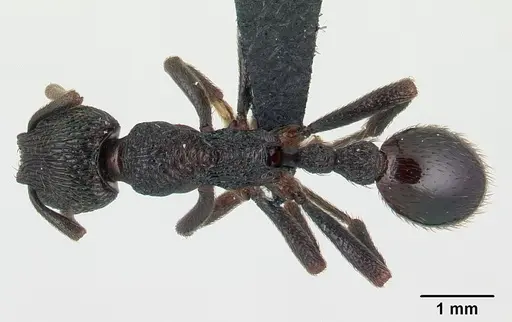
CASENT0019386
View on AntWeb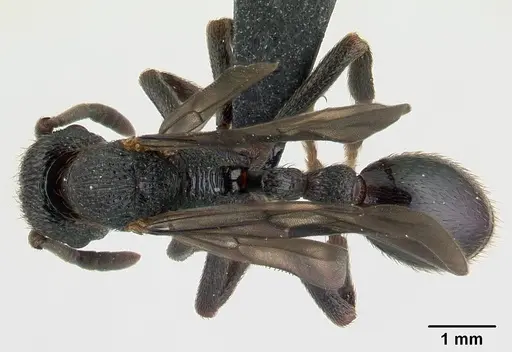
CASENT0102076
View on AntWeb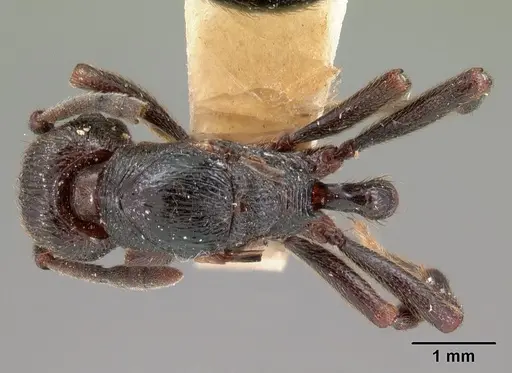
CASENT0102077
View on AntWeb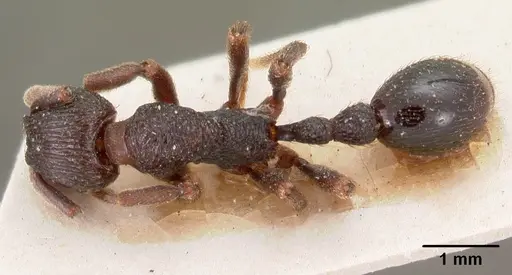
CASENT0145852
View on AntWeb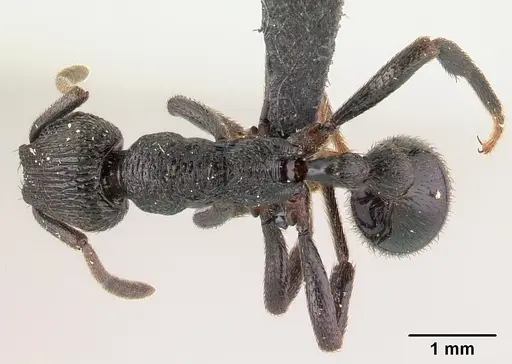
Literature
Loading distribution map...Loading products...