
Eurhopalothrix reichenspergeri
- Sci. Name
- Eurhopalothrix reichenspergeri
- Tribe
- Attini
- Subfamily
- Myrmicinae
- Author
- Santschi, 1923
- Distribution
- Found in 1 countries
Introduction
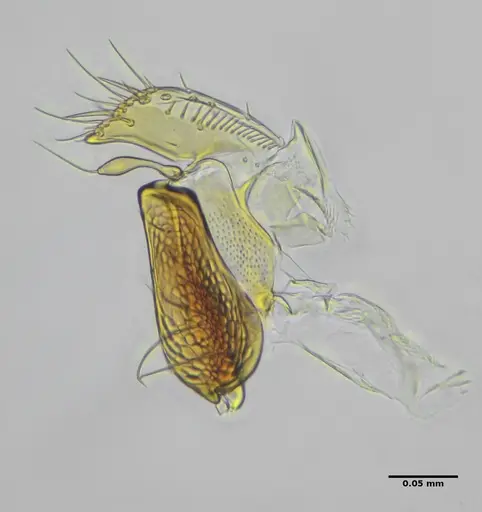
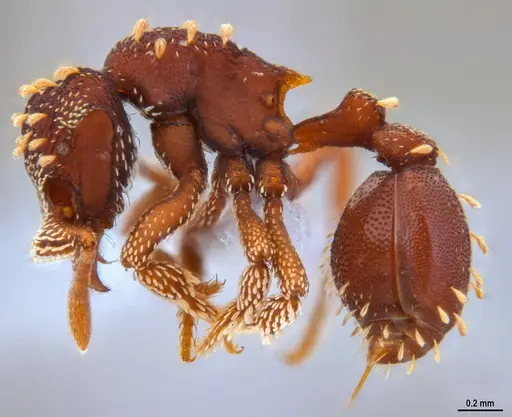
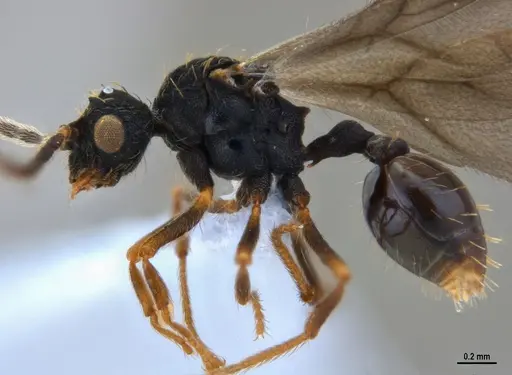
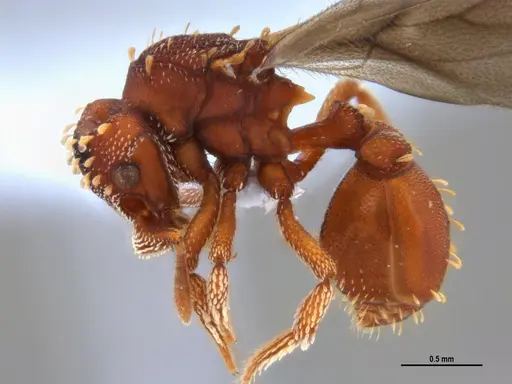
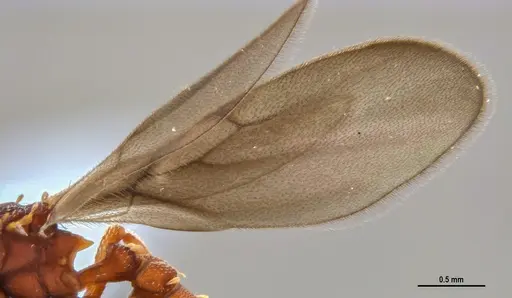
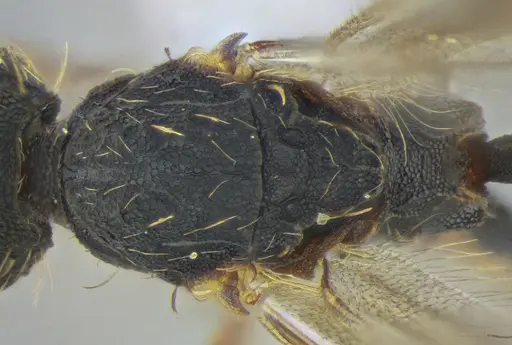
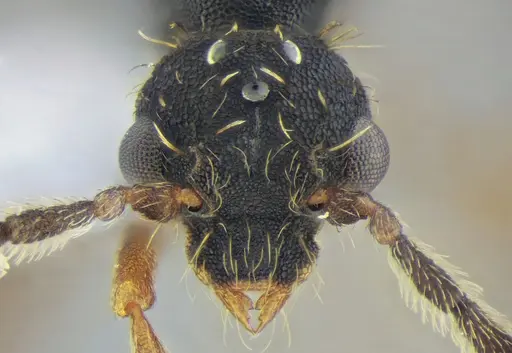
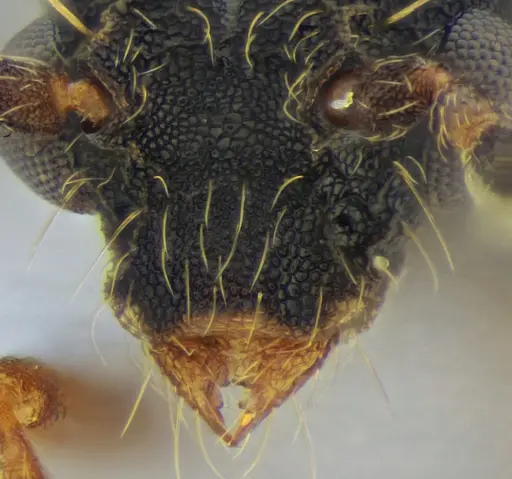
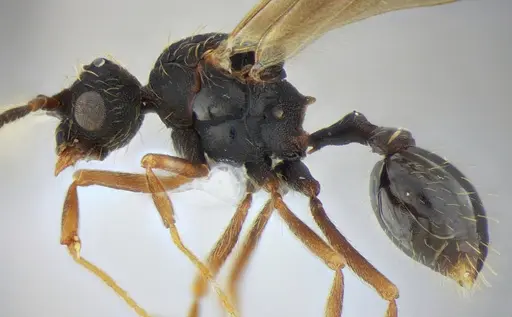
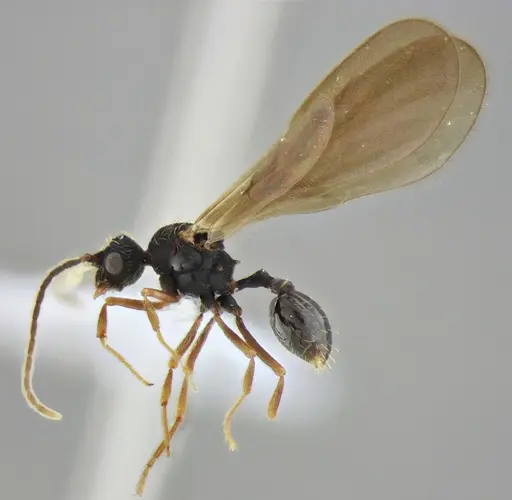
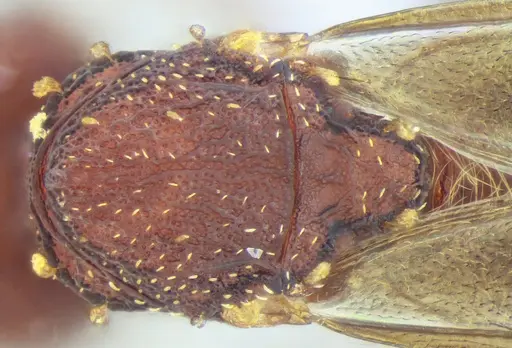
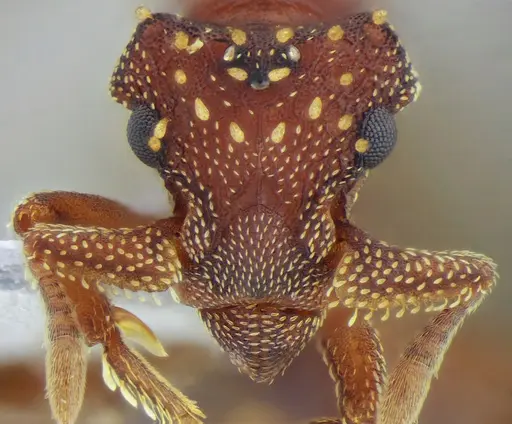
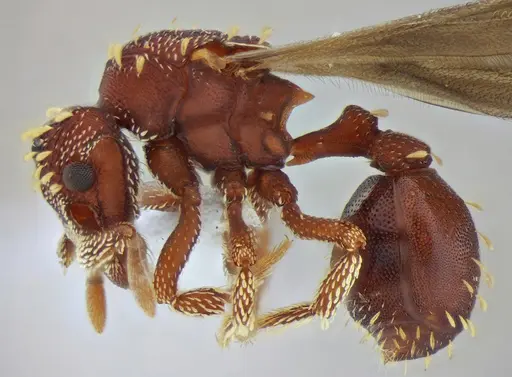
Eurhopalothrix reichenspergeri is a tiny ant species endemic to the Brazilian Atlantic Forest, ranging from Santa Catarina to Minas Gerais . Workers are among the smallest ants in the world, measuring approximately 1.5-2mm total length. They have a distinctive appearance with thick, erect specialized setae scattered across their body - nine pairs on the head, four on the promesonotum, and six on the first gaster segment. Their overall coloration is a uniform reddish-brown, with slightly lighter antennae and legs . This species was recently resurrected from synonymy with Eurhopalothrix gravis in 2022. It is distinguished by its long labral lobes, continuous mesosoma profile, and dense ground pilosity. Like other members of the tribe Attini, this species may have specialized biology, but specific details about their colony structure and behavior remain undocumented in scientific literature .
Quick Summary
- Difficulty: Expert
- Origin & Habitat: Brazilian Atlantic Forest, from Santa Catarina to Minas Gerais. Found in forest floor habitats in the Neotropical region [1][3].
- Colony Type: Colony structure is unconfirmed. No documented data on queen number or colony organization exists for this species.
- Size & Growth:
- Queen: ~1.5-2mm, inferred from genus Eurhopalothrix
- Worker: ~1.5-2mm, inferred from genus Eurhopalothrix
- Colony: Unknown, likely small colonies based on tiny worker size
- Growth: Unknown, likely slow based on size
- Development: Unknown, no documented development data exists (No direct development data exists for this species.)
- Antkeeping:
- Temperature: Estimated 22-26°C based on Atlantic Forest habitat. Start in the mid-20s°C range and observe colony activity.
- Humidity: High humidity likely required, think damp forest floor. Keep nest substrate consistently moist but not waterlogged.
- Diapause: Unknown, Atlantic Forest species may have reduced activity in cooler months but true diapause is unconfirmed.
- Nesting: In nature they likely nest in rotting wood, leaf litter, or soil cavities. In captivity, a small Y-tong or soil nest with tight chambers scaled to their tiny size would work. Escape prevention is critical due to their minute size.
- Behavior: These ants are cryptic and slow-moving, typical of the genus. They likely forage individually for small prey. Their tiny size means excellent escape prevention is essential, they can squeeze through gaps invisible to the naked eye. Temperament is unknown but likely non-aggressive given their size. They possess a stinger but it is far too small to penetrate human skin.
- Common Issues: escape prevention is critical due to extremely tiny size, standard barriers may fail, no established care guidelines exist, keepers must experiment, slow growth may lead to colony loss if keepers lose patience, wild-caught colonies may be stressed from collection and transport, specific dietary requirements are poorly understood and may be difficult to replicate
Housing and Nest Setup
Due to their extremely small size, Eurhopalothrix reichenspergeri requires specialized housing. Standard test tubes may work for founding colonies if the water reservoir is small and the cotton is packed tightly. For established colonies, a Y-tong or soil-based formicarium with chambers sized appropriately for tiny ants is recommended. The chambers should be narrow and tight-fitting, these ants feel safest in confined spaces. Escape prevention cannot be overstated: use fine mesh barriers, fluon on test tube rims, and check for gaps that seem impossibly small. Even a 0.5mm gap is enough for these ants to escape. Provide a moisture source via a water tube or damp substrate, but avoid flooding. [1]
Feeding and Diet
The specific dietary requirements of Eurhopalothrix reichenspergeri are not documented in scientific literature. As members of the tribe Attini, some related species cultivate fungus for food, but this behavior has not been confirmed for this particular species. They likely forage for small prey items and organic matter in leaf litter. In captivity, offering small live prey items like springtails or booklice may be appropriate, but no established feeding protocols exist. This is an experimental species for advanced antkeepers.
Temperature and Humidity
As a Brazilian Atlantic Forest species, Eurhopalothrix reichenspergeri likely prefers warm, humid conditions. Estimate a temperature range of 22-26°C, with a gentle gradient allowing the colony to choose their preferred zone. Humidity should be high, think damp forest floor environment. Keep the nest substrate consistently moist but not saturated with standing water. A small water tube connected to the nest helps maintain humidity. Avoid both drying out and excessive condensation. Since this species has never been documented in captivity, these estimates are based on the natural habitat and related species patterns. [1]
Colony Structure and Development
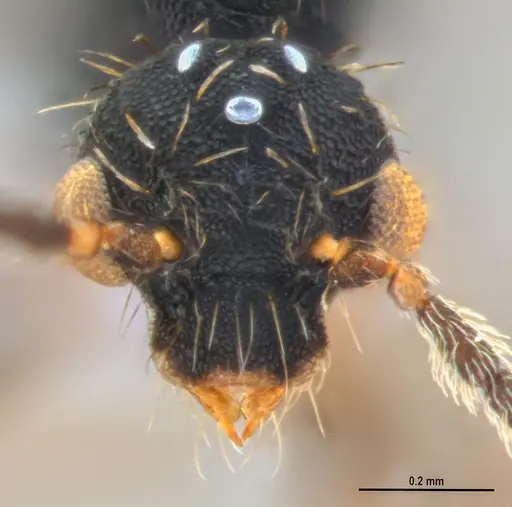
The colony structure of this species has not been documented in scientific literature. The queen is only slightly larger than workers, which is unusual among ants and suggests a relatively simple colony hierarchy. Males are smaller than workers. The karyotype has been studied: females have 2n=16 chromosomes, males have n=8 [2]. No data exists on egg-to-worker development time, colony size limits, or queen longevity. Keepers should expect slow growth and small colony sizes based on the tiny worker size.
Behavior and Temperament
Eurhopalothrix reichenspergeri is a cryptic, slow-moving ant typical of the genus. They are not aggressive and pose no threat to keepers, their sting is physically incapable of penetrating human skin. Foraging likely occurs individually rather than in groups, searching for small prey in leaf litter. Their specialized setae may serve a defensive or sensory function. They are not known to be escape artists in terms of climbing, but their minute size means they can simply walk through gaps that appear sealed. Always assume they can escape and plan accordingly. Observation is difficult due to their small size and cryptic habits. [1]
Legal and Ethical Considerations
This species is endemic to Brazil and should not be collected from the wild or released in other countries. It is not established in the antkeeping hobby, so captive-bred colonies are essentially non-existent. If you obtain specimens, they likely came from wild-caught imports, which raises ethical concerns about collection practices and potential ecological impact. Always verify the legality of keeping this species in your jurisdiction and avoid supporting harmful collection practices. [1][3]
Frequently Asked Questions
How long does it take for Eurhopalothrix reichenspergeri to produce first workers?
The egg-to-worker timeline is unknown for this species. No documented cases of successful captive breeding exist.
What do Eurhopalothrix reichenspergeri ants eat?
Specific dietary requirements are not documented. They likely accept small live micro-prey, but no established feeding protocols exist.
Can beginners keep Eurhopalothrix reichenspergeri?
No. This species is not suitable for beginners. There are no established care guidelines, they require specialized housing due to their extremely tiny size, and their specific dietary requirements are poorly understood. This is an expert-only species for experienced antkeepers willing to experiment.
What size colony does Eurhopalothrix reichenspergeri reach?
Colony size is unknown. Based on their tiny size and genus patterns, colonies likely remain small.
What temperature should I keep Eurhopalothrix reichenspergeri at?
Based on their Atlantic Forest habitat, estimate 22-26°C. Start around 24°C and observe colony behavior. No documented temperature requirements exist.
Do Eurhopalothrix reichenspergeri need hibernation?
Diapause requirements are unconfirmed. As a tropical Atlantic Forest species, they likely do not require true hibernation but may have reduced activity in cooler months.
How do I house Eurhopalothrix reichenspergeri in a test tube?
Use a small test tube with a tightly packed cotton barrier. The water reservoir should be small to prevent flooding. Apply fluon or barrier gel around the rim. Check for gaps that seem impossibly small, these ants can escape through gaps less than 0.5mm. A small Y-tong or soil nest is preferable for established colonies.
Where is Eurhopalothrix reichenspergeri found in the wild?
This species is endemic to the Brazilian Atlantic Forest, found from Santa Catarina to Minas Gerais. They are a rare, cryptic forest-floor species that is rarely encountered even by researchers.
Is Eurhopalothrix reichenspergeri available in the antkeeping hobby?
No. This species is virtually unknown in the antkeeping hobby. Captive-bred colonies essentially do not exist. Any specimens available would likely be wild-caught imports, which raises ethical concerns.
Report an Issue
The current care sheet is based fully on literature. See inconsistencies, or something that's incorrect? Please , it will be resolved after review from an admin. Contributing to the blogs tab also helps providing information, to make us be able to further improve the caresheets. Thank you for your support!
References

This caresheet is licensed under CC BY-SA 4.0 .
Community Blogs
ANTWEB1038181
View on AntWeb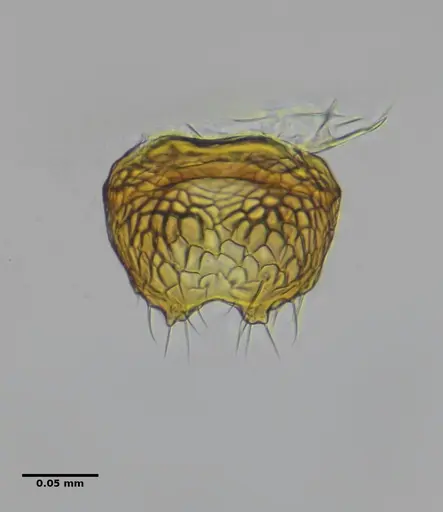
ANTWEB1047299
View on AntWeb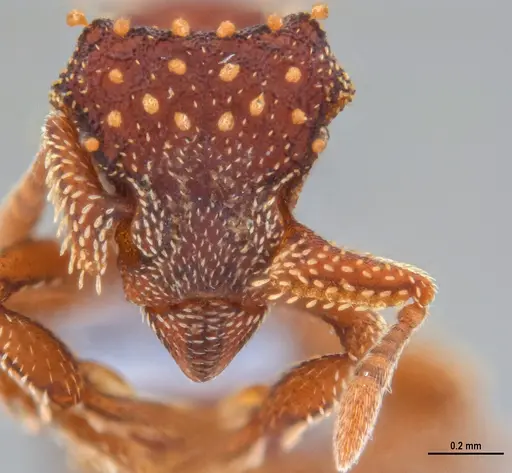
ANTWEB1047387
View on AntWeb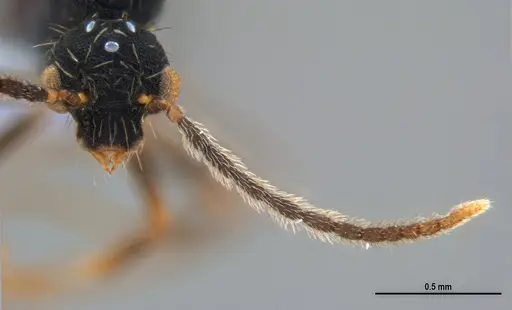
ANTWEB1047388
View on AntWeb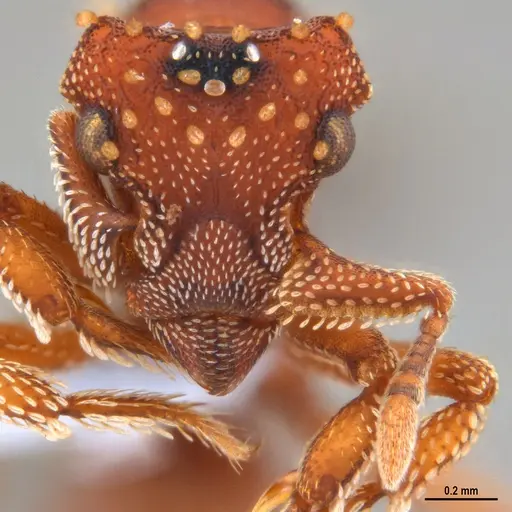
UFV-LABECOL-010764
View on AntWeb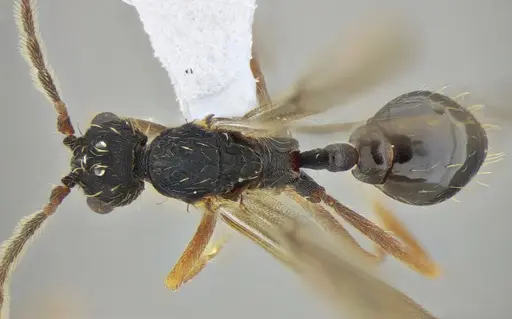
UFV-LABECOL-010766
View on AntWeb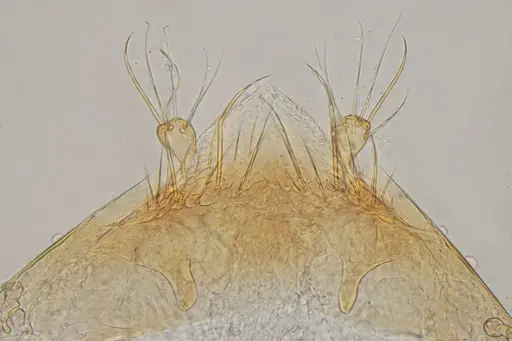
UFV-LABECOL-010767
View on AntWeb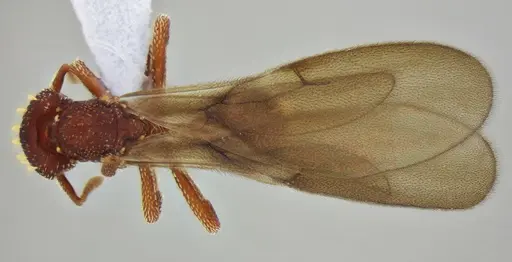
Literature
Loading distribution map...Loading products...