
Eurhopalothrix procera
- Sci. Name
- Eurhopalothrix procera
- Tribe
- Attini
- Subfamily
- Myrmicinae
- Author
- Emery, 1897
- Distribution
- Found in 7 countries
Introduction
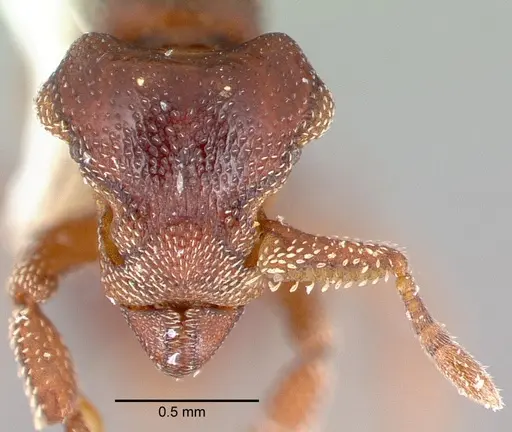
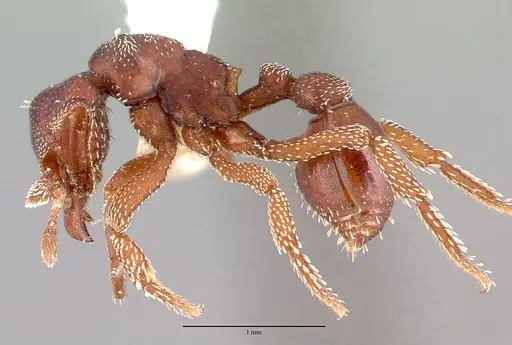
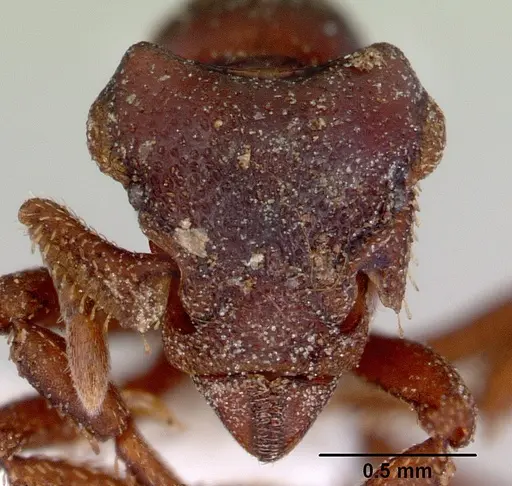
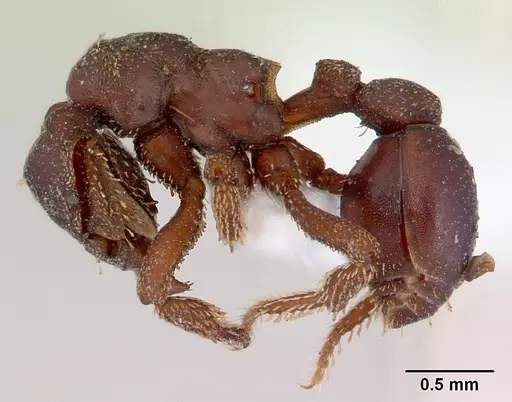
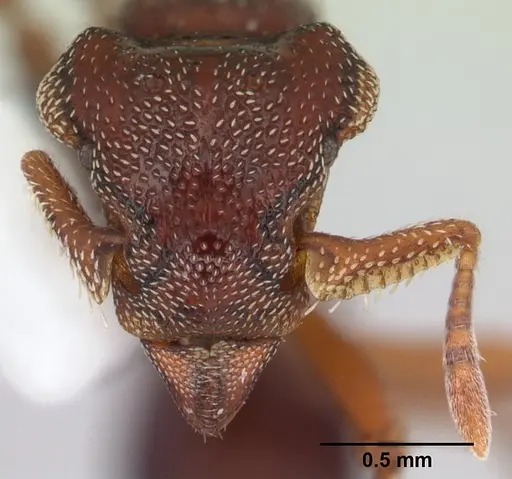
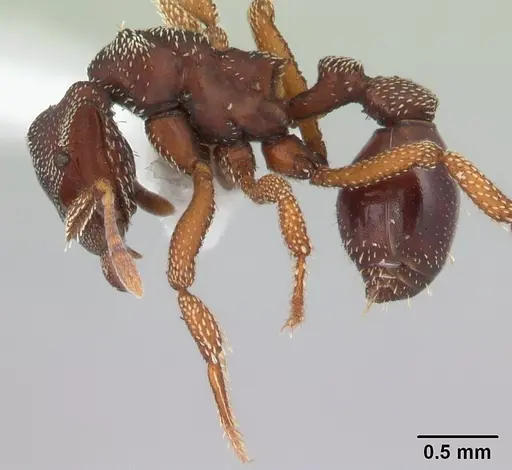
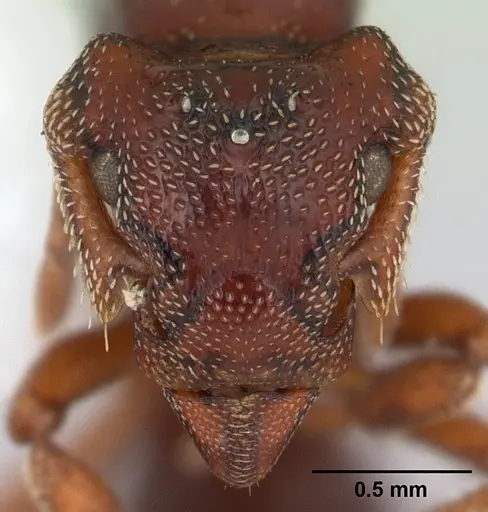
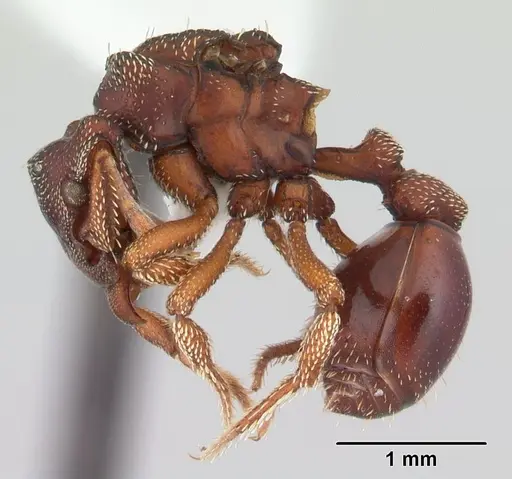
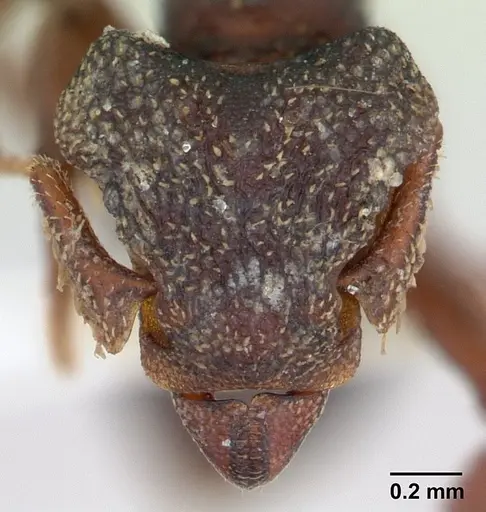
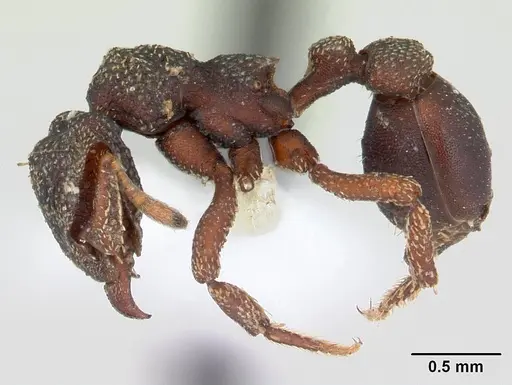
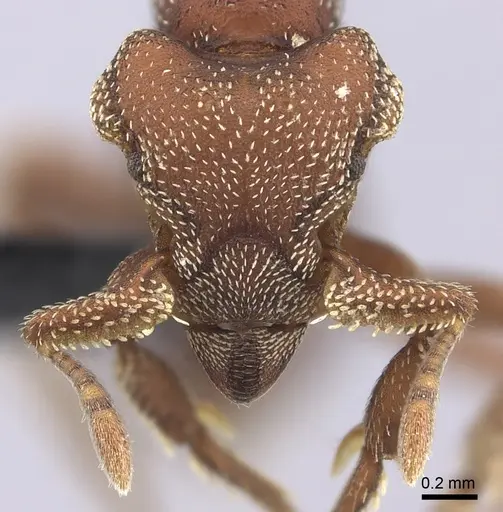
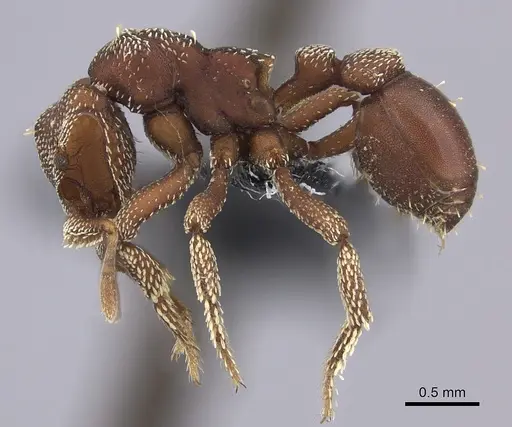
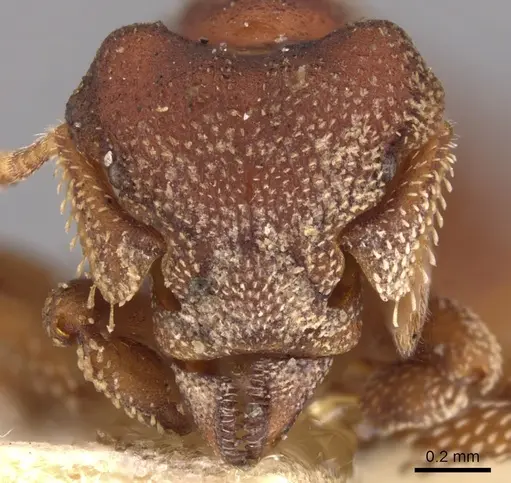
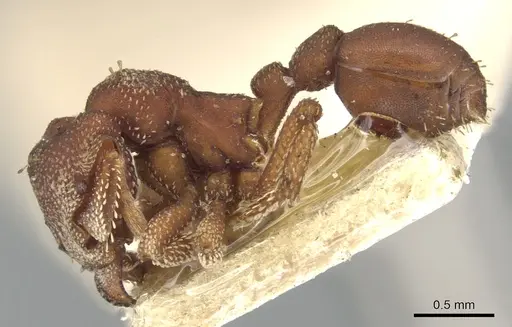
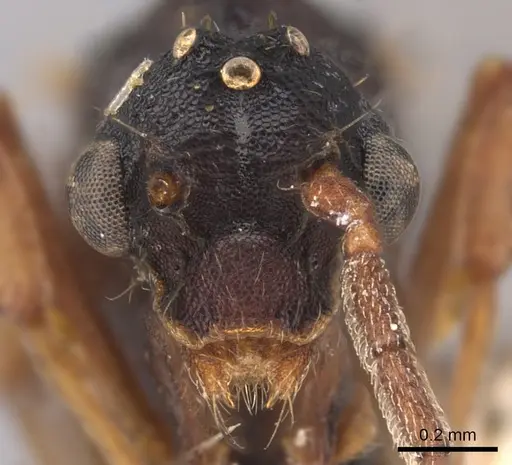
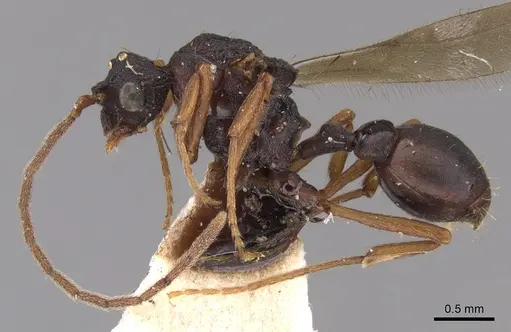
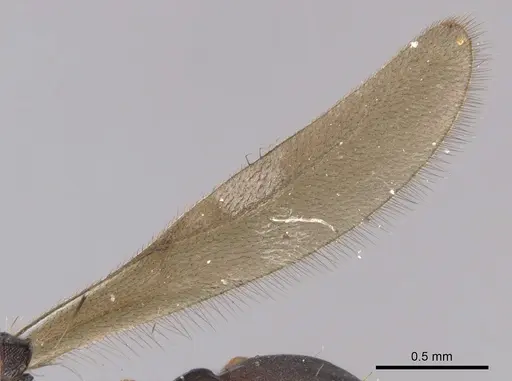
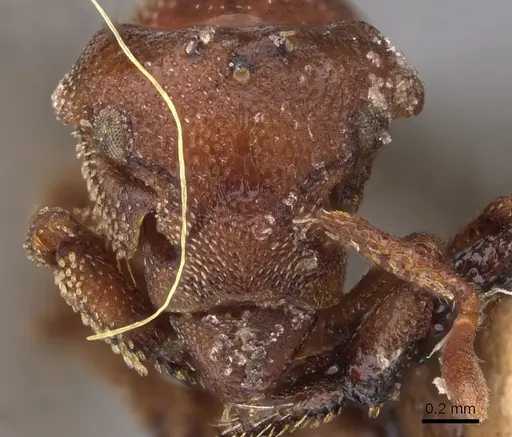
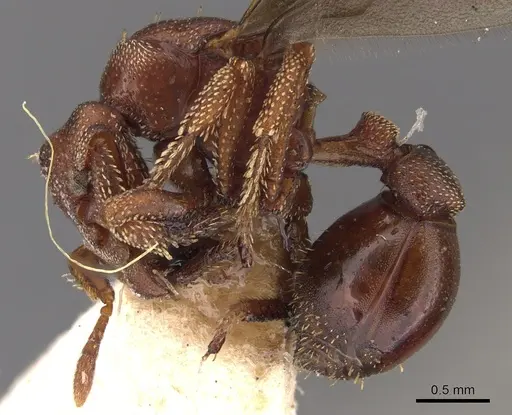
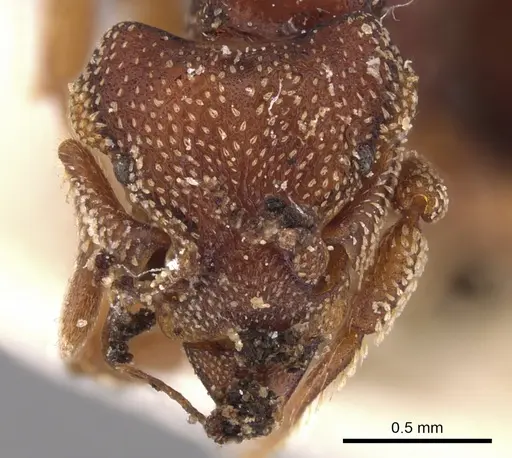
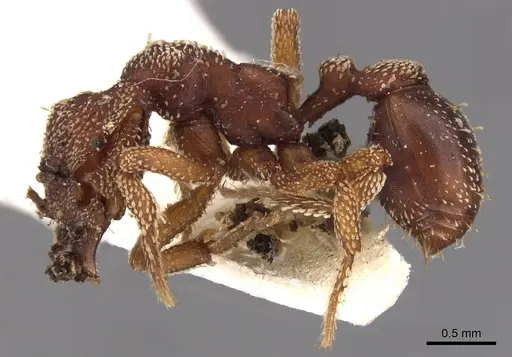
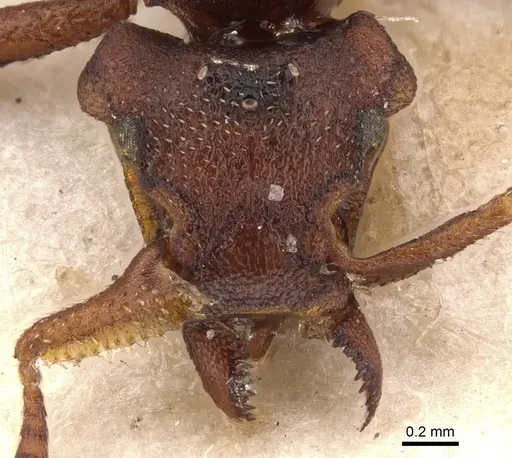
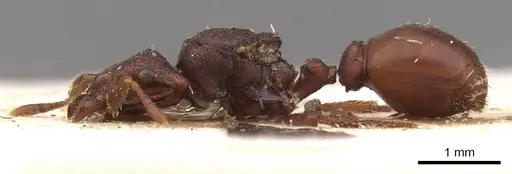
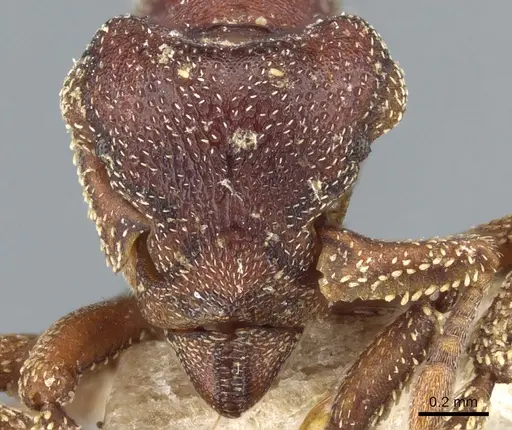
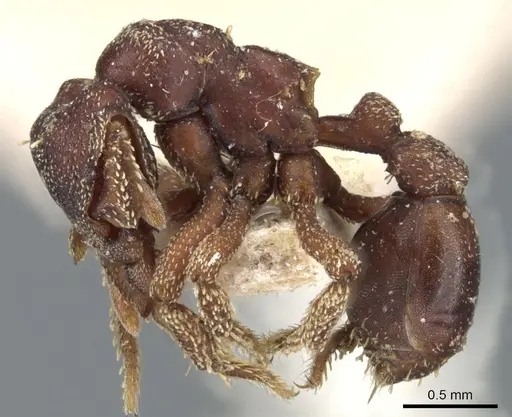
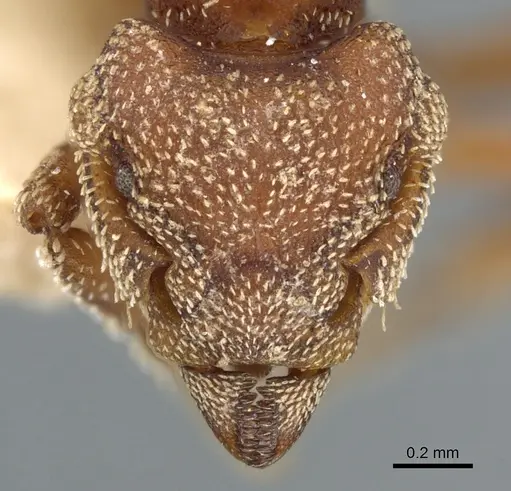
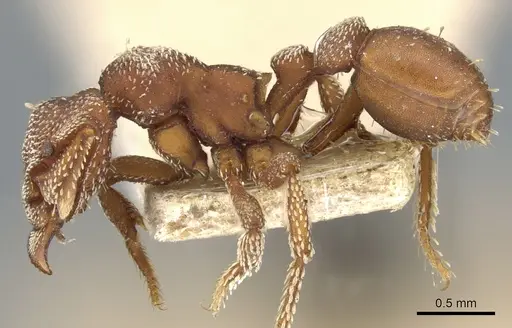
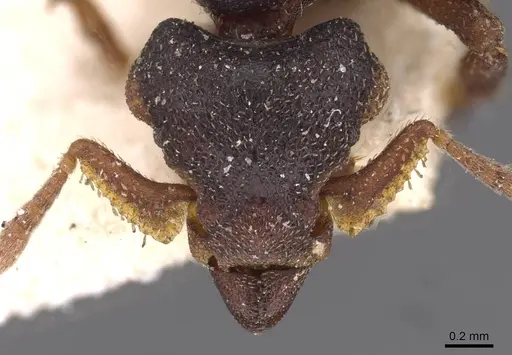
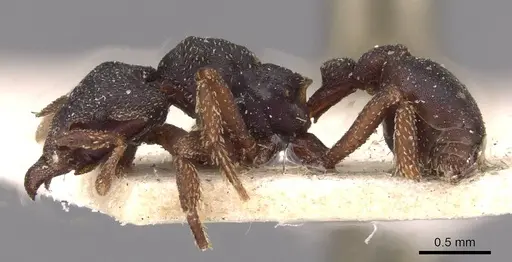
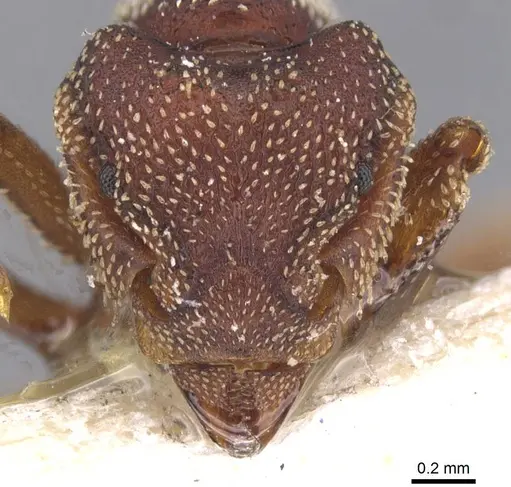
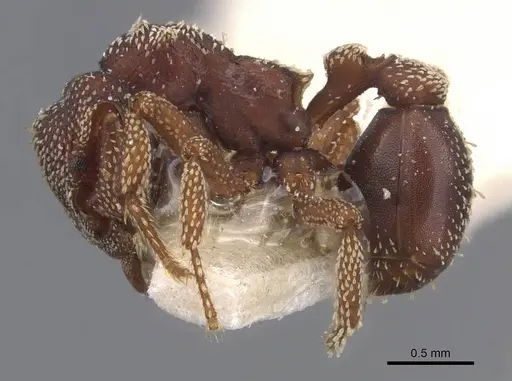
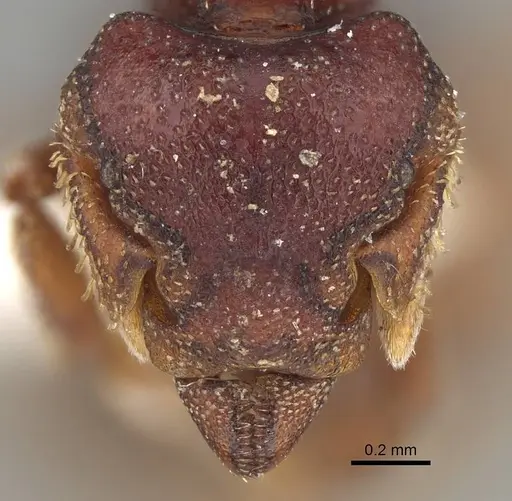
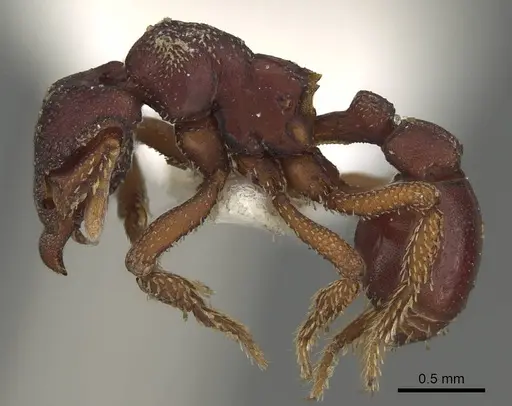
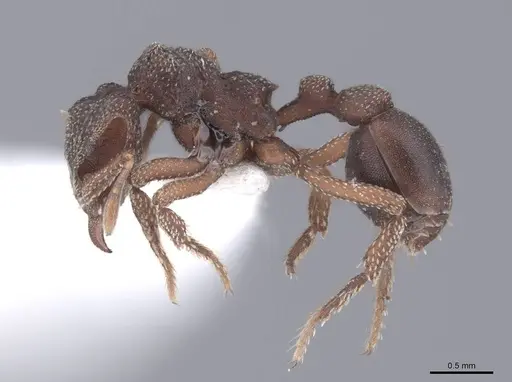
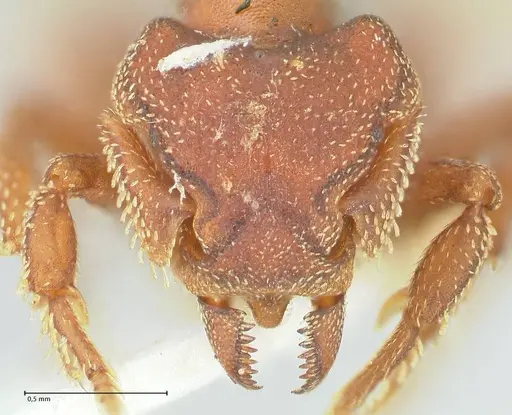
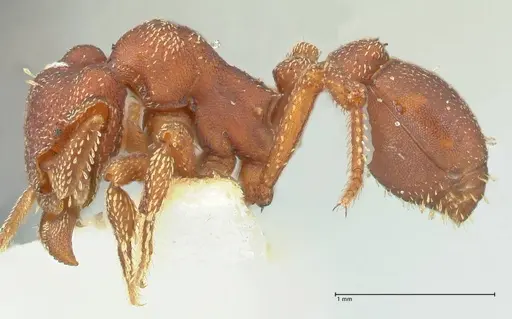
Eurhopalothrix procera is a small to medium-sized ant from the tribe Attini, native to rainforests across the Indo-Pacific region including New Guinea, the Philippines, Solomon Islands, Samoa, and Australia. Workers measure 3.9–5.3mm and have a distinctive broad head . The genus is characterized by 7-segmented antennae and triangular mandibles with a unique double tooth row . These ants are predators that inhabit leaf litter and soil in tropical forests, using stealth or sit-and-wait hunting techniques . Notably, specimens are often coated with a thin layer of clay that functions as camouflage, held in place by specialized spatulate hairs . A single queen was discovered in Costa Rica in 1994,marking the first New World record and suggesting this species may be a recent introduction to the Neotropics .
Quick Summary
- Difficulty: Expert
- Origin & Habitat: Tropical rainforests of the Indo-Pacific region: New Guinea, Philippines, Solomon Islands, Samoa, Palau, Fiji, Australia, Borneo, Indonesia, Malaysia, and Singapore. Inhabits leaf litter and soil in mid- to high-elevation forests [2][3].
- Colony Type: Colony structure is unconfirmed. Single queens have been documented, but detailed social organization (monogyne vs polygyne) has not been studied.
- Size & Growth:
- Queen: ~4–6 mm (inferred from worker size, queens are reported to be similar to or slightly larger than workers [1])
- Worker: 3.9–5.3 mm total length [1]
- Colony: Unknown – likely small colonies of dozens to low hundreds, inferred from litter-dwelling behavior [3]
- Growth: Unknown – likely slow to moderate based on inferred colony size
- Development: Estimated 6–10 weeks based on related litter-dwelling Attini. No direct data available for this species. (Temperature-dependent, tropical species develop faster at warmer temperatures.)
- Antkeeping:
- Temperature: Warm tropical conditions required, aim for 24–28°C. Based on its tropical distribution across the Indo-Pacific [2][1], do not allow prolonged drops below 20°C.
- Humidity: High humidity critical. Keep nest substrate consistently moist but not waterlogged, mimicking damp forest floor litter [3].
- Diapause: No diapause required. As a tropical species, keep warm year-round.
- Nesting: Leaf litter layer or naturalistic setup with moist substrate (e.g., soil mixed with rotting wood). Use a test tube for founding colonies. For established colonies, a Y-tong, plaster, or soil-based nest works well. Provide tight, enclosed spaces scaled to their small size and ensure high humidity.
- Behavior: These are cryptic, slow-moving predators that rely on stealth and clay camouflage [3]. Workers are not aggressive and flee from threats. Escape risk is moderate due to their small size, standard prevention (Fluon on tube rims, fine mesh on outworlds) is sufficient. They are primarily nocturnal or crepuscular.
- Common Issues: high humidity maintenance is critical – these ants desiccate quickly in dry conditions, slow growth and cryptic behavior make it difficult to monitor colony health, wild-caught colonies may have parasites or be stressed from collection, small colony sizes mean any losses have a big impact, limited natural history data means keepers must experiment with care parameters
Housing and Setup
Eurhopalothrix procera requires a high-humidity setup that mimics tropical rainforest floor conditions. These ants inhabit leaf litter and soil in tropical forests [3]. A small test tube setup works well for founding colonies – use a test tube with a water reservoir at one end, plugged with cotton, giving the ants access to moisture. For established colonies, a small Y-tong, plaster, or soil-based nest maintains the humidity they need. Cover the outworld with a fine mesh to prevent escapes. Keep the entire setup in a warm area (24–28°C) or use a gentle heating cable on one side of the nest to create a temperature gradient.
Feeding and Diet
Eurhopalothrix procera is a predator that feeds on small invertebrates in leaf litter [3]. In captivity, offer small live prey such as springtails, fruit flies, tiny crickets, and other micro-arthropods. They are sit-and-wait predators, so prey should be small enough for them to handle and offered where the ants can easily encounter them. Feed every 2–3 days, removing any uneaten prey after 24 hours to prevent mold. Sugar sources are not known to be an important part of their diet, some keepers offer very dilute honey water on cotton, but this is likely unnecessary and should be offered sparingly.
Temperature and Seasonal Care
As a tropical species from rainforests across the Indo-Pacific [2][1], Eurhopalothrix procera requires warm conditions year-round. Keep the nest area at 24–28°C (75–82°F). A heating cable placed on top of the nest (never underneath, to avoid drying the substrate) can maintain this range. Do not allow temperatures to drop below 20°C for extended periods – this species has no diapause requirement and cold stress can kill colonies. Room temperature (20–24°C) may be marginal, consider supplemental heating.
Behavior and Observation
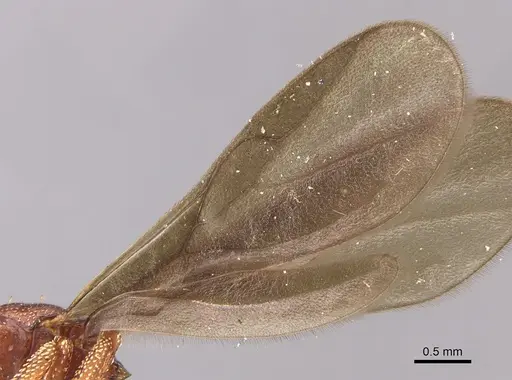
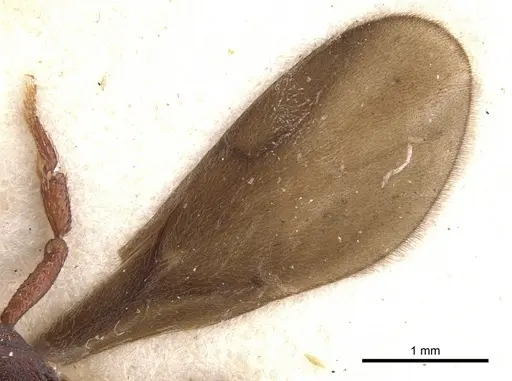
Eurhopalothrix procera is an extremely cryptic species. Workers are slow-moving and spend much of their time motionless, waiting to ambush prey. Their most remarkable trait is the layer of clay that coats their body – this camouflage is held in place by specialized spatulate hairs and makes them nearly invisible against forest floor debris [3]. In captivity, you may notice your ants appearing dusty or dirty – this is normal and indicates they are healthy and exhibiting natural behavior. They are not aggressive and will not defend the colony aggressively. Queens are alate (winged) and have been collected from canopy fogging samples, suggesting they may mate in the canopy [1].
Colony Establishment
Establishing a colony of Eurhopalothrix procera is challenging due to its rarity in the antkeeping hobby. The cryptic nature of the species means they are rarely collected [3]. If you obtain a queen, she should be housed in a small test tube setup with constant access to moisture. Founding colonies should be left undisturbed for several months. The first workers (nanitics) will be smaller than mature workers and may take an estimated 6–10 weeks to develop. Do not attempt to combine unrelated queens – this has not been documented and would likely result in aggression.
Growth and Development
Little is known about the specific development timeline of Eurhopalothrix procera. Based on related litter-dwelling Attini and the tropical distribution, expect egg-to-worker development to take approximately 6–10 weeks at optimal temperature (around 26°C). Workers reach 3.9–5.3mm as adults [1]. Colony growth is likely slow – these are not fast-growing species. The colony will likely remain small, probably under a few hundred workers even at maturity. Be patient with founding colonies and avoid overfeeding or disturbing them.
Frequently Asked Questions
How long does it take for Eurhopalothrix procera to produce first workers?
Based on related litter-dwelling Attini, expect 6–10 weeks from egg to first worker at optimal temperature (around 26°C). This is an estimate, as direct development data for this species is unavailable.
What do Eurhopalothrix procera ants eat?
They are predators that eat small live invertebrates such as springtails, fruit flies, and tiny crickets [3]. They are sit-and-wait hunters, so offer prey where they can easily find it. Sugar sources are not a natural part of their diet and may not be accepted.
Can I keep Eurhopalothrix procera in a test tube?
Yes, a test tube setup works well for founding colonies. Keep the cotton damp (not soaking wet) to maintain humidity. For established colonies, a small Y-tong, plaster, or soil-based nest with moist substrate is recommended.
What temperature do Eurhopalothrix procera ants need?
Keep them at 24–28°C (75–82°F). This is a tropical species that requires warmth year-round. Do not allow temperatures to drop below 20°C.
Are Eurhopalothrix procera good for beginners?
No – this is an expert-level species due to limited available care information, high humidity requirements, and the difficulty of establishing colonies. Only experienced antkeepers should attempt this species.
How big do Eurhopalothrix procera colonies get?
Colony size is unknown but likely small – probably dozens to low hundreds of workers, typical for litter-dwelling ants in the Attini tribe.
Do Eurhopalothrix procera need hibernation?
No – as a tropical species from rainforests that do not experience cold winters, they do not require diapause or hibernation. Keep them warm year-round.
Why does my Eurhopalothrix procera look dusty?
This is normal! In the wild, these ants coat themselves with a layer of clay for camouflage. The dusty appearance is their natural camouflage being maintained in captivity [3].
Where is Eurhopalothrix procera native to?
It is native to tropical rainforests across the Indo-Pacific: New Guinea, Philippines, Solomon Islands, Samoa, Palau, Fiji, Australia, Borneo, Indonesia, Malaysia, and Singapore. A single specimen was found in Costa Rica, possibly as a recent introduction [5][1].
Report an Issue
The current care sheet is based fully on literature. See inconsistencies, or something that's incorrect? Please , it will be resolved after review from an admin. Contributing to the blogs tab also helps providing information, to make us be able to further improve the caresheets. Thank you for your support!
References

This caresheet is licensed under CC BY-SA 4.0 .
Community Blogs
CASENT0010658
View on AntWeb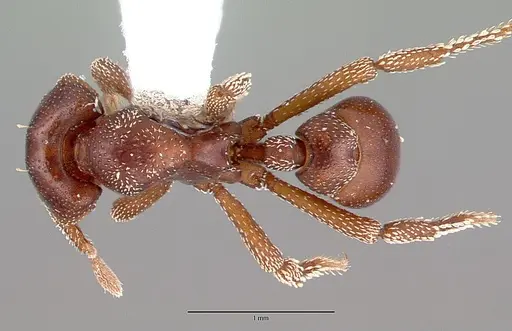
CASENT0172465
View on AntWeb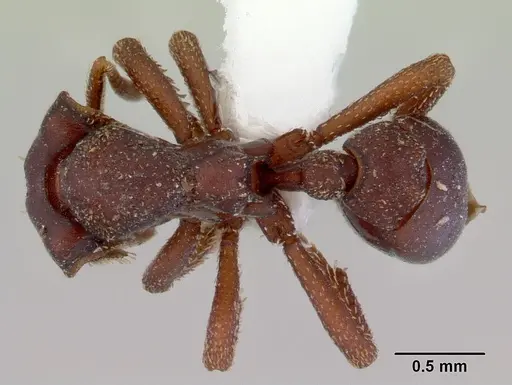
CASENT0178369
View on AntWeb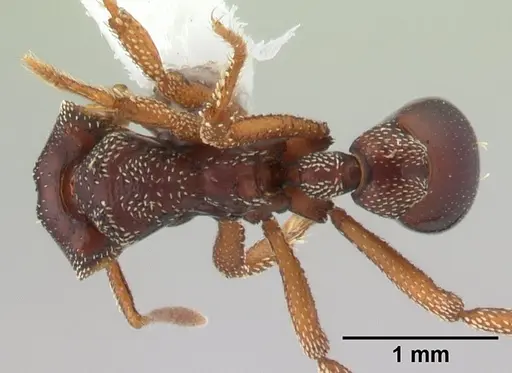
CASENT0178370
View on AntWeb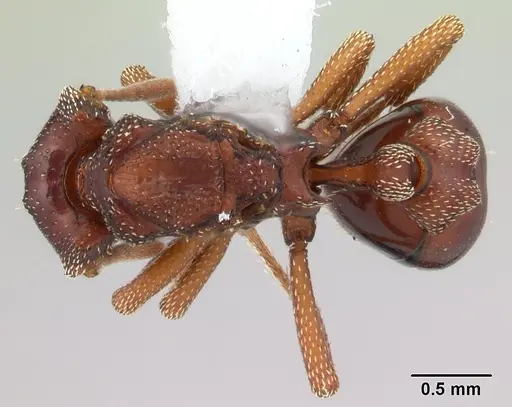
CASENT0178455
View on AntWeb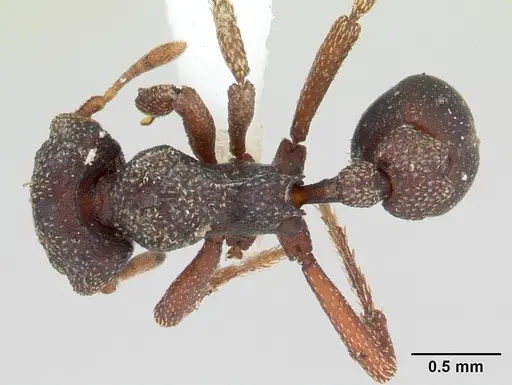
CASENT0219698
View on AntWeb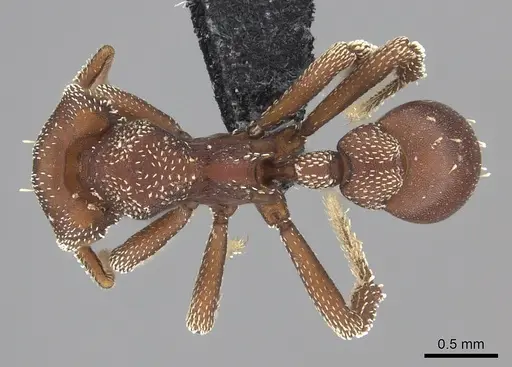
CASENT0900930
View on AntWeb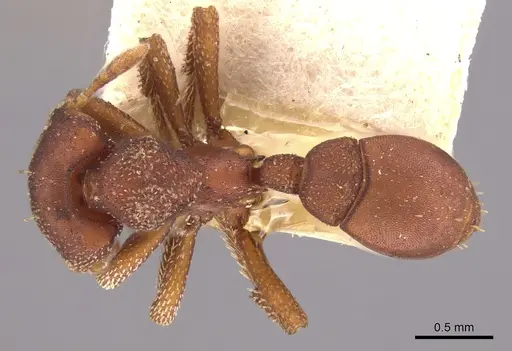
CASENT0900931
View on AntWeb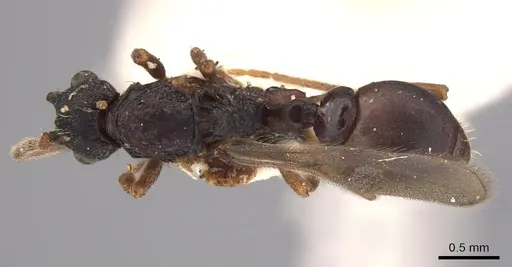
CASENT0900932
View on AntWeb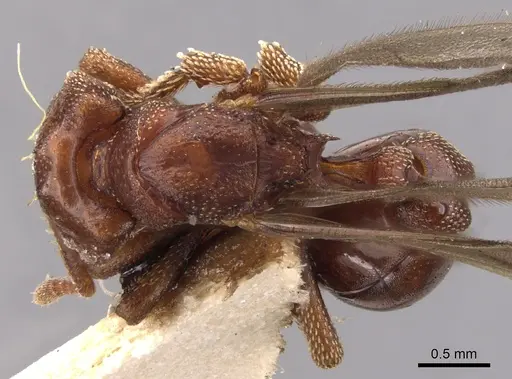
CASENT0900933
View on AntWeb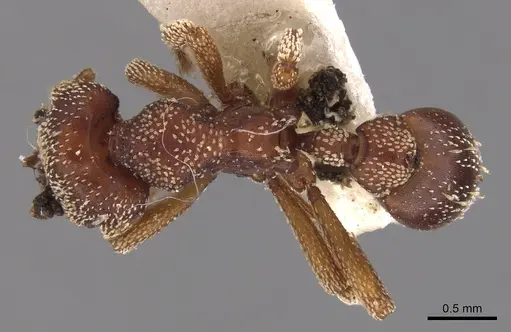
CASENT0900934
View on AntWeb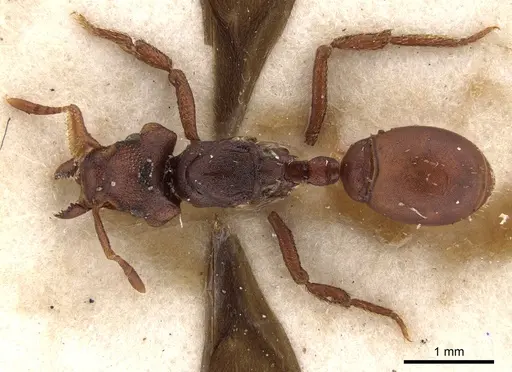
CASENT0904971
View on AntWeb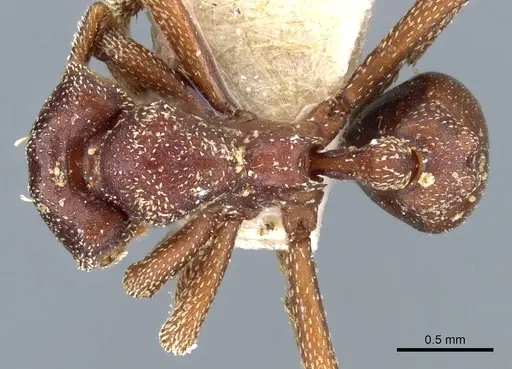
CASENT0904972
View on AntWeb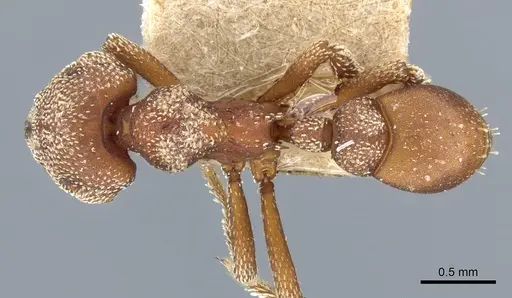
CASENT0909349
View on AntWeb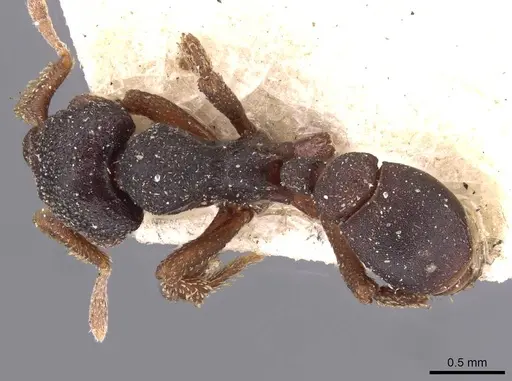
CASENT0912538
View on AntWeb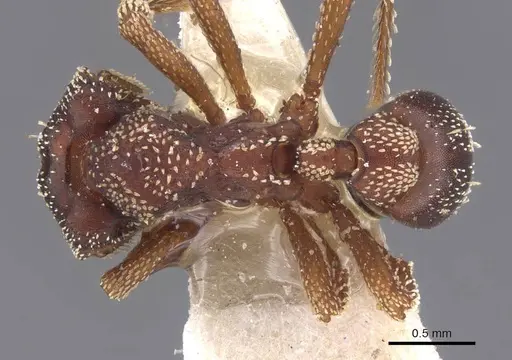
CASENT0914903
View on AntWeb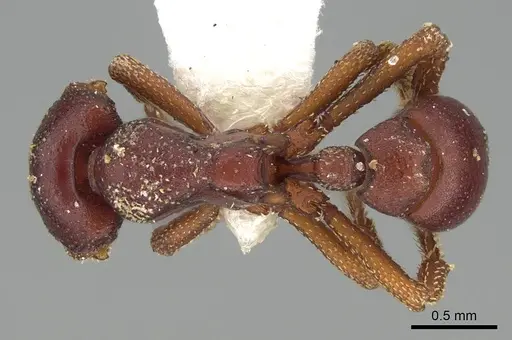
CASENT0916633
View on AntWeb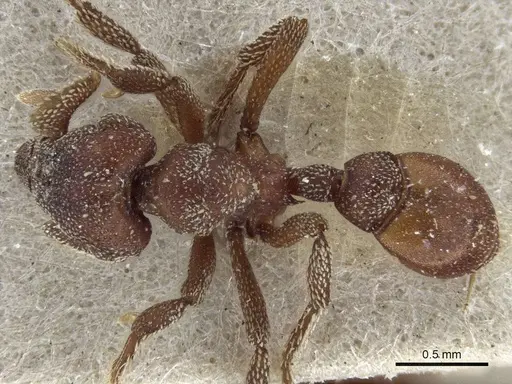
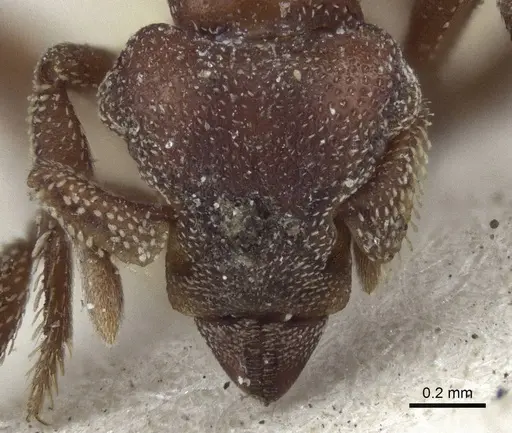
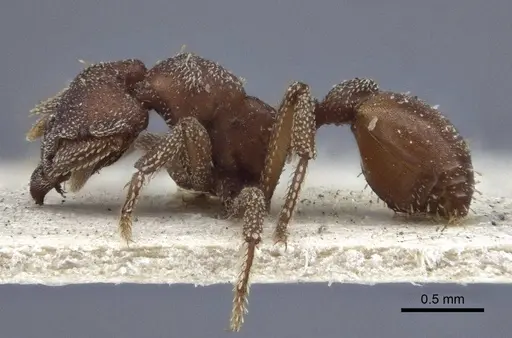
FMNHINS0000105160
View on AntWeb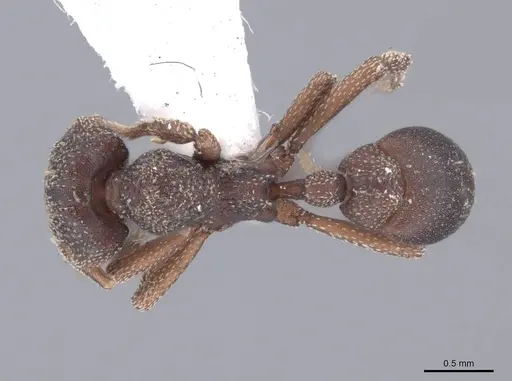
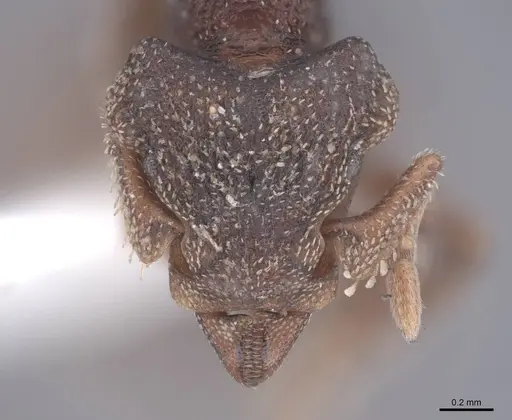
FOCOL2179
View on AntWeb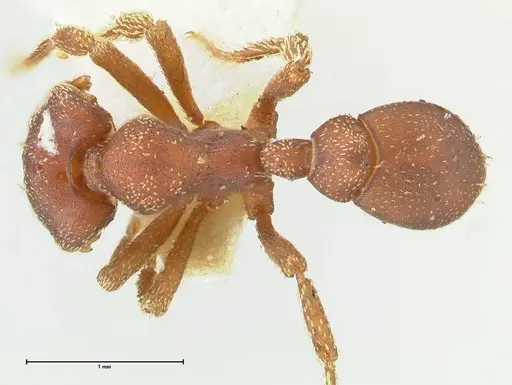
Literature
Loading distribution map...Loading products...