
Eurhopalothrix omnivaga
- Sci. Name
- Eurhopalothrix omnivaga
- Tribe
- Attini
- Subfamily
- Myrmicinae
- Author
- Taylor, 1990
- Distribution
- Found in 3 countries
Introduction
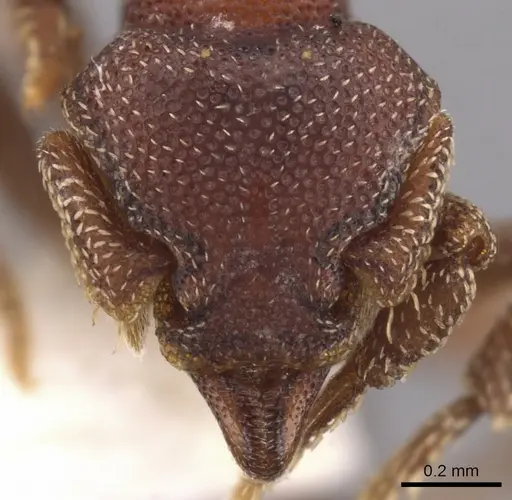
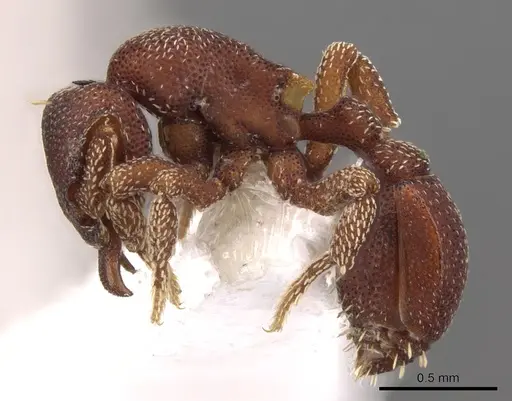
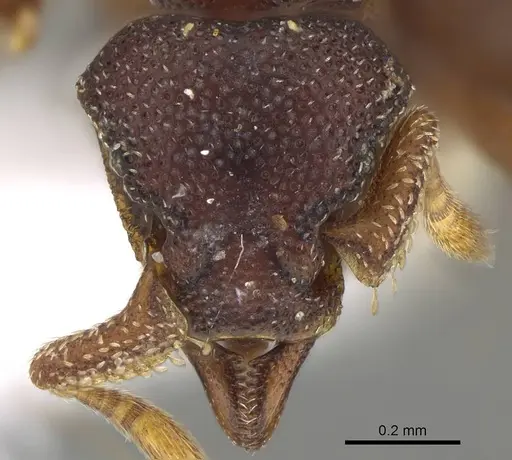
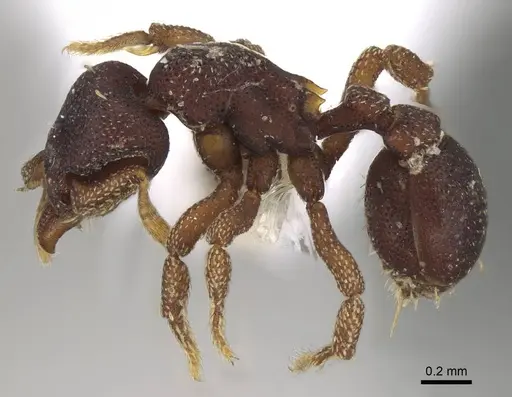
Eurhopalothrix omnivaga is an extremely tiny rainforest ant from the tribe Attini, found across Southeast Asia including Borneo, Malaysia, Indonesia, and Singapore. Workers are among the smaller ant species, measuring approximately 2-3mm total length. They have distinctive enlarged hairs on their head and a shallowly emarginate occipital border. Queens are slightly larger and fully alate. This species is exclusively found in primary rainforest leaf-litter and is never found in disturbed habitats like cocoa plantations . Their high nitrogen isotope values indicate they are predatory, feeding on tiny soil micro-arthropods rather than cultivating fungus like many Attini ants .
Quick Summary
- Difficulty: Expert
- Origin & Habitat: Tropical rainforest of Southeast Asia, found in Borneo, Malaysia (Peninsular and Borneo), Indonesia (Sumatra, Sulawesi), and Singapore. They live exclusively in rainforest leaf-litter and are collected using Berlese funnel and Winkler extraction methods from damp forest floor material [1][4].
- Colony Type: Colony structure is unconfirmed. Based on genus patterns, likely monogyne (single queen). No ergatoid replacement reproductives documented for this species.
- Size & Growth:
- Queen: Approximately 2.5-3.5mm total length, slightly larger than workers, alate (winged). Inferred from genus patterns.
- Worker: Approximately 2-3mm total length. Inferred from genus patterns.
- Colony: Likely small colonies, probably under 100 workers based on similar tiny litter ants and the difficulty of collecting large series [3].
- Growth: Likely slow, small colonies with long development times are typical for tiny tropical ants.
- Development: Estimated 8-12 weeks based on typical Attini patterns and small colony size. No direct development data exists for this species. (Development is likely temperature-dependent, requiring warm tropical conditions for optimal growth.)
- Antkeeping:
- Temperature: Keep warm at 24-28°C. This is a tropical rainforest species that requires stable warmth. Use a heating cable on one side of the nest to create a gentle gradient, but avoid overheating.
- Humidity: High humidity is essential, these ants live in rainforest leaf-litter. Keep the nest substrate consistently moist but not waterlogged. The substrate should feel damp to the touch, with some condensation on the nest walls. Mist occasionally but rely on substrate moisture rather than fixed schedules.
- Diapause: No, as a tropical species, they do not require hibernation. Maintain warm conditions year-round.
- Nesting: These tiny ants need very small-scale nesting chambers. A Y-tong (AAC) nest with tight chambers or a small acrylic nest works well. They also do well in naturalistic setups with moist soil and leaf-litter material. The nest should have narrow passages scaled to their tiny size, avoid tall, open spaces.
- Behavior: These ants are extremely small and cryptic. They are not aggressive and rarely leave the nest in visible numbers. They are predatory on tiny soil micro-arthropods. Escape prevention is critical, their tiny size means they can squeeze through standard barrier gaps. Use fine mesh and tight-fitting lids. They possess a stinger but it is not medically significant to humans.
- Common Issues: escape prevention is critical, their very small size means they can slip through the tiniest gaps, slow growth and small colony sizes can frustrate keepers expecting rapid development, they require live micro-prey, failure to establish a consistent food source leads to colony decline, high humidity requirements can lead to mold problems if ventilation is inadequate, wild-caught colonies may have parasites or be already stressed from collection
Housing and Nest Setup
Eurhopalothrix omnivaga requires careful housing due to their minute size. A Y-tong (AAC) nest with very small chambers works excellently, the tight passages prevent escapes and allow the tiny workers to navigate properly. Alternatively, a small acrylic nest with narrow tunnels scaled to their size is suitable. Some keepers have success with naturalistic setups using moist soil and leaf-litter material, which mimics their natural rainforest floor habitat. Regardless of nest type, ensure excellent escape prevention, these ants can slip through gaps as small as 0.5mm. Use fine mesh on any ventilation holes and ensure all lids fit tightly. A small outworld area is sufficient since these ants are not prolific foragers. [4]
Feeding and Diet
This species is predatory, feeding on tiny soil micro-arthropods as indicated by their high trophic position [2][3]. In captivity, their primary food should be live micro-prey such as springtails, tiny soil mites, and other micro-arthropods. They are likely too small to tackle standard ant feeder insects like mealworms or fruit flies. Some keepers report success with diluted honey or sugar water, but this should only be offered occasionally and not as a primary food source. Feed small amounts of live prey every few days, removing any uneaten prey after 24 hours. The key to keeping this species alive is establishing a sustainable micro-prey culture.
Temperature and Humidity
As a tropical rainforest species from Southeast Asia, Eurhopalothrix omnivaga requires warm and humid conditions. Maintain temperatures between 24-28°C, this is warmer than most room temperatures and may require a small heating setup. A heating cable placed on one side of the nest creates a gentle thermal gradient. High humidity is essential, aim for 70-85% relative humidity. Keep the nest substrate consistently moist but never waterlogged. The substrate should feel damp to the touch. Some condensation on nest walls is normal and indicates good humidity. Avoid placing the nest near air conditioning or heating vents that could cause temperature fluctuations or dry out the environment. [1]
Colony Establishment and Growth
Establishing Eurhopalothrix omnivaga colonies in captivity is challenging. Wild colonies are extremely small and difficult to collect in large numbers. If you obtain a queen or small colony, expect slow growth, these ants produce small numbers of workers over many months. The founding behavior is unconfirmed for this species. First workers will be very small. Do not disturb the colony during the founding phase. Growth is temperature-dependent, warmer conditions within their range will speed development somewhat, but do not exceed 28°C. Patience is essential with this species.
Behavior and Temperament
Eurhopalothrix omnivaga is a cryptic, non-aggressive species. Workers are rarely seen in large numbers outside the nest and tend to stay hidden in the leaf-litter layer. They possess a functional stinger but it is not medically significant to humans. Their tiny size and cryptic behavior make them a 'watching-under-a-magnifying-glass' species rather than an interactive pet. They do not exhibit swarm defense or aggressive territorial behavior. The main behavioral concern is their escape ability, despite being slow-moving, they can slip through remarkably small gaps. Always use excellent barrier methods when opening the nest for feeding or maintenance.
Frequently Asked Questions
How long does it take for Eurhopalothrix omnivaga to produce first workers?
Exact development time is unconfirmed, but based on typical Attini patterns and their small size, expect 8-12 weeks from egg to worker at optimal temperatures (24-28°C). Growth is slow, so patience is essential.
What do Eurhopalothrix omnivaga ants eat?
They are predatory on tiny soil micro-arthropods. Feed them live springtails, tiny soil mites, and other micro-arthropods. Sugar sources may be accepted occasionally but should not be relied upon as a primary food.
Can I keep Eurhopalothrix omnivaga in a test tube?
A test tube can work for founding colonies, but due to their tiny size, you must ensure excellent escape prevention. A test tube with a cotton plug may not retain them, consider using a small container with fine mesh over any ventilation. A Y-tong or small acrylic nest is more practical for established colonies.
Are Eurhopalothrix omnivaga good for beginners?
No, this is an expert-level species. Their tiny size, specific humidity and temperature requirements, need for live micro-prey, and difficulty of establishment make them unsuitable for beginners. They require specialized care and significant experience with micro-ant species.
How big do Eurhopalothrix omnivaga colonies get?
Likely small colonies, probably under 100 workers based on collection data from the wild. They are not a prolific species that produces large numbers of workers.
Do Eurhopalothrix omnivaga need hibernation?
No, as a tropical rainforest species from Southeast Asia, they do not require hibernation. Keep them warm year-round at 24-28°C.
Why are my Eurhopalothrix omnivaga dying?
Common causes include: lack of appropriate live micro-prey (they cannot survive on sugar alone), incorrect humidity (too dry causes desiccation, too wet causes drowning), temperature stress (too cold below 24°C or too hot above 28°C), and escapes due to inadequate barrier methods. Their cryptic nature also makes it difficult to observe problems until the colony is already stressed.
When should I move Eurhopalothrix omnivaga to a formicarium?
Move them only when the colony is established with at least 10-20 workers and the test tube setup shows signs of stress (condensation issues, mold, or space constraints). For this species, a small Y-tong or acrylic nest is preferable to a large formicarium.
Can I keep multiple queens of Eurhopalothrix omnivaga together?
This has not been documented. Based on typical Myrmicinae patterns, they are likely monogyne (single queen). Combining unrelated queens is not recommended.
Report an Issue
The current care sheet is based fully on literature. See inconsistencies, or something that's incorrect? Please , it will be resolved after review from an admin. Contributing to the blogs tab also helps providing information, to make us be able to further improve the caresheets. Thank you for your support!
References

This caresheet is licensed under CC BY-SA 4.0 .
Community Blogs
CASENT0900936
View on AntWeb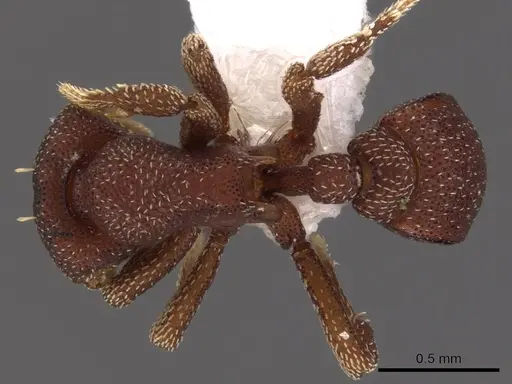
CASENT0914906
View on AntWeb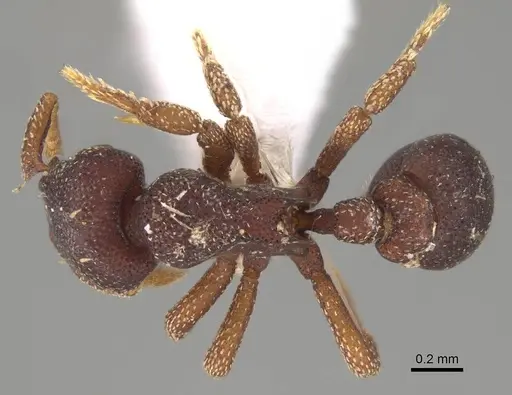
Literature
Loading distribution map...Loading products...