
Eurhopalothrix mabuya
- Sci. Name
- Eurhopalothrix mabuya
- Tribe
- Attini
- Subfamily
- Myrmicinae
- Author
- Longino, 2013
- Distribution
- Found in 1 countries
Introduction
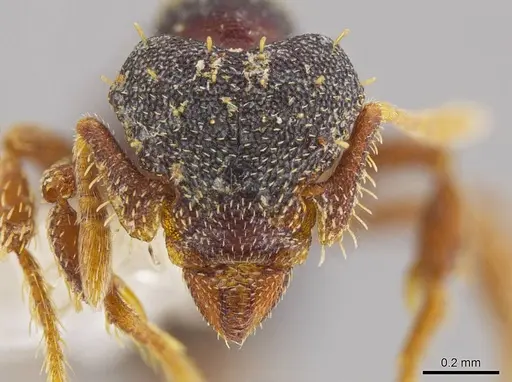
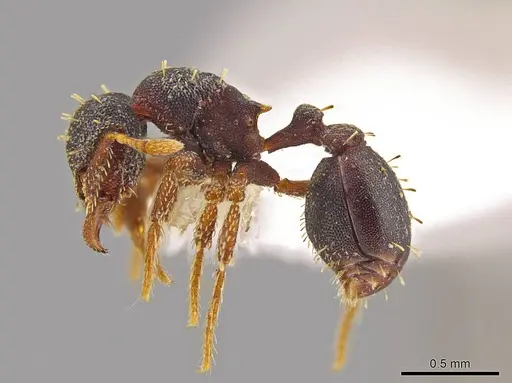
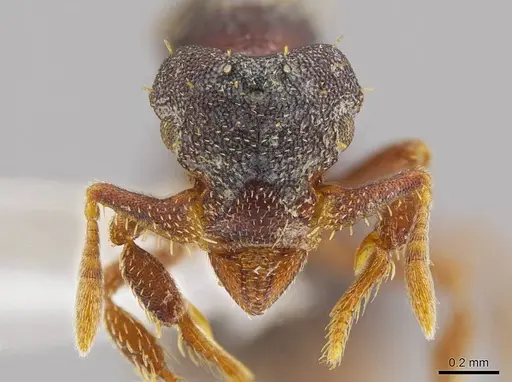
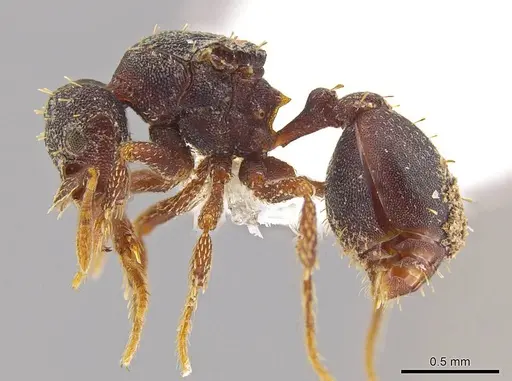
Eurhopalothrix mabuya is an extremely tiny ant species endemic to Cuba, known only from montane rainforests in the southern mountain ranges near Santiago de Cuba at elevations of 1000-1660 meters . These ants are completely covered in specialized spatulate (spoon-shaped) setae that help them acquire and adhere to a thin layer of clay, providing excellent camouflage against predators . They have distinctive triangular mandibles with a double row of teeth and 7-segmented antennae . The species was only described in 2013, as previous records of similar species in Cuba were likely misidentifications of this distinct species . They are predators that use stealth or sit-and-wait techniques to capture prey in the leaf litter layer .
Quick Summary
- Difficulty: Expert
- Origin & Habitat: Endemic to Cuba, found only in montane rainforests of the southern mountain ranges near Santiago de Cuba at elevations of 1000-1660m [1][2].
- Colony Type: Colony structure is unconfirmed.
- Size & Growth:
- Queen: Size data unavailable, the only available measurements are head width (0.72mm), which does not represent full body length [1].
- Worker: Size data unavailable, the only available measurements are head width (0.63-0.71mm), which does not represent full body length [1].
- Colony: Unknown, likely small based on their rarity in litter samples [2].
- Growth: Unknown, no development data exists for this species.
- Development: Unconfirmed, no direct development data exists for this species. (No captive breeding data exists for this newly described species.)
- Antkeeping:
- Temperature: Keep around 22-26°C, mimicking their montane rainforest habitat. A gentle gradient allowing cooler areas is recommended since they come from higher elevations where temperatures are cooler than lowland Cuba [2].
- Humidity: High humidity is essential, these ants live in damp leaf litter and soil. Keep the nest substrate consistently moist but not waterlogged. Montane forest environments stay consistently humid year-round [2].
- Diapause: Unknown, as a tropical montane species from Cuba, they likely have reduced activity during cooler/drier seasons but may not require true hibernation.
- Nesting: Leaf litter and soil dwellers. In captivity, a naturalistic setup with very small chambers works best, think tiny passages scaled to their minute size. A Y-tong or plaster nest with fine, tight chambers mimics their natural soil chambers. They avoid open spaces and need tight, confined areas [2].
- Behavior: These are secretive, slow-moving predators that hunt by stealth or sit-and-wait tactics in leaf litter [2]. They are not aggressive and rely on camouflage rather than fighting. Workers occur in fewer than 10% of litter samples, indicating they are naturally rare and hard to find [2]. Escape prevention is critical, at under 1mm, they can squeeze through the tiniest gaps. They are completely harmless to humans and do not sting.
- Common Issues: escape prevention is critical, their tiny size means they can slip through gaps invisible to the naked eye., specialized diet makes them difficult to feed, they need small live prey and may refuse standard ant foods., rare in the hobby and newly described, so captive husbandry knowledge is extremely limited., wild-caught colonies may have parasites that kill them in captivity., no development data exists, making colony establishment unpredictable.
Housing and Nest Setup
Eurhopalothrix mabuya requires extremely small-scale housing due to their minute worker size of under 1mm. Standard test tubes may be too large and open, these ants do best in naturalistic setups with very tight, small chambers that mimic the soil cavities they naturally inhabit. A Y-tong or plaster nest with appropriately scaled chambers works well. The key is tight spaces, these ants are adapted to confined soil chambers and will be stressed in large, open areas. The nest should have a small outworld area for feeding. Because they are so tiny, escape prevention must be excellent, use fine mesh barriers and check for any gaps whatsoever. [2]
Feeding and Diet
This species is a confirmed predator that hunts small arthropods in leaf litter using stealth or sit-and-wait techniques [2]. In captivity, their primary food should be tiny live prey such as springtails, micro-arthropods, and other micro-insects. They are unlikely to accept sugar sources or standard ant feeds, their hunting strategy suggests they are obligate predators. Feed small live prey items 2-3 times per week, adjusting based on colony consumption. Remove uneaten prey to prevent mold. The specialized mandibles with double tooth rows are adapted for capturing and processing small soft-bodied prey [1].
Temperature and Humidity
As a montane rainforest species from 1000-1660m elevation in Cuba, these ants need cooler temperatures than typical tropical ants, aim for 22-26°C with a gentle gradient allowing workers to find their preferred temperature zone. They come from elevations where temperatures are moderate year-round. Humidity is critical, keep the nest substrate consistently moist like damp forest floor. The substrate should feel damp to the touch but not have standing water. Montane environments are consistently humid, so avoid drying out the nest. Use a water reservoir or regular light misting to maintain moisture. [2]
Behavior and Temperament
These are extremely secretive ants that spend most of their time hidden in soil chambers and leaf litter. Workers are slow-moving and rely on their clay-layer camouflage for protection rather than aggression [2]. They are not defensive and pose no threat to keepers. The specialized spatulate setae on their body are key to their ecology, they actively acquire clay particles that coat their exoskeleton, making them nearly invisible against soil backgrounds [2]. This crypsis is their primary defense. Colonies are naturally rare in the wild, occurring in fewer than 10% of litter samples, so finding them is a significant achievement. They are not escape artists by behavior but can escape simply due to their minute size.
Acquiring This Species
Eurhopalothrix mabuya was only described in 2013 and represents one of the most recently described Caribbean ant species [3]. It was previously confused with the similar-looking E. floridana, which Baroni Urbani and de Andrade had recorded from Cuba, these were likely misidentifications of this distinct species [3][4]. This means the species is extremely rare in both the wild and in captivity. Most antkeepers will not have access to this species, as it is only known from a handful of specimens collected in specific montane locations in Cuba. If you do obtain a colony, it represents a significant opportunity to contribute to our understanding of this newly described species.
Frequently Asked Questions
How long does it take for Eurhopalothrix mabuya to produce first workers?
The egg-to-worker timeline is unconfirmed for this species. No captive breeding data exists for this newly described species.
Can I keep Eurhopalothrix mabuya in a test tube?
Standard test tubes are likely too large for these tiny ants. They do best in naturalistic setups with very small, tight chambers scaled to their minute size. If using test tubes, use very small diameter tubes with minimal water reservoir.
What do Eurhopalothrix mabuya ants eat?
They are predators that hunt small arthropods in leaf litter. Feed tiny live prey like springtails, micro-arthropods, and other small insects. They are unlikely to accept sugar water or standard ant feeds. They use sit-and-wait hunting strategies.
Are Eurhopalothrix mabuya ants dangerous?
No, they are completely harmless. At under 1mm, they cannot sting humans and they are not aggressive. They rely on camouflage for defense rather than fighting.
Do Eurhopalothrix mabuya ants need hibernation?
As a tropical montane species, they likely do not require true hibernation. However, they may reduce activity during cooler seasons. More research is needed on their seasonal biology.
How big do Eurhopalothrix mabuya colonies get?
Colony size is unknown but likely small, typical of leaf-litter ants. They occur in fewer than 10% of litter samples in the wild, indicating naturally low population densities.
What temperature should I keep Eurhopalothrix mabuya at?
Keep them at 22-26°C, which is cooler than typical tropical ants due to their montane habitat. A temperature gradient allowing cooler areas is recommended.
Are Eurhopalothrix mabuya good for beginners?
No. This is an expert-level species due to their extremely small size, specialized predatory diet, high humidity requirements, and the fact that they are newly described with virtually no captive husbandry information available.
Why are Eurhopalothrix mabuya ants covered in dirt?
The clay coating is intentional, they actively acquire clay particles on their specialized spatulate setae for camouflage [2]. This is a key part of their ecology and helps them ambush prey and avoid predators.
Report an Issue
The current care sheet is based fully on literature. See inconsistencies, or something that's incorrect? Please , it will be resolved after review from an admin. Contributing to the blogs tab also helps providing information, to make us be able to further improve the caresheets. Thank you for your support!
References

This caresheet is licensed under CC BY-SA 4.0 .
Community Blogs
CASENT0630049
View on AntWeb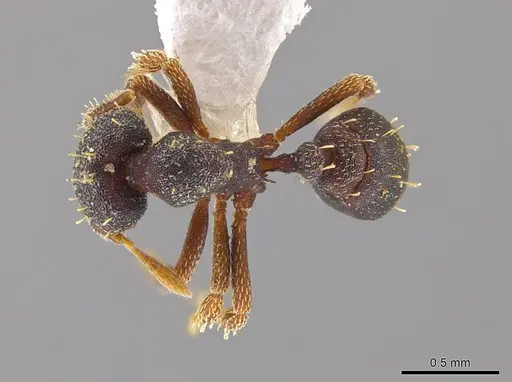
CASENT0630055
View on AntWeb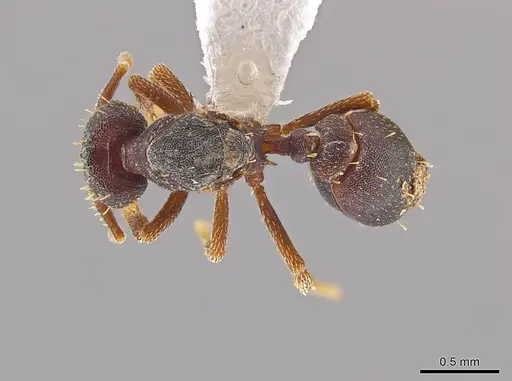
Literature
Loading distribution map...Loading products...