
Eurhopalothrix hunhau
- Sci. Name
- Eurhopalothrix hunhau
- Tribe
- Attini
- Subfamily
- Myrmicinae
- Author
- Longino, 2013
- Distribution
- Found in 2 countries
Introduction
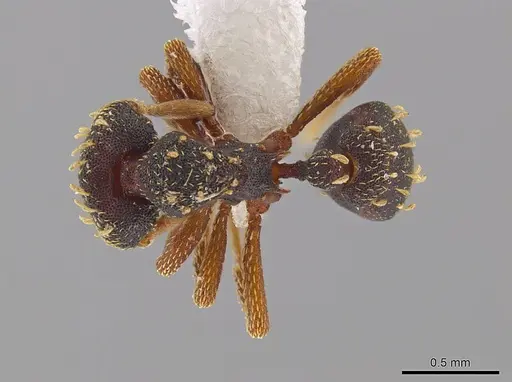
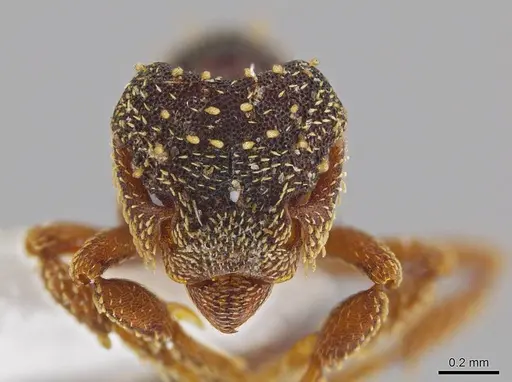
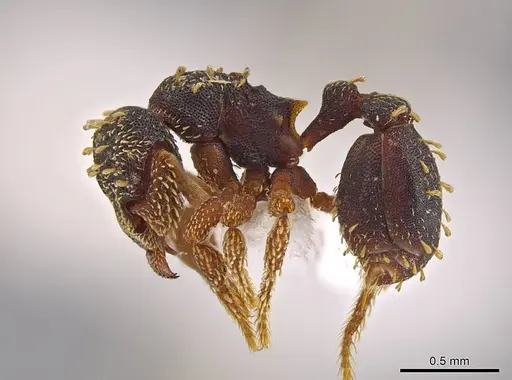
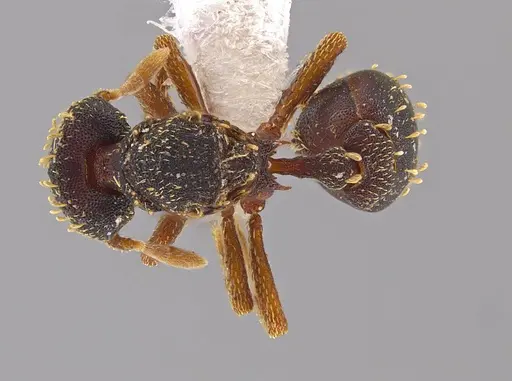
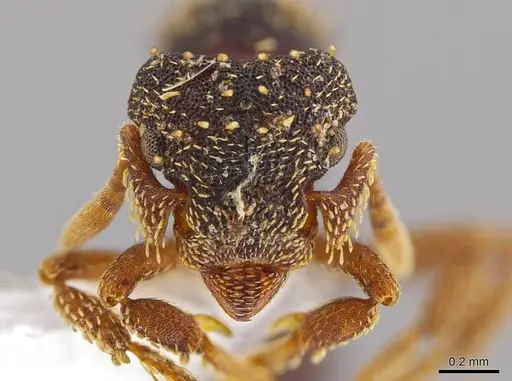
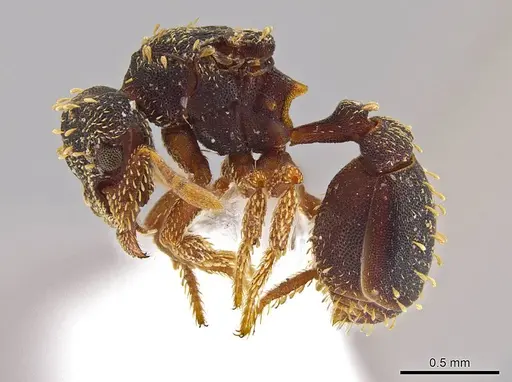
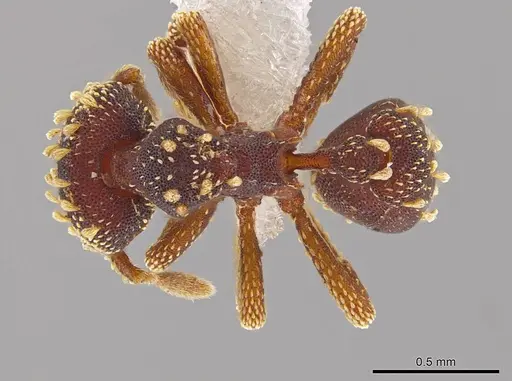
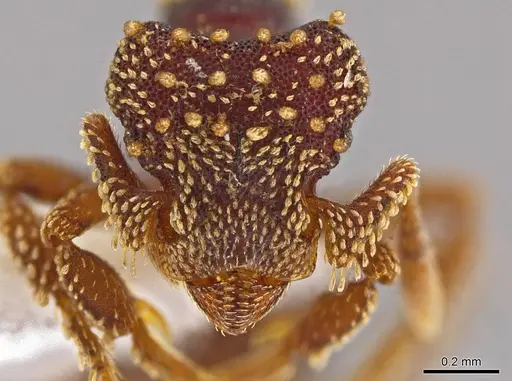
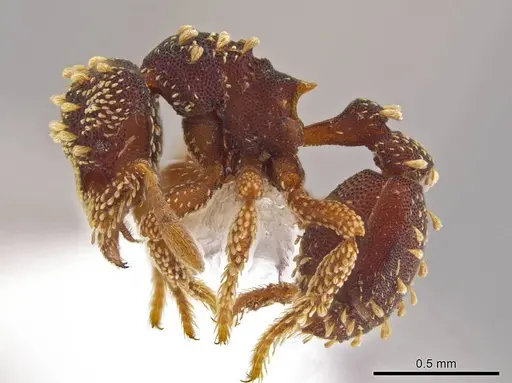
Eurhopalothrix hunhau is a tiny, cryptic ant species from the cloud forests of southern Mexico and Guatemala. Workers are among the smaller ants you'll encounter - size data is unavailable but the genus typically ranges around 2-3mm total length . They have distinctive spatulate (spoon-shaped) setae covering their body, which helps them acquire and adhere to a layer of clay that functions as camouflage . The species was described in 2013 by John Longino and named after Hunhau, the Mayan god of death [AntWiki]. These ants are specialized predators that hunt in leaf litter using stealth or sit-and-wait techniques rather than active foraging . They inhabit mature cloud forests and wet oak/pine forests at elevations between 1000-2000 meters . In some areas, they can be quite common - on the slopes of Volcán Atitlán in Guatemala, they appeared in 35% of quantitative litter samples [AntWiki].
Quick Summary
- Difficulty: Expert
- Origin & Habitat: Cloud forests and wet oak/pine forests in southern Mexico (Chiapas) and Guatemala, at 1000-2000m elevation [1][3]
- Colony Type: Colony structure is unconfirmed. Based on genus patterns, likely single-queen colonies.
- Size & Growth:
- Queen: Size data unavailable, inferred from genus patterns to be approximately 2-3mm total length
- Worker: Size data unavailable, inferred from genus patterns to be approximately 2mm total length
- Colony: Unknown, likely small colonies based on typical leaf-litter ant patterns
- Growth: Unknown, likely slow to moderate given small colony sizes typical of cryptic leaf-litter ants
- Development: Unconfirmed, development time has not been studied (Not directly studied. Small colony size and cryptic lifestyle suggest slower development than fast-growing tropical species.)
- Antkeeping:
- Temperature: Keep around 20-24°C. These are cloud forest ants from high elevations, so they prefer cooler, stable conditions compared to lowland tropical species. Avoid overheating.
- Humidity: High humidity is essential, aim for 70-85%. These ants live in leaf litter in humid cloud forests, so the nest substrate should remain consistently moist but not waterlogged.
- Diapause: Unconfirmed. Cloud forest species from high elevations may experience cooler seasonal conditions, but specific diapause requirements are unknown.
- Nesting: These tiny ants do best in naturalistic setups that mimic their leaf-litter habitat. A Y-tong or plaster nest with very small chambers works well, or a naturalistic setup with damp soil and rotting wood pieces. The key is maintaining high humidity while providing tiny passages scaled to their minute size.
- Behavior: Eurhopalothrix hunhau is a cryptic, secretive species that spends most of its time hidden in leaf litter and soil. Workers are slow-moving and rely on camouflage rather than aggression [2]. They are predators that use sit-and-wait hunting strategies, ambushing small prey rather than actively chasing it. Colonies are likely small and dispersed. Escape prevention is critical, their tiny size means they can squeeze through extremely small gaps. They are not aggressive and pose no threat to keepers.
- Common Issues: escape prevention is critical, their extremely small size means they can slip through standard barrier setups, high humidity requirements can lead to mold problems if ventilation is inadequate, slow growth and small colony sizes mean colonies develop slowly and may appear stagnant, predatory diet makes feeding challenging, they need small live prey, not standard ant foods, wild-caught colonies may be difficult to establish in captivity due to their specialized leaf-litter habitat
Housing and Nest Setup
Housing Eurhopalothrix hunhau requires attention to scale, these are tiny ants that need appropriately sized accommodations. A Y-tong nest with the smallest available chambers works well, or you can use a plaster nest with very narrow tunnels. Naturalistic setups with damp soil, small pieces of rotting wood, and leaf litter can also work well and better replicate their natural environment. The nest area should be kept consistently moist, as these cloud forest ants need high humidity. However, you'll need to balance this with adequate ventilation to prevent mold. One side of the nest can be slightly heated using a heating cable on low to create a gentle humidity gradient, but avoid overheating these cool-climate ants. Outworld space should be minimal since colonies remain small, but include small debris and leaf litter pieces for foraging enrichment. [1][2][3]
Feeding and Diet
Eurhopalothrix hunhau is a specialized predator that hunts small arthropods in leaf litter [2]. In captivity, you should replicate this with small live prey. Springtails are an ideal food source, they're small enough for these tiny ants to tackle and can be cultured easily. Other small micro-arthropods like booklice, dust mites, and newly hatched pinhead crickets may also be accepted. These ants are unlikely to accept sugar water or honey, as they're not typical honeydew feeders. Feed small prey items every few days, removing any uneaten prey after 24-48 hours to prevent mold. The sit-and-wait hunting strategy means prey should be small enough that the ants can successfully capture it, if prey is too large or active, they may ignore it.
Temperature and Seasonal Care
As cloud forest inhabitants from 1000-2000m elevation, Eurhopalothrix hunhau prefers cooler temperatures than typical tropical ants. Keep the nest around 20-24°C, with a slight gradient if possible. Avoid temperatures above 26-28°C, as these ants are not adapted to hot conditions. Room temperature in most homes should work well, but monitor during summer heat waves. During winter, you might allow temperatures to drop slightly to around 15-18°C, mimicking the cooler conditions they experience at high elevations. This cool period may help trigger natural seasonal rhythms, though specific diapause requirements are unconfirmed. Avoid placing the colony near heating vents or in direct sunlight that could cause overheating. [1][3]
Understanding Their Unique Biology
One of the most fascinating aspects of Eurhopalothrix hunhau is their use of clay coating for camouflage [2]. Workers often have a thin layer of clay adhered to their body, particularly on the face, which helps them blend into their leaf-litter environment. Their specialized spatulate setae are instrumental in acquiring and maintaining this clay layer [2]. This means your colony may appear dirty or dusty, this is normal and actually indicates healthy, natural behavior. The genus Eurhopalothrix is characterized by 7-segmented antennae and triangular mandibles [2]. Their double row of teeth on the mandibles (an outer row of 10 teeth and inner row of 3 long needle teeth) makes them effective predators of small arthropods [1]. These are cryptic, slow-moving ants that rely on stealth rather than speed or numbers.
Frequently Asked Questions
Can I keep Eurhopalothrix hunhau in a test tube?
Test tubes can work for founding colonies, but these tiny ants need very small water reservoirs and tight-fitting cotton to prevent escapes. A test tube setup should only be temporary, for long-term housing, transfer to a small Y-tong or naturalistic setup with appropriately scaled chambers.
How long does it take for Eurhopalothrix hunhau to produce first workers?
Development time is unconfirmed, it has not been studied for this species. Based on typical Myrmicinae patterns, expect several months at optimal temperatures, but this is an estimate only.
What do Eurhopalothrix hunhau ants eat?
They are specialized predators that need small live prey. Springtails are the ideal food source. Other small micro-arthropods like booklice, dust mites, and tiny crickets may also be accepted. They are unlikely to accept sugar water or commercial ant foods.
Are Eurhopalothrix hunhau good for beginners?
No. This is an expert-level species due to their tiny size, specific humidity requirements, predatory diet needing live prey, and slow colony growth. They are not recommended for beginners.
How big do Eurhopalothrix hunhau colonies get?
Colony size is not documented in scientific literature. Based on typical leaf-litter ant patterns, colonies likely remain small, probably under 100 workers. They are cryptic ants that don't form large colonies.
What temperature do Eurhopalothrix hunhau need?
Keep them around 20-24°C. These cloud forest ants prefer cooler conditions than typical tropical species. Avoid temperatures above 26-28°C.
Why do my Eurhopalothrix hunhau look dusty?
This is normal! They naturally acquire a layer of clay on their body for camouflage. Their specialized spatulate setae help them maintain this coating. It indicates healthy, natural behavior.
Can I keep multiple queens together?
Colony structure is unconfirmed for this species. Combining unrelated queens is not recommended since it hasn't been documented and could result in aggression.
Do Eurhopalothrix hunhau need hibernation?
Diapause requirements are unconfirmed. However, since they come from high-elevation cloud forests, providing a cooler period around 15-18°C during winter months may be beneficial.
Report an Issue
The current care sheet is based fully on literature. See inconsistencies, or something that's incorrect? Please , it will be resolved after review from an admin. Contributing to the blogs tab also helps providing information, to make us be able to further improve the caresheets. Thank you for your support!
References

This caresheet is licensed under CC BY-SA 4.0 .
Community Blogs
Literature
Loading distribution map...Loading products...