
Eurhopalothrix floridana
- Sci. Name
- Eurhopalothrix floridana
- Tribe
- Attini
- Subfamily
- Myrmicinae
- Author
- Brown & Kempf, 1960
- Distribution
- Found in 3 countries
Introduction
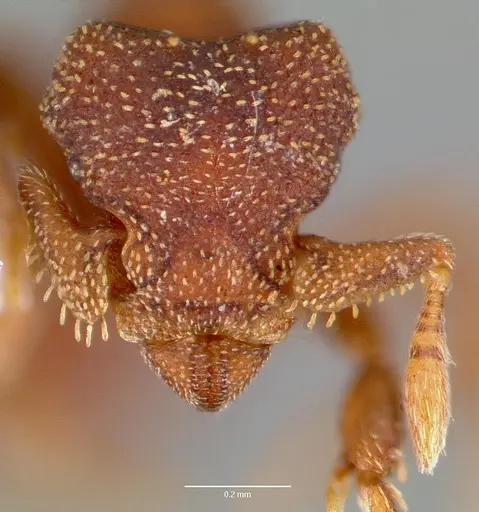
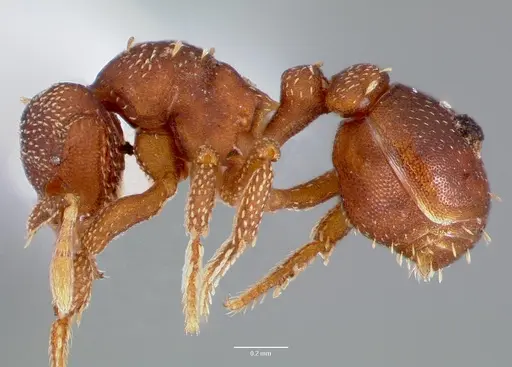
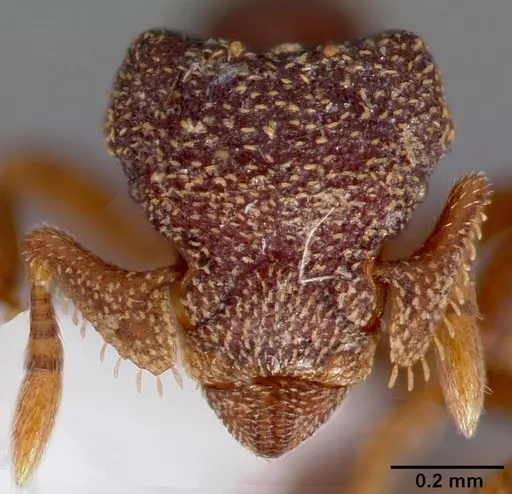
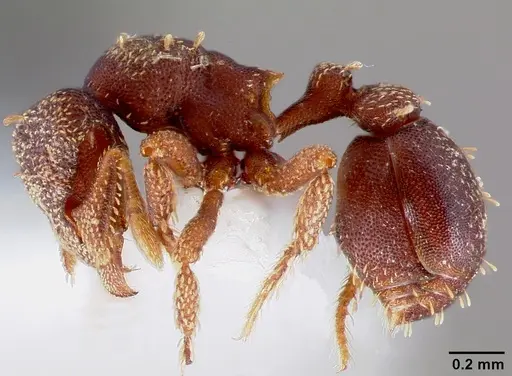
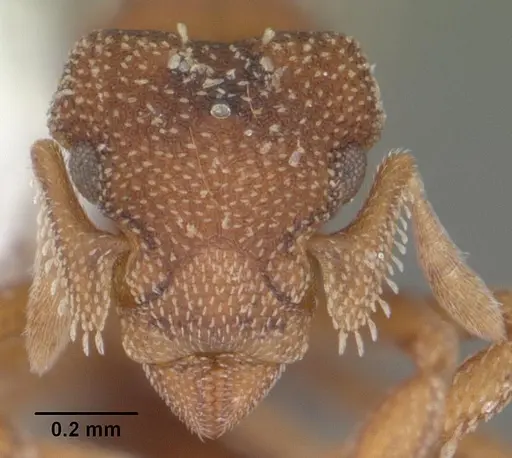
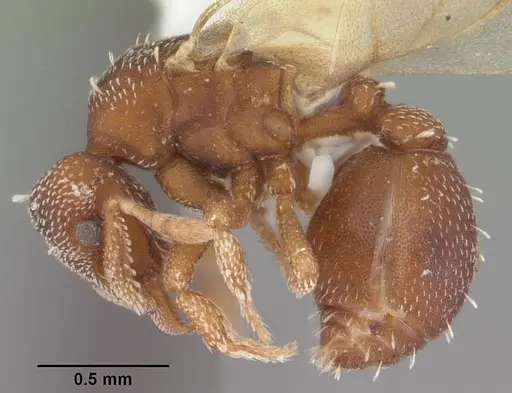
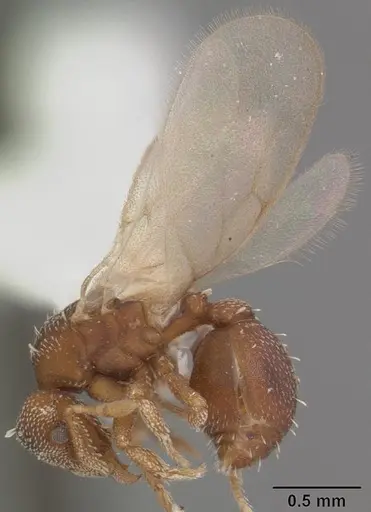
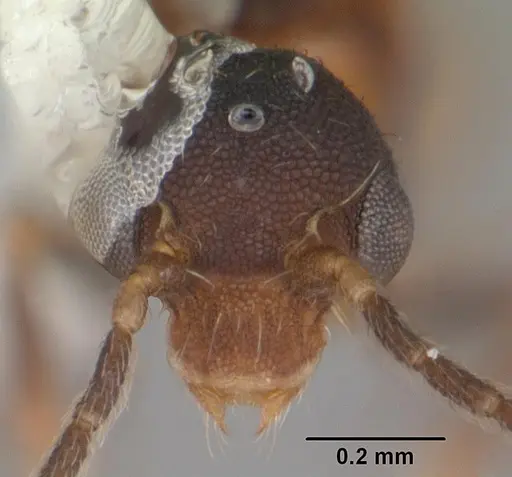
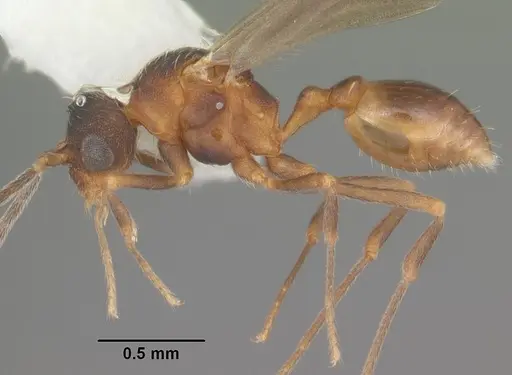
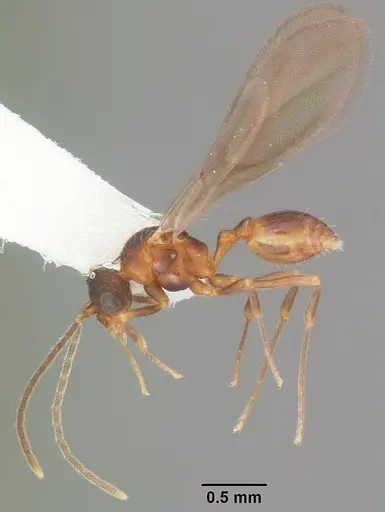
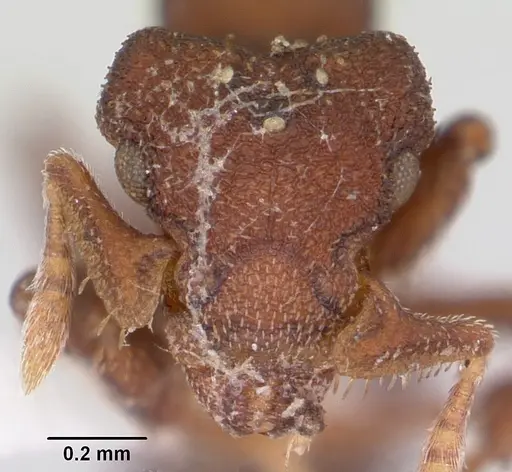
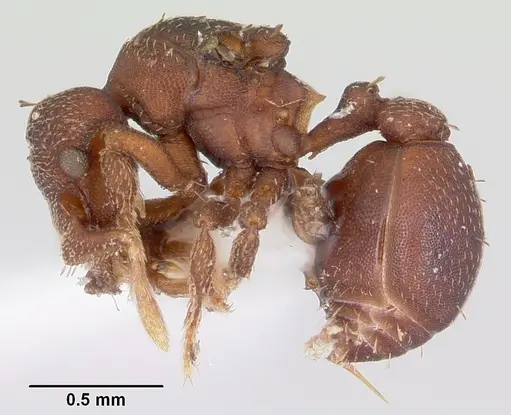
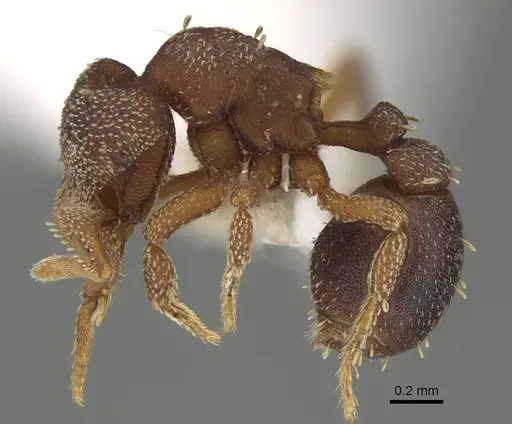
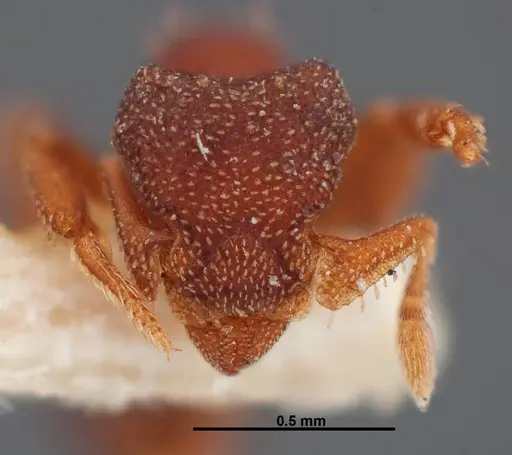
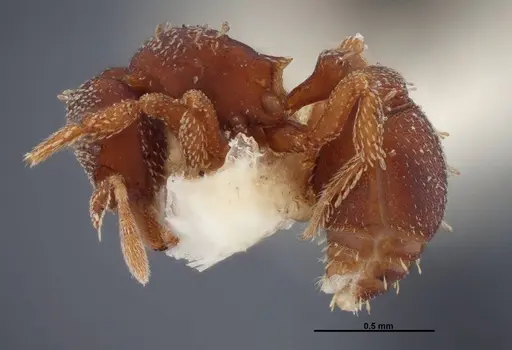
Eurhopalothrix floridana is a tiny, slow-moving leaf-litter ant and the only species in the Basiceros genus-group found in the continental United States. Workers are reddish-brown with distinctive club-shaped (clavate) hairs covering their body - the feature that gives the genus its name, from Greek for 'true club hair' . These ants live in hardwood hammocks throughout peninsular Florida, Georgia, Puerto Rico, the Dominican Republic, and Cuba, where they forage crypticly through leaf litter and rotting wood . This species has an enigmatic biogeographic history. Researchers debate whether it's native to Florida or was introduced from the Greater Antilles, possibly arriving with plant shipments in the 1800s. The oldest known specimen dates to 1887 from Key West, and recent evidence suggests it may be a West Indian species that arrived in Florida relatively recently . The co-occurrence data shows non-native ants may be excluding this species from disturbed areas in South Florida, making it a conservation concern in its range .
Quick Summary
- Difficulty: Expert
- Origin & Habitat: Hardwood hammocks and leaf litter in peninsular Florida, Georgia, Caribbean islands (Puerto Rico, Dominican Republic, Cuba). Found in xeric, mesic, and wet forest types, including coastal tropical hardwood forests [2][3][5].
- Colony Type: Colony structure has not been studied. Based on typical genus patterns, likely single-queen, but this is unconfirmed.
- Size & Growth:
- Queen: No formal description exists, images of a queen have been photographed but not formally described [1]
- Worker: Approximately 2-3mm total length, inferred from genus patterns [1]
- Colony: Unknown, no colony size data available
- Growth: Unknown, no development data exists for this species
- Development: Unconfirmed, no direct observations of founding or development exist. (Development timeline is entirely inferred from related species in the tribe Attini. No species-specific data available.)
- Antkeeping:
- Temperature: Keep at room temperature, roughly 20-26°C. As a Florida/Caribbean species, they likely tolerate warmer conditions but avoid extreme heat. A gentle gradient is ideal.
- Humidity: Keep substrate moderately moist but not waterlogged. These are leaf-litter ants from humid forest floors, the nest area should have damp substrate while allowing some drier areas for workers to self-regulate.
- Diapause: Unknown, no direct studies on overwintering behavior. Florida populations experience mild winters, but Georgia records (30.8°N) suggest some cold tolerance. Consider a cool period around 15-18°C in winter months.
- Nesting: In captivity, these tiny ants need small-scale setups. Test tubes with small chambers or Ytong nests with tight passages work well. Provide leaf litter or small pieces of rotting wood as enrichment. They are not aggressive escape artists but their minute size means standard barrier methods may fail, use fine mesh and tight-fitting lids.
- Behavior: Extremely slow-moving and cryptic. Workers forage individually through leaf litter, likely hunting tiny micro-arthropods. They are not aggressive and rarely sting, their small size makes stinging humans impractical. They do not remove seeds, confirming their predatory diet [5]. The genus is known for specialized club-shaped hairs used for sensing, and mandibles with unique tooth patterns for capturing small prey [1].
- Common Issues: escape prevention is critical, workers are tiny enough to squeeze through standard mesh barriers, no captive breeding data exists, establishing a colony from found queens may be extremely difficult, slow growth and cryptic behavior make it hard to monitor colony health, wild-caught colonies may have parasites that kill them in captivity, southern Florida populations are declining due to competition from invasive ants, source ethical specimens carefully
Nest Preferences and Housing
In the wild, Eurhopalothrix floridana lives in leaf litter and rotting wood on forest floors. They are cryptic foragers that move slowly through the substrate rather than maintaining obvious foraging trails. For captive housing, provide a small, humid nest chamber with tight passages scaled to their tiny size. Test tube setups with cotton-plugged water reservoirs work well, or small Ytong nests designed for tiny ants. Add leaf litter fragments or small pieces of rotting wood as enrichment, this mimics their natural environment and gives them structure to explore. Keep the nest humid but ensure ventilation prevents mold buildup. Because of their minute size, even standard test tube openings may allow escapes, consider using tubes with very small diameters or adding fluon barriers to all openings. [2][5]
Feeding and Diet
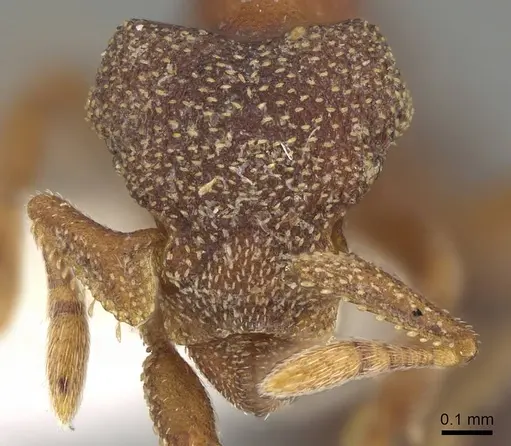
As a member of the tribe Attini (dacetine ants), Eurhopalothrix floridana is predatory on tiny invertebrates. Their distinctive mandibles, with an outer row of 10 teeth and an inner row of 3 long needle-shaped teeth, are specialized for capturing small soft-bodied prey [1]. In captivity, offer small live prey like springtails, fruit flies, and other micro-arthropods. They are too small to tackle larger insects. Unlike some related species, they do not remove seeds [5], confirming they are obligate predators. Sugar sources are unlikely to be accepted, these are not honeydew feeders. Feed small prey items every few days, removing uneaten items promptly to prevent mold. Their slow movement means they may take considerable time to capture prey.
Temperature and Seasonal Care
This species comes from Florida and the Caribbean, where temperatures are warm year-round. Keep them at room temperature (roughly 20-26°C) with a gentle thermal gradient so workers can choose their preferred zone. A heating cable on one side of the nest can create this gradient, but avoid direct heat that dries the substrate. Regarding overwintering, the data is unclear, Georgia populations at 30.8°N suggest some cold tolerance, but the species has not been studied in captivity. A safe approach is to provide a cool period (15-18°C) during winter months, reducing feeding frequency, rather than a true hibernation. Monitor colony activity, if workers remain active, maintain normal temperatures. The key is stability: avoid sudden temperature swings that stress these slow-moving ants. [2][4]
Behavior and Observation
Eurhopalothrix floridana is one of the slowest-moving ant species in North America. Workers forage individually through leaf litter, moving with a deliberate, cryptic pace that makes them easy to overlook in the wild. They are not aggressive and have no effective sting, their small size makes defense of humans impractical. The genus is named for its distinctive club-shaped (clavate) hairs, which cover the body and are used for sensory perception [2]. These ants are most active at night and during humid periods, matching their leaf-litter microhabitat. Observation requires patience, you may not see dramatic foraging runs or colony activity. This is a watch and appreciate species rather than an interactive one. Their unique appearance and slow, deliberate movements make them fascinating for patient observers.
Field Identification and Collection
Finding Eurhopalothrix floridana in the wild requires leaf-litter extraction. Researchers use Tulgren funnels to separate ants from litter samples, these tiny ants are easily missed in visual surveys [5]. They are most commonly found in hardwood hammocks, with records from xeric sand pine scrub, mesic oak-pine forests, wet pine-hardwood forests, and coastal tropical hardwood forests [5]. The species is widespread in northern and central Florida but absent from the southernmost regions, possibly outcompeted by invasive ants in disturbed areas [2]. If you find them, use ethical collection practices, take only small samples and leave the population intact. Note that in South Florida, this species may be declining due to non-native ant competition, making wild collection increasingly problematic [2].
Frequently Asked Questions
Can I keep Eurhopalothrix floridana in a test tube?
Yes, test tubes work well for this species. Use a small-diameter tube since workers are only about 2-3mm total length. Keep the substrate moderately moist and provide a small piece of leaf litter or rotting wood as enrichment. However, escape prevention is critical, their tiny size means they can squeeze through standard cotton plugs. Consider using tubes with very small diameters or adding fluon barriers.
How long does it take for Eurhopalothrix floridana to produce first workers?
This is unknown, no captive breeding data exists for this species. Development time has never been documented.
What do Eurhopalothrix floridana ants eat?
They are predatory on tiny invertebrates. Feed small live prey like springtails, fruit flies, and micro-arthropods. Their distinctive mandibles with double tooth rows are specialized for capturing soft-bodied prey [1]. They do not remove seeds [5] and are unlikely to accept sugar sources. Remove uneaten prey promptly to prevent mold.
Are Eurhopalothrix floridana good for beginners?
No, this is an expert-level species. There is no captive breeding data, and their tiny size makes housing and feeding challenging. They require micro-prey that most beginners cannot easily provide, and colony establishment from found queens may be extremely difficult. They are best suited for experienced antkeepers interested in unusual species.
Do Eurhopalothrix floridana need hibernation?
Unknown, no studies exist on their overwintering behavior. Florida populations experience mild winters, but Georgia records suggest some cold tolerance. A safe approach is a cool period (15-18°C) in winter, reducing feeding, rather than true hibernation. Monitor your colony's activity and adjust accordingly.
Why are my Eurhopalothrix floridana dying?
Without captive data, common issues likely include: escape through tiny gaps (use fine mesh), mold from overwet substrate, starvation if prey is too large, and stress from temperature extremes. Their slow metabolism means they may appear inactive when healthy. If workers are dying, check escape prevention first, their minute size allows escapes where other ants would be contained.
How big do Eurhopalothrix floridana colonies get?
Unknown, no colony size data exists in scientific literature. As a cryptic leaf-litter ant, colonies are likely small. Related dacetine species typically maintain small, dispersed colonies. Expect slow growth and a modest final colony size.
When should I move Eurhopalothrix floridana to a formicarium?
Keep them in test tubes or small setups as long as possible. Their tiny size and slow metabolism mean they do well in simple, humid containers. Only move to a larger formicarium if the colony outgrows a test tube, but given their small expected colony size, this may never be necessary.
Report an Issue
The current care sheet is based fully on literature. See inconsistencies, or something that's incorrect? Please , it will be resolved after review from an admin. Contributing to the blogs tab also helps providing information, to make us be able to further improve the caresheets. Thank you for your support!
References

This caresheet is licensed under CC BY-SA 4.0 .
Community Blogs
CASENT0003195
View on AntWeb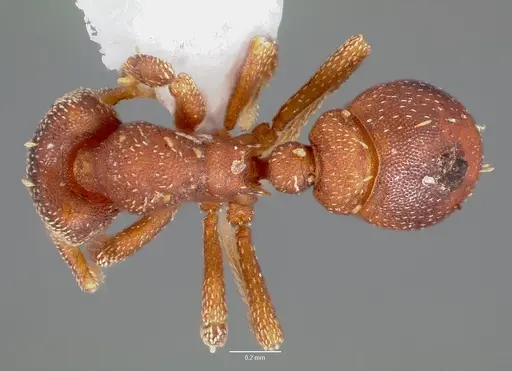
CASENT0006100
View on AntWeb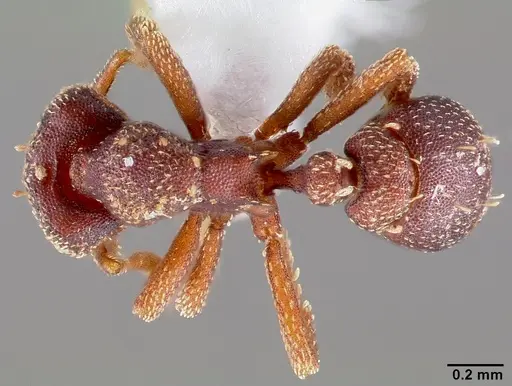
CASENT0103902
View on AntWeb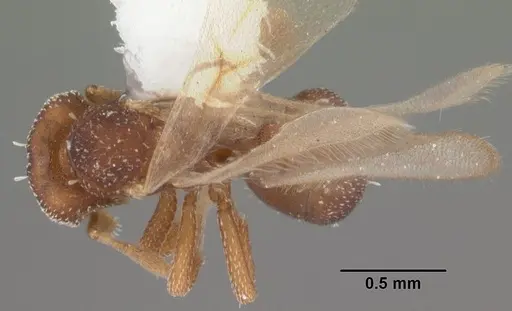
CASENT0103905
View on AntWeb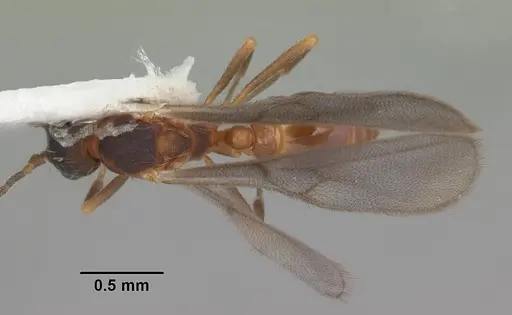
CASENT0104864
View on AntWeb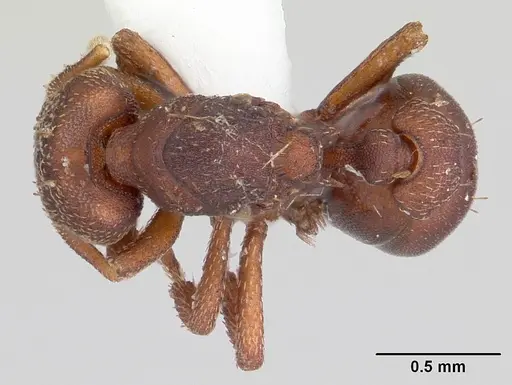
CASENT0914898
View on AntWeb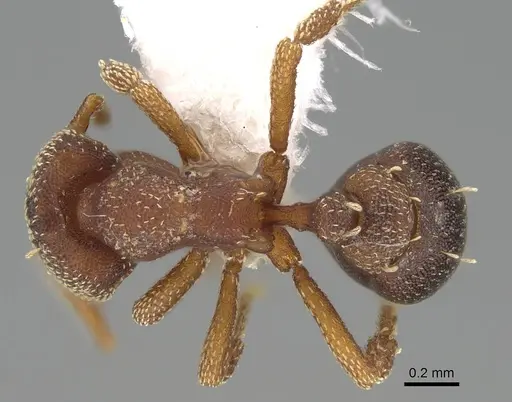
FMNHINS0000047628
View on AntWeb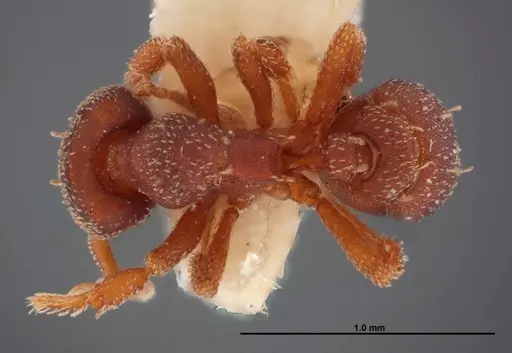
Literature
Loading distribution map...Loading products...