
Eurhopalothrix bruchi
- Sci. Name
- Eurhopalothrix bruchi
- Tribe
- Attini
- Subfamily
- Myrmicinae
- Author
- Santschi, 1922
- Distribution
- Found in 2 countries
Introduction
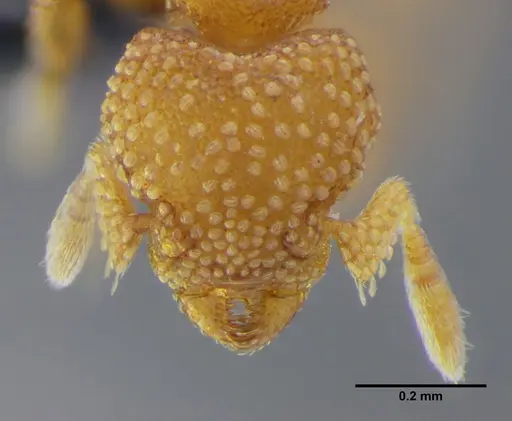
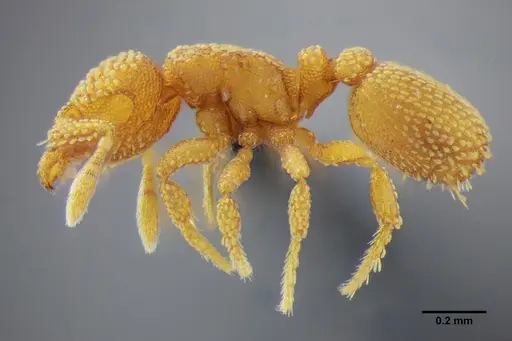
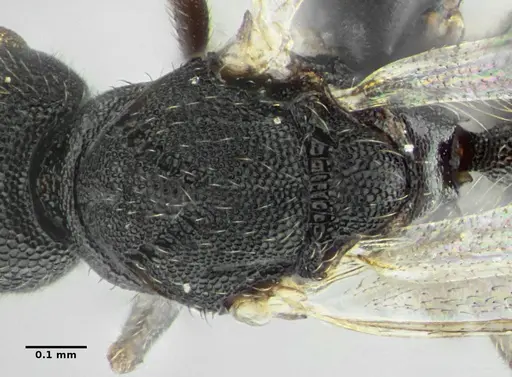
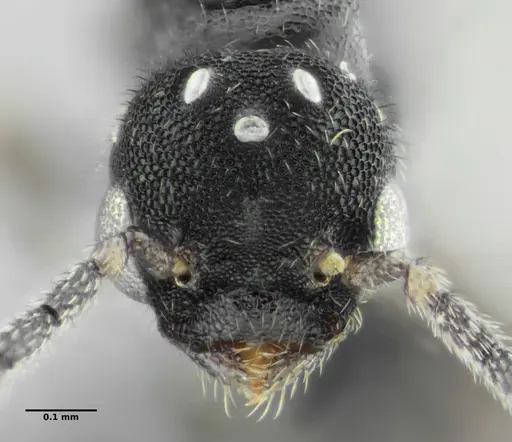
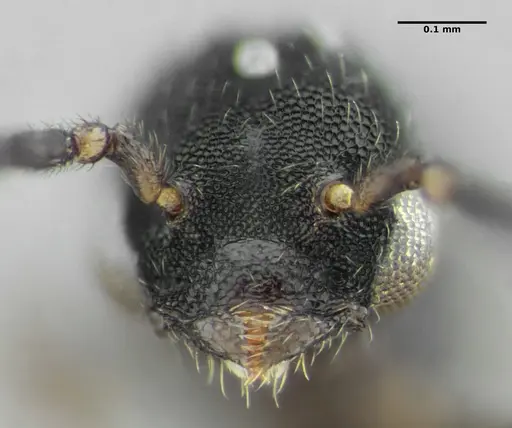
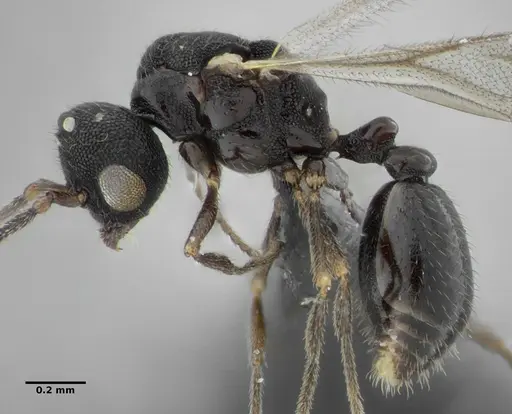
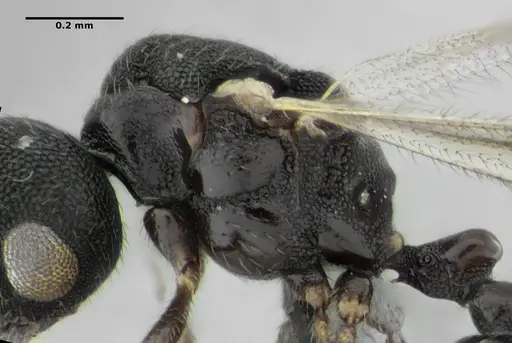
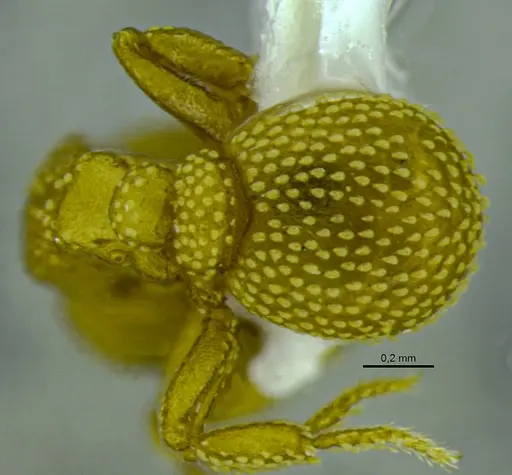
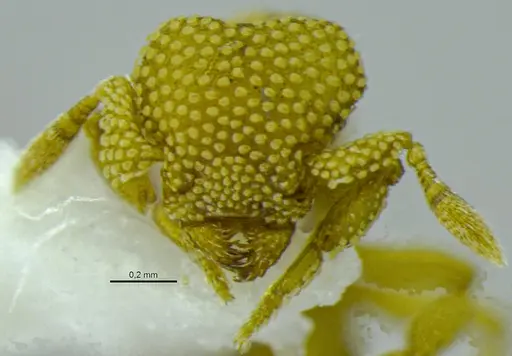
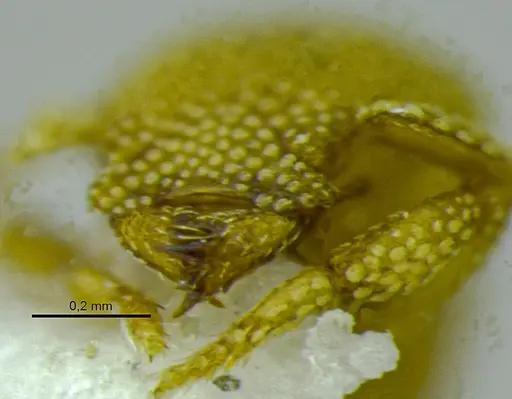
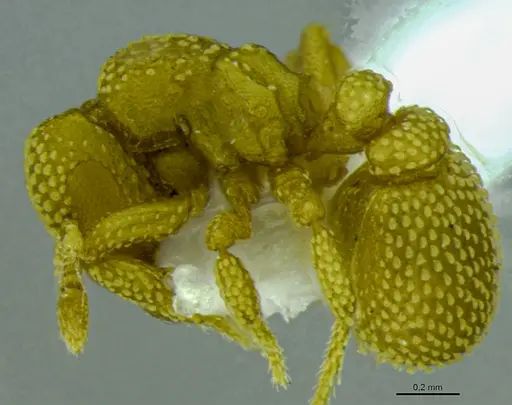
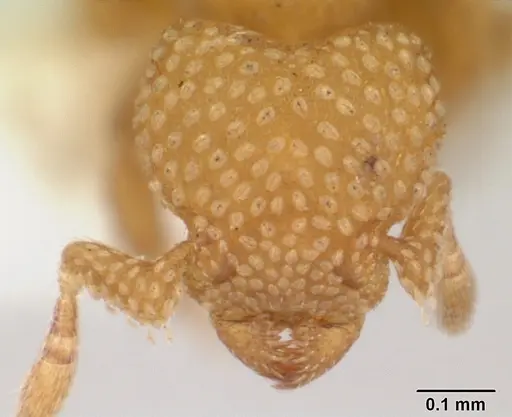
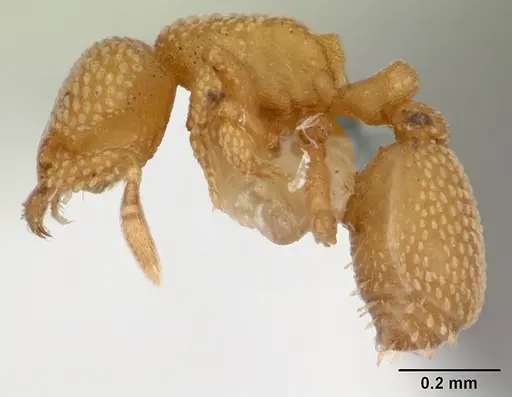
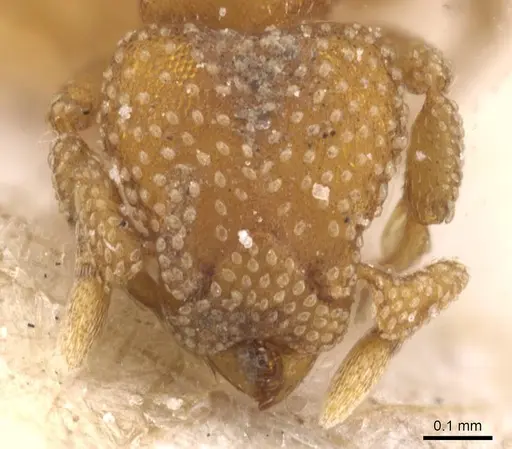
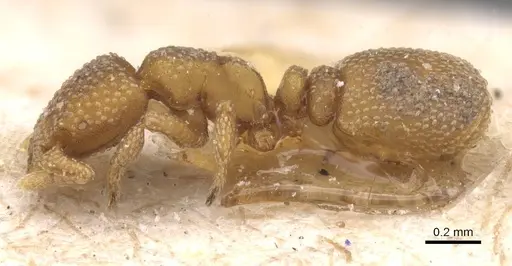
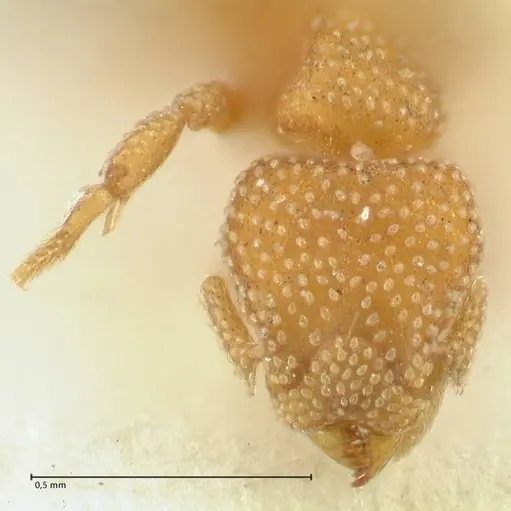
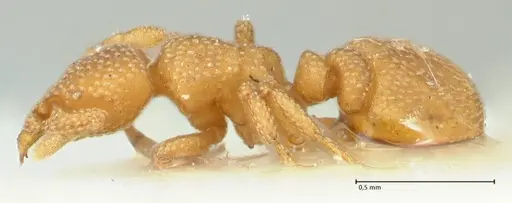
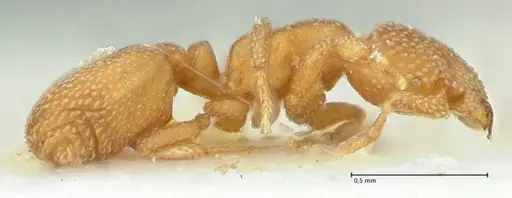
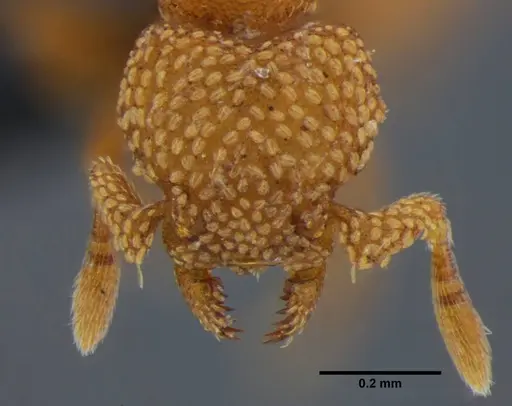
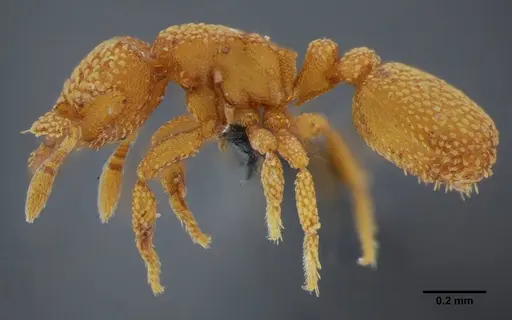
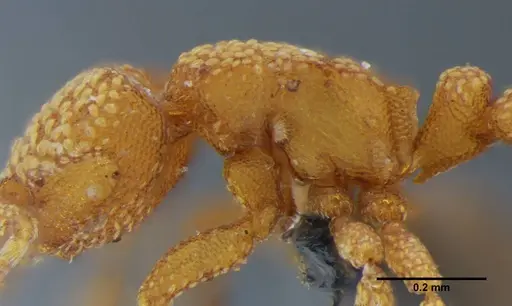
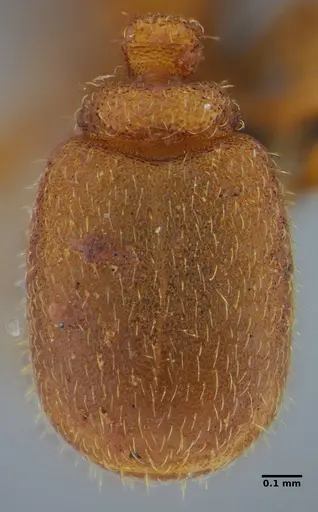
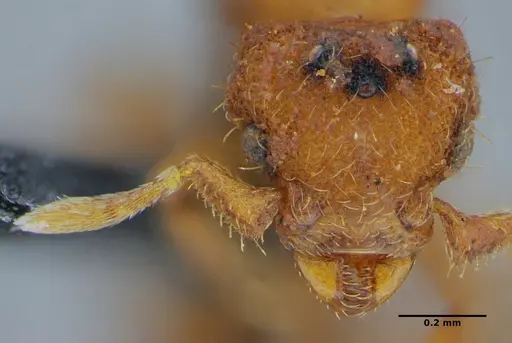
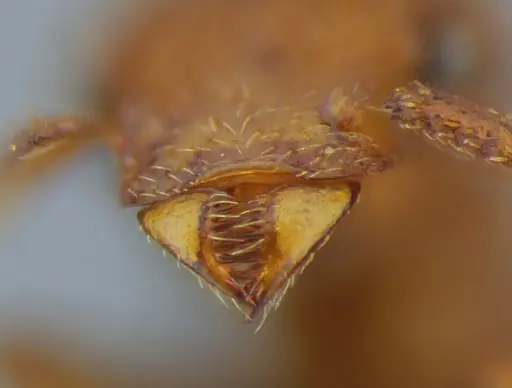
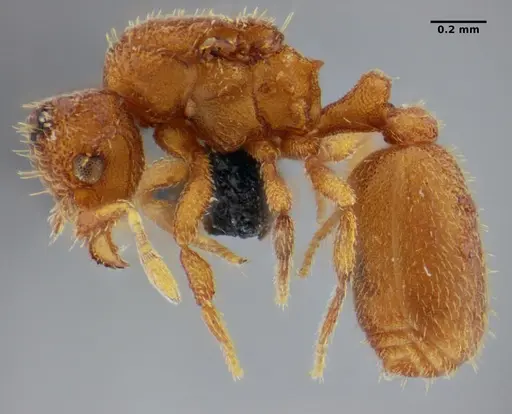
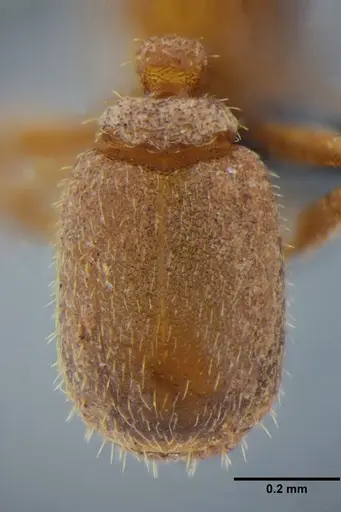
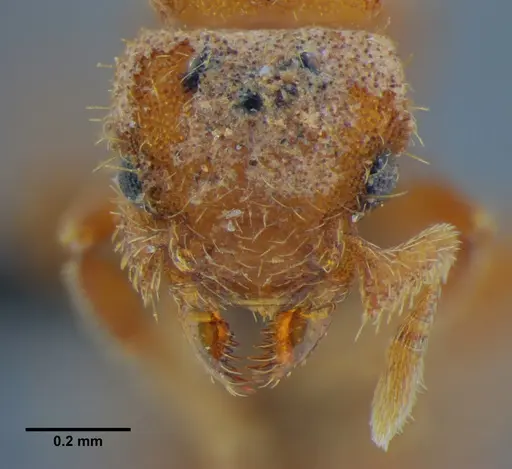
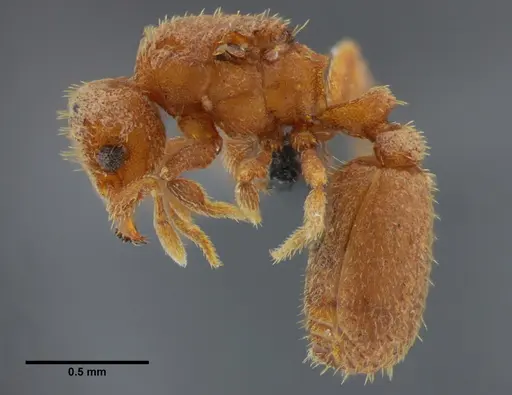
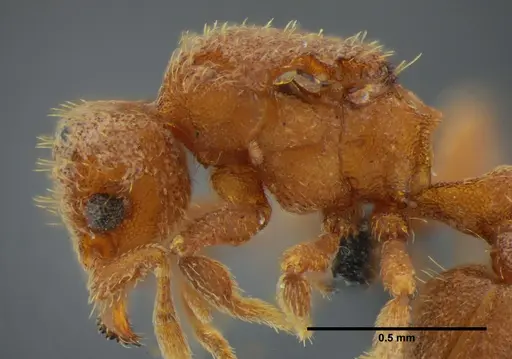
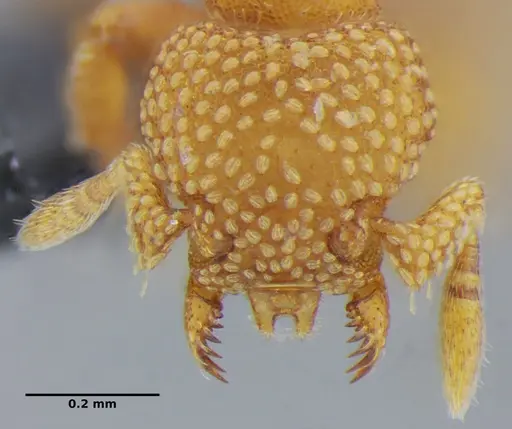
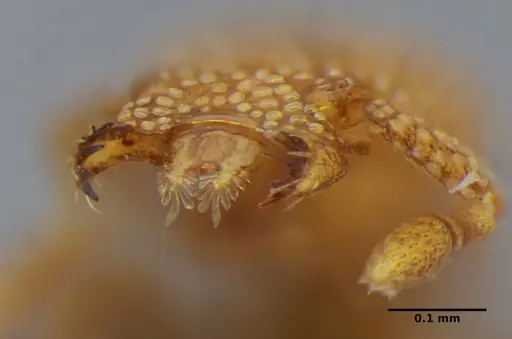
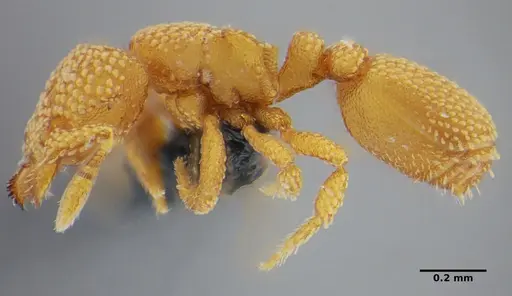
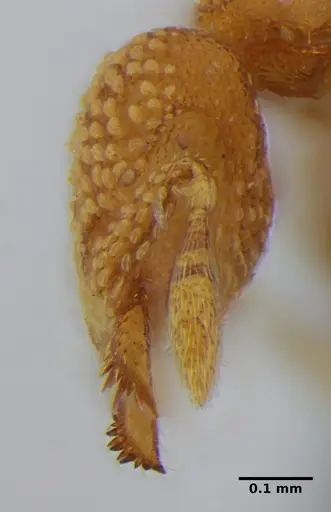
Eurhopalothrix bruchi is one of the smallest known ant species, measuring just 1.9mm in total length . These tiny ants are easily recognized by their distinctive appearance: a flattened body covered in abundant, uniform, spoon-shaped (squamiform) hairs that lie flat against their body, giving them a somewhat scaly look. They lack the propodeal spines typical of many ants, instead having a broad lamella on the rear face of the propodeum. Their color is a ferruginous yellow, and they have notably small eyes and short legs, all adaptations for their hidden, underground (hypogean) lifestyle . This species is the only member of the genus Eurhopalothrix found in Argentina, though it ranges across much of southern South America from northeastern Brazil to southeastern Argentina . What makes E. bruchi particularly unusual is its colony structure: colonies are polygynous (multiple queens) and remarkably small, with documented colonies containing only around 48 workers. Additionally, the queens are wingless and worker-like (interomorphic), meaning they never take nuptial flights - instead, new colonies form when the colony splits through a process called fission .
Quick Summary
- Difficulty: Hard
- Origin & Habitat: Found across the Neotropical region: Argentina, Brazil, Paraguay, and Uruguay. Inhabits tropical and subtropical forests and savannas, with Argentine records from Córdoba and Buenos Aires provinces, and Brazilian records from Bahia, Minas Gerais, and São Paulo states [2][1].
- Colony Type: Polygynous (multiple queens in a single colony). Queens are wingless and worker-like (interomorphic), suggesting colony foundation occurs through fission rather than nuptial flights. A documented colony contained 6 queens and 48 workers [2].
- Size & Growth:
- Queen: 1.9-2.7mm total length [2]
- Worker: 1.9mm total length [1]
- Colony: Up to 48 workers documented (larger wild colonies likely exist) [2]
- Growth: Slow, colonies remain very small even when established
- Development: Unknown, no direct development data exists for this species (Colony growth appears slow, documented colony had only 4 pupae, suggesting low reproductive output [2])
- Antkeeping:
- Temperature: Based on their presence in subtropical forests of Argentina and Brazil, aim for roughly 20-26°C with a gentle gradient. No specific thermal studies exist for this species.
- Humidity: Keep substrate moderately moist. In the wild, they nest under rocks in forest floor environments. Provide a damp nest substrate but avoid waterlogging.
- Diapause: Unknown, likely experiences reduced activity in cooler months given Argentine distribution, but specific diapause requirements unstudied
- Nesting: Natural nesting occurs under rocks on forest floors. In captivity, a naturalistic setup with moist substrate and small chambers works well. Their tiny size means they need tight-fitting enclosures. Y-tong nests or small test tube setups with very small chambers are suitable.
- Behavior: These ants are slow-moving and cryptic, spending much of their time hidden in the nest [2]. They are specialist predators, hunting small prey in the leaf litter layer. Their tiny size and slow movement make them vulnerable to larger predators. Escape prevention is critical, at only 1.9mm, they can squeeze through remarkably small gaps. They are not aggressive and their sting is not medically significant to humans.
- Common Issues: escape prevention is critical, their tiny size means they can slip through gaps invisible to the naked eye, slow growth and small colony sizes make them challenging to maintain and expand, specialized predator diet may be difficult to meet in captivity, they need very small live prey, limited information exists on captive care, making this an expert-only species, wingless queens mean colonies cannot be founded through traditional nuptial flight methods
Housing and Nest Setup
Housing Eurhopalothrix bruchi presents unique challenges due to their extremely small size. Workers measure just 1.9mm, making them among the smallest ants in the hobby. You must use excellent escape prevention, even standard test tube cotton barriers may not stop them. Fine mesh on all openings is essential, and you should consider using fluon on tube rims and nest edges.
For nesting, a naturalistic setup works well given their natural habitat under rocks. Keep the nest substrate consistently moist but not waterlogged. The chamber size should be very small, these ants are not suited to large, open formicarium spaces. Small test tube setups with appropriately sized chambers work better than spacious formicaria. The outworld should also be scaled appropriately, with short distances between feeding areas and the nest to accommodate their slow movement. [2]
Feeding and Diet
Eurhopalothrix bruchi is classified as a specialist predator in the leaf-litter ant community [3]. Their morphology, small size, hard integument, flattened head, and reduced mouthparts, indicates they are adapted for hunting small, soft-bodied prey in the soil and leaf litter [2].
In captivity, you should offer small live prey. Fruit flies (Drosophila), springtails, and other tiny arthropods are appropriate. They are unlikely to accept sugar water or honey given their predatory nature. Feed small prey items every few days, removing any uneaten prey after 24 hours. Do not offer prey larger than they can handle, their tiny size limits what they can subdue.
Temperature and Seasonal Care
This species ranges from tropical Brazil to temperate Argentina, suggesting they can tolerate a range of conditions. Based on their distribution, aim for temperatures in the low-to-mid 20s Celsius (roughly 20-26°C). A heating cable on one side of the nest can create a gradient, allowing the ants to choose their preferred temperature.
Specific diapause requirements are unknown. Given their presence in temperate Argentina, they likely experience cooler winter conditions and may benefit from a slight temperature reduction during winter months. However, avoid dramatic temperature swings. If your room temperature stays around 18-22°C year-round, that may be suitable without active heating or cooling. [2]
Colony Structure and Reproduction
The colony structure of E. bruchi is unusual and important to understand for keeping success. Colonies are polygynous, meaning multiple queens live together, a documented colony had 6 queens [2]. Even more remarkably, the queens are interomorphic: wingless, without wing sclerites, and worker-like in appearance [2].
Because queens cannot fly, colony foundation does not occur through nuptial flights. Instead, new colonies likely form through fission: when a colony reaches sufficient size, some queens leave with a group of workers to establish a new nest. This means you cannot collect flying queens, any colony you obtain must either be an established colony with multiple queens or a fragment from an existing colony.
Colony sizes remain small even when established. The largest documented wild colony had only 48 workers [2], so expect modest colony sizes in captivity as well.
Behavior and Handling
These ants are notably slow-moving, even when disturbed [2]. They are cryptic by nature, spending much time hidden in the nest rather than foraging openly. This makes them fascinating to observe but less dramatic than many common ant species.
They are not aggressive and their sting is not medically significant to humans. Their small size means their sting cannot effectively affect human skin. They are completely harmless to keepers.
Because they are so small and slow, they are vulnerable to larger ant species if housed in multi-species setups. Keep them isolated from other ants. Their cryptic lifestyle also means you may not see them frequently, this is normal behavior, not a sign of problems.
Frequently Asked Questions
How long does it take for Eurhopalothrix bruchi to produce first workers?
The egg-to-worker timeline is unconfirmed for this species. Based on their small size and the fact that colonies in the wild remain small (under 50 workers), growth is likely slow. Expect several months from founding to first workers if you can obtain a queen with brood.
Can I keep multiple queens together in one colony?
Yes, E. bruchi is naturally polygynous, with documented colonies containing multiple queens (6 queens in one study colony) [2]. Unlike many species where multiple queens fight, these queens coexist peacefully. Do not combine unrelated foundresses unless you have a polygynous colony fragment.
What do Eurhopalothrix bruchi ants eat?
They are specialist predators that hunt small prey in leaf litter. Feed them tiny live prey such as fruit flies, springtails, or other small arthropods. They are unlikely to accept sugar water or honey. Do not offer prey larger than they can handle.
Are Eurhopalothrix bruchi good for beginners?
No, this is an expert-only species. Their tiny size makes escape prevention difficult, they require specialized live prey food, growth is slow, and limited information exists on captive care. They are also very rarely available in the antkeeping hobby.
How big do Eurhopalothrix bruchi colonies get?
Colonies remain small. The largest documented wild colony had only 48 workers [2]. Expect colonies of under 100 workers even in ideal conditions.
What temperature do Eurhopalothrix bruchi need?
Keep them around 20-26°C based on their subtropical distribution. A gentle temperature gradient allows them to choose their preferred spot. Avoid temperatures below 15°C or above 30°C.
Why are the queens wingless?
Queens are interomorphic, wingless and worker-like in appearance. This means they cannot take nuptial flights. New colonies form through fission (the colony splits) rather than queens flying off to start new nests. This is an adaptation to their cryptic, hypogean lifestyle [2].
When should I move them to a formicarium?
Given their tiny size and preference for small spaces, keep them in a small test tube setup with appropriately sized chambers. Only move to a larger setup when the colony is well-established and the test tube setup becomes crowded.
Report an Issue
The current care sheet is based fully on literature. See inconsistencies, or something that's incorrect? Please , it will be resolved after review from an admin. Contributing to the blogs tab also helps providing information, to make us be able to further improve the caresheets. Thank you for your support!
References

This caresheet is licensed under CC BY-SA 4.0 .
Community Blogs
ANTWEB1032114
View on AntWeb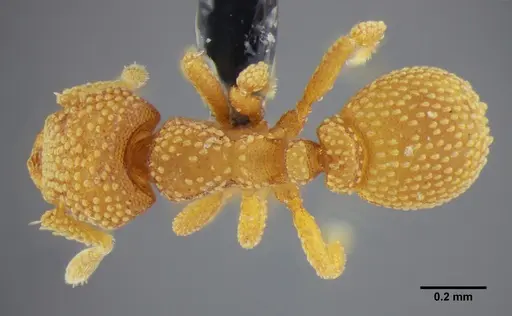
ANTWEB1032901
View on AntWeb
ANTWEB1048561
View on AntWeb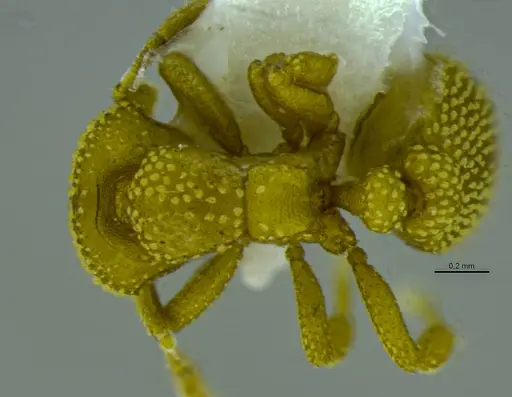
CASENT0173970
View on AntWeb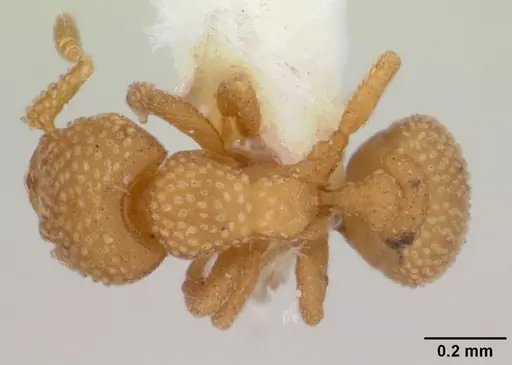
CASENT0912536
View on AntWeb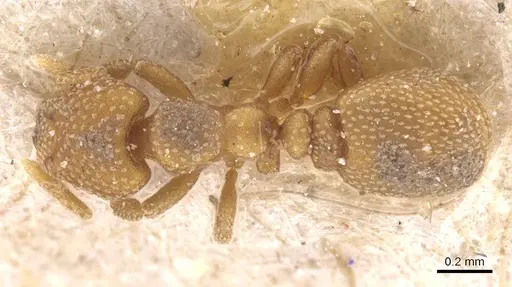
FOCOL2180
View on AntWeb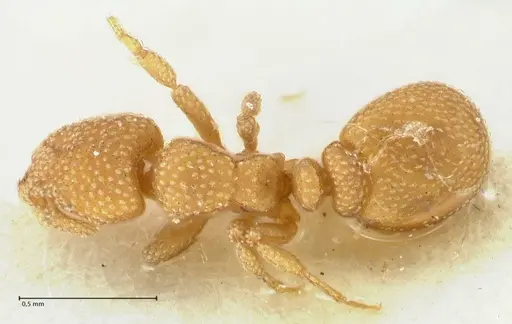
UFV-LABECOL-000690
View on AntWeb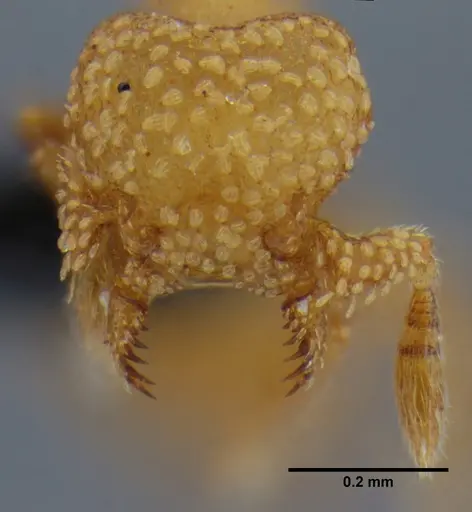
UFV-LABECOL-001527
View on AntWeb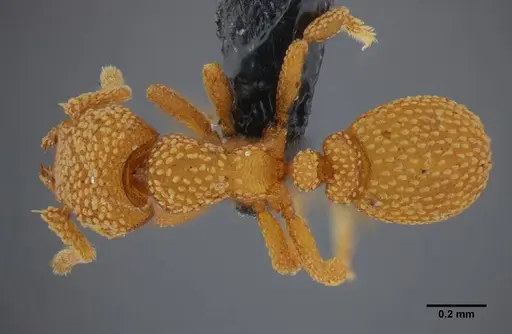
UFV-LABECOL-001528
View on AntWeb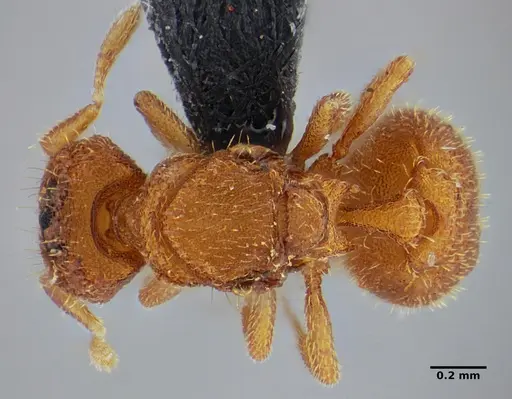
UFV-LABECOL-001529
View on AntWeb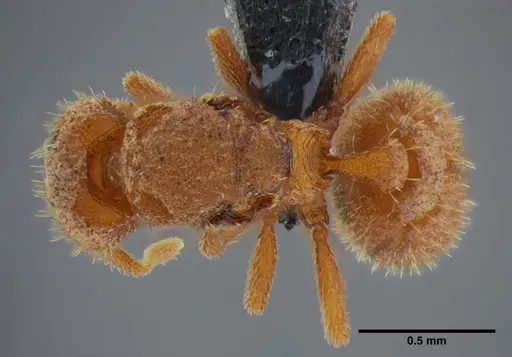
UFV-LABECOL-007244
View on AntWeb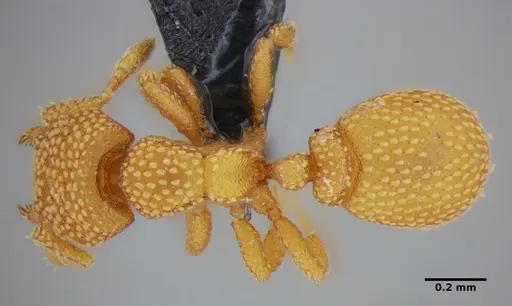
UFV-LABECOL-007246
View on AntWeb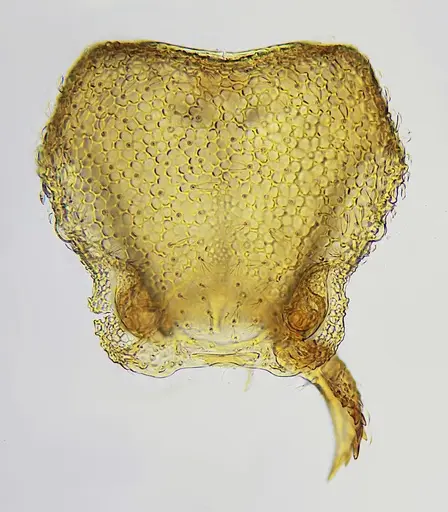
Literature
Loading distribution map...Loading products...