
Eurhopalothrix bolaui
- Sci. Name
- Eurhopalothrix bolaui
- Tribe
- Attini
- Subfamily
- Myrmicinae
- Author
- Mayr, 1870
- Distribution
- Found in 7 countries
Introduction
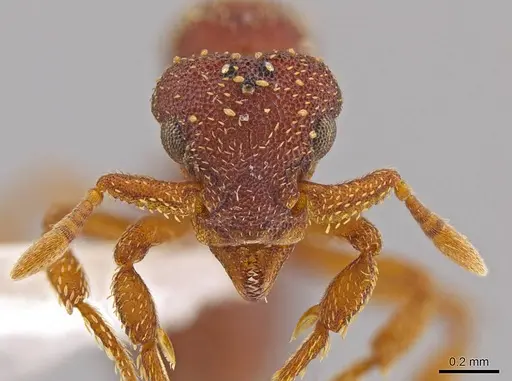
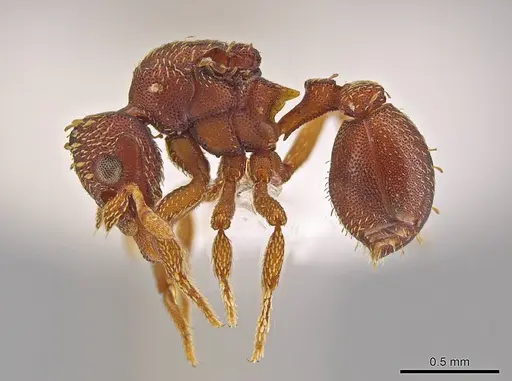
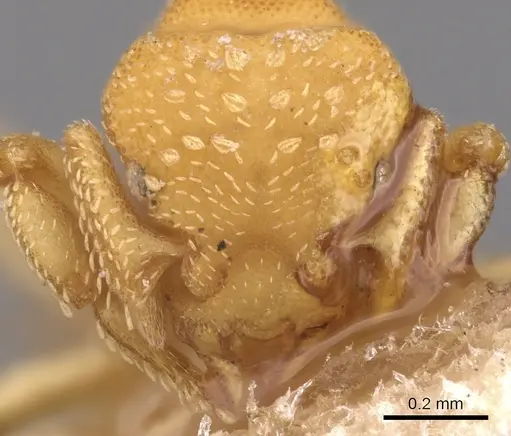
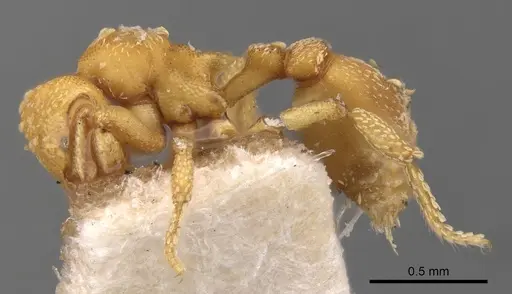
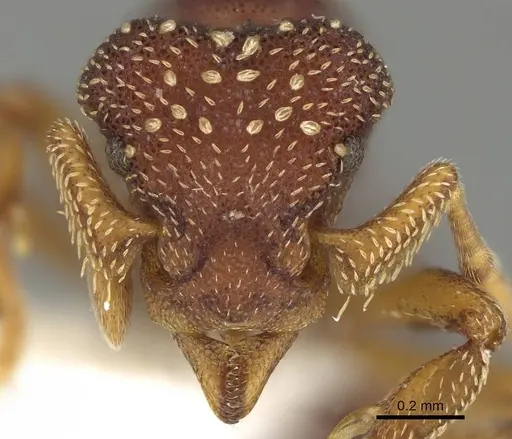
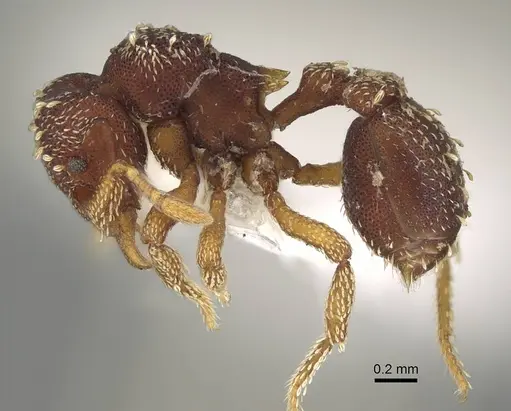
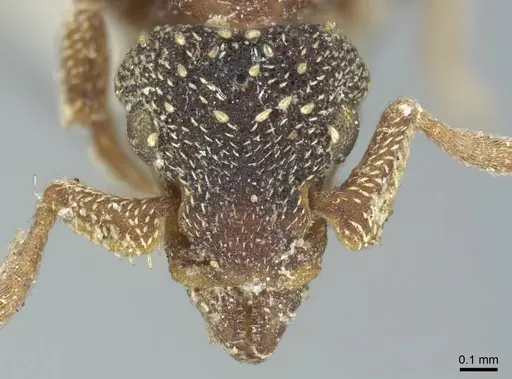
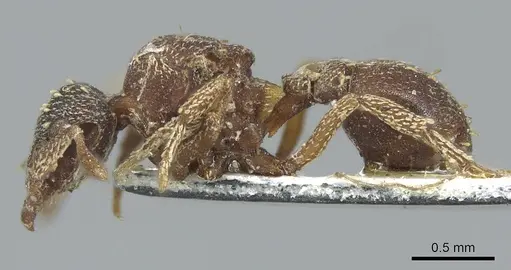
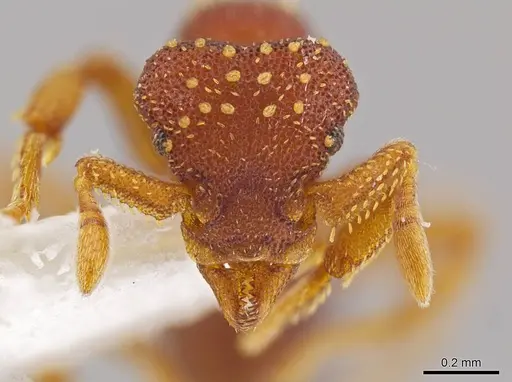
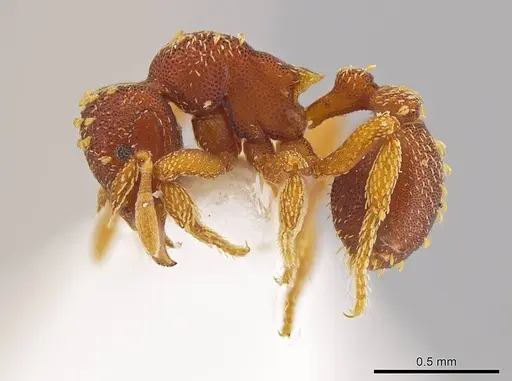
Eurhopalothrix bolaui is a tiny predatory ant belonging to the tribe Basicerotini. Workers are among the smaller ants you can keep, measuring approximately 2-3mm total length. They have an orange-brown coloration with distinctive pompon-like setae (specialized erect hairs) covering their body, which helps them blend into soil and leaf litter . This species ranges from Guatemala through Central America to Amazonian Brazil, living in wet forest habitats at low elevations up to 800m . These ants are cryptic predators that hunt small invertebrates in the leaf litter and rotting wood of forest floors. Their entire body is covered in specialized brush-like setae that help them bind soil particles for camouflage - a unique defensive adaptation where the ants essentially wear a coat of dirt . They nest in decaying wood and sifted leaf litter, making them a true micro-ant species suited for careful, specialized care.
Quick Summary
- Difficulty: Expert
- Origin & Habitat: Wet forests from Guatemala to Amazonian Brazil, sea level to 800m elevation. Found in second growth wet forest and occasionally montane forest up to 1350m in Venezuela. Nests in decaying wood and leaf litter on the forest floor [2][3].
- Colony Type: Colony structure is unconfirmed. Based on related Basicerotini species, likely single-queen colonies. No documented ergatoid (wingless replacement) queens found for this species.
- Size & Growth:
- Queen: ~2.8 mm total length [4]
- Worker: ~2-3 mm total length, inferred from genus
- Colony: Unknown, likely small colonies based on litter-dwelling habits and tiny size
- Growth: Unknown
- Development: Unconfirmed, no direct development data exists for this species. (No published development studies exist for this species.)
- Antkeeping:
- Temperature: Keep at 24-28°C. As a lowland tropical species, they need warm conditions [2].
- Humidity: High humidity required, keep substrate consistently moist but not waterlogged. Provide a humid outworld with moisture gradient.
- Diapause: Unknown, tropical species likely does not require hibernation, but seasonal slowdowns may occur in captivity.
- Nesting: Tiny chambers scaled to their minute size. A Y-tong (AAC) nest with very small chambers or a carefully set up naturalistic terrarium with sifted leaf litter and small rotting wood pieces works well. They naturally nest in decaying wood and litter.
- Behavior: Cryptic and secretive. Workers forage slowly through leaf litter and soil, hunting small prey. Not aggressive and rarely leave the nest area. Escape risk is extremely high due to their tiny size, they can squeeze through gaps invisible to the naked eye. Use fine mesh and excellent barrier methods.
- Common Issues: escape prevention is critical, they are minute and can squeeze through the tiniest gaps, predatory diet means they need constant live prey, they won't accept sugar or dead food, wild-caught colonies may have parasites that kill them in captivity, slow growth tests keeper patience, colonies may take months to show visible progress, overfeeding leads to mold in their small enclosed spaces
Housing and Nest Setup
Eurhopalothrix bolaui requires specialized housing due to its minute size. These ants naturally live in rotting wood and leaf litter on the forest floor, so replicate those conditions in captivity. A Y-tong (AAC) nest with the smallest available chamber sizes works better than traditional test tubes, as the chambers can be properly scaled to their tiny body size. Alternatively, a naturalistic terrarium setup with sifted leaf litter, small pieces of rotting wood, and a moisture-retaining substrate can mimic their natural environment [2][3].
The key is scale, these ants are tiny enough to be nearly invisible against a white background. Any gaps in your setup must be sealed with fine mesh. Standard ant keeping barriers often fail against these minute ants. Keep the nest area humid but provide a drier area in the outworld so they can regulate moisture themselves.
Feeding and Diet
As predatory ants in the tribe Basicerotini, Eurhopalothrix bolaui requires live prey. They are cryptic hunters that search through leaf litter for tiny invertebrates. In captivity, their primary food should be live micro-arthropods, springtails, tiny isopods, booklice (psocids), and other minute soil dwellers work well. They are too small to tackle larger prey items [3].
Do not expect them to accept sugar water, honey, or dead insects. Their hunting strategy relies on movement to trigger predatory responses. Offer small live prey items every few days, removing any uneaten prey before it dies and causes mold issues. The brush-like setae on their body may help them detect vibrations from struggling prey, keep feeding areas relatively undisturbed.
Temperature and Humidity
This is a lowland tropical species from wet forests in Central America. Keep temperatures in the warm range of 24-28°C. Room temperature (around 22-24°C) may be acceptable, but a slight heat gradient allows natural regulation [2].
Humidity is critical. These ants come from wet forest floors where humidity stays high. Keep the nest substrate consistently moist but never waterlogged. The substrate should feel damp to the touch with condensation visible on the sides of the nest. A dehydrated ant will die quickly, check water reservoirs frequently and rehydrate before the substrate dries completely.
Behavior and Temperament
Eurhopalothrix bolaui is secretive and not aggressive. Workers spend most of their time hidden within the nest or moving slowly through the leaf litter layer. They are not defensive and rarely venture into open spaces. This makes them fascinating to observe but less interactive than larger ant species.
Their most notable trait is the camouflage pilosity, specialized brush-like setae that collect soil particles, making the ants nearly invisible against the forest floor [1]. This isn't just for show, the ants actively maintain this soil coating. In captivity, you may notice debris sticking to their bodies, which is completely normal.
The biggest concern is escape prevention. At under 3mm in size, they can slip through gaps you can't even see. Inspect your setup under good lighting and assume any gap is a potential escape route. Use fine mesh on all ventilation holes and check barrier bands regularly.
Acquiring and Establishing Colonies
This species is rarely available in the antkeeping hobby due to its cryptic nature and tiny size. Wild colonies are found by sifting leaf litter and searching under loose bark of rotting wood [2]. If you obtain a colony from the wild, expect it to be small.
Quarantine and monitor wild-caught colonies carefully. Litter-dwelling ants often carry parasites (mites, nematodes) that can decimate colonies in captivity. Keep new colonies isolated and observe for several weeks before introducing them to your main setup [3].
Because they are so small and secretive, founding colonies may seem inactive. Resist the urge to dig them up or disturb the nest frequently. They need stable conditions and time to establish. A stressed colony may abandon the nest or simply die off.
Frequently Asked Questions
How long does it take for Eurhopalothrix bolaui to produce first workers?
The egg-to-worker timeline is unconfirmed for this species. No published development studies exist. Growth will likely be slow.
Can I keep Eurhopalothrix bolaui in a test tube?
Standard test tubes are too large for these minute ants. Use a Y-tong nest with the smallest available chambers, or create a naturalistic setup with small-scale containers.
What do Eurhopalothrix bolaui eat?
They are obligate predators that need live micro-prey. Feed springtails, tiny isopods, booklice, or other minute arthropods. They will not accept sugar water, honey, or dead insects. Movement triggers their hunting response.
Are Eurhopalothrix bolaui good for beginners?
No. This is an expert-level species due to their minute size (escape prevention is extremely difficult), predatory diet requiring live prey, and high humidity needs. They are best suited for experienced antkeepers who can provide specialized micro-housing.
Do Eurhopalothrix bolaui need hibernation?
As a tropical lowland species from Central America, they likely do not require hibernation. However, seasonal slowdowns may occur if temperatures drop in captivity. Keep them warm year-round (24-28°C) for optimal development.
Why are my Eurhopalothrix bolaui escaping?
Their tiny size means they can squeeze through gaps invisible to the naked eye. Use fine mesh on all openings. Check barrier bands regularly and ensure no gaps exist around lid edges. Even standard ant keeping barriers often fail against these minute ants.
How big do Eurhopalothrix bolaui colonies get?
Colony size is unconfirmed but likely remains small, probably under 100 workers. This is typical for litter-dwelling ants with cryptic habits. They are not a species that produces massive colonies.
Can I keep multiple queens together?
Combining unrelated queens of this species has not been documented. Based on typical Basicerotini patterns, they likely form single-queen colonies. Do not attempt to combine queens.
What makes Eurhopalothrix bolaui special?
Their unique brush-like setae that collect soil for camouflage is their most distinctive trait. They are essentially wearing a coat of dirt as living camouflage, a fascinating adaptation rarely seen in captive ant keeping.
Report an Issue
The current care sheet is based fully on literature. See inconsistencies, or something that's incorrect? Please , it will be resolved after review from an admin. Contributing to the blogs tab also helps providing information, to make us be able to further improve the caresheets. Thank you for your support!
References

This caresheet is licensed under CC BY-SA 4.0 .
Community Blogs
CASENT0619923
View on AntWeb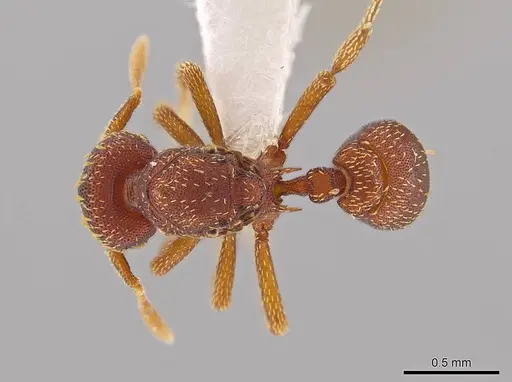
CASENT0900929
View on AntWeb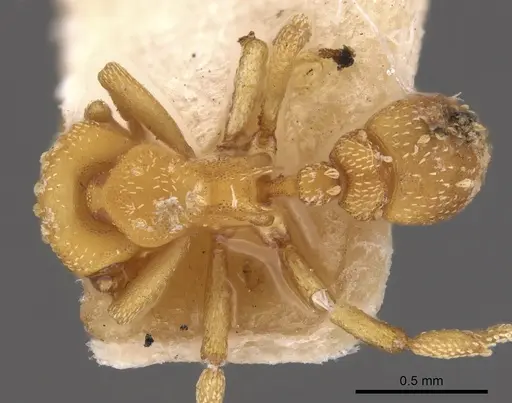
CASENT0914894
View on AntWeb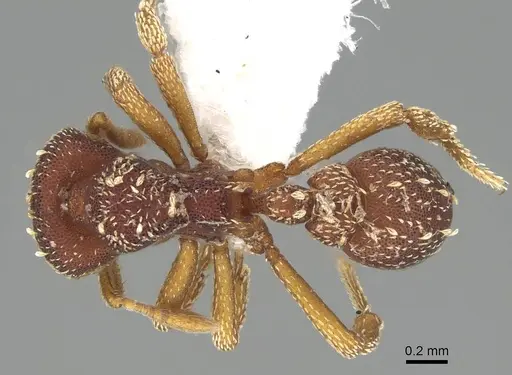
CASENT0915938
View on AntWeb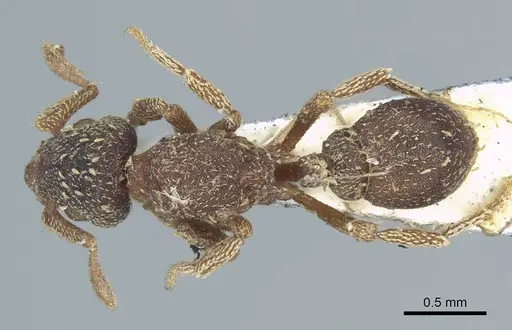
INBIOCRI001222540
View on AntWeb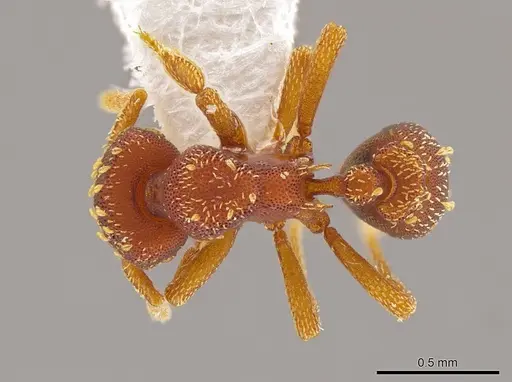
Literature
Loading distribution map...Loading products...