
Euponera tahary
- Sci. Name
- Euponera tahary
- Tribe
- Ponerini
- Subfamily
- Ponerinae
- Author
- Rakotonirina & Fisher, 2013
- Distribution
- Found in 1 countries
Introduction
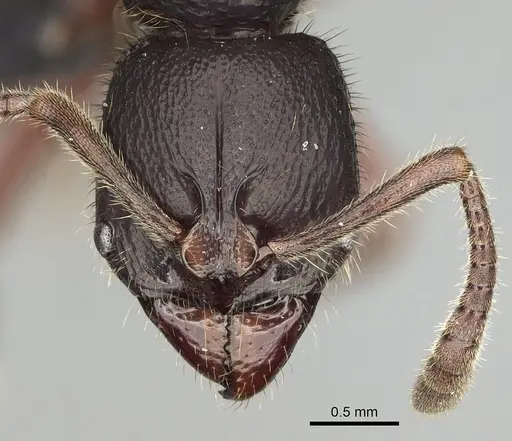
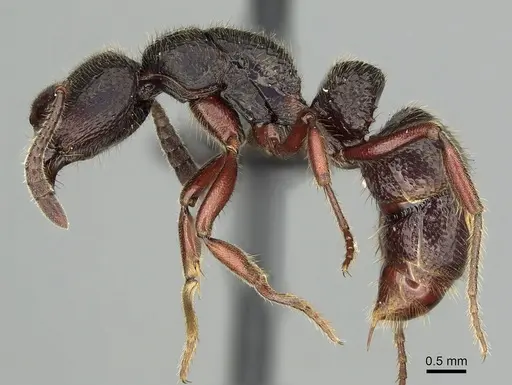
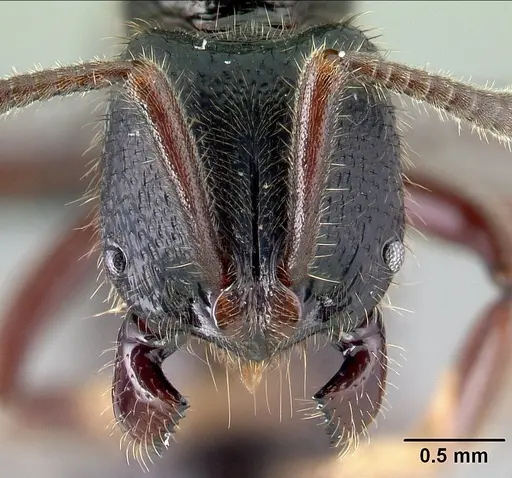
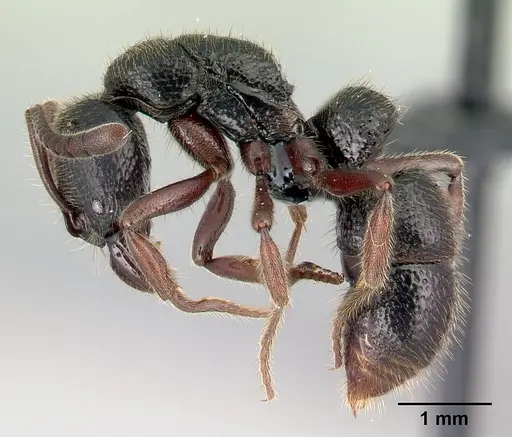
Euponera tahary is a small ant endemic to the rainforests of eastern Madagascar. Workers feature black coloration with bluish or opalescent reflections and possess distinctive teeth along the posterolateral margins of the propodeum and petiolar node . The anteromedial margin of the clypeus projects anteriorly as a blunt angle, and the lateral margins of the head curve strongly toward the base of the mandibles . This species is a specialized forest-floor inhabitant that forages through leaf litter and nests in rotten logs within the RS Ambatovaky protected area at elevations between 360-520 meters . As a Ponerinae ant, they possess a functional stinger. Their small size and cryptic habits make them a challenging species for experienced antkeepers.
Quick Summary
- Difficulty: Hard
- Origin & Habitat: Endemic to eastern Madagascar, specifically found in the RS Ambatovaky rainforest reserve at 360-520m elevation. They nest in rotten logs and forage through leaf litter on the forest floor [2][1].
- Colony Type: Colony structure is unconfirmed.
- Size & Growth:
- Queen: size data unavailable, queen has not been described in scientific literature
- Worker: approximately 4-6mm total length, inferred from Ponerinae genus patterns (no direct measurements available)
- Colony: Unknown, no colony size data available
- Growth: Unknown, no development data available
- Development: Unknown, development timeline has not been studied (Development data unavailable for this species.)
- Antkeeping:
- Temperature: Keep at 24-28°C. As a Madagascar rainforest species, they prefer warm, stable conditions.
- Humidity: High humidity is essential, aim for 70-85%. These forest-floor ants need consistently moist substrate.
- Diapause: Unknown for this species. Madagascar has mild seasons, so they may not require true hibernation.
- Nesting: Naturalistic setup works best, they naturally nest in rotten logs. Use damp soil with rotting wood pieces and leaf litter. Y-tong nests with narrow chambers can also work if kept well-humidified.
- Behavior: Euponera tahary is a cryptic, ground-dwelling species that forages through leaf litter. They are predatory like other Ponerinae, hunting small invertebrates in the forest floor substrate. Workers are small so escape prevention must be excellent, use fine mesh and tight-fitting barriers. Their defensive teeth on the propodeum and petiolar node may serve for defense or substrate manipulation. As Ponerinae, they possess a functional stinger. Temperament is shy and non-aggressive toward humans given their cryptic lifestyle.
- Common Issues: high humidity management is critical, too dry and colonies desiccate, too wet and mold becomes a problem, small size makes escape prevention challenging, they can squeeze through tiny gaps, no established husbandry guidelines means you will be pioneering care for this species, wild-caught colonies may have parasites or be stressed from collection, slow colony growth typical of Ponerinae requires patience
Natural History and Distribution
Euponera tahary is a rare endemic ant found only in the RS Ambatovaky protected area in eastern Madagascar. This rainforest region receives high annual rainfall and maintains warm temperatures year-round. The species has been collected at elevations between 360-520 meters, where it occupies the forest floor microhabitat. Workers forage primarily through the leaf litter layer, searching for small prey items and other organic matter. They nest in rotting wood, which provides the humid, stable conditions these ants require. The distinctive teeth along their propodeum and petiolar node are characteristic of the Euponera sikorae species-group and may serve defensive purposes or assist in substrate manipulation while foraging [1][2].
Housing and Nest Setup
A naturalistic setup closely mimicking their forest floor habitat works best for this species. Use a container filled with damp forest soil or a soil-sand mix, with pieces of rotting wood and leaf litter on the surface. The substrate should remain consistently moist but not waterlogged. A layer of leaf litter on top helps maintain humidity and provides foraging opportunities. Alternatively, a Y-tong nest with narrow chambers can work if you maintain high humidity through a water reservoir or regular misting. The key is providing a humid environment with some drier areas so ants can self-regulate. Because workers are small, escape prevention must be excellent, use containers with tight seals and consider fine mesh on any ventilation holes.
Feeding and Diet
As a Ponerinae ant, Euponera tahary is predatory, feeding on small invertebrates they encounter in the leaf litter. In captivity, offer small live prey such as fruit flies, pinhead crickets, small mealworms, and other appropriately-sized insects. You can also try small pieces of insects like bloodworms or cricket legs. They may occasionally accept honey water or sugar water but protein-rich prey should be their primary food source. Feed small amounts every few days and remove uneaten prey to prevent mold. The cryptic foraging behavior of this species means they may not readily take prey from open spaces, consider providing prey items buried slightly in the substrate or under leaf litter to encourage natural foraging behavior.
Temperature and Humidity Requirements
As a Madagascar rainforest species, Euponera tahary requires warm and humid conditions. Maintain temperatures between 24-28°C, with a slight gradient allowing the ants to choose their preferred zone. A heating cable placed on one side of the nest or housing container can create this gradient. For humidity, aim for 70-85% relative humidity within the nest area. The substrate should feel consistently damp to the touch. Using a water reservoir connected to the nest or regular misting helps maintain humidity. Avoid placing the setup near air conditioning or heating vents that could cause rapid temperature fluctuations.
Colony Establishment and Growth
Since Euponera tahary has not been commonly kept in captivity, establishing a colony may require patience and experimentation. If acquiring a queen (which has not been scientifically described), she would likely seal herself in a chamber during founding. The first workers, called nanitics, will be smaller than mature workers and may take several months to appear. Growth rates for Ponerinae are typically slower than more common ant genera. Do not disturb the founding chamber until several months have passed and you see workers moving about. Colonies likely remain small even when established, given the small worker size and what appears to be a cryptic, low-density lifestyle in the wild.
Frequently Asked Questions
How long does it take for Euponera tahary to produce first workers?
The egg-to-worker timeline is unconfirmed for this species. Development data is not available. Patience is essential as Ponerinae generally develop more slowly than common ant species.
What do Euponera tahary ants eat?
They are predatory like other Ponerinae, feeding on small invertebrates. Offer small live prey such as fruit flies, small crickets, bloodworms, and tiny insects. They may accept honey water occasionally but protein-rich prey should be their primary food source.
Can I keep Euponera tahary in a test tube setup?
A test tube setup can work temporarily but is not ideal long-term. This species prefers naturalistic conditions with damp substrate and rotting wood. If using test tubes, ensure high humidity and consider adding a small piece of damp cotton or soil chamber.
Are Euponera tahary ants aggressive?
They are shy and non-aggressive toward humans. Their small size and cryptic forest-floor lifestyle suggest they avoid confrontation. They probably defend their nest if threatened but pose no danger to keepers.
Do Euponera tahary ants sting?
Yes. As Ponerinae ants, they possess a functional stinger. However, given their small size (approximately 4-6mm), any sting would be mild and barely perceptible to humans.
What temperature do Euponera tahary ants need?
Keep them at 24-28°C. As a Madagascar rainforest species, they prefer warm, stable conditions.
How big do Euponera tahary colonies get?
Colony size is unknown, no wild colony size data exists. Based on their small worker size and cryptic lifestyle, colonies likely remain relatively small.
Do Euponera tahary ants need hibernation?
Diapause requirements are unconfirmed. Madagascar has mild seasons, so they may not need a true hibernation. If colony activity decreases in winter, a slight temperature reduction of 2-3°C may be appropriate.
Why are my Euponera tahary dying?
Common causes include: too low humidity (desiccation), temperature extremes, mold from excessive moisture, stress from disturbance during founding, or inadequate prey. Ensure stable humidity, appropriate temperature, and minimal disturbance. Wild-caught colonies may also carry parasites.
Is Euponera tahary suitable for beginners?
No, this is an expert-level species. They require high humidity, specific temperature conditions, and have no established husbandry guidelines. Their rarity and specialized habitat needs make them challenging even for experienced antkeepers.
Report an Issue
The current care sheet is based fully on literature. See inconsistencies, or something that's incorrect? Please , it will be resolved after review from an admin. Contributing to the blogs tab also helps providing information, to make us be able to further improve the caresheets. Thank you for your support!
References

This caresheet is licensed under CC BY-SA 4.0 .
Community Blogs
CASENT0162668
View on AntWeb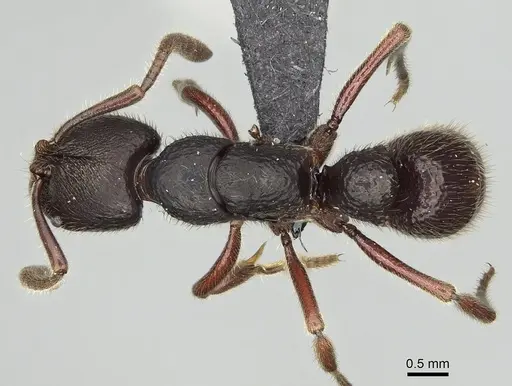
CASENT0164205
View on AntWeb
Literature
Loading distribution map...Loading products...