
Ectomomyrmex ruficornis
- Sci. Name
- Ectomomyrmex ruficornis
- Tribe
- Ponerini
- Subfamily
- Ponerinae
- Author
- Clark, 1934
- Distribution
- Found in 2 countries
Introduction
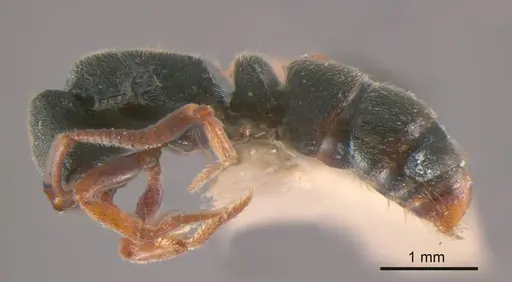
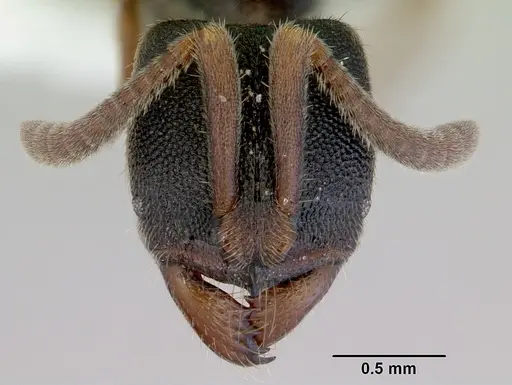
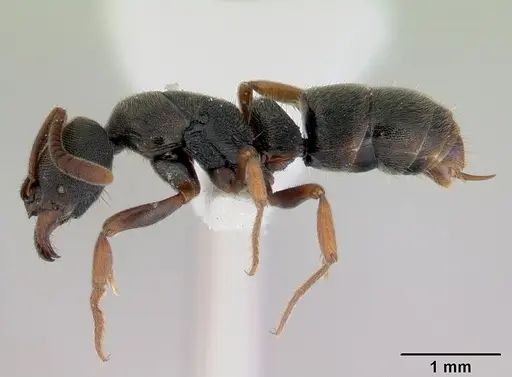
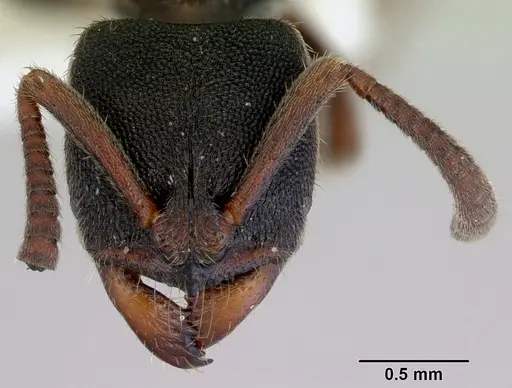
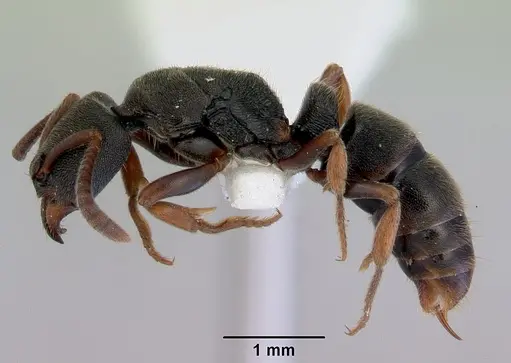
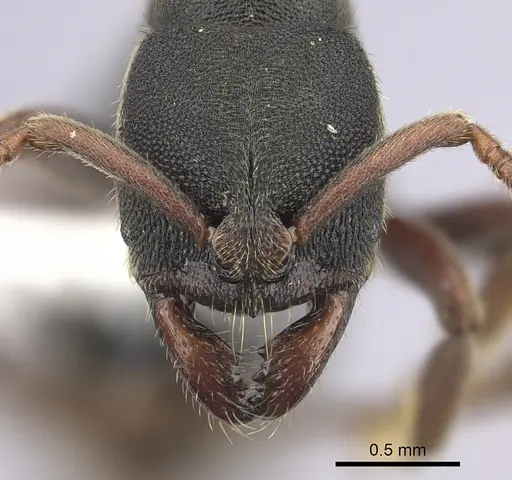
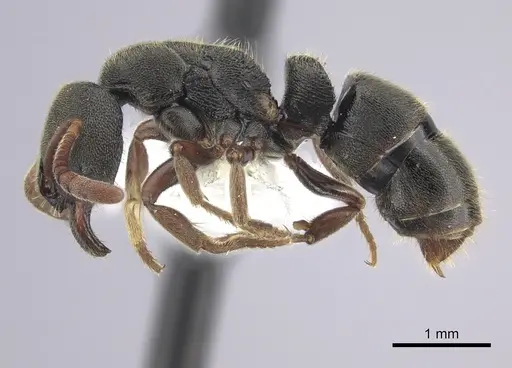
Ectomomyrmex ruficornis is a medium-sized predatory ant belonging to the subfamily Ponerinae. Workers measure approximately 7-9mm and feature a distinctive reddish-brown coloration on the antennae and legs, which gives the species its name ('ruficornis' means red-horned). The body is typically dark brown to black with a glossy appearance. This species is native to northern Australia, New Guinea, and Indonesia, where it inhabits tropical and subtropical rainforests [AntWiki]. This is a cryptobiotic species, meaning it prefers dark, hidden microhabitats. In the wild, Ectomomyrmex ruficornis nests in the soil-litter interface and has been found in subterranean traps, indicating it forages underground rather than openly on the surface. Like other Ponerinae ants, they are predatory and hunt small invertebrates in their natural habitat .
Quick Summary
- Difficulty: Medium
- Origin & Habitat: Northern Australia (Tiwi Islands, Darwin region), New Guinea, and Indonesia. Found in rainforests and tropical/subtropical environments, typically nesting in the soil-litter interface and subterranean zones [2][1].
- Colony Type: Colony structure is unconfirmed. Based on typical Ponerinae patterns, likely single-queen colonies.
- Size & Growth:
- Queen: size data unavailable, no specific measurements in literature
- Worker: 7-9mm [1]
- Colony: estimated up to 200 workers based on related Ponerinae species
- Growth: Moderate, Ponerine ants typically develop at moderate rates
- Development: estimated 8-12 weeks at optimal temperature based on typical Ponerinae development patterns (Ponerine brood development is generally slower than many common ant genera. Expect 2-3 months from egg to first worker.)
- Antkeeping:
- Temperature: Keep at 24-28°C. Northern Australia and New Guinea have warm, humid climates year-round. A heating cable on one side of the nest creates a suitable gradient.
- Humidity: High humidity required. Keep the nest substrate consistently moist but not waterlogged. Provide a water tube for drinking water.
- Diapause: Unlikely required given tropical origin. A slight cool period (around 20°C) during winter months may be beneficial but is not necessary.
- Nesting: Cryptobiotic species that prefers dark, hidden spaces. A naturalistic setup with soil or a Y-tong/plaster nest works well. They avoid light and will nest in covered areas. Keep the nest area darkened.
- Behavior: This is a predatory ant with moderate aggression. Workers are active foragers, primarily hunting small invertebrates. They have a potent sting, Ponerinae ants are known for their painful stings, so handle with caution. Escape risk is moderate. They are primarily nocturnal or crepuscular, reflecting their cryptobiotic nature. Workers hunt individually rather than in groups.
- Common Issues: predatory diet requirements mean they need constant access to live prey, failure to provide adequate protein leads to colony decline, cryptobiotic nature means they stress easily in bright light, keep nest area darkened, high humidity needs can lead to mold if ventilation is poor, balance humidity with airflow, slow colony growth can frustrate beginners, do not overfeed or disturb the colony, sting is painful, use caution when servicing the colony
Housing and Nest Setup
Ectomomyrmex ruficornis is a cryptobiotic species that thrives in dark, humid environments. In captivity, a naturalistic setup with a soil substrate works well, this mimics their natural soil-litter interface habitat. You can use a formicarium with built-in water reservoir or a Y-tong nest with moist plaster. Keep the nest area away from direct light, these ants avoid brightness and will nest in the darkest available chambers. A shallow water tube should be provided for drinking water. Escape prevention is important, while not tiny, they are agile and can squeeze through small gaps. Use fluon on test tube rims or formicarium edges. [2]
Feeding and Diet
As a Ponerine ant, Ectomomyrmex ruficornis is primarily predatory. In the wild, they hunt small invertebrates like springtails, mites, and tiny insects. In captivity, offer live prey such as fruit flies, small crickets, mealworms, and other appropriately-sized insects. Pre-kill larger prey if the colony is small, some ants are hesitant to attack larger insects. Feed protein-rich prey 2-3 times per week, adjusting based on colony size. A sugar source like honey or sugar water may be accepted, but protein is the primary dietary need for this predatory species. Remove uneaten prey after 24 hours to prevent mold.
Temperature and Heating
Given their origin in northern Australia and New Guinea (tropical regions), these ants need warm temperatures. Aim for 24-28°C in the nest area. A heating cable placed on one side of the nest creates a temperature gradient, allowing ants to self-regulate. Room temperature may be sufficient if your home is consistently warm (above 24°C), but most keepers use supplemental heating. Avoid temperatures above 32°C or below 20°C for extended periods. Maintain stable temperatures, Ponerinae are sensitive to fluctuations.
Behavior and Temperament
Ectomomyrmex workers are active hunters and will patrol their foraging area in search of prey. They are moderately aggressive and possess a functional sting, expect a painful sting if bitten or stung. This is not a species for handling. Colony activity is likely highest during evening and night hours, reflecting their cryptobiotic nature. Workers are somewhat shy and will retreat to the nest if disturbed. Unlike some ants, they do not form supercolonies and colony size remains moderate.
Colony Development
Colony growth is moderate rather than rapid. A newly mated queen will lay eggs after sealing herself in a chamber. The first workers (nanitics) will emerge after approximately 8-12 weeks at optimal temperature. These initial workers are smaller than mature workers and will begin foraging to support the colony. Growth rate depends heavily on feeding frequency and temperature, well-fed colonies at warm temperatures develop faster. Maximum colony size is estimated at up to 200 workers based on related Ponerinae species. Do not disturb the queen during founding, stress often causes queen abandonment or cannibalism of brood.
Frequently Asked Questions
How long does it take for Ectomomyrmex ruficornis to produce first workers?
Expect 8-12 weeks from egg to first worker at optimal temperature (24-28°C). This is typical for Ponerine ants, which develop more slowly than many common ant genera.
What do Ectomomyrmex ruficornis ants eat?
They are predatory ants that need live prey. Feed small insects like fruit flies, pinhead crickets, and mealworms. They may accept pre-killed prey if small enough. Protein-rich foods are essential, sugar water may be accepted as a supplement.
What temperature do Ectomomyrmex ruficornis need?
Keep them at 24-28°C. A heating cable on one side of the nest creates a gradient. They are from tropical regions and need consistent warmth.
Are Ectomomyrmex ruficornis good for beginners?
This is a medium-difficulty species. Their predatory diet and need for high humidity make them more challenging than sugar-feeding ants. They are best suited for keepers with some antkeeping experience who can provide live prey regularly.
How big do Ectomomyrmex ruficornis colonies get?
Estimated maximum of up to 200 workers based on related Ponerinae species. Colony growth is moderate, not rapid.
What type of nest should I use for Ectomomyrmex ruficornis?
A naturalistic setup with soil substrate or a Y-tong/plaster nest works well. They are cryptobiotic and prefer dark, humid conditions. Keep the nest area away from bright light.
Do Ectomomyrmex ruficornis need hibernation?
Probably not. Being from tropical northern Australia and New Guinea, they do not experience true winters. A slight temperature reduction (to around 20°C) during winter months may be beneficial but is not required.
Why is my Ectomomyrmex ruficornis colony declining?
Common causes include: insufficient live prey (they need protein), low humidity, temperatures outside their range (24-28°C), excessive light exposure, or stress from disturbance. Check all husbandry parameters and ensure you are providing adequate prey.
Can I keep multiple Ectomomyrmex ruficornis queens together?
Not recommended. There is no documented evidence of pleometrosis (multiple queen founding) for this species. Combining unrelated queens will likely result in fighting.
Report an Issue
The current care sheet is based fully on literature. See inconsistencies, or something that's incorrect? Please , it will be resolved after review from an admin. Contributing to the blogs tab also helps providing information, to make us be able to further improve the caresheets. Thank you for your support!
References

This caresheet is licensed under CC BY-SA 4.0 .
Community Blogs
ANTWEB1008176
View on AntWeb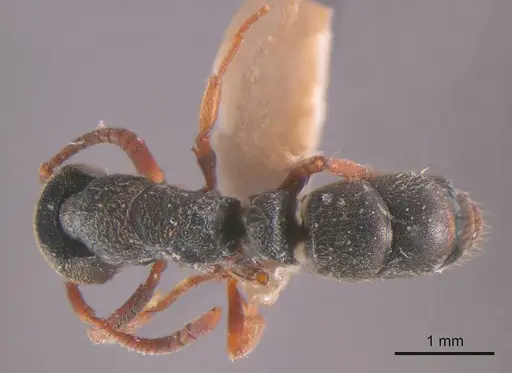
CASENT0172434
View on AntWeb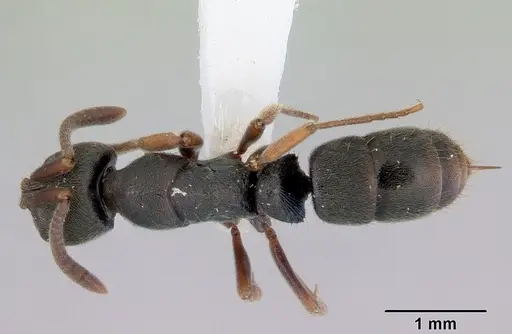
CASENT0172435
View on AntWeb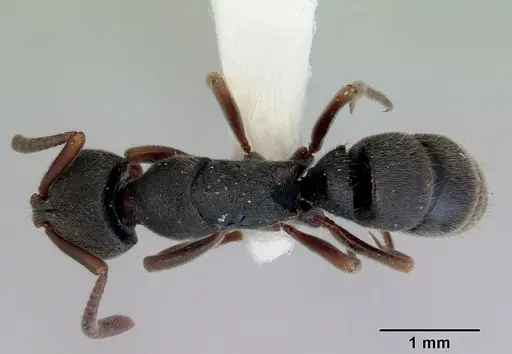
CASENT0249175
View on AntWeb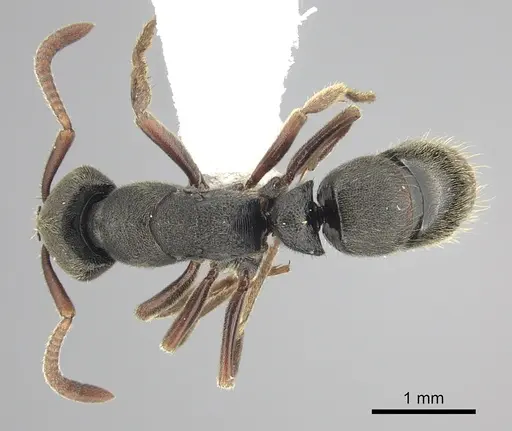
Literature
Loading distribution map...Loading products...