
Ectomomyrmex insulanus
- Sci. Name
- Ectomomyrmex insulanus
- Tribe
- Ponerini
- Subfamily
- Ponerinae
- Author
- Mayr, 1876
- Distribution
- Found in 1 countries
Introduction
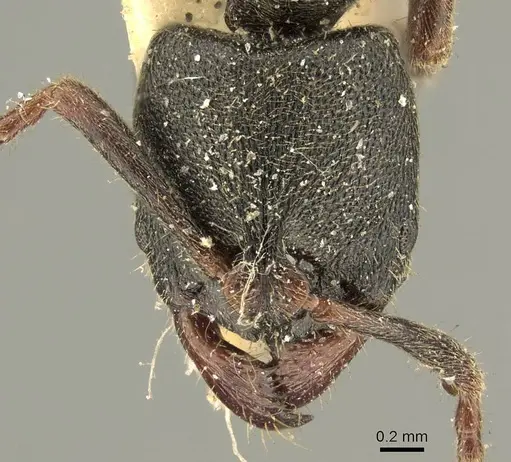
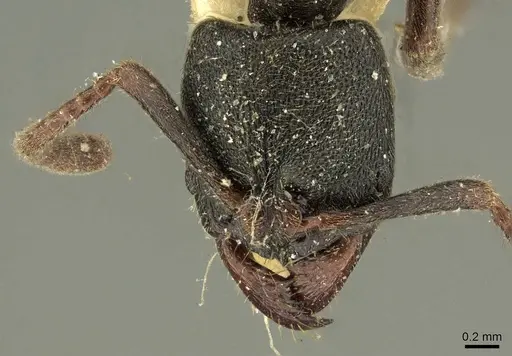
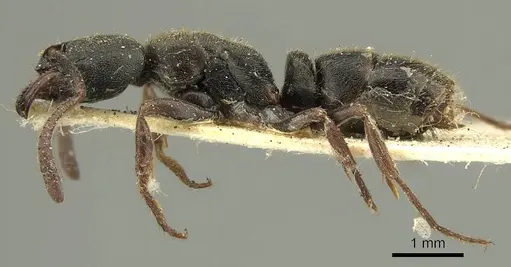
Ectomomyrmex insulanus is a medium-sized ponerine ant native to the Samoan islands in the South Pacific. Workers are robust with the characteristic Ponerine body shape - a distinct constriction between the mesosoma and gaster, and a functional sting. The genus Ectomomyrmex belongs to the tribe Ponerini, which contains many predatory ants that hunt active prey. This species is considered native to American Samoa, where it has been detected on Ta'ū island . Very little specific biological data exists for this species.
Quick Summary
- Difficulty: Expert
- Origin & Habitat: Samoan islands in the South Pacific, documented from American Samoa (Ta'ū) and historically from Samoa [1][2]. Lives in tropical island habitats.
- Colony Type: Unconfirmed. No specific studies document colony structure for this species.
- Size & Growth:
- Queen: Size data unavailable, inferred from Ectomomyrmex genus patterns to be approximately 10-14mm
- Worker: Size data unavailable, inferred from Ectomomyrmex genus patterns to be approximately 8-12mm
- Colony: Unknown, no specific data available
- Growth: Unknown
- Development: Unknown
- Antkeeping:
- Temperature: Keep at 24-28°C, this is a tropical species from Samoa where temperatures remain warm year-round.
- Humidity: Keep moderately humid, around 60-80%. Provide a moist nest substrate but avoid waterlogging.
- Diapause: No, being a tropical species from Samoa, they do not require hibernation. Keep temperatures stable year-round.
- Nesting: Use a naturalistic setup with moist substrate or a Y-tong/plaster nest that holds humidity well. Ponerines often nest in soil or rotting wood in the wild.
- Behavior: Ponerine ants are typically predatory and will hunt live prey. Workers have a functional sting that can penetrate human skin, expect a painful sting if handled roughly or if the colony feels threatened. They are active foragers that hunt individually. Escape prevention is important, use fluon on edges and ensure any gaps in the outworld are sealed.
- Common Issues: very limited biological data makes specific care recommendations uncertain, founding behavior is unconfirmed, may require hunting during founding, sting is painful, handle with care and minimize disturbance, predatory diet requires live prey, cannot survive on just sugar water, tropical species requires stable warm temperatures year-round
Nest Preferences and Housing
In the wild, Ectomomyrmex ants typically nest in soil or rotting wood, common for Ponerine species. For captivity, a naturalistic setup with a deep soil layer works well, use a mixture of soil and peat that holds moisture without becoming waterlogged. A Y-tong nest with moist plaster can also work, though you will need to monitor humidity carefully. The nest should have chambers large enough for the colony to move brood around. Provide an outworld connected to the nest where foragers can hunt and explore. Because they are tropical and need humidity, avoid setups that dry out quickly. [1]
Feeding and Diet
Ectomomyrmex insulanus is a predatory Ponerine ant, meaning they hunt and kill live prey. In captivity, offer small live insects like fruit flies, small crickets, mealworms, and other appropriately-sized arthropods. They will likely accept dead prey if moved, but live prey triggers their hunting instincts. Sugar sources like honey or sugar water may be accepted for energy, but protein from prey is essential for brood development. Feed prey 2-3 times per week, adjusting based on colony size and consumption. Remove uneaten prey after 24-48 hours to prevent mold.
Temperature and Seasonal Care
Being native to Samoa, a tropical Pacific island with year-round warm temperatures, this species does not tolerate cool conditions. Keep the nest and outworld at 24-28°C consistently. A small heating cable on one side of the nest can create a gradient, but ensure part of the nest remains unheated so ants can regulate their temperature. Do not allow temperatures to drop below 20°C for extended periods. No diapause or hibernation is needed, maintain stable tropical conditions year-round. [1]
Behavior and Temperament
Ponerine ants like Ectomomyrmex are known for their defensive behavior and functional stings. Workers will readily sting if they perceive a threat to the colony. The sting is painful, these are not ants you should handle roughly or allow to walk on your hand. Foragers are active hunters and will search the outworld for prey. They do not form large supercolonies but maintain organized colonies with clear division of labor. When keeping this species, minimize nest disturbances, especially during the founding stage. Use excellent escape prevention, while not tiny, they are agile and will explore any gaps in their enclosure.
Colony Founding
The founding behavior of Ectomomyrmex insulanus has not been directly documented in scientific literature. Without specific studies, the founding type remains unconfirmed. Some Ponerine species are semi-claustral and need to hunt during founding, while others may be fully claustral. You will need to observe your queen's behavior to determine her needs. Provide small live prey near the founding chamber and monitor whether she leaves the chamber to hunt. Founding failure is common with Ponerines, this can be a difficult species to establish.
Frequently Asked Questions
How long does it take for Ectomomyrmex insulanus to produce first workers?
The exact development time is unknown for this species. There are no direct studies on development timeline.
What do I feed Ectomomyrmex insulanus?
They are predatory ants that need live prey. Offer small insects like fruit flies, small crickets, mealworms, and similar arthropods. They may accept sugar water or honey for energy, but protein from prey is essential for the queen and brood. Feed prey 2-3 times per week.
Can I keep Ectomomyrmex insulanus in a test tube?
Test tubes can work for the founding stage, but this species needs humidity and will likely do better in a naturalistic setup with moist soil or a plaster nest. If using test tubes, ensure the water reservoir is adequate and monitor for mold. Be prepared to move them to a proper formicarium as the colony grows.
Do Ectomomyrmex insulanus need hibernation?
No. This is a tropical species from Samoa where temperatures remain warm year-round. They do not require diapause or hibernation. Keep them at stable tropical temperatures (24-28°C) throughout the year.
Are Ectomomyrmex insulanus good for beginners?
No. This species is not recommended for beginners. There is very limited specific care information available, they require live prey feeding, and they have a painful sting. Choose a better-documented species like Lasius niger, Camponotus species, or Messor species if you are new to antkeeping.
How big do Ectomomyrmex insulanus colonies get?
Colony size is not documented for this specific species. No data is available on maximum colony size.
Can I keep multiple queens together?
This has not been documented for Ectomomyrmex insulanus. No information is available on whether they are monogyne or polygyne. Combining unrelated queens is not recommended as it often leads to fighting. If you obtain a queen, house her alone for founding.
What temperature should I keep Ectomomyrmex insulanus at?
Keep them at 24-28°C. This is a tropical species from the warm Samoan islands. A slight temperature gradient is beneficial so ants can choose their preferred spot. Avoid temperatures below 20°C.
Why is my Ectomomyrmex insulanus queen dying during founding?
Founding behavior is unconfirmed for this species. If she is not accepting prey, she may starve. Offer small live prey like fruit flies near the founding chamber. Also check humidity, too dry and she will desiccate. Founding failure is common with Ponerines.
Report an Issue
The current care sheet is based fully on literature. See inconsistencies, or something that's incorrect? Please , it will be resolved after review from an admin. Contributing to the blogs tab also helps providing information, to make us be able to further improve the caresheets. Thank you for your support!
References

This caresheet is licensed under CC BY-SA 4.0 .
Community Blogs
CASENT0915665
View on AntWeb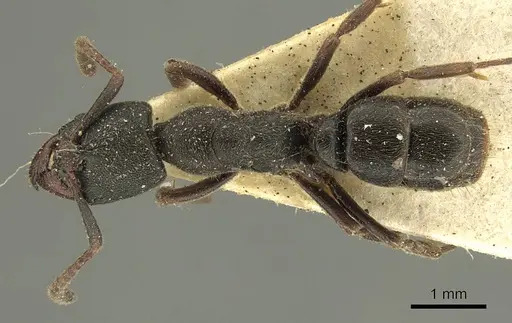
Literature
Loading distribution map...Loading products...