
Ectatomma opaciventre
- Sci. Name
- Ectatomma opaciventre
- Tribe
- Ectatommini
- Subfamily
- Ectatomminae
- Author
- Roger, 1861
- Distribution
- Found in 4 countries
Introduction
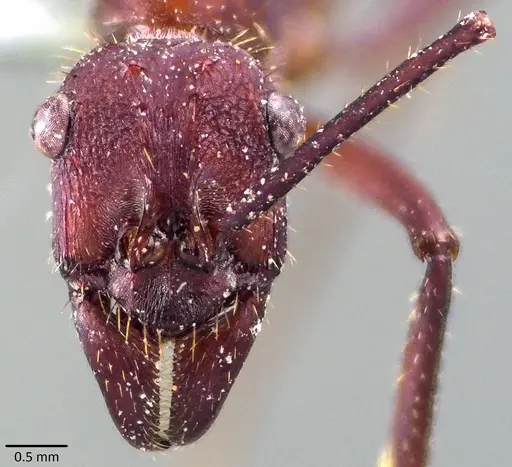
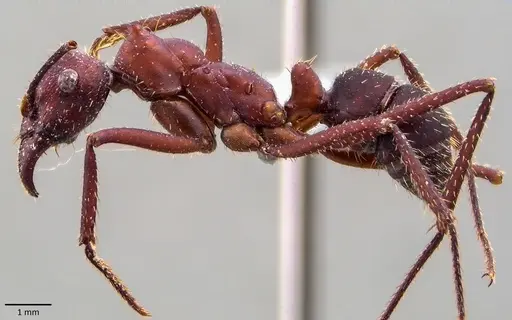
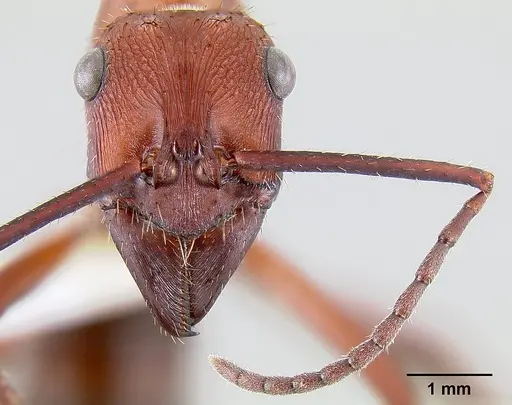
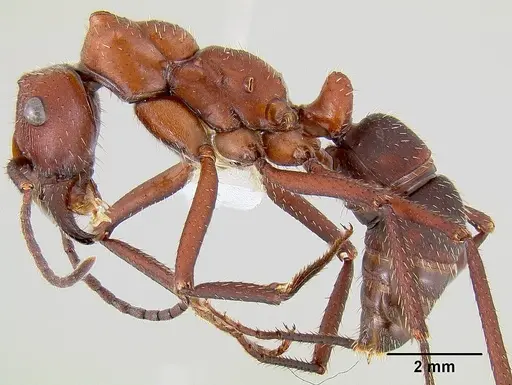
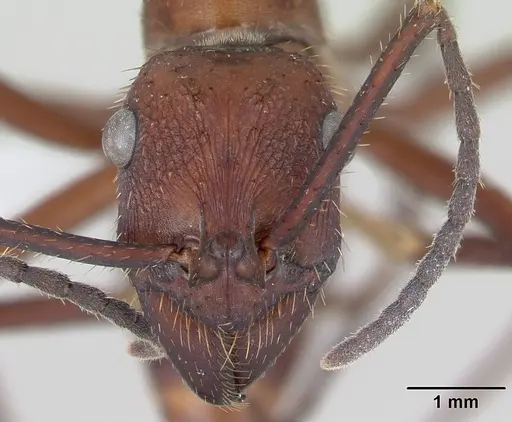
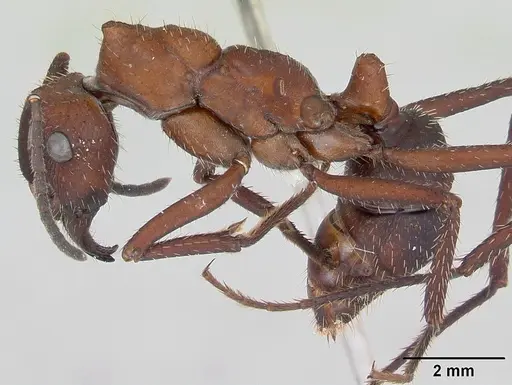
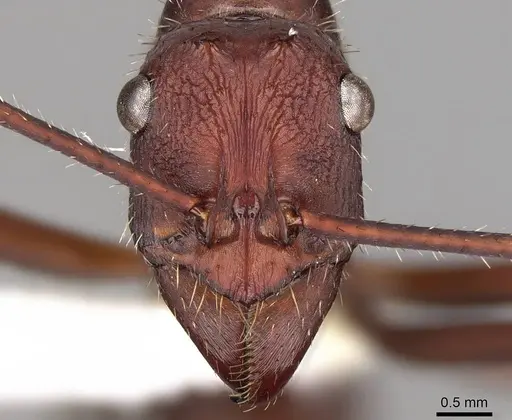
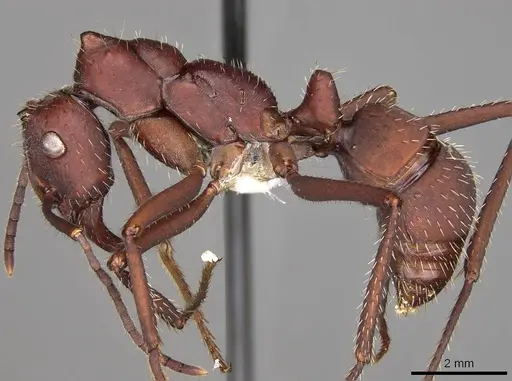
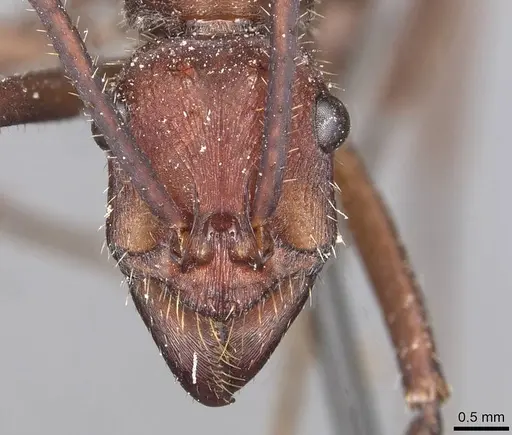
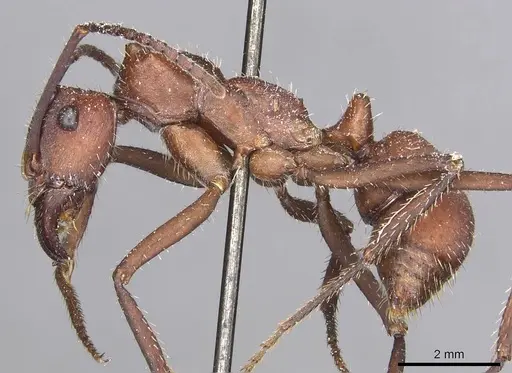
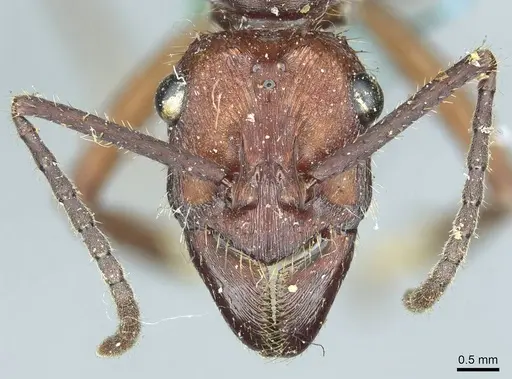
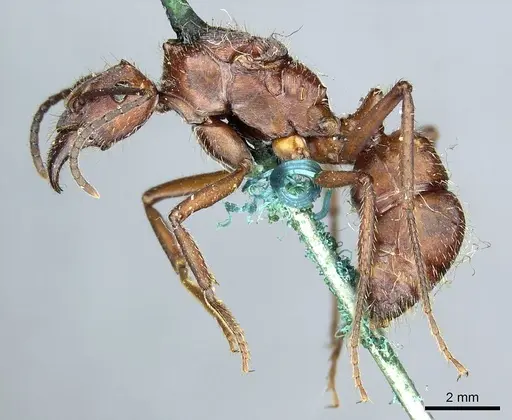
Ectatomma opaciventre is a predatory ant native to South America, found in Argentina, Paraguay, Brazil, and Colombia . Queens measure about 15 mm , and workers are robust with spines on the pronotum and teeth on the head. They nest in soil in dry savanna habitats. This species is unique in its subfamily for being xerophilic, adapted to dry open areas . They are solitary hunters with a functional stinger, preying on termites and other insects .
Quick Summary
- Difficulty: Medium
- Origin & Habitat: Native to the Neotropical region, found in northern Argentina, Paraguay, southeastern Venezuela, and central Brazil in cerrado and caatinga savanna ecosystems. Also recorded in Colombia's Meta department at 580-650m elevation [1][2][3].
- Colony Type: Colonies are likely monogyne or polygyne based on genus patterns, but unconfirmed for this species [7].
- Size & Growth:
- Antkeeping:
- Behavior: Solitary foragers, diurnal, with potent venom [1][6]. Escape risk moderate due to size.
- Common Issues: solitary foraging means slower food discovery [1], xerophilic nature means they can die from overly humid conditions [3][5], venom is potent, stings cause localized pain [6], colonies grow slowly and remain modest in size [8], wild-caught colonies may be stressed from collection
Housing and Nest Setup
Ectatomma opaciventre is a soil-nesting species that builds single vertical tunnel nests in the wild [1]. For captivity, use a naturalistic setup with compact soil chambers or a Y-tong nest with narrow passages. Because they are xerophilic, keep the nesting area relatively dry, avoid constantly damp conditions. Provide a small water tube for drinking access. Use escape prevention appropriate for their size.
Feeding and Diet
This is a predatory ant with a carnivorous diet. In the wild, they primarily hunt termites and leaf-cutter ants [1][10]. In captivity, offer live prey such as small crickets, mealworms, and fruit flies. They do not show interest in sugar water [1]. Feed every 2-3 days with prey items, adjusting based on colony consumption.
Temperature and Heating
Keep at warm temperatures, roughly 22-26°C, as they are heat-tolerant [9]. A heating cable on one side of the nest can create a temperature gradient. They do not require hibernation.
Behavior and Temperament
These ants are strictly diurnal and solitary foragers [1]. They possess a well-developed stinger with potent venom containing multiple enzymes [6]. While not aggressive toward humans, stings cause localized pain. Escape risk is moderate due to their size.
Colony Structure and Reproduction
Colonies are likely monogyne or polygyne based on genus patterns [7], with modest size up to 61 workers [8]. They build simple nests with a single vertical tunnel. Queens are approximately 15 mm.
Frequently Asked Questions
Is Ectatomma opaciventre good for beginners?
This species is rated as Medium difficulty. They are more forgiving of temperature mistakes due to heat tolerance, but their xerophilic nature requires careful humidity control. Best for antkeepers interested in predatory ants.
What do Ectatomma opaciventre ants eat?
They are primarily predatory, eating live insects like crickets and mealworms. Their main prey is termites and leaf-cutter ants [1][10]. They do not show interest in sugar water.
How long does it take for Ectatomma opaciventre to produce first workers?
Exact development time is unconfirmed. Based on typical patterns, expect approximately 8-12 weeks from egg to worker at optimal temperatures.
Do Ectatomma opaciventre ants sting?
Yes, they have a well-developed stinger with potent venom [6]. For healthy humans, a sting causes localized pain but is not dangerous.
Can I keep multiple queens together?
This species can form both monogyne and polygyne colonies based on genus patterns [7]. However, start with a single queen until workers emerge.
What temperature do Ectatomma opaciventre need?
Keep them at 22-26°C. They are heat-tolerant with a critical thermal maximum of 45.6°C [9].
Do they need hibernation?
No, they do not require hibernation as a tropical species.
Why are my Ectatomma opaciventre dying?
Common issues include over-humidity, they are xerophilic [3][5], lack of live prey, or stress from wild collection.
How big do Ectatomma opaciventre colonies get?
Colony size reaches up to 61 workers [8].
Are Ectatomma opaciventre escape artists?
Their large size makes them easier to contain, but ensure secure connections.
When should I move them to a formicarium?
Start with a test tube setup, then move to a naturalistic nest once the colony has 15-20 workers.
Report an Issue
The current care sheet is based fully on literature. See inconsistencies, or something that's incorrect? Please , it will be resolved after review from an admin. Contributing to the blogs tab also helps providing information, to make us be able to further improve the caresheets. Thank you for your support!
References

This caresheet is licensed under CC BY-SA 4.0 .
Community Blogs
ANTWEB1041852
View on AntWeb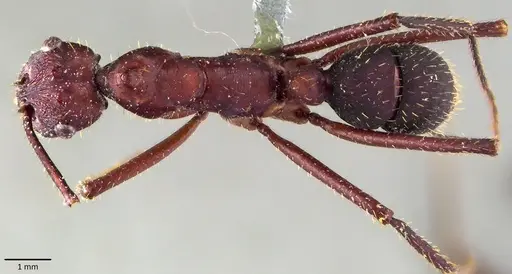
CASENT0106081
View on AntWeb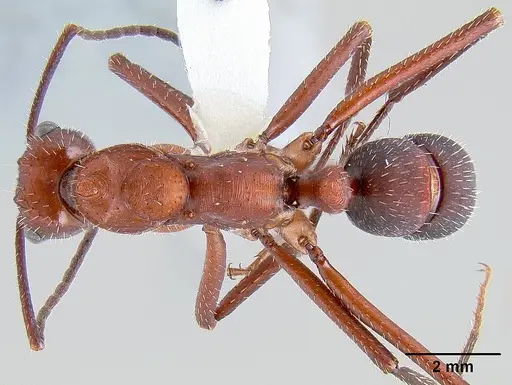
CASENT0173377
View on AntWeb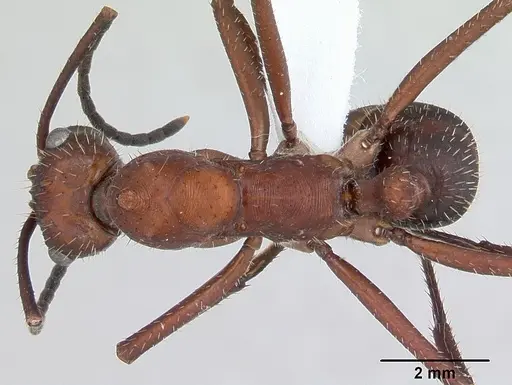
CASENT0281506
View on AntWeb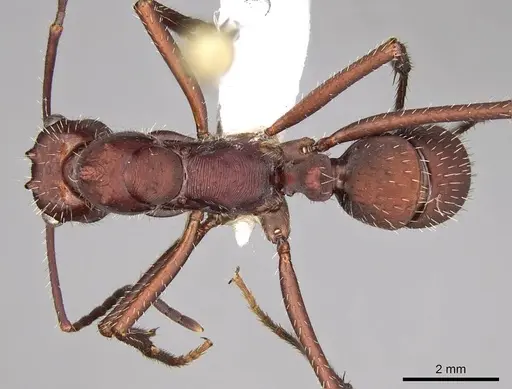
CASENT0915107
View on AntWeb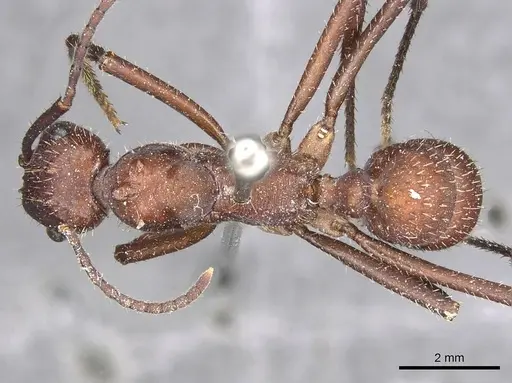
CASENT0915908
View on AntWeb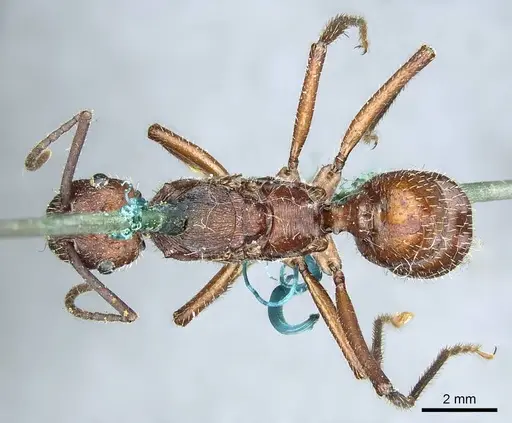
Literature
Loading distribution map...Loading products...