
Eciton drepanophorum
- Sci. Name
- Eciton drepanophorum
- Subfamily
- Dorylinae
- Author
- Smith, 1858
- Distribution
- Found in 6 countries
Introduction
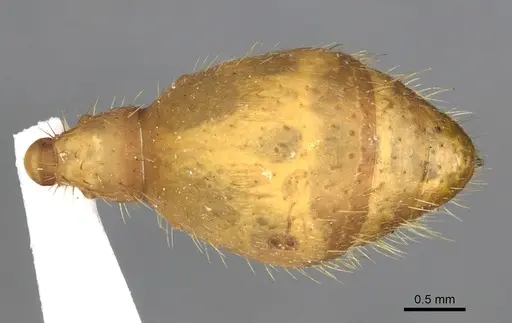
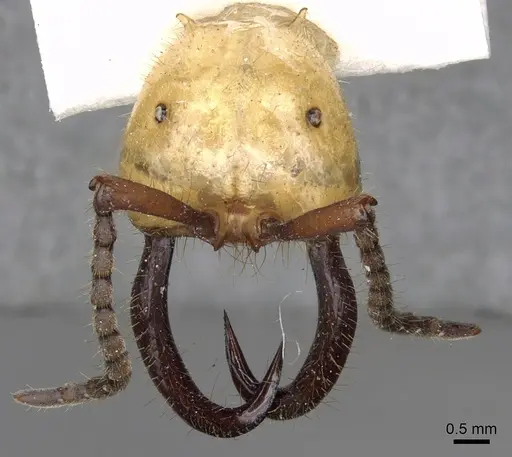
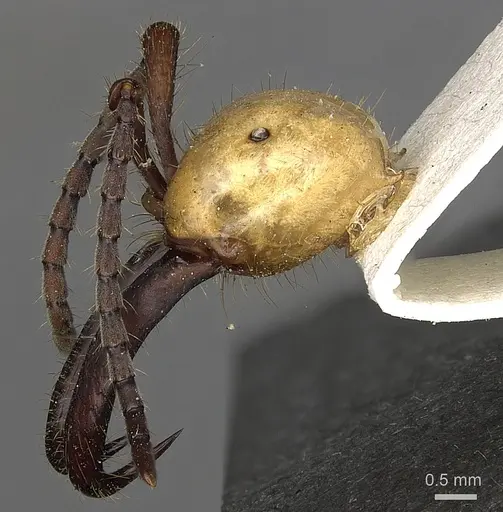
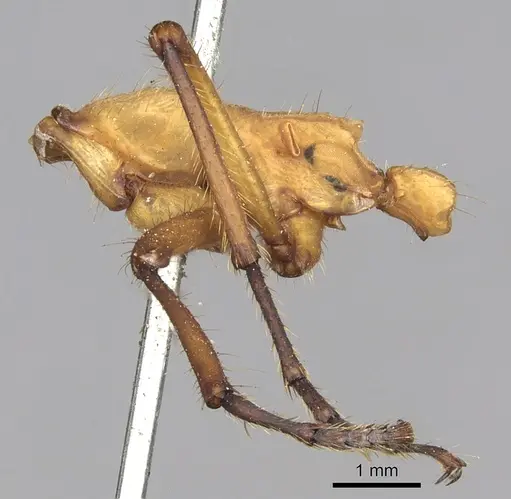
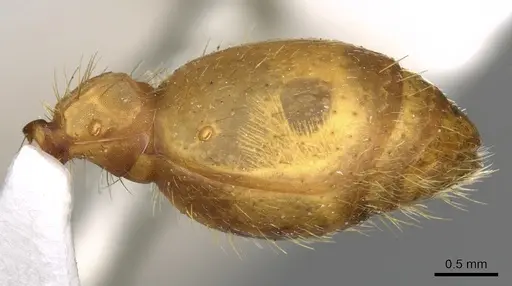
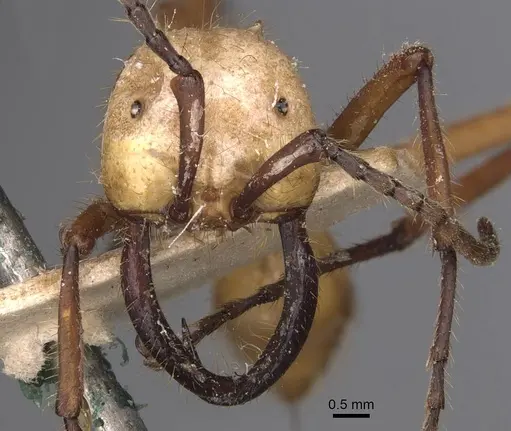
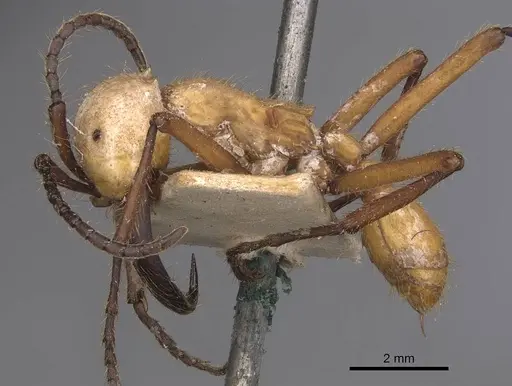
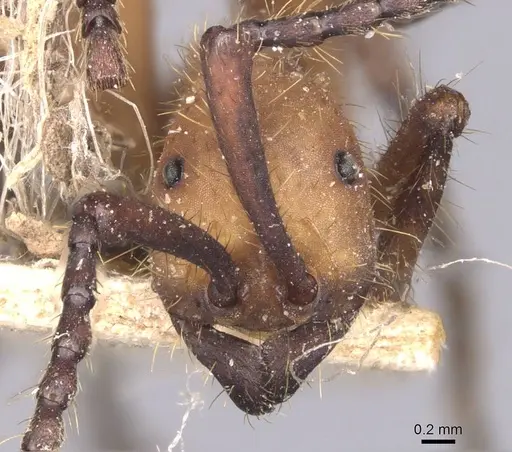
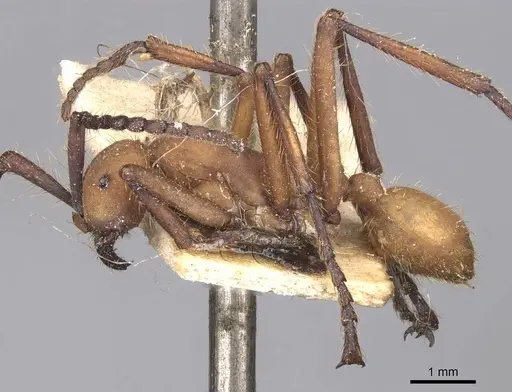
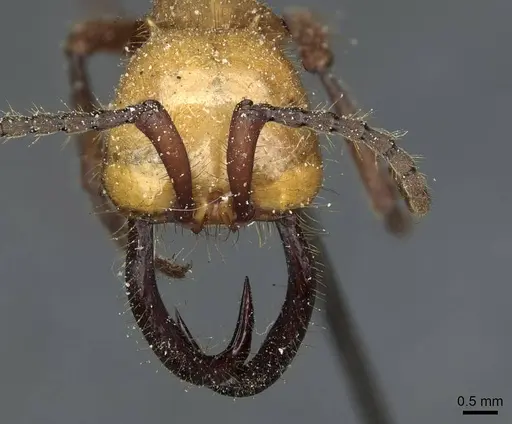
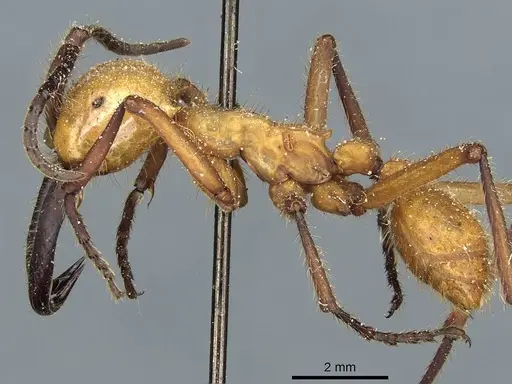
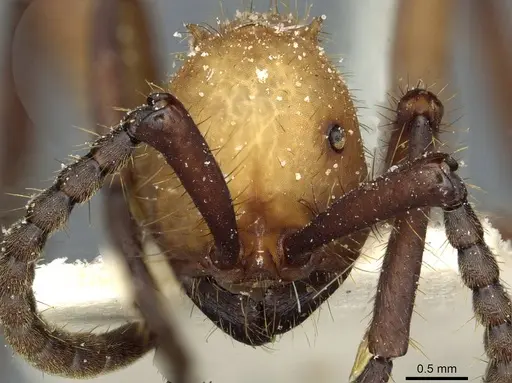
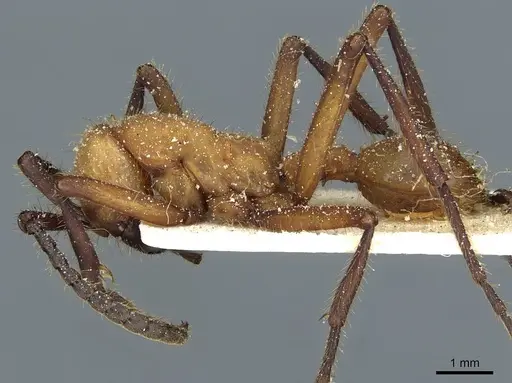
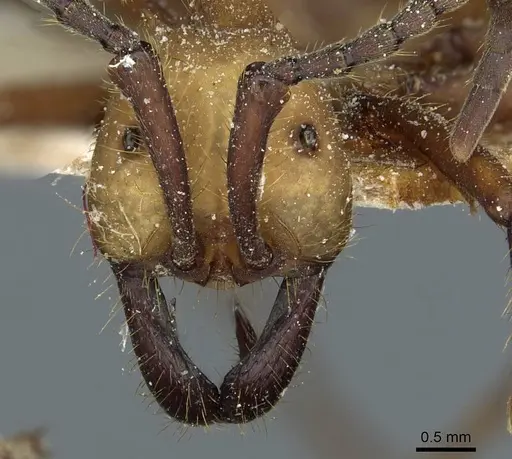
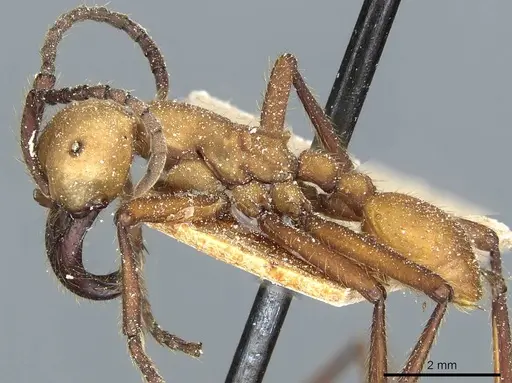
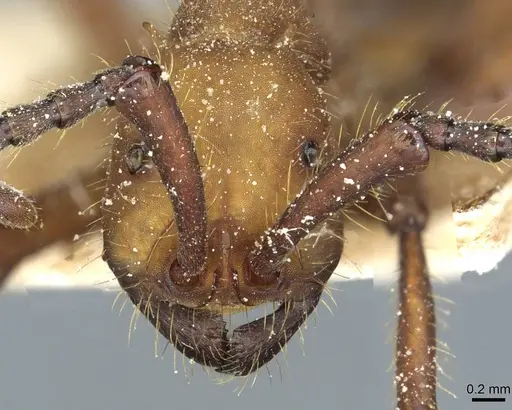
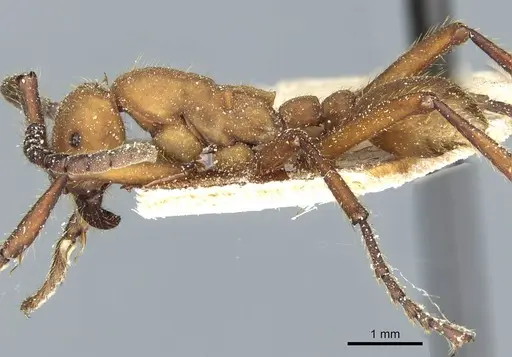
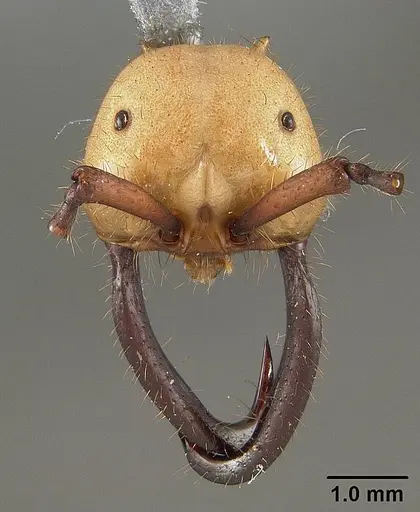
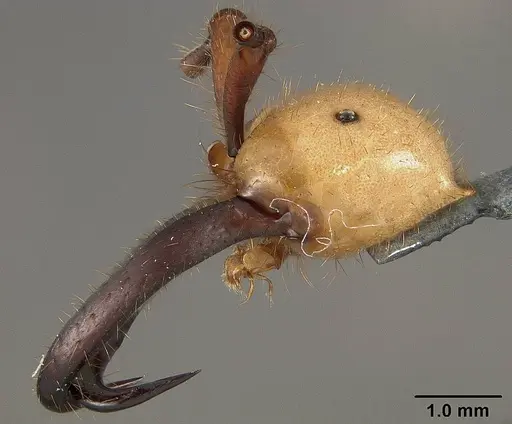
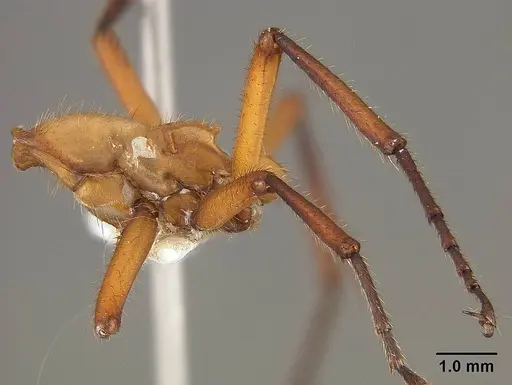
Eciton drepanophorum is a Neotropical army ant species native to the Amazon basin and surrounding regions of South America. Workers are medium-sized for army ants, with the characteristic army ant morphology including powerful mandibles and a streamlined body built for rapid movement. The species is found across Bolivia, Brazil, Ecuador, French Guiana, Peru, Suriname, and Colombia (Amazonas and Meta departments) . They inhabit warm, humid tropical rainforests where they patrol the forest floor in large columns and are a dominant predatory element of leaf-litter ant communities . Unlike most ants, army ants do not build permanent nests. Instead, they form living bivouacs by linking their bodies together, and they are constantly on the move, conducting massive raids across the forest floor in search of prey . This species is a strict predator, hunting insects and other small arthropods in coordinated group raids.
Quick Summary
- Difficulty: Expert
- Origin & Habitat: Amazon basin and surrounding Neotropical regions, found in terra firme (non-flooded) rainforest in Bolivia, Brazil, Ecuador, French Guiana, Peru, Suriname, and Colombia (Amazonas and Meta departments) [6][1][2][3]. They patrol the forest floor in large columns and are a dominant predatory element of the leaf-litter ant communities in pristine Guianese rainforests [4][5].
- Colony Type: Colony structure is typical of army ants, massive colonies with a single queen (monogyne), potentially reaching hundreds of thousands of workers. Queens are permanently wingless after mating and are carried with the colony during nomadic phases.
- Size & Growth:
- Queen: ~12-15mm, inferred from Eciton genus patterns
- Worker: ~3-6mm, inferred from Eciton genus
- Colony: Up to 1,000,000 workers (estimated based on Eciton genus)
- Growth: Fast, colonies grow rapidly when well-fed
- Development: Approximately 3-4 weeks at tropical temperatures (based on Eciton genus patterns) (Army ant brood development is rapid compared to most ants, supporting their nomadic lifestyle)
- Antkeeping:
- Temperature: Tropical species, keep at 24-28°C. They require consistently warm, humid conditions similar to their native Amazon rainforest habitat [4].
- Humidity: High humidity (70-85%) is essential. These ants come from the humid tropical rainforest and will quickly decline in dry conditions.
- Diapause: No, as a tropical species, they do not hibernate. They remain active year-round in captivity.
- Nesting: Army ants do not use traditional nests. In captivity, they require a large foraging area with multiple interconnected chambers or a custom-built bivouac container. They form living clusters (bivouacs) rather than excavating or occupying fixed structures.
- Behavior: Eciton drepanophorum is a highly aggressive predator. Workers hunt in coordinated columns or phalanx formations, overwhelming prey through sheer numbers [4]. They are strictly predatory and will not accept sugar or honey, only live insect prey. This species is diurnal and nocturnal, conducting raids around the clock in their native habitat. They have a potent sting and will defend aggressively against any threat. Escape prevention is critical, these ants are excellent climbers and will readily escape from poorly sealed enclosures. Their small to medium size allows them to squeeze through small gaps.
- Common Issues: massive prey requirements, colonies need constant access to live insects, often hundreds per day for mature colonies, space requirements, these ants need enormous enclosures to exhibit natural raiding behavior, no traditional nesting, they cannot be kept in test tubes or standard formicariums, tropical humidity and temperature must be maintained constantly or colonies crash, extremely difficult to establish in captivity, most Eciton species fail to thrive in captive conditions, aggressive stinging, handling requires extreme caution
Why Eciton Drepanophorum Is an Expert-Only Species
Eciton drepanophorum and other army ants represent one of the most challenging ant species to keep in captivity. Unlike most ant species that can be housed in test tubes or formicariums, army ants have a fundamentally different lifestyle that makes captive husbandry extremely difficult. They are nomadic predators that do not build permanent nests, instead, they form living bivouacs by linking their bodies together and constantly relocate their colony [4]. This means you cannot provide them with a traditional nest. Instead, you must create a system that allows them to form a bivouac while having access to vast foraging space. Beyond housing, the biggest challenge is food. These ants are strict predators that hunt live prey in coordinated raids. A mature colony may consume hundreds of insects daily. This means you need a reliable, year-round source of live prey, typically fruit flies, crickets, mealworms, or other small invertebrates. They will not accept sugar water, honey, or dead prey. Most attempts to keep Eciton species in captivity fail within months because the keeper cannot meet these demanding requirements. Only experienced antkeepers with significant resources and space should attempt this species.
Housing and Enclosure Setup
Housing Eciton drepanophorum requires thinking completely differently from keeping typical ants. You cannot use test tubes, Y-tongs, or standard formicariums. Instead, you need a large, escape-proof enclosure that allows the colony to form a bivouac while also providing extensive foraging space. Many keepers use custom-built plastic or glass enclosures with multiple chambers connected by tubing. One chamber serves as the bivouac site where the ants cluster together. Other chambers provide foraging area and space for prey items. The enclosure must have excellent ventilation while maintaining high humidity. Use a substrate of moist soil or coconut fiber to help maintain humidity. Provide a water dish, but ensure it cannot trap insects or drown ants. The entire setup should be kept in a warm, humid room or incubator. The enclosure must be completely sealed, army ants are excellent climbers and will find any gap or seam. Apply fluon or similar barrier to all edges. Given the space requirements and the need for constant prey, this species is best suited for keepers who can dedicate an entire room or large cabinet to the colony.
Feeding Requirements
Eciton drepanophorum is a strict predator that requires a constant supply of live insect prey [4]. They will not accept sugar sources, honey, or dead insects, only living prey that they can overwhelm through group raiding behavior. For a starting colony of a few hundred workers, offer small live insects such as fruit flies, pinhead crickets, small mealworms, or aphids daily. As the colony grows, you will need to increase prey quantity dramatically. A mature colony may require hundreds of small insects per day. Prey should be small enough that the ants can successfully overwhelm it, army ants rely on numbers to take down prey larger than individual workers. Some keepers maintain cultures of fruit flies, isopods, or small crickets specifically to feed their army ant colonies. Never leave uneaten prey in the enclosure, it will die and potentially cause mold issues. Remove uneaten insects after 24 hours. The hunting behavior is one of the most fascinating aspects of keeping army ants, but it requires significant commitment to provide adequate nutrition.
Temperature and Humidity Control
As a tropical species from the Amazon basin, Eciton drepanophorum requires warm, humid conditions year-round [6]. Maintain temperatures between 24-28°C with humidity at 70-85%. These conditions should never fluctuate significantly, army ants are adapted to the stable tropical environment and will stress or die if conditions change dramatically. Use a thermostat-controlled heating mat under or beside the enclosure to maintain temperature. Monitor with digital thermometers and hygrometers. For humidity, mist the enclosure regularly and use a moist substrate that releases humidity gradually. Ensure good ventilation to prevent mold while maintaining humidity, this balance is crucial. A small computer fan can provide gentle air circulation. If the colony shows signs of stress (clustering tightly, avoiding areas, workers dying), check your temperature and humidity immediately. Unlike temperate species, these ants do not need any cooling or hibernation period, they remain active throughout the year.
Colony Behavior and Raiding Patterns
One of the most distinctive aspects of Eciton drepanophorum is their raiding behavior. Unlike typical ants that send foragers to discover food, army ants conduct coordinated raids across the forest floor in search of prey [4]. Workers form dense columns or phalanx formations and sweep through the leaf litter, flushing out insects and other arthropods. When prey is found, they overwhelm it through sheer numbers, each worker using its powerful mandibles to secure the prey while others continue the attack. This raiding behavior is what makes army ants such effective predators in their native habitat. In captivity, you can observe this behavior by providing adequate space and prey. When you add live insects to the foraging area, you will see the characteristic mass response as workers converge on the prey. The colony will likely form a visible trail between their bivouac and the prey. This behavior is impressive to watch but requires the space to observe it properly. Keep in mind that these ants are aggressive and will defend their colony vigorously, their stings can be quite painful.
Legal and Ethical Considerations
Before obtaining Eciton drepanophorum, check your local regulations regarding ant keeping. While this species is not listed as invasive in most regions, some areas have restrictions on keeping native or exotic ant species. Additionally, consider whether you can ethically meet the needs of this species. Army ants have specific requirements that are difficult to satisfy in captivity, and keeping them responsibly requires significant time, space, and financial resources. Never release this species or any ant into non-native areas. Eciton drepanophorum is native to South America and should never be released in North America, Europe, Asia, or other regions where it could become invasive. If you can no longer keep the colony, contact a local ant keeper, zoo, or educational institution that may be able to take them. Do not simply release them, this applies even if you live within their native range, as captive colonies may carry diseases or parasites that could affect wild populations.
Frequently Asked Questions
Can I keep Eciton drepanophorum in a test tube?
No, army ants cannot be kept in test tubes or traditional formicariums. They form living bivouacs and need extensive space to conduct their characteristic raids. You will need a custom-built enclosure with multiple chambers and a large foraging area.
How long does it take for first workers to appear?
Based on typical Eciton development patterns, expect first workers (nanitics) approximately 3-4 weeks after the queen lays eggs, provided temperatures are maintained at tropical levels (24-28°C). Army ant development is faster than most ant species.
Do Eciton drepanophorum ants eat sugar or honey?
No, this species is a strict predator that only accepts live insect prey. They will not eat sugar water, honey, fruit, or any other non-prey food. You must provide a constant supply of live small insects.
How big do Eciton drepanophorum colonies get?
Eciton colonies can reach massive sizes, up to over 1,000,000 workers. This is one reason why they require such large enclosures and enormous amounts of prey daily.
Are Eciton drepanophorum ants dangerous?
Yes, they have potent stings and will attack aggressively when their colony is threatened. Their stings can be quite painful. Handle with extreme caution and never provoke the colony.
Do these ants need hibernation?
No, as a tropical species from the Amazon basin, they do not hibernate. They require warm, humid conditions year-round and will remain active throughout the year.
Why are my Eciton drepanophorum dying in captivity?
The most common reasons for colony failure are: inadequate prey (they need live insects daily), insufficient space, incorrect humidity (too dry), temperature fluctuations, and stress from disturbance. Army ants are extremely difficult to keep successfully and require expert-level care.
Can I keep multiple queens together?
No, Eciton species are monogyne (single queen). Multiple unrelated queens will fight. Even if a colony naturally has replacement reproductives, combining unrelated foundresses is not recommended.
What is the best nest type for Eciton drepanophorum?
There is no traditional nest type. These ants form bivouacs, living clusters made of their own bodies. Provide a chamber where they can cluster together, connected to a large foraging area. Many keepers use custom plastic enclosures with moist substrate.
Is Eciton drepanophorum good for beginners?
Absolutely not. This species is rated Expert difficulty due to its massive prey requirements, need for enormous space, specific humidity and temperature needs, and the difficulty of maintaining a nomadic lifestyle in captivity. Most experienced antkeepers fail with this species.
Report an Issue
The current care sheet is based fully on literature. See inconsistencies, or something that's incorrect? Please , it will be resolved after review from an admin. Contributing to the blogs tab also helps providing information, to make us be able to further improve the caresheets. Thank you for your support!
References

This caresheet is licensed under CC BY-SA 4.0 .
Community Blogs
CASENT0902634
View on AntWeb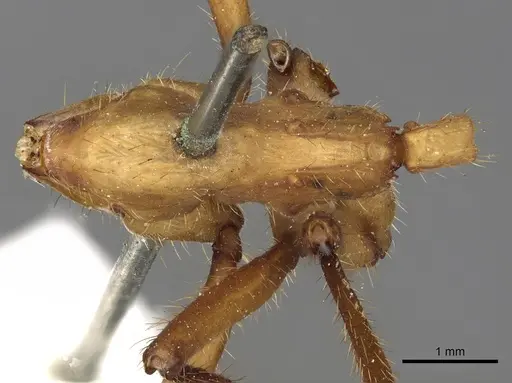
CASENT0905937
View on AntWeb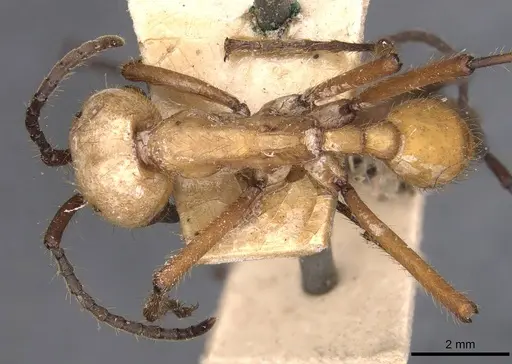
CASENT0905938
View on AntWeb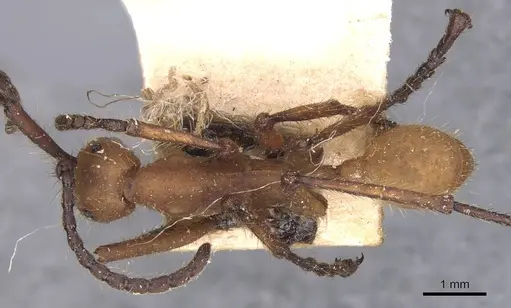
CASENT0911374
View on AntWeb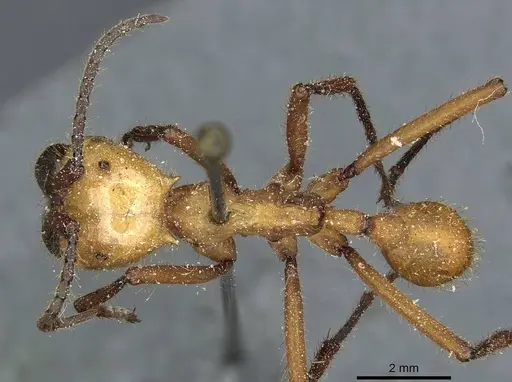
CASENT0911375
View on AntWeb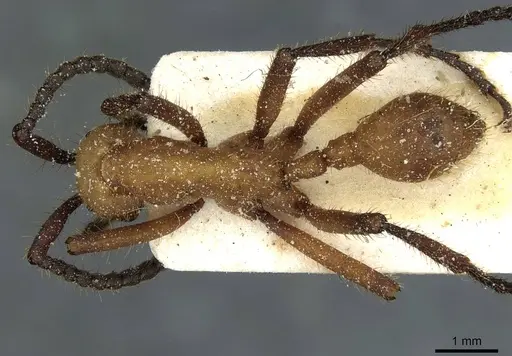
CASENT0911376
View on AntWeb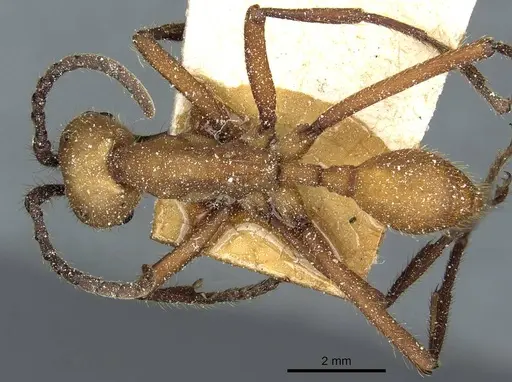
CASENT0911377
View on AntWeb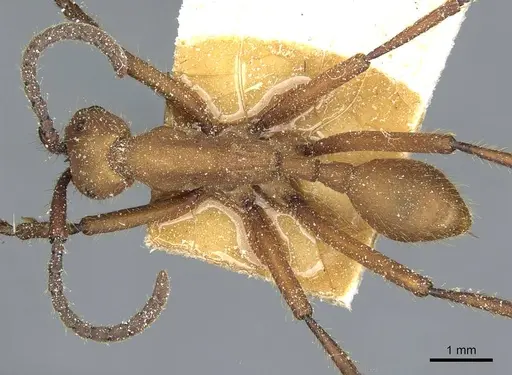
USNMENT01124282
View on AntWeb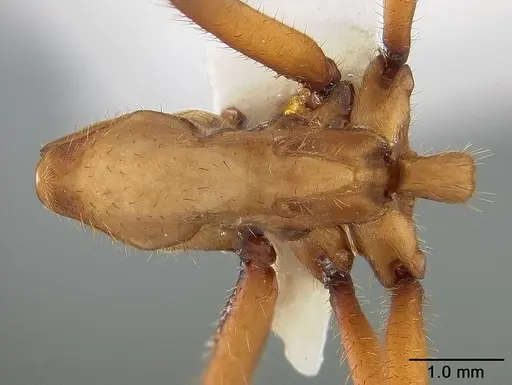
Literature
Loading distribution map...Loading products...